
Last updated: Apr 19, 2026
In Grove City, spring wind and hail risk overlaps with the busiest roof assessment season, making post-storm documentation and scheduling a first-order homeowner concern. When a storm hits, your immediate next step is to photograph and timestamp damage from multiple angles, including any attic signs of water intrusion. Keep a clear record of the date, wind speeds if you can obtain them, and names of any neighbors who also experienced damage. This isn't just about a payout; it's about getting a solid plan in place before the window closes and backlog pressure builds.
Cold winters with freeze-thaw cycles can turn small storm-created openings into active leaks before full replacement season begins. A few minutes with a flashlight, a careful crawl into the attic, and a quick check of ceilings and walls can reveal hairline leaks that otherwise look like cosmetic blemishes but indicate moisture tracking behind shingles. Don't wait for a soaked ceiling to appear before you act. If you notice damp spots or a musty smell, treat it as an urgent warning sign and start coordinating a professional inspection without delay. The goal is to catch problems while they're still manageable, not after they've worsened with another freeze or another round of precipitation.
Late spring through early fall is the typical replacement window in this area, so storm events earlier in the year can create backlog pressure and temporary-repair needs. Temporary repairs can be a practical bridge, but avoid relying on them as a long-term fix. Temporary patching should be carefully documented-what was done, by whom, and for how long it's expected to hold-so you don't face disputes when the permanent work resumes. If you're juggling multiple estimates, line up those assessments in the order they're needed, with a clear note on priority due to weather or settlement concerns. Scheduling early assessments during this busy era helps ensure your project isn't bumped by a flood of other requests.
Documentation is your best defense when storm-related damage is involved. Take current photos from outside after daylight hours, capture roof and gutter damage, and record any interior signs that suggest leaks. Keep a running log of communications with insurers, adjusters, and contractors, including dates, times, and summaries of what was discussed. If a claim is filed, you'll be relying on a coherent narrative that ties storm timing to observed damage and the flood-safe precautions you've already taken. This isn't simply about getting work approved; it's about aligning expectations with reality when the weather turns fickle and the calendar fills with replacements.
Finally, plan for a coordinated pace that respects the region's climate pattern. Communication with your roofer should reflect the freeze-thaw reality, signaling that early-stage issues, if left unaddressed, can intensify once the thaw ends. Set realistic milestones for inspection, temporary measures, and the transition to full replacement so your home remains protected through every risky swing of the season. In Grove City, the clock is always ticking on storm recovery-stay proactive, stay documented, and stay ahead of the backlog before it shifts from manageable to urgent.
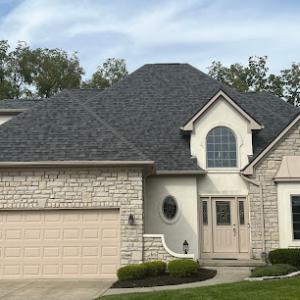
Hope Roofing & Restoration
(614) 333-8007 hope-roofing.com
Grove City, Ohio
5.0 from 83 reviews
Welcome to Hope Roofing & Restoration, your premier destination for exceptional roof replacements in Columbus, Ohio. With an A+ rating from the Better Business Bureau (BBB), we are dedicated to delivering superior service and customer satisfaction. Our expert team specializes in roof replacements and is here to guide you through the insurance claims process, ensuring a hassle-free experience. From start to finish, we handle every aspect of your roof replacement project, utilizing high-quality materials and industry-leading techniques. Rest easy knowing that our skilled professionals will provide you with a durable, long-lasting roof that adds value to your home. We service Franklin County and other surrounding counties.
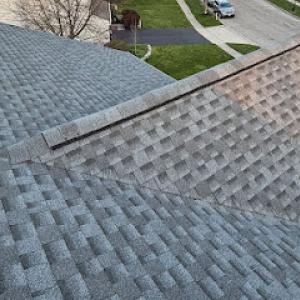
Elevate Restoration
(740) 919-1968 www.elevaterestorationsllc.com
4327 Lemon Lake Ct, Grove City, Ohio
5.0 from 80 reviews
Elevate Restoration, located in Grove City, OH, is your trusted roofing contractor committed to providing high-quality roofing services for residential and commercial properties. With years of experience in roof repairs, installations, and maintenance, we pride ourselves on delivering reliable, durable solutions. Whether it's a minor fix or a full roof replacement, our team handles every project with precision and care. This is what we do every shingle day—ensuring your home or business is protected with a roof that lasts.
DMD Renovation
(614) 782-2010 dmdrenovation.com
6262 Seeds Rd, Grove City, Ohio
4.9 from 113 reviews
From Roofing and Siding to Gutters and Interior projects , we’re providing Quality that you Deserve and Dependability that you can count on.
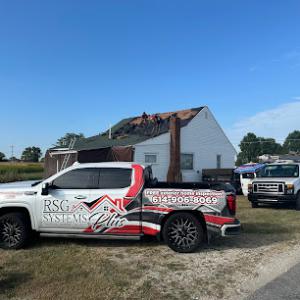
Roofing Siding Gutters Systems Plus
(614) 906-8069 www.rsgsystemsplus.com
2406 Old Stringtown Rd, Grove City, Ohio
4.9 from 52 reviews
Hello, Welcome to RSG Systems Plus! We specialize in Roofing, Siding and Gutters. Contact us for a free exterior inspection! We also do fences, decks and bathroom remodels.
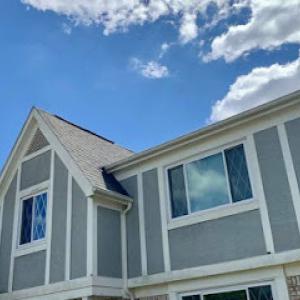
Elements Roofing & Construction
(614) 557-8747 columbusroofing.com
3192 Broadway, Grove City, Ohio
5.0 from 29 reviews
Elements Roofing & Construction is your trusted partner for top-quality roofing services in Grove City, OH, and nearby areas like Columbus, Hilliard, and Westerville. Specializing in commercial roofing, we handle flat roof repairs, installations, and replacements with precision and care. Our experienced team uses premium materials to ensure durability and protection for your property, no matter the project size. From fixing leaks to complete roof replacements, we deliver reliable solutions tailored to your needs. With a focus on customer satisfaction and timely service, we’re here to keep your business covered. Call Elements Roofing & Construction today for a free estimate and secure your roof with experts you can trust!
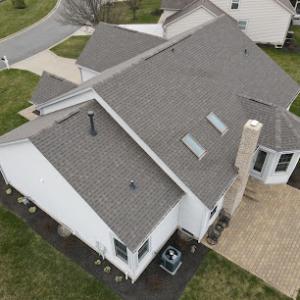
Sublime Roofing
(614) 918-0018 sublimeroofing.com
6256 Seeds Rd, Grove City, Ohio
5.0 from 29 reviews
Sublime Roofing is a locally owned roofing, siding, and gutter company serving Central Ohio. We provide expert roof replacements, storm damage repairs, siding upgrades, and gutter installations with a focus on professionalism, reliability, and customer care. Our team is committed to clear communication, skilled craftsmanship, and spotless clean-up so every project feels seamless from start to finish. Whether protecting your home with a new roof, boosting curb appeal with fresh siding, or keeping water away with gutters and guards, we deliver results you can trust. Now that’s Sublime! ✨

Best Choice Roofing
(614) 820-5682 bestchoiceroofing.com
3148 Broadway #305, Grove City, Ohio
4.6 from 105 reviews
Best Choice Roofing is a roofing contractor in Grove City serving Columbus, Hilliard, Dublin, and nearby areas. Our roofing company offers residential roofing, roof repair, asphalt shingle roofing, metal roofing and more. We also specialize in gutter services. Customers love us because of our comprehensive roof warranties and our affordable roof financing options. We also have industry affiliations and certifications such Owens Corning. Contact your reliable Columbus roofing company for a free estimate!
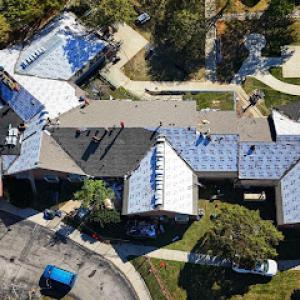
Skyward Contracting
(614) 277-8772 skywardcontracting.com
3873 Broadway, Grove City, Ohio
4.6 from 64 reviews
Skyward Contracting is located in Grove City, Ohio and services all of Central Ohio. They specialize in storm damage restoration and insurance mitigation services. They are a licensed, bonded, and insured General Contractor primarily working with exteriors; roofing, siding, gutters, trim, fascia, soffit, fencing, decks, and more. They provide services for residential and commercial buildings. Inspections and estimates are free. They offer cash discounts.
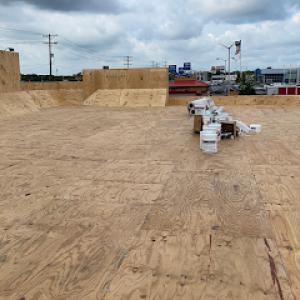
D1 Roofing
(614) 971-8271 d1roofing.simplybook.me
Serving
4.9 from 190 reviews
Division 1 Roofing stands out as an industry leader, offering exceptional roofing, siding, window, and gutter replacement services. Our Division 1 dedication extends beyond our expertise, prioritizing human connections and professional integrity. We are committed to providing the highest quality materials and workmanship while making a lasting, positive impact on the neighborhoods we serve.
Columbus RoofRestor & Home Care
(614) 810-8811 columbusroofrestor.com
Serving
5.0 from 45 reviews
Protect your most valuable asset - your home or business! Extend the life of your roof and keep your property looking great. Why replace your roof when rejuvenation can save you 85%? We offer the following services for residential and commercial customers: Roof Rejuvenation Roof cleaning and moss removal Roof maintenance packages Roof Inspection and Repair House and building pressure washing Concrete power washing Patio, deck and paver soft washing We’re a locally owned and operated business providing asphalt shingle roof rejuvenation, exterior cleaning, and power washing services in the Columbus Area - Union County Madison County Delaware County Franklin County Pickaway County

CJE Restoration
(614) 745-0251 cjerestoration.com
Serving
5.0 from 107 reviews
CJE Restoration, located in Columbus, OH, offers expert roofing, siding, and exterior restoration services for all your home improvement needs. With over 14 years of experience, we are a family-owned business with the community (YOU) at heart. We pride ourselves on delivering exceptional craftsmanship and personalized customer service. From roofing and siding to exterior trim, fascia, and wood repair, we provide a range of services that enhance the beauty and durability of your property. We also specialize in historic exterior restoration, preserving the charm of older homes. Contact us today to start your next project!
Asphalt shingles are the dominant practical choice for Grove City homes, reflecting a blend of affordable maintenance and familiar installation. The local freeze-thaw cycles make the quality of underlayment and attic ventilation just as important as the shingle brand. When planning replacement, focus on installing a breathable, high-quality underlayment and ensuring the attic is well vented to manage moisture and temperature swings. Pay attention to flashing around chimneys, vents, and wall intersections, since those details take the brunt of winter moisture and spring storms. In homes with existing ventilation constraints, a balanced approach-adding ridge vents paired with soffit intake-can pay off over multiple seasons. Shingle color and granule wear should be considered after a storm season, but the core emphasis stays on moisture control and secure seals around penetrations.
Metal roofing suits homes facing both snow-driven load concerns and summer heat, provided the install prioritizes expansion joints, fasteners, and trim detailing. In Grove City, winter melt and freezing cycles expand and contract materials, so metal systems benefit from careful panel alignment and gasketed fasteners that resist ice dam-related leaks. Pay special attention to attic ventilation in metal installations, because metal roofs can reflect heat differently and change how you pull warm air from the attic. Trim detailing around skylights, drip edges, and eave closures should be addressed upfront to prevent heat buildup and wind-driven water ingress. If your home already has a solid roof deck and straightforward geometry, metal can deliver longer service life with tighter warranties on weather resistance; otherwise, verify that the structural deck and fastener retreat fit the new panel profile.
Tile, wood shake, and synthetic products exist in the market, but heavier systems may raise structural review questions if a re-roof involves alterations beyond like-for-like replacement. Clay and concrete tiles offer durability and curb appeal, yet their weight demands a capable deck and properly upgraded structural connections. Wood shakes bring a traditional look but require consistent maintenance and careful wind resistance in windy Grove City springs. Synthetic or composite shingles provide versatility and lighter weight compared with ceramic or concrete, while offering reasonable impact resistance. When considering these options, assess the entire roof assembly: deck rigidity, eave overhangs, and any necessary reinforcement that might be triggered by a non-similar replacement. If an existing roof has clear signs of rot or flex under load, a structural check becomes a prudent step before selecting a heavier system. In all cases, the emphasis remains on compatibility with the existing attic ventilation plan and the local freeze-thaw pattern, ensuring that any heavier material still breathes and sheds moisture effectively.
If you are planning a re-roof project, the first step is to submit through the City of Grove City Building Department. The permit package must include contractor information, so be sure your chosen roofing professional provides current license details, insurance, and contact data. The city uses this information to align inspections with the project timeline and to ensure that the work meets local codes. Starting the process early helps prevent delays when inspections are scheduled and ensures the project follows Grove City's standards for safety and longevity.
Grove City inspections are not limited to the visible finished surface. City inspectors look closely at ventilation, underlayment, and installation details during and after the work. Ventilation must be adequate to manage moisture and attic heat, which helps prevent ice damming in winter and reduces moisture-related issues in the spring. Underlayment quality and correct overlap are checked to shield the structure from moisture during wind-driven rains and spring storms. Expect an inspection mid-project to verify that components behind the shingles are correctly installed, as well as a final inspection to confirm all components meet code and are properly sealed against weather.
If the re-roof project includes any structural alterations-such as replacing roof framing, modifying eaves, or adjusting rafters-the review process in Grove City may extend beyond a straightforward re-roof permit. Structural work can prompt a supplemental plan review to verify load calculations, nailing patterns, and bracket or anchor details for new or altered components. In practice, even minor structural changes can trigger questions about how the entire assembly will perform under freeze-thaw cycles and spring precipitation typical to the area. Have documentation ready from your contractor, including any engineered drawings or confirmation of compatibility with the existing roof system.
Grove City's climate-characterized by freeze-thaw winters and spring hail-necessitates coordination between permit timing and weather windows. Inspections are scheduled around installation milestones, so communication with the Building Department and the contractor helps minimize weather-related hold-ups. Scheduling an inspection on or near days with stable temperatures and lower precipitation can reduce the risk of weather delaying the project and complicating underlayment and ventilation installation. Plan for potential setbacks due to seasonal demand and keep a buffer in the timetable for any required corrections identified during inspections.
Keep a ready file of all permit numbers, inspection notices, and contractor contact information. Before work begins, confirm with the Building Department that the permit is active and that the contractor is listed as the responsible party. After inspections, save the approval stamps and any noted整改 items with dates. If structural work is involved, request a written summary of any extra review decisions and required follow-ups. Clear, ongoing communication with both the contractor and the city helps ensure that the re-roof proceeds smoothly and that the final surface-whether asphalt, metal, or tile-complies with Grove City's standards for long-term performance.
When planning a re-roof in this area, use the Grove City per-square ranges for each material rather than generic Ohio numbers. Asphalt shingles run roughly from 350 to 700 USD per square, metal from 650 to 1200 USD per square, clay tile from 900 to 1400 USD per square, concrete tile from 900 to 1300 USD per square, wood shingles or shakes from 550 to 1000 USD per square, and synthetic or composite shingles from 450 to 800 USD per square. These figures reflect the local balance of suburban homes, roof pitch variety, and the extra considerations that come with recent weather patterns.
Weather-driven demand affects scheduling as well as pricing. After a hailstorm or a strong wind event, crews with fast-turn capabilities are in high demand and may command a premium. Grove City homes with mid-range roof pitches and standard layouts can see pressure on both timeline and crew availability in the weeks following a storm, so plan ahead if the forecast calls for a storm window. That pressure can push up both the bid and the actual start date, even when material costs stay within local ranges.
The cost implications of choosing a heavier system should be considered in context. Clay and concrete tiles, while offering durability and a distinct curb appeal, typically sit at the higher end of the price spectrum and can add friction if the roof structure or decking needs reinforcement. If a roof involves heavier tile systems, expect potential increases in structural assessment time and related labor, which can translate to longer lead times on schedules and, occasionally, higher inspection coordination demands. In Grove City, that combination of weather sensitivity and structural considerations can influence both total cost and the needed project window.
Re-roof projects tend to cluster around the spring thaw and the transition into early summer, when crews can work efficiently without winter-related delays. However, heavy spring hail events can compress the installation calendar and push crews toward back-to-back jobs. For homeowners aiming to align cost and timing, it helps to map a rough window several weeks wide and to secure a trusted local crew early in the season. Budget flexibility is wise, given that demand spikes can narrow scheduling options despite stable base material pricing.
Get a clear picture of your project costs upfront - no commitment required.
Elements Roofing & Construction
(614) 557-8747 columbusroofing.com
3192 Broadway, Grove City, Ohio
5.0 from 29 reviews

Best Choice Roofing
(614) 820-5682 bestchoiceroofing.com
3148 Broadway #305, Grove City, Ohio
4.6 from 105 reviews
Skyward Contracting
(614) 277-8772 skywardcontracting.com
3873 Broadway, Grove City, Ohio
4.6 from 64 reviews
In this market, adjusters come with a reputation for thorough documentation. The typical Grove City claim activity involves hail and wind events, and those patterns push insurers to scrutinize roof-related records closely. When a storm hits, you may not get a straightforward approval for a full replacement; instead, expect a process that relies on detailed evidence. Photos, rooftop documentation, and precise invoices from any work done or planned can be the difference between a smooth settlement and a delay. Keep in mind that the documentation standards aren't just formalities-missing or unclear paperwork often leads to protracted conversations and potential underpayment.
Storm inspections begin many projects rather than planned replacements. If a roof shows hail damage, wind uplift, or accelerated aging after a severe event, your file should clearly separate various phases of work. Start with emergency mitigation actions to protect the home, then outline the specific scope of repairs needed to address current damage, and finally describe the full replacement scope if that becomes necessary. Effective photos include close-ups of damaged shingles, flashing, and vent penetrations, plus wide shots of the overall roof line. Include a dated series of images taken from ground level and, if possible, from the roof using a safe, bidder-approved method. Record any contractor opinions, material types, and timelines so the adjuster can follow the logic of the proposed work.
Depreciation can affect how much the insurer pays upfront and how much coverage remains for a full replacement. When documenting, clearly separate emergency measures, repair work, and a potential replacement plan so the adjuster can see the distinct value of each phase. If depreciation applies, you'll want a precise record of what each dollar covers-and how it translates to the final payout. This matters in Grove City where the interplay between weather-driven claims and the year-to-year condition of aging roofs is common. A well-organized file helps ensure that depreciation doesn't erode enough to stunt a necessary repair or replacement.
Maintain a centralized file with all communications, forms, and contractor estimates tied to the same incident date. Label photos with the date, location, and a brief note on what is depicted. Save invoices that itemize labor, materials, and any ancillary services such as roof decking or underlayment. If a contractor provides a scope change after inspection, document the rationale and obtain written confirmations. Finally, keep a running log of conversations with the insurer, including who spoke, when, and the gist of the discussion. In this climate, meticulous records aren't just prudent-they shape outcomes when hail, wind, and spring storms collide with the local roofing market.
Connect with contractors who help homeowners navigate the claims process from damage assessment to final approval.
Elevate Restoration
(740) 919-1968 www.elevaterestorationsllc.com
4327 Lemon Lake Ct, Grove City, Ohio
5.0 from 80 reviews
DMD Renovation
(614) 782-2010 dmdrenovation.com
6262 Seeds Rd, Grove City, Ohio
4.9 from 113 reviews
Grove City winters bring a real ice-dam risk, so attic airflow and insulation performance are central to roof longevity rather than optional upgrades. If warm attic air escapes into the decking, snow melts near the ridge and refreezes at the eaves, creating a dam that can push water under roofing and into soffits. Ensure attic insulation is evenly thick to meet common local standards and that soffit vents, baffles, and ridge vents provide a continuous path for air to move from soffits to the peak. A practical check is to look for warm-spot staining on the attic ceiling after a freeze-thaw cycle and feel for a cool attic air temperature near the roof deck in winter.
The inspection emphasis on ventilation means your roof replacement should treat ventilation as part of long-term performance. When planning a project, verify that the contractor details vent counts, placement, and the balance of intake versus exhaust to maintain a dry, cold roof deck during winter. In colder months, properly ventilated roofs reduce condensation and help the underlayment and shingles perform as designed. Expect technicians to demonstrate how attic vents tie into the overall roof system, including baffles above the insulation and continuous soffit ventilation along eave lines.
Fall leaf accumulation is a local seasonal concern because it can affect drainage paths and hide edge conditions before winter freeze events. Leaves piled along the eaves or backed up at the fascia can trap moisture and obscure flashing details. Create a proactive fall-cleaning routine: clear debris from gutters and off the roof edge where possible, and inspect edge zones after leaf fall to ensure there is a clear slope for meltwater. If debris blocks any vent openings or leaks into damaged areas, address it before the first freeze to minimize ice-related complications.
In preparation for winter, seal any gaps around attic access doors and verify that baffles remain in place above insulation. Schedule a mid-season inspection after the spring hail pattern and again after heavy leaf fall, focusing on edge condition visibility, underlayment integrity, and ventilation performance. A well-ventilated, debris-clear roof deck ages more gracefully through Grove City's freeze-thaw cycles.
In Grove City's storm-and-freeze-thaw environment, skylight and chimney flashing details are common leak checkpoints during re-roof evaluations. The combination of freezing winters and spring wind-driven storms can push water where flashing meets roof deck and siding. Over time, that pressure reveals itself as small drips or staining around skylight edges or along chimney bases. Because these are surface-area points exposed to temperature swings, even minor flashing misalignments or seal failures can become bigger problems once winter expansion and contraction begin. A careful eye during inspection often catches seams that look fine in the fall but show gaps after a winter of freeze-thaw cycles.
Local contractor signals show meaningful demand for skylight work and chimney-related roof service, indicating these penetrations are a real homeowner concern in this market. When storms hit, flashing around skylights and chimneys is among the first things crews address to prevent interior damage. Look for signs such as hairline cracks in sealant, lifted shingles near penetrations, or rust on metal flashing. These indicators aren't just cosmetic-they can track moisture into insulation and framing if left unattended. In Grove City, small fixes early in the season often prevent larger, more disruptive repairs later.
These details matter more after storm seasons because minor flashing damage can worsen through winter expansion and contraction. Early spring checks after heavy rain or hail help verify that flashing remains watertight before the next set of freezes. If a storm response is delayed, the combination of moisture intrusion and cold weather can complicate repairs and extend downtime in living spaces. A practical approach is to schedule targeted flashing inspections and resealing as part of a proactive re-roof evaluation, rather than waiting for a leak to appear.
Find contractors experienced in skylight installation, flashing, and leak repairs to bring natural light into your home.
Elements Roofing & Construction
(614) 557-8747 columbusroofing.com
3192 Broadway, Grove City, Ohio
5.0 from 29 reviews

While Grove City is primarily a pitched-roof re-roof market, local contractor signals show enough flat-roof activity to justify guidance for additions, porches, and low-slope sections. These areas often sit on the edge of the main shingle field, where standard attic ventilation and underlayment details don't automatically carry over. When evaluating a project, measure the entire low-slope envelope separately from the primary roof and plan for materials and flashing details that align with a flat or near-flat slope. This keeps the addition or garage from becoming a weak point in an otherwise solid roof system.
These low-slope areas are especially vulnerable when spring storms are followed by standing moisture and then winter freeze cycles. In practice, you'll see more edge and parapet leaks after heavy spring rains if the underlying deck isn't fully protected with a continuous, well-seated membrane and properly installed base flashing. In Grove City, freeze-thaw cycles can push water into seams or joints that aren't routinely tested during a typical re-roof of the main field. Plan for a robust vapor barrier, and ensure the insulation and deck drainage around the low-slope section promote rapid drying after rain events.
Homeowners in Grove City should treat low-slope tie-ins separately from the main shingle field when evaluating replacement scope. This means evaluating the low-slope roof's underlayment, flashing, and edge detailing as a distinct system with its own lifecycle. Specify a compatible low-slope membrane, verify that drip edges and fascia are integrated with proper termination, and confirm flashing around roof-to-wall intersections is continuous and sealed. Also assess transitions where the low-slope roof meets the original structure, ensuring a clean, water-tight solar or parapet cap if used. In practice, address these tie-ins early in planning to avoid cascading issues once the primary roof is addressed.
Find specialists in TPO, EPDM, and built-up flat roofing systems for residential and commercial properties.
Elements Roofing & Construction
(614) 557-8747 columbusroofing.com
3192 Broadway, Grove City, Ohio
5.0 from 29 reviews
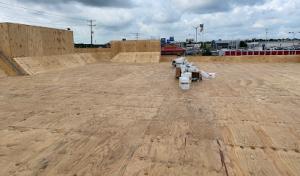
When a storm hits, Grove City homeowners notice a rapid shift in service availability. Local crews that can dispatch quickly and include cleanup in their scope become the first choice, because the market has learned to expect temporary hazards, insurance paperwork needs, and a fast return to normal living spaces. You should prioritize a contractor who can outline a clear sequence: initial tarp and containment, rapid-on-site assessment, reliable temporary protection, and a documented cleanup plan that minimizes debris left on driveways or yards. In practice, that translates to written timelines, daily progress updates, and a hands-on approach to safely containing loose shingles or fascia damage before winter returns.
Grove City's roofing scene is dominated by long-standing family-owned firms and crews with visible, recurring presence after weather surges. These firms are usually the ones that keep dedicated crews year-round, maintain solid local reputations, and return to inspect their work after a season of freezing and thawing. When evaluating options, look for a company with repeat local service calls, a track record of thorough cleanup, and accessible project leads who can meet you on-site without long scheduling delays. Reliability in this market often shows up as consistent communication, predictable project pacing, and crews that respect driveways, landscaping, and neighborhood quiet hours.
Warranty discussions in this market should tie directly to installation quality and documentation because inspections and insurance paperwork both reward complete records. Expect a detailed, itemized record of materials installed, ventilation and underlayment checks, and post-installation inspection notes. A strong warranty will reference the exact components used, their installation methods, and a clear process for addressing any issues identified during Grove City's standard post-storm reviews. Keeping copies of all inspection notes, photos taken during the project, and signed completion acknowledgments helps align protection with the needs of both homeowners and insurers.