
Last updated: Apr 19, 2026
Hilliard sits in central Ohio, where spring hail and heavy rain are a recurring roofing trigger rather than a rare event. The combination of freeze-thaw cycles, late-winter moisture, and tough spring storms means roofs endure repeated stress, and the impact can be hidden at first glance. In this climate, storm damage often unfolds as a sequence: hail strikes during a rowdy afternoon, shingle granules shed over the driveway, and leaks only reveal themselves after a few sharp spring rains. Roofing systems in this area are frequently tested by wind-driven hail and sudden temperature swings, so the moment you suspect damage, the window for effective action narrows.
The signal mix around here is dominated by storm damage, insurance claims, and emergency repair, and that pattern is not an exception but the rule for many neighborhoods in the Columbus-area suburban market. Homeowners routinely see contractors respond quickly to hail events, perform emergency tarping, and guide claim submissions. The practical consequence is that the clock starts ticking the moment hail or high-wind gusts pass through your street. Delays can cost you real headaches, from matching shingles after replacement to extended exposure of an underlayment layer during rainy-season downtimes. If your roof has sustained damage, the fastest path to resolution is a clear, timely sequence: document the damage comprehensively, initiate communication with your insurer, and secure a trusted contractor who can translate weather-driven loss into a solid scope of loss.
Because Hilliard is part of the Columbus-area suburban insurance market, homeowners often need photo documentation and a clear scope of loss to move claims forward after hail or wind events. Start with immediate, high-resolution photos showing both wide roof views and close-ups of damaged shingles, granule loss, punctures, and any interior signs of water intrusion. Photograph the surrounding areas that illustrate the storm's impact, such as downed gutters, dented vents, and damaged siding that may accompany roof damage. Keep a dated log of when damage was observed and any leaks that appeared, including weather conditions at the time. A straightforward scope of loss breaks the roof into sections: affected shingles, underlayment exposure, flashing, and attic or ceiling staining. Having this in hand helps your adjuster visualize the full extent of damage and reduces back-and-forth that can stall the claim.
The real urgency in this market is timing. After hail and spring storms, a full roof replacement can be the most protective choice, but weather windows matter. In practice, a prompt assessment by a licensed roofer who can verify sustained damage and calculate a practical replacement schedule makes the difference between a patchwork fix and a durable, long-term solution. Waiting through another round of storms can allow hidden damage to degrade, elevate the risk of leaks during the next heavy rain, and complicate insurer approval if the assessment timeline drifts. A careful contractor will coordinate with you to balance the claim's scope, available materials, and the seasonal weather pattern to minimize exposure to further weather damage while delivering a sustainable replacement. Stay proactive: once damage is confirmed, secure documentation, align with your insurer, and lock in a trusted local roofer who can translate the claim into a concrete, timely plan.
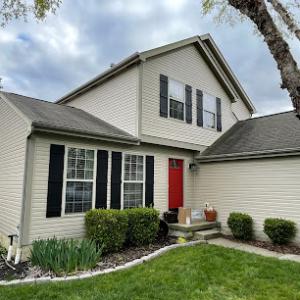
MK Exteriors
(614) 556-3535 www.mk-exteriors.com
4694 Cemetery Rd Suite 325, Hilliard, Ohio
5.0 from 331 reviews
Established in 2004, MK Exteriors is a trusted name in Central Ohio for comprehensive home exterior solutions with 330 ⭐️⭐️⭐️⭐️⭐️ Google reviews! From expert roofing to seamless siding installations, we meticulously transform your home's exterior, enhancing its curb appeal and protecting it from the elements. Our skilled team also excels in insurance restoration and kitchen remodeling, ensuring your home remains in pristine condition. Experience the MK difference and let us breathe new life into your exterior spaces. “Always Keep Improving!”
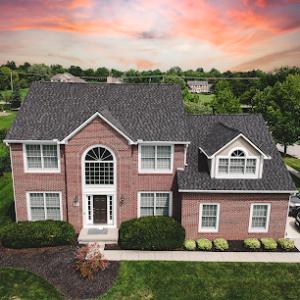
AC Roofing & Siding
3985 Main St Suite #200, Hilliard, Ohio
5.0 from 152 reviews
At AC Roofing & Siding, we're changing the contractor image in Northwest Columbus, one client at a time. Since 2018, we've built our reputation on a simple promise: we do what we say we'll do. As a local, debt-free company, we bring solutions like our exclusive Rhino Roof System, combining premium materials with unmatched craftsmanship. We understand this isn't just another job—it's your home. That's why we prioritize clear communication, proactive updates, and attention to detail in every project. From storm damage restoration to James Hardie siding installation, our GAF-certified team delivers excellence without compromise. Named a Nextdoor Favorite three years running, we treat every home like our own.
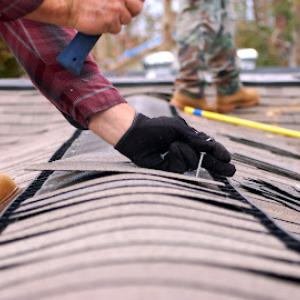
Snyder's Unlimited Contracting
(614) 971-5081 www.snydersunlimited.com
5006 Cemetery Rd, Hilliard, Ohio
4.9 from 244 reviews
Snyder’s Unlimited Contracting in Hilliard, OH is a trusted provider of exterior solutions for residential & commercial properties. We repair and replace roofs, siding and gutters. Leaky roof? Our roof contractors will provide a free roof inspection to determine if there is any roof storm damage to file a roof insurance claim or if a new roof is needed. We will provide GAF and Versico roofing system options on if a roof repair or roof replacement is best for you. Need new siding? We are a proud partner of Mastic siding and Exterior Portfolio. We offer quality vinyl siding, aluminum siding, steel siding and fiber cement siding. Clogged gutters? Our gutter contractors install 5” and 6” seamless gutters. Keep the leaves out with gutter guards.
Revive Roofing
(614) 319-3136 reviveroofingllc.com
3592 Fishinger Blvd, Hilliard, Ohio
4.9 from 47 reviews
Revive Roofing is based on quality, integrity, customer service, and attention to detail. We provide expert roof repair, replacement, and inspection services across Hilliard, Ohio and surrounding areas. We deliver the best possible experience to every client, every time! Contact us for a free inspection and an honest evaluation of your roof and home exterior.
SOS Home Ohio
(614) 957-2731 www.soshomeohio.com
5460 Franklin St Suite 100, Hilliard, Ohio
5.0 from 26 reviews
Professional Installation and repair for roof and exteriors
Rugh's Remodeling
(614) 710-1389 www.rughsremodeling.com
3211 Hilliard Rome Rd, Hilliard, Ohio
4.3 from 110 reviews
We specialize in Storm Damage Restoration. Roofing, Siding, and Gutter installation. We provide insurance mediation for all our homeowners.
All Seasons Roofing & Construction
(614) 702-1648 allseasonsroofing.biz
Serving
5.0 from 11 reviews
For your roofing and siding needs in Columbus Ohio, All Seasons Roofing & Construction has you covered. Our experienced roofers handle everything from a minor shingle repair to a complete roof & gutter replacement with high-quality materials. With a keen eye for detail, they ensure the job is done right and promptly. We are the area's premier roofing and construction professionals.
Erie Home
Serving
4.6 from 297 reviews
Since 1976, Erie Home has manufactured, supplied, and installed the best-performing roofing on the market. By providing ironclad warranties and convenient financing, we ensure that every homeowner we work with receives top quality service and value for their homes and properties. Erie Home professionals are the roofing company of choice in the greater Columbus, OH area. Whether you need roof inspections or roof damage repair services, Erie Home has been the go-to roofing contractor for nearly 50 years because of our attention to detail and dedication to making sure our customers are satisfied with their results. Contact us today for a quote and see why we're the trusted roofing company Columbus counts on.
Arrow Gutters
(380) 257-1545 www.guttercleaningdublinohio.com
Serving
4.8 from 18 reviews
Our gutter cleaning service has been serving Dublin and central Ohio since 1986. Whether your gutters are leaking, overflowing, or just plain slow, we can help you out. We do gutter cleaning, gutter repairs, downspout repairs, and installing gutter screens so the problem won't recur. Not sure if we can handle your issue? Email us a picture of your Gutter problem, and we'll send a free quote saving you time and money.
Scioto Roofing
(614) 706-7360 www.scioto-roofing.com
Serving
4.9 from 29 reviews
Roofing and exterior services for homes and commercial buildings.
Victors Home Solutions
Serving
4.9 from 136 reviews
From our free 21-Point Roof Inspection to our 50-Year Leak Free Guarantee, we’ll protect your home and family for years to come. With almost two decades of roofing experience and a BBB Accredited A+ rating, Victors Home Solutions is the superior roofing and home improvement company across Ohio, Michigan, Kentucky, and Indiana. We provide the highest quality workmanship for residential roof repairs and replacements, seamless gutters, and attic insulation services.
Kerrigan Restoration & Restoration
(614) 373-2519 www.kerriganroofing.com
Serving
4.9 from 289 reviews
Kerrigan Roofing and Restoration is a GAF Master Elite Contractor. We offer the best warranties in the industry and are well-versed in handling insurance claims for customers. Most roof replacements are completed in one day!
Central Ohio winters cycle through repeated freeze-thaw events. That cycling can shorten shingle life by stressing seal strips, flashing points, and roof penetrations. In practice, this means areas that are routinely shaded or receive wind-driven rain tend to show wear earlier than sunlit sections. The high likelihood of ice dam formation during especially cold snaps also pushes water under shingles, accelerating breakdown at edges and ridges. For a typical Hilliard roof, this is not a distant concern-it's a recurring condition that shapes every maintenance decision.
In this climate, the most vulnerable components are the seal strips on asphalt and composite shingles, the flashing around chimneys and vents, and penetrations such as plumbing stacks. Freeze-thaw cycles stress these joints by expanding and contracting with temperature swings, which can create micro-leaks that worsen over time. Metal flashings under shingle laps and valley flashings are common failure points when snow loads and radiant heat from attic spaces interact with cold exterior surfaces. Roof penetrations, where sealant and flashing meet the roof deck, are especially prone to accelerated degradation after several harsh winters.
During the seasonal check, focus on attic ventilation as an upstream contributor to long-term health. Warm air buildup in attics paired with cold roof decks increases condensation and can accelerate shingle edge curling and flashing corrosion. Ensure soffit intake and ridge or gable vents remain clear of insulation blockage, with airflow materializing across the entire attic plane. Exterior inspections should map signs of blistering, curling, or granule loss near valleys, hips, and eaves, where freeze-thaw stress concentrates moisture movement. Pay attention to any lateral movement in roof penetrations, as movement can indicate damaged sealants or shifting flashings that invite leaks after a thaw.
Schedule mid-winter and late-spring checks to catch damage before it propagates. If a seal strip shows marginal adhesion or a flashing seam shows minor uplift, address it promptly to prevent deeper water intrusion during spring thaws. When replacing shingles, aim for matching profiles and consider enhanced valley and flashing details that resist repetitive freeze-thaw cycling. In roofing projects, prioritize vented attic spaces and properly staged insulation to minimize warm-air escape into the attic, which contributes to condensation-related wear. Regular cleanouts of gutters and downspouts help manage meltwater that otherwise concentrates where freezing occurs, reducing the risk of standing ice against eaves and overhangs. In a climate with wide annual temperature swings, these steps translate into longer roof life and fewer emergency repairs.
In the Hilliard area, asphalt shingles and metal roofing dominate the replacement scene. Your neighbors tend to choose asphalt for its balanced cost, decent hail resistance, and straightforward installation, while metal roofs attract homeowners who want longevity, better impact resistance, and lower maintenance in the long run. For most modest-to-midrange homes, a well-installed asphalt shingle system provides reliable protection against the annual mix of spring hail and winter freeze-thaw cycles. Metal, when properly installed, performs well under the repeated heating and cooling of our summers and can offer excellent wind resistance in storm events.
Clay tile, concrete tile, synthetic/composite shingles, and slate appear in the local mix, but they represent a smaller portion of replacement work. Clay and concrete tiles bring a distinctive look and strong durability, yet they require a robust underlying structure and careful handling with hail impacts. Synthetic or composite shingles can mimic the aesthetic of natural products while often delivering improved impact resistance and lighter weight. Slate, prized for its elegance and long lifespan, is chosen selectively where homeowners want a premium, high-end finish and have the roof geometry to support the heavyweight material. When considering these options, it's helpful to weigh how they handle our typical Hilliard weather-especially hail events and the rapid temperature shifts across seasons.
Material choice in this area must account for hail exposure, freeze-thaw durability, and summer heat aging rather than coastal salt, wildfire, or hurricane uplift conditions. Hail is a common stressor here, so you want a surface that can resist impact without compromising sealants and underlayment. Freeze-thaw cycles can stress shingles and tiles, potentially affecting fasteners and edges, so performance under repeated moisture and freezing conditions matters. Summer heat ages materials differently: asphalt can become brittle when aged, metal expands with heat, and tiles can crack if installed too tightly. The best local selections balance impact resistance, dimensional stability, and color longevity to keep your roof looking and performing well through Columbus's west-side climate.
Most suburban homes in this area pair cost-conscious asphalt with a dependable warranty and a contractor network that understands local moisture control and attic ventilation needs. If curb appeal and a specific architectural statement matter, clay, concrete tiles, or slate can deliver distinct aesthetics but require careful compatibility checks with the existing structure and roof slope. Synthetic shingles offer a middle ground: they can resemble natural products while delivering improved hail resistance and often lighter weight.
A practical approach in this market is to align the material's expected lifespan with typical maintenance cycles, reinforcing ventilation and drainage as part of the system. Regular inspections after winter and spring storms help catch hail-induced or weather-related damage early, preserving the roof's integrity. In choosing between these materials, prioritize a combination of proven local performance, installer experience with our climate, and a product warranty that backs up weather-related wear and tear.
As a homeowner in this area, you'll notice cost bands for roof replacements that align with statewide norms but push upward during storm-driven periods. Asphalt shingles typically run from about 320 to 600 USD per square. Metal roofs sit higher, roughly 700 to 1100 USD per square. If clay tile is on the house, expect 900 to 1500 USD per square, while concrete tile generally lands in the 800 to 1300 USD per square range. Synthetic or composite shingles tend to be 350 to 650 USD per square, and slate installations push from 1200 to 2300 USD per square. These ranges reflect the shape of houses common in west-side subdivisions and the need to address older structures with upgraded underlayments or ventilation.
After central Ohio hail and wind events, scheduling can tighten quickly. In this market, storm-driven demand spikes often push reroof pricing toward the upper end of local ranges, especially for asphalt or metal when the crew roster is stretched and material lead times lengthen. Spring storms and lingering winter delays can compound the timeline, so the upper end of the range is not unusual during busy seasons. Planning ahead for these swings helps prevent last-minute price shocks and keeps replacement moving when family calendars are tight.
In recent years, the typical decision point in this area is whether to execute a full replacement or pursue targeted repairs after a hail event. A full replacement in this climate is more likely to be justified when multiple layers are damaged or ventilation and attic conditions need upgrading to prevent future heat or moisture issues. Weather windows are critical: spring storms can interrupt removal and reinstallation, while late fall freezes can slow nail patterns and shingle seating. These soft costs-not just the material price-shape the overall project timeline and total outlay compared with small-area repairs.
To stay within a practical budget, assess the roof's exact square footage and layout, then compare the material options against the local ranges. If hail damage is suspected but not obvious, consider a professional inspection to identify underlayment or deck damage that could raise the effective cost of a replacement. Build in a buffer for potential weather delays and the occasional seasonal backlog that can affect scheduling, especially in high-demand months.
Don't let upfront costs delay a critical repair - these contractors offer payment plans to fit your budget.
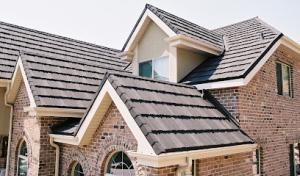
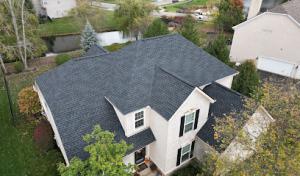
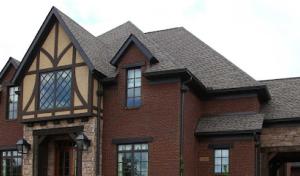
A full roof replacement in Hilliard typically requires a permit. This isn't something to treat as an afterthought, especially with the area's spring hail and freeze-thaw cycles that can compound roof damage. If you skip or rush the permit process, you risk delays, fines, or even having a portion of your work deemed noncompliant later on. Understanding the permit landscape up front helps keep the project moving when you're dealing with weather windows and contractor schedules.
The roofing contractor generally files the building permit with the City of Hilliard or Franklin County, depending on jurisdictional handling. This arrangement saves you from trying to navigate a maze of municipal desks on your own, but it also means communication matters more than ever. Confirm early who is handling the submission, what documents will be needed, and who will chase any corrections if the plan review flags an issue. If you prefer a hands-on approach, ask for copies of all permit paperwork and approval receipts as the project progresses.
Inspections are conducted after roofing is installed and at milestones such as ventilation and flashing when applicable. In practice, that means your roofer should coordinate access for the inspector at key points: once the deck is in place, before shingles go down if a full ventilation overhaul is planned, and after flashing and peak details are completed. These checks aren't mere formalities; they verify proper installation against the local freeze-thaw realities and hail considerations that drive the need for venting, ice and water shield, and attic sealing. Plan for inspection windows in your schedule and communicate any weather-related delays promptly to the inspector and your contractor.
Weather in late winter and spring can compress timelines, so start the permit process early in anticipation of storms. If a retrofit triggers additional code changes or updates, approvals may take longer than expected. Your contractor should provide clear milestones and contact information for the building department, so you're not left wondering when the next inspection will occur or whether a reinspection is needed after a weather-related pause.
Ohio homeowners policies generally cover hail, wind, and other weather-related roof damage, but coverage details vary by carrier and policy form. In practice, this means a single storm can trigger very different outcomes from one insurer to the next. In this market, a claim can hinge on the exact language of the policy and how the damage is documented, so understanding the specifics of your own plan is essential before assuming a full roof is covered.
In the central Ohio market, claim timelines and replacement decisions can shift with broader insurer market conditions even when damage is weather-related. If the insurance landscape tightens, it may affect how quickly a claim is opened, how many components are approved for replacement, or whether a full roof replacement is pursued by the adjuster. The timing of a claim can therefore be as consequential as the damage itself, potentially extending rather than shortening the process.
For Hilliard claims, homeowners should preserve photos, dates of loss, and contractor scopes because adjusters commonly rely on documented storm evidence. Take clear, dated photos from multiple angles, including interior signs of leakage or attic moisture. Keep a record of when the roof was inspected, the contractor's written scope of work, and any temporary protective measures. This documentation helps establish a credible timeline and enables a more consistent comparison between observed damage and the claim narrative, reducing the risk of disputes later in the process.
When a hail event or severe wind hits, acting quickly to gather evidence and coordinating with a reputable, locally familiar contractor improves the odds of a smooth claim. Be prepared for potential shifts in coverage expectations as market conditions evolve, and keep communication focused on documented facts rather than estimates alone.
Local contractor signals show meaningful Hilliard-area demand for skylight work and chimney-related roofing details, indicating these penetrations are common homeowner pain points. The combination of freeze-thaw cycling and spring storms makes flashing around skylights and chimneys more vulnerable than in warm, stable climates. Where water can pool and ice can push against seals, leaks often begin at these penetrations before showing up elsewhere on the roof.
When you inspect, focus on the flashing apron and boot around skylights, and the chimney chase flashings where the roof meets the vertical surface. In many homes, the sealant between the skylight frame and the roof deck dries out, allowing water to creep under shingles during heavy rain or rapid thaw cycles. For chimneys, look at the base flashing and counter-flashing, as well as any intersection with vent pipes or cricket installations that direct water away from the chimney. In Hilliard's climate, snow and ice buildup can lift shingles at these points, widening gaps you might not see from the attic.
If a leak is detected, treat skylight and chimney flashing as high-priority items during a roof replacement. Weather patterns in central Ohio can swing quickly, so coordinating with a contractor who emphasizes thorough flashing detailing at these penetrations helps prevent recurring leaks. Expect a careful assessment of the roof deck around the skylight or chimney, replacing degraded decking, resealing joints, and ensuring proper drainage away from the penetration. Metal closeouts, sealants, and appropriate counter-flashing are essential components of any effective fix.
Keep the skylight curb and chimney chase clear of debris to reduce moisture retention. After storms, inspect for micro-cracks in flashing or loose sealant, especially where the flashings meet the shingles. In late winter, a professional inspection can catch early signs of frost damage around these penetrations before a spring rainstorm tests the system. By prioritizing these hotspots, you reduce the chance of storm water entry beginning at the leaks you're most likely to notice first.
Find contractors experienced in skylight installation, flashing, and leak repairs to bring natural light into your home.
MK Exteriors
(614) 556-3535 www.mk-exteriors.com
4694 Cemetery Rd Suite 325, Hilliard, Ohio
5.0 from 331 reviews
Kerrigan Restoration & Restoration
(614) 373-2519 www.kerriganroofing.com
Serving
4.9 from 289 reviews
The Hilliard-area market strongly signals reroofing, cleanup included, and quick response, showing homeowners care about disruption control as much as price. When a hail event or strong storm hits, the first priority is getting roofs assessed and debris removed promptly to prevent secondary damage. Look for contractors who promise rapid on-site triage, clear appointment windows, and predictable cleanup timelines. You want a crew that can address acute damage, cover vulnerable areas during high winds, and finish the job without dragging the project into a weeks-long headache.
Long-standing, family-owned, and manufacturer-certified firms have a visible presence in this market, which shapes how residents evaluate trust and warranty backing. In practice, that means you'll likely encounter crews who have worked in this area for years, know the common roof lines and attic layouts you're likely to see, and understand which materials pair best with the local climate. Warranty backing from manufacturers, reinforced by local relationships, matters when a storm rolls in again years down the line. Check for craft familiarity with typical Hilliard housing stock and the ability to coordinate with local suppliers and crews who understand your neighborhood's nuances.
Free inspections and drone inspections appear often enough locally to matter, but they are secondary to responsiveness after storms and confidence in cleanup. A drone survey can quickly map damaged shingles, flashing, and vent stacks, yet the real value is a contractor who can translate those images into a clear, actionable plan and a trustworthy timeline. Prioritize firms that offer transparent inspection reports, follow-up communication, and a concrete plan for cleanup and waste removal that minimizes your home's exposure during the process.
Warranty backing is a practical concern in a market where weather can be punishing across freeze-thaw cycles and spring hail. Homeowners screen for consistent workmanship quality, clear post-install care instructions, and the ability to stand behind repairs as part of a comprehensive package. Manufacturer-certified crews often provide more dependable coverage when questions arise, and the right team will walk you through what happens if repeated hail or wind damage occurs before the next storm season.