
Last updated: Apr 19, 2026
Storm damage in this area is consistently the strongest specialty for the local contractor pool, and insurance-claims assistance is a common service. Spring hail, summer thunderstorms, autumn wind-driven rain, and the June-November hurricane season all funnel homeowners into a predictable pattern of damage, inspections, and scheduling pressure. A neighborly approach now can save weeks later: when you notice curling shingles, lifting edges, granule loss, or leaks around flashing, treat it as urgent. These events often arrive in clusters, so a delayed response compounds problems from wind-driven leaks and hidden roof deck damage. You need to prepare as if every storm could trigger a claim, because in practice, insurers expect prompt documentation and timely mitigation.
South Carolina insurers stay active statewide, but Aiken-area homeowners should anticipate requests for photo documentation, contractor estimates, and proof that repairs meet wind-code expectations. Start with a clear photo log: wide shots of the entire roof, close-ups of damaged shingles, flashing, gutters, and any staining on interior ceilings. Date every image and note the storm event it corresponds to. Keep copies of contractor estimates that itemize components affected by wind or hail, plus any temporary mitigation work-tarps or plywood-that prevents further interior damage. Written notes should reflect observed wind directions, the extent of impact on ridge lines, and any balcony or dormer vulnerabilities. If a prior roof existed, compare its condition to post-storm images to demonstrate the change in condition.
Choose a local contractor who clearly specializes in storm damage and understands Aiken's typical roof assemblies-hot Sandhills conditions, asphalt shingle wear patterns, and how metal or tile perform under rapid temperature swings. The right contractor will guide you through a claims-first process, helping you photograph problem areas from multiple angles and ensuring that the scope of work aligns with wind-code expectations. Expect a thorough inspection that focuses on fasteners, drip edges, underlayment, and ventilation, because wind-driven leaks often originate far from visible damage. A trusted pro will also help you balance temporary fixes with permanent repairs, documenting how each mitigation step reduces risk of further loss before the actual replacement.
The storm cycle creates scheduling bottlenecks, so acting quickly matters. Acknowledge that insurers may require timely inspections and may request additional documentation during peak seasons. Your plan should include a prioritized timeline: secure temporary protection for exposed areas, file initial claims promptly, and coordinate with your contractor to deliver a detailed, storm-specific repair plan that addresses both current leakage and long-term roof integrity. If insurers request proof that repairs meet wind-code expectations, your contractor's documentation should translate technical compliance into clear, measurable statements-showing, for example, how fasteners meet code spacing, how ridge and hip caps are secured, and how underlayment and ventilation are restored. In Aiken, keeping a steady cadence of documentation and communication reduces confusion and accelerates settlement.
Find local contractors experienced in assessing and restoring roofs after hail, wind, and severe weather events.

South Point Roofing & Gutters
(803) 284-8010 southpointconstruction.net
5000 Woodside Executive Ct Building F Suite 5172, Aiken, South Carolina
5.0 from 195 reviews
C&B Roofing
(803) 646-5490 candbroofingllc.com
3100 Whiskey Rd, Aiken, South Carolina
4.8 from 103 reviews
Rite Price Roofing
(803) 514-0053 www.riteroofs.com
521 Silver Bluff Rd, Aiken, South Carolina
4.7 from 39 reviews
South Point Roofing & Gutters
(803) 284-8010 southpointconstruction.net
5000 Woodside Executive Ct Building F Suite 5172, Aiken, South Carolina
5.0 from 195 reviews
South Point Roofing & Construction was started in 2000, but our experience extends far beyond that point. Now focusing solely on asphalt shingle roofing repair and replacement and gutter repair and installation, we have perfected our craft to serve all of Greater Aiken and the CSRA with truly remarkable services.
C&B Roofing
(803) 646-5490 candbroofingllc.com
3100 Whiskey Rd, Aiken, South Carolina
4.8 from 103 reviews
C&B Roofing, at 3100 Whiskey Road, is your trusted roofing contractor in Aiken, SC. With over 20 years of experience, we specialize in residential and commercial roofing services. Our team uses top-quality materials from brands like GAF and Leaf Sentry. Call for a free inspection and let us handle your roofing needs efficiently.
Rite Price Roofing
(803) 514-0053 www.riteroofs.com
521 Silver Bluff Rd, Aiken, South Carolina
4.7 from 39 reviews
Rite Price Roofing is your local roofing contractor in Aiken, SC, specializing in the installation, repair, and maintenance of your roof and siding. From metal and shingle roofs to siding and gutters, our expert team is your top choice for all your home's exterior needs. We guarantee to deliver superior craftsmanship and excellent customer service through all phases of your roofing, siding, or gutter project. From leaks and damage to general wear and tear, our roofers offer free inspections to ensure the best protection for your home. We can help address storm damage!
Apple Roofing
900 Trail Ridge Rd #123, Aiken, South Carolina
5.0 from 5 reviews
Apple Roofing provides roof repair and replacement services for homeowners, commercial businesses, and home builders in the Aiken, South Carolina; Augusta, Georgia; and surrounding areas. We handle every roofing project as if it were our own property. At Apple Roofing, we are committed to providing you a comprehensive inspection and project plan that fit your specific needs, as well as making it easy for you, the customer. Our goal is to make roofing a "sweeter experience" for all, and we're committed to do whatever it takes to achieve that goal. Contact us today for a roof replacement or repair quote in the Aiken, South Carolina area.
Peak Performance Roofing
(803) 552-6747 peakperformanceroofingllc.net
Woodside Executive Ct Park, Aiken, South Carolina
5.0 from 4 reviews
Roofing at its best
Amen Roofing
Serving
5.0 from 10 reviews
Our installers have over 30 years of experience in the professional roofing business in Augusta, GA and surrounding area. Amen Roofing provides damage assessment, new roof installation, roof repairs, gutter installation, and work with insurance claims.
Page Roofing & Contracting Services
(706) 836-5161 pageroofandcontracting.com
Serving
4.9 from 44 reviews
If you’re searching for a dependable roofing contractor, look no further than Page Roofing & Contracting Services We are located in Grovetown, GA, and we also serve Augusta. As licensed and insured roofers, we go the extra mile to make sure your roof repair or replacement work will last. If more than just your roof was damaged in a storm, take advantage of our full-service storm damage repairs. We can fix gutters, siding, flooring, drywall and roofing. Call 706-755-1119 today for more information.
Brighter Side Roofing Company
(803) 426-1716 www.brightersideroofing.com
Serving
4.8 from 257 reviews
At Brighter Side Roofing we pride ourselves on the quality of work we do with the quality of materials we use. We use only the best materials available to us and we believe in building a roof system that will last for all our clients in the Augusta and Aiken area. At Brighter Side Roofing we hold ourselves to a higher standard and commitment when it comes to providing shelter to your home. It’s important to Brighter Side Roofing’s owner and operator, Sam Leverette, and his partners to lay eyes, hands and feet on every roofing project they contract to ensure the same level of care and safety that began in 2002 to our Augusta, Aiken, Grovetown and North Augusta area clients.
Hixon's Roofing - Commercial & Residential Roofers
(803) 991-3018 hixonsroofing.com
Serving
4.6 from 230 reviews
Hixon’s Roofing is your team of local roofing experts. Since 1984, we’ve been serving our community with professional and convenient service! Whether you need residential roofing or commercial roofing services in Georgia and South Carolina, we can help. As a family-owned company, Hixon’s Roofing believes in honesty and being a business that you can trust with all of your roof replacements, repairs, and new roof construction needs. No job is too big or too small for our roofing professionals. We’re licensed, bonded, and insured for your peace of mind. We’re not just any roofing company either. At Hixon’s Roofing, we make it a point to be your first choice by offering the best service and products in the business
Southpaw Roofing
(706) 860-6650 southpawroofing.com
Serving
4.8 from 356 reviews
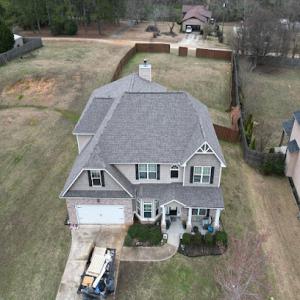
Southpaw Roofing is proud to serve Augusta, GA, Charleston, SC and all points in between. Owners David and Dustin specialize in providing you residential and commercial roofing services and repairs for an exceptional cost. At Southpaw Roofing, we are different in the way we quote, install, & service and pride ourselves with continuing a commitment to excellence. Our mission is to elevate the standard of excellence in the roofing industry by delivering top-quality, reliable, and innovative roofing solutions to our valued customers.
Hero Roofing
(833) 321-4376 yourroofhero.com
Serving
5.0 from 23 reviews
Residential and commercial roofing company offering asphalt shingles and extended warranties.
Ram Roof Repair & Renovation
(803) 624-2418 ramrenovationscsra.com
Serving
4.8 from 16 reviews
Protect your largest investment with our reliable roofing services. We are a locally owned and operated roofing company currently serving North Augusta, SC and surrounding communities. If you want to make your roof last as long as possible, it is vital that you never put off a roof repair. Small issues with roofing become big issues in a hurry. No matter how major or minor the repair you need, we are here to help. We offer roofing services, roof repair, and deck installation.
Storm season and the Sandhills climate mean your roof endures hot, humid summers and sudden thunderstorm bursts. In this environment, the timing of a replacement can affect everything from tear-off efficiency to material handling on exposed work sites. Spring and fall present the clearest windows for scheduling, with cooler temps reducing heat stress on crews and helping shingles seat properly before the peak heat of summer returns. If a storm hits just after winter, that lull between events can quickly disappear as crews get booked up and weather holds delay everything from start to finish.
Spring in this area brings not only bloom and pollen but an uptick in hail potential. Hail can damage shingles and flashing, creating latent leaks that only surface after a few rain events. When a claim is involved, the window to document damage, schedule an inspection, and order materials is compressed by unpredictable weather and the insurance response timeline. Plan ahead by keeping a contingency on deck for expedited orders and potential backlog. If hail bands sweep through, expect a brief spike in scheduling and a shift in crew availability that can stretch a project longer than a calm season.
Summer heat accelerates aging in asphalt and composite shingles and can push a tear-off pace into overdrive or slow it, depending on the workload and moisture. Humidity affects fastener performance and nail guns, so productive days hinge on avoiding the hottest hours. Frequent storms bring temporary shutdowns for safety and material handling, especially on exposed roofs with minimal shade. If a tear-off is scheduled in the heart of summer, discuss swing-shift start times, water and shade provisions for crews, and a plan for protecting underlayment during brief rain windows. A well-timed inspection before the peak heat helps prevent last-minute surprises.
Fall often brings a reprieve from the hottest days, but it can also coincide with residual storm activity that leaves crews juggling backlogged jobs. Scheduling for fall requires a clear view of material deliveries and crew rotation, so you're not left waiting on tiles or shingles while weather windows close. The lingering threat of late-season storms makes a practical approach to sequencing important: prioritize high-risk roofs first, communicate anticipated weather delays, and align insurance documentation so that weather-induced setbacks don't stall the project paperwork. By season's end, you want a finished roof and a clean process that leaves no loose ends when winter approaches.
If a storm is imminent, secure an initial inspection window and document existing damage with photos for insurance purposes. When planning a replacement, choose a spring or fall window with a built-in buffer for weather delays and backlog spikes. Coordinate closely with the contractor on material handling plans for hot days and storm interruptions, including shaded staging areas and protected storage. For insurance-driven projects, ensure the scope aligns with documented storm damage and that the project schedule accommodates potential backlogs caused by hail events or tropical-weather interruptions. By aligning your timeline with local patterns, you minimize disruption and keep the replacement on track through the season.
In Aiken, the heat, humidity, and frequent afternoon storms drive practical choices that balance performance with long-term durability. Asphalt shingles and metal roofing are the mainstream, go-to options because they handle the local climate with predictable maintenance needs and solid wind resistance when properly installed. Clay and concrete tiles, synthetic shingles, and slate show up in some neighborhoods, but their suitability hinges on your home's style, roof framing, and how exposed the roof is to powerful storm winds. If your home faces open exposures or heavy storm声, those materials may demand additional structural attention or upgraded underlayment.
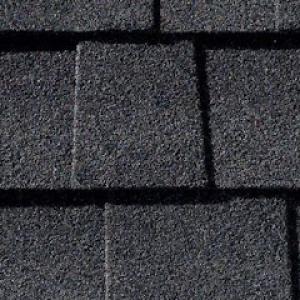
Asphalt shingles are deeply familiar to homeowners who want a balance of cost, ease of installation, and proven track record in storm-prone environments. Look for mid- to high-grade asphalt products with layered, polymer-modified asphalt for better flexibility in heat. The critical detail is venting and underlayment: a solid layer beneath the shingles helps to mitigate wind-driven leaks that can sneak in around the eaves and ridge caps after hail or heavy rains. In a neighborhood with a strong storm history, a roofing system that incorporates upgraded synthetic underlayment and properly flashed penetrations will perform more consistently than basic setups. Metal roofing, on the other hand, excels in shedding rain quickly and resisting wind gusts when fastened with the right pattern and sealant. The choice often comes down to house slope, attic ventilation, and the look you want up top, since metal can modernize curb appeal while offering long-term durability in heat and humidity.
Clay tile, concrete tile, synthetic/composite shingles, and slate do appear in the local market, but their suitability depends heavily on home style, roof framing, and storm exposure. Clay and concrete tiles bring distinctive aesthetics and strong hail resistance, yet they demand a solid roof deck and a framing system that can bear the weight. If your attic or joist structure isn't configured to handle heavier tile options, upgrading the framing becomes a practical prerequisite, not an afterthought. Synthetic or composite shingles can mimic the look of natural tile or slate while staying lighter and easier to install, but they still require careful assessment of underlayment and flashing to handle Aiken's wind-driven leaks. Slate offers a premium, long-lasting option but is typically reserved for homes with robust framing and heritage architecture. In storm-prone districts, the decisive factor is how well the system manages wind uplift and moisture intrusion, which hinges on proper detailing at hips, valleys, chimneys, and dormers.
Regardless of material, ventilation matters because hot, humid air trapped under the roof accelerates aging and can magnify condensation issues after a storm. An effective ventilation strategy keeps attic temperatures down, reducing expansion and contraction that can loosen fasteners and flashing. Underlayment quality becomes a frontline defense against wind-driven leaks, especially along eaves and ridges where storm air can pry at joints. Flashing installation requires precision at walls, vents, and hardware penetrations to prevent water tracking into the attic during gusty storms. The right combination of ventilation, robust underlayment, and meticulous flashing is what separates a resilient roof from one that leaks after the next thunderstorm.
After a hail or wind event, insurance considerations often shape material decisions going forward. In most cases, homeowners benefit from choosing systems with proven wind uplift ratings and compatible underlayment for the local exposure. When evaluating options, consider how a material responds to heat, humidity, and rapid cooling after storms, because these conditions drive expansion and contraction cycles that influence seal integrity around penetrations and at transitions between materials. The goal is a roof that not only looks appropriate for the house style but also maintains integrity through Aiken's storm season, with predictable maintenance needs and a history of reliable performance.
A full roof replacement in Aiken typically requires a permit through the local building department. Before any shingle or tile is removed, check with the permit office about the required forms, timelines, and whether the project needs engineer reviews for certain roof types. In storm-damaged seasons, renovation work often moves faster if the permit is already in process or your roofer helps you annotate the scope to match the inspector's expectations. Keep a copy of the permit on site and display the permit number on all job documentation.
The local review process commonly includes plan review plus inspections during and after the roofing project. Plan reviews in Aiken look for basic structure integrity, ventilation strategy, and moisture management. Your contractor should submit roof details-types of underlayment, ventilation calculations, and flashing specifications-so the review can go smoothly. Inspections are typically staged: an initial framing or roof deck inspection if required, mid-project inspections as work progresses, and a final inspection when the job is complete. Coordinate with your contractor to ensure timing aligns with weather windows and utility interruptions, especially during storm seasons.
Aiken inspectors commonly focus on ventilation, underlayment, and flashing details. Ventilation must meet code requirements to prevent heat buildup and moisture issues in the Sandhills climate. Expect confirmation that soffit vents, ridge vents, or attic fans are adequately sized and correctly installed. Underlayment needs to be the right type for your roof slope and local conditions, with proper layering and nail placement. Flashing around chimneys, vents, and transitions should be continuous and sealed to resist wind-driven leaks common after severe thunderstorms. If your roof has complex detailing or a history of leaks, consider pre-inspection with your roofer to proactively address potential red flags.
Some neighborhoods may also require HOA compliance documentation before work proceeds. Gather any covenants or approval letters early, and share project plans and timeline with the HOA manager. The inspector may request documentation showing that the project aligns with community standards, particularly for roof color, material type, and setback rules. Having these items ready can prevent hold-ups during the permit approval or final inspection.
Before work begins, confirm the permit status and the approved scope with your contractor. Create a simple file with permit numbers, inspection dates, and contact information for the building department. If weather or storm damage changes the project timeline, request a verification inspection window to keep the process on track. After completion, ensure the final inspection is scheduled and that any noted items for correction are addressed promptly to avoid second-round delays.
Typical local pricing runs about $250-$550 per square for asphalt shingles, $600-$1100 for metal, $900-$1600 for clay tile, $800-$1400 for concrete tile, $350-$650 for synthetic/composite shingles, and $1100-$2400 for slate. For most Aiken homes, this means you'll see the asphalt option remain the most common starting point, especially on mid-range neighborhoods with standard gable or hip roofs. If your roof has complex geometry, or you're aiming for higher-end finishes, expect to see the higher end of the ranges, even for asphalt. When you're weighing upgrades, consider how the local climate stresses-hot, stormy conditions and rapid temperature swings-can influence shingle performance and long-term value.
In this market, storm-driven demand surges can raise labor pressure and extend lead times after hail or wind events. After a severe storm, crews can be booked out weeks, if not months, and material deliveries may bounce around schedules. If timing matters for you (for example, to minimize interior exposure during spring thundershowers), plan ahead and secure a contractor who can prioritize a staged approach, with temporary protections in place while waiting for full replacement. Wind-driven leaks after a storm often reveal secondary damage, so expect a thorough inspection and potential plywood or underside repairs in addition to the top-layer replacement.
Costs can shift based on whether your roof design or material choice requires more detailed flashing and ventilation work. Clay and concrete tiles, for instance, typically need more intricate flashing details and specialty fasteners, which can push per-square prices higher than flat-slope shingles. Synthetic/composite shingles offer a middle ground for durability and weight, with mid-range pricing. Slate is the premium option, with substantial labor, specialized installation, and dramatic cost differences between square footage and roof complexity. HOA documentation needs and coordinated inspections can also influence overall timing and out-of-pocket with some projects.
South Carolina has not seen a statewide homeowners-insurance pullback, so the issue in Aiken is less market availability and more claim documentation quality. Storms roll through the Sandhills with wind-driven leaks and hail, leaving roofs that look fine but are structurally stressed. In this climate, an adjuster may rely on contractor estimates and requests for extra support when wind or hail damage is claimed. You should expect this and prepare accordingly, not hide from the process.
Keep date-stamped photos of the roof and interior leaks within reach. Interior evidence of leaks-stains on ceilings, soaked drywall, or attic moisture-speaks loudly in a claim. Retain records showing that temporary fixes or repairs were done to stop further damage, and notes that repairs followed code-compatible procedures. A contractor's written assessment, photos of damaged components, and a clear record of weather events help bridge gaps when questions arise.
When a storm hits, document immediately. Take wide shots of the entire roof and close-ups of damaged shingles, flashing, and chimneys. Collect receipts for any temporary tarps or debris protection, and file them with the claim. If the adjuster asks for more support, your contractor can provide an independent estimate and a breakdown of code-compliant repairs. Keep a simple file that ties each photo to a date, a location, and a short description.
Wind-related claims carry long tails if documentation lacks clarity. The more you show, the less room there is for surprise delays or denied coverage. Being meticulous now helps ensure your roof gets inspected fairly, and repairs proceed without unnecessary holds.
Because local inspections emphasize flashing, underlayment, and ventilation, these are also the areas where poor workmanship is most likely to create callbacks or failed inspections in Aiken. When flashings around chimneys, vents, skylights, and valleys aren't integrated tightly with the roof deck, a storm's wind-driven rain can exploit gaps and misalignments. A single loose boot or improperly folded step-flashing can become a gateway for leaks during the next thunderstorm.
Wind-driven rain during thunderstorms and tropical-weather bands can expose weak flashing details around penetrations and roof transitions, but insufficient underlayment or gaps beneath it magnify the risk. In homes with aging shingles, the underlayment may be the first defense to fail when moisture pockets form behind the exterior layer. This combination-poor underlayment protection plus restricted attic airflow-lets heat and humidity creep into the roof space, increasing the chance of hidden rot and mold in the ceiling and attic spaces.
Heat and humidity in Aiken increase the importance of attic airflow and moisture management, especially on aging shingle systems. When attic vents are blocked or soffit baffles collapse, hot air stalls in the attic. Shingles expand and contract with daily temperature swings, and poor ventilation accelerates curling, cupping, or granule loss at the edges. The result is accelerated aging, more brittle edges, and a higher likelihood of wind uplift vulnerabilities during storms.
Storms around town stress roof lines where transitions meet walls, chimneys, and vents. If these connections were rushed or partly repaired after a prior event, a new leak can appear quickly under the next round of wind and rain. In such cases, a homeowner often discovers a small, persistent drip that grows into visible staining, making the inspection history a critical factor in diagnosing the true failure point.
Find contractors experienced in skylight installation, flashing, and leak repairs to bring natural light into your home.
C&B Roofing
(803) 646-5490 candbroofingllc.com
3100 Whiskey Rd, Aiken, South Carolina
4.8 from 103 reviews
All South Siding, Windows & Roofing Company
(706) 495-5102 allsouthsidingandroofing.com
Serving
4.5 from 90 reviews
Re-roofing here is a dominant service category, with homeowners often replacing rather than patching. When storms roll through and hail hammers the Sandhills, you want a crew that treats storm damage as a real, time-sensitive job. The best crews move fast, show up prepared, and stay on site until the yard and gutters are spotless. Look for a company that understands the typical shingle lines, attic ventilation quirks, and the pressure to get a solid roof back over your head quickly.
In this market, quick response and cleanup are not afterthoughts. A reliable contractor answers calls promptly, provides a clear on-site assessment, and outlines a short, practical plan for removal, installation, and debris removal. Favor crews with established crews and a history of steady work in storm corridors. They should be able to demonstrate a track record of finishing projects in a single visit window without leaving you chasing crews for weeks.
Free inspections are common, but not universal. Ask what the inspection covers: roof deck condition, flashing integrity, and ventilation updates tied to weather exposure. Aiken homes often bear the brunt of wind-driven leaks around ridge caps and vents, so prioritize contractors who check for wind-driven gaps and water intrusion paths. Documentation that clearly ties found issues to repair steps helps you move through the claim process with confidence.
Long-standing local contractors tend to blend fair pricing with dependable schedules. Look for a company that has existed through several storm cycles, with a straightforward warranty and a willingness to coordinate with insurance providers. Request referrals from neighbors who weathered recent hail events, and verify credentials, insurance, and a dedicated project supervisor who stays on the job until clean-up is complete.