
Last updated: Apr 19, 2026
Spring in this inland stretch brings a double punch: sudden hail flakes and brisk wind storms that slam across flat and pitched roofs alike. The risk peaks during April and May, when the skies open and the weather can flip from sunny to severe in a hurry. For a Fayetteville home, shingles take the brunt of that blend-lately, hail can nick edges and granules, while wind can lift exposed reveals and loosen fasteners. This is not a distant threat; it plays out in real time with storms that arrive on a forecast, then vanish as quickly as they appeared. The practical implication is clear: if a major storm hits, the clock on decision-making starts ticking immediately. Waiting for a routine season to pass can complicate repairs, extend contractor backlogs, and blur the line between new storm damage and aging wear.
In this market, roof claims are routinely weighed against roof age and prior wear. That makes precise documentation essential. After a storm, grab dated photos showing the specific damage: hail impact marks, bruised shingles, lifted edges, dented vents, and any visible granule loss in gutters or downspouts. Take photos from multiple angles and, if possible, a short video during daylight to capture shimmer or movement that static photos miss. Track the storm by noting the exact date, location, and approximate time it struck, and keep notes on how long the neighborhood experienced wind or hail with gusts that rattled loose materials. Before repairs begin, assemble a simple timeline: pre-storm condition (if known), storm occurrence, post-storm observations, and the first contractor visit. This helps show whether damage aligns with the storm, or if it could be explained by cumulative aging. The goal is to create a credible, timestamped record that a claims adjuster can follow without second-guessing.
A common pitfall is confusing normal wear with storm-created issues. In Fayetteville's climate, a long, hot summer followed by a sudden hail event can superficially resemble aging when viewed in isolation. A practical approach is to compare the storm-affected roof sections with undisturbed areas on a clear, sunlit day. Look for sharp impact marks, broken tabs, or bruising that isn't present on zones sheltered by shade or awnings. Check for lifted shingles or flashing that appears displaced around valleys and chimneys-a telltale sign of wind surge rather than heat exposure. If the roof is a few decades old, note that aging can exaggerate wind and hail effects, but the presence of concentrated damage in a short window after a storm is a strong indicator of storm-related impact. Share these observations alongside your photos with the contractor and the insurer to support a straightforward assessment.
Spring storms can flood contractor calendars with urgent requests, leading to bottlenecks that stretch into early summer. The practical consequence is that timing matters for both repair quality and claim handling. If a storm response is delayed, the risk of secondary damage grows-exposed underlayment, moisture intrusion in attic spaces, or minor leaks that become larger issues after heavy rains. Plan for an expedited inspection after a significant hail event or wind burst, and set expectations with your roofer about prioritizing damaged sections first, especially around eaves and valleys where water flow concentrates. Inland, not a coastal code market, means that retrofit considerations are less about hurricane-specific requirements and more about ensuring that the immediate storm-created damage is addressed promptly to prevent accelerated aging from moisture ingress.
Keep a single folder of all storm-related documents: dated photos, storm timing notes, contractor assessments, and any correspondence with the insurer. A concise summary sheet that aligns dates with observed damage and repair recommendations makes the process smoother for everyone involved. In Fayetteville, where spring weather can swing quickly, having a tight, verifiable narrative around when damage occurred and how it was documented is the practical backbone for a smooth recovery. This approach minimizes gaps and helps ensure that repairs address the actual storm impact, not just appearance or aging alone.
The rhythm of a Fayetteville roof is set by hot summers, moderate winters, and plentiful seasonal rainfall. Prolonged snow loads and salt-air corrosion aren't common foes here, so shingles aren't driven to the rapid, freeze-thaw shattering that northern climates see. Instead, heat and wind take their toll year after year. Asphalt shingle wear tends to accelerate where long summer days bake the roof and where afternoon storms drive hail and gusts. Metal roofs develop dent patterns and seam wear from wind-driven debris, while clay and concrete tiles face color fade, micro-cracking, and a higher risk of broken tiles after hail. Understanding this cycle helps you anticipate replacement timing, rather than chase a fixed calendar.
Spring in this region often brings the sharpest reminders of what seasonal storms can do. Hail stones, coupled with strong winds, can damage a roof even when the surface looks mostly intact from the ground. If a hail event lands, the critical decision point is whether the damage is cosmetic or structural, and whether the damage has compromised underlayment or deck integrity. In the weeks following a significant hailstorm, a thorough inspection is worth scheduling while the memory of the event is fresh, and before heat builds back up. Insurance documentation tends to be smoother when the incident is recent, keeping dates and meteorological notes in order. Later in the season, spring and early fall usually present more comfortable conditions for replacements, reducing heat exposure for installers and improving material handling.
Heat exposure accelerates shingle aging and can cause fasteners to loosen in some roof assemblies. In Fayetteville's climate, shingle granules shed more quickly when the sun beats down, and the sticky humidity amplifies the softening of asphalt layers. Wind, especially during severe spring or summer storms, can lift edges, loosen seals, or peel-up vulnerable segments. When planning a replacement, homeowners weigh the desire for a resilient, storm-ready roof against the reality that heat can shorten the working window and affect certain materials more than others. For example, metal roofs may show faster denting under repeated hail impacts but can offer outstanding longevity with proper flashing and fastener maintenance; tiles can provide excellent life with proper underlayment and wind-rated installation, though they demand careful handling to prevent breakage during storm-season removals.
After a hailstorm or strong wind, conduct a quick surface check from the ground for lifted shingles, cracked edges, or displaced granules, and note any areas that look unusual or feel softer under a foot. Schedule a professional roof inspection promptly to differentiate cosmetic damage from structural concerns. If damage is confirmed, document the scene with photos and keep a storm diary that includes dates, rainfall totals if known, and a summary of the meteorology. This documentation supports insurance discussions and helps determine whether a repair is feasible or a full replacement is warranted. For replacement planning, align the schedule with comfortable seasons-spring and fall-when installers can work around the extremes of summer heat and winter freezes, ensuring better material handling and a steadier workflow.
Asphalt shingles are a dominant choice in Fayetteville, and for good reason: they balance cost, ease of install, and broad suitability for the local housing stock. In hot summer temperatures and humidity, however, granule loss, curling, and faster aging can occur if attic ventilation is weak. You'll want to pair asphalt shingles with solid attic ventilation-think a well-sealed attic space with effective soffit and ridge vents-so heat and moisture don't linger above the living space. If your roof already shows signs of heat-driven curling or granules accumulating in gutters after the summer peak, a ventilation retrofit alongside any replacement is a smart move. Look for architectural shingles if you want a longer, more weather-resistant profile that still stays within a familiar installation framework for Fayetteville homes.
Metal roofing performs well for Fayetteville heat and rainfall, with its reflective properties helping to suppress interior heat and resist wind-driven rain. The key to getting the most from metal in this climate is installation quality around fasteners and flashing, plus attention to condensation control inside the attic. In humid conditions, improper flashing or poorly sealed seams can lead to moisture issues that undermine comfort and the roof's long-term performance. If you're choosing metal, prioritize a reputable local installer who emphasizes sealing at penetrations (vents, skylights, chimneys) and a thoughtful condensation plan for the attic space. A metal roof can ride out spring hail better than some other options, but the benefit only shows when the system is correctly engineered for the house layout and climate quirks.
Clay tile, concrete tile, wood shakes, and synthetic shingles are available options in this market, but their suitability depends heavily on structural load, moisture exposure, and whether the home's design fits heavier or specialty materials. Clay and concrete tiles bring enviable longevity and a distinct appearance, yet they impose significant weight; older or smaller homes may require structural reinforcement. Wood shakes offer natural beauty and decent durability if properly treated against humidity and insects, but they demand regular maintenance and can be vulnerable in wet seasons. Synthetic shingles provide a middle ground, combining some of the resilience of metal or tile with lighter weight and easier installation. In all cases, evaluate how each material handles moisture from regular rains and spring wind blasts, and whether the attic and crawl spaces are prepared to manage the additional ambient humidity these options may introduce.
Your decision should align with both the home's structure and its exposure to spring hail and high summer humidity. A well-ventilated attic gracefully supports asphalt, while metal benefits from precise detailing around seams and penetrations. Heavier materials demand structural confirmation, and the aesthetics must harmonize with the house's overall design. When considering replacement, visualize how the material will respond to Fayetteville's seasonal patterns-hail gusts, humid heat, and long summer afternoons-so the roof remains reliable across years rather than merely for the next season.
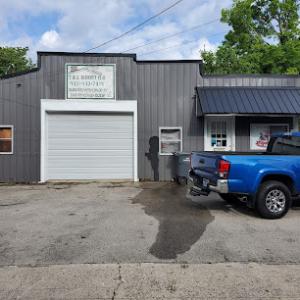
T & L Roofing
(931) 433-7314 www.tandlroofing.com
421 Lincoln Ave S, Fayetteville, Tennessee
4.9 from 50 reviews
We are a roofing company, in Fayetteville, Tn. Daddy and I combined, we have been in business for 53 years. We are licensed and insured. We do: Repair, Replace or New construction for shingles or metal.
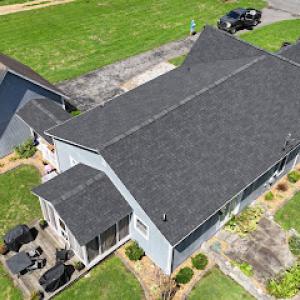
High Point Roofing & Siding
(931) 339-7840 www.highpointrooftn.com
408 Cherokee Ave, Fayetteville, Tennessee
5.0 from 17 reviews
High Point Roofing & Siding is your trusted local expert specializing in roofing and siding replacements. With years of experience in both insurance and retail markets, we offer seamless solutions to protect and enhance your home. From roof repairs to full replacements, our team delivers exceptional workmanship and customer service every step of the way. We use high-quality materials and cutting-edge technology to streamline the roofing process, ensuring a stress-free experience for homeowners. At High Point Roofing & Siding, your satisfaction is our priority. Contact us today for a free estimate and elevate your home’s exterior.
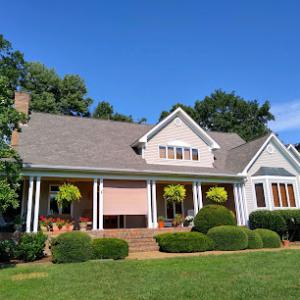
Roofing Services
(931) 433-9706 www.roofingservicesco.com
508 Norris St #3093, Fayetteville, Tennessee
4.8 from 13 reviews
Residential and Commercial Roofing Systems. We are a authorized applicator for Carlisle Syntec. We install all major brands of shingles and metal roofing systems.
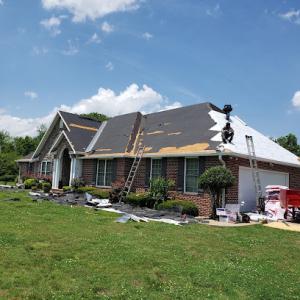
Pittenger Roofing & Construction
(931) 993-3122 pittengerroofingandconstruction.com
234-A Howell Hill Rd, Fayetteville, Tennessee
4.4 from 5 reviews
We have been the go-to roofer for several years. We do everything we can to ensure that the people living here are well taken care of. When you call us, you are calling on the people who are going to stand by you and do the right thing. Call us today, and we promise to do our best to help you with our efficient and ethically priced services!
Storm Guard Roofing & Gutters
(256) 468-2667 www.stormguardroofingal.com
Serving
5.0 from 11 reviews
Storm Guard Roofing and Gutters is a veteran-owned and locally operated roofing company proudly serving Madison County and surrounding areas since 2008. We take great pride in enhancing our community, one roof at a time. With years of experience, we specialize in providing high-quality roofing services and solutions tailored to meet your needs. Whether it's a repair, replacement, or new installation, our team is committed to delivering exceptional results. Contact us today for reliable, professional roofing services!

Thompson Roofing & Construction
(256) 766-3464 www.256roofing.com
Serving
4.9 from 1119 reviews
Thompson Roofing and Construction is a trusted roofing contractor based in Madison, AL, proudly serving Metro Huntsville, the Shoals, North Alabama, and Southern Tennessee for since 2009. Whether it’s a new residential or commercial installation, a re-roof, or a repair, no job is too big or small—we deliver local roof repair & roof replacement near you! As a family-owned, award-winning business founded by proud Alabama natives, we take great pride in our craftsmanship and in giving back to the community we call home. We’ve been committed to providing superior service, premium materials, expert knowledge, and flawless workmanship to every customer we serve. Schedule your appointment today and experience the Thompson difference!
Bunn's Roofing
(931) 290-4017 bunnsroofpros.com
Serving
4.6 from 67 reviews
Bunn's Roofing provides roofing, gutters, and siding to the Tullahoma, TN area.
Lewis & Son Roofing & Construction
(256) 533-1213 www.lewisandsonroofing-hsv.com
Serving
5.0 from 40 reviews
Lewis & Son is a full-service Roofing and Construction company, backed by years of experience from a team of Elite Contractors.
Adams Roofing
(931) 684-1463 adamsroofingtn.com
Serving
4.9 from 66 reviews
Adams Roofing, Inc. is a Shelbyville, Tennessee based roofing contractor specializing in residential and commercial roof repair and roof replacement. We can handle all your roofing needs, from minor roof repairs to complete roof replacement.
Graceco Roofing & Consulting
(615) 617-5600 gracecoroofing.com
Serving
5.0 from 27 reviews
Graceco Roofing & Consulting stands as a premier Middle TN authority for all your exterior needs. Specializing in both residential and commercial projects, they deliver exceptional roofing, siding, and gutter solutions. With a commitment to quality and lasting durability, Graceco also offers expert consulting for insurance claims, budgeting, and future planning, ensuring a confident and seamless experience for every client.
Mr. Roof North Alabama
(256) 690-2626 www.mrroofnorthalabama.com
Serving
5.0 from 5 reviews
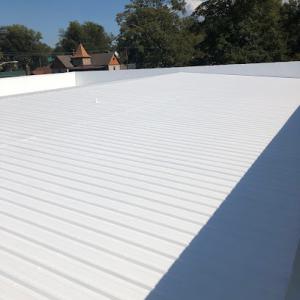
Mr. Roof North Alabama provides quality residential and commercial roofing services to Huntsville, AL and surrounding areas.
Johnson Construction
(931) 588-1496 www.johnsoncanfixit.com
Serving
5.0 from 10 reviews
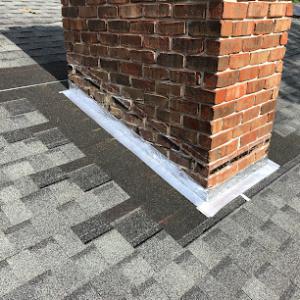
We specialize in top quality and detailed workmanship. We offer roofing installation, roof replacement, roof repairs, doors installation and window installation. Another thing we pride ourselves in at Johnson Construction is storm damage & leak repair services.
For a full roof replacement in Fayetteville, permits are typically handled through the Lincoln County Building Department. The process is county-administered, so timelines and paperwork may look different from larger Tennessee cities with multiple municipal offices. The chair and clerk handling inspections will be familiar with local housing stock and common roof types, which helps when questions arise about flashing details or ventilation requirements. You should expect to submit project plans, confirm the roofing material, and note any alterations to attic ventilation or ridge vents as part of the permit review. Keeping copies of the receipt and permit number in a central folder helps during inspections and when coordinating with your insurer.
Inspections in this jurisdiction commonly occur during and after installation, with attention to underlayment, flashing, ventilation, and overall code compliance. It is common for the inspector to verify proper underlayment installation in accordance with the local code cycle, confirm that flashing around chimneys and skylights is integrated and sealed, and check that attic vents meet required airflow. If a metal roof is chosen, inspectors will look for proper panel overlaps and fastener patterns. Residents should be prepared for potential minor adjustments on-site if the contractor's initial install diverges from the approved permit plan. Having a clean stack of inspection cards or digital confirmations on hand speeds up the process.
Because Fayetteville homeowners deal with a county-administered process, scheduling and paperwork expectations may differ from larger Tennessee cities with more layered municipal departments. Start the permit application early and align inspection dates with the contractor's installation timeline to avoid delays. The Lincoln County Building Department often appreciates clarity about the project scope, including any attic restoration or venting upgrades tied to the roof replacement. Keep communications in writing when possible, and ensure that the final inspection record clearly states compliance with underlayment, flashing, ventilation, and overall code requirements. If questions arise about whether certain details meet code, contact the building department promptly to prevent delays in project completion.
Pricing landscape and what you can expect in this market are shaped by a few concrete local patterns. Typical Fayetteville pricing runs about $350 to $650 per square for asphalt shingles, $700 to $1100 for metal, $800 to $1800 for clay tile, $900 to $1500 for concrete tile, $600 to $1100 for wood shingles or shakes, and $500 to $900 for synthetic or composite shingles. Those ranges reflect the mix of older homes with more complex rooflines and newer builds with simpler geometries, plus the realities of local material availability and crew experience. When you're budgeting, anchor your numbers to the square footage you actually need replaced and factor in any upgrades you're considering, like underlayment or upgraded ventilation.
Seasonal demand and scheduling realities have a real impact here. Costs in Fayetteville can rise after spring storm events when regional demand tightens labor availability and pushes scheduling farther out. After a hail or high-wind period, you'll likely see longer wait times for crews, which can nudge price quotes upward as contractors balance risk, mobilization, and the pressure to protect homes during peak storm season. If your roof is near the end of its service life and you're weighing a replacement, prepare for the possibility of a compressed window between storm recovery and installation, especially if you're aiming to align with a particular contractor's calendar.
Project totals are also driven by roof specifics and installation conditions. Roof complexity on older homes can add hours of labor, particularly if retrofits are needed for ventilation corrections or flashing replacement to ensure a watertight seal. Even when the layout is simple, summer heat or winter freezes can slow installation, affecting daily progress and crew throughput. In practice, you may see a modest bump in total costs if you require additional underlayment, upgraded flashing, or more intensive venting work to prevent attic moisture issues. Conversely, if the roof is straightforward and the attic ventilation is already solid, installation can proceed more smoothly and may stay nearer the low end of your local ranges.
For homeowners weighing options, think through the material choice in light of both long-term performance and current year constraints. Asphalt shingles offer the most economical, widely available path and generally align with Fayetteville's typical project timelines. If you're considering metal or tiles, plan for longer lead times and higher mid-season costs, particularly after a storm. As you gather quotes, ask about sequence timing, crew availability, and any seasonal surcharges that might apply to your project window. This city's spring weather pattern and the aftermath of hail events are real factors-plan with them in mind to avoid surprises and keep your replacement on track.
Tennessee insurers generally cover hail and wind roof damage, but claims in this market can be scrutinized for pre-existing wear versus fresh storm damage. In a town with spring hail and windy days, the carrier will expect evidence that the damage aligns with the storm event and not with aging roofs or prior repairs. You'll want to avoid gaps in the narrative between when the storm happened and when the damage became apparent.
Homeowners should document roof age, prior repairs, before-and-after photos, and the date of the storm before temporary fixes erase evidence. Take clear photos from multiple angles, including gutters, fascia, and interior attic signs like staining or daylight. Keep a dated log of any temporary measures you take, such as tarping, and note who performed each repair. Written notes from neighbors who witnessed the storm can also help corroborate timing and severity.
The practical insurance issue in this area is not a coastal catastrophe market but proving that a spring storm caused functional damage significant enough to justify replacement. Look for exposed underlayment, missing shingles, or dented metal that correlates with the storm's timeline. If a claim hinges on hail, gather close-up shots of hail impacts and any loosening of shingles or granule loss. If wind is the trigger, document lifted edges, torn seals, and compromised flashing.
If the claim hinges on visible, storm-driven damage rather than aesthetic issues, involve a local roofer who understands Fayetteville's climate and common housing stock. An experienced contractor can provide a storm-damage assessment tailored to this area, helping you articulate credible evidence to the insurer without triggering disputes over prior wear.
Spring and fall are the most favorable installation periods for a roof project. In practice, this means avoiding the peak heat of summer and the depth of winter. Spring often offers milder days and calmer neighborhoods after the worst of the spring storms, while fall provides cooler temperatures and less humidity. This window helps crews handle shingles and materials with steadier productivity, reduces heat-related stress on underlayment, and gives you a more predictable dry-in period before winter rains begin.
Summer heat and humidity can slow progress on dark, steep roofs. In Fayetteville, that means crews may have to cut shorter days to protect materials and prevent rapid aging of coatings. If your roof faces south or wraps over a steep pitch, expect more careful handling and extra time for safety. Winter freezes complicate underlayment application, as ice and cold can hinder adhesive performance and drying times. Fall rain and leaf buildup can interfere with dry-in timing and ventilation maintenance, so scheduling with a contingency plan for wet spells helps keep the project on track.
Coordinate start dates to land between hot spells and heavy autumn rain. Have a fall leaf-cleanup plan and clear gutters ahead of work to minimize debris that could impede ventilation and drying-in. If a spring hail event occurred, consider delaying close to peak storm season, but aim for a window when crews can complete the dry-in before next winter. Communicate with the insurer about timing that aligns with claim processing and documentation needs, and prepare attic and exterior ventilation checks as part of the pre-install review. A thoughtful sequence-site prep, material delivery spacing, and weather contingency-helps keep the project steady through Fayetteville's spring and fall windows.
In Fayetteville, recurring problem areas often include flashing details, attic ventilation deficiencies, and underlayment issues that are exposed during county inspections. Poor or aging flashing around chimneys, dormers, skylights, and vent stacks can develop leaks quickly after a hail or wind event. If the attic isn't vented properly, heat and humidity can push moisture into the roof deck, accelerating rot and corroding fasteners. The result is a slow drip or sudden interior water intrusion that seems to appear after a tough spring storm. A careful inspection after a big wind or hail spell should focus on where the roof meets walls and penetrations, and on any signs of loose or missing underlayment. Delayed repairs here almost always become larger, more expensive problems later.
Asphalt roofs in this climate are especially vulnerable to heat-related aging and storm-related bruising, making it easy for older roofs to show both wear and impact damage at the same time. The sun can bake shingle corners and granules, reducing protection and speedily aging the roof surface. Hail can leave pockmarks or hairline cracks that are not always obvious from the ground but undermine protection against water intrusion. When spring hail hits, damaged shingles may not fail immediately, but weakened spots become failure points once a heavy rain or a dry south wind tests the roof. The steady combination of heat exposure and storm stress demands a careful, staged assessment rather than a hurried patch.
Leaf buildup during fall can trap moisture around valleys and roof penetrations, which matters more in Fayetteville's seasonal rain pattern than in arid markets. Clogged valleys and blocked intakes around vents hold moisture against the roof deck and underlayment longer, inviting rot and mold behind the scenes. Gutter-drift and debris can also push water toward seams and penetrations, accelerating wear after wet spells. Regular seasonal cleaning and targeted checks after leaf drop help prevent moisture from lingering where it weakens the roof system. Stay attentive to valley intersections and around any skylights or chimneys where debris tends to accumulate.