
Last updated: Apr 19, 2026
Storms in this area bring spring hail, strong straight-line winds, and severe thunderstorms that can leave your roof damaged even if the damage isn't obvious from the ground. In a neighborhood built with asphalt and metal roofing common after wind events, hail impact marks, lifted shingles, curling edges, and loose flashing are red flags. Now is not the time to assume a roof is fine because you don't hear leaks-remember that wind-driven strikes can compromise underlayment and shear through vent penetrations. Inspect after every significant storm, and document with clear photos from multiple angles, focusing on shingles edges, hail dents, and any granule loss.
Local insurers frequently ask for photo documentation and prior-damage history because hail and wind claims are common in this part of North Alabama. When you file, have a dated set of photos showing current condition plus a timeline of any prior issues or repairs. Keep records of all communications with your insurer and any adjuster visits. If you have a steep pitch or difficult roof access, note safety considerations and consider arranging a temporary access solution. A thorough photo package that highlights both immediate damage and long-standing wear can streamline the claim review and minimize back-and-forth with the adjuster.
Replacement demand often spikes after regional storm events, which can compress scheduling and push homeowners toward temporary dry-in or tarping first. If your roof shows signs of compromise, moving quickly to secure a repair or replacement plan protects interior rooms from leaks and water damage during the wet season. Expect local + regional contractors to fill up calendars fast after a big storm, so it's wise to initiate claims promptly and line up options for both a temporary tarping solution and a full replacement plan. Don't wait for a perfect window to start-advance planning reduces the risk of long gaps between inspection, approval, and actual work.
While waiting for an insurer's assessment, implement practical, temporary protection. Cover exposed areas with a sturdy tarp secured to prevent wind flapping, and clear debris from around walls and eaves to reduce moisture intrusion. If the attic shows signs of moisture, place a bucket under the drip line and use a moisture meter if available to quantify interior exposure. These steps not only minimize interior damage but also strengthen your claim by showing proactive damage control.
Choose a contractor with a track record of navigating storm claims in fast-moving weather patterns. Ask for a detailed assessment, a written scope of work, and a building timeline that aligns with anticipated weather windows. A reputable contractor will help organize the photo documentation, expedite the inspection, and coordinate with your insurer to prevent delays. In a region where replacement demand can surge after a storm, a transparent, timely plan reduces stress and keeps your home protected as the weather cycle turns.
Top Notch Roofing & Home Improvement
27298 Alberta Dr, Harvest, Alabama
4.8 from 18 reviews
Top Notch Roofing and Home Improvement is locally owned and operated for 15 years. We are licensed and insured and BBB accredited. If you need a leak fixed, help dealing with insurance, or full roof replacement look no further.
Thompson Roofing & Construction
(256) 766-3464 www.256roofing.com
Serving
4.9 from 1119 reviews
Thompson Roofing and Construction is a trusted roofing contractor based in Madison, AL, proudly serving Metro Huntsville, the Shoals, North Alabama, and Southern Tennessee for since 2009. Whether it’s a new residential or commercial installation, a re-roof, or a repair, no job is too big or small—we deliver local roof repair & roof replacement near you! As a family-owned, award-winning business founded by proud Alabama natives, we take great pride in our craftsmanship and in giving back to the community we call home. We’ve been committed to providing superior service, premium materials, expert knowledge, and flawless workmanship to every customer we serve. Schedule your appointment today and experience the Thompson difference!
Complete Roofing
(256) 542-1448 www.completeroofingal.com
Serving
4.9 from 163 reviews
Complete Roofing has provided excellent commercial and residential roofing services in Huntsville, Madison, Harvest, Guntersville, Decatur, Athens, AL & nearby areas since 2009. As a Huntsville Roofing Company and trusted local roofer, our services include residential roofing replacement, gutter installation, home repairs, commercial roofing, and chimney repair services. We help homeowners with tree or hail damage roof repairs and work closely with insurance companies to assist with covering costs. With transparent estimates, clear communication, and a focus on customer service, we aim to meet all your roofing installation and home needs. Don't wait - contact Complete Roofing today for trusted roofing contractors and services!
Roof Restorations
Serving
5.0 from 13 reviews
Does your roof need to be repaired or replaced? Do you need a new roof installed? If so, Roof Restorations has great news for you! We are one of the leading roofing companies in the region, providing a variety of roofing services for commercial and residential properties. We are a local, veteran-owned company with many years of experience. From minor repairs to complete installation, you can trust that our licensed contractors will provide you with the high-quality service you deserve.
Tennessee Valley Roofing & Construction
(256) 701-4718 tnvalleyroof.com
Serving
4.6 from 23 reviews
Welcome to Tennessee Valley Roofing & Construction, We are a local Independently Owned Roofing Construction business based out of Harvest, Alabama. Providing the absolute best quality of work In the North Alabama Huntsville Area since 2016, With 30 years of combined experience we specialize in Residential and Commercial Roofing. Our wide range of services includes Residential & commercial new construction, Architectural, Three Tab, Metal repair and installation, all roof installation, and all roof repairs. We also offer siding and gutter cleaning services. At our roofing service, we pride ourselves on delivering excellence at every step. With a dedication to providing the best roofing solutions. Contact us now to get the best services!
1 Stop Roofing & Exteriors
(256) 424-2744 www.1stoproofingandexteriors.com
Serving
4.9 from 42 reviews
Dear Valued Customer, I want to thank you for your interest in 1 Stop Roofing & Exteriors, LLC . At 1 Stop, our first priority is to ensure that our customers are taken care of with the utmost integrity and professionalism. If your home or business has suffered damage due to recent storms, or if you are interested in making improvements, we want your property to be left in better condition than before, including a meticulous clean up after every completed project. Each employee with 1 Stop strives for the highest quality customer interaction every time.
Sparkman Roofing
(256) 893-6676 www.sparkmanroofinginc.com
Serving
5.0 from 11 reviews
Welcome to Sparkman Roofing INC
Yellowhammer Roofing
(256) 232-1933 www.yellowhammerroofing.com
Serving
4.8 from 1354 reviews
The Yellowhammer Roofing team believes roof repair and replacement is more than a job — roofing is our Career! We are vested in bringing you the best knowledge, service, and solutions possible for your residential or commercial roofing needs. Providing roofing service throughout Alabama with free inspections and estimates!
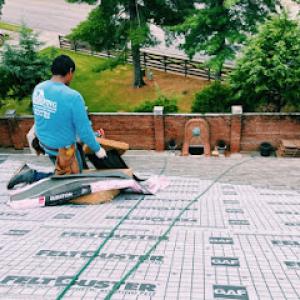
B.A. Roofing & Construction
(256) 614-5616 www.baroofingandconstruction.com
Serving
5.0 from 65 reviews
B.A. Roofing & Construction provides residential and commercial roofing and gutter services to Huntsville, AL and surrounding areas.
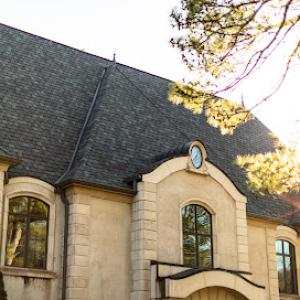
SeekOne Roofing Company
(256) 870-7335 seekoneroof.com
Serving
5.0 from 85 reviews
SeekOne Roofing Company is a trusted roofing contractor based in Huntsville, AL, specializing in residential and commercial roofing services. We offer expert installation, repairs, and maintenance, using high-quality materials and advanced techniques to ensure durability and protection for your property. With a focus on customer satisfaction, we provide free inspections and strive for timely, reliable service for every project!

Henderson Roofing, Inc, Huntsville, Alabama Office
(256) 767-7166 www.hendersonroofing.net
Serving
5.0 from 107 reviews
A company founded and managed through the beliefs of quality workmanship, dependability, and honesty. Since 1986, Henderson Roofing has provided Award Winning Roofing Service to all of North Alabama. We’re a family-owned business that prides ourselves on quality workmanship, Professionalism, and dependability. As a GAF MasterElite Contractor, you can rest easy knowing your home or business has worry-free and hassle-free warranty options. "We Are Your Residential and Commercial Roofing Specialists."
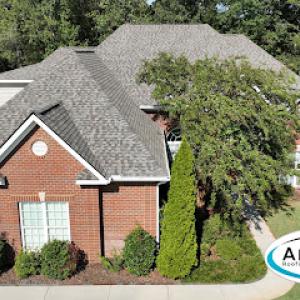
Advanced Roofing & Construction
(256) 603-9171 advancedalabama.com
Serving
5.0 from 813 reviews
Advanced Roofing & Construction, LLC, based in Huntsville, AL, specializes in roof replacement and repair. We help our community recover from Mother Nature’s challenges. With extensive knowledge and expertise, we navigate insurance processes for our clients, making sure the job is done right. At Advanced, we prioritize integrity and exceptional service, guiding you through every step.
In Harvest, spring and fall are the preferred replacement windows because crews avoid peak summer heat and the highest thunderstorm disruption periods. Scheduling during these seasons gives you clearer weather, steadier workdays, and a more predictable tear-off and installation pace. The typical storm risk in North Alabama is high in warmer months, so aligning a project with milder conditions helps reduce weather-related delays and minimizes the chance of weekend rain pushing back timelines.
Spring delivers longer daylight hours and calmer early-week forecasts before the heat and humidity build. If you can lock in a tear-off after the last frost but before the first major heat surge, you create a smoother dry-in phase. Dry-in, when the roof is covered and protected from moisture, is the critical bottleneck in this region. Plan around mid-spring to avoid late-season pop-up storms, and coordinate with your crew to stage material deliveries for a steady two- to three-week stretch rather than a rush that invites mistakes. For asphalt and metal roofs common in the area, you want a solid block of dry, sunlit days to verify you won't get caught in a sudden shower that slows lifts and fastening.
Fall offers cooler air and a higher chance of dry, wind-free days as the humidity drops. A fall replacement allows for a thorough dry-in before the winter chill, which helps sealant and underlayment perform as designed. In Harvest, aim for installation before the first big cold fronts that push temperature swings into the 30s at night. A well-timed fall project ends with a crisp, dry finish so gutters and flashing have a chance to settle before any early winter precipitation. If a late-season storm rolls through, your crew will appreciate having a window where work can proceed without hauling crews back to the job site multiple times.
Heavy summer humidity and thunderstorms can slow tear-off, dry-in, and shingle installation schedules across Madison County jobs. If the only available window is during summer, build in extra days for weather contingency and consider starting earlier in the day to beat the most intense heat. Keep water and shade on site for crews, and have a plan for rapid tarping if a sudden shower threatens exposed materials. Be aware that extended heat can also impact rapid-dry sealants and the handling of metal panels, so discuss product-specific guidelines with the contractor ahead of time.
Winter cool snaps and occasional ice in North Alabama can pause exterior roofing work even though winters are generally mild. If a project begins late in the year or runs into early winter, work might pause during freezing periods or after a freeze-thaw cycle that makes membrane and underlayment handling problematic. In such cases, use the paused days to complete non-roof tasks (interior inspection, ventilation checks, or debris removal) and set a precise start date for the first thaw, ensuring crews are ready to resume with a firm plan.
A practical plan aligns with your local weather pattern, prioritizes a consecutive stretch of dry days, and minimizes the risk of mid-project interruptions. Coordinate with your roofing contractor to identify a preferred window within spring or fall, establish a flexible backup date in late spring or early summer, and outline rapid response steps for unexpected weather. With this approach, you maximize productive days, protect interior spaces from moisture ingress, and finish the project on a solid, weather-ready note.
In this part of Madison County, asphalt shingles and metal roofing are the practical backbone of most homes. Local contractors frequently advertise and install these two options, and for good reason: they balance cost, availability of workmanship, and replacement timelines after storm events. Asphalt shingles provide a straightforward, widely understood installation path, while metal roofs offer standout resistance to wind and hail in areas with fast-moving Alabama storms. Tile and wood products do exist on the market, but their share is small, which means repair expertise and replacement logistics can be more limited when specialized knowledge or parts are needed. If a neighborhood contractor references a ladder of dependability and quick service, odds are the call will land on asphalt or metal.
Hot, humid summers accelerate aging for lower-end roofing systems, especially where attic ventilation and underlayment details are weak. In Harvest, the sun-drenched attic space compounds shingle brittleness and can push granule loss earlier than expected. Metal roofs handle heat well, shedding radiant energy when properly installed with adequate venting and insulation beneath. For asphalt, the key to long life is a robust underlayment and a vented attic strategy that keeps the roof decking closer to ambient temperatures during peak summer days. Poor ventilation can shorten lifespan and magnify heat-related wear, even for the more affordable shingle option. When evaluating any roof, look for a breathable, moisture-limiting underlayment and a clearly defined attic venting plan that complements the exterior material choice.
Storm damage and hail documentation are everyday concerns in this area. Asphalt shingles can reveal hail impacts as bruising and lifted edges, while metal roofs often show denting and fastener distress. In both cases, prompt inspection after a severe storm is crucial for documenting damage for insurance purposes and scheduling repairs before leaks develop. Given the local density of wind-driven events, selecting a system with proven wind resistance and a dependable local installer matters. Metal roofs can offer superior hail resistance when installed with proper panel profiles and fastening, but installation quality and flashing details drive long-term performance just as much as the material itself. If a hail event happens, cameras and notes from a sustained inspection can streamline insurance communications and help ensure replacement timelines stay on track.
Tile and wood products are present but much easier to source and service in larger markets than Harvest. When these materials are chosen, expect longer lead times for both supply and skilled labor, and prepare for more frequent compatibility questions with existing framing and underlayment. If opting for tile or wood, confirm experience with local storm patterns, weight-loading on existing structures, and the specific trim and flashing details that minimize wind-driven damage. For most Harvest homes, asphalt or metal deliver the most predictable service life and repair responsiveness, aligning with how local crews typically plan maintenance, hail assessment, and post-storm replacements.
Permits for roof work in this area flow through Madison County because Harvest operates as an unincorporated community. When a full roof replacement is planned, the project typically requires a building permit rather than a municipal permit from a separate Harvest department. This keeps the process centralized and consistent with surrounding Madison County projects following the same rules and timelines. The permit pathway is straightforward but expects documentation that confirms the contractor's licensed status and the project scope.
Before any permit can be issued, the contractor must submit a clear scope of work, an estimate of the project cost, and proof of licensed status. The scope should spell out the number of layers being removed, the type of roofing material being installed, and any mechanical work associated with ventilation or attic access. An itemized estimate helps the reviewer verify the project is within typical residential replacement norms and supports accurate inspections. Licensing proof ensures the work is performed by a qualified professional and aligns with local building safety standards.
Inspections typically occur after tear-off and again at project completion. At the intermediate stage, reviewers may focus on underlayment installation, venting arrangements, and flashing around chimneys, skylights, and wall interfaces. The final inspection usually confirms that the roof installation matches the approved scope and adheres to code requirements. A successful final review often hinges on clear evidence that underlayment is correctly installed, attic ventilation meets code expectations, and all flashing details are properly integrated to prevent future leaks.
Coordinate schedules with the contractor so that the tear-off and installation align with planned inspection dates. Request a copy of the submitted permit package and the approved plans so you can review them for any discrepancies against the actual work. If storm damage prompted the replacement, keep any documentation of hail or wind impact ready, as this can support timely approvals and accurate warranty understanding. Staying proactive about documentation helps prevent last-minute changes that could trigger additional reviews or rework.
In this area, asphalt shingles run about 350 to 650 USD per square, while metal roofing pulls in from 550 to 1000 USD per square. If you're considering clay tile, expect 900 to 1800 USD per square, and concrete tile from 800 to 1600 USD per square. Wood shingles or shakes typically land in the 600 to 1100 USD per square range, and synthetic or composite shingles sit around 450 to 900 USD per square. These ranges reflect common Harvest projects and mirror the mix of existing stock you'll see on typical storm-damaged homes. Prices can swing with project size, venting needs, and the chosen warranty tier, but the ballpark helps you plan with neighbors who've weathered wind and hail events.
Storm-driven demand surges in the Huntsville and Madison County market tighten labor availability and can raise replacement pricing after hail or wind events. When a hailstorm hits, more homes are chasing the same crews, and you'll see lead times stretch and bids come in with quicker turnarounds and sometimes higher contingency lines. If you're replacing after a major storm, ask about crew scheduling windows, expected arrival times, and written price locks to avoid later price creep during peak demand weeks.
Costs in Harvest are also affected by permit handling, tear-off complexity, ventilation corrections often flagged during inspection, and whether the roof needs upgraded flashing details before final approval. Tear-off depth and the number of layers removed influence disposal fees and labor time. Ventilation upgrades-such as properly sized soffit vents or attic baffles-prevent moisture issues and can add to the expense but pay off in long-term performance. Upgraded flashing around chimneys, skylights, and transitions can push a project higher, especially if the existing geometry is more intricate after hail damage. Understanding these factors helps you compare bids on a level footing and avoid surprises when the crew starts tearing off or re-sealing.
Don't let upfront costs delay a critical repair - these contractors offer payment plans to fit your budget.


Henderson Roofing, Inc, Huntsville, Alabama Office
(256) 767-7166 www.hendersonroofing.net
Serving
5.0 from 107 reviews
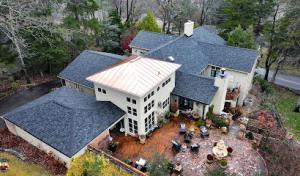
Wind damage in Harvest commonly shows up first at ridge, hip, and edge areas where shingles or metal trim are most exposed during severe thunderstorms. After a fast-moving storm, you may notice lifted shingles, small wrinkles in shingles, or bent metal edging along those high-wriction zones. Even minor curling at the edges can allow water to work inward during the next rain. Because those areas catch the brunt of the wind, a quick, methodical walk around the perimeter after a storm can reveal telltale signs before broader damage develops.
Because county inspections may focus on venting and flashing, these are also the details homeowners should scrutinize on replacement jobs in this market. Look for rusted or loose boot flashings around crawlspace or attic vents, step flashing along sidewalls, and any gaps where a roof line meets a chimney or skylight. In Harvest, flashing that's been compromised by wind or repeated wetting tends to fail gradually, yet the consequences can resemble a much larger leak once moisture seeps into the deck underlayment. Ensure every penetrations' sealant is clean, intact, and resealed if needed, especially where metal roofing overlaps with vent collars or sidewall flashing.
North Alabama humidity makes small flashing or underlayment defects more consequential because trapped moisture and repeated storm wetting can turn minor leaks into larger interior issues. In the humid months, a seemingly minor seep around a vent can widen quickly if the underlayment has been compromised or if a nail pops loose. Pay attention to darkening along joints, musty attic odors after rain, or soft spots along the roof deck that hint at hidden moisture. Those vulnerabilities often echo down into ceiling stains or attic condensation if left unaddressed.
After a stiff thunderstorm, perform a careful head-to-foot check of the roof line from ground level and, if safe, from the attic hatch. Focus on any new light peeking through near flashing, any bent fasteners, and any edges lifting under wind pressure. If a rapid damage assessment reveals compromised ridge or flashing, address it promptly, because delaying repairs allows rain-driven progression deeper into the roof system.
Find contractors experienced in skylight installation, flashing, and leak repairs to bring natural light into your home.
Gonzalez Roofing & Architectural Sheet Metal
(256) 394-3785 www.huntsvilleroofingandmetals.com
Serving
4.9 from 15 reviews
In this wind and hail environment, a roof is always under risk after a fast-moving thunderstorm. Carriers often scrutinize age, prior repairs, and whether the damage clearly ties to a recent event. When a storm hits, the clock starts on your claim, but the chain of evidence must be solid. Keep dated, timestamped photos from multiple angles and weather reports showing the storm date. Have contractor damage summaries ready that explain what happened during the event and what needs replacement versus repair. This local pattern means you are more likely to get a fair evaluation if the document trail clearly links the loss to a single, recent occurrence.
Some insurers in this market have tightened how roof replacements are handled or how depreciation is applied. A careful policy review before filing matters because depreciation may affect recoveries and timing. Be aware that adjusters may request evidence separating old wear from new storm loss, and they may require your records to prove the storm was the proximate cause. If multiple storms occurred recently, you may need expert testimony or a detailed engineering assessment to demonstrate the link between the event and required replacement rather than repair.
You should organize a simple binder of dates, notes, and contact details. Storm dates, contractor damage summaries, and photos set the baseline for your claim. When talking to the adjuster, reference specific hail size reports, wind speeds, and the precise date of the event. This approach minimizes the chance that pre-existing wear gets counted twice or that the claim drifts into depreciation disputes. In a high-claim environment, clarity of records can save both time and frustration during the settlement process.
The local market leans toward re-roofing with cleanup-included service and quick-response crews, reflecting what homeowners prioritize after storms. When a crew arrives, you'll notice that their pace matches the pace of North Alabama storms-fast to start, steady through the day, and careful about debris and nails. Look for workers who show up with a truck bed full of shingles, a solid staging area, and a plan for protecting landscaping and driveways from nail residue and stray granules.
Because many contractors advertise both residential and commercial work around Madison County, you should confirm the crew's experience with the exact roof type on your house. Asphalt shingles behave differently than metal or tile under hail impact, and a crew that regularly handles your material will install-fast, seal-the-valleys properly, and minimize return visits. If your home features an uncommon profile or a ventilation-heavy attic, ask for specific examples and references from projects similar in scope.
In a market with many storm-focused contractors, you should verify who is handling permit submission, inspection coordination, and final site cleanup before signing. Confirm a single point of contact for scheduling inspections and ensuring the roof is inspected promptly after completion. Ensure the crew commits to a thorough cleanup-magnetic cleanup for nails, removal of all torn felt, and verification that off-load areas stay clear. A defined cleanup window helps prevent stray debris from becoming a neighbor dispute or a property issue after a storm event. This approach keeps the project moving smoothly and aligns with Harvest-area homeowners' priorities after wind-driven damage.