
Last updated: Apr 19, 2026
Your roof sits in the bullseye as soon as the calendar flips to June. In this stretch, hail and high winds don't just threaten shingles; they disrupt the entire replacement timetable. Storms roll in with little warning, and a single afternoon thunderstorm can turn a planned roof install into a weeks-long wait, leaving you vulnerable to further weather damage and unwanted leaks. The pattern here is clear: the hotter the afternoon, the more intense the storm, the tighter the window for dry-in. That makes proactive planning not a luxury, but a safety-critical habit you need to adopt right now.
Frequent afternoon thunderstorms in this part of Fort Bend County mean you must treat weather windows as precious. A typical morning calm can quickly deteriorate into a torrential downpour that halts work and forces re-scheduling. If you're facing a replacement, you should map out a two-to-three day dry-in plan with your contractor and leave a flexible backup for weather holds. In practical terms, that means coordinating roofing crew arrivals with local meteorology and keeping tarps pre-staged for rapid deployment. You also want to ensure that interior protection (drying in vents, ridge caps, and roof penetrations) is completed promptly whenever a storm looms. In a market like this, a weather-partnered approach beats the standard calendar-driven schedule every time.
Periodic hail in this part of Fort Bend County is a major driver of replacement timing and insurance activity for local homeowners. When hail reports surface, the perception of urgency rises quickly, and so do the questions from insurers about whether an entire roof needs replacement versus a targeted repair. The practical impact is that you should line up a responsive roofing team with experience handling hail assessment, rapid damage documentation, and efficient sequencing of debris removal, underlayment replacement, and vented dry-in. You'll want a contractor who can capture high-quality before-and-after imagery, detailed shingle matching notes, and a clear, storm-conscious schedule that aligns with insurance inspection windows. Expect that independent adjusters will reference seasonal storm patterns, so your preparation should emphasize evidence of hail impact, wind uplift, and any latent moisture behind coatings or underlayment.
Because the season compresses storm timing into a tight calendar, you should maintain a standing plan: pre-approve a preferred crew, ensure provisional access and staging zones around the property, and establish a rapid-contact channel with your insurer and contractor. If you start now with a documented roof assessment, you'll reduce ambiguity when the next thunderstorm bursts and insurer notes begin to accumulate. In a region where storm timing and insurance documentation drive decisions, clear communication, rapid dry-in readiness, and weather-aware scheduling aren't luxuries-they're essential tools to protect your home and your investment during the most volatile part of the year.
Texas hail and wind storms create a high-claim roofing environment in Fulshear, so insurers commonly expect pre- and post-installation documentation. When a storm hits, adjusters arrive with a crowded queue of claims, and your roof's history becomes a critical reference point. Having organized records helps you move through the process without delays and reduces the chance of later disputes over what was damaged and what was installed.
Before any replacement, gather solid, date-stamped images of the existing roof from multiple angles, including close-ups of shingles, flashing, vents, and any visible hail impact marks. Note the roof pitch, shingle type, and any mounting or fascia details that might affect replacement choices. If the original installation included warranties, locate the paperwork and the exact shingle or tile specifications. When discussing the claim, providing a concise sheet that lists the material specifications helps the adjuster verify coverage quickly and sets a clear baseline for comparison after the work is finished.
After a damaging thunderstorm or hail event, the claim file benefits from fresh, well-lit photos taken in the days immediately following the event. Use both wide shots and close-ups to demonstrate the extent of impact and to distinguish surface damage from wear. If a contractor notes areas that require replacement rather than repair, have that assessment documented in writing and paired with photos. In this market, adjusters serving this area may request photos of the existing roof and material specifications before approving or closing a claim, so having a ready set of images speeds the review.
When an adjuster is assigned, share the pre-installation and current-condition photos in a single, organized folder. If the claim hinges on wind-driven damage or weather-driven debris, be prepared to explain any gaps in the roof's coverage that could affect coverage decisions. Expect questions about previous leaks, chimney flashing, and any prior repairs. Clear, annotated photos that highlight suspected impact zones-corners, ridges, and vent areas-can prevent back-and-forth requests and keep the process moving.
As replacement planning proceeds, maintain a running record of contractor communications, dates of inspections, and any weather-related delays. In a busy storm season, scheduling can stretch due to regional demand, and market volatility may shift timelines. Having a transparent log helps you align expectations with both the insurer and the contractor, and it reduces the risk of coverage disputes once the project nears completion. Ensure the contractor provides a written scope of work that matches the material specifications documented in the pre-install photos, then compare it against the post-installation photos to verify that the delivered work aligns with the plan.
With work complete, request a final, dated set of photos showing the new components installed, including shingles or tiles, underlayment, flashing, and any regulators or code-relevant elements. If possible, obtain a copy of the contractor's warranty and the manufacturer's specifications for the installed materials, and attach these to the claim file. By keeping your documentation thorough and well-organized, the closing process becomes a straightforward confirmation rather than a back-and-forth explanation.
Connect with contractors who help homeowners navigate the claims process from damage assessment to final approval.
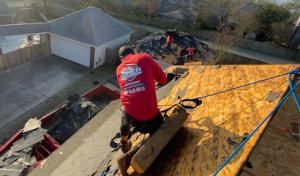
Reliable Roofing & Restoration
(281) 545-5019 www.reliableroofingrestoration.com
Serving
4.9 from 278 reviews
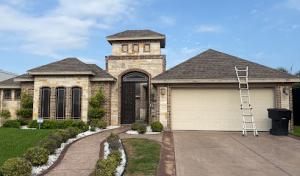
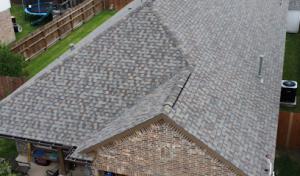
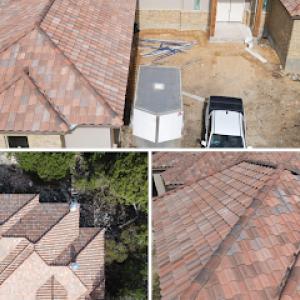
Level 7 Companies
32501 Gordon Side Rd d, Fulshear, Texas
4.8 from 22 reviews
Level 7 Companies is a premier construction firm based in Fulshear, Texas, providing turnkey Roofing & Gutters, Framing & Cornice, Waterproofing, and Sheet Metal Fabrication across Greater Houston and surrounding areas. We specialize in residential and commercial new construction, remodels, and restoration projects. Our team is known for precision craftsmanship, reliable communication, and integrity from start to finish. Build smarter. Build stronger. Build with Level 7.
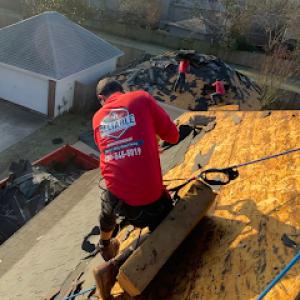
Reliable Roofing & Restoration
(281) 545-5019 www.reliableroofingrestoration.com
Serving
4.9 from 278 reviews
Our Local Roofing Company desires for all of our clients to experience excellent customer service and professional workmanship. That’s why our team of Local Roofing Contractors has created a reputation for not just meeting our clients expectations, but beating them entirely. Reliable Roofing & Restoration is here to protect your home from every angle. From simple roof repairs to siding restorations, our experienced local contractors are here to help. We offer roofing, painting, gutters, siding, and window services.
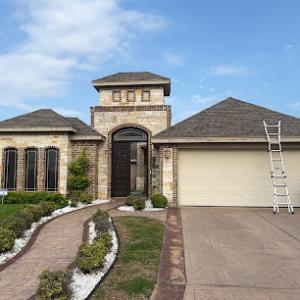
Rikan Roofing & Construction
(832) 846-7550 www.rikanroofing.com
Serving
5.0 from 21 reviews
Rikan Roofing and Construction is a local, family-owned business that provides residential and commercial roof replacements and repairs. Rikan specializes in customer service and values the relationships they build with homeowners, real estate agents and investors because of their excellent customer service. As a local company, Rikan’s team knows how extreme weather conditions, i.e. heavy rain, strong wind, hail, heat and humidity can affect a roofing system in south Texas. Rikan provides free no-obligation inspections and presents all options so customers can make the most informed decision to fit their needs. Financing options are available and staff can assist customers with navigating the insurance claims process.
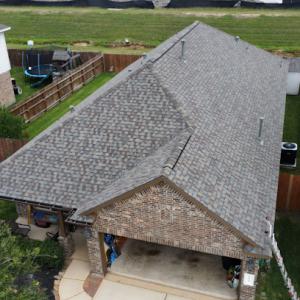
Driven Roofing
(346) 333-2766 www.drivenroofing.com
Serving
5.0 from 41 reviews
At Driven roofing, we focus on delivering quality roofing services and total value to our clients. We are easily one of the best Roofing Contractors in Katy, TX. Our qualified, experienced, and licensed professional team is dedicated to exceeding your expectations. We aim to provide the most reliable roofing solutions to our customers. Our Roofing Company in Katy, TX, delivers first-rate services with creative solutions, so you never have to worry about your roof again. We strive to provide honest, high-quality service while setting reasonable prices to meet our client's budgets. Not only do we have high expertise, but we also have the credentials that set us apart from the competition. Get in touch with us today.
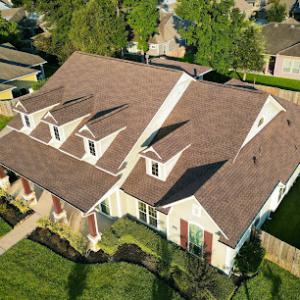
Onit Roofing
(346) 201-4433 www.onitroofing.com
Serving
5.0 from 302 reviews
At Onit Roofing we guide our customers through selecting the best option for their home and budget. Most people only replace their roof once, and we want that experience to be easy and simple. We specialize in residential insurance claims, roof replacements, repairs, siding, and gutters. We're proud to serve customers in the Greater Houston Area. Contact us today to schedule a Free No Obligation Roof Inspection.
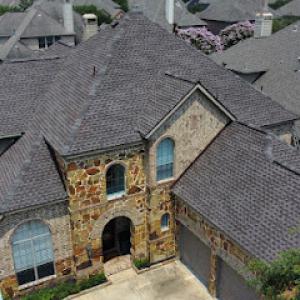
Secrist Roofing
Serving
5.0 from 18 reviews
Our mission is simple, to provide top notch services and earn your trust. We treat everyone with respect, as you would with your friends and family. We will provide the top leading brands and craftsmanship to every single home. Because your investment is our investment.
Rhinovations
(281) 698-0843 www.rhino-vations.com
Serving
5.0 from 53 reviews
We specialize in residential and commercial remodeling from the foundation to the roof, inclusive of all interior and exterior finishes. The Rhinovations team can manage all phases of the project, from the preliminary design ideas to the final touchups and cleaning. Our innovative 3D design program will help you visualize the remodel ideas before any work is done.
American WIM Construction
(832) 228-2436 www.americanwimconstruction.com
Serving
5.0 from 10 reviews
• Financiamos el techo nuevo de tu propiedad desde $99 mensual • Especialistas en Reclamos a tu aseguradora • Materiales de Primera Calidad ( Teja arquitectura de 30 años ) • Garantía 5 años mano de obra • Atendemos el área metropolitana de Houston TX • Rango de precios desde $6499 hasta $11499 depende de el tamaño de el área total • Inspección Gratis • $500 (en efectivo) Reclama tu Cash Back
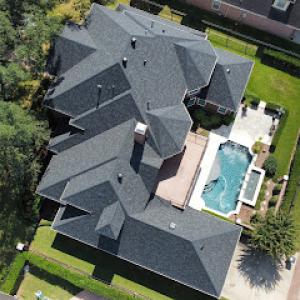
Callen Roofing
(281) 391-8257 www.callenroofing.com
Serving
5.0 from 25 reviews
Welcome to Callen Roofing, Inc.! Callen Roofing, Inc. prides itself on being one of the last remaining true craftsmen. Based in Katy, TX, we are a third-generation, fully insured, family-owned and operated roofing company with nearly 80 years of collective experience and knowledge. Our families' roots in this trade go back to the 1940s, and we have maintained our commitment to professionalism and quality ever since. Call us today to schedule an estimate at 281-391-8257!
Besser Renovations
(832) 269-2700 www.besserrenovations.com
Serving
4.8 from 46 reviews
Helping Homeowners with their Roofing & Remodeling Needs.
Trusted Katy Roofers
(281) 769-6539 trustedkatyroofers.com
Serving
5.0 from 26 reviews
With years of experience serving Katy and the surrounding Texas communities, Trusted Katy Roofers is your reliable partner for all roofing needs. We pride ourselves on delivering quality workmanship, honest pricing, and exceptional customer service. Our team of licensed and insured roofing professionals uses only the highest quality materials and proven installation techniques. We stand behind our work with comprehensive warranties and a commitment to your complete satisfaction.

AMW Roofing & Construction
Serving
4.9 from 58 reviews
AMW Roofing & Construction is a full-service Texas contractor with over 20 years of experience specializing in roofing, storm recovery, and high-quality home remodeling. We provide luxury kitchen and bathroom renovations, flooring, painting, roof repairs, roof replacements, premium roofing systems, and complete build-backs. GAF & Atlas Certified Contractor Our team understands the demands of the Texas climate and builds durable, long-lasting solutions. We also along side with licensed appraisers and public adjusters if required to help homeowners identify storm damage and navigate the insurance process. From restoration to remodeling, we deliver dependable craftsmanship and honest service from start to finish.
Replacement timing tends to favor drier, cooler months because extreme summer heat, thunderstorms, and humidity complicate installation quality and scheduling. In this area, heat can affect adhesive and shingle warranties, while humidity can slow curing processes for sealants and underlayment. Storm season timing also matters for debris, insurance documentation, and crew availability. Understanding how heat, rain, and cold snaps interact with your chosen roof type helps you line up the best window for a solid install that holds up to the next round of July storms.
In Fulshear, the peak of summer is not ideal for a full roof tear-off and replacement. The combination of high afternoon temperatures, strong, sudden storm bursts, and damp air can lead to fast material expansion, air entrainment, and sealant slippage if crews are rushed. If a summer replacement is unavoidable due to storm damage or urgent needs, plan for earliest possible start times, frequent material side-coverage inspections, and a tight schedule with contingency days. A cooler day between storms-when the humidity drops and the roof can dry-helps ensure underlayment and flashing seat properly. Expect longer project days and more internal protection needs when temperatures rise above the comfortable range.
Spring rains and humidity in the area increase the risk of moisture exposure to open decking during tear-off and installation. If a new roof must begin in spring, insist on thorough deck drying times before applying new underlayment and shingles. Scheduling the tear-off after a dry spell reduces caking moisture on the plywood and helps prevent blistering or moisture entrapment under the shingles. Clear, debris-free gutters and proper ventilation beneath the attic also matter more in this season because damp conditions can linger near the roof line. Have the crew verify decking integrity before covering it with new materials, and plan for padding days if a successive wave of storms moves through.
Occasional winter cold snaps around Fulshear can affect sealants and push crews to reschedule temperature-sensitive work. Cold weather slows adhesive cures and can prematurely stiffen roofing cement, potentially compromising flashing seals. If a winter replacement is necessary, aim for the mildest stretches of days with daytime temperatures in the 40s to 60s (F) and minimal wind. Short, dry spells help keep the installation sequence steady, while keeping interior living spaces protected from drafts becomes part of the scheduling conversation. Expect more frequent adjustments to the timeline around sudden cold fronts, and ensure the crew uses cold-weather-rated products where applicable.
Coordinate with the contractor to earmark a preferred 2-3 week window of stable weather during the late spring or early fall when temperatures are moderate and humidity is manageable. Build in a rain contingency for the June-September storm pattern, and confirm that the crew has dry-out time for any decking exposed during tear-off. Finally, align your expectations with the crew's sequence: tear-off, underlayment, flashing, and then shingle installation, all in a continuous flow to minimize decking exposure and maximize seal integrity.
Get a clear picture of your project costs upfront - no commitment required.
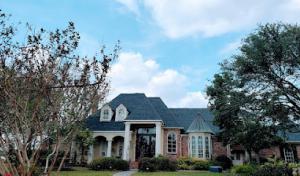
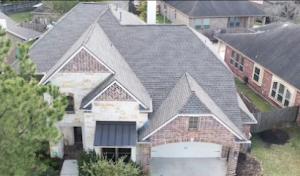
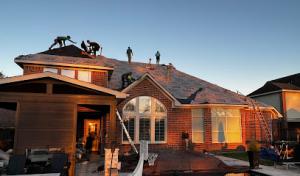
In this market, the choice of roofing material sits at the intersection of extreme heat, sudden hail, and a fast-growing neighborhood mix of homes. Very hot summers push heat into attic spaces and across rooftop surfaces, making heat performance and venting a decisive factor. The material you choose should tolerate high temperatures without warping or losing protective coatings, while still offering workable colors and profiles that align with curb appeal expectations in the suburban landscape. The local storm pattern, with June through September hail and T-storm bursts, also shifts the balance toward durability and weather resistance in the long run.
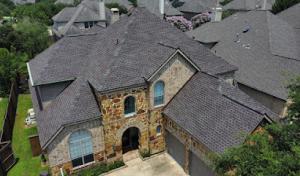
Asphalt remains a common, straightforward option for homeowners who want a dependable, familiar roof. In a climate with hot days, look for heat-resistant asphalt shingles with high solar reflectance and a sturdy mineral-s surfaced granule layer. Ventilation remains critical: an attic that breathes well reduces heat buildup that can accelerate asphalt aging and lead to premature curling or granule loss after hail impacts. For many existing homes in the area, asphalt shingles offer a simple path to a reliable, presentable roof that works well with a broad range of siding styles and architectural details.
Metal roofs bring notable hail resistance and a low-maintenance profile, which can pay off through years of performance in storm cycles. In very hot conditions, metal reflects a substantial portion of solar heat, helping attic temperatures stay more moderate when properly vented. Color choice matters: lighter, reflective finishes reduce heat absorption and help extend the life of underlying sheathing and insulation. Metal also provides a sleek, contemporary look that complements newer builds and merged housing styles common in the area. The tradeoff is a higher initial investment and a different aesthetic that might influence resale appeal depending on neighborhood standards.
Clay and concrete tiles excel where durability is paramount, including resistance to hail damage and high wind events. Clay tiles tend to offer superior color longevity and a distinctive style that suits Southwestern-influenced exteriors, while concrete tiles provide versatility in weight and texture. Both require solid roof framing and careful installation to prevent heat-induced expansion and contraction issues. Ventilation remains essential to manage attic heat, as tile systems often operate with air gaps that support long-term performance. The weight of these systems calls for professional assessment to ensure the structure can safely bear the load.
Wood shingles and shakes bring a rustic aesthetic that can enhance certain architectural themes but demand attentive maintenance in hot, storm-prone climates. Proper treatment and periodic re-sealing help mitigate weathering and moisture effects during heat waves. Slate offers premium durability and a refined look, yet its weight, installation precision, and cost require careful planning and compatible framing. In storm seasons, these options can be rewarding if paired with robust attic ventilation and meticulous underlayment.
The right roof for this market balances heat tolerance, hail resistance, and compatibility with existing home styles. A well-vented attic reduces heat load for any material choice, and proper installation standards maximize performance under severe weather. In a neighborhood with a broader material mix than many storm-driven markets, selecting a roof that harmonizes with the home's design while meeting performance expectations will serve occupants well through the peak storm months.
In this market, typical pricing runs about $350 to $550 per square for asphalt shingles. You'll see this material popping up on many mid-sized homes in the core residential streets, where the budget-friendly option balances reliability with local climate demands. If you're chasing a quick, serviceable roof that can weather June through September hail bursts, asphalt remains the practical baseline. Expect the job to move faster and with fewer scheduling hiccups than heavier, premium systems, though a severe storm can still push timelines.
Metal roofs in Fulshear commonly clock in around $700 to $1100 per square. This option suits homes facing frequent hail and intense sun, since metal handles hail well and tends to shed heat more efficiently. If you're considering long-term performance and higher wind resistance, metal can be a smart move, but remember that the heavier installation and specialized components can extend the project window after a large hail event.
Clay tile typically runs from $900 to $1500 per square. The weight and distinct look of clay tile suit certain architectural styles found in newer suburban pockets, and it handles heat very well. However, during a hail season spike, installation crews familiar with tile work can be in high demand, so expect a longer lead time if you're replacing an entire roof after a storm. For homes with the right structure, clay tile offers excellent durability against the Texas sun.
Concrete tile sits in the $800 to $1400 per square range. It blends strong hail resistance with a weight profile that's still manageable for many existing structures, though some older homes require additional framing checks. If your goal is a balance of durability and curb appeal at a mid-to-high price point, concrete tile is a solid choice, especially when paired with reflective finishes to mitigate heat gain.
Wood shingles or shakes fall around $600 to $1000 per square. They deliver a classic texture and good insulation, but require vigilant maintenance in a climate with hot summers and storm bursts. In the wake of hail, wood can show impact differently than synthetics, so a careful assessment of underlayment and ventilation remains key to long-term performance.
Slate commands $1200 to $2000 per square, offering premium durability and a distinctive appearance. It's less common on the current housing stock, but when installed correctly, slate can resist hail impacts well and outlive many other materials. The higher upfront cost is offset over time by longevity, but the project timeline tends to align with specialized crews and careful handling, which can extend scheduling after major hail events.
Don't let upfront costs delay a critical repair - these contractors offer payment plans to fit your budget.

American WIM Construction
(832) 228-2436 www.americanwimconstruction.com
Serving
5.0 from 10 reviews
A permit is required for a full roof replacement in this area, and the City of Fulshear Building Department is the authority that issues roofing permits and sets the inspection schedule. Getting the permit lined up before any shingles come off helps align weather windows, contractor availability, and insurance documentation, which matters when a June-September hail season suddenly accelerates project timelines.
Fulshear typically uses a two-step inspection flow: a rough inspection during installation and a final inspection after completion. Some projects also need added wind or ventilation documentation, which can slow turnaround if the city needs extra proof or calculations. The rough inspection follows stages as underlayment, decking, and shingles go on, and the final confirms code compliance, proper venting, and flashing details. If a major storm or insurance adjuster visit coincides with permit processing, expect brief delays and a tighter window to finish the process.
Certain replacements require wind-resistance documentation to demonstrate the roof meets applicable Texas wind standards, along with ventilation documentation to verify attic intake and exhaust balance. These elements may demand additional measurements, manufacturer data, or testing reports. Having a contractor who understands the city's expectations helps keep the project moving and reduces the risk of a second visit for missing paperwork.
Coordinate with the Building Department early if a favorable weather or insurer-approved window appears. Prepare and submit photos of the existing roof and a clear project scope with the permit application. In the peak storm season, anticipate longer hold times for inspections and consider flagging any rooftop equipment or complex ventilation needs in advance so the inspector can verify them at the final visit. Clear communication with the contractor, insurer, and city staff minimizes backtracking when rain, wind, or hail pushes schedules.
In this part of the prairie edge, hail and quick wind bursts during the June-September season are the most common triggers for full roof replacements rather than age alone. A hail hit can bruise shingles, bend flashing, and loosen granules that quietly erode over the next storms. When a major storm rolls through, the advice you hear from neighbors is practical: inspect after the hail quiets, not the next afternoon, and keep a close eye on any new leaks that show up in ceiling corners or around vents. Delayed reporting is a risk here because the damage can look minor at first but compound once the next storm hits. If you notice darkened patches, peeling gutters, or loose shingles, set up a thorough roof check promptly. Skipping a timely assessment can let hidden damage travel beneath the surface, turning a small problem into a bigger one with every gust.
High humidity and repeated rain exposure in this area intensify the consequences of delayed dry-in when decking is opened during replacement. If the roof deck is exposed too long, moisture can seep into sheathing and create warping or mold behind attic spaces. That moisture then needs to be dried thoroughly before any new underlayment goes on, or you risk long-term rot and reduced roof life. A prudent approach is to coordinate a dry-in plan that prioritizes rapid decking protection and airtight sealing, especially during humid stretches. You'll appreciate the difference in attic comfort and in long-term deck integrity when proper moisture management is maintained from day one.
Extreme summer heat can slow crews and complicate material handling, making workmanship control essential on long install days. Heat fatigue can lead to misaligned flashing, rushed sealant work, or improper nailing patterns, all of which undermine roof performance. Expect a crew to stagger the work when heat peaks, and insist on daily mid-shift checks for quality control. A careful hand on details-proper nail placement, secure flashing, and clean, thorough venting-protects against failures that only reveal themselves after the first hot season or the first heavy rain after installation.
Given the storm timing and the variety of housing stock in your neighborhood, a meticulous post-storm inspection matters. Look for granular loss on shingles, curling edges, shingles that sit high on the nail line, or any inconsistent sealant around joints. Documenting findings with photos and notes helps you track repair needs and ensure you're addressing all weak spots, not just the most visible ones. This is especially important if the wear pattern mirrors a storm history rather than a true age-related decline.
The Fulshear market is heavily re-roofing and storm-response driven, so you're often evaluating contractors on how quickly they can respond after a weather event rather than on new-construction specialization. In June through September, a quick inspection and clear plan make the difference between a straightforward claim process and delays that push into peak heat. Look for crews that offer 24-to-48-hour on-site assessments after hail reports and have a practiced workflow for documenting wind and impact damage with photos and notes you can share with your insurer.
Cleanup is a major local hiring priority in residential neighborhoods, with homeowners frequently noting cleanup-included service in bids. Ask for a detailed scope that includes daily debris removal, tarps used to protect landscaping, and disposal of old materials. Confirm how dumpsters or haul-away trucks will be staged so driveways stay accessible. A crew that prioritizes meticulous cleanup reduces post-install headaches in your yard and makes inspections smoother for your insurer and the HOA if applicable.
You are looking for a crew with organized, transparent communication. Verify a written timeline from start to finish, with daily progress notes and a plan for protecting landscaping and gutters during removal. Confirm a dedicated supervisor on site for the duration of the project and a clear process for handling storm-damage documentation you can forward to your insurer. Ask for recent local references and photos of similar, timely re-roofs completed after weather events.
Family-owned and long-established firms are present, but the stronger market pattern is practical residential service with fast inspections and quick response. Balance personal accountability with capacity: ask who will be on-site, how their staff is trained for hail-season conditions, and how they handle post-install inspections if a follow-up issue arises. A dependable crew will treat your home with the same care you expect and deliver clear, steady communication from first call to final cleanup.
Get a clear picture of your project costs upfront - no commitment required.