
Last updated: Apr 19, 2026
Pearland homeowners face both spring hail and severe thunderstorms plus tropical storm and hurricane season from June through November, creating two distinct roof-damage windows in the same year. That means you're not waiting for one big event-you're navigating back-to-back risk cycles that can stress the roof, the attic, and the interior in a rush. When hail comes in March or April and again in late summer, the first impulse is to inspect immediately. But the reality is that quick judgment under wet conditions can miss hidden damage. The second window arrives with tropical systems that push extra moisture, high winds, and flying debris. Treat each storm season as its own challenge, with different kinds of damage to look for and different timelines for action.
Wet spring conditions in the Pearland area can delay tear-off and decking inspection because saturated roof substrates are harder to evaluate accurately before replacement. If you try to advance a full replacement while the decking is soaked, you risk trapping moisture beneath underlayment and shingles, which can lead to long-term rot and costly retries. This means you should plan for a staged, methodical approach: document damage promptly, photograph hail patterns on shingles and gutters, and request an adjuster visit when the weather allows a dry inspection window. In practice, that often means waiting for drier weeks in late spring or early summer before you commit to tear-off, so the decking assessment is reliable and the new roofing can lay flat without moisture pockets. A rushed teardown on a soaked roof invites creaking decks, anti-ventilation gaps, and compromised fasteners.
Local replacement timing is usually best in fall through early winter, after the most active storm stretch and before cooler weather gives crews a more stable installation window. That timing optimizes material adhesion, shingle swelling, and sealant performance in cooler, drier air. If a roof is degraded from spring hail and a tropical-season event, you want to align the replacement with a dry period that minimizes oscillation between heat, humidity, and sudden rainstorms. Waiting for a lull in humidity also helps your installer complete thorough attic ventilation checks, confirm decking integrity, and apply flashing with proper sag control. In practice, you schedule a tear-off when the trade winds settle, temperatures moderate, and nighttime dew isn't driving condensation into newly sealed seams. For Pearland homes, the fall window is often the best balance between avoiding another storm spike and giving crews a stable, predictable climate to complete the job.
Storm claims in this market hinge on timely documentation. Start with a clear, dated log of damage from each event, including hail size if available, wind damage indicators, and any interior leaks. Photograph and timestamp the affected areas-shingles with bruising, dented gutters, dented fascia, and attic moisture stains. Insurance adjusters respond more effectively when you present a concise timeline that shows new damage after each event and links it to the most recent inspection. Keep a running list of repairs you've had to schedule or delay because of weather, and coordinate with a reputable local roofer who understands Pearland's substrate challenges. The goal is to build a coherent narrative that supports a fair evaluation of both repair needs and the timing of a full reroof when necessary.
Stone Castle Roofing
(281) 250-1265 stonecastleroofing.com
7626 Longleaf Dr, Pearland, Texas
5.0 from 105 reviews
Welcome to Stone Castle Roofing in Pearland, TX, where your roofing needs meet our passion for craftsmanship. Led by the seasoned expertise of Ed Cano, our local team brings over two decades of experience straight to your doorstep. We're not just fixing roofs; we're crafting comfort and safety for every home. From meticulous installations to precision repairs, our services are tailored to enhance your home’s durability and style. But it's not just about the roofs; we also specialize in gutters, siding, and fascia to complete your home's exterior makeover. Contact us today and make your home the talk of Pearland!

Bay Area Roofers
(281) 482-1200 www.bayarearoofersinc.com
2115 County Rd 129, Pearland, Texas
4.9 from 404 reviews
Bay Area Roofers is a professional roofing and siding company in Pearland, Texas, since 1983. We offer roofing, siding, patio covers, gutters, insulation, painting, windows, and more. We are locally owned and operated and fully insured. We provide service to the entire Clear Lake area, including Alvin, Deer Park, Dickinson, Friendswood, Galveston, Houston, Kemah, League City, La Marque, Pasadena, Pearland, Santa Fe, Seabrook, and Texas City. We have an A+ rating with the BBB, and have been an Angie's List Super Service Award winner since 2008. We are a Preferred Contractor for Owens Corning and JamesHardie, as well as a Factory Certified Master Elite Weather Stopper Roofing Contractor for GAF. Call for Free Estimate.
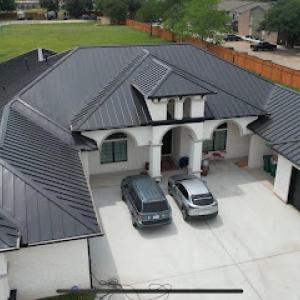
GCSS Construction
(832) 418-9068 gcssconstruction.com
Pearland, Texas
5.0 from 82 reviews
GCSS Construction is a professional roofing, siding & patio cover contractor. We install high quality metal, shingle, tile, and flat roofing systems. We also specialize in custom covered patios, which can transform your outdoor space into a more enjoyable and comfortable atmosphere. All of our projects are constructed to withstand the frequent storms and high winds that consistently visit our Texas Gulf Coast. We pride ourselves on craftsmanship and strive hard to ensure that all of our customers' needs are satisfied. Success for us means our clients feeling fulfilled in having trusted us as their contractor of choice. (Previously named Gulf Coast Storm Solutions)

Randal's Roofing
(713) 487-9110 www.randalsroofing.com
3302 Old Alvin Rd D, Pearland, Texas
5.0 from 80 reviews
Randal's Roofing specializes in affordable roofing and remodeling services, delivering top-notch craftsmanship and customer satisfaction. With over 20 years of industry expertise, we transform homes with quality solutions tailored to your needs. Contact us for a consultation today!
Shield Roofing Systems
(281) 241-7663 shieldroofers.com
3419 Swensen Rd, Pearland, Texas
5.0 from 75 reviews
Shield Roofing Systems is a Veteran Owned and Operated Company that serves the Houston area and beyond. We offer residential roofing, commercial roofing, storm damage repair, gutter services, and many more. We value the same things our customers value, Quality Materials, Selfless Service, Respect, and Honesty. Our crews are hand-selected and managed by experienced project managers to ensure that the job is done to a ridiculous standard. We believe our customers deserve the best the industry has to offer without being gouged. Contact your reliable roofing company in Houston today for a free estimate!

Allied Roofing
(713) 701-2703 alliedroofingtx.com
Pearland, Texas
5.0 from 64 reviews
Allied Roofing offers expert roof repair, replacement, inspection, restoration, and washing services across Houston and surrounding areas.
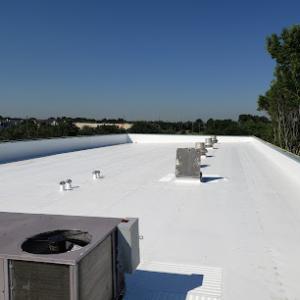
Gulf-Tex Roofing & Services
(281) 406-8791 www.gulftexroofs.com
5929 Bardet St, Pearland, Texas
5.0 from 60 reviews
Commercial & Residential Roofing Experts. Flat roofs and sloped roofs, we service them all. We have trained technicians for each and every type of roof system. Our services include everything from repairs to total roof replacements. Let us put our experience to work for you.
Williams Family Roofing & Remodeling
(254) 605-6300 williamsroofing.site
2805 Business Center Dr, Pearland, Texas
4.8 from 69 reviews
Our Roofing Services for Pearland: Emergency Hail Damage Repair: Restoring areas impacted by hail. Shingle Replacement: Renewing damaged shingles. Storm Damage Repair: Fixing damages caused by storms. Structural Repair: Repairing structural weaknesses in the roof. Re-roofing: Layering new roofing materials atop old ones...
Knight Roofing General Contractors
(832) 427-0970 knightroofing.org
8325 W Broadway St Ste 202-350, Pearland, Texas
5.0 from 43 reviews
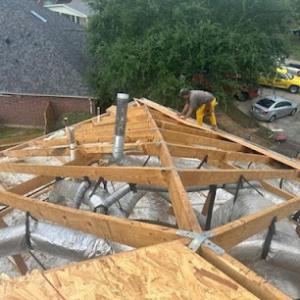
We are a trusted residential roofing contractor serving Houston and the surrounding areas. Our team specializes in roof replacements, roof repairs, and storm-related hail damage for homeowners across Houston, Katy, Cypress, Sugar Land, Pearland, Pasadena, and The Woodlands. We work directly with insurance companies to help homeowners navigate the roof insurance claim process and ensure proper coverage after storms. From minor roof repairs to full roof replacements, we use high-quality materials built for Texas weather and provide clear communication from inspection to completion. If you’re looking for a reliable roofing company in Houston that puts homeowners first, contact us today for a professional roof inspection.
Black Coast Roofing
(832) 930-9863 www.blackcoastroofing.com
Pearland, Texas
5.0 from 29 reviews
Black Coast Roofing is Fort Bend County’s trusted roofing company, specializing in residential and commercial roofing services. We handle everything from roof repairs and replacements to emergency storm damage response and insurance claim assistance. Our experienced team ensures a seamless process, working directly with your insurance provider to maximize your claim. Plus, we offer in-house financing, allowing you to get prequalified before reaching out—making your roofing project stress-free and affordable. Fully insured and committed to quality craftsmanship, Black Coast Roofing delivers reliable, long-lasting roofing solutions. Contact us today for a free consultation!
Alliance Roofing Company
(281) 485-8755 www.allianceroofinghouston.com
4301 Magnolia Pkwy, Pearland, Texas
4.7 from 93 reviews
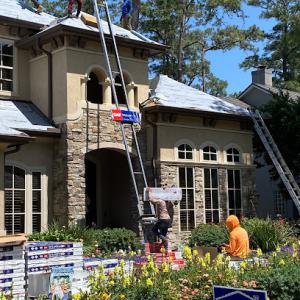
Residential & Commercial Roofing Contractor serving Metro Houston area since 1990. Other services offered: Hardie-Siding & Painting, Window Replacement, Gutters,
Synergy Roof Systems
(713) 510-3040 www.synergyrs.net
5205 Broadway St, Pearland, Texas
5.0 from 19 reviews
Raising the roof on quality and service.
Pearland's dominant replacement market spans asphalt shingles, metal, clay tile, concrete tile, synthetic/composite shingles, and slate, with local ranges running from 350-700 USD per square for asphalt to 1200-2400 USD per square for slate. This mix reflects the Houston-area demand and the suburban housing stock that often started with lighter roofing assemblies. When planning, expect asphalt to be the baseline and the other materials to land in the higher end of the scale, especially if installation needs to align with quick scheduling after a storm or a major loss. The local reality is that material availability and crew calendars can tighten quickly in response to hail events or tropical storms, so price observations during calm periods may not translate to the project timeline when a claim is open.
Storm-driven demand spikes across the Houston metro can push Pearland reroof pricing upward after hail or tropical weather because crews, dumpsters, and material deliveries get booked quickly. In those windows, it is not unusual to see lead times extend and bids adjust to reflect tighter availability rather than changes in base material cost alone. For homeowners, this means requesting and reviewing multiple bids early-ideally before a storm season hits-so a preferred contractor can hold a scheduling window if needed. When a hurricane-season event approaches, expect some rigidity in pricing, but also a greater emphasis on rapid tarp coverage, documentation, and a clear path to full replacement if moisture-laden substrates are detected.
Heavier systems such as clay tile, concrete tile, and slate can increase project complexity in subdivisions where many homes were originally built around lighter roofing assemblies and may need closer structural review during replacement. In Pearland, evaluating deck or rafter capability, existing underlayment compatibility, and fastener assignments becomes more critical as weight rises. Concrete and slate, in particular, may require additional design considerations, potential sistering, or temporary load management during removal and installation. The local market's response includes crews who understand how to stage a heavier roof safely while coordinating with insurance documentation and scheduling constraints, but this tends to push both cost and project duration upward compared to lighter options.
Asphalt Shingles: 350-700 USD per square. Metal Roofing: 700-1300 USD per square. Clay Tile: 900-1800 USD per square. Concrete Tile: 850-1500 USD per square. Synthetic/Composite Shingles: 500-900 USD per square. Slate: 1200-2400 USD per square. These ranges reflect Pearland's market realities and the emphasis on keeping water-tight performance during the spring and early summer storm pattern while coordinating with insurance timelines.
In Pearland, a full reroof typically requires a building permit, rather than treating the replacement as maintenance. This means the project is documented with the city and reviewed for code compliance before work begins. Expect the process to involve submitting forms that verify the scope of the reroof, the chosen materials, and key ventilation and underlayment details. Because the climate brings Gulf Coast humidity and storm-driven wear, the permit review can also prompt clarifications on venting, attic insulation, and drainage strategies. Plan on the permitting step as part of the project timeline rather than an afterthought.
The contractor usually submits the permit package in Pearland. This package should clearly outline the reroof scope, the selected roofing materials, and the ventilation and underlayment plan. The city often requires confirmation that attic ventilation will meet current standards and that underlayment products are suitable for high humidity and potential moisture from tropical storms. Contractors should attach product data, installation details, and a brief framing or decking assessment if there has been any prior damage. If any upgrades are planned-such as improved venting, radiant barrier considerations, or upgraded toenail and nailing patterns-these belong in the submission to avoid delays. Keep copies of all submitted materials in a project file for quick reference during inspections.
Inspections are scheduled during the work and after completion as the reroof progresses. In Pearland, the inspection cadence typically includes a mid-project check and a final inspection to verify compliance with permit conditions and applicable code. The mid-project inspection often focuses on decking integrity, underlayment installation, and fastener patterns, ensuring that the work aligns with the permit plan. The final inspection is the critical step where the city confirms that the reroof meets all standards and that the project can be closed out as complete. Scheduling ahead helps prevent fourth-quarter delays caused by weather or busy inspection slots during peak storm season.
On inspection days, have access readily available to the attic space, decking, and eaves, so the inspector can verify ventilation, moisture control, and drainage provisions. The inspector will review the materials list against what was approved in the permit, and check for proper flashing details around chimneys, vent stacks, and transitions to walls. If the permit notes any required repairs to decking or fascia, expect those to be addressed before the final inspection can pass. After a successful final inspection, the job is deemed complete, and no further permit holds should remain.
Coordinate a clear line of communication between homeowner, contractor, and the city's permit office. Keep a copy of the permit and all inspection notices in the project folder. If weather interrupts progress, work with the contractor to schedule rescheduled inspections promptly to avoid tied-up permits. Finally, ensure that the final warranty or productivity notes tied to the reroof are documented as part of the permit closeout, so that future maintenance or claims are straightforward.
The hot, humid climate accelerates aging of roof coverings and their underlayment, making material choice and attic ventilation more consequential than in drier inland Texas markets. In this area, shingles, underlayment, and fasteners face constant heat cycles that roughen edges, dry out seals, and push shingles toward brittleness sooner than you expect. If the attic isn't vented properly, heat build-up can warp decking and bake moisture out of underlayment, creating unseen weaknesses that surface as you approach the gravest weather months. Your roof's life may hinge on a venting plan that actually moves air.
Frequent rain means small flashing or penetration defects show up quickly as interior leaks, especially once underlayment has been heat-aged through multiple summers. A marginal valley seal, a tiny nail penetrating through an eave detail, or a cracked step flashing over a window line can become a dripping problem after a heavy storm. In Pearland's pattern, a single storm can reveal a cascade of issues that weren't obvious during the calm months. The key is proactive inspection after storms and before the next front arrives, focusing on transitions where water meets roof sutures.
The city's common material mix creates different local failure patterns: asphalt can age faster under heat, metal must handle wind-driven rain details, and tile systems depend heavily on underlayment durability in humid conditions. Asphalt shingles may curl or cup as heat cycles advance, leaving gaps at hips and along edges. Metal roofs, while durable, can suffer deck corrosion if fasteners and sealants aren't chosen for humidity and wind exposure. Tile systems rely on a robust, flexible underlayment, because humid conditions stress the bond between tile and substrate, particularly where substrate materials aren't rated for high moisture swings. Regular, targeted checks after heat spikes and storms help identify which pattern you're fighting before a small leak becomes a large one.
In practice, keep an eye on penetrations around vents, skylights, and chimneys, especially after a heavy rain or a blistering heatwave. Inspect attic insulation for signs of moisture accumulation or uneven drying, and verify that soffit and gable vents aren't obstructed by insulation dust or debris. When a repair is needed, prioritize durable, humidity-tolerant flashing and sealants suited for coastal humidity, with attention to how the chosen roof system interacts with attic ventilation. In this climate, the best defense is a proactive rhythm of inspection, targeted maintenance, and timely attention to small flaws before they multiply.
Explore specialists in steel, aluminum, and standing seam metal roofs built to last 50 years or more.

Randal's Roofing
(713) 487-9110 www.randalsroofing.com
3302 Old Alvin Rd D, Pearland, Texas
5.0 from 80 reviews
Gulf-Tex Roofing & Services
(281) 406-8791 www.gulftexroofs.com
5929 Bardet St, Pearland, Texas
5.0 from 60 reviews
Pearland sits in the broader Houston-area insurance environment, where hail and wind claim activity is high enough that carriers often want detailed records on roof age, prior damage history, and full repair or replacement estimates. That reality shapes how you approach a storm's aftermath: the insurer will ask for a clear story about what happened, when it happened, and what your roof actually needs to restore it to its pre-storm performance. If documentation is scattered or ambiguous, a claim can stall or be narrowed to a repair instead of a full replacement, even when the roof has deeper weaknesses that were exposed by the event.
Because underwriting has tightened in parts of the Houston market, Pearland homeowners may see stricter deductibles or closer scrutiny of older roofs even without the more dramatic statewide pullbacks seen elsewhere. This means that the baseline records you present matter more than ever: a well-documented roof history, with notes on any prior shingles, flashing issues, or leak repairs, can influence how the insurer interprets new damage. Expect questions about roof age and previous repair quality, and be prepared to supply contractor opinions that clearly separate isolated damage from systemic failure.
After a Pearland storm event, documentation quality matters: date-stamped photos, notes on prior repairs, and a complete scope can affect whether damage is treated as isolated repair work or a larger covered loss. Take high-resolution images from multiple angles, including attic views if possible, to show moisture intrusion or ceiling staining. Keep a repair history log: when previous patches were done, by whom, and what materials were used. When you obtain estimates, ensure they spell out removal, replacement, and any associated decking or underlayment work, so the claim review can distinguish temporary fixes from permanent restoration. If other parties - such as a public adjuster or a trusted contractor - weigh in, make sure their assessments are dated and tied to identifiable roof sections. In Pearland's storm season, it helps to present a unified package: a documented narrative of damage progression, a clear scope of work, and independent estimates that align with the observed conditions. This alignment reduces back-and-forth with the carrier and supports timely decisions about repair versus full reroof, all while keeping your home protected through the peak of the Gulf Coast humidity and the next weather system.
Connect with contractors who help homeowners navigate the claims process from damage assessment to final approval.
Stone Castle Roofing
(281) 250-1265 stonecastleroofing.com
7626 Longleaf Dr, Pearland, Texas
5.0 from 105 reviews
Gulf-Tex Roofing & Services
(281) 406-8791 www.gulftexroofs.com
5929 Bardet St, Pearland, Texas
5.0 from 60 reviews
Although Pearland is primarily a residential pitched-roof market, the local contractor signal set shows meaningful demand for flat or low-slope work, which often applies to patio covers, additions, porches, and some commercial-residential mixed structures. These surfaces tend to weather differently than the main field of shingles, and they sit closer to ground level where yard runoff and landscape debris are more likely to intrude. When planning any low-slope section, expect more careful attention to drainage, edge detailing, and membrane transitions from existing roofs.
In Pearland's frequent-rain environment, low-slope transitions and roof penetrations are often more leak-prone than the main field of shingles or panels, especially where additions meet the original roofline. Pay close attention to how a new porch roof ties into an older pitch, and insist on a continuous waterproofing layer that extends under flashing and up the vertical surfaces. The goal is a continuous two-way path for water away from seams, with mechanically fastened or adhered membranes tucked under edge trims to avoid exposed gaps.
Skylights are a recurring enough specialty in the local market to warrant attention because curb and flashing details are vulnerable during heavy rain and post-storm emergency patching. Ensure skylight curb flashing sits above any potential waterline from the surrounding deck or roof plane, and check that sealants and counter-flashing are accessible for seasonal maintenance. After storms, inspect for loose flashing, pooling around the curb, and any signs of dried resin or caulk degradation.
For flat and low-slope areas, clean debris from drains and scuppers after heavy rains, and verify that any gutter connections properly channel water away from transitions. When a new addition connects to an existing roof, demand an integrated drainage plan that precludes ponding, especially near parapets or glazing. Regular inspections after spring hail and tropical-season activity help catch small issues before they escalate into faster-acting leaks.
Find specialists in TPO, EPDM, and built-up flat roofing systems for residential and commercial properties.
Gulf-Tex Roofing & Services
(281) 406-8791 www.gulftexroofs.com
5929 Bardet St, Pearland, Texas
5.0 from 60 reviews

Williams Family Roofing & Remodeling
(254) 605-6300 williamsroofing.site
2805 Business Center Dr, Pearland, Texas
4.8 from 69 reviews
Pearland's contractor market leans toward reroofing rather than niche specialty work, so you'll find crews that handle widespread damage as well as routine replacements. When evaluating options, you'll be weighing response speed, cleanup practices, and storm-process experience more than exotic material expertise. Look for teams that clearly demonstrate a track record with quick mobilization after hail events and tropical-storm seasons, not just a flashy portfolio.
After a weather event, driveways and landscaping can take a beating in dense suburban neighborhoods. A strong Pearland crew will outline a process for rapid tarp placement, leak mitigation, and debris containment. Ask how they stage equipment to minimize on-property disruption and how they protect shrubbery and mulch beds during debris removal. The right crew will cite recent storm response examples and provide a straightforward plan for your property.
Quick-response signals are common locally, and cleanup-included promises are a common selling point. Verify that the crew assigns a dedicated supervisor for the project and that daily cleanup tasks are part of the workflow. Inspect the proposed method for securing vehicles, ladders, and trash bags to prevent driveway damage and stray debris in neighboring yards. A dependable team should leave the work site broom-clean each day and remove all project-related waste promptly.
Pearland hosts a mix of long-established, family-owned, locally operated firms and manufacturer-certified firms, alongside surge-driven storm chasers after big events. Before hiring, check how long the company has been serving the area, verify local references, and confirm a service-first approach rather than a temporary, event-driven push. Prefer crews that show consistent local presence, transparent communication, and a plan for long-term post-install support.
Request a written scope that details roofing material compatibility with the local climate, expected installation schedule, and a clear sequence of milestones. Inquire about weather contingency plans, substrate assessment protocols, and how they handle insurance documentation during the project. A well-prepared Pearland crew will deliver concrete answers and a realistic timeline designed for storm-season realities.