
Last updated: Apr 19, 2026
This area sits in the southwest Houston metro, where spring thunderstorms, hail, and hurricane-season rain bands can affect roofs in repeated cycles rather than as a single annual event. That means you're not just worried about one hail hit or one windy afternoon-you're watching for back-to-back events that push every vulnerable seam, vent, and flashing into stress. The Gulf Coast humidity compounds trouble: when shingles, flashing, or underlayment are opened up for inspection or repairs, moisture can creep in fast and turn a simple repair into a moisture-matured problem. You'll want to treat every storm as a potential pathway for hidden damage.
After a hail or wind event, start with a quick exterior scan. Look for bruising on shingles, lifted tabs, or granule loss that exposes the roof deck. On metal roofs, check for denting or any panel misalignment where fasteners might have loosened. Clay and concrete tiles can crack or shift, creating entry points for water. If you notice granules in gutters or spatter on siding, that's a sign to pause and inspect more closely. In Stafford's climate, expect moisture to migrate quickly if flashing around chimneys, vents, or skylights is compromised. A week of humid days after a storm can turn a small leak into a larger, hard-to-dry problem if opened-up areas aren't dried promptly.
If you suspect damage, cover vulnerable areas with a sturdy tarp or roofing membrane to shield interior spaces while you arrange a professional assessment. Clear debris from gutters and downspouts to keep water from backing up onto the roof edge. Photograph all visible damage from multiple angles, including close-ups of shingles edges, flashing joints, and any interior signs of attic moisture or staining. When weather allows, book a rapid roof inspection by a licensed contractor who understands Stafford's storm patterns and the common housing stock in this market. Ask for a written assessment that identifies both obvious damage and potential hidden issues behind soffits, underlayment, or attic spaces.
Stafford's humidity means that even a small opening can lead to rapid interior moisture migration. If a repair is done, insist on thorough drying of any opened roof areas within 24 to 48 hours. Avoid leaving exposed decking or underlayment unattended for longer than necessary. If mold or musty odors appear inside the attic or ceiling, address them immediately; delaying can escalate to structural concerns or header issues in the roof system as framing sits in damp conditions.
Asphalt shingles commonly show hail bruising and lift at edges, while metal roofs may reveal denting and seam misalignment after strong gusts. Clay and concrete tiles are brittle under hail impact and prone to cracking that can propagate water intrusion if not repaired promptly. Wood shingles or shakes can suffer crushed fibers and more porous surfaces that accelerate moisture uptake. Synthetic or composite shingles can suffer surface gouges that compromise surface protection. In all cases, the first signs often appear at flashing transitions around chimneys, roof penetrations, and eaves, where wind-driven rain finds slow paths inside.
When a storm rolls through the Gulf Coast pattern that Stafford deployments see regularly, your roof is in the line of fire. Texas is a high hail- and wind-claim state, so insurers will scrutinize photo evidence, date-of-loss details, and condition documentation after storms. The goal is to prove what happened, when it happened, and how your roof was affected at the moment the damage occurred. In practice, that means you should collect clear, dated photos of all affected roof areas from multiple angles, plus any interior signs of water intrusion that align with storm events. If a contractor or adjuster asks for written confirmations, keep them precise and tied to specific dates and observed conditions rather than broad generalities.
In this market, insurance-claims help is unusually common among roofers. Local replacements are frequently tied to storm events rather than purely age-based wear, so contractors often function as a bridge between what the policy covers and what the shingles, vents, or flashing actually experienced during a storm. This reality helps homeowners move through the process more predictably, but it also raises expectations for documentation and follow-through. If a roofer offers to assist with the claim, use their experience to your advantage-have them pre-draft a scope that aligns with policy language and typical Stafford storm damage patterns, then adjust only where the evidence supports it.
Because hail exposure and wind-driven rain are common culprits, the condition of the roof right after the event matters as much as the event itself. Photograph from the ground to show overall roof shape, then up-close shots of any granule loss, bruising, or dented edges. Document roof components such as hips, ridges, valleys, and vents, along with flashing around chimneys and skylights. Keep a simple log: date of loss, what you observed, and who inspected it (homeowner, roofer, or adjuster). If a prior repair exists, note it with dates and materials used. Having a consistent timeline helps when the insurer reviews damage causation and whether the loss was sudden from a storm or a latent issue from wear.
Before authorizing work, perform a thorough pre-claim policy review so you understand the deductibles and roof-loss settlement terms that are typical in this region. Do not assume coverage is uniform across carriers; terms vary, and some policies have nuanced stipulations about shingle type, underlayment, or secondary-water barriers. When you meet with a adjuster, present your photo log and repair scope-backed by your roofer's assessment. If a proposer presents a scope that deviates from the documentation, ask for a reconciliation showing how each item aligns with the observed damage and your policy coverage. In Stafford, it helps if the contractor's documentation mirrors the insurer's preferred terminology and clearly shows what improvements are necessary to restore the roof to its pre-storm condition.
Connect with contractors who help homeowners navigate the claims process from damage assessment to final approval.
Local Roofing & Restoration
(281) 762-2513 www.localroofingandrestoration.com
13000 Murphy Rd #132, Stafford, Texas
5.0 from 96 reviews
Roofers Supreme
(281) 661-0855 www.roofersupremellc.com
12747 Antonia St, Stafford, Texas
4.9 from 122 reviews

O&M Construction Services
(832) 558-5683 www.omconstructionhtx.com
12847 Capricorn St, Stafford, Texas
4.9 from 67 reviews
Local Roofing & Restoration
(281) 762-2513 www.localroofingandrestoration.com
13000 Murphy Rd #132, Stafford, Texas
5.0 from 96 reviews
Local Roofing and Restoration provides residential roofing, commercial roofing, siding and gutters, and roof leak repair and restoration services and FREE estimates to the Stafford, TX area.
Roofers Supreme
(281) 661-0855 www.roofersupremellc.com
12747 Antonia St, Stafford, Texas
4.9 from 122 reviews
Si tiene cuatro paredes, lo cubrimos. No solo construimos techos de calidad. Abordamos cada proyecto pensando en los propietarios de viviendas, las empresas y su futuro.

O&M Construction Services
(832) 558-5683 www.omconstructionhtx.com
12847 Capricorn St, Stafford, Texas
4.9 from 67 reviews
O&M Construction Services in Stafford, TX provides reliable roofing replacement designed for the Gulf Coast’s heat, humidity, and frequent storm conditions. We specialize in replacing worn or storm-damaged roofs, helping homeowners address issues like aging materials, wind uplift, and heavy rainfall common in Fort Bend County. Our team focuses on quality installation, clear communication, and long-term durability. Choose experienced roofers committed to professionalism and dependable service.
Aragon Roofing & Restoration
(469) 678-8343 www.aragonroofing.com
4141 Bluebonnet Dr, Stafford, Texas
4.9 from 86 reviews
We specialize in roof repairs, full roof replacements, FREE storm damage restoration guidance, Flat roof, Commercial Roofing, Multifamily, New Roofs and leak detection all backed by licensed, insured professionals and guaranteed quality. We know that Texas is flooded with roofing contractors and how unreliable they can be. Aragon Roofing & Restoration your trusted local roofing contractor, Proudly Serve Houston Area and Surroundings we take great pride in our excellent workmanship, competitive fees, and the ability to deliver outstanding results. Since our founding, we’ve worked hard toward building and maintaining a stellar reputation as a leading contractor in Texas. To make it easier we have Financing Available !!
Ochoa Roofing & Beyond
(281) 568-0097 www.nickochoaroofing.com
12603 Flaxseed Way, Stafford, Texas
4.9 from 55 reviews
Ochoa Roofing & Beyond Family Owned and Operated Since 1968 Free Estimates: -Roof Replacements -Roof Repairs -Flat Roofs -Insurance Claims -Hardie/Siding -Gutters Replacements -Fence Replacements
Keystone Contracting Group
(281) 302-6738 www.keystonecgi.com
3727 Greenbriar Dr #400, Stafford, Texas
4.8 from 18 reviews
Keystone Contracting Group, owned and operated by Wynn with 10+ years of experience, specializes in comprehensive roofing services. From commercial roofing and TPO metal retrofit solutions to residential roofing, they provide expert solutions tailored to your needs. Their expertise also includes roof coatings and TPO & PVC low slope roof solutions, ensuring long-lasting and energy-efficient results. As an insurance claims specialist, Keystone Contracting Group assists clients in navigating the claims process with ease. Trust their reliable and experienced team for all your roofing needs. We service Stafford, TX and all the surrounding areas!
Roof Masters
(281) 215-5225 www.texasroofmasters.com
Serving
5.0 from 81 reviews
Protect your largest investment with our reliable roofing services. We are a locally owned and operated roofing company currently serving Sugar Land, TX and surrounding communities. If you want to make your roof last as long as possible, it is vital that you never put off a roof repair. Small issues with roofing become big issues in a hurry. No matter how major or minor the repair you need, we are here to help. We offer roofing contracting, roof leak repair, and roof installation.

Ace Construction Services
(281) 202-4527 www.aceconstructionservices.net
Serving
5.0 from 61 reviews
Ace Construction Services offers professional roofing solutions in Sugar Land, Richmond, & the Greater Houston area. Our services include roof repair, roof installation, & storm damage restoration.
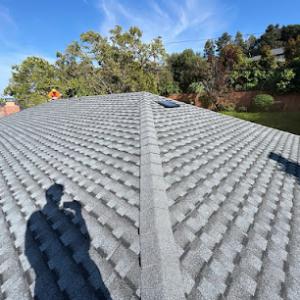
Eaton & Sons Roofing
(281) 909-6163 eatonroofmissouricity.com
Serving
5.0 from 39 reviews
Eaton & Sons Roofing offers professional roofing services in Missouri City for homes and businesses. From leak repairs and storm damage restoration to complete roof replacements, our experienced team delivers high-quality workmanship using durable materials. We specialize in asphalt shingles, metal roofs, and flat roofing systems. Count on Eaton & Sons Roofing for dependable service and lasting protection.
Pearl Roofing
(281) 854-8722 www.pearlroofs.com
Serving
5.0 from 47 reviews
Pearl Roofing: Your trusted Greater Houston Area roofing partner. As a GAF and Owens Corning certified, licensed residential roofing contractor, we offer everything from preventive maintenance to complete roof replacements. A family-owned and operated company, Pearl Roofing provides homeowners and businesses with exceptional roofing services, prioritizing customer service to make your roofing project seamless. We are dedicated to providing transparent and professional roofing solutions. We offer financing options.
Flagstone Roofing & Exteriors
(832) 316-8485 flagstoneroofing.com
Serving
4.8 from 89 reviews
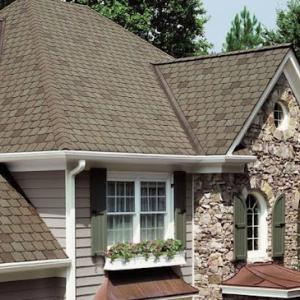
Flagstone Roofing & Storm Restoration is a local, family-owned company that has a deep commitment to providing our neighbors in Houston with quality, affordable home improvements. My whole family has been building roofs for over 30 years and I consider myself one lucky man to be able to work with my wife. Together with a core of experienced employees, we make a great team that is focused on making the home improvement experience enjoyable for our customers.
Complete Commercial Roofing
(713) 766-6043 www.completecommercialroofing.com
Serving
5.0 from 24 reviews
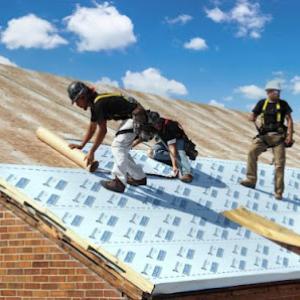
Serving the Greater Sugar Land area, Complete Commercial Roofing specializes in delivering top-tier roofing solutions for businesses. As dedicated roofing contractors, we are committed to providing professional services that ensure the longevity and durability of your commercial property. We offer comprehensive roofing expertise, from meticulous inspections and robust repairs to complete replacements, all tailored to meet the specific needs of your business. Trust us to protect your investment with quality craftsmanship and a commitment to excellence in every project we undertake.
In this Gulf Coast climate, the hottest months bring high heat and humidity that can slow crews and make installation conditions tougher, especially on dark roofs with strong solar gain. The most favorable replacement windows are typically the cooler, drier parts of the year when possible, but spring hail and hurricane-season interruptions can suddenly compress contractor schedules. For a typical home, aim to align your project with clear, dry spells in late fall or early winter whenever a longer stretch of consistently mild days is forecast. This minimizes heat-related fatigue on crews and reduces the risk of heat-related decking or underlayment issues.
Spring is notorious for hail events and tropical moisture that can hammer schedules. In practice, you should avoid locking in your start date too close to March through May if you have flexibility, because a mid-season hail storm can push crews off your roof for days. Hurricane-season wind-driven rain from June through November can create abrupt rain gaps and force temporary tarp-up or staged work. When you schedule, build in a two- to three-week buffer around the tail end of the typical storm peak. If a storm is tracked approaching, you'll want a plan for rapid temporary protection and a quick resumption window once conditions improve.
Autumn weather swings in the Houston area can bring intermittent rain and temperature changes that affect drying time and underlayment exposure during tear-off and installation. Drying times lengthen when nights stay humid and daytime highs drop below the comfort threshold for normal roofing adhesives or sealants. Have the contractor set expectations for slower curing during these months and request a staggered schedule if multiple roof areas require tear-off. Clear communication about ventilation and decking exposure helps prevent moisture-related setbacks.
In Stafford, most roofers coordinate large material deliveries to hit the first day of a planned tear-off. If you can, align with a delivery window that avoids the peak heat, typically mid-morning to early afternoon, when some crews experience heat fade. Ensure a plan for staging materials on the driveway or side yard to keep driveways clear and prevent exposure of wet underlayment to late-day humidity. A reliable crew will confirm progress checkpoints each day: deck exposure, underlayment installation, and shingle or tile placement sequence. If storms loom, request a rain plan that covers tarping and temporary weatherproofing to minimize rework.
Before the work begins, confirm a weather contingency with the contractor and document how drying times and underlayment exposure will be managed during autumn installation. Schedule during a string of dry days, ideally when forecasts show low heat index and minimal humidity. If a hail event or hurricane risk is forecast, plan for flexible rescheduling rather than forcing a rushed tear-off. On the day of start, verify that crews have working shade, ample hydration, and access to shaded staging zones to keep crews efficient during the hottest hours. After install, ensure flashing, sealants, and edge details are properly cured before potential rain events resume. In Stafford, coordinating timing with weather patterns and staffing is a practical way to protect roof quality and reduce rework.
Get a clear picture of your project costs upfront - no commitment required.
Local Roofing & Restoration
(281) 762-2513 www.localroofingandrestoration.com
13000 Murphy Rd #132, Stafford, Texas
5.0 from 96 reviews
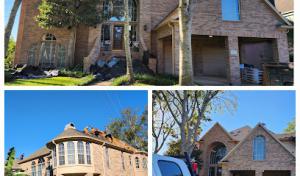
Startech Roofing & Remodeling
(713) 280-8544 www.startechroofing.com
13955 Murphy Rd #108, Stafford, Texas
5.0 from 57 reviews
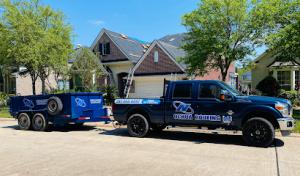
Ochoa Roofing & Beyond
(281) 568-0097 www.nickochoaroofing.com
12603 Flaxseed Way, Stafford, Texas
4.9 from 55 reviews
Asphalt shingles dominate many homes in this market because they fit typical suburban roof forms and remain the lowest-cost replacement path in a storm-active market. In Stafford, you'll often see simple gable and hip layouts where these shingles provide straightforward installation and dependable seal integrity after gusty spring storms. Look for impact-resistant options when hail exposure is a concern, and prioritize models with good granule retention to ride out Houston humidity without rapid weathering. The practical takeaway is that asphalt remains the most forgiving choice for re-roof projects tied to rapid storm response and ease of matching existing color and texture on mid-sized family homes.
Metal roofing has a meaningful local presence because homeowners in the southwest Houston area often weigh durability and rain-shedding performance against higher upfront cost. In this market, metal tends to shine on steeper pitches or vaulted sections where rain can move off quickly and where durability against hail is valued. If your roof geometry includes long ridges or limited overhangs, metal can minimize wind-driven water entry and reduce the risk of surface damage during severe weather. The key is selecting a profile and coating that resist corrosion in humid conditions, plus ensuring that fasteners and seams are designed for the typical Fort Bend County storm cycles.
Tile and synthetic products appear in the market but must be evaluated against structure, roof geometry, and the practical realities of hail exposure and repairability in Fort Bend County neighborhoods. Clay and concrete tiles bring a distinctive look and strong wind resistance when properly installed, yet they demand a solid deck and precise underlayment to manage weight and thermal expansion. Synthetic options offer flexibility in weight and install ease, but performance hinges on how well they mimic real tile behavior under hail impact and how repairable they are after damage. In Stafford, consider your roof's pitch, overhangs, and interior attic spacing to determine whether tile or synthetic components can deliver the desired balance of curb appeal, long-term resilience, and repairability after severe weather events.
In this market, prices can swing quickly after a major hail or wind event. When storms hammer the area, a surge of demand pulls contractor availability and material lead times tighter across Stafford and the broader Houston region. Homeowners should expect bidding to tighten and crews to schedule out further than usual in the weeks following a damaging storm.
Labor, tear-off, and disposal drive much of the variation you'll see in Stafford. A typical re-roof blends several project elements: removing the old roof, disposing of debris, and handling decking or underlayment that might have taken damage. If flashing or ventilation components were compromised, crews will bill for extra labor and materials. These factors combine with the standard mix of suburban homes and the local contractor pool to shape the final sticker price.
Material choice remains a major price lever, and local demand after a storm affects supply for every option. Asphalt shingles stay the most common and budget-friendly, while metal, clay, and concrete tiles rise in cost based on weight, installation complexity, and available deck support. In Stafford, you'll often see price pressure on higher-end options after a large hail event, when specialty crews and expedited material orders become the norm rather than the exception.
Tear-off volume and disposal logistics matter more here than in many neighboring markets. If a roof includes multiple layers or if the existing decking is compromised, disposal fees and haul-away schedules can shift the timeline and total cost. Synthetic and composite shingles may offer a favorable balance of weight and install speed in storm-damaged landscapes, but the local pricing still tracks with the broader Gulf Coast market fluctuations.
Costs by material (approximate nationwide range applied locally):
Because administrative steps and inspections accompany most projects, budgeting should include a realistic window for scheduling and documentation while storms are fresh. When evaluating bids, verify how each includes debris management, potential decking repairs, and ventilation adjustments alongside the base material and labor.
Don't let upfront costs delay a critical repair - these contractors offer payment plans to fit your budget.
Roofers Supreme
(281) 661-0855 www.roofersupremellc.com
12747 Antonia St, Stafford, Texas
4.9 from 122 reviews
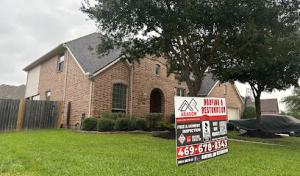
Aragon Roofing & Restoration
(469) 678-8343 www.aragonroofing.com
4141 Bluebonnet Dr, Stafford, Texas
4.9 from 86 reviews
A full roof replacement in Stafford typically requires a permit through the local building department serving this Fort Bend County city. Do not start work without confirming permit needs for your project, even if the contractor says it's routine. The department's rules exist because Gulf Coast weather brings humidity, hail-prone springs, and hurricane-season wind-driven rain that demand solid, code-compliant work. A missing or expired permit can lead to fines, work stoppages, and trouble with insurance if a claim is filed later.
The local process includes plan review and multiple inspections during and after installation rather than a single sign-off at the end. Expect reviews of roof ventilation, underlayment, flashing details, and attic access, all tailored to the region's climate and common housing stock. Inspections are scheduled at key milestones: after framing (if applicable), before and after underlayment, and final occupancy or completion. Plan for revisions or extra notes that reflect local weather considerations, such as wind uplift and hail resistance.
The permit number must be available on site, and required inspections must be completed before final approval is issued. Keep copies of the permit, inspection approvals, and any weather-related notes from your contractor. If a weather event occurs during your project, document it and report changes to the inspector as needed. Choose a contractor who coordinates with the building department and can provide the permit number and inspector contact information upfront, preventing last-minute delays when the work nears completion.
In this market, water can linger longer during intense Gulf Coast downpours, so low-slope transitions and drainage details are common leak points. Pay close attention to where roof planes meet and where gutters tie in with parapets. Look for insufficient slope, poorly seated membranes, or aging sealants at those transition lines. If a flat or near-flat section exists near a chimney, vent stack, or duct, inspect the flashing for micro-cracks after each heavy rain. A deliberate, thorough inspection after a storm is practical here: check for damp spots on ceilings below those vulnerable seams and feel around skylight bases for any softening or bubbling of the roof deck. When replacing, favor sheet membranes with proper laps and reinforcing, and insist on flashing that extends well beyond the curb, not just a cosmetic layer. The goal is to keep runoff moving quickly off the roof, even when the sky unloads.
Skylights are a meaningful enough specialty in this market that flashing and curb details deserve special attention during replacement and post-storm inspections. Weaknesses often show up first at the curb flashing and where the skylight throat meets the roof surface. Ensure the curb itself is solid, with no cracked mortar or warping, and confirm that the flashing is continuous around the entire perimeter without gaps. For replacement, choose a skylight with a robust flashing collar and a properly integrated curb boot that seals against wind-driven rain. After storms, inspect around the skylight edges for hairline cracks or peeling sealant, especially if the roof endured gusty winds. If any moisture intrusion is detected, address it promptly to prevent rot in the rafter tails or decking.
Commercial and mixed-use roofing demand is notable in Stafford, so flat-roof expertise matters more here than it would in a purely single-family market. Pay attention to drain assemblies, edge metal, and any built-up roofing joints. Confirm that internal drains are free of debris and that caulked seams have not fissured under pressure from heavy rain or hail. In inspections, take a close look at perimeter flashing where wind uplift can pry membranes loose; this area is a common culprit when gutters back up or downspouts overflow. For repairs, insist on a seamless approach that ties together field membrane, flashing, and drainage components, since a small lapse in one area quickly becomes a larger leak risk during severe weather.
Find specialists in TPO, EPDM, and built-up flat roofing systems for residential and commercial properties.
Local Roofing & Restoration
(281) 762-2513 www.localroofingandrestoration.com
13000 Murphy Rd #132, Stafford, Texas
5.0 from 96 reviews
Aragon Roofing & Restoration
(469) 678-8343 www.aragonroofing.com
4141 Bluebonnet Dr, Stafford, Texas
4.9 from 86 reviews
Ochoa Roofing & Beyond
(281) 568-0097 www.nickochoaroofing.com
12603 Flaxseed Way, Stafford, Texas
4.9 from 55 reviews
In the local, storm-prone climate, most work after a hail or high-wind event is re-roofing and storm response. Homeowners should expect several bids from companies that highlight speed, cleanup, and familiarity with insurance paperwork. When reviewing bids, prioritize those that clearly spell out the scope, the sequence of work, and how they plan to protect landscaping and outdoor belongings during tear-off and installation.
Quick-response positioning is common in the contractor pool, so verification of permit handling, inspection follow-through, and scope detail matters after major weather. Ask each roofer to outline who will contact the insurer, how they document damage, and how they track remaining issues (e.g., hidden damage behind vent pipes or in valleys). A solid bid will include a written project timeline, key milestones, and contingencies for weather delays typical to Gulf Coast patterns.
Residential work dominates, but the market also includes a substantial commercial segment, so you should confirm the contractor regularly handles the same roof type and slope as your property. If your home uses asphalt, metal, or concrete tiles, ensure the crew has verifiable experience on that specific system and pitch. Ask for recent local references with roofs similar in age, material, and exposure to wind-driven rain.
After a storm, documentation matters. Require photos taken before, during, and after work, plus a change-order process in writing. Confirm a single point of contact for the project and a daily field log or progress updates. The right Stafford roofer will balance speed with thoroughness, preserving your property and delivering a clearly tracked, insurance-friendly repair path.