
Last updated: Apr 19, 2026
Rosenberg homeowners face the highest roofing disruption during spring hailstorms and frequent afternoon thunderstorms, which commonly trigger leak calls and replacement demand spikes. The pattern is predictable: strong hail and driving rain beat against shingles, flashing seams, and vents, and the clock starts ticking on interior damage when leaks appear in the living spaces below. You will notice attic condensation, moisture staining on ceilings, and a raised sense of urgency from your neighbors as reports roll in after each storm. The timeline is tight: a fast-response inspection after a hail event can save you from escalating damage and expensive repairs later. Plan on organizing a quick post-storm check as soon as daylight returns, focusing on the most vulnerable roof zones first-edge seams, chimneys, and vent collars.
Hot days and sudden downpours can create micro-damage that isn't obvious from the ground. Shingles that appear intact may harbor microfractures, lifted tabs, or granule loss that accelerates aging under intense sun and heat. In Rosenberg, the risk isn't just whether a storm hits; it's how often storms hit and whether they carry wind gusts strong enough to peel back edge shingles. After a heavy storm, inspect for soft spots or curled edges along the eaves and around flashings. Even if the roof seems fine, sustained heat over weeks can stress underlayment and seals, making an early post-storm assessment worth your time and a phone call to a trusted contractor essential. In practice, schedule a containment-focused check within 48 to 72 hours after a significant storm, then plan a more thorough evaluation if any moisture or staining is found.
Autumn tropical systems or their remnants can bring gusty wind events into Fort Bend County, creating shingle lift and flashing damage even when Rosenberg avoids a direct coastal landfall. Wind-driven lift can start as a handful of loose tabs or flashing that looks minor from the ground but can lead to accelerated wear, edge rot, and faster granule loss. After a windy spell, climb the ladder yourself only if it is safe and nothing slippery around the gutters, or better, hire a pro to confirm that the ridge cap and vent flashing held steady. The key is treating any lift as a warning signal rather than a cosmetic issue. If a wind event coincides with a visible storm rain cycle, anticipate calls from neighbors and be ready to document conditions for any insurance conversation that follows.
Because local roof wear is often storm-accelerated rather than purely age-driven, replacement timing in Rosenberg is closely tied to post-storm inspections and claim documentation. After any significant weather, you should conduct a structured inspection that prioritizes the roof surface, flashing joints, penetrations, and interior signs of moisture. Capture clear photos and note dates, storm intensity, and affected areas before reaching out to your insurer or a trusted roofer. The docent of urgency here is simple: timely reporting and accurate documentation can shape the scope of repairs or the transition to full replacement when warranted by condition, not by age alone. If a claim is involved, align the inspection findings with the policy language and ensure a detailed record accompanies every filing. In practical terms, keep a dedicated storm-report folder, maintain a log of post-storm checks, and schedule follow-up assessments after any major event to confirm that no hidden damage lingers.
The Texas insurance landscape around Rosenberg is known for a steady flow of hail and wind claims, especially after severe weather passes through Fort Bend County. After a storm, adjuster visits and documentation steps become routine parts of the process. When storms hit, action taken quickly matters: photo documentation, precise notes, and a clear timeline can influence outcomes as insurers sort through surge of claims. The goal is to establish a record that withstands scrutiny, not to rush through the process.
Surprisingly small details can carry real weight in a claim review. Start with exterior elevations: capture rooftop edges, valleys, and any soft metal impacts with date-stamped photos from multiple angles. Document interior signs of water intrusion-stains on ceilings, warped drywall, or attic condensation-before it spreads. If tarping is used to curb further damage, photograph the setup and progress. Maintain a simple log of weather conditions, date and time of each notable event, and any temporary repairs you implement. In this market, those records help demonstrate the scope of damage and the urgency behind a potential replacement rather than a piecemeal repair.
High deductibles and wind or hail endorsements are common in this market, which can swing decisions toward full replacement in some cases. Prepare to explain how isolated issues may connect to broader failure patterns typical after Gulf-influenced storms. If a claim covers multiple adjacent homes or a neighborhood blow-in, expect adjusters to compare details across properties; consistency in your documentation strengthens your position. Focus on areas that tend to fail first under hail: roof edges, vents, flashings, and metal components. Having a clear, honest narrative about when issues were first observed and how they progressed can help a claim move forward without unnecessary delays.
Because claim volume rises after regional storm events, timely documentation matters more than ever. If you notice interior leaks, prioritize temporary tarping to prevent further water intrusion and photograph the setup. Elevations matter too: note high spots where hail could have caused concentrated impact, and record any soft metal or compromised fasteners. If a contractor is brought in for temporary measures, document their work, and keep receipts or invoices as part of the record. The aim is to create a precise, believable trail that supports the reality of the damage and the need for appropriate repair or replacement.
Connect with contractors who help homeowners navigate the claims process from damage assessment to final approval.

Duque Roofing
(281) 565-7663 www.duqueroofing.com
909 Mulcahy St, Rosenberg, Texas
5.0 from 88 reviews

Holden Roofing (Houston Corporate)
(281) 344-9083 www.holdenroofing.com
2128 1st St, Rosenberg, Texas
4.8 from 908 reviews
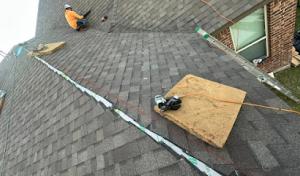
Conejo's Roofing
(832) 609-7890 conejosroofing.com
1124 5th St, Rosenberg, Texas
5.0 from 17 reviews
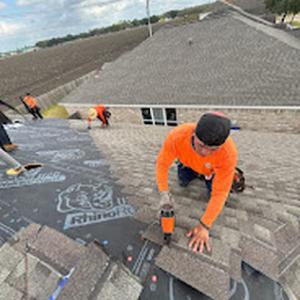
Roof Repair Services
3102 1st St, Rosenberg, Texas
4.9 from 649 reviews
Roof Repair Services is a leading roofing contractor based in Houston, TX, specializing in top-notch roof repair, roof replacement, and comprehensive roofing solutions for both residential and commercial properties. Our family-owned company understands the unique challenges of Houston weather, offering services like roof inspections, shingle replacements, and leak repairs, all backed by a lifetime workmanship warranty. We pride ourselves on quick, often same-day service and transparent pricing with free estimates. With deep expertise in addressing storm, hail, and wind damage, we ensure homeowners receive efficient, high-quality roofing care. Contact us today for a free inspection in the Greater Houston area.
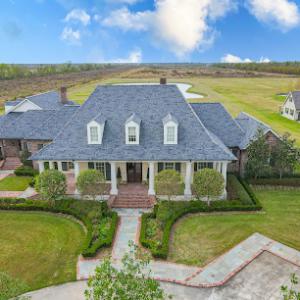
Duque Roofing
(281) 565-7663 www.duqueroofing.com
909 Mulcahy St, Rosenberg, Texas
5.0 from 88 reviews
Our drive and mission are simple: We care about and take care of our customers! When you do that, happy customers and clients happen with ease. Serving Houston, TX, Duque Roofing – Commercial & Residential Expаnds Servіce Lоcаtіоn as a Rosenberg Roofing Contractor Rosenberg, TX – Duque Roofing – Commercial & Residential as a leading go-to roofing contractor, announces a new office in Rosenberg, TX. The company is a Five Star Rated commercial & residential roofing services provider with 13 years of industry experience and a robust presence in the Houston area, Denver, and Lake Charles areas. This family-owned and operated company has proved its craftsmanship, reliability, and high-quality roofing services with 9 BBB Awards for Excellence.

Holden Roofing (Houston Corporate)
(281) 344-9083 www.holdenroofing.com
2128 1st St, Rosenberg, Texas
4.8 from 908 reviews
The Holden Roofing family has been recognized as one of the strongest names in the roofing industry since 1961. Servicing Houston and surrounding areas. With thousands of satisfied customers to back the reputation we are so proud of today, we strive to treat each customer as if they are our only one, and each roofing job as if it was a job on our own home. Other companies advertise years of experience, the combined years of experience in our work force reaches into the 1,000’s. Holden Roofing prides itself on the simple principles of providing good work, good warranty, and all at a fair price. Holden Roofing has been recognized as a Platinum Preferred Contractor through leading shingle manufacturer, Owens Corning.
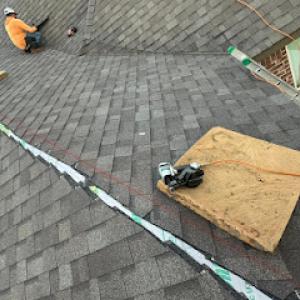
Conejo's Roofing
(832) 609-7890 conejosroofing.com
1124 5th St, Rosenberg, Texas
5.0 from 17 reviews
Elevate your home with Conejo's Roofing – your trusted partner for top-tier roofing solutions. With a legacy of craftsmanship and reliability, we specialize in delivering unmatched quality and durability. Our skilled team ensures precision in every project, safeguarding your home with expert care. Choose Conejo's Roofing for excellence that stands the test of time. Your peace of mind begins at the top – contact us today for superior roofing services you can rely on
Beinert Roofing & Restoration
(832) 449-3247 beinertroofing.com
510 Walsh Rd, Rosenberg, Texas
4.6 from 40 reviews
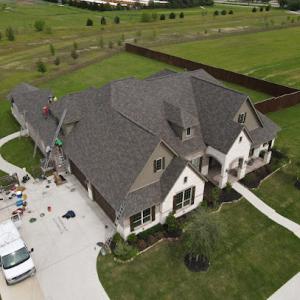
Beinert Roofing & Restoration is a roofing company on the Gulf Coast that offers quality roofing services to residential and commercial clients. With vast experience, we've been the most reliable roofers in the area. At Beinert Roofing & Restoration, we know that client satisfaction is key to the success of any business. That is why we strive to ensure that our clients get quality services that bring 100 percent satisfaction and continue to establish our reputation. The growth of Beinert Roofing & Restoration is attributed to the referrals of happy clients and the reputation of our best services. Offering exceptional services from initial contact with our customer support has been our trademark for success.
Duran's Roofing & Remodeling
(281) 342-4436 duransroofing.com
1831 Avenue H, Rosenberg, Texas
4.4 from 35 reviews
What does your home need? Duran's Roofing & Remodeling can help keep your home looking great with our wide range of home renovations. Our general contractor in Rosenberg, TX, is committed to helping you create the home of your dreams. We offer everything from bathroom and kitchen remodeling to interior and exterior painting. Our quality materials and skilled team will work closely with you to bring your vision to life. We are here to provide the honest and dependable services you need. Contact us today to get started!
Rick's Roofing & Restoration
(832) 401-5259 ricksroofingandrestoration.com
3723 Cottonwood School Rd, Rosenberg, Texas
4.4 from 43 reviews
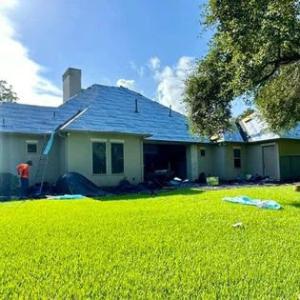
Rick’s Roofing is a family owned and operated business with over 17 years of experience in the roofing industry servicing both residential and commercial property. Rick’s Roofing is bonded and insured for your protection. Our sales team is fully qualified to work with your insurance company. We will handle all communication and paperwork with your insurance company making the process both smooth and simple for you. We will make sure every detail is handled. We will make sure your construction job is done swiftly, safely and up to the standard of 100% satisfaction.
380 Platinum Roofing
418 Avenue H, Rosenberg, Texas
5.0 from 7 reviews
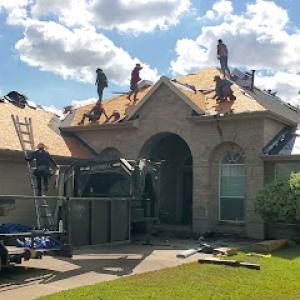
10+ years experience in the roofing business. Schedule your free no-hassle estimate.

Ultra Roofing Services Rosenberg
1301 7th St, Rosenberg, Texas
5.0 from 5 reviews
Experience the expertise of Ultra Roofing Services Rosenberg, where our dedicated roofing contractors transform your property into a fortress against the elements. Situated at 1301 7th St, we stand ready to provide exceptional roofing solutions, protecting and beautifying homes and businesses across the region.
Tradition Roofing & Construction
(281) 342-2300 www.traditionconstruction.com
Rosenberg, Texas
5.0 from 3 reviews
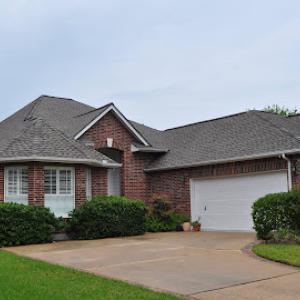
Tradition Roofing & Construction is your go-to source for window, storm damage repair and roofing services in Rosenberg and Katy, TX and the surrounding areas. Our local, family-owned company will go the extra mile to make sure your home or office is in excellent condition. If you need construction services, our roofing company is your best choice. To schedule your appointment, call today.
B&B Industries
(281) 342-2333 www.bbindustries.net
4709 TX-36, Rosenberg, Texas
4.0 from 4 reviews
B & B Industries was founded by David Rodriguez in 1974. We have been serving Fort Bend, Harris and surrounding counties for over 46 years. We handle most types of services and we deal with all major homeowners and commercial insurance companies. B & B Industries specializes in custom home building, remodeling, roofing & siding. We service Houston and the surrounding counties. B & B Industries works with all types of roofing and we are metal roof specialists. We offer everything you need including sales, service, repairs & installation. We have a Certified EPA Lead Renovating Firm Certificate and are accredited with The Better Business Bureau of Greater Houston.
Reign Roofing - Sugar Land
Serving
5.0 from 136 reviews
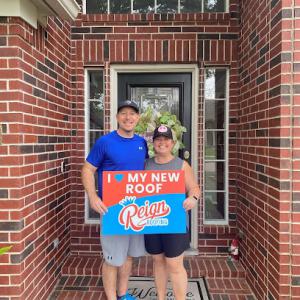
Reign Roofing is Sugar Land’s premier roofing contractor, committed to excellence, integrity, and exceptional service. Specializing in residential and commercial roofing, we offer comprehensive solutions including roof repairs, replacements, inspections, and storm damage restoration. Our skilled, certified professionals use premium materials and advanced techniques to deliver durable, aesthetically pleasing roofs tailored to your needs. Our Roofing Company thrives on customer satisfaction; we ensure clear communication, timely completion, and meticulous attention to detail. Trust us to protect your home or business from Texas weather year-round. Choose Reign Roofing—where quality craftsmanship and reliable roofing services in Sugar Land, TX
Asphalt shingles remain the dominant practical choice in this market because they fit the area's large re-roofing cycle and are easier to replace after hail and wind events than heavier premium systems. In the heat and sun of Fort Bend County, these shingles offer predictable performance and a straightforward repair path when hit by hail or battered by storms. Look for algae resistance and good wind ratings to handle gusts around summer storms. If a hail event punches through, asphalt shingles generally allow a quicker insurance-facilitated replacement, with less disruption to the home structure and interior. In practice, you'll want to verify that the roof deck is sound, the underlayment is properly installed, and the shingles you choose have a solid blown-in seal option to reduce blow-off risk during our typical afternoon squalls. When budget considerations matter, asphalt remains the forgiving, common-sense choice for Rosenberg homes with traditional layouts and standard attic ventilation.
Metal roofing is relevant locally because Rosenberg's intense sun exposure accelerates aging in many materials, making reflective and heat-tolerant systems attractive despite higher upfront cost. A reflective metal roof can reduce cooling load and help you ride out the hottest weeks, which is a practical edge in this climate. Choose a system with durable coatings and a tested fastener pattern for wind resistance, since Gulf Coast storms bring both heat and high-velocity gusts. Installation quality matters here: improper seam sealing or insufficient attic venting can undermine a metal roof's performance. If replacing after a storm, metal often shows up as a favorable option for long-term durability and lower maintenance, but ensure the structural frame can support the roof's weight and that gutters and flashings are sized to handle heavier runoff during heavy downpours.
Clay and concrete tile appear in parts of the market but require attention to storm-related cracking, underlayment condition, and structural suitability in a region where wind and hail are recurring concerns. Tile can be very durable in sun and heat, but impact from hail can crack individual units and allow water intrusion if underlayment is compromised. In Rosenberg, assess the roof structure for file loads and verify the deck is solid enough to support the weight, especially on older homes. Pay attention to edge and valley details where wind-driven rain can exploit gaps. If you're considering tile, plan for a professional evaluation of impact resistance, flashing integrity, and the ability of the attic to ventilate properly after a storm. Long-term performance depends on meticulous installation and regular inspection of fasteners, ridge lines, and termination zones.
After a hail event, inspect for missing or cracked shingles, lifted edges, or dented metal, and document damage for insurance discussions. In all materials, ensure the underlayment remains intact and look for signs of water intrusion in the attic or ceiling. Proactive maintenance-clearing debris, trimming overhanging branches, and keeping gutters free of dings-helps any roof type recover quickly from the Gulf-influenced storm pattern common here. For any material, schedule a wind and impact assessment after the peak storm season to catch issues before they evolve into leaks.
In Rosenberg, cost swings are driven less by generic pricing and more by when hail and wind events hit Fort Bend County. After a big storm, contractors sprint to meet demand, labor becomes tighter, and scheduling stretches out. That surge can push project timelines and sometimes labor rates higher, especially on larger or more complex jobs. If your roof is already at the edge and storm-season hits, expect price tendrils to creep up as crews juggle multiple calls and target urgent replacements rather than routine refreshes.
Material choice matters sharply in this market because the local mix runs from budget-friendly asphalt to durable metal and heat-tolerant tile systems. Asphalt shingles remain the most budget-friendly entry point, while metal roofing tends to hold up well under heat and with higher wind loads, but at a higher upfront price. Tile options-clay or concrete-shine in heat but bring heavier weight and longer install timelines. In Rosenberg, the right choice often hinges on how aggressively you want to resist sun glare and heat gain, how long you plan to stay in the home, and how much you're prepared to invest upfront to reduce future energy costs and maintenance.
Humidity, rain interruptions, and scorching summer days can slow production. When crews pause for downpours or blistering heat, labor costs on larger or more complex replacements can rise simply because the job drags on. If a storm references the start date, you might see compressed windows for work, which sometimes pushes you into premium scheduling slots. On the up side, quick, decisive decisions after a storm can shorten the project timeline if materials are readily available and the insurance path is clear.
If you're facing a hail-due-to-storm scenario, start with a clear estimate window from a few local roofers and ask how they handle post-storm scheduling pressure. Compare not just the bottom line, but the anticipated build timeline, the likelihood of material delays, and how insurance alignments influence the start date. In heat and humidity, consider lighter, faster-install options when feasible to keep labor costs predictable. Choosing a material that balances upfront cost with long-term resilience can help stabilize expenses when Rosenberg's weather and post-storm demand surge.
Get a clear picture of your project costs upfront - no commitment required.
Roof Repair Services
3102 1st St, Rosenberg, Texas
4.9 from 649 reviews
A typical full re-roof in this area requires a building permit through the City of Rosenberg, with Fort Bend County involvement as applicable to jurisdiction and project location. The permit process helps ensure that the new roof complies with local wind-resistance requirements, weather sealing, and energy-related considerations that are common during hot, storm-prone seasons. Before any materials arrive or crews set foot on the deck, verify that the permit is in hand and that the project address and zoning classification are correctly reflected in the permit notice. This avoids delays if a county inspection is needed or if a permit amendment becomes necessary due to scope changes.
The local process hinges on submitting project details alongside contractor licensing information. Expect to provide a clear roof plan, roof vent and attic ventilation strategy, underlayment type, and flashing details for hips, valleys, and roof-to-wall transitions. The applicant should also include evidence of the contractor's license and any required insurance certificates. In Rosenberg, the combination of city and county oversight means the more complete the packet, the smoother the review. If a storm-damaged roof is involved, document the sequence of damage with dated photos and notes so inspectors can assess the replacement in a timely manner.
Inspections are scheduled at key milestones and after completion to verify underlayment, flashing, ventilation, and wind-resistance requirements. Expect an initial inspection after framing and underlayment are in place to confirm proper nailing patterns, underlayment overlap, and that penetrations through the deck are sealed. A mid-project check may occur to review flashing around chimneys, vents, and skylights, as well as overall roof ventilation to prevent moisture buildup in the Texas heat. A final inspection confirms that all components meet code and manufacturer specifications, including wind uplift standards that are particularly relevant after severe storms. If any deviations are found, work typically must be corrected and reinspected before the permit can be closed.
Keep lines of communication open with both the contractor and the city/county inspector. Have project details readily accessible, including a current copy of the permit, contractor license numbers, and proof of insurance. Schedule inspections proactively and allow for contingencies, since weather and storm-related scheduling can shift timing. If the project involves storm damage and an insurance-driven replacement, coordinate any required documentation or scope changes with the permit office to avoid misunderstandings about what constitutes a compliant replacement. Remember, the goal of the permit and inspection process is to ensure a durable, wind-ready roof that stands up to Rosenberg's Gulf-influenced climate.
In Rosenberg, the heat pattern shapes how roofs age. The combination of hot, sunny days and intense sun exposure accelerates drying, leading to faster aging of exposed surfaces like shingle tabs, seals, and flashing. When shingles bake under a relentless sun, they can become brittle and less capable of resisting wind uplift after storms. This means you may notice more granule loss and surface wear sooner than expected if the roof hasn't been cared for or vented properly. Prolonged UV exposure not only colors shingles but degrades asphalt enough to accelerate granule loss, making the roof look worn even if it's relatively young.
Extended summer heat also affects material handling and crew productivity. Metal crews pace themselves to avoid heat stress, which can delay installation and affect the quality of sealants and underlayment. Planning tight-but-safe work windows helps ensure that adhesives cure correctly and that sealants don't fail during the first strong afternoon storms. Heat can also expand and contract components, so proper spacing and fastener choices matter. Local conditions mean crews may need shorter days, more breaks, and extra hydration measures to keep workmanship consistent without sacrificing performance.
Humidity and repeated storm moisture make ventilation and flashing details especially important. High moisture levels demand efficient attic ventilation to reduce condensation that can degrade decking and create hidden leaks. Flashings around chimneys, vents, and transitions must remain watertight after rapid temperature swings and heavy rain. In Rosenberg, even small gaps under ridge vents or around vent collars can invite moisture intrusion when humidity is high and storms are frequent. Soffit and intake-exhaust balance, plus properly sealed roof-to-wall transitions, become ongoing priorities.
Practical checks you can perform seasonally help catch issues early. After a major storm or a long heat spell, look for roof sections that feel soft, curling shingles, lifted edges, or lifted flashing. Pay attention to attic ventilation and signs of condensation on decking, which can indicate insufficient intake or exhaust. If you notice staining or mildew on interior ceilings after rain, have flashing, underlayment, and vent connections inspected promptly by a local pro. Track color fading and surface staining over time, and verify that attic baffles remain correctly positioned to keep ducts dry and effective.
Although Rosenberg is primarily a residential re-roofing market, local contractor signals show meaningful demand for flat and low-slope roof work, indicating recurring leak issues on additions, porches, and some commercial structures. Storm-driven water can seek pathways where transitions meet, so understanding the drainage and edge details matters more than the roof surface alone.
Frequent thunderstorms heighten the risk at vents, skylights, and low-slope tie-ins where water can back up during heavy rain. Wet winter periods and repeated storm cycles can expose weaknesses in sealants, flashing edges, and drainage details on lower-slope sections. Inconsistent slopes and misaligned penetrations often become magnets for leaks after a strong storm or hail spray.
Watch for damp patches along ceiling lines under additions or porches, and inspect around vent collars after storms for loose or missing sealant. On low-slope areas, check the seam tapes and edge metal more regularly, especially where new penetrations connect to older roof planes. If water flows toward a transition where two planes meet, that junction deserves careful scrutiny.
Leaks in low-slope areas tend to propagate across joints before they reveal themselves at the surface. When moisture appears around penetrations or at the base of skylights, prioritize the transitions and flashing first. A careful, methodical approach now can prevent larger failures when the next storm rolls through.
Find specialists in TPO, EPDM, and built-up flat roofing systems for residential and commercial properties.

Job Cost Professionals Richmond-Roofer
(832) 642-3326 richmond-roofer.com
Serving
5.0 from 71 reviews
Local Roofing & Restoration
(281) 762-2513 www.localroofingandrestoration.com
Serving
5.0 from 96 reviews
Rosenberg homeowners deal with a Gulf-influenced storm pattern that pushes hail, wind, and blistering sun into a tight window each year. That means quick-response service and cleanup-included crews are standard in this market, not rare perks. The priority is getting through storm season with a reroof that stands up to the next squall, rather than chasing a cosmetic update after a few calm years.
In this city, a reliable storm contractor stacks practical strength with fast, documented work. Look for teams that can mobilize quickly after a hail event, provide a clear scope of storm-related work, and leave the site clean each day. Family-owned crews often offer hands-on communication and flexible scheduling, while longer-established companies can back up work with more robust warranty follow-through. Consistency across crews matters, so ask how they manage temporary labor and ensure uniform quality on every section of the roof.
Storm recovery work moves on a tight schedule. Expect deadlines tied to weather windows and customer demand, with crews prioritizing damaged areas and safety. A reputable Rosenberg roofer will outline a phased plan: initial tarping or cover, hail-damaged inspection, temporary fixes, and a full replacement when conditions allow. Quick responses reduce exposure to further interior damage, so a contractor who returns calls promptly and provides a written interim plan stands out.
Warranty follow-through can be as important as the initial bid. In a market shaped by storm seasons, it matters that a company will return for warranted repairs, address workmanship concerns, and stand behind material performance after installation. Look for a firm that clearly documents warranty terms, assigns a local point of contact, and has a track record of honoring promises even after the dust settles from the next round of storms.
Ask for recent storm-repair examples in the area, especially projects completed in comparable weather. Request a detailed, itemized proposal with a defined inspection checkpoint and a clear path for addressing wind- or hail-damaged components. Confirm they maintain current licenses and carry appropriate insurance, and check with neighbors about their experience with the contractor's crew, cleanup, and warranty reliability.