
Last updated: Apr 19, 2026
You are living in a place where spring hail and summer thunderstorm bursts routinely test roofs. Decisions about replacements aren't driven by age alone here; they're driven by the storm calendar. Hail can punch through protective layers, wind can lift edges, and the heat-humidity cycle accelerates wear on asphalt shingles, speeding granule loss and exposing underlying layers to moisture. In this environment, a roof might look fine on the outside but harbor hidden damage that becomes a leak once a humid front slides in. The pattern is clear: assess after spring hail, and reassess before late-summer storms ramp up. That cadence saves you from chasing repairs that can turn into full replacements if untreated.
Right after a storm, you need to do a targeted, honest inspection. Start on the ground at the edges of your roof line; look for shiny hail-induced dents on soft metals and visible granule loss in gutters and on driveways. Move to the attic with a flashlight: any sudden spike in heat or light shining through between boards means moisture infiltration. On the roof itself, scan for curled, lifted, or missing shingles, especially asphalt. In Cypress's heat, granule loss accelerates, so a roof that has lost its protective surface will age faster and leak sooner, even if the damage seems minor at first glance. Pay special attention to flashing around chimneys, vents, and skylights-those are common leak paths after a strong thunderstorm. If you find damp insulation, mildew smells, or attic staining, treat it as a red flag, not a cosmetic issue.
Take clear, dated photos from multiple angles-try to include one wide shot and several close-ups of any chips, bruises, or lifted edges. Note the storm's date and the specific area of the roof that shows damage. Create a simple log: date, weather event details, and any symptoms you observe in the attic. This documentation helps you communicate with the insurer promptly and accurately, which matters in a climate where storm-driven claims surge. Don't rely on memory; photographs beat recollection, especially when the spring season bleeds into summer storm activity. If you have an interior leak, photograph the ceiling spots and note any interior staining-this strengthens your case for expedited assessment.
Because replacement timing is often planned between peak storm periods, Cypress homeowners commonly inspect after spring hail and again before late-summer storm activity ramps up. Schedule a professional inspection if you're unsure about the extent of the damage, especially after a major hail event. A roofer who understands the local climate can assess whether the underlying decking is compromised, whether flashing needs replacement, and which materials perform best under Gulf Coast-like conditions. If the assessment reveals widespread granule loss, curling shingles, or compromised underlayment, you're looking at a replacement or substantial remodel rather than quick patchwork.
First, prevent further moisture intrusion by drying any visible leaks in the attic and staging temporary containment if a leak is actively dripping. Second, gather your storm documentation and contact your insurer promptly to initiate a claim, noting the severe weather pattern typical for this area. Third, engage a trusted local roofer with a track record in Cypress-style homes who can walk you through material choices that shed heat, resist wind uplift, and endure the humid heat: asphalt keeps costs reasonable but watch for rapid granule loss in heat, metal offers durability, and concrete or clay tiles can provide long-term resilience in this climate. Finally, align replacement timing with insurer approvals and seasonal weather windows to minimize the risk of storm-driven damage during the interim.
Adams Roofing
(832) 353-1402 www.adamsroofinghtx.com
16712 Huffmeister Rd Bldg 200A, Cypress, Texas
5.0 from 156 reviews
Adams Roofing is a trusted, family-owned roofing company in Houston, TX, proudly serving the area for over 20 years. We specialize in high-quality residential roofing services and commercial roofing services, offering expert roof inspections, roof installations, roof replacements, and roof repairs. Our experienced team of professional roofing contractors is committed to delivering durable, long-lasting results using top-grade materials and industry-leading techniques. Whether you're dealing with storm damage, a roof leak, or need a full roof replacement, Adams Roofing is your reliable choice for affordable, efficient, and professional roofing services throughout the Houston metropolitan area.
Shingle Hut Complete Roofing Services
(832) 240-7854 www.shinglehutroofing.com
18007 Mueschke Rd, Cypress, Texas
4.9 from 213 reviews
Whether repairing a roof leak, hail damage restoration, installing a complete new roof, seamless gutters, or adding a solar attic fan to your home, Shingle Hut Complete Roofing Services in Cypress, Texas is the roofing contractor to trust! Since 2014, Shingle Hut has provided premium roof leak repair or roof replacement and installation services for residential and commercial business properties throughout the Greater Houston, Texas area including Cypress, Katy, Tomball, Spring, Jersey Village, Waller, Montgomery, Sugarland, League City, Conroe, Austin, Texas and more. Fully Insured. BBB A+ Rated. Visit our website for more information or call to schedule a FREE roof inspection.
Houston Strong Roofing Company
(832) 271-7783 houstrongroofing.com
15705 Jarvis Rd, Cypress, Texas
4.9 from 230 reviews
Welcome to Houston Strong Roofing, your premier roofing and restoration experts in Houston. With over 20 years of dedicated service, we specialize in high-quality, reliable roofing systems for both residential and commercial properties. Our commitment to excellence shines through in every project, ensuring long-lasting repairs and installations. At Houston Strong Roofing, client satisfaction is our top priority, backed by a strong foundation of trust and referrals. We excel in navigating insurance claims, helping you with hail and wind damage assessments and repairs. Contact us for unparalleled roofing solutions tailored to your needs.
Garvin Exteriors
(832) 789-1338 www.garvinexteriors.com
16522 House Hahl Rd, Cypress, Texas
5.0 from 108 reviews
Garvin Exteriors - Houston Texas Residential Roofing, Gutters and Attic Insulation. Premier contractor educating our customers every step of the way while providing quality installation with competitive pricing. Are you recovering from storm damage? We can help with insurance assistance and a free drone inspection. We will make sure you feel safe and protected once again.
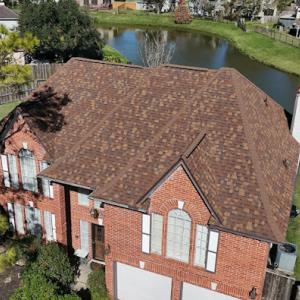
Apollo Roofing
(346) 388-3030 apolloroofing.co
21239 FM 529 I, Cypress, Texas
4.9 from 382 reviews
🚀 Apollo Roofing – Your Trusted Residential Roofing Experts in Houston, TX 🏠 At Apollo Roofing, your roof is our mission! We specialize in roof repairs, replacements, and free inspections, ensuring your home stays protected with top-quality craftsmanship. As a preferred Owens Corning contractor, we offer durable materials, extensive warranties, and flexible financing options to make your roofing project stress-free. Proudly serving Houston and surrounding areas, our team is committed to honest service, competitive pricing, and exceptional workmanship. Whether you're dealing with storm damage or need a full roof replacement, Apollo Roofing is here to help. 📞 Contact us today to schedule your free inspection! 🚀🔧
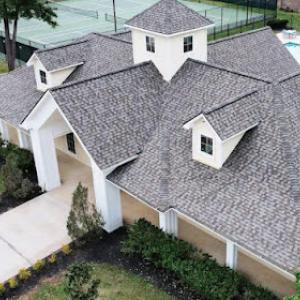
Skyline Designs Roofing
(346) 355-7663 skylinedesignstx.com
14150 Huffmeister Rd Suite 200, Cypress, Texas
5.0 from 101 reviews
Skyline Designs Roofing is your trusted local expert for top-quality roofing and home restoration services based in Cypress, Texas. We specialize in residential and commercial roofing, storm damage repair, gutter installation, and full-service home restoration. With a focus on craftsmanship, integrity, and customer satisfaction, our licensed and insured team delivers dependable results using premium materials and industry-best practices. Whether you're dealing with a leaky roof or need a complete exterior upgrade, Skyline Designs has you covered. Contact us today for a free estimate and experience roofing done right.
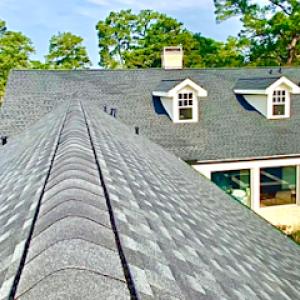
Punum Roofing of Houston
(281) 797-0240 punumroofinghouston.com
15926 Cypress North Houston Rd #50, Cypress, Texas
4.9 from 186 reviews
Punum Roofing of Houston, Inc. is a roofing contractor in Houston and Cypress, TX serving Cypress, Jersey Village, Katy, Spring, The Woodlands, and nearby areas. Our roofing company offers Residential Roofing, Asphalt Shingle Roofing, Metal Roofing, Aluminum Roofing, and more. Customers love us because of our comprehensive roof warranties and our affordable roof financing options. We also have industry affiliations and certifications such as GAF Master Elite, CertainTeed Select ShingleMaster™, TAMKO Pro Certified Contractor and many more. If you want to experience how your most trusted Houston and Cypress, TX roofing company embraces our motto "A Family Tradition Since 1998", call us now for a free estimate.

Florentino Family Roofing & Remodeling
(936) 227-4555 florentinoroofing.homes
14041 Grant Rd, Cypress, Texas
4.9 from 89 reviews
Our Roofing Services for Cypress Storm Damage Repair: Mending roofs affected by severe weather. Structural Repair: Repairing structural weaknesses in the roof. Shingle Replacement: Substituting broken or lost shingles.
Telge Roofing
(281) 607-2080 www.telgeroofing.com
15915 Telge Rd, Cypress, Texas
4.8 from 613 reviews
Telge Roofing is a trusted roofing company based in Cypress, proudly serving homeowners and businesses in Houston, Spring, Katy, Sugar Land, and surrounding areas. As a GAF Master Elite® Certified Contractor and 3-Star Gold Member of the GAF President’s Club, we provide dependable, high-quality roofing solutions tailored to the Texas climate. Our experienced team offers a full range of services, including Roofing Inspections, Roof Replacement, Roof Cleaning, Roof Maintenance, Roofing Restoration, and Roof Repair. With strong local roots, advanced materials, and professional craftsmanship, we ensure long-lasting protection, honest guidance, and exceptional service for every project.
Compass Roofing TX
(281) 374-4907 compassroofingtx.com
18942 New Birmingham Dr, Cypress, Texas
5.0 from 53 reviews
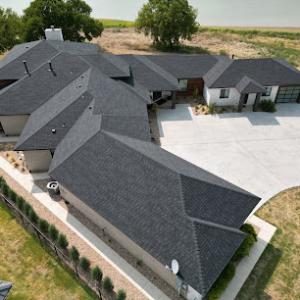
Compass Roofing TX is a roofing contractor in Cypress servicing Katy, Tomball, Spring, and nearby areas. Our roofing company offers residential roofing, commercial roofing, roof repair, asphalt shingle roofing, metal roofing, and more. We also specialize in siding and gutter services. Customers love us because of our comprehensive roof warranties and affordable roof financing options. We also have industry affiliations and certifications such as GAF. If you want to experience how your most trusted Cypress roofing company embraces our motto “Your Professional Roofing Guide.”, call us now for a free estimate!
RoofTek
17122 Lewis Dr, Cypress, Texas
5.0 from 50 reviews
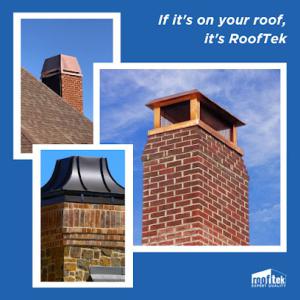
RoofTek is a leading roofing contractor located at 17122 Lewis Dr, specializing in high-quality roof repair services and comprehensive roof maintenance solutions. As your trusted residential roofer and commercial roofing contractor, we excel in gutter installation and repair, ensuring your property stays protected year-round. Recognized among the best roofers near you, we are dedicated to providing prompt and efficient emergency roof repair and professional roof renovation services. Our team of experienced local roofers is committed to delivering exceptional craftsmanship and customer satisfaction. Choose RoofTek for reliable, top-tier roofing services tailored to meet all your needs.
Golden Pledge Roofing
(346) 280-0121 www.goldenpledgetxroofing.com
22143 Ingham Blf Ln, Cypress, Texas
5.0 from 40 reviews
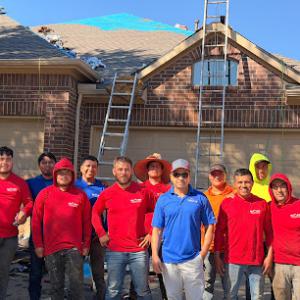
Golden Pledge Roofing is Cypress's premier GAF Certified Contractor, providing superior Roof Replacement, Repair, and Siding services. As family-owned Insurance Claim Specialists, we expertly navigate storm, hail, and wind damage claims to secure your home. With over 30 years of experience serving Cypress (77433), Houston, and surrounding areas, we offer all brands of asphalt shingles like: GAF, CertainTeed, Owings corner, Malarkey & more. Our Services: Residential Roofing: Shingle, Metal, and Flat Roofs. Storm Damage Experts: Comprehensive inspections and insurance claim assistance. Exterior Solutions: Professional Siding and Gutter installation. Trust the Top 2%. Fully Insured & Certified. Contact us today for a Free Inspection!"
The Houston-area insurance environment generates frequent roof-related claims, and adjusters commonly want contractor details plus clear pre-loss and post-work photo documentation. In practical terms, this means preparing a concise, professional file before any claim is filed: have a licensed local roofing contractor lined up who can provide an expert assessment, a letter of repair scope, and a supplementary photo package that captures roof condition from multiple angles. When a hail event or a strong thunderstorm hits, expect robust scrutiny and a faster decision cycle if documentation is ready to share. Pre-loss photos capturing the current shingle condition, flashing, and any attic signs of moisture can save back-and-forth later.
Policies in this market may reflect age-based premium pressure, making roof age and condition especially important when homeowners decide whether to repair or replace. If the roof is nearing the end of its expected life, insurers may lean toward replacement rather than a patch job, particularly after a multi-claim season or a documented hail impact. A reliable appraisal from a Cypress-area contractor that notes dry-rot, shingle granule loss, or potential water intrusion can tilt the decision toward replacement while keeping the process aligned with insurer expectations. For an older roof, readiness to present a full replacement plan-including a comprehensive scope and a defensible teardown-can streamline the claim review.
Wind mitigation information or roof-condition evidence is often relevant in this region because hail and wind losses are common claim drivers. When inspecting, focus on wind-blown shingle edges, lifted tabs, granule loss in gutters, and damaged flashing around chimneys and vents. Capture high-resolution photos of any hail dents on metal details, along with interior signs such as stained ceilings or attic leaks. A simple, labeled photo log that ties specific damages to roof areas helps the adjuster correlate evidence with your contractor's scope of work. If a mitigation feature-like a fortified ridge vent or reinforced underlayment-is present, document it clearly; insurers sometimes recognize these factors as part of a risk-reduction effort that affects claim outcomes.
In the Cypress storm cycle, timing matters. After a storm, contact a local contractor experienced with insurance-driven replacements to perform a thorough assessment and prepare a repair vs. replace recommendation. Provide the insurer with the contractor's information, a detailed estimate, and the pre-loss photos you gathered. Throughout the process, maintain a clear, consistent line of communication: share updates on any new damages discovered during teardown, and supply post-work photos that demonstrate the completed scope and quality of installation. The goal is a transparent, well-supported claim file that stands up under adjuster review and supports a durable resolution reflective of Cypress' unique weather-driven wear.
Connect with contractors who help homeowners navigate the claims process from damage assessment to final approval.
Adams Roofing
(832) 353-1402 www.adamsroofinghtx.com
16712 Huffmeister Rd Bldg 200A, Cypress, Texas
5.0 from 156 reviews
Shingle Hut Complete Roofing Services
(832) 240-7854 www.shinglehutroofing.com
18007 Mueschke Rd, Cypress, Texas
4.9 from 213 reviews
In this market, timing a roof replacement is less about a fixed calendar and more about aligning with local weather patterns and insurance windows. Homeowners often aim for milder scheduling between peak spring hail activity and the heaviest late-summer thunderstorm stretch. That window tends to offer a balance: enough dry days for installation, manageable temperatures, and a clearer path for post-storm inspections without getting swept into the peak storm surge. Plan ahead so crews can stage materials and the repair sequence during a stretch of consecutive dry days rather than chasing random rain gaps.
Summer heat can complicate installation logistics and increase urgency after storm damage, while winter freezes and temperature swings can affect sealants and some tile systems. On hot days, asphalt shingles and underlayment can heat up quickly, reducing working time for flashings and sealant set, and some synthetic products expand and contract with the heat, complicating detailing around chimneys and vents. If a storm hits and damage is evident, decisive action helps minimize exposure to heat and wind-driven debris during the recovery period.
Fall wind events in the Cypress area can add debris loading and edge stress, so delaying replacement after visible damage can leave vulnerable components exposed into another weather cycle. If a failed roof section is already showing lifted shingles or cracked sealants, a cautious approach is to coordinate a replacement so the new roof can be sacrificially protected by calm autumn conditions, rather than enduring back-to-back wind-driven debris that can complicate knife-edge details and gutter integration.
Begin with a thorough inspection after a storm, focusing on hail impact patterns, lift along edges, and potential water intrusion around penetrations. If damage is confirmed and the project is weather-permitting, set a realistic installation window that avoids the peak heat of midsummer and the slippery, freezing snaps of winter. A staged approach-repairing or replacing sections in the calmer, milder months-reduces risk of re-work and minimizes misalignment between new materials and existing structures.
Coordinate with a contractor who maintains a straight-forward dry-window calendar. Prioritize full roof replacement when a single storm season shows clear damage progression, rather than chasing patchwork fixes that invite repeated disruption. Keep a contingency plan for an earlier start if a rare stretch of consecutive dry days appears, but avoid pushing into late-season cold snaps that could affect sealants and tile systems. In all cases, ensure crew access and material containment accounts for the typical Cypress property layout, including lots with mature trees and shade that can affect drying times.
Asphalt shingles dominate the local market because they fit the region's suburban housing stock and replacement economics, but they are especially exposed to heat aging, hail bruising, and wind-lift concerns in Cypress storms. In practice, that means shingles can lose granules faster on hot afternoons, and large hail can leave those telltale bruises that you cannot always see from ground level. A routine post-storm inspection helps catch loose edges, lifted tabs, or granule loss before water finds its way under the roof deck. When considering replacements, look for upgrades like reflective or algae-resistant varieties to slow heat buildup, and verify nails and seals are rated for high-wind conditions common in Gulf Coast-influenced storms.
Tile roofs are present in higher-end Cypress neighborhoods, but clay and concrete systems need close post-hail inspection because cracked tiles may be scattered and easy to miss after Gulf Coast storms. After a hail event, a proactive crawl around the roof and a careful attic inspection for unseen leaks helps prevent hidden damage from becoming costly later. Concrete and clay tiles offer excellent longevity and a distinctive look, yet their weight and brittle edges demand a careful hand during inspection and repair. If you notice missing or cracked tiles, address them promptly and verify that the roof deck underneath has not sustained hidden damage. A cautious approach to tile replacement minimizes the chance of residual leaks and wind-driven failure.
Metal roofing is a meaningful local option for homeowners prioritizing wind performance and longevity. Metal panels can resist uplift better than many other materials, which matters during Cypress storms that bring strong gusts. Look for fasteners installed with proper sealant and through-fastener systems designed for high-wind environments. Metal also behaves well under heat, reflecting a portion of the sun's energy and reducing thermal stress on underlying decking. If a premium look with robust performance is a priority, metal provides a straightforward path to reliability in the face of frequent Gulf Coast weather patterns.
Synthetic or composite shingles appeal where owners want a premium look with lower weight than slate or tile. These products can approximate the aesthetics of higher-end materials while offering resilience against heat and wind. In Cypress, synthetic options can be a smart compromise for fire resistance and mid-range weight, especially on homes with existing framing that benefits from lighter replacements. Inspect any synthetic installation for consistent edge sealing and proper nailing patterns after storms to keep wind from lifting corners in gusty bursts. Regular maintenance remains key to preserving their appearance and performance over time.
Across all materials, a disciplined post-storm check helps catch issues early. Cypress experiences Gulf Coast-driven storm cycles, so look for wave-like distortion, lifted tabs, cracked tiles, or fastener issues as soon as daylight allows. A professional roof inspection after a major hail event can identify subtle damage that isn't obvious from the ground, protecting against hidden leaks and extending the roof's life in this climate.
In this market, you'll see asphalt shingles priced roughly from 350 to 650 USD per square, with metal from 700 to 1300 per square. If clay tile is part of your home's aesthetic, expect costs in the 1800 to 3000 per square range, while concrete tile trails close behind at 1400 to 2600 per square. Synthetic or composite shingles land around 420 to 900 per square, and slate sits higher at 1500 to 3400 per square. These numbers reflect Cypress's mix of large suburban roof footprints and newer master-planned homes with steeper front elevations. Tile, metal, and weatherproofing details add handling and labor that push the total beyond simple material pricing.
Storms across the Houston area drive sharp, sometimes sudden, demand spikes. After major hail or damaging winds, scheduling becomes tighter and labor availability compresses across northwest Harris County. That can push timelines and, occasionally, allowances on scope as crews prioritize urgent work and insurance-driven timelines. If a hail season hits, you may see a premium for fast-tracked projects, especially for full roof replacements rather than patchwork repairs.
The Cypress housing stock tends to feature larger, sprawling footprints and steeper front elevations on newer builds. Those design traits can translate to more roof surface area to cover and more complex eaves, hips, and valleys to seal. Tile roofs-whether clay or concrete-require careful handling and additional underlayment and weatherproofing considerations, which adds cost and scheduling complexity. Metal roofs also carry weight and attachment details that demand precise craftsmanship. Skylights, vent stacks, and other penetrations require careful flashing and integration, which can elevate both price and project duration, especially when crews must align with insurance-driven timelines.
Start with a written scope that notes square footage, roof type, and any special features (skylights, vents, or steep pitches). When hail is reported, prepare for potential price upticks and shorter lead times by coordinating with your contractor early and clarifying priority for full re-roofs versus repairs. Track expected ranges for your chosen material and build a buffer for permit-related checks, weatherproofing details, and the extra handling that tile and metal configurations demand. If timing matters for insurance adjusters, document pre-existing conditions and photos to streamline the assessment and avoid unnecessary delays.
Get a clear picture of your project costs upfront - no commitment required.
Skyline Designs Roofing
(346) 355-7663 skylinedesignstx.com
14150 Huffmeister Rd Suite 200, Cypress, Texas
5.0 from 101 reviews
Punum Roofing of Houston
(281) 797-0240 punumroofinghouston.com
15926 Cypress North Houston Rd #50, Cypress, Texas
4.9 from 186 reviews
Compass Roofing TX
(281) 374-4907 compassroofingtx.com
18942 New Birmingham Dr, Cypress, Texas
5.0 from 53 reviews
Because Cypress is largely unincorporated, homeowners typically deal with the local county building authority rather than a standalone city permitting office for full roof replacement oversight. The building department issues the permit and coordinates inspections, so the timeline hinges on their scheduling and documentation. Expect the process to begin with an estimate packet and finish only after the final sign-off from the inspector.
A full roof replacement in Cypress typically requires a permit, with inspections scheduled during and after the work. The installer's license information and the project paperwork should be readily available at each stage of inspection to prove compliance. Inspections commonly cover the installation quality, flashing details, and weatherproofing integrity, ensuring the roof meets current county wind and moisture standards before the permit can be closed out.
Permit documentation is tied to the installer's license details, weatherproofing measures, and potential wind-uplift requirements. Expect the inspector to review fastener patterns, underlayment types, and any required secondary barriers, particularly for homes with mixed or elevated wind exposure. Having a clear record of product approvals and installation methods helps avoid delays and miscommunications with the county review office.
Weather conditions and storm season can influence inspection timing, so plan with a conservative schedule. If weather or material shortages arise, the county may request interim inspections or updated documentation to keep the project moving. Being proactive about confirming the correct permit numbers, license status, and weatherproofing proof can prevent last-minute hold-ups during the critical replacement phase.
After a typical Cypress thunderstorm season, asphalt systems often show storm-related granule loss, bruising, and lifted tabs, especially on exposure-facing slopes. The combination of hail and wind can chip the protective surface and press granules loose, accelerating aging and reducing UV protection. When inspecting, look for darkened patches that feel bare or gritty under your fingers, and check for tabs that have pulled away at the edges. If you notice lifted edges, treat it as a warning sign rather than a one-off blemish; a closer evaluation is warranted before the next hail season begins.
Tile roofs in this market can hide isolated impact cracks after spring hail, which is why post-storm walking inspections need care and often benefit from photo-based review. Look for misaligned or cracked tiles when light catches them at an angle, but don't rely on surface texture alone; small cracks can hide beneath a seemingly intact surface. If a tile shows movement, or if a hammer-tap reveals a hollow sound, photograph it from multiple angles and share the images with a pro. Walking the roof without proper fall protection increases the risk of slipping and causing more damage.
Winter freeze-thaw swings in the Houston region can stress sealants and flashing details that already took summer heat and storm wear. Cracking around the roof penetrations, flashing that has started to lift, or sealant joints that appear brittle are common trouble spots after the coldest periods. These issues may not be dramatic at first glance, but they invite leaks during steady rain or rapid temperature shifts. Regular checks of attic access points and visible transitions can help catch failures before they spread into attic damage or interior staining.
Keep a durable pair of binoculars and a well-anchored ladder available for safe, occasional top-edge checks after significant storms. When in doubt, designate a single, trusted roofer to perform photo-based reviews after hail events, comparing current shots with older ones to detect subtle changes. Remember that early detection of granule loss, hidden tile cracks, and stressed sealants yields a calmer path to protecting the home during Cypress's storm season.
Find contractors experienced in skylight installation, flashing, and leak repairs to bring natural light into your home.

Florentino Family Roofing & Remodeling
(936) 227-4555 florentinoroofing.homes
14041 Grant Rd, Cypress, Texas
4.9 from 89 reviews
Compass Roofing TX
(281) 374-4907 compassroofingtx.com
18942 New Birmingham Dr, Cypress, Texas
5.0 from 53 reviews
The local market strongly skews toward re-roofing and quick-response service, reflecting how often homeowners hire after storms rather than for purely elective upgrades. In the wake of Gulf Coast hail and hot, windy afternoons, a contractor that can mobilize quickly reduces exposure time to sun and weather, cutting the risk of further damage. Look for a firm that can commit to a near-immediate inspection window and a clear plan for temporary protection if needed.
Cleanup is a major local hiring priority, which matters in dense suburban neighborhoods and master-planned communities where nails, debris, and driveway protection are highly visible concerns. Ask about how debris is managed, whether cleanups include sweeping driveways and landscaping beds, and what steps are taken to minimize nail hazards for kids and pets. A reputable crew should lay down drop cloths or tarps and use magnetized reels to collect nails before leaving each day.
Free inspections, drone inspections, manufacturer certifications, and family-owned or long-established firms are all meaningful signals in the Cypress contractor pool. Seek a firm that offers no-pressure, thorough inspections at no cost, with drone or aerial assessments if roof angles or elevations complicate access. Manufacturer certifications indicate up-to-date shingle or roofing-system training, while a family-owned or long-standing operation often translates to steadier scheduling and accountability through the project.
Request several references from local homeowners who recently replaced roofs after storms, and verify insurance coverage and a physical local office or shop. Confirm the contractor's ability to address storm-specific issues, like hail-damaged underlayment and wind-straps, and ensure there is a clear communication plan for daily progress updates and post-cleanup walkthroughs.