
Last updated: Apr 19, 2026
This city sits in the southeast Harris County storm belt, where spring hail, summer thunderstorms, and hurricane-season wind events all influence when roofs are replaced. The mix of exposure from Gulf weather and nearby petrochemical corridors means roofs endure more than the average wear-and-tear cycle. Hail dents, wind-driven rain, and rapid temperature swings push underlayment and fasteners to their limits. When a major storm hits, the damage can be subtle at first-soft spots, granule loss, repeated leaks-and then suddenly you're facing a full replacement decision fueled by an insurance claim rather than age alone. That dynamic makes timing, mitigation, and documentation critical for protecting your home.
Local contractor demand clusters around storm damage, emergency repair, and insurance claims, indicating many reroof projects begin after weather losses rather than age. The market moves quickly after a reportable event, with crews balancing urgent dry-in needs against the long-term durability of a roof designed to withstand Gulf Coast forces. Because many repairs hinge on how the insurer evaluates hail impact and wind damage, understanding the claims process-and having clear, objective damage evidence-can shorten the cycle and reduce disruption. In practice, response times from assessment to replacement can hinge on the storms' intensity and the number of homes affected in a single neighborhood.
Because hurricane season runs June through November on the upper Texas Gulf Coast, homeowners often face scheduling pressure to secure temporary dry-in and permanent replacement before the next rain band or named storm. The imperative is not just catching a dry spell, but aligning with insurer-adjusted timelines, contractor availability, and your own family schedule. If a storm has just rolled through, the window to protect interior spaces from water intrusion narrows fast once you've identified the extent of damage. Proactively coordinating with a trusted contractor now can reduce stress when the next system arrives.
Start with a rapid, thorough damage check after any significant weather event. Photograph and timestamp exterior and interior signs of water intrusion, then document missing shingles, lifted edges, or dented gutters. Contact your insurer promptly and request an adjuster visit; having a roofer with storm-damage experience present can help articulate the repair scope and ensure the claim reflects actual needs. Secure temporary protection-tarps or boards-over exposed roof sections to minimize further water entry, especially if a full replacement will be scheduled later. Choosing a contractor with proven storm-response capabilities and clear communication standards helps keep the project on track when scheduling becomes tight.
In this cycle, a reputable local team will prioritize a fast, accurate assessment, clear dry-in logistics, and a durable, wind-resilient installation that stands up to the Gulf Coast's volatility. Expect a detailed scope that covers underlayment, flashing, and ventilation upgrades that improve long-term resilience against hail and driving rain. Documentation should extend beyond a single estimate: a contractor should provide an itemized plan that aligns with your insurer's expectations and weather realities, including a phased approach when needed. Communication must remain steady through the dry-in period, the approval process, and the eventual replacement, because a well-managed storm claim minimizes risk and disruption for you and your home.
Asphalt shingles dominate replacements because they fit the area's large stock of postwar and suburban single-family homes while remaining the most economical option in a storm-prone insurance market. In this climate, you want a shingle with good wind resistance and a robust nailing pattern. Look for shingles rated for high wind zones and consider a heavier strata with reinforced asphalt to better resist hail impacts common after Gulf Coast storms. Proper installation matters more than the brand name: use a wind-rated underlayment, ensure nailing aligns with the roof deck, and seal all penetrations (vent stacks, solar equipment, and plumbing vents) to prevent water infiltration during heavy rain. Given heat and humidity, choose reflective granules or a cool-color option to reduce attic temperatures and extend shingle life. If a roof is already near the end of its life, talk to your contractor about upgrading the starter course and ridge cap to improve edge sealing along gusty coastal winds.
Metal roofing is especially relevant when balancing wind performance, heat reflectivity, and long-term resistance to humid Gulf Coast conditions. In this market, homeowners often compare metal against upgraded architectural shingles for a reason: metal's inherent resilience to wind-driven rain and hail, plus its tendency to shed heat, can translate into fewer seasonal repair headaches. For Pasadena-style weather, emphasize panels with concealed fasteners or corrosion-resistant exposed-fastener systems designed for coastal environments. Pay attention to edge detailing and proper flashings at chimneys, skylights, and transitions to soffits. A metal roof can be noisier during driving rain unless the decking is solid and a sound-deadening layer is installed. If you opt for metal, consider a finish that minimizes heat absorption and won't chalk or peel under sun exposure. Routine inspections after severe storms help catch loose fasteners or dented panels before interior damage occurs.
Tile and synthetic systems appear in the market but require attention to structural loading, fastening, and edge detailing because Pasadena's wind exposure and repeated heavy-rain events punish poorly secured heavier roof coverings. Clay and concrete tiles demand a reinforced framing upgrade if the existing structure was not built to support heavy roofing. Ensure fasteners are corrosion-resistant and that edge clips are used on overhangs to prevent panels from lifting in high winds. Synthetic shingles and lightweight tile alternatives offer some wind resilience with easier installation, yet they still need proper attachment that follows roof pitch and exposure. In flood-prone and storm-heavy neighborhoods, verify that edge detailing remains intact after any incident and that appropriate attic ventilation is used to manage moisture without compromising tile or synthetic integrity. For new synthetic or tile applications, consider a design that minimizes edge lift potential and includes secure wind-rated ridges and hip caps to reduce vulnerable creases where wind can pry panels loose.
Pasadena's hot, humid summers can slow installation pace and affect material handling, so crews often try to avoid the most punishing heat when scheduling full replacements. If a full reroof is on the books, target mid-fall or late winter when daytime temperatures are cooler but not chilly. In practical terms, plan for a window of several weeks with daily highs in the comfortable 70s to low 90s, avoiding the peak heat of July and August. For a typical replacement, the crew will want steady days of dry weather, minimal humidity, and enough daylight to keep the work moving without rushing seal-down at the last minute.
Wet spring and fall periods in the Houston-Pasadena area can create stop-and-start production because thunderstorms and saturated conditions interrupt tear-off and dry-in windows. Expect pauses after heavy rains, and have a contingency plan for rescheduling sections of the roof so critical waterproofing steps aren't rushed. Coordinating lift and material deliveries around afternoons with the highest storm potential can protect underlayment and flashing. A practical approach is to block out a primary stretch of dry-weather days, with a small buffer built in for sudden weather changes, rather than trying to push through a monsoon week.
Homeowners often try to schedule replacement outside both peak summer heat and the most active storm periods so workmanship, seal-down, and inspection timing are less likely to be disrupted. In Pasadena, that means leaning away from the heart of hurricane season and the months when afternoon storms roll in most reliably. If damage signs appear after a severe hail event or a high-wind episode, it can still be possible to accelerate the project, but be prepared for compressed timelines and tighter coordination with insurance-driven milestones. Otherwise, a well-timed fall or late winter project tends to ride out the weather peaks and keep the crew's pace steadier.
Start by choosing a target 2-4 week stretch of favorable weather, with a back-up plan for one additional week in case of a stray storm system. Next, confirm material delivery windows to avoid storage bottlenecks on site; hot, humid air can affect some shingles and underlayment if left exposed too long. Then align the schedule with crew shifts to maintain consistent workmanship, especially for seal-down and flashing installation. Finally, set inspection checkpoints at key milestones-after tear-off, after underlayment, and after final sealant-to ensure weatherproofing integrity before any rain-driven delays can slip in. This measured approach reduces disruption and helps a Pasadena reroof wrap up with solid protection against the next gusty storm.
Get a clear picture of your project costs upfront - no commitment required.
12 Stones Roofing & Construction
(832) 815-9463 12stonesroofing.com
6933 Olson Ln, Pasadena, Texas
4.8 from 82 reviews
Upscale Roofing
(281) 930-7368 upscaleroofingtx.com
7407 Spencer Hwy Suite 110, Pasadena, Texas
5.0 from 84 reviews
A roofing and construction company located in Deer Park, Texas, but servicing all of Greater Houston. No project is too small or too big for us. We pride ourselves on our hard work, integrity and honesty starting as a family-owned business. Let us know how we can show you the "Upscale Experience."
Reliable Roofing & Sheet Metal LLC Pasadena Texas
(832) 512-1461 www.reliableroofingandsheetmetalllc.com
2016 Robinhood St, Pasadena, Texas
4.9 from 111 reviews
Since we were established our company has specialized in both commercial and residential roofs and roofing systems. We provide services, which include roof inspection, roof construction, roof repairs, and complete roof replacement in the Houston area. In our 10 years, we have acquired priceless experience that helps us perform and complete any roofing project promptly and in the budget we agreed on. Our specialties consist of premium construction and services in residential roofing. There are so many different options to opt for concerning residential roofing. Every single one of those options has its benefits and qualities. Your Local Houston Texas Roofing Company
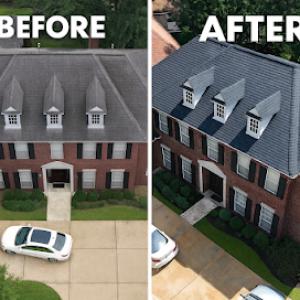
Aesthetic Roofing Systems
(281) 845-7663 www.aestheticroofpro.com
5970 Fairmont Pkwy suite 1a, Pasadena, Texas
4.9 from 60 reviews
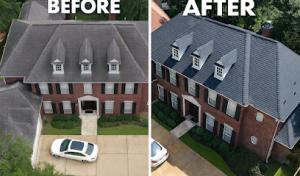
Aesthetic Roofing Systems is a GAF Certified Plus™, RCAT & HARCA member, and BBB A+ accredited roofing contractor proudly serving Greater Houston, Austin, San Antonio, New Braunfels, Hill Country, Corpus Christi & South Texas. We specialize in residential roof replacement, roof repair & leak detection, storm damage restoration & insurance claim support, and commercial roofing systems including TPO, metal, and flat roofs. Our team also provides roof maintenance, ventilation upgrades, siding, fascia, gutters, and fencing. Texas-trusted, 5-star rated—call 281-845-ROOF (7663).
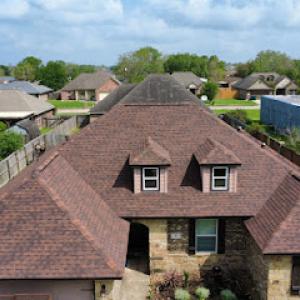
12 Stones Roofing & Construction
(832) 815-9463 12stonesroofing.com
6933 Olson Ln, Pasadena, Texas
4.8 from 82 reviews
12 Stones Roofing & Construction, located at 6933 Olson Ln, Pasadena, TX, is your trusted roofing contractor, specializing in high-quality roof services. Whether you're in need of roof repair, roof replacement, or new roof installation, our expert team delivers exceptional craftsmanship and customer satisfaction. We also offer comprehensive roof inspections, emergency roofing services, and roof tarping to protect your home. Our residential services include asphalt shingle, metal, tile, and slate roofing, while we also provide commercial and multi-family roofing solutions. We work with roofing insurance claims, offer roof warranties, and provide flexible roof financing options. Contact us today for a free estimate!
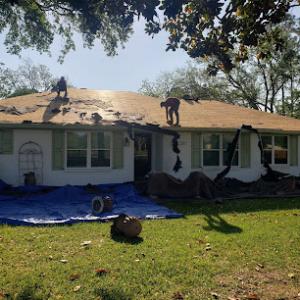
Impervious Roofing & Construction
(832) 429-3200 imperviousroofingservices.com
5041 Spencer Hwy unit 502, Pasadena, Texas
5.0 from 25 reviews
Impervious Roofing provides homeowners and business owners with the most qualified, honest and professional service that extends beyond roofing repairs, installation and project completion. We are committed to going the extra mile with our comprehensive roofing solutions and services to ensure customers understand their options and are completely satisfied with our finished work.
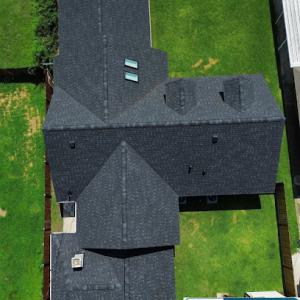
CAP Roofing & Construction
(832) 802-0560 www.caproofingconstruction.com
3222 Burke Rd Suit 110 A, Pasadena, Texas
4.8 from 19 reviews
CAP Roofing and Construction is your trusted roofing contractor specialized in top-quality roofing services. From expert inspections and dependable repairs to durable roof replacements, we’re dedicated to protecting your home. In addition to roofing, we offer professional fencing solutions and water and fire damage mitigation services to enhance your property's safety and value. Based in Houston, TX, we are committed to excellence and customer satisfaction, proudly serving the local community and surrounding areas. Contact us today for reliable roofing and construction solutions tailored to your needs!
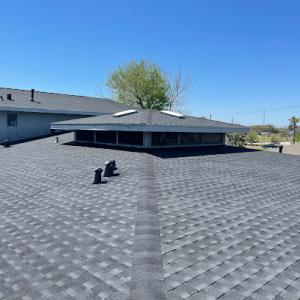
BD Roofing & Contracting
(832) 597-9256 bdroofingandcontracting.com
4914 Spencer Hwy, Pasadena, Texas
4.4 from 34 reviews
We are a family owned business with over 30 years in experience. BD Roofing & Contracting will make sure all customers are satisfied, from the biggest to the smallest jobs. We offer many new roofing systems as well as many different patch repairs. We work on all commercial and residential roofing.
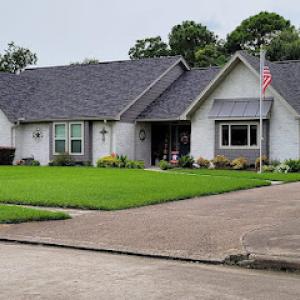
Image Roofing Company
(281) 479-7111 imageconstruction.net
Serving
4.7 from 71 reviews
Image Roofing is a family owned and operated full service roofing company since 1983 serving Deer Park, La Porte, Pasadena, Clear Lake and surrounding areas. We offer a variety of residential and commercial roofing solutions to any size structure. With established relationships with the largest industry leading manufacturers and suppliers, our clients' needs are always met with flexibility and adaptability. Image Roofing will consider the condition of your roof and propose a way to extend structure's life with a roof repair or a cost effective roof replacement solution. Whether you are a home owner, business owner, or manage an industrial facility, our team will keep your roof performing at it’s best. Call for inspection today!
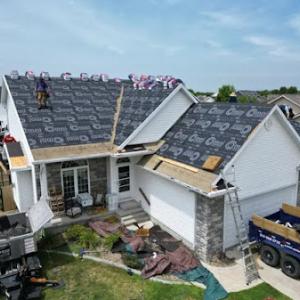
Deer Park Roofing Company
(346) 236-0749 www.deerparkroofingcompany.com
Serving
5.0 from 26 reviews
Since 2008, Deer Park Roofing Company has been a trusted choice for homeowners seeking reliable and professional roofing services. Located at 1009 Center Street in Deer Park, this experienced team is dedicated to providing high-quality solutions for a wide range of roofing needs. From new installations to essential repairs, they are committed to protecting your home with durable materials and exceptional craftsmanship, ensuring long-lasting peace of mind for their clients.
Cornerstone Roofing
(832) 221-7693 www.cribuild.com
Serving
5.0 from 33 reviews
Quality roof inspections and installations, complex roof repairs, leaks, storm damage restoration, and remodeling are the cornerstone of our services for both commercial and residential. Estimates are always free, we offer warranties, and financing options. Cornerstone Roofing is insured for your peace of mind and we are Master Shingle Applicators and CertainTeed Certified Roof Inspectors. Our sales team has achieved the CertainTeed Roof Inspector Certification so that we can best advise our customers, insurance agents, insurance adjusters, and engineers on proper roof damage assessment. Give us a call today for any of your commercial or residential roofing needs. Cornerstone Roofing – “Building on Quality and Integrity”.
Paez Roofing & Remodeling
(832) 576-7272 www.paezroofingtx.com
Serving
4.9 from 44 reviews
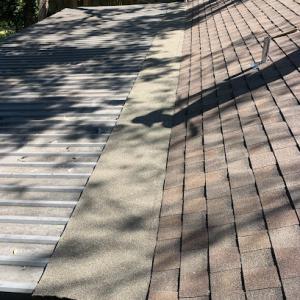
Paez Roofing and Remodeling is a family-owned roofing contractor proudly serving Friendswood, TX. Built on honesty, hard work, and strong values, we treat every home like our own. As a trusted local Texas contractor, we specialize in roof repairs, replacements, and remodeling. Our skilled roofers are known for quality work, fair pricing, and reliable service. From storm damage to full remodels, we’ve got you covered. When you want a roofer who truly cares, call Paez Roofing—where family values meet expert service.
eXtreme Roofing & Remodeling
(409) 354-2135 extreme-roofing.com
Serving
4.5 from 15 reviews
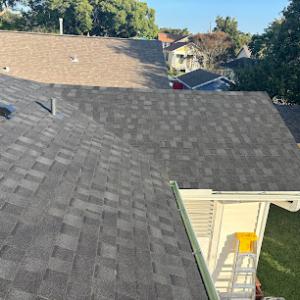
We have both the skills and the resources necessary to complete every job to your 100% satisfaction. Whether you need a roof repair or a brand-new roof installment, our team of fully trained local roofers can handle any job or task with skill and precision. We work hard to provide you with a top-quality roofing service at a price you can afford. Our customers have come to know us as the roofing company they trust to provide unparalleled service and expert advice – and that’s a reputation we’re proud of. Peace of Mind! We give you peace of mind. All of our work is guaranteed. And of course, we are bonded and insured! We have over 10 years experience! We can't wait to make your day :)
Typical Pasadena pricing runs about $300 to $500 per square for asphalt shingles. This remains the most common choice for reroofs after a storm or hail event, especially when scheduling tightens and crews tighten up due to high demand. If you're watching budget and speed, asphalt still offers the quickest turnaround from contract to completion, with a straightforward install that local crews know inside and out.
Metal typically runs about $600 to $900 per square. In our Gulf Coast climate, metal can stand up better to wind and hail, and it often appeals to homeowners seeking a longer-term solution after storm damage. Expect costs to rise a bit if the roof deck needs extensive repair or if extra insulation and underlayment are added to meet resilience goals. Scheduling can be a factor after a major hail outbreak, so plan for potential lead times.
Clay tile falls in the $900 to $1600 per square range. This material is popular on higher-end or replacement projects where durability and curb appeal matter, but it's heavier and can require structural checks. After a hail event or hurricane threat passes through, storm-driven demand can push prices upward as crews and materials move faster than usual.
Concrete tile is typically about $700 to $1100 per square. It offers solid durability with a distinct look and often works well for reroofs that need a longer life span. Like clay, expect price pressure during surge periods when storms are in play and local crews are in high demand.
Wood shingles or shakes range from $700 to $1200 per square. This option provides a traditional aesthetic and can be favored on certain home styles, but it's more sensitive to moisture and requires maintenance. In flood-prone, storm-prone markets, expect higher costs if incurable wind damage or sealant refreshings are needed after events.
Synthetic or composite shingles run about $600 to $1100 per square. They aim to blend durability with a lighter installation footprint, and can be a sensible middle ground after hail or wind damage. After big weather events, labor and material availability can nudge prices upward as crews reallocate resources to urgent reroofs.
Project size and the value of the home influence the overall bill. Larger homes, premium materials, and deck repair can raise both the roof cost and any related charges tied to the project's scope. Storm-driven demand spikes in southeast Harris County can push Pasadena reroof pricing upward after hail outbreaks or hurricane threats because labor and scheduling tighten quickly. Keep those patterns in mind when requesting proposals in the weeks following a severe weather event.
Don't let upfront costs delay a critical repair - these contractors offer payment plans to fit your budget.
Aesthetic Roofing Systems
(281) 845-7663 www.aestheticroofpro.com
5970 Fairmont Pkwy suite 1a, Pasadena, Texas
4.9 from 60 reviews
12 Stones Roofing & Construction
(832) 815-9463 12stonesroofing.com
6933 Olson Ln, Pasadena, Texas
4.8 from 82 reviews
In this market, a full reroof is typically treated as a formal project rather than simple maintenance. The local practice is to require a building permit when replacing the entire roof, especially after Gulf Coast storms or hail events. Before any material is torn off or new underlayment rolled out, confirm that the plan reviewer has your project details, including structural considerations and venting. Rely on the permit process to document weather-related damage history and to establish a clear timeline with the contractor. Skipping this step can lead to delays, rework, or insurance questions down the line.
Rough and final inspections are the turning points of a reroof job in this climate. Inspectors commonly verify underlayment quality, correct nailing patterns, and the condition of the roof deck. Expect to be asked for access to the attic to confirm decking integrity and ventilation are up to code. If the roof is being re-decked, or if shiny new underlayment is installed, be prepared for a quick walkthrough to confirm material compatibility and fastener spacing. The goal is to catch moisture pathways, nail pull-through, or decking soft spots before the new shingles sit for years in Gulf exposure.
Wind resilience is a key concern after storm events, and some projects require wind-mitigation-related documentation. Photo records of the existing roof, the installed underlayment, and the fastening pattern can speed up the claims process if an insurer asks questions later. Keep product data sheets, installation manuals, and provenance for every layer-from deck to shingles-and organize them in a project binder or digital folder. Clear before-and-after photos, especially of hip-and-ridge details, attic ventilation, and edge constraints, can reduce back-and-forth with adjusters and help preserve the validity of the replacement as a protective measure rather than a cosmetic upgrade.
Coordinate with the contractor to schedule permits early and align timelines with anticipated storm seasons. During rough-in, request a progress photo log for the underlayment, nailing pattern, and any decking repairs. At final inspection, verify that the installed roof meets the approved plan and that any added layers or repairs have the required documentation. If a wind-mitigation endorsement is part of the project scope, ensure the inspector has the pertinent photos and product details ready for review. Keeping these records organized not only smooths inspections but also reinforces the roof's long-term performance against Gulf Coast weather.
Pasadena homeowners operate in a Texas insurance environment where hail and high-wind claims are a daily reality. The age and visible condition of a roof receive close scrutiny from carriers, especially after a storm hits the Gulf Coast corridor. If the roof looks tired or damaged, carriers may question whether it's worth renewing or maintaining favorable terms. That means early, honest assessments of shingle lift, granule loss, and any flashing or vent issues matter more than ever.
Adjusters in this market commonly ask for photos, material specifications, and progress updates during claim-related reroof work. Clear, timestamped imagery of wind-blown shingles, dents in metal vents, and gutter damage can shorten the process, while vague or delayed documentation can slow a claim or invite disputes. Having paper trails that show the exact shingle type, roof pitch, and any installers' notes helps align your roof's reality with the claim's expectations.
After severe storms affecting the Houston-area coast, insurers may require more detailed documentation, apply higher deductibles, or push for wind-mitigation improvements before renewing or maintaining favorable coverage. That means be prepared for a sharper scrutiny of roof age, roof-to-wall connections, and any upgrades that reduce wind uplift. If a carrier senses greater risk, you could encounter adjustments to your policy terms or satisfaction criteria that affect renewals.
Document condition proactively with dated photos from multiple angles and keep a running log of communications with your insurer and contractor. Prior to any reroof, establish a clear, itemized scope of work with material specs and milestone timelines, and share those details with the adjuster promptly. If the storm season looms, consider pre-emptive, tactical upgrades that align with wind resilience, so you aren't caught reacting under pressure when a claim sits on the desk.
In the Gulf Coast climate that shapes this neighborhood, wind-driven rain relentlessly tests roof edges, ridge lines, and flashing transitions. Small installation defects become big problems fast when a storm rolls in with gusts and a pounding downpour. You'll notice failure first at edge metal joints, underlayment laps near the rake and soffit, and where ridge caps aren't securely fastened or sealed. To keep this from turning into a leak, closely inspect and reinforce any raised fasteners, sealant seams, and drip edge perimeters after each severe storm, and plan mid-season reseal or reflash where the roof line shows wear.
High humidity and repeated wetting cycles on the upper Gulf Coast push underlayment and deck materials to the limit during tear-off and replacement, especially on older reroofs or long-deferred projects. If the old deck shows exposed felt or sagging panels, moisture can linger and lead to rot beneath new layers. Practical steps include checking for moisture staining in attic vents and around penetrations before starting, and prioritizing a thorough dry-out and ventilation check during any tear-off. Don't assume a quick overlay will seal old deck flaws-address sustained moisture and vented air paths first.
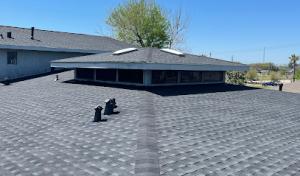
Skylights and other penetrations deserve extra attention because sudden heavy rain events can transform minor seal failures into active interior leaks fast. In rainy season weeks, inspect flashing around skylight exchangers, curb seals, and chimney junctions after hail or high-wind events. If moisture beads appear on interior ceiling joints or around flashing edges, treat those seals as high-priority repairs before the next storm window opens, and consider upgrading to reinforced flashing where existing materials show aging or cracking.
Find contractors experienced in skylight installation, flashing, and leak repairs to bring natural light into your home.
BD Roofing & Contracting
(832) 597-9256 bdroofingandcontracting.com
4914 Spencer Hwy, Pasadena, Texas
4.4 from 34 reviews

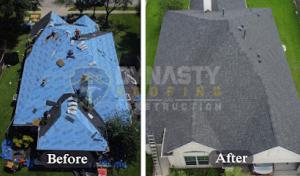
Because so many Pasadena projects are storm-driven, homeowners need to separate manufacturer material coverage from contractor workmanship promises before signing. Look for the exact scope on what the shingles or panels themselves cover versus what the crew guarantees about installation. Manufacturer warranties can be strong on defect claims but may be limited if the installation is improper or incomplete. Clarify who bears responsibility if a leak appears around flashing, vent penetrations, or gutters after a hail event.
The local market includes a meaningful number of warranty-offering and manufacturer-certified contractors, which matters when comparing bids after a weather event. Verify credentials directly with the manufacturer and ask about credentials tied to storm repair programs. Request proof of active certifications, and confirm that the contractor can document a history of successful, warranty-eligible installations in similar Gulf Coast conditions and housing stock.
In a high-volume reroof market like Pasadena, written scope details on decking, underlayment, ventilation, and cleanup are especially important because fast-turn storm work can leave assumptions undocumented. Ensure the bid specifies deck replacement or repair status, type and grade of underlayment, attic ventilation strategy, and the method of debris removal and site protection. A thorough scope reduces gaps that void warranties or expose you to hidden post-storm costs.
After the bid is opened, compare two versions: the manufacturer's stated warranty terms for materials and the contractor's workmanship warranty. Read the fine print on coverage limits, transferability, and requirements for routine maintenance. If a storm-related project is nearing completion, perform a final walkthrough focused on flashing integrity, shingle alignment, vent bootage, and attic insulation setup, noting any discrepancies for immediate correction.