
Last updated: Apr 19, 2026
This area sits in the North Texas hail belt, and spring storms bring concentrated roof damage in a hurry. When a hail event hits, shingles crack, granules wash away, and flashing can shift subtly without obvious visible damage. That combination drives a surge of insurance claim activity, so roof damage that seems minor at first can become a full replacement decision after adjuster review. The clock is often ticking-storm windows cluster, and insurers move to rapid assessment to keep up with demand. Knowing this, you should plan for a quick, documented response the moment the weather clears and a claim is opened. Delays can compound moisture intrusion risk, especially if the roof has already sustained wind-driven lift or hail bruising at multiple elevations.
Regional insurers in Texas commonly require detailed photo documentation and adjuster inspections before approving a roof-related claim after hail or wind events. That means you'll want clear, organized evidence: up-close shots of damaged shingles, flashing, and vents; wider views showing the extent of damage on different slopes; and timestamps from the event to establish timing. If you don't have recent photos, an immediate, careful walk-around with a reputable roofer who understands local impact patterns can save days or weeks in the process. Your goal is to present a coherent narrative that ties the damage to the storm's pinpoint timing, not to suggest it arose from unrelated wear. In practice, that means start gathering photos within 24 to 48 hours of a thunderstorm cluster and keep them organized by roof plane, attic access, and exterior eaves for water intrusion areas.
Heavy spring rainfall in the McKinney area can delay tear-off schedules and make moisture control during replacement more critical after storm damage. Once an insurer approves a claim, the weather window matters as much as the paperwork. If a roof can be safely scaffolded and ventilated, a careful schedule minimizes exposure to additional rainfall and reduces the chance of interior moisture problems staining ceilings or soaking insulation. But Texas springs can flip from sun to downpour in a day; that volatility means you should coordinate with your contractor to protect interior spaces the moment tear-off begins. A well-ventilated, shingled roof during replacement requires consistent moisture management, fast cleanup of wet sheathing, and reliable tarping to prevent roll-in rain from compromising newly installed underlayment.
First, document aggressively: photo every damaged plane, ledger line, and flashing detail, plus attic signs of leaks if present. Second, engage a local, reputable roofer early who understands how North Texas weather can complicate inspections and scheduling. Their field notes and a concise project timeline can accompany the insurer's adjuster visit, helping prevent repeated site visits and miscommunications. Third, prepare for a staged approach when weather interrupts: prioritize critical areas first (those with active leaks or visible water stains), then complete a full tear-off and replacement once a dry spell returns. This staggered approach can protect interior finishes while keeping the project aligned with insurer expectations.
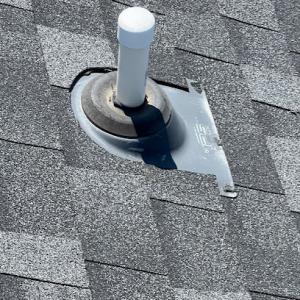
Hail damage may not be obvious from the ground, and a rushed claim can leave hidden failures unaddressed. A missing or poorly sealed flashing joint, an underperforming vent boot, or insufficient slope drainage can emerge as costly leaks after replacement. If moisture are present in the attic or near the eaves, don't delay addressing them-every day with standing water or damp sheathing is a risk to structural integrity and indoor comfort. In this market, a clear, data-driven claim package combined with a disciplined, weather-aware replacement plan is the fastest route to a durable roof that stands up to the next North Texas storm.

Zion Roofing & Renovations
Serving
4.9 from 55 reviews
Throughout the years, Zion Roofing has built a credible, reliable, and honest company, capable of suiting all of your roof and home repair needs in an efficient and timely manner. Rest assured that you will be in safe hands throughout this process.
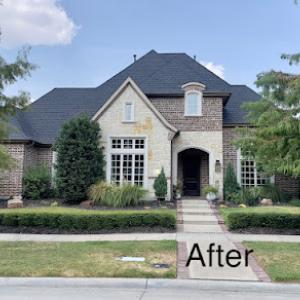
New Leaf Roofing
(214) 924-0186 www.newleafroofing.net
Serving
4.9 from 32 reviews
New Leaf Roofing is a family owned business. We’re currently training our third generation of roofers. You can rest assured we’ll provide excellent service, our families success depends upon it. We build the best roofs and couple that with the best warranty’s to protect our customers. Our partnership with GAF(established in 1886), North America’s Largest Roofing Manufacturer, allows us to provide warranty’s, both LABOR and materials, that are BACKED by GAF. Fewer than 2% of contractors can offer these warranty’s since the certification required to offer them(GAF’s MasterElite) is extended by invitation only. This certification must be renewed annually and is renewed or terminated after a thorough annual review.
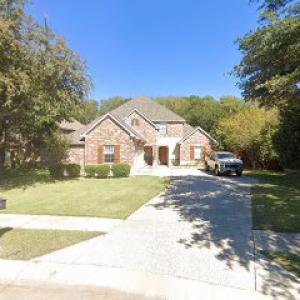
Barkleys Roofing
(940) 300-4520 www.barkleysroofing.com
Serving
4.8 from 51 reviews
Barkleys Roofing is a leading provider of professional roofing services in the Dallas Ft. Worth Area. We offer a full scope of residential roofing services for all types of roofs.
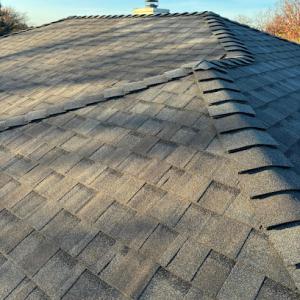
AM Quality Roofing & Construction
(469) 861-6378 www.amqualityroofing.com
Serving
5.0 from 43 reviews
At AM Quality Roofing & Construction we are committed and determined to providing our clients with high-quality roofing services . We specialize in roofing , fencing , gutters and all your needs for your home .
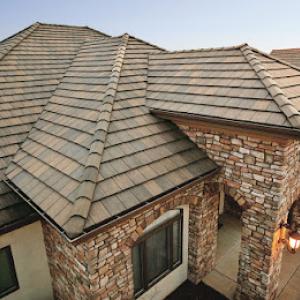
Roof Cake
Serving
4.9 from 226 reviews
Roof Cake is revolutionizing the roofing industry by offering a hassle-free, customer-first approach to roof replacement and repair. We provide competitive quotes in under 2 minutes, flexible payment options like payment at closing, and a lifetime warranty for your peace of mind. With no commissioned salesmen and an in-house repair technician for smaller fixes, we focus on transparency, affordability, and quality. Our professional team ensures smooth build days, with an onsite project manager guiding every step. Whether you're a homeowner, real estate agent, or insurance partner, Roof Cake simplifies the process while delivering top-tier service you can trust.

Go Green Roofing
(972) 754-7653 gogreen-roofing.com
Serving
4.5 from 24 reviews
Go Green Roofing is the industry leading full-service home remodeling company. We provide residential remodeling and design, construction projects of kitchens, bathrooms, outdoor living areas and just about every other home remodel project you can think of.
Your Favorite Roofer & GC
Serving
5.0 from 93 reviews
At Your Favorite Roofer & GC, we pride ourselves on delivering professional roofing services and a full spectrum of remodeling solutions to the residents of Texas. Whether you are in need of an urgent roof repair, a full roof replacement, or you wish to enhance your home’s aesthetics and functionality with our remodeling services, we are your go-to experts, committed to excellence and customer satisfaction.

FairClaims Roofing & Construction
(972) 292-7444 www.fairclaimsroofing.com
Serving
5.0 from 149 reviews
Fairclaims Roofing & Construction has been in business for 20 years, has an A+ with the BBB, is a GAF Master Elite Contractor. We have installed thousands of roofs over the years and have excellent reviews and that is because we strive for excellence. We work with your insurance companies pricing or can provide you with a competitive bid.
Raptor Roofing
(214) 906-6484 www.raptorroof.com
Serving
5.0 from 25 reviews
At Raptor Roofing & Windows McKinney we have over 29 years experience in the construction industry. We specialize in roof repair for hail damage, residential remodeling, full roof replacement, and we are hail claim insurance specialists.
New View Roofing
(469) 425-8232 newviewroofing.com
Serving
5.0 from 10 reviews
New View Roofing is a local, veteran-owned, Dallas-based roofing company serving the residents of McKinney, TX. We provide full-scale residential, commercial and industrial roofing services. As a Certified GAF Master Elite® Contractor, New View Roofing has met strict business standards and undergoes regular training and recertification to keep up-to-date with the industry’s best practices. Master Elite status puts us in the top 3% of all roofing companies in the country, so you will receive the best workmanship for your project. Home and business owners in McKinney know they can depend on New View for high-quality workmanship, dependable service and exceptional customer care.
Excel Construction Group
(469) 545-1500 www.excelcg.com
Serving
4.9 from 88 reviews
From over 50 years of experience in roofing, renovation, and masonry, the Excel Construction Group can serve you with the finest services. We have the best combination of abilities and understanding to handle just about any construction project. New house and office building, luxury bathroom and kitchen remodelling, roofing, and masonry are some of our expertise.
Roofing OnTop & Construction
(469) 617-7701 www.roofingontop.com
Serving
5.0 from 159 reviews
Roofing OnTop & Construction is a locally owned North Texas exterior contractor built on faith, family, integrity, and excellence. Founded by David, a North Texas native, we know the neighborhoods, the homes, and the people we serve—because this is our home too. From roof repairs and replacements to gutters, fencing, concrete, paint, irrigation, and storm damage repairs, we deliver all-seasons exterior services with clear communication and craftsmanship done right the first time. We show up, respect your property, and treat every project like it’s our own. Always OnTop.
In this climate, summer heat sits on a roof for months, not weeks, and that constant elevated temperature accelerates the aging of asphalt shingles. The sun's UV rays break down the asphalt binder faster, reducing flexibility and making granules shed sooner. In practice, you'll notice more surface granule loss after several hot summers, more curling at the edges, and a higher likelihood of small granule blisters forming where the adhesive can loosen. McKinney sees enough heat to shorten replacement cycles compared with milder climates, so the aging signal on a good roof can appear sooner than homeowners expect. Regular checks during the late spring and early summer can catch early wear before it progresses.
North Texas experiences pronounced day-to-night temperature swings, with hot afternoons and cooler nights, and occasional winter cold snaps. Those swings stress sealants, flashing transitions, and shingle adhesion. The problem shows up as hairline gaps around vent flashes, chimney transitions, and coping details, plus creeping separation where shingles meet a flashing base. You may also observe micro-cracks along shingle tabs or at sealant lines where the roof moves with temperature shifts. The effect is cumulative: over several seasons, improper sealing or marginal flashing becomes a repeat failure point, inviting leaks during a storm or heavy wind event.
Material choice in McKinney is strongly influenced by the need to handle both prolonged summer heat and periodic severe storm impacts rather than cold-weather snow loads. Shingle products with high reflectivity and robust UV resistance help slow heat buildup, while metal, clay, or concrete options should be evaluated for how they perform under rapid expansion and contraction. Wind uplift performance is also a key consideration, since North Texas storms can push roofs hard. A practical approach is to prioritize systems that maintain seal integrity under heat cycles and provide secure flashing transitions that won't soften or fail in strong winds.
A proactive routine centers on the spring hail window and the weeks immediately after severe weather. After a hail event or strong storm, inspect for dented or displaced shingles, lifted edges, or damaged flashing. Document any issues with clear notes and photos, especially around penetrations and transitions; this helps with insurance claims and future planning. If visible wear or repeated leaks appear during a storm season, plan a full replacement or major repair before the next peak heat period to minimize accelerated aging and avoid multiple weather-induced setbacks. Keep a simple calendar to align inspections with typical North Texas storm cycles.
The most popular roofing material in the US. Find pros who install, repair, and replace asphalt shingles.

FairClaims Roofing & Construction
(972) 292-7444 www.fairclaimsroofing.com
Serving
5.0 from 149 reviews

Spring in North Texas brings a familiar rhythm: bright skies, then hail season, and the need to plan replacements before the next round of storms. When storms roll through the Dallas-Fort Worth market, scheduling and labor pressure can spike in McKinney, especially after major hail events. Homeowners often notice lead times stretch as crews move from one neighborhood to the next, and prices can tighten just after a big storm. The practical approach is to anticipate a window of 2-3 weeks for material deliveries and 1-2 weeks for crew availability after a hail event. Having a plan ahead of time helps avoid last-minute price bumps and rushed decisions.
Different roof profiles in McKinney drive the cost picture, with asphalt shingles remaining the most common and usually the most economical choice for a typical ranch or two-story home. In this market, typical material pricing runs about $350-$650 per square for asphalt shingles. When metal roofing is chosen, the range broadens to $700-$1300 per square, reflecting the durability and energy-saving benefits popular with newer McKinney homes and remodels. Clay tile is a common architectural feature in several neighborhoods, pushing costs to $900-$1800 per square, while concrete tile sits roughly in the middle at $650-$1250 per square. For homes with traditional wood shingles or shakes, expect $600-$1100 per square, and synthetic or composite shingles land in the $750-$1300 per square band. These ranges cover typical replacement projects and reflect the mix of older homes with steeper pitches and newer, more complex layouts.
Storm-driven demand also affects material mix and labor decisions. After a major hail event, the best options are often guided by what can be landed quickly and installed reliably before the next round of weather. That can steer a homeowner toward asphalt or metal, especially when the primary goal is to restore protection fast. If the plan includes high-end appearances or long-term roofing performance, clay or concrete tiles may be considered, but those choices come with longer lead times and higher in-place costs. The practical strategy is to balance immediate weather resilience with the existing roof structure and local climate realities.
In McKinney, the cost footprint is not just the sticker price per square. Expect to encounter shifts in scheduling, crew availability, and the pace of work around storm seasons. A clear, documented plan with preferred materials, a realistic installation window, and a fallback option can protect both timing and budget as North Texas storms roll through.
Get a clear picture of your project costs upfront - no commitment required.

A full roof replacement typically requires a building permit through the City of McKinney Building Department. Before any shingles are removed or a roof jack is set, ensure the project is registered with the permit and that the contractor pulls the appropriate documentation. The process moves beyond a simple permit-per-post check; field verification happens through the inspection timeline to confirm that the work matches code and the scope of the replacement. Planning ahead for permit reviews can help prevent delays caused by incomplete documents or mismatched installation plans.
Inspections in this area are not a permit-only process with no field verification. The city conducts both rough-in and final inspections to verify that the roof replacement meets structural, ventilation, and drainage requirements. Rough-in inspections typically occur after roof deck work is completed and underlayment is installed, while final inspections occur once all roofing, flashing, ventilation, and drainage components are in place and any penetrations are sealed. Anticipate a field walkthrough where the inspector confirms attic ventilation balance, confirms that all chimney and vent flashing is properly integrated, and verifies that water flows toward the gutters without pooling on the deck or at transitions.
Because the inspection emphasis in this market centers on ventilation, flashing, and drainage, plan the replacement with these items addressed from the outset. Verify that soffit, ridge, and bump-out vents provide adequate air exchange to avoid heat buildup and mold risk in attics. Ensure that all flashing details around chimneys, skylights, vents, and wall/roof transitions are continuous and waterproof, with no gaps or lapped discontinuities that invite leaks. The drainage plane must route water toward the eaves and gutters, not into soffits or under near-vertical walls. In areas prone to spring hail, anticipate temporary damage paths and incorporate robust flashing solutions that maintain a clean, continuous seal during high-wind events.
Prepare documentation that clearly shows the replacement scope aligns with permit plans, particularly around ventilation and flashing details. Note any hail-related repairs or fixes that impact flashing or underlayment, and keep records of contractor communications with the building department. Scheduling around the spring storm season is prudent, since inspections can be tied to weather and availability. If you anticipate hail damage, gather before-and-after photos, insurance communications, and material specifications to smooth the review process during permit issuance and inspection windows in the city.
The dominant residential roofing materials used here are asphalt shingles, metal roofing, clay tile, concrete tile, wood shingles or shakes, and synthetic or composite shingles. This mix reflects the fast-paced re-roof market and the way spring hail and North Texas heat shape wear patterns. Understanding how each material handles heat, hail exposure, and storm-related demand helps you pick a strategy that lasts through typical North Texas storm seasons.
Asphalt remains common because it fits the large re-roof market and is familiar to local crews. In McKinney, prolonged heat accelerates wear on asphalt, so look for high-quality shingle options with good asphalt coating and proper venting over the attic. Pay attention to the installation plan for valleys and edges, where heat and wind can drive premature edge wear. If you anticipate frequent hail repairs, choose impact-resistant options and ensure the basic accessories-underlayment, drip edge, and proper sealant around penetrations-are robust.
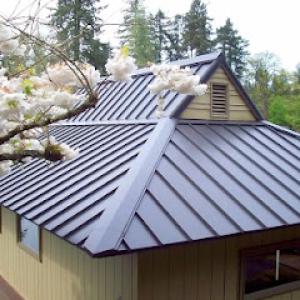
Metal options bring long-term durability and true resistance to wind uplift, which can be a factor in North Texas storms. In this market, metal can be a smart match for homes with existing metal or for those who want roofs that shed hail impact with less surface damage. The trade-off is higher upfront cost and careful flashing detail at transitions, especially around chimneys and skylights. A metal roof can also help with attic cooling if paired with adequate insulation and venting.
Tile choices are relevant when the house style or existing structure supports heavier roofing systems. Clay and concrete tiles handle heat well and shed hail differently than asphalt, but they demand a strong roof deck and precise installation. In McKinney's storm cycles, tiles can crack under hail impact if not prepped with reinforced battens or protective underlayment. Weight and wind load are practical constraints to verify before committing.
Wood options offer a traditional look and good insulating properties, but they require solid maintenance against wind-driven debris and potential rot in flooded microclimates. If you lean toward wood, ensure a high-grade treated product and a ventilation plan that keeps the attic dry and avoids moisture-related issues after heavy rains.
Synthetic options balance resilience and weight, often performing well under heat and hail exposure. They can mimic other materials while offering extended warranty coverage and easier handling for crews during busy storm seasons. This makes them a practical middle ground when you want durability without the heavy premium of tile or metal.
After hail and wind events, homeowners often face a spike in leaks because claim volume slows permanent scheduling. Temporary leak control becomes the bridge between the storm and a full replacement, especially when crews are stretched and calendars tighten. Heavy spring rain in North Texas compounds the risk: wind-damaged roofs can take on water before adjusters review or new permits are issued. During peak storm periods, regional contractor backlogs grow quickly after widespread hail, making timely temporary protection essential.
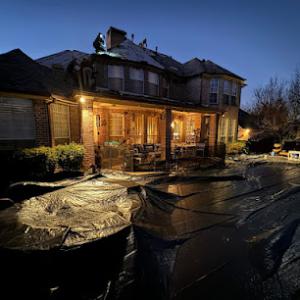
Start with a quick, visible seal to stop active water intrusion: use tarps or heavy-duty plastic and secure edges with weather-resistant fasteners. Pay attention to vulnerable valleys, flashing joints, and the chimney area, where even minor gaps can channel water inside. If you notice active dripping, place buckets and towels to limit interior damage and document the scene with photos from with and without daylight to help the claim file. Schedule a temporary emergency inspection with a roofer who offers rapid-response containment; they can install temporary collars, kick-out flashing checks, and a temporary patch that holds until a full replacement is scheduled.
Understand that temporary protection matters more in this market during the heart of the season because backlogs can grow quickly after widespread hail. Stay proactive: communicate promptly with your insurer about storm dates, document damages meticulously, and request a prioritized inspection window if you're facing imminent rain. A focused plan for leak control shortens downtime and reduces interior damage while waiting for the full project to begin.
When you can't wait, these contractors offer fast response times to stop leaks and prevent further damage.
AM Quality Roofing & Construction
(469) 861-6378 www.amqualityroofing.com
Serving
5.0 from 43 reviews

McKinney's contractor market is heavily oriented toward re-roofing, reflecting how often homeowners replace roofs after North Texas storm events rather than only for age. That same cycle means many crews sprint between storms, chasing quick projects and insurance timelines. You will see long-established, family-owned firms alongside high-volume storm-response teams that ride in after a big hail event. The contrast matters: steady partners with local roots can offer steadier schedules and ongoing support, while the faster crews may push through approvals and tear-offs with less continuity.
Short response times and thorough cleanup are especially visible hiring priorities in this market. A reliable roofer should commit to timely on-site assessments, prompt communication about scope, and a clear plan for debris removal and site protection. It helps to establish a point person, a realistic arrival window, and a written pledge for daily progress so neighborhoods don't face lingering mess after a storm. When storms strike, the difference between a rushed job and a properly installed roof shows up in how the crew handles ventilation, flashing, and drainage-areas what inspectors scrutinize on full replacements.
Ask for recent McKinney projects that resemble your home-age, roof type, and local exposure to hail. Request before-and-after photos, and verify permits and inspections where applicable in your area. Then confirm that the contractor has a plan for storm-season flux: how they allocate crews after heavy hail events, how they protect landscaping and driveways, and how they schedule cleanup if weather shifts. A dependable local firm will provide a consistent contact, a written schedule, and documentation you can attach to your insurance claim.
Be wary of crews that cannot provide a transparent project timeline or reliable references from nearby neighborhoods recently served after hail. Storm-driven competition can tempt speed over precision; instead, look for a team that emphasizes proper ventilation, flashing integration, and drainage details, even if that requires a bit more time. In this market, choosing a neighborly, accountable partner matters as much as the roof itself.
Get a clear picture of your project costs upfront - no commitment required.