
Last updated: Apr 19, 2026
Spring hail and high-wind storms in the Rio Grande Valley bring more claim activity than many inland Texas markets. In this climate, a roof doesn't just wear out from heat; it endures rapid weather swings, UV on the surface, and hit-and-run hail strikes that leave barely visible damage on the surface. The combination means that the window to recognize a storm-damaged roof-and to secure a timely replacement-often closes sooner than homeowners expect. Timely action matters, because insurers in this area are conditioned to review a roof's aging signals alongside recent weather events before approving a full replacement.
Local adjusters are tuned to a persistent pattern: repeated wind and hail losses in South Texas color every claim decision. When a claim lands, the review typically hinges on four factors: roof age, material type, prior repairs, and a documented hail history. Dated evidence of when hail struck, and what it did, can be the difference between a straightforward replacement and a protracted dispute. For asphalt, metal, clay, or concrete tile, the adjuster will cross-check if the roof's condition aligns with a covered loss rather than ordinary wear. Having a consistent narrative-clear records of impacts and repairs-streamlines the process and reduces questions that stall payment.
Because UV wear compounds storm damage, the line between old heat-related deterioration and new covered damage can blur. Start by compiling dated photos from multiple angles, taken before any storm event if possible, and after each significant storm incident. Maintain a simple timeline of events: the date of the hailstorm, the intensity as observed from ground-level or from a professional inspection, and any immediate signs you noticed like lifted shingles, granule loss, or patched areas. If a prior repair exists, note what was done, when, and by whom. This serial documentation helps an adjuster separate age-related wear from newly discovered damage, increasing the odds of a clean replacement decision when a claim is filed.
Begin with a rapid visual inspection after every hail event. Look for curled edges, cracked shingles, missing granules, or exposed underlayment around drip edges and vents. If a roof still looks intact from the ground, request a professional roof inspection for a more thorough assessment-especially if the home has clay or concrete tiles, which can crack in weather swings without obvious surface damage. Save all inspection reports and cross-reference them with the storm dates-this strengthens the claim narrative when talking with the adjuster. For homes with any pre-existing wear or prior repairs, ensure the documentation clearly indicates the pre-storm condition versus new findings. The goal is a precise, auditable record that supports a replacement when new damage is found to be covered by the policy.
In this region, timing a roof replacement around storm momentum matters. If several storms converge within a short period, the insurer may prefer to address the most urgent damage first, but a well-documented hail history can accelerate the case for a full replacement sooner rather than later. If the roof shows signs of advanced wear and recent hail damage, push for a comprehensive assessment that covers all affected sections of the roof rather than piecemeal repairs. A clear, evidence-based claim package reduces back-and-forth with adjusters and lowers the risk of delays that could leave a vulnerable roof exposed to hot sun and further weather events.
If the roof exhibits recurring leaks after storms, or if granules accumulate visibly in gutters after hail, treat these as high-priority indicators for action. Don't wait for the next big storm to test whether patches hold. Engage a qualified, local roofing professional whose experience includes storm-damage claims in this area, and coordinate with the insurance process using the documented history you've compiled. The combination of regional weather patterns and the insurer's claims lens means that timely, well-documented documentation is your strongest ally for getting the right replacement at the right time.
Find local contractors experienced in assessing and restoring roofs after hail, wind, and severe weather events.

Above Quality Roofing
(956) 578-7427 www.abovequalityroofing.com
2103 Cedro St, San Juan, Texas
4.9 from 51 reviews


Above Quality Roofing
(956) 578-7427 www.abovequalityroofing.com
2103 Cedro St, San Juan, Texas
4.9 from 51 reviews
Above Quality Roofing has provided exceptional service in San Juan since 2009. Their team of skilled professionals specializes in comprehensive roofing solutions, including new installations, repairs, and maintenance. They also offer a variety of services to enhance and protect your home, from expert painting and gutter services to reliable waterproofing and water damage restoration. With a commitment to quality and a customer-focused approach, Above Quality Roofing ensures your project is handled with professionalism and care, providing a seamless and satisfying experience from start to finish.

Frontline Home Solutions
(956) 261-5712 www.yourfrontline.com
Serving
4.7 from 433 reviews
At Frontline Home Solutions, we specialize in providing expert residential and commercial roofing services, roof repairs, and energy-efficient solutions across the Rio Grande Valley. Whether you're dealing with storm damage, age-related roof deterioration, or looking to upgrade your home, our experienced team is here to help. We also offer spray foam insulation to improve energy efficiency and comfort. With over 30 years of local expertise, we pride ourselves on delivering exceptional customer service, high-quality products, and flexible financing options. From roofing and storm damage assistance to spray foam insulation and home energy upgrades, Frontline is your trusted partner for all your home improvement needs.

Bison Roofing
(956) 467-0084 www.bisonroofing.net
Serving
4.9 from 347 reviews
Bison Roofing, a family-owned business proudly operating in the Rio Grande Valley since 2004, consistently delivers craftsmanship of the highest standard in roofing installations and maintenance. Comprised of a team of certified experts committed to excellence, they specialize in repairs, replacements, and metal roofing, guaranteeing the highest level of customer satisfaction. Bison Roofing has earned recognition as one of the highest-rated contractors, setting the benchmark for integrity and exceptional service in McAllen, Texas, and the surrounding communities. The Rio Grande Valley's Best Roofing Company!
Zondo Roofing
(956) 562-9770 www.zondoroofing.com
Serving
5.0 from 7 reviews
Zondo Roofing provides great roofing services for both residential and commercial in Texas and the lower RGV. Specializing in metal roofing, roof repair, and commercial roofing solutions. Their team of experts ensures quality craftsmanship for installations, repairs, and inspections, providing peace of mind to homeowners and business owners.
Advance Construction
(956) 631-7778 www.advanceconstruction.co
Serving
5.0 from 7 reviews
Advance Construction is a premier roofing and general contractor dedicated to serving the Pharr community with exceptional service. Our team of skilled professionals brings extensive expertise to every project, ensuring reliable and high-quality results. We pride ourselves on delivering outstanding craftsmanship and exceeding expectations on every job, from minor repairs to major renovations. Advance Construction is your trusted partner for all your construction and roofing needs, offering a steadfast commitment to quality and customer satisfaction.
Redline Roofing
(956) 867-7775 redlineroofing.weebly.com
Serving
5.0 from 15 reviews
At Redline Roofing, we specialize in providing top-quality roofing services to homes and businesses in McAllen, Texas, and surrounding areas. With years of experience and a commitment to excellence, we deliver reliable roofing solutions tailored to your needs. Our services include roof installation, repairs, maintenance, and inspections, using premium materials and the latest techniques to ensure durability and long-lasting performance. Whether you need a new roof or emergency repairs, our professional team is here to protect your property and enhance its value. Choose Redline Roofing for unmatched quality, transparent pricing, and outstanding customer service. Contact us today for a free estimate!

TADCO Roofing & Waterproofing
(956) 961-4736 tadcoroofing.com
Serving
5.0 from 14 reviews
Commercial roofing, re-roofing, inspections and repairs.
Pro Valley Roofs
(956) 596-6321 www.provalleyroofs.com
Serving
5.0 from 56 reviews
At ProValleyRoofs, we are committed to providing top-tier roofing solutions to residents and businesses across the entire Valley region. With a focus on quality craftsmanship, exceptional customer service, and innovative roofing techniques, we stand as the premier choice for all your roofing needs. Our Services: From roof repairs to complete roof installations, our skilled team of roofing experts possesses the experience and expertise necessary to tackle projects of any scale. Whether you're dealing with leaks, damaged shingles, or simply seeking to enhance your property's curb appeal, we've got you covered.
Skyview Commercial Roofing
(956) 800-1623 www.skyviewroofingmcallen.com
Serving
4.8 from 16 reviews
Skyview Commercial Roofing is a leading commercial roofing company based in McAllen, Texas, specializing in high-quality roofing solutions tailored to the unique climate challenges of the Rio Grande Valley. With years of experience, they offer a range of services including roof installations, repairs, and replacements using top-grade materials like TPO, PVC, and EPDM. Their commitment to excellence and customer satisfaction ensures durable, reliable roofing that protects your investments for years to come. For more details, visit their website.

Almaraz Roofing
(956) 687-7663 almarazroofing.com
Serving
5.0 from 99 reviews
Almaraz Roofing is a family-owned and operated roofing company proudly serving the Rio Grande Valley. As a lifelong resident of the Valley, I understand the unique challenges our climate presents to homeowners. That's why I'm committed to providing high-quality roofing solutions that can withstand the test of time. We want to see you at HEB and talk chisme not stress about your roof.

Rilemar Roofing
(956) 420-0213 mcallen-roofing-service.us
Serving
5.0 from 13 reviews
Rilemar Roofing is a trusted McAllen roofing company, specializing in high-quality roof repairs, replacements, and installations. Our experienced team delivers durable roofing solutions for homes and businesses, ensuring long-lasting protection. We are committed to top-notch craftsmanship, reliability, and customer satisfaction. Whether you need a minor repair or a complete roof upgrade, trust Rilemar Roofing, your dependable McAllen roofing company. Contact us today!
Legacy Construction & Roofing
(956) 758-9048 www.legacyco.net
Serving
4.9 from 52 reviews
With A+Rating with the BBB Legacy Construction & Roofing has been committed to quality and customer service. Legacy Construction & Roofing is the premier general construction company specializing in property restoration and repair for storm-related damage. With over 5 years of experience working with residential and commercial property owners, we are honored to be the company of choice in servicing the regions of South Texas.
The intense sun and high humidity in this corner of the Valley take a toll on roofs faster than cooler climates. Exposed asphalt-based systems wear down early from ultraviolet exposure, while metal components can suffer sealant fatigue and thermal movement in the heat. Hail-season adds another layer of concern, because repeated impacts can create micro-cracks or accelerated wear along the roof's surface. In practical terms, expect edges to show granule loss sooner, and sealants around penetrations to become less pliable after a few hot seasons. Regular visual checks after hail events help you spot trouble before it bleeds into leaks.
Shingle granules detach more readily under hot sun and rapid temperature swings, so gutters and the drip edge may accumulate more debris as granules shed. Metal roofs handle heat differently: the heat causes expansion and contraction that can loosen fasteners and flashing if not installed with proper allowances for movement. Tile options-clay or concrete-tend to resist UV damage, but weight and installation tolerances matter, especially on older structures with mixed roof planes. In high-UV zones, fiber-based or lighter-colored shingles can reduce heat buildup and extend service life compared to darker, heavy-weight options. If a roof looks chalky or the color fades noticeably after a single season, that's a sign of accelerated aging from sun exposure.
Replacement planning often shifts toward the cooler, drier periods because extreme roof-surface temperatures make installation harder and can affect material handling. Scheduling reroofs for late fall through winter reduces heat-related stress on installers and helps protect shingles and underlayment from excessive sun exposure during the process. If a hail event or windstorm creates damage, prioritize timely assessment but align full replacement with a window when temperatures are milder, so the roof system can cure and seal properly without being battered by peak summer heat.
Create a routine that matches the climate cycle: inspect after the summer heat peaks and again after storm activity. Look for curling shingles, exposed underlayment, lifted flashing, and any granule buildup in gutters. Clean debris promptly, especially near valleys and chimneys, to prevent accelerated moisture intrusion. Sealant around penetrations should be checked annually and refreshed as needed to maintain a tight, heat-tolerant seal. A well-timed cleaning and minor resealing can slow the progression of heat-induced wear and keep a roof performing through more hot seasons.
When evaluating replacements, prioritize products designed for high-UV environments and heat tolerance. Lighter colors reflect more solar energy and reduce surface temperature, while durable underlayment and properly spaced fasteners accommodate thermal movement. If the house features shaded sections or tree coverage, use that to your advantage in planning a roof that minimizes scorching on exposed planes. In regions with intense sun, choosing a system with proven heat resistance and a robust warranty can help align long-term performance with the climate realities.
Roofing in this area faces relentless sun and high humidity. The dominant residential mix includes asphalt shingles, metal roofing, clay tile, concrete tile, wood shingles or shakes, and synthetic or composite shingles. When evaluating heat performance, you're balancing how much heat is reflected, how quickly a roof cools after sunset, and how that translates to attic comfort and indoor temperatures. In homes with attics that trap heat, a cooler roof surface can reduce cooling loads. Metal often reflects more solar radiation than darker asphalt, while lighter clay or concrete tiles can help keep roof temperatures steadier. For homes with attic ventilation that's less than ideal, consider a roof assembly that pairs a breathable underlayment with reflective or light-colored outer materials to mitigate heat buildup without sacrificing durability.
San Juan experiences storm activity that can bring hail and gusty winds. The best roof types for storm resilience emphasize a layered approach: a weather-tight primary barrier, a robust installation, and careful detailing at edges, ridges, and penetrations. Metal roofs commonly perform well against wind and hail when installed with reinforced fasteners and proper sealing. Clay and concrete tiles offer excellent impact resistance when installed with a grid that minimizes the chance of crack propagation and with underlayment rated for high wind zones. Asphalt shingles can be a practical choice if a premium, impact-resistant shingle design is selected and the roof is properly braced to limit wind uplift. Aggregates and fibers in synthetic or composite shingles can provide uniform impact resistance with a softer surface than clay or concrete, reducing the risk of crack propagation in hail events.
Tile and metal are especially relevant in the Rio Grande Valley because homeowners balance heat performance, wind resistance concerns, and long-term durability against higher upfront cost. Clay tile and concrete tile have excellent longevity and can tolerate high heat while offering a distinctive look. However, their weight and brittleness under sharp hail strikes mean installation quality matters a lot; ensure the structure can carry the load and that broken tiles are replaced promptly after events. Metal roofs deliver outstanding wind performance when seams and fasteners are sealed properly, and they typically perform well with heat when paired with reflective coatings or lighter finishes. If choosing metal, consider panels with a standing-seam design and corrosion-resistant finishes suitable for high-humidity conditions.
Wood shingles or shakes bring a classic appearance but require careful maintenance in humid environments to prevent rot and insect damage. In this climate, choosing pressure-treated or properly sealed wood with a high-quality underlayment helps extend life. Synthetic or composite shingles offer a weather-friendly alternative that mimics natural textures while often delivering improved hail resistance and lower maintenance demands. When inspecting these options, assess the warranty against heat exposure, UV aging, and the long-term performance under heavy rain and wind.
Ultimately, the best roof type balances heat management, hail and wind resistance, long-term durability, and compatibility with existing roof geometry. Pay attention to the roof's pitch, edge detailing, and the quality of flashing, as these details often determine real-world performance after a severe storm. Given the local mix of materials, a pragmatic approach is to match a roof's primary performance strengths to the property's exposure: reflectivity and cooling for heat, robust wind fasteners for uplift, and a durable surface for hail events. In homes with flatter profiles and heavy sun exposure, a lighter, reflective tile or metal option may yield the most comfort and resilience over time.
For asphalt shingles, you'll typically see about $320 to $540 per square. Metal roofs run higher, roughly $600 to $1100 per square. If you're considering clay tile, plan on $750 to $1500 per square, and concrete tile sits in the $800 to $1500 per square range. Wood shingles or shakes generally land around $650 to $1000 per square, while synthetic or composite shingles fall between $420 and $700 per square. Those numbers reflect the local market and the kinds of homes that dot the Rio Grande Valley, where vented attic space and heavier roofing systems are common.
Prices can rise after hail and wind events when demand spikes across the valley and local contractor schedules tighten. In practice, that means if a hailstorm hits a cluster of neighborhoods, you may see a quick uptick in bids or a tighter window to schedule a reroof before the heating season ends. If your roof is already near the end of its life, the timing of availability can matter, so it's smart to monitor the market for the first opening slots after storms pass.
Costs are influenced by whether the project is a full reroof requiring inspections, by heavier tile systems that may need more labor, and by hot-weather scheduling that pushes work into cooler months. Heavier tile, such as clay or concrete, not only costs more per square but may require updated underlayment or additional fasteners to withstand sun exposure and humidity. Asphalt installations can be quicker but may still incur extra labor if existing roofing deck needs repairs from storm damage. Synthetic shingles can offer a middle path with moderate labor needs and useful hail resistance, though front-end pricing should still align with the square-foot ranges noted above. In practice, a typical reroof in this market balances material choice, expected lifespan, and how soon the contractor can begin after a storm event.
Get a clear picture of your project costs upfront - no commitment required.
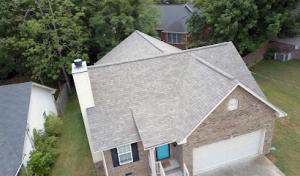
A building permit is typically required for a full reroof, and in this community the permit issuance is handled by the City of San Juan Building Department. That process can feel slow when storm season arrives, but bypassing it creates real risks that extend beyond the contractor's clock. If a project proceeds without a permit, you might face additional inspection requirements, penalties, or the need to uncover finished work to correct code issues. The precaution is simple: start with the permit paperwork, document the project scope, and keep copies of any approvals. In this locale, the right paperwork isn't a nuisance - it's a shield against future headaches when the house is scanned for compliance during resale or insurance review.
Reroof work typically must pass a rough-in or underlayment inspection before covering proceeds and then a final inspection after completion. That sequence matters because the underlayment choice, fastener pattern, and nailing zones are scrutinized early, not after shingles are laid. If the rough-in inspection flags a mismatch with wind-rated fasteners or a compliant underlayment, the crew may need to pause and address the deficiencies before continuing. Expect to schedule inspections in coordination with the Building Department and to present product approvals, detailing, and installation diagrams. The inspections are not mere formalities; they verify that the roof system will perform under heavy humidity, heat, and the spring hail cycle typical of this area.
Local approval can be influenced by windstorm considerations and energy-code requirements affecting fastener patterns and underlayment selection in line with state and local rules. It is common for inspectors to request specific fastener schedules and underlayment types that meet a designated wind-resilience standard. If the chosen roof assembly isn't aligned with those expectations, you risk rework or a halt in progress until compliance is demonstrated. Work closely with a contractor who understands the inscriptions in the local code books and who keeps a current library of approved underlayments and fasteners. This diligence pays off when a final pass hinges on one well-documented detail rather than a cascade of corrections.
Before ordering materials, confirm with the permit office that your project scope is accurately reflected on the permit application, including a clear line-by-line plan of the underlayment, fastener pattern, and ventilation strategy. Schedule the rough-in inspection promptly after the underlayment is installed and before shingles go on, and prepare for the final inspection once the cap is complete. Communicate any unusual attic access or retrofit constraints to the inspector early. In this climate, the difference between a smooth permit process and a delayed roof goes beyond cost - it can affect timely protection from the sun, humidity, and hail-driven wear.
In San Juan, extreme sun exposure commonly shows up as accelerated aging and shortened service life across multiple roofing materials. Shingles can dry out, curl, and lose granules faster than homeowners expect, while underlayment may become brittle sooner. Look for unusually fast fading, random dark spots, and edges that show early wear, and plan proactive replacement before leaks form.
Spring hail and high winds in this part of South Texas create a local pattern of impact damage, lifted roofing components, and leak entry at vulnerable edges and penetrations. Punctures, dented metal, loose flashing, and blown-off shingles often hide under debris, so a thorough post-storm inspection is essential. Pay special attention to valleys, ridge caps, vents, and chimney flashings, where damage commonly starts.
Wet-season delays in the Valley increase the risk of moisture intrusion during reroofing if tear-off and dry-in are not tightly sequenced. Prolonged exposure of the interior to rain can invite hidden leaks, warped decking, and mold-friendly conditions. If a tear-off is delayed or weather windows tighten, coordinate quick, continuous coverage and a secure dry-in to minimize interior exposure.
Regular seasonal inspections help catch failures before they become costly problems. After a hail event or a strong wind, inspect the roof with a ladder at a safe angle, focusing on edge deteriorations, flashing seals, and any new attic moisture signs. Document with photos and notes, then compare year-to-year to spot accelerated aging that might warrant timely replacement.
Keep debris off the roof to prevent abrading and moisture retention in valleys. Ensure proper drainage by clearing gutters and downspouts, and verify that roof penetrations are sealed against wind-driven rain. When planning repairs, prioritize edges and penetrations first, since these are the most common gateways for leaks in this climate.
When you can't wait, these contractors offer fast response times to stop leaks and prevent further damage.
XYZ Roofing & Restorations
(956) 230-2259 xyzroofingandrestorations.com
Serving
4.9 from 213 reviews
In San Juan, the contractor market shows meaningful activity in both residential and commercial roofing, making low-slope expertise relevant for homes with additions, patio covers, or commercial-style sections. Heat and UV relentlessly weather the surface, so surface condition and seam integrity demand closer scrutiny than on steeper roofs. Wet periods in the lower Valley can create scheduling and moisture-management issues that matter more on low-slope assemblies than on steeper roofs.
Low-slope assemblies rely on tight seams and reliable drainage to keep interior spaces dry. Because heat, sun, and humidity accelerate material aging, you pay close attention to surface scratches, lifted granules, and hairline cracks in membrane edges long before leaks appear. Hail-prone springs can create hidden damage along laps and around penetrations. In addition, consistent moisture from high humidity can lead to fast deterioration of sealants and flashing if debris blocks drainage paths or traps water.
Start with a thorough, moisture-focused inspection after any sizable storm, paying particular attention to flashing joints around parapets, transitions at walls, and edge details. Inspect seams for wear, pooling water, or minor deformations; sealants should be supple, not cracked or hardened. Ensure drainage paths are clear and that fascia and drip edges are solid to direct water away from laps. Plan regular maintenance after the hottest months to re-secure exposed fasteners and re-seal any aging perimeter sealants. When choosing materials, prioritize systems with proven seam integrity and UV resistance, and closely monitor membrane edges and fasteners for early signs of wear during the first full cooling season.
Find specialists in TPO, EPDM, and built-up flat roofing systems for residential and commercial properties.

XYZ Roofing & Restorations
(956) 230-2259 xyzroofingandrestorations.com
Serving
4.9 from 213 reviews
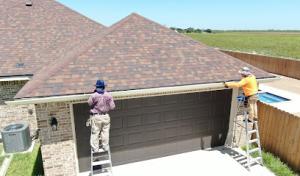
In a market shaped by frequent storm repairs and re-roofing, workmanship quality matters because insurers may scrutinize prior patching and earlier damage history. A hail event or a heavy spring storm can leave multiple layers or patches that aren't obvious from ground level. If an insurer finds compromised or inconspicuous patches, it can affect claim approvals or future coverage. You want a clean, continuous installation that shows a coherent roof system rather than a patchwork of fixes that could be cited as preexisting conditions.
Only a smaller share of local contractors signal manufacturer-certified or warranty-focused positioning, so you should verify exactly what labor and material coverage applies. Ask for written documentation that outlines what labor is covered, for how long, and what exclusions apply. Confirm whether the warranty follows the roof assembly, the installer, or the manufacturer's term, and which components (shingles, underlayment, flashing, fasteners) are explicitly covered. Look for a company with clear channels for service calls during the warranty period and a straightforward process for handling defects or failures.
Given the heat and storm exposure, warranty value depends heavily on whether installation details such as fastening and underlayment met local permit and inspection expectations. Expect the installer to follow a specific nailing pattern, proper underlayment layering, and secure integration with flashing and ventilation details. If a warranty hinges on installation quality, insist on a pre-installation plan that documents fastening patterns, seam treatments, and material compatibility. If any portion of the roof has been previously patched, demand a plan that demonstrates integration of new materials with the existing deck to maintain a continuous, warrantable system.