
Last updated: Apr 19, 2026
Ellensburg sits in the Kittitas Valley on the east side of the Cascade Range, where funneling valley winds are a defining roof-stress factor. Those gusts slice through unprotected eaves, ridge lines, and vent penetrations, tugging at shingles, flashing, and caps with relentless efficiency. The wind isn't a nuisance here-it's a stress test. On blustery days, even solid installations can develop micro-movements that slowly widen gaps and loosen fasteners. If your roof looks "fine" in calm spells but creaks and shifts with the first sustained gale, you're not imagining things. The practical takeaway is simple: treat wind exposure as a constant variable, not a seasonal anomaly. Your maintenance cadence should reflect that.
Winters bring snow that accumulates on steep slopes, then freezes at night and thaws during milder days. Those freeze-thaw cycles are brutal little engines of damage. Ice dams can form where heat escaping from the attic or sun-exposed sections melt inward, refreezing at the fascia and gutters. Over time, that pressure can pry shingles loose, crack flashing, and push nails up from the decking. The cold snaps also test underlayment and roof deck integrity; any compromised area becomes a starting point for leaks once the snow finally melts. In this climate, a roof isn't just a weather barrier-it's a structural buffer against repeated thermal cycling. A weak spot today becomes a leak tomorrow.
Warm, dry summers in Ellensburg bring intense UV exposure after winter weathering. That sun-weary cycle accelerates material breakdown: shingles and membranes that have already weathered snow, wind, and ice become brittle, curling at the edges, or fading unevenly. UV rays can dry out sealants and loosen fasteners over time, especially along the rakes, valleys, and penetrations where coating protection is thinner. The seasonal pattern you'll notice is winter damage followed by summer aging. That means a roof that shows little sign of trouble in March can look significantly worse by August if it isn't defending against sun and wind properly.
Many local homes rely on common steep-slope options, where the right choice can dramatically influence life expectancy under wind, snow, and sun. When evaluating materials, consider heat-reflective finishes, wind-resistant fasteners, and flashing systems designed for ridge and valley stress. The goal is to minimize points of vulnerability-valleys, hips, and rakes-where wind and freeze-thaw cycles tend to concentrate damage. If a roof has endured several harsh winters with noticeable edge lift or uneven wear, it's a clear signal that a more wind-tolerant or UV-resistant system should be evaluated sooner rather than later.
Late spring through early fall is typically the preferred installation window for a steep-slope roof in this region. The short but reliable work window is shaped by snowy winters, freeze-thaw cycles, and long dry spells that follow. When planning a replacement, aim to start after the last hard freeze and before the first heavy winter winds pick up. That means aligning schedules to hit the shoulder seasons, with a clear plan for the most comfortable stretch of drying and sealing days. The key is to minimize exposure to moisture on fresh decking and to avoid the hardest blows of wind that can unsettle materials and fastening patterns.
Spring wind and rain in this valley can disrupt tear-off schedules and increase the risk of exposing decking to moisture mid-project. If a tear-off is in progress and a storm rolls through, the exposure time should be minimized, and tarping should be checked frequently. In Ellensburg, quick access to dry, sheltered staging helps protect newly exposed sheathing from rapid saturation. When scheduling, set a realistic target window that accounts for several sequential dry days, and have a contingency plan for mid-project weather shifts. If the forecast calls for several days of unsettled weather in a row, consider delaying the tear-off phase to avoid unnecessary decking exposure and moisture infiltration. A staggered approach-removing portions at a time, then letting any exposed decking acclimate before the next section-can reduce risk and keep the project on track without compromising roof integrity.
Summer heat can affect sealant curing and material handling, so plan for steady daytime temperatures that stay within manufacturer recommendations. In practice, this means avoiding intense heat when applying sealant or adhesives, and protecting lighter roofing materials from sun exposure during storage and transport on the job. Crews should schedule more active handling tasks in the cooler morning hours and reserve heavy lifting for parts of the day when asphalt, metal, or tile components are most manageable. Temperature swings matter too, so ensure proper ventilation in enclosed attic spaces to prevent moisture buildup that can accompany hot, dry days. A well-timed break during the peak heat of afternoon helps maintain worker safety and ensures consistent seal performance once the system is installed.
Fall wind events and debris can worsen existing wear before replacement begins. Debris strikes, blown granules from aging shingles, and accelerated edge wear are common as the season shifts, so a pre-project inspection should document storm damage and anticipate areas susceptible to wind-driven wear. If a fall sequence is anticipated, consider a plan that prioritizes the most weathered sections first, so most vulnerable areas are addressed before winter precips arrive. Protect still-usable portions of the roof during removal and coordinate debris containment to prevent damage to nearby landscaping and property from gusty days. This proactive approach helps keep the project moving when the weather turns unsettled and minimizes the risk of unforeseen delays or additional decking exposure.
Asphalt shingles are common in Ellensburg, but valley wind exposure makes blow-off resistance and sealing performance especially important. In this climate, the windy stretch of the Kittitas Valley can lift softer tabs and challenge edge seals, so look for shingles with good nail-hold and strong sealant lines. Pay attention to how the product handles wind uplift ratings and verify that the manufacturer's installation guidelines emphasize proper nailing patterns, starter courses, and ridge venting. You'll want a shingle line that holds its granules under sun and infrared heat, since the dry-season sun is intense and can accelerate surface wear. In practice, a roof that uses careful fastening, continuous edge protection, and quality flashings will resist wind-driven damage longer, helping the roof maintain its barrier against snow infiltration during cold snaps.
Metal roofing fits Ellensburg's snow-shedding and dry-summer conditions well, but fastening details matter in a windy inland setting. Metal panels should be installed with corrosion-resistant fasteners, through-fastened or concealed-fastener systems chosen for the local wind loads, and with proper sealant around penetrations. The steep slopes common here shed snow efficiently, yet wind can drive debris under eaves and against the panel laps if the edge detailing is weak. Look for a panel profile with a proven wind uplift performance and for robust ridge and eave closures. A metal roof can offer long life and lower maintenance, but the success hinges on accurate spacing of fasteners, integrated underlayment, and a continuous air barrier that prevents wind-driven moisture penetration at the joints.
Tile, wood, and slate appear in the local material mix, but their weight, brittleness, or maintenance demands interact differently with Ellensburg's freeze-thaw winters and wind. Clay and concrete tile bring excellent durability in dry summers, yet freeze-thaw cycles can stress brittle installations if the substrate and fasteners aren't correctly chosen for valley winds. Wood shakes and shingles provide a rustic look but can suffer from rapid granule loss and surface checking when exposed to sun and cold swings, and their lighter weight under high winds requires careful nailing and edge restraint. Slate delivers longevity, but its rigidity and high weight demand a strong structural frame; wind uplift at ridges and hips needs solid attachment and matching underlayment. In all cases, the interaction of wind exposure, snow weight, and sun exposure dictates choosing products with appropriate wind ratings and ensuring installers use edge-fastening strategies, proper drip edge details, and comprehensive flashing to minimize blow-off risk.
Columbia Plateau
206 W 4th Ave Studio C, Ellensburg, Washington
4.8 from 60 reviews
Columbia Plateau Roofing is committed to providing our clients with the finest quality roofing service with professionalism and attention to detail. We take care of each client’s needs from start to finish and are available around the clock to answer any questions you may have or clarify anything about your new roof. We are there for you throughout the entire roofing process. From roofing replacements, roofing repairs, ice dam removal, and many more roofing services, our team of licensed professionals re more than capable of handling any of your service needs to help your property to be protected and beautiful. Ready for the next big thing in roofing? Ask us about our Solar Shingles when you call us today!
TFC Roofing & Construction
(509) 899-6433 tfcroofingwa.com
Serving
3.7 from 3 reviews
TFC Roofing & Construction is a full-service construction company that takes on deck building, house framing and a range of other projects in the Ellensburg, WA area. Whether you need a sturdy metal roof installed, a spacious wood deck built or your kitchen space expanded, our crew can make it happen. We have the team, experience and materials needed to take care of your home remodeling, home addition construction and house framing work. If you need your commercial building remodeled or repaired, we've got you covered there, too.
Peaks & Valley Roofing
(509) 506-0326 www.peaksandvalley.net
Serving
5.0 from 25 reviews
Here at Peaks and Valley Roofing, we provide comprehensive residential roofing, fire restoration, storm restoration, decks, framing, and siding services for homeowners and business owners across Yakima, Washington and the surrounding communities. We are experts in our field and are dedicated to providing superior workmanship and customer support. With over 10 years of professional experience, customer satisfaction is always our top priority.
The Gutter Guys
(509) 930-7470 gutterguysofyakima.com
Serving
4.9 from 74 reviews
Since 2006, The Gutter Guys has been establishing itself as a premier gutter contractor for Yakima, Washington, and the surrounding areas. We specialize in gutter and leaf guard installations but also offer gutter cleaning services. For your peace of mind, The Gutter Guys are fully licensed, bonded, and insured. The Gutter Guys is a proud Central Washington Home Builders Association member. Call today with questions and to schedule your free estimate.
Yakima Roofing & Remodeling
(509) 907-7206 www.yakimaroofingandremodeling.com
Serving
5.0 from 13 reviews
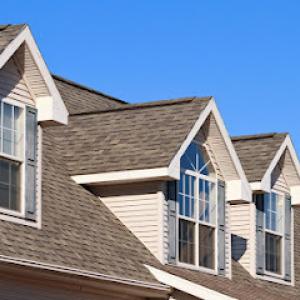
Yakima Roofing & Remodeling: Your trusted partner for top-quality roofing and remodeling solutions. As experienced contractors, we bring expertise and dedication to every project, ensuring exceptional results for your home. From reliable roof repairs to transformative remodeling services, we're committed to enhancing the beauty and value of your property. Discover the difference that quality craftsmanship makes.
New Generation Roofing
(509) 506-9557 www.newgenerationroofingllc.com
Serving
5.0 from 9 reviews
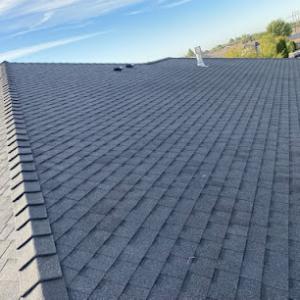
New Generation Roofing is the leading local roofing company in Yakima County and surrounding areas. We provide a complete range of services such as Metal roofs, Shingle Asphalt, Cedar Shakes, Synthetic Shakes, and Single Ply roof installation. Our services also include Roof tear-offs and Roof repairs, Leak repairs, Emergency repairs, and Snow Removal, Gutter Installation, Siding, Chimney Caps. With years of experience, we’ve developed a strong reputation for our masterful craftsmanship and committed customer service, always going above and beyond to meet our clients’ needs. For quality roofing from trusted professionals, we are the team for the job.
Paramount Roofing & Construction
Serving
5.0 from 6 reviews
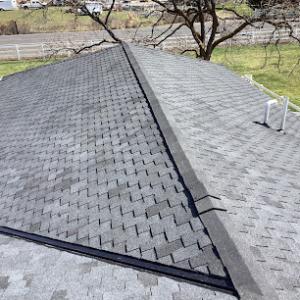
Local Roofing contractor in Yakima County. Certified Installers provine 50 year warranties on all our roof installs.
A+ Construction
Serving
3.0 from 2 reviews
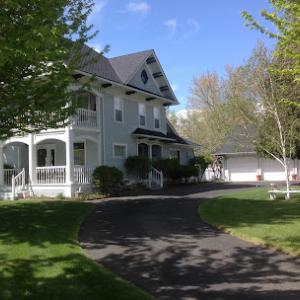
A+ Construction, your best option for a local Yakima Valley roofing and remodel contractor. We do all types of roofing work and give you the best bang for your buck! Licensed, bonded and insured.
Wind is a persistent ally to wear on a roof in this valley setting. In the Kittitas Valley, gusts funnel through the hills and scrub trees, driving edge damage and lifting at the roof's perimeters. Shingles that sit exposed to this steady pressure can curl, crack, or peel sooner than expected, leaving underlayment vulnerable to moisture. You'll notice occasional missing tabs or small wind rips along the eave lines and ridges after a windy stretch. The consequence is not just a look you don't want; it's a pathway for wind-driven rain to sneak under the shingles during storms, which can lead to interior staining and into the attic as ice forms in winter.
Ellensburg winters bring freeze-thaw cycles that test even well-installed flashing and underlayment. A tiny gap in flashing around skylights, vents, or chimneys can become a leak channel when meltwater refreezes. Small weaknesses-loose nail heads, compromised sealant joints, or aged underlayment-can transform into larger leaks once ice backs up against flashing or pooled water expands. The result is interior staining, warped ceiling joists, or sagging roof decks if water infiltration persists. In practice, a modest snow load combined with marginal flashing means more frequent inspections after snow events and a focus on sealing penetrations before the worst cold sets in.
Spring and early summer in this dry region bring long, intense sun that ages exposed roofing components quickly. Once winter fatigue has stressed edges, fasteners, and asphalt granules, the sun's UV rays accelerate wear, causing granule loss on shingles and accelerated drying of sealants. The aging process can manifest as brittle edges, reduced shingle adhesion, and a higher likelihood of tabs lifting again in the next windy season. Without timely attention, small sun-roughened spots can become focal points for moisture intrusion during sudden storms.
Flashing around vents, chimneys, and skylights often bears the brunt of valley weather. In Ellensburg's climate, even minor flashing gaps can open up after a few freeze-thaw cycles or a windy afternoon. Edge metal and apron flashings deserve annual checks, especially in corners and along roof-to-wall transitions. When these elements fail, you'll see attic condensation, damp ceiling patches, or ice dams forming lower on the roof where the interior finishes meet the ceiling.
Regular visual checks after strong wind events help catch shingle lift early. Run a hand along edges and hips after storms, look for raised tabs, and inspect the eaves and ridges for missing granules or exposed underlayment. In winter, keep an eye on attic signs of moisture or frost, and in spring, re-seal flashing joints that show wear from the previous season. Small, proactive repairs now can reduce the chance of significant leaks during Ellensburg's peak storm and melt cycles.
Typical material pricing in Ellensburg runs about $350 to $800 per square for asphalt shingles, $700 to $1100 for metal, $900 to $1700 for clay or concrete tile, $600 to $1100 for wood shingles or shakes, and $1500 to $2800 for slate. This coastal-rim climate on the east side of the Cascades means a single roof project can swing based on the roof's slope, the storm history of the previous decade, and how long the contractor is chasing weather windows. When a steep-slope home sheds snow efficiently, you often see tighter scheduling and slightly higher line items for wind-related detailing and edge metal work.
Costs in Ellensburg can rise when projects are compressed into the late-spring-to-early-fall work season because winter conditions reduce scheduling flexibility. If a roofing crew has to push work into a narrow daily daylight window, you'll notice a premium for faster turnaround, backlog impacts, and potential overtime. If possible, align the project to take advantage of the year's longer stretches of dry weather, but be prepared for price shifts if you compress the timeline.
Steep-slope homes built to shed snow require careful wind-related detailing, especially around eaves, hips, and ridge lines where wind uplift is highest. In Ellensburg, high-desert exposure means more intense sun and freeze-thaw cycles, which stress underlayment and fasteners. Expect edge metal detailing, ice and water shield placement, and proper ventilation to be integral line items that can affect final pricing. If a roof uses a material with higher wind uplift risk, like some clay or slate options, the project may incur additional bracing, fastening, or contingencies.
For a basic retrofit, asphalt shingles remain the most cost-efficient upfront choice, aligning with the $350-$800 per square range. Upgrading to metal can push you to $700-$1100 per square, offering superior wind performance and potential longevity in this climate. Clay or concrete tile climbs to $900-$1700 per square, delivering strong durability but adding weight and structural considerations. Wood shingles or shakes sit around $600-$1100 per square, with aesthetic appeal and comparable wind considerations. Slate leads the pack at $1500-$2800 per square, delivering exceptional longevity but demanding structural assessment and higher installation complexity.
When planning, request multiple bid proposals that itemize wind detailing, underlayment, fasteners, and edge protection. Verify that the quotes reflect the same scope: number of layers, attic ventilation, and warranty terms. If the schedule is tight, discuss staged work or off-peak mobilization to reduce weather-driven price spikes. Keep in mind the material choice will influence not only upfront cost but the long-term performance under Ellensburg's wind-driven conditions.
Full re-roofs in Ellensburg generally require a building permit from the City of Ellensburg. The permit ensures the project follows local codes for wind exposure, snow loads, and steep-slope workmanship that are common here in the Kittitas Valley. Before any new roof goes on, you or your contractor should confirm which aspects of the project trigger a permit, and whether plan review is required for your roof type and material.
The city process includes plan review where applicable. For simpler reroofs, this may be a quick check, but steeper pitches, higher wind zones, or unusual materials can prompt a more detailed review. Your submittal will typically include roof framing notes, reroofing material details, and a project scope. Have your contractor prepare a clear sequence of work with temporary protections for the winter months, since Ellensburg's windy, dry-summer pattern can limit the size of the practical roofing window.
Inspection scheduling follows installation, with rough-in inspections required when applicable and a final inspection upon completion. In practice, this means your permit isn't considered complete until the framing, underlayment, and roof assembly meet code, and the final is approved after project finish. Expect to coordinate with inspectors to fit within weather windows, especially in a year where freeze-thaw cycles and wind exposure influence performance.
Permit turnaround in Ellensburg can be affected by both weather and department workload, which matters in a city with a narrower practical roofing season. Plan ahead by aligning your project timeline with forecasted breaks in wind and snow, and keep the permit holder in close contact with the building department to track review status and inspection dates.
In this valley, wind-driven weather exposure hits steep-slope roofs hard. Hail and snow add extra stress during tough winter months, but claims most often hinge on wind damage and the accompanying wear. The combination of dry-season sun and freeze-thaw cycles accelerates aging on roof surfaces, especially where shingles have already faced gusts and blowing debris. People sometimes assume coastal-style storms drive most claims, but in this market the wind and hail story is the real trigger.
Washington's homeowners market has held steady, yet older roofs or certain materials invite closer scrutiny during claims. When a claim is filed, expect an assessor to note the roof's age, the material type, and visible wear. Photos from multiple angles are commonly requested to document granule loss, curling, flashing condition, and any prior repairs. If the roof is near the end of its life or has sustained heavy damage, replacement becomes the more likely outcome than a simple repair.
Keep a current, honest record of your roof's age and construction details; this helps insurers assess whether the roof is still within its expected service life. Photograph the entire roof after each major storm, focusing on edge detailing, valleys, and flashing around chimneys or vents. If you're planning a replacement, choose materials known for better performance in windy, sun-baked climates and capable of shedding hail impact without excessive weight. When evaluating options, consider how a new roof will stand up to Ellensburg's typical wind paths and snow load, and how that may influence future claim outcomes.
If a claim is justified by wind, hail, or snow damage, the insurer may approve replacement if the roof shows significant age-related deterioration or widespread impact damage. Even with a solid, well-maintained roof, persistent wind exposure can erode performance over time. The goal is to align interior protection with exterior resilience, reducing the likelihood that a future storm becomes a surprise loss.