
Last updated: Apr 19, 2026
Tacoma's maritime climate brings frequent rain and long damp periods that keep roof surfaces wet longer than in inland Washington markets. This constant moisture accelerates wear on underlayment, flashings, and fasteners, and it magnifies the impact of any small leak. The water-shedding details-rakes, hips, valleys, and edge where runoff concentrates-need extra attention because lingering moisture sits against roof edges and eaves. In practice, that means choosing materials and installation details that promote fast drying, robust drainage, and dependable moisture control, especially on steeper sections where runoff is swift but shade keeps things damp.
Moss and algae are a recurring Tacoma roof issue, especially on shaded slopes and tree-covered residential lots common in older neighborhoods. Moss acts like a sponge, holding moisture against the surface and lifting shingles ever so slightly when it grows in the seams or under the edges. If you have a overhanging tree canopy or a north-facing slope, plan for regular moss management as part of the annual cycle. A clean roof surface before winter is routine maintenance here, not a luxury. When you see green or black flecks in shaded areas, address it before it penetrates shingles or underlayment. The goal is to keep the roof dry long enough each day for the underlayment to dry, especially after heavy rains.
Replacement timing is commonly pushed into late spring through early fall because winter rainfall and spring humidity can interfere with tear-off, drying, and underlayment exposure. Schedule removal of old roofing and installation of new material during a stretch with predictable dry spells. If a storm window forces work into a wetter period, there should be flexible gaps in the plan to avoid long exposure of open decks and underlayment. In this climate, the decision to replace is as much about how well the deck and attic ventilation are prepared as it is about the shingles themselves. Ventilation and moisture control during a tear-off reduce the risk of lingering dampness that can compromise the new surface.
First, inspect after the heaviest rains for any signs of water pooling near eaves or along edges where drainage is sluggish. Pay attention to flashing around chimneys, chimneys, skylights, and vent pipes; these are common failure points where moisture wicks in during long wet spells. Second, commit to annual moss control on shaded sections, using a safe remover and a stiff brush that won't scratch or lift shingles. Third, ensure your attic is vented properly: a well-ventilated attic accelerates drying of the roof deck after a rain, reducing the chance of moisture-driven rot. Fourth, treat valleys and flare-ups with appropriate sealants or metal transitions that resist moss buildup and maintain a clean water path. Fifth, when choosing replacement materials, consider those with proven moisture resistance and algae resistance, especially for shaded or tree-dense sites.
In spring, after the rains ease, check for broken shingles, lifted edges, or curling along the hips and ridges. In summer, inspect for sun-shadowed moss pockets that may regrow on warm, damp mornings. In autumn, verify that gutters and downspouts are free of debris so water flows away from the fascia and foundation. If you notice persistent damp spots on the roof deck after a week of clear weather, there could be a ventilation or underlayment issue that warrants a closer look before the next big rain. The recurring message is steady monitoring. A roof that dries quickly after rain tends to age more gracefully than one that sits damp for days on end.
In this maritime climate, Tacoma's mix of waterfront and hilltop homes brings persistent moisture and moss pressure to the forefront of roof design. Water-shedding details, ventilation, and drainage staging matter more than heat resistance, since wet conditions can accelerate aging and moss growth. The right material combines a solid water barrier with a surface that dries efficiently and resists moss retention, while fitting the home's structure and neighborhood feel.
Asphalt shingles dominate the market here because they fit the large stock of re-roofing projects and offer the lowest entry path for homeowners facing a roof refresh. In Tacoma, the benefit is twofold: the familiar look and the ease of upgrading without overhauling framing, and a product lineup that tolerates wet conditions when paired with proper underlayment and a well-ventilated attic. For best results, prioritize shingles with good algae and moss resistance, and pair them with a moisture-friendly underlayment and ridge ventilation. The material's quick shed-and-dry cycle helps reduce moss persistence on the upper slope, especially on less sheltered sides of a home. Keep an eye on roof edge detailing and flashing, since rain-driven wind in exposed bays or hillside streets can test even a solid asphalt system.
Metal roofing has a meaningful presence and is often considered where homeowners want faster rain shedding and lower moss retention than textured surfaces. In Tacoma's damp climate, metal's smooth or interlocking profiles shed water quickly, limiting the damp moss niche that can hide in seams of other materials. Metal can also be gentler on steep slopes and high-fire-resistance expectations, which matters for hillside homes with limited clearance to surrounding vegetation. When choosing metal, look for coatings designed for moss-prone environments and a standing-seam or concealed-fastener system that minimizes penetrations where moisture can accumulate. Proper attic ventilation remains essential to balance temperature and humidity, helping prevent condensation that can compromise longevity on metal assemblies and flashings.
Wood shakes, clay or concrete tile, and synthetic products all appear in Tacoma, but heavier systems can trigger structural review concerns on older homes depending on framing and existing roof layers. Wood shakes bring a natural aesthetic and adequate texture for shedding moisture, but they demand careful maintenance to prevent moss from taking hold between shakes. Tile systems offer excellent longevity and a robust moisture barrier when installed with the right underlayment, but their weight and the potential for moss-laden debris in joints require a capable structure and periodic cleaning. Synthetic composites can mimic the look of traditional materials while often offering improved moisture resistance and lower maintenance, yet they still need a solid attic ventilation plan and appropriate underlayment to handle Tacoma's wet persistence. When considering any of these heavier routes, ensure the existing framing can support the load and that installation details address water drainage and moss-prone microclimates around eaves and skylights.
In practice, the choice centers on balancing moisture management with the home's structural realities. The Tacoma climate rewards surfaces that shed water readily, resist moss retention, and stay dry at the eaves while maintaining solid ventilation. The best path depends on how much local roof area is exposed to persistent drizzle versus sheltered microclimates, and how the home's framing handles extra weight without compromising vents, flashing, and drainage pathways.
In this climate, accumulation of moisture and persistent moss growth magnify even small flashing imperfections. Skylights and low-slope sections are common entry points for leaks because standing water sits longer on flat or gently sloped surfaces, and moss can hide subtle failures until water finds a path inside. Tacoma contractor signals show unusually strong demand for skylight-related roofing work, indicating leak-prone flashing transitions are a common homeowner concern. That emphasis isn't cosmetic-it reflects how moisture moves through joints, seals, and transitions when the weather refuses to fully dry out. Expect that the biggest trouble from rain isn't the visible shingle wear, but how the roof meets the skylight curb, the chimney chase, or the valley flashing that runs through a porch addition or a modern flat extension.
Flat and low-slope roofing is an active specialty in town because many homes feature additions, porches, and some multifamily rooflines built to handle standing water differently than steep-slope roofs. When water sits on a low-slope surface, failures tend to reveal themselves first at transitions-where a roof plane meets a wall, where a skylight frame sits, or where a chimney stack interrupts a continuous surface. In such layouts, a barely perceptible ridge or seam can become a leak path after a heavy rain or a string of damp days. Moss adds a layer of complication here: it can trap moisture, hide slow leaks, and promote edge deterioration where flashing meets deck, curb, or parapet.
In Tacoma's rain-heavy environment, the quality of flashing around skylights, chimneys, valleys, and roof-to-wall transitions matters more than the visible wear of shingles. Skipping a meticulous flashing install or choosing only decorative sealants can invite sneaky leaks that follow the grain of the roof deck to interior ceilings. A skylight flashing should shed water away from the curb in a clean, continuous line, with properly installed step or counter flashings where it meets the roof plane. Valleys must carry water without pooling, and intersections with vertical surfaces need flashing that remains flexible through freeze-thaw cycles and seasonal moss growth. When a contractor references "proper integration," that's shorthand for a transition that remains watertight across Tacoma's wet calendar, not just a neat exterior seal.
Pay attention to moss management around skylights and low-slope sections. Moss can obscure leaks and create micro-shading that slows drying, promoting wood rot and deck edge deterioration around transitions. Regular inspections after heavy rains should focus on the skylight curb, flashing seams, roof-to-wall joints, and any signs of dampness in interior ceilings near these areas. If a drip becomes audible or staining appears along a wall line beneath a skylight, don't delay a professional assessment. Exterior repairs that reseal or replace flashing at skylights and transitions are most durable when moss is proactively removed from the surrounding roof edge.
Visible bubbles, lifted shingles near a skylight, or a wavy edge where the roof plane meets a vertical wall are red flags worth immediate attention. In homes with porches or modern flat extensions, ensure each flat plane has adequate slope to shed water toward a designed drainage path. A careful contractor will test flashings with a water source during a controlled inspection, confirming that moisture does not creep behind curb flashing or along roof-to-wall joints. If the roof's quiet failure mode is a slow drip during rainstorms, prioritize a targeted flashing retrofit rather than a full surface replacement. The goal is to restore a true water barrier at the most vulnerable points where Tacoma's rain writes its most persistent stories.
Find contractors experienced in skylight installation, flashing, and leak repairs to bring natural light into your home.
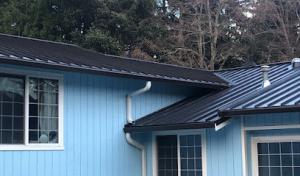
Dht Construction & Roofing
(253) 363-1948 www.dhtconstructionwa.com
507 99th St E, Tacoma, Washington
5.0 from 165 reviews
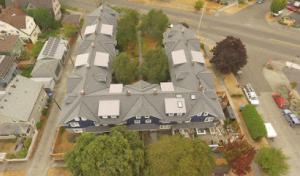
Mears Roofing
(253) 236-2136 www.mearsroofs.com
7224 46th Ave E, Tacoma, Washington
4.9 from 108 reviews
Guardian Roofing, Gutters & Insulation
(253) 319-3044 www.guardianroofing.com
3003 S Huson St Suite C, Tacoma, Washington
4.8 from 393 reviews
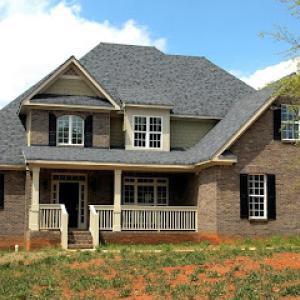
LeMoine Roofing & Construction
(360) 464-5622 www.lemoineroof.com
Tacoma, Washington
5.0 from 184 reviews
LeMoine Roofing & Construction provides a wide range of construction services to meet your needs. We are dedicated to providing quality workmanship & customer service. We’ll provide you with a full consultation and free estimates. We fully explain available options so you can choose a construction plan & materials that are right for your situation.
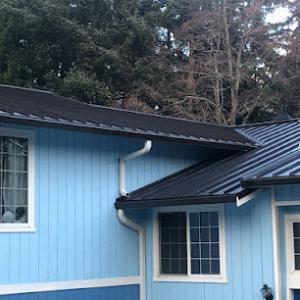
Dht Construction & Roofing
(253) 363-1948 www.dhtconstructionwa.com
507 99th St E, Tacoma, Washington
5.0 from 165 reviews
DHT Construction is a family owned construction and roofing company that proudly provides Tacoma and the surrounding areas with professional roofing and exterior services to keep their homes and businesses safe. If you are looking for a new roof, siding, painting or windows you have come to the right place. Our services are available throughout Tacoma, King County, Pierce County, and the surrounding areas with professional roofing and construction solutions that homeowners can rely on.
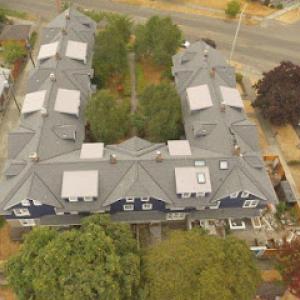
Mears Roofing
(253) 236-2136 www.mearsroofs.com
7224 46th Ave E, Tacoma, Washington
4.9 from 108 reviews
As a family owned and operated Tacoma roofing contractor it is our goal and vision to install complete roofing systems and warranties that will earn future business and referrals. We focus on long term relationships and avoid the very popular business slogan of "get in, get out and get paid," that many of the larger marketing base companies in the Tacoma area embrace. Our approach is simply to provide a safe and comfortable re-roof experience, along with the best roofing materials and warranties available in the market today. For nearly a decade that approach to servicing home and business owners has earned us long standing clients and one of the best online ratings for re-roof contractors in the South Sound area.
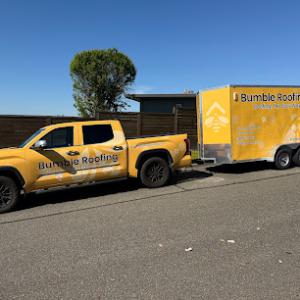
Bumble Roofing of South Sound
(253) 210-4350 bumbleroofing.com
3020 McCarver St suite a, Tacoma, Washington
5.0 from 69 reviews
Bumble Roofing of South Sound makes roofing easy with expert solutions tailored for both homeowners and businesses. Our trusted roof contractors are committed to delivering quality workmanship with honesty and transparency. With over 60 years of combined experience and more than 2,700 successful roof installations, repairs, and replacements, we’ve built a reputation you can count on. We offer one clear, upfront price and a full, detailed roof report—no haggling, no hidden fees, no gimmicks. Whether you need a simple repair or a full roof replacement, we’re here to make the process smooth, reliable, and stress-free. Visit us today and experience the Bumble Roofing difference.
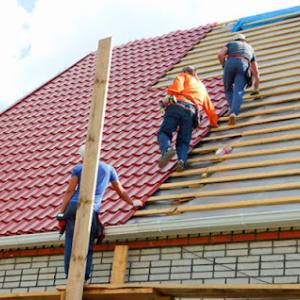

Guardian Roofing, Gutters & Insulation
(253) 319-3044 www.guardianroofing.com
3003 S Huson St Suite C, Tacoma, Washington
4.8 from 393 reviews
Guardian Roofing, Gutters & Insulation, located at 3003 S Huson St Suite C, is your trusted Roofing Contractor in the Pacific Northwest. With over 60 years of combined expertise in Roof Repair and Roof Replacement, our veteran team ensures top-notch Roofing Services for both homes and businesses. We specialize in Roof Installation, Residential Roofing, and Metal Roofing, backed by solid warranties and a 100% satisfaction guarantee. Our 17-point digital roof analysis guarantees precise diagnostics and solutions, including Emergency Roof Repair and storm damage fixes. Choose Guardian Roofing for unmatched quality and exceptional service today!
Trustworthy Roofing
(253) 455-4347 www.trustworthy-roofing.com
Tacoma, Washington
5.0 from 42 reviews
Trustworthy Roofing is a locally and family-owned roofing company proudly serving Tacoma, Puyallup, Sumner, Bonney Lake, Graham, Spanaway, Kent, Seattle, Bellevue, Olympia, Tukwila, Federal Way, Monroe, and Lynnwood, Washington. Founded by Pat Wheeler, with over 10 years of roofing experience and 14 years in construction, our mission is to protect homeowners from poor workmanship and unfair pricing. We specialize in full roof replacements, roofing repairs, gutters, fascia board repair, and emergency tarping. Known for outstanding service, strong warranties, and honest craftsmanship, Trustworthy Roofing delivers dependable results you can count on.
William's Roofing
(253) 905-2039 www.willyroofing.com
805 74th St E, Tacoma, Washington
5.0 from 42 reviews
family owned and operated, william's Roofing was started by william, a second-generation roofer with over 12 years of personal roof experience. serving all the counties of the Greater Puget Sound in Washington State. Our success is highly dependent upon satisfied customer and we are continually committed to enhancing and improving the customer experience. William's Roofing provides the strongest workmanship warranty in the industry. When you put your trust en William's Roofing, you can be confident that you will have a roof that is installed by some of the most experienced and skilled professionals in the greater areas
Mountaintop Metal Roofing
(253) 242-2369 www.mountaintopmetalroofing.com
1201 Pacific Ave 6th Floor, Tacoma, Washington
5.0 from 24 reviews
Specializing in standing seam panels and metal shingles designed specifically for Tacoma and surrounding area. As your local Tacoma metal roofing contractor, we provide professional, worry-free metal roofing installations and standard-setting customer support. If your roof is made up of materials unable to withstand the rigors of all four Tacoma seasons, you could be looking at years of worrisome maintenance and upkeep. Why put yourself through all that — year after wet and blustery year? Protect your home with maintenance free and lifetime metal shingles or our selection or panels. Do it once. Do it right.
Tristate Roofing
(253) 363-8280 www.tristate.pro
1901 Center St, Tacoma, Washington
4.5 from 687 reviews
Tristate Roofing, Inc. is a trusted roofing and home exterior contractor serving Tacoma, Seattle, and the greater Puget Sound area in Washington. Our licensed, insured crews specialize in roof replacement, re-roofing, roof repair, and new roof installation using high-quality, energy-efficient shingles and roofing systems. We also install replacement windows, siding, gutters, attic insulation, patio covers, and exterior doors to protect and update your home. As a GAF factory-certified, highly reviewed local roofer, we provide detailed roof inspections, honest recommendations, strong warranties, and flexible financing. Contact Tristate Roofing today for a free, no-pressure estimate on your next roofing or exterior home improvement project.
Pierce Roof Pros
(253) 453-5086 pierceroofpros.com
8218 Pacific Ave Suite #1, Tacoma, Washington
5.0 from 19 reviews
Looking for a trusted roofing company in Tacoma, WA? At Pierce Roof Pros, we bring experience and reliability to every project. As a licensed roofing contractor, we specialize in roof repair, replacements, storm damage restoration, and emergency services. With expertise in skylight installation, attic insulation, gutter cleaning, and water damage repair, we deliver complete solutions to protect your home. Serving Lakewood, Puyallup, Spanaway, South Hill, University Place, and communities across Pierce County, our team is committed to honest communication, quality craftsmanship, and fair pricing. Call Pierce Roof Pros today to schedule your free estimate.
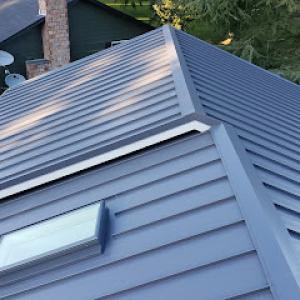
Techo Roofing
12907 14th Ave S, Tacoma, Washington
5.0 from 17 reviews
Techo Roofing is one of the best roofing companies in Tacoma, WA providing roof cleaning, tile roof cleaning, roof maintenance, roof repair, tile roof repair, tile roofing, metal roofing, flat roofing, roof replacement, Chimney repairs and rebuilds, skylight replacements and commercial roofing. We are company that prides ourselves in providing excellent customer service, and top-notch work, so if you are wanting quality work done and peace of mind that your project will be done correctly with no corners cut, we are the contractors for you!
In this climate, the biggest storm-related disruptions come from wind-driven rain, winter storms, and occasional snow loads rather than hail-blown failures. A high-pressure week can give way to sudden gusts that lift shingles and expose underlayment, especially on older roofs or those with moss that slows drainage. Water shows up first at flashing corners, valleys, and roof-to-wall transitions, then races to interior ceilings if gutters aren't moving it away quickly. Treat every heavy rain as a potential leak event and plan for rapid action.
When the rain starts pounding, you need a rapid containment plan. Keep a waterproof bucket under obvious drips, tape around minor gaps to slow trickles, and place tarps across weak roof zones if you can do so safely. If a storm window is approaching, tie down or remove loose objects that could become projectiles and block access to the most vulnerable eaves. Your goal is to minimize water intrusion until a licensed crew can seal the worst spots after the weather passes. Delay nonessential work if wind speeds prevent safe access to the roof.
Fall and winter weather can delay both emergency repairs and full replacements because heavy rain and wind affect safe tear-off windows and material handling. Plan for shorter workdays, wind-driven tarp work, and staged repairs rather than one big push. Leaks aren't patient; they compound quickly with moisture, so prioritize containment now and schedule full repair when conditions ease. Expect weather windows to shift; flexibility becomes a safety asset.
The local contractor market shows strong prevalence for emergency repair and storm damage work, matching homeowner demand for fast leak containment during wet-season events. Start with responders who can provide temporary containment within 24 hours and commit to a safe tear-off plan when rain subsides. Verify crews bring proper harnesses, tarps, and roof-safe equipment, and ensure a clear path for debris removal to avoid adding hazards during storms.
Find local contractors experienced in assessing and restoring roofs after hail, wind, and severe weather events.
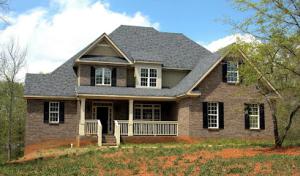
LeMoine Roofing & Construction
(360) 464-5622 www.lemoineroof.com
Tacoma, Washington
5.0 from 184 reviews
Dht Construction & Roofing
(253) 363-1948 www.dhtconstructionwa.com
507 99th St E, Tacoma, Washington
5.0 from 165 reviews
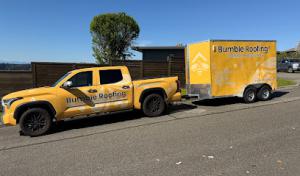
Bumble Roofing of South Sound
(253) 210-4350 bumbleroofing.com
3020 McCarver St suite a, Tacoma, Washington
5.0 from 69 reviews
When planning a roof swap, you'll see price bands that reflect Tacoma's maritime climate and housing stock. Asphalt shingles run roughly $350 to $650 per square (a square equals 100 square feet). Metal roofing sits higher, about $700 to $1100 per square. For those choosing clay or concrete tile, expect $900 to $1400 per square. Wood shingles or shakes typically land in the $550 to $950 per square range, and synthetic or composite shingles usually run $600 to $1000 per square. These figures cover typical core materials and standard installation in common residential layouts.
Costs in Tacoma can rise on older re-roof projects where hidden moisture damage, decking replacement, or ventilation corrections are discovered after tear-off. If the roof reveals rot or mold once the old layer is peeled back, you'll be paying for deck remediation and potentially a more robust ventilation plan. That domino effect can add significantly to the bottom line, and it's not unusual to see substantial increases if structure and attic details weren't prepared for a modern, moisture-aware roof system.
Scheduling pressure in the drier installation window from late spring through early fall can affect labor availability and project timing, especially after storm periods. In practical terms, if a mid-year storm ends and crews are tying up, you may face narrower windows or higher curb appeal pressures to wrap before winter moisture returns. Planning ahead with your contractor helps lock in a slot and minimize delays caused by weather swings or post-storm cleanup.
In Tacoma, the moisture-driven wear profile makes ventilation, underlayment, and proper water-shedding details more impactful than mere heat resistance. A well-chosen material paired with a solid underlayment and improved soffit venting can heighten long-term performance even if the upfront cost is higher. For many homeowners, a mid-range option like synthetic or composite shingles provides a durable balance of wind resistance, moss tolerance, and a reasonable replacement interval without the steep price tag of tile.
Get a clear picture of your project costs upfront - no commitment required.
LeMoine Roofing & Construction
(360) 464-5622 www.lemoineroof.com
Tacoma, Washington
5.0 from 184 reviews
Tristate Roofing
(253) 363-8280 www.tristate.pro
1901 Center St, Tacoma, Washington
4.5 from 687 reviews
Pierce Roof Pros
(253) 453-5086 pierceroofpros.com
8218 Pacific Ave Suite #1, Tacoma, Washington
5.0 from 19 reviews
A full roof replacement in Tacoma typically requires a permit issued through the City of Tacoma Building Department. Before any shovel hits the ground, you'll want to confirm your project scope with the permit office and file the needed plans, drawings, and material details. In neighborhoods with waterfront exposure or steep grades, the Building Department can request additional information to verify wind loads and structural compatibility. Starting the permit process early helps prevent delays that can arise from missing documentation or plan revisions. Keep a dedicated folder with your contractor's roofing plan, material specs, and contractor license numbers so you can respond quickly to any questions from city staff.
Inspections occur during the project and again after completion. A typical sequence includes: an inspection to verify approved materials and installation methods, a mid-project check if required by the inspector, and a final inspection that concentrates on underlayment and ventilation, flashing details, and nail patterns. In Tacoma, proper ventilation and moisture management are especially critical due to the maritime climate, so inspectors will look closely at ridge and soffit ventilation, intake/exhaust balance, and how moss pressure is being addressed by the roof system. Work areas should remain accessible for the inspector, with unobstructed access to attic spaces and roof penetrations.
Some Tacoma projects may need added wind or structural verification depending on the home and district, which is especially relevant for heavier roofing systems or older structures. If you live in a district with higher wind exposure, or your roof is a heavier system like concrete or clay tile, expect a structural assessment or engineered drawings to accompany the permit. Your contractor can coordinate these checks with the Building Department and schedule the necessary inspections to align with the project timeline.
Coordinate permit submission with your contractor to ensure all product data and installation details match what is shown in the plans. After inspections pass, keep the final certificate of completion handy for future maintenance or resale, and use it to document that moisture control, ventilation, and flashing standards meet Tacoma's requirements for long-term roof health.
Washington insurers commonly want documentation of roof age, condition, and installation quality, which matters in Tacoma because moisture-related wear can be gradual rather than tied to one obvious event. A solid file helps adjusters see the true picture and prevents later disputes about what was known beforehand. Gather receipts or warranties, contractor notes, and product specs that confirm when materials were installed and how the roof was installed to standard.
Tacoma homeowners should keep dated photos before and after storms because adjusters may request visual proof and a post-damage inspection when a claim is filed. Use a steady sequence: wide shots of the entire roof, then closer angles of any flashing, hips, valleys, moss patches, and damaged areas. After a wind or heavy rainfall event, photograph promptly and label each image with date, location, and what you believe happened. This practice helps separate surprise damage from long-term moisture effects that accumulate over seasons.
Coverage outcomes can vary by insurer and by how clearly Tacoma roof damage can be separated from long-term moss, algae, or deferred maintenance. Moss and moisture can mimic sudden failures when they reach critical points, but many policies require evidence that acute damage occurred beyond ongoing algae or moss growth. Document moss density, signs of underlayment exposure, and any sagging or gutter backups to support a claim that a specific incident caused damage beyond existing wear.
Maintain a simple, up-to-date file with the roof's age, recent repairs, and any evaluations from a licensed roofer. If an adjuster visits, having precise locations mapped on photographs, plus a brief note about weather events and maintenance history, can streamline the review and reduce back-and-forth. Avoid relying on memory alone; a well-documented history limits ambiguity when moisture-driven aging is involved.