
Last updated: Apr 19, 2026
The maritime climate that shapes this area brings a steady rhythm of winter rain and humidity, so full roof replacements are most reliably completed in a drier window that runs from late spring through early fall. If you push a reroof into the heart of winter, you are inviting weather delays, compromised installation, and a longer period where your deck and interior may be exposed to moisture. Plan around the stretch when rainfall drops and relative humidity falls enough to let tear-off crews work without battling continual drizzle. That targeted timing isn't just a preference-it's a practical safeguard for long-term performance in this part of Puget Sound.
Spring and fall in Kitsap County can still bring stop-and-start rain that interrupts tear-off and dry-in scheduling. Do not assume a calendar-perfect window exists; instead, build contingencies for weather swings. If you must start in late spring, schedule a conservative tear-off plan that prioritizes quick deck inspection, rapid removal, and a dry-in sequence to minimize moisture exposure. If fall work is your path, secure a flexible window with the crew for additional tarp space, heated drying options, and on-site moisture control measures. The key is to protect exposed decking during those capricious shoulder-season showers so you don't wind up with hidden moisture behind underlayment or in sheathing.
Moss growth is a telltale sign of persistent dampness, and the combination of salt air and frequent rain accelerates moisture intrusion risk. Before any tear-off, expect crews to verify deck conditions and ventilated attic space, because compromised decking that has absorbed rain during the lag between removal and re-cover can warp or fail once the new roofing is installed. In Bremerton, stopping a project to address damp decking isn't a setback; it's a necessary step to prevent future leaks and costly remediation. If moss is present on the slope, treat it as a warning beacon: reinforcing underlayment, additional ventilation checks, and a thorough dry-in plan are non-negotiables in the schedule.
Winter storms and heavy rainfall in this area can delay crews and increase the risk of exposed decking taking on moisture during reroofing. If a storm front rolls in while shingles are off and the roof is partially dry-in, moisture can wick into the substrate and undermine the new layer's long-term seal. Build in a buffer by coordinating with your contractor for short-term weather holds, hot-mopped or fully sealed dry-in methods when feasible, and clear access to tarps and fans for rapid post-storm remediation. A proactive approach during an active wet season reduces the chance of moisture entrapment and ensures the replacement proceeds with fewer interruptions.
Keep a close eye on extended forecasts for dry spells spanning at least cinco to seven days, with temperatures comfortable enough to cure and seal underlayment properly. If a replacement window slips due to weather, don't hesitate to pivot to a staged approach: stabilize and dry-in the most critical areas first, then complete the remainder when conditions improve. The goal is a seamless, moisture-controlled transition from tear-off to finished roof, not a rushed job that invites future leaks. In this coastal climate, timing is part of the roof's resilience-choose the window you can defend against Bremerton's wet-season realities.
In a place where the humidity sticks around and rain keeps coming, moss can turn from a nuisance to a real problem if moisture finds a hiding spot on your roof. High humidity and frequent rain around Bremerton promote moss growth and can accelerate rot in organic roof decking if moisture gets trapped. That means you're not just watching green patches; you're watching for soft, spongy deck edges, warped shingles, and edges that peel away from the underlayment. The moment moss thickens, your roof's breathing is compromised, and tiny leaks can become noticeable sooner than you expect, especially around penetrations and along seams. Keep an eye on shaded eaves and ridges where moisture lingers longest.
Coastal salt spray adds another layer of wear. The Puget Sound environment can shorten the life of flashing and other exposed metal roof components because salt accelerates corrosion on fasteners, nails, and metal edges. If metal details show white powdery staining or tiny rust spots around fasteners, treat them as a warning. Salt doesn't always announce its approach with dramatic symptoms; it can quietly undermine seals and cause fasteners to loosen over time, inviting slow leaks at critical junctions. Regular scrutiny of flashing joints, roof-to-wall transitions, and vent penetrations becomes part of a practical Bremerton common-sense routine.
In Bremerton, roof problems often show up first at penetrations and metal details because constant moisture and salt exposure work on fasteners, flashing edges, and sealants. Those vulnerable spots-chimney flashings, vent stacks, skylights, and roof edges-tend to reveal trouble when the weather stays damp. Signs to watch for include granular loss at the shingle line near flashings, hairline cracks around sealant beads, and loose or corroded metal fasteners. If moss is creeping under flashing or along edge metal, moisture has found a path to invade the underlying deck or sheathing. A small leak at a flashing corner can become a larger headache after a long wet season, so address suspect areas promptly rather than letting them linger.
Practical steps to reduce risk start with routine, seasonal checks that fit a Bremerton climate. Inspect after the heaviest rains and again after the first dry spell of the year, focusing on penetrations and metal details. Keep gutters clear so water off the roof isn't forced to pool at the deck edge, a situation that invites moss proliferation and deck rot. Rinse moss off using a gentle stream, avoiding pressure that could lift shingles or strip sealant. For metal flashing, lightly scrub corrosion-prone edges with a soft brush and apply fresh sealant only where compatible with the existing system. If flashing has warped or fasteners show visible corrosion, plan a targeted repair rather than a full roof lift-though be ready to consider a more comprehensive refresh if frequent repairs begin to dominate the maintenance calendar.
Deciding when to replace hinges on whether moisture problems reappear after repairs and whether moss control keeps returning the same weak points. If penetration areas repeatedly show moisture stains, shingle edges curl, or the deck underlayment softens despite diligent upkeep, a replacement plan becomes prudent. In this climate, a thoughtful reroof that favors materials resistant to moss and salt exposure-paired with meticulous detailing at penetrations and flashing edges-extends life and reduces the chance of short-term failures. The goal is to keep moisture out of the heart of the roof structure long enough to make every season feel a little drier and a little more predictable.
Find contractors experienced in skylight installation, flashing, and leak repairs to bring natural light into your home.

Cloise & Mike Construction
(360) 769-0141 www.cloiseandmike.com
4158 WA-16, Bremerton, Washington
5.0 from 945 reviews

Bayview Roofing
(360) 766-3464 bayviewroofing.com
3987 WA-3, Bremerton, Washington
4.0 from 28 reviews
Asphalt shingles dominate reroofing projects here because they fit the large stock of residential homes and come with a lower upfront budget. For homeowners facing the perpetual wet season, asphalt offers reliable curb appeal and straightforward maintenance. In Bremerton's climate, look for shingles with reinforced granules and good algae resistance. Regular inspections after the wet months help catch edge cupping or loose fasteners before leaks form. If you're balancing cost with performance, a quality three-tab or architectural profile tends to hold up well against the constant moisture and softening that moss can encourage.
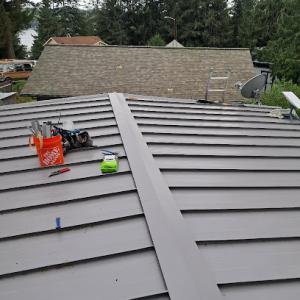
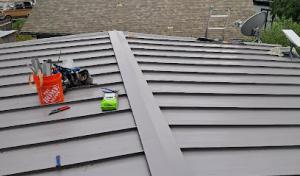
Metal roofing has a strong local specialty presence, reflecting homeowner interest in longer-lived systems that handle constant moisture better than many organic materials. Metal's slug of resilience against moss and rot makes it a practical option for re-roofs where durability matters. Choose a metal with a protective coating suited to coastal air-galvanized or aluminum-zinc blends perform well in salt-tinged environments. Installations should include a solid underlayment and proper clearance from attic vents to prevent condensation pockets. In regions with heavy rain, metal can minimize interior dripping along roof seams, provided the panels are properly lapped and sealed.
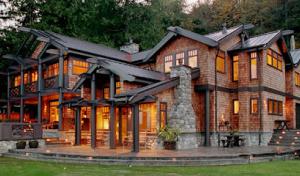
Wood shingles and shakes remain part of the regional material mix, but humidity and moss pressure make maintenance and moisture management especially important compared with drier inland markets. If you lean toward wood for its warmth and texture, expect more frequent cleaning and periodic moss control. Here, a treated or rot-resistant species paired with a dense finish helps, but you'll still need a proactive moss management plan and a professional to re-seal after a few years. Ensure adequate ventilation and a solid planting of overhanging branches away from the roof to reduce shade and moss-friendly conditions.
The long, wet Bremerton season pushes moss growth and moisture into every roof type. Prioritize a preventative maintenance routine: biannual cleanings, moss scrapes where allowed, and prompt replacement when structural decking shows signs of water damage. For any material, ensure proper attic ventilation and a moisture barrier to control condensation. In tight housing clusters or Navy-town neighborhoods, regular maintenance plans pay off by extending roof life and preventing costly underlayment failures. Each option should be evaluated on how well the system manages ongoing moisture, supports moss control, and aligns with the home's roof pitch and condition. In this city, careful selection and timely replacement matter more than heat or hail considerations.
In Bremerton, dry-weather windows are tighter than inland Washington projects. Your reroof plan will likely shift by weather, with rain and high humidity compressing available repair days and delaying material delivery. This can push crews into shorter windows and small delays multiply into cost variability. When budgeting, expect modest premium for scheduling flexibility and potential contingency days, even if the quote shows a clean line item. Typical roof replacement costs reflect this by emphasizing weather-related labor time, rather than a simple material swap.
Heavier materials such as clay or concrete tile fetch higher upfront material costs, and Bremerton's typical residential stock often triggers structural review or reinforcement during permitting. While the field material may be the same, the overall project can require additional framing checks, bracing, or underlayment adjustments to meet load calculations. For clay tile, plan for higher total square-foot pricing in the low-to-mid range of $1,100 to $2,600 per square, with the structural considerations adding to the project scope. Concrete tile sits in a similar tier, $900 to $2,000 per square, but can escalate further if framing work is needed.
Salt-laden air along the harbor makes flashing and metal accessories a frequent source of additional scope. Even when the replacement roofing material stays the same, you may need upgraded or replaced metal components-valleys, caps, flashings, and drip edges-more often than inland projects. Budget for extra fasteners, corrosion-resistant metals, and careful sealing where salt exposure is highest. These items can elevate the overall cost and extend the work timeline if hardware finish matching or replacement is required mid-project.
Asphalt shingles run from roughly $350 to $650 per square. Metal roofing sits higher, about $700 to $1,200 per square, reflecting both material and the need for longer-lasting corrosion protection in this climate. For comparison, wood shingles/shakes typically range $600 to $1,000 per square, while synthetic/composite shingles are commonly $450 to $750 per square. When heavier tiles are chosen, expect the price to rise not only for the tiles themselves but for any necessary structural and flashing upgrades that accompany the installation.
Cloise & Mike Construction
(360) 769-0141 www.cloiseandmike.com
4158 WA-16, Bremerton, Washington
5.0 from 945 reviews
In just one day, you can have an attractive, durable roof that stands the test of time. Choose your roofing material from our large selection, and we’ll construct your roof to match your preferences in no time.
Silverdale Roofing
(360) 979-3324 silverdale-roofing.com
623 Wilbert Ave, Bremerton, Washington
4.7 from 19 reviews
Silverdale Roofing in Bremerton, WA provides expert roof installation, repair, and replacement for homes and businesses across Kitsap County, including Silverdale, Poulsbo, and Port Orchard. Services include metal roofing, shingles, flat roofs and emergency repairs. Known for quality, reliability, and fair pricing, Silverdale Roofing is the trusted choice for durable roofing solutions in the Puget Sound region.

Qualityroofs
B, 4158 WA-16 W Suite, Bremerton, Washington
5.0 from 11 reviews
The Fastest, Easiest, Most Convenient Way to Buy a Roof Online Instantly!
Kitsap Construction
(253) 686-0034 www.kitsaproof.com
Bremerton, WA
4.9 from 10 reviews
Your local trusted roofing contractor. Specializing in residential re-roof, new construction roofing and roof repairs.
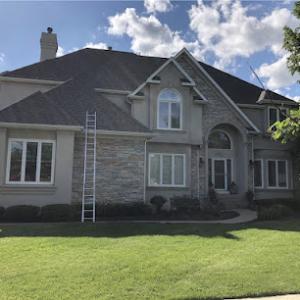
Healthy Homes
(253) 737-6349 healthyhomes.biz
5610 Kitsap Way, Bremerton, Washington
5.0 from 7 reviews
Healthy Homes has been serving our community since 2014. We recently revamped our business and now we are happy to help you with your roofing and exterior needs.
Bayview Roofing
(360) 766-3464 bayviewroofing.com
3987 WA-3, Bremerton, Washington
4.0 from 28 reviews
Located on the Kitsap Peninsula, Bayview Roofing offers a full line of professional roofing services. We are certified installer of Owens Corning, GAF and Malarkey, as well as Butler and Perlins metal. Our estimates are always free, call (360)ROOFING or (360)766-3464 today!
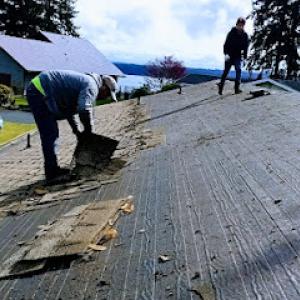
GM Construction & Roofing
2453 Perry Ave, Bremerton, Washington
4.3 from 6 reviews
GM Construction & Roofing is a small construction business located in Bremerton WA. We have 8 years of experience installing roofs and more than eight years working in construction. The three main services we offer in Pierce County, Thurston County, and Kitsap County is Roofing, painting and flooring. Give us a call and we'll go out to inspect your roof, floor or house paint at no cost to you. If you like us and our estimate then lets get your home fixed, if you don't then we go our own way and wish you the best with your home project.
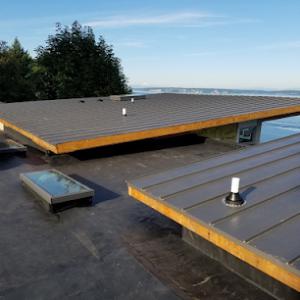
Variety Roofing & Construction
(360) 373-2385 www.varietyroofing.com
1407 NE Dawn Rd, Bremerton, Washington
4.0 from 8 reviews
Roofing Contractor
Hanley Construction
(360) 876-0870 www.hanleyroofing.com
Serving
5.0 from 588 reviews
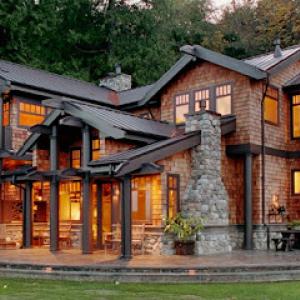
Hanley Construction, located at 250 Bethel Avenue, is your go-to roofing contractor known for delivering top-notch roofing solutions that boost your property's durability and curb appeal. Kitsap County’s trusted roofing contractor since 1980, delivering expert residential and commercial roofing services with a focus on quality and professionalism. Our licensed, factory-trained team specialize Our team is committed to providing reliable and efficient service, ensuring the protection of your home or business against all weather conditions. Choose Hanley Construction for quality roofing services and experience the peace of mind that comes with knowing your roof is in expert hands. Contact us today to elevate your property's value and safety.
Berry Lake Home Services
(360) 443-0123 www.berrylakehome.com
Serving
4.9 from 34 reviews
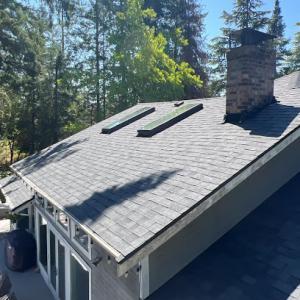
Berry Lake Home Services is a Port Orchard, WA roofing contractor led by a team of experienced owners, dedicated to providing exceptional residential and commercial roof services. We are family-owned and are certified by the SBA and VA as a "Veteran-Owned Small Business."
Hood Canal Roofing
(360) 689-0321 canalroofing.com
Serving
5.0 from 107 reviews
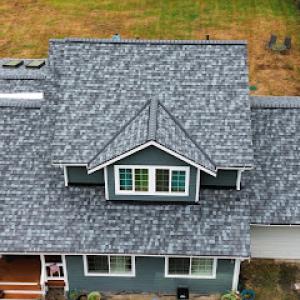
Proudly serving the Puget Sound! We specialize in roof inspections, roof repairs and full roof replacements in Pouslbo, Kingston, Bainbridge Island, Silverdale, Bremerton, Indianola, Suquamish, Gig Harbor, Port Gamble, Port Orchard, Port Ludlow, Hansville.
Next Level Roofing
(360) 209-9227 www.nextlevelroofingquotes.com
Serving
4.9 from 96 reviews
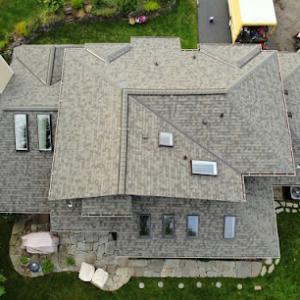
Family owned and operated, certified roofers, licensed, bonded and Insured! With quality craftsmanship and excellent customer care, we bring roofing to the Next Level! Let us come out and give you a FREE estimate today!!
In this city, a building permit is typically required for a full roof replacement through the City of Bremerton Building Department. The permit process is not just paperwork; it signals that the project will be reviewed for code compliance, ventilation, seismic considerations, and proper attachment to the structure. Because Bremerton faces persistent moisture and salt exposure, the permit helps ensure flashing, underlayment, and drainage details are up to current standards and durable enough for the damp climate.
Reroof projects generally involve inspections during the work and again after completion. This means you will plan for at least one mid-process check and a final walkthrough to verify that components are installed correctly and that all work aligns with the approved plan. Expect inspectors to confirm that underlayment continuity, roof penetrations (vent stacks, chimneys), and edge detailing meet the requirements for Bremerton's wet season. The inspections are designed to catch moisture pathways early, before they can cause interior damage or moss-friendly environments.
Clay or concrete tile reroofs in Bremerton may trigger added structural review because of roof weight and load-bearing concerns. The Building Department will assess whether the existing framing and rafter spans can handle the added dead load, and whether any reinforcement is needed. This can influence both the design choices and the project timeline. If you anticipate clay or concrete tiles, coordinate early with your roofer and the permitting office to determine whether structural bracing, additional joists, or upgrades to support columns are required.
Communication with the Building Department should begin during the planning stage. Have your roof plan, product specs, and any structural calculations ready for review. Before submitting, ensure your contractor's scope aligns with local code expectations for ventilation, fascia, soffits, and moisture management, given Bremerton's long wet season. Once the permit is issued, retain the approval card and any stamped drawings, as inspectors will reference them throughout the process.
Inspections are typically scheduled at defined milestones, such as after sheathing, underlayment installation, and flashing details, followed by a final inspection upon completion. Prepare by ensuring all penetrations are properly flashed, gutters and downspouts are securely fastened, and any temporary protective measures are in place to minimize moisture intrusion during construction. Have access to the work site for inspectors, and keep a current set of permits, plan sheets, and material specs on site for review.
After the final inspection, ensure you receive a final approval and any required compliance certificates. This documentation is essential if you later sell the home or need to reference the project for future roof work. For tile reroofs, verify that the inspector has confirmed the structural adequacy for the chosen tile type and that weight considerations are fully addressed in the record. Keeping a clear trail of permits and permit closures helps maintain the home's resilience against Bremerton's moisture-rich environment.
After a weather-related loss, insurers commonly request photos, roof age, and damage documentation. Gather clear shots of the affected areas from ground level and from the roof if safe to do so, plus any prior roof records you have. Note the date of the event, the specific weather conditions, and any immediate interior signs of damage such as staining or drips. Keep a simple log of communication with the insurer, including names, dates, and what was discussed.
Local claims often involve leak tracing after wind-driven rain or storm events rather than hail-driven patterns seen elsewhere. Expect a staged process: initial acknowledgment, a site inspection, and then an assessment of whether the damage can be addressed with repairs or requires more extensive replacement. If interior leaks or condensation are present, document them promptly so the adjuster can connect the dots between exterior conditions and interior effects.
Adjusters in the market typically coordinate with local roofing professionals for inspection and repair assessments before the final replacement scope is finalized. If you already have a trusted local roofer, notify the adjuster and arrange for an accompanying inspection. The goal is to have a clear, mutual understanding of what needs to be repaired now and what may require replacement later, given the long wet season and potential for moisture-related concerns.
During a typical inspection, expect the roofer to trace leaks to their source, assess potential moss-related damage, and check for hidden moisture behind walls or under decking. The inspector will look for signs of ponding, compromised underlayment, and fastener corrosion, which are more common with persistent moisture. If damage is found, request a written scope that details repairs and any necessary temporary measures to prevent further moisture ingress while claims are processed.
After the adjuster visit, you should receive a written estimate and a recommended repair plan. If the estimate favors replacement rather than repair, ensure the plan clearly aligns with moisture management needs and moss considerations typical of the area. Keep all receipts and correspondences organized, and verify that any temporary protections or tarp installations are documented to support the claim timeline.
Connect with contractors who help homeowners navigate the claims process from damage assessment to final approval.
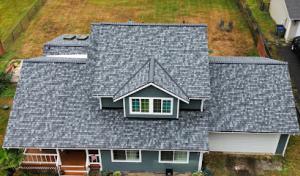
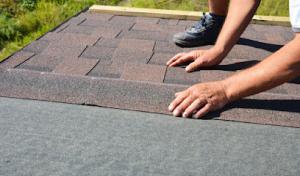

Low-slope drainage performance matters more in this climate because the frequent rain keeps standing water and slow-drying periods lingering through long wet stretches. When a roof has even a modest slope, the water may linger around the edges of the deck, along fascia lines, or near transitions for days at a time. In Bremerton-style homes, that slow moisture turnover shows up as damp shingles, micro-moss patches, and shivering fasteners that lose their bite over months of exposure.
Skylights and roof openings are common bottlenecks for moisture, and the local contractor market shows unusually strong demand for skylight work. Repeated moisture exposure can reveal flashing weaknesses around openings long before the field of the roof shows obvious wear. Pay close attention to the very first five inches around each skylight, chimney flashing, and vent collars. If you notice weeping or staining after a rain, that's your signal to recheck seals, counters Flash, and sealant joints, not just the visible glass or glazing itself.
On homes with transitions between flatter sections and steeper planes, the joints where roof planes meet often become the real trouble spots. Leaks are more likely to start at those transitions, then creep toward the interior through attic vents and ceiling pores. The focus should be on the flat-to-steep interfaces, the booted penetrations, and any edge that could trap water. In practice, that means inspecting every step of the way: from the gutter line to the ridge, down into the soffit, and back out to the eave.
In the long wet season, moss plays a supporting role in trouble progression. Moss can hold moisture against membranes and underlayment, accelerating deterioration at the vulnerable seams and penetrations. A cautious, targeted approach-prioritizing low-slope runs, skylight flashings, and transitions-helps prevent slow leaks that sneak past the main field of roofing and complicate later repairs.
Find specialists in TPO, EPDM, and built-up flat roofing systems for residential and commercial properties.
Silverdale Roofing
(360) 979-3324 silverdale-roofing.com
623 Wilbert Ave, Bremerton, Washington
4.7 from 19 reviews

In a city where rain and salt air demand steady attention, you'll notice Bremerton crews differ sharply between those who can start fast and those who install to last. Separate emergency availability from the core measure of long-term installation quality. Ask how a crew schedules work in prolonged wet spells, how they protect existing structure during roof removal, and who supervises the project each day. A reputable crew will outline a realistic sequence that keeps your home dry while they work, rather than racing to finish.
Cleanup is a major local hiring signal. On occupied residences, the most trustworthy crews treat cleanup as part of the contract, not an afterthought. Look for crews that lay down tarps, cordon off work zones, and remove nails and debris daily. A clean jobsite reduces trips and damage to nearby landscaping, and it reflects a disciplined approach to protecting surrounding siding, gutters, and walkways during a Bremerton winter downpour.
A meaningful share of contractors advertise warranties, which matters in a damp climate where leaks, flashing issues, and workmanship details can surface after the first wet season. Confirm what the warranty covers, how long it lasts, and what conditions apply. Ask for a written explanation of who handles warranty work, how quickly callbacks are addressed after heavy rains, and how wear on flashings and penetrations is reflected in the plan for follow-up service.
Start with local references who can confirm cleanups and dry work areas. Verify the crew's experience with moss-prone roofs and metal-to-shingle transitions common in the housing stock here. Ask how they manage tarp protection during rain, how daily cleanup is logged, and who provides supervision on site. Ensure the contract specifies insurance coverage, a clear start-to-finish timeline, and a process for addressing any unexpected weather-related delays.