
Last updated: Apr 19, 2026
The Tri-Cities climate brings a long dry spell in late spring through early fall, followed by wetter, cooler winters. For a roof replacement, that means the best window is the dry, consistently warm stretch when roofing crews can dry in the underlayment and sealants without rain interruptions. In this stretch, longer days and lower humidity help the roof system cure properly and membranes set without early morning dew or overnight freezing issues. Plan your tear-off and installation to start after the last expected freeze and finish before the first aggressive heat of late summer. If a weather pattern tightens up around late June or July, you'll want to compress the schedule so no portion sits exposed to the peak sun for too long, which can accelerate underlayment drying and adhesive curing beyond recommended times. For ranch-style homes and newer suburban builds common in the area, the roof deck often dries best in a steadily warm, dry sequence rather than a rushed weekend blitz in a sporadic warm spell.
Pasco sits in the dry Columbia Basin, so roofs face stronger UV exposure and hotter summer roof-surface temperatures than western Washington. That means certain materials will age faster if exposed to peak sun without adequate ventilation and radiant barrier considerations. When selecting a roofing material, consider how the surface temperature under direct sun can affect shingle or tile aging, color fading, and the performance of sealants and coatings. A lighter-colored or reflective surface can reduce heat buildup and extend the life of the roof assembly in this climate. Insist on a roof system with a well-vented attic and, if possible, an air-gap or radiant barrier to curb heat transfer into the interior and to slow thermal cycling that can stress fasteners and underlayment. In practical terms, schedule ventilation inspections as part of pre-replacement planning, and confirm that soffit, ridge, and gable venting are balanced to minimize hot zones along long roof planes.
Winter rain and freezing temperatures complicate tear-off, drying, and sealing. In Pasco, moisture can linger on deck surfaces, and sudden temperature swings promote condensation and adhesive struggles. If a replacement must occur during the shoulder seasons, ensure a robust plan for weather breaks and temporary protection that guards exposed underlayment from rain and wind. The timing should favor a dry stretch after melt-freeze cycles clear and before first significant Arctic cold snaps set in. Slush and damp decks can undermine the performance of self-sealing asphalt membranes or polymer-modified underlayments, so coordinate closely with the roofing crew to stage the tear-off to avoid long-term exposure of the roof deck. If winter weather intrudes, consider temporary repairs to secure flashing and vent penetrations, with a firm follow-up installation when conditions improve.
Spring wind and hail events are a recurring local concern in the Tri-Cities area and can suddenly shift homeowners from planned replacement to insurance-driven repairs. Even when a full roof swap is on the schedule, a sharp hail event or a strong spring windstorm can create new damage that changes the scope. Build in a contingency window for inspection after storms, and align pre-inspection timing so you can quickly document damage, file claims if needed, and decide whether to proceed with a planned replacement or switch to a repair-focused approach. The season's volatility means the best-laid plan should include flexible sequencing: if hail reports predict a storm front, have a standby crew and a staged material delivery plan that can be accelerated or deferred without losing the dry-season advantage. For long, low-slope ranch roofs, wind-driven debris may expose underlayment seams; ensure that edge detailing and sealant compatibility are reviewed in advance, so a storm doesn't complicate the final flashing and water shedding.
Different roof types respond to Pasco's climate in distinct ways. Asphalt shingles tolerate the heat but may shorten life under extreme sun without proper ventilation, while metal roofs can reflect heat but need careful coating and seam protection against wind-driven rain and hail. Clay and concrete tiles offer durability but are heavier and may demand structural checks before replacement. Wood shingles or shakes require attention to rot and moisture management, especially after freeze-thaw cycles. Synthetic or composite shingles can provide balanced performance with good UV resistance and flexibility, but installation quality and underlayment choice still drive long-term outcomes. Align your replacement timing with the chosen material's seasonal install sweet spot, ensuring dry weather, adequate ventilation, and a plan to manage spring wind and hail risks.
Spring in this region brings intense wind, sudden hail, and freeze-thaw cycles that shape roof lifespans differently from coastal areas. When a storm rolls through after those long Pasco dry spells, you're likely to see wind-driven shingle lift, granule loss, and hidden leaks that worsen with every sun-soak and freeze. The loudest alarms come from spring storms that pop up with little notice, leaving damaged edges and fasteners exposed to the next gust. This is not a quiet, steady wear-and-tear story-it's rapid, storm-driven wear you can feel in real time.
After the next round of storms, you should check for obvious signs: lifted shingles, exposed underlayment, and granules washing into gutters. But many issues hide under the surface-soft spots, damp insulation, or sagging in low-slope areas. In this climate, a timely roof check is critical because small problems quickly become costly repairs if left unattended. When you inspect, do so with a flashlight from inside the attic to spot stains, mold, or daylight peeking through decking. Photograph everything you see, focusing on corners, valleys, and protrusions around vents and chimneys.
Detailed photo documentation matters locally. Washington adjusters commonly request date-stamped images, contractor findings, and prompt reporting after damage. Keep a simple, consistent record: daylight-only photos of the roof surface before and after storms, close-ups of damaged flashing, and wide-angle shots showing the overall roof condition. Include a calendar note of when the storm hit and what you observed in the days that followed. If you can, gather a quick note from a trusted contractor about preliminary findings and attach it to the photo set. This speeds claim validation and reduces back-and-forth with the insurer during a busy season.
In Pasco, storm demand can tighten contractor availability during active weather periods, affecting scheduling for both emergency tarping and full replacement. If a roof is compromised by wind or hail, time is of the essence. Have a plan for immediate tarping to prevent water intrusion, then secure a prioritized assessment with a reputable local roofer as soon as the weather allows. If a storm hits during peak season, expect delays; you can mitigate this by initiating documentation quickly and securing a written assessment and repair plan so adjustments and crews can align when openings appear. Stay proactive: timely inspections, precise photos, and clear, professional findings accelerate a safe, durable fix.

Roof Maxx of Tri-Cities/Walla Walla
(509) 440-5536 roofsaverstricities.com
Pasco, Washington
5.0 from 140 reviews
Roof Maxx’s technology allows millions of micro-beads of all-natural oil to penetrate your old brittle roof. This process restores your roof’s flexibility and waterproofing protection preserving the life of your roof.
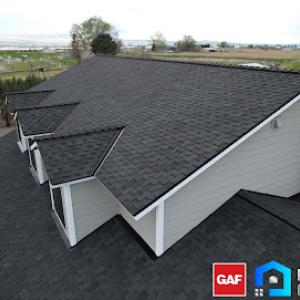
Pantoja's Construction
720 W Henry St, Pasco, Washington
5.0 from 54 reviews
Family owned business located in Tri-Cities, Washington. Serving the surrounding areas of Tri-Cities, Idaho and Oregon State. We provide quality work and competitive prices whether is Commercial or Residential. New Roof, Re-Roof, and Siding. 17+ Years of Experience
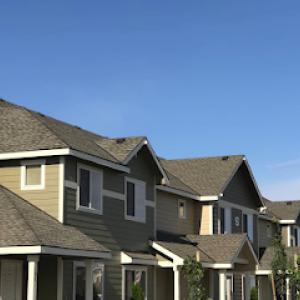
Columbia Roofing
(509) 412-1799 columbiaroofinginc.com
1904 N 4th Ave, Pasco, Washington
5.0 from 70 reviews
🛡️ Shielding Your Home with Unmatched Expertise 🏠 Choose Us for a Roof That Lasts! Columbia Roofing INC is a leading roofing company, committed to providing top-quality roofing services and solutions 🏗️. 🛠️ We are proud to have a team of highly skilled, experienced, and dedicated professionals, who strive to deliver excellence in every project we undertake. 📧 Email: columbia.roofing@hotmail.com
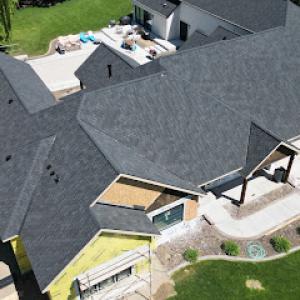
Above the Rest Roofing
(509) 430-2709 roofingabovetherest.com
440 Locust Water Rd, Pasco, Washington
4.9 from 75 reviews
Above the Rest Roofing, Inc., serving Pasco and the Tri-Cities since 2003, is a trusted local roofing company specializing in residential roofing, commercial roofing, roof repairs, roof installations, and complete roof replacements. Our skilled roofers handle EPDM roofing, TPO flat roofs, and durable metal roofing with precision, as well as gutter installation and siding installation to protect and enhance your property. We also assist with roof insurance claims for stress-free solutions. With decades of experience, quality workmanship, and a commitment to customer satisfaction, we deliver roofing services that stand the test of time.
Royal Roofing
(509) 547-8475 royalroofing.pro
1620 Superior St, Pasco, Washington
4.7 from 222 reviews
Top 2% GAF®-certified residential and commercial roofing contractor serving Eastern Washington and surrounding areas for over 20 years. Contact Royal Roofing to receive a complementary estimate, learn about our lifetime product warranty, and explore our hassle-free financing options.
Northwest Roofing & Exteriors
(509) 919-2955 northwestroofingandexteriorsllc.com
5204 Cleveland Ln, Pasco, Washington
5.0 from 22 reviews
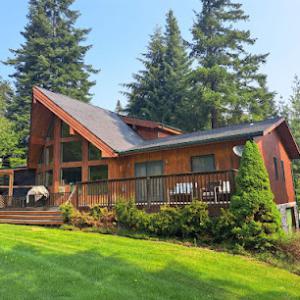
At Northwest Roofing & Exteriors we provide quality you can count on. With over 20 years experience we pride ourselves on making sure our customers are happy. Our services include repairs, siding, shingle, metal work, and TPO for both residential and commercial properties. We are proud to offer competitive prices and financing solutions to help any budget. Let us give you a free quote. We would love to earn your business. Please visit our Facebook page for more information.
CentiMark Corporation
(509) 572-9507 www.centimark.com
3115 Rainier Ave, Pasco, Washington
5.0 from 3 reviews
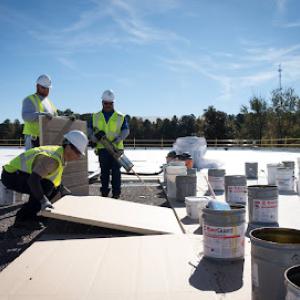
CentiMark in Tri-Cities, WA is a leading provider of customized roofing solutions for our unique region. We understand the specific challenges that come with our local climate - high wind conditions, temperature fluctuations and occasional heavy rainfalls that can cause roof damage such as leaks, wind uplift and temperature-related stress. Our team of professionals is experienced in quickly identifying these issues and providing effective solutions. From minor repairs to complete roof replacements, we use top-grade materials designed to withstand our local weather conditions. Depend on CentiMark for durable, reliable roofing that protects your property throughout the year in the Tri-Cities area.
Roof Masters Construction
(509) 309-8240 www.roofmastersconstructionllc.com
407 W Sylvester St, Pasco, Washington
5.0 from 1 review
Are you looking for solid construction at great prices? Then look no further! Roof Masters Construction is your ideal solution.
Quality Roofing
(509) 491-0521 qualityroofingkennewick.com
Serving
5.0 from 78 reviews
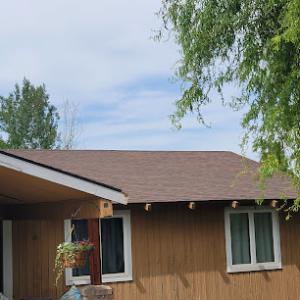
Quality Roofing is a locally-owned roofing company serving the needs of homeowners. Our roofing contractors provide roof inspections, roof replacements, roof repairs, and new construction roof installation. We remove the burden from our valued customers by managing the entire process. We pride ourselves on taking great care of our customers and providing the utmost respect to their homes from inspection to replacement. We are excited to be experiencing fast and steady growth over the last few years.

Palmer Roofing Company
(509) 586-3741 www.palmerroofing.net
Serving
4.8 from 47 reviews
With over 50 years of experience in the roofing industry, trade-leading technology, and award-winning customer service Palmer Roofing Company provides quality craftsmanship for both residential and commercial roofing consumers in both Washington & Oregon.

Black Diamond Roofing
(509) 943-7663 www.bdrcinc.com
Serving
4.9 from 265 reviews
Black Diamond Roofing & Construction, Inc. is home to the top roofing contractor in the Richland, WA area. Since 2003, we’ve helped thousands of residential and commercial building owners with their roofing needs. Whether you need help with a quick fix or a full roof replacement, you can depend on us to do the job right. Live outside of the Tri-Cities (Richland, Pasco, Kennewick)? No problem-we offer service up to 250 miles outside of the greater Richland area. Call us now at (509) 943-7663 now to speak with a roofer you can trust. We also do siding and solar tubes/sun tunnels! Certified by GAF, Malarkey, Owens Corning, and Brava. #ShineBrightBuiltRight
A&A Roofing Services
Serving
5.0 from 291 reviews
A&A Roofing Services in Kennewick, WA provides expert roof replacements and professional roofing solutions for homes and businesses across the Tri-Cities. Our skilled contractors handle tear-offs, re-roofs, and new installations designed to withstand Eastern Washington’s unique challenges, including high winds, heavy rain, and extreme temperature swings. We also repair leaks, replace aging shingles, and restore storm-damaged roofs to keep properties safe and looking their best. Known for reliable service and quality workmanship, we take pride in protecting local homes year-round. A&A Roofing Services is licensed, insured, and trusted in Kennewick as experienced roofing contractors committed to excellence.
Asphalt shingles are common in Pasco, and they handle the swing from hot, dry summers to cold winter mornings with decent performance-provided you take care of the basics. The hot season accelerates sun exposure, so the asphalt edges and tab detailing wear faster than in milder markets. To slow that aging, prioritize closed-cut edges, regular attic ventilation to reduce attic heat, and a roof color that reflects rather than absorbs more radiant energy. In windy stretches, look for shingles with good tab adhesion and a wind-rated installation. Remember that in this climate, shingle granule loss and softened asphalt on intense summer days can shorten service life if underlayment or roof deck ventilation isn't adequate. If you're weighing replacements, consider upgrading underlayment and sealing around penetrations to minimize soak-back during winter thaw cycles.
Metal roofing fits Pasco's climate well because it handles sun, wind, and hail better than many lighter systems. It reflects sun, resists impact, and sheds moisture quickly during freeze-thaw cycles. The key practical considerations are noise and trim details. In homes with open eaves or vaulted ceilings, rain or hail can be noticeably louder inside, especially on metal panels without sound-dampening underlayment. Noise-friendly attic spaces or roof deck installations can mitigate this. Pay careful attention to trim detailing along the eaves, rakes, and around chimneys and vents, since windy days can drive wind-driven rain or hail under poorly sealed joints. A robust fastener pattern and proper sealing around panel overlaps are essential in this climate, where rapid temperature swings stress metal connections. If you're replacing a shingle roof with metal, confirm compatibility with existing skylights and flashing, and plan for a ventilation strategy that keeps attic temperatures in check.
Clay and concrete tile appear on some higher-end homes in the Tri-Cities, but their weight and underlayment performance become important where roofs see both summer heat and winter moisture. The heavy tiles demand a structural check to ensure the deck can support the load over long roof spans. Heat can cause tiles to expand and contract; ensure a careful installation with proper expansion joints and continuous underlayment. In winter, the need for a moisture-tolerant, well-sealed underlayment under tile is pronounced to prevent membrane failure from freeze-thaw cycles. If a clay or concrete tile roof is your target, plan for a roof assembly that prioritizes proven underlayment systems and appropriate fasteners designed for tile. Pay attention to flashing details at hips and valleys, where heat-driven movement can reveal vulnerable joints after a few hot summers followed by cold snaps.
Across all these options, routine inspections after spring storms and at the end of winter help catch wind damage, hail impact, or moisture intrusion early. In this climate, dried-out underlayment or compromised flashing can escalate quickly once the first thaw hits. Schedule proactive resealing, flashing adjustments, and vent checks on a predictable cycle so additional moisture doesn't creep under the chosen roof system. The best choice balances heat resilience, wind and hail tolerance, and the ease of maintenance in the Tri-Cities' signature mix of sun and freeze.
Using local ranges, Pasco roofing costs run about 350 to 800 USD per square for asphalt shingles, 700 to 1500 for metal, 1000 to 2400 for clay tile, 900 to 2000 for concrete tile, 650 to 1200 for wood shingles or shakes, and 500 to 1100 for synthetic or composite shingles. On common suburban ranches and newer developments, these ranges reflect the mix of lighter-weight asphalt and heavier tile or metal systems that homeowners often choose to match the Tri-Cities' practical climate and visual preferences. If you're upgrading a roof that's failing in Pasco's hot summers and cold winters, expect the higher end of the range for longer-lasting materials or if your roof structure needs extra support to carry heavier tile or metal. In other words, your square-foot price isn't just about the material; it's about how the system will perform through sun, wind, ice, and hail in this specific climate.
Costs in Pasco can rise after spring storm demand spikes because the Tri-Cities contractor schedule tightens when many homeowners seek inspections and replacements at once. That surge isn't just about material availability; crews book out, and emergency or rushed replacements can push labor hours higher. If you're comparing bids in late spring, you may see a premium for expedited timelines or a schedule that accommodates all the hail-driven inspections. Planning ahead for a shoulder-season project-late spring or early fall-can help you lock in favorable pricing and avoid the sprint that follows major storm events.
Material choice affects local labor pricing because heavier tile systems, metal detailing, and tear-off of older layered roofs are more labor-intensive than standard shingle replacement on common suburban rooflines. For clay or concrete tiles, expect additional handling, potential rework to address broken tiles, and careful underlayment or flashing work to prevent leaks during Pasco's freeze-thaw cycles. Metal roofs bring precision detailing, trims, and installation of battens or standing seams, which can add to the labor hours and cost. Asphalt and synthetic shingles tend to be the most predictable and quickest to install, but even these can rise in price if the crew must perform extensive tear-off of older layered roofs. If your roof has more than one slope, extra penetrations, or a higher pitch, labor costs can climb regardless of material, so factor that into your budgeting.
A full re-roof in Pasco typically requires a building permit issued by the City of Pasco. The process reflects the community's mix of hot summers, cold winters, and wind-hail events, where proper ventilation, flashing, and attic protection are crucial to long-term performance. Skipping a permit or rushing the plan review can lead to delays that stretch into the worst part of a dry season, when your crew is counting on dry weather windows to complete work.
The local process generally includes plan review before any shingles come off or materials get ordered. You'll submit construction plans that show the roof deck condition, attic ventilation, drainage, and any re-flashing around chimneys, vents, and skylights. In hot, sun-baked summers, the plan review also screens for adequate underlayment and venting to prevent rapid heat buildup and moisture traps. Expect back-and-forth with the reviewer if the roof slope or existing penetrations raise questions.
Permit issuance follows once the plans clear the review. A key detail in this city-administered path is confirming who is listed as the permit holder. The homeowner might expect the contractor to hold the permit, but the city requires a clear designation. If the contractor signs as the permit holder, ensure you retain written assurances about who is responsible for scheduling inspections and addressing any deficiencies that arise during the job.
Inspections occur at well-defined milestones: after the roof deck is prepared and underlayment is installed, after the new roofing material is laid and flashings are secured, and finally after all penetrations are sealed and any vents or exhausts are reconnected. In Pasco's climate, inspectors pay particular attention to proper ice and water shield placement in valleys, flashing at eaves, and the integrity of ridge vents to withstand spring winds and occasional hail. The weather window can affect timing, so coordinate with the inspector to avoid weather-induced delays.
The final inspection confirms the project meets the approved plan and local building codes. That last step isn't merely a formality; it ensures your ventilation, drainage, and fire-blocking details are in place to withstand Pasco's freeze-thaw cycles and summer heat. If something is missed, the permit may be flagged for follow-up work, which can stall your occupancy or the next big project on the calendar.
Pasco remains a steady roof-claim market, driven mainly by wind, hail, and weather damage rather than a statewide insurance retreat from the area. That means a fast-moving storm can trigger multiple claims across neighborhoods, so preparation and documentation matter more than ever after a hail event or a windy day. Expect adjusters to prioritize clear storm-related evidence over roof age when evaluating recent damage.
Washington carrier practices commonly require detailed contractor information, post-damage assessment notes, and timely claim reporting. In practice this means your claim should include a contractor you trust who can provide a professional inspection, a written scope of work, and photo documentation showing the roof condition before and after the event. Keep records of wind-driven debris, granule loss, and any edging or flashing damage that appears after a storm. The more visible, date-stamped evidence you can present, the smoother the process.
After a wind or hail event, walk the roof only if it's safe, and use a ladder to capture high-resolution photos of shingles, flashing, and vents. Photograph any obvious creases, cracks, missing granules, or displaced seals. Take interior photos of signs of leaks, such as staining on ceilings or attic condensation. Keep a repair timeline in writing, noting dates when you first noticed issues and when you contacted your insurer or a contractor. If an adjuster visits, have your contractor's contact handy to corroborate the assessment notes with a professional inspection.
In Pasco, the interruption window for weather-related damage tends to cluster around spring and late summer storms, with winter freeze-thaw cycles adding risk to older roofs. When scheduling a review, coordinate with your insurer to align the inspection with recent weather events and the most current building conditions. If an issue isn't documented promptly, expect questions about post-event evidence rather than price alone.
In Pasco, heat-related shingle wear shows up as accelerated granule loss, curling edges, and reduced flexibility on hot afternoons. The persistent summer sun can dry out asphalt and synthetic shingles, making edges more susceptible to wind uplift. When gusts sweep across the Palouse-like plains, loose or overdriven fasteners, lifted edges, and small blows to the ridge line become common failure points. The result is a roof that looks fine after a dry spell but starts showing curled corners or lifted tabs after a windy day or heat wave. You should pay attention to any shingles that look wavy or have patches where granules have shed, especially along southern exposures and the roof's high slope where sun exposure is strongest.
Hail events in spring can bruise the surface without obvious shingle breakage, pushing granule loss deep into the mat. Bruised areas may appear as dark spots that age more quickly, leading to accelerated wear and exposed underlying layers. Winter moisture followed by freezing temperatures exposes flashing and underlayment weaknesses on roofs that looked fine during the dry season. Freeze-thaw cycles drive hairline cracks in sealants around penetrations, vent boots, and flashing joints, allowing moisture to migrate into the underlayment and deck. In practice, this means a roof might pass a dry-season inspection but reveal leaks after a cold snap, storms, or a sudden warm spell that thaws accumulated moisture.
Wood shake and shingle roofs in the Tri-Cities need close monitoring because the region's dry heat can accelerate splitting and weathering. Excessive sun exposure makes fibers brittle, increasing the likelihood of random cracks and edge checks. Wind and dust abrasion wear away surface protection, inviting faster degradation along exposed ridges and surfaces that face prevailing winds. In addition, any existing gaps or compromised sealants around vents and chimneys can become starting points for water intrusion as moisture levels shift with the seasons. Regular inspection should focus on split shingles, cracks that widen with sun exposure, and signs of surface feathering or curl that indicate accelerated aging.