
Last updated: Apr 19, 2026
Kennewick's hot, dry summers deliver intense UV rays that hammer exposed roofing components and underlayment. The sun's energy accelerates aging of asphalt shingle surfaces, exposed fasteners, and sealants, and it can dry out underlayment faster than expected. Over time, this can lead to granule loss on shingles, softer edges, and a higher likelihood of small leaks during sudden showers. For metal roofs, UV exposure can cause color fading and surface oxidation, while clay or concrete tiles may experience glaze cracking or spalling in spots where sun exposure is most extreme. In practical terms, plan for more frequent inspections of any roof penetrations, vents, and flashings-these are common failure points that feel the strain first after a hot season. If you notice chalky residues, granule loss, or chalking on the shingles, treat these signals as the early warning signs of UV-driven aging.
Cold winter conditions in this area add thermal cycling stress that compounds UV effects. In summer heat, the roof expands; in winter, freezes contract, and that repeated expansion and contraction stresses fasteners, flashing, and the underlayment. Over several cycles, this can loosen seals, widen small cracks, and loosen ridge and hip cap or valley details. The cycle is especially hard on roofs with flat or nearly flat angles, or where attic ventilation is insufficient and daytime heat creates trapped moisture. Even if winter freezes are occasional, the repeated swings are cumulative: small leaks can become larger leaks, and tiny gaps can become spots of moisture intrusion. The practical takeaway is to treat the roof as a system-shingles, underlayment, vents, and flashing each play a role in resisting thermal cycling.
Dry, moderate weather is typically the best reroof window for this area because it reduces moisture-control problems compared with winter snow or freezing periods. When planning a replacement, target a stretch of late summer to early fall, once the hottest days have passed but before the first significant cool-down. This timing helps ensure adhesives cure properly and sealants set without being compromised by rain or damp cold. If a repair is necessary, prioritize sealing around roof penetrations, flashing joints, and valley intersections before winter sets in to minimize moisture ingress during freeze-thaw cycles. Remember that underlayment and flashing are your first line of defense against UV and thermal stress; keeping these components in good shape pays dividends through peak heat and the coldest months.
Different roof types respond in distinct ways to the combination of UV and thermal cycling. Asphalt shingles show accelerated granule loss with UV exposure and can be prone to curling at edges after many cycles; metal roofs resist impact better but may show surface wear and color fade more quickly in direct sun; clay and concrete tiles handle heat well but can crack if fasteners or battens fail during winter contraction; wood shingles/shakes offer natural perfomance but can suffer from UV drying and moisture issues if underlayment isn't sound; slate provides durability but benefits from meticulous flashing and venting to guard against thermal movement. In all cases, ensure attic ventilation is balanced to minimize heat buildup, and verify that attic insulation maintains a stable temperature to reduce the intensity of thermal swings on the roof deck. Regular inspections after summer and before winter help catch issues triggered by UV and cycling before they escalate.
Spring windstorms and hail are a real, recurrent threat to homes on the high-desert edge. In this market, roof damage can show up in cracks along flashing, missing or lifted shingles, dented metal, and compromised penetrations like vent pipes or chimney boots. The damage often hides under a visual roof skin, but wind-driven debris can pry tabs, lift tabs, and accelerate granule loss on asphalt shingles. If you've just survived a storm, assume you have more to inspect than what's visible from the ground. Act quickly to document everything, because local project backlogs can delay repairs when the phone lines start ringing with other neighbors who need help.
Insurance claims follow a pattern here: adjusters want clear proof of pre-loss condition plus storm-specific damage. Take fresh, well-lit photos from multiple angles before anything is touched, and keep a running record of dates, wind speeds you heard reported, and hail sizes if you measured them or can verify from a neighbor's storm reports. Measure any warped or lifted edges, torn flashing, or dented items, and note any interior signs of water intrusion, such as damp attic insulation or ceiling stains. Gather contractor estimates that spell out scope, materials, and timelines. If you have access to existing roof specifications or a recent warranty card, include those to anchor the claim in the roof's true age and construction.
Focus on shingles and flashing first, since those are the most common failure points in episodic events. Look for lifted tabs, granule loss, and any edge curling that could expose underlayment. Inspect valleys, drip edges, and boot connections around vent pipes and chimneys; these are typical wind and hail targets. In addition, check the skylight frames and any antenna mounts or satellite dishes for movement or cracks. If you see moisture staining in the attic or near penetrations, flag it as urgent. In Washington's climate, a compromised seal or torn flashing can cascade into interior damage after a freeze-thaw cycle, so timely triage is essential.
Roof age and material influence coverage decisions, so documenting the pre-loss condition matters. If the roof is near the end of its expected life or if material wear is evident, the adjuster will weigh replacement against repair more aggressively. When in doubt, err on the side of thorough documentation and a detailed estimate from a contractor. Quick, precise reporting helps prevent backlogs from stalling legitimate repairs and protects the long-term integrity of the roof system.
Find local contractors experienced in assessing and restoring roofs after hail, wind, and severe weather events.
A&A Roofing Services
7105 W Hood Pl Ste. A-101, Kennewick, Washington
5.0 from 291 reviews

Palmer Roofing Company
(509) 586-3741 www.palmerroofing.net
722 N Hartford St, Kennewick, Washington
4.8 from 47 reviews
A+ Roofing
(509) 948-7775 www.aplus-roofingspecialist.com
3921 W 10th Ave, Kennewick, Washington
4.7 from 56 reviews
A&A Roofing Services
7105 W Hood Pl Ste. A-101, Kennewick, Washington
5.0 from 291 reviews
A&A Roofing Services in Kennewick, WA provides expert roof replacements and professional roofing solutions for homes and businesses across the Tri-Cities. Our skilled contractors handle tear-offs, re-roofs, and new installations designed to withstand Eastern Washington’s unique challenges, including high winds, heavy rain, and extreme temperature swings. We also repair leaks, replace aging shingles, and restore storm-damaged roofs to keep properties safe and looking their best. Known for reliable service and quality workmanship, we take pride in protecting local homes year-round. A&A Roofing Services is licensed, insured, and trusted in Kennewick as experienced roofing contractors committed to excellence.
Quality Roofing
(509) 491-0521 qualityroofingkennewick.com
331 E 27th Ave, Kennewick, Washington
5.0 from 78 reviews
Quality Roofing is a locally-owned roofing company serving the needs of homeowners. Our roofing contractors provide roof inspections, roof replacements, roof repairs, and new construction roof installation. We remove the burden from our valued customers by managing the entire process. We pride ourselves on taking great care of our customers and providing the utmost respect to their homes from inspection to replacement. We are excited to be experiencing fast and steady growth over the last few years.

Palmer Roofing Company
(509) 586-3741 www.palmerroofing.net
722 N Hartford St, Kennewick, Washington
4.8 from 47 reviews
With over 50 years of experience in the roofing industry, trade-leading technology, and award-winning customer service Palmer Roofing Company provides quality craftsmanship for both residential and commercial roofing consumers in both Washington & Oregon.
A+ Roofing
(509) 948-7775 www.aplus-roofingspecialist.com
3921 W 10th Ave, Kennewick, Washington
4.7 from 56 reviews
We are family owed local roofers for 30 years of experience. OUR NAME SAYS ALL. " The best of the best" great job. Great reasonable estimate with higher quality roofing materials and a good warranty craftsmanship contract.
A & S Roofing
(509) 947-1123 asroofingllcwa.com
200802 E Game Farm Rd spc 230, Kennewick, Washington
5.0 from 17 reviews
At A & S Roofing, we have been the trusted roofing contractor serving Kennewick, WA, and surrounding areas with 20+ years of experience. Our experienced team specializes in a wide range of services, including attic venting, gutter installation, re roofing, roof inspection, and more. With a keen eye for detail and a commitment to quality, we deliver exceptional craftsmanship and durable roofing solutions. We prioritize customer satisfaction by offering competitive pricing, timely project completion, and outstanding customer service. Choose A & S Roofing for reliable and professional roofing services that protect your property and enhance its curb appeal.
Perfect Circle Construction
(509) 735-1178 perfectcircleinc.com
6320 W Clearwater Ave, Kennewick, Washington
5.0 from 15 reviews
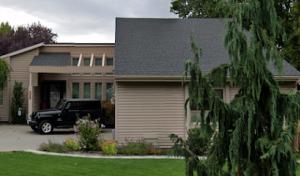
Perfect Circle Construction is a top-rated roofing contractor based in Kennewick, WA, serving Richland, Pasco, and the Tri-Cities area for 40 years. We specialize in residential and commercial roofing, including roof replacement, roof repair, and storm damage restoration. We’re also experts in skylight installation and sun tunnels, helping homeowners bring natural light into their spaces. As GAF-certified roofers, we install energy-efficient, long-lasting roofing systems backed by industry-leading warranties. Our family-owned, licensed, and insured company is known for trusted service, quality workmanship, and roofing solutions built for the Tri-Cities. Request a free estimate on our website.
Do Right Roofing - Chimney Skylight, Vents, Metal Roof Repair, Roof Replacement in Kennewick WA
(509) 231-8831 dorightroofers.com
428 S Buntin St, Kennewick, Washington
5.0 from 14 reviews
We started our roof repair and replacement company in 2012, but have over three decades of relevant industry experience behind us. Throughout the years, we have handled countless projects for numerous residents in Kennewick, WA, and we will gladly assist you as well. At Do Right Roofing, we will do our best to accommodate all your demands because your satisfaction is our main priority. Discover a competent and dependable partner in us!
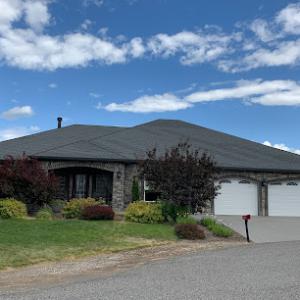
Tri-Cities Roofing
(509) 430-5925 tri-citiesroofing.com
518 1/2 W Columbia Dr, Kennewick, Washington
4.7 from 14 reviews
Reroof and roof repair
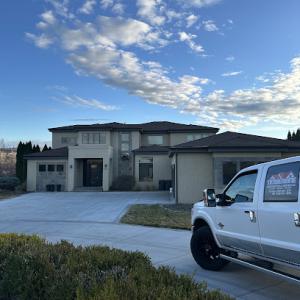
Timberline Construction & Roofing
(509) 539-9277 timberlineconstructionroofing.com
7511 W Arrowhead Ave Suite H, Kennewick, Washington
4.6 from 11 reviews
Timberline Construction & Roofing is committed to excellence in every aspect of our business. We uphold a standard of integrity bound by fairness, honesty and responsibility in all of our jobs. We are a locally owned and operated business with more than 25 years of experience operating out of Tri-Cities, serving all of Washington State, NW Idaho and surrounding areas. There is no job too big, or too small for our team. Call today and let us put our residential and commercial construction experience to work for you!
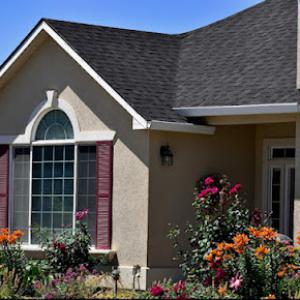
Silverbow Roofing
(509) 586-1015 www.silverbowinc.pro
3718 W 15th Ave, Kennewick, Washington
4.2 from 22 reviews
35+ Years of Excellence Started in 1987 with just a dream, a Chevy, and a 3-man crew, Silverbow Roofing has always been committed to delivering unmatched roofing services to our community. At the time, we specialized in shingle re-roofs and hot asphalt roofing and have slowly expanded to become Kennewick’s most trusted one-stop shop for complete exterior makeovers.
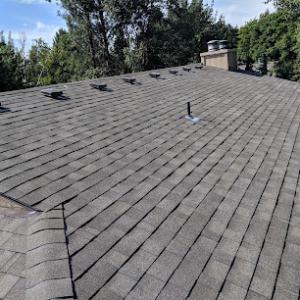
Mid Columbia Integrity Roofing
(509) 378-0590 mid-columbiaintegrityroofing.com
224227 E Access Pr SE, Kennewick, Washington
5.0 from 5 reviews
About us Mid-Columbia Integrity Roofing, LLC, prides itself on superior customer service and would love the opportunity to show you what experience and expertise can mean for the overall value of your project. We're proud to offer the highest quality, most unique merchandise on the market today. From our family to yours, we put lots of love and careful attention in each item. We hope you enjoy our work as much as we enjoy bringing it to you.
Alliant Roofing Company
(833) 228-8622 www.alliantroofing.com
Inside Connect Workplace, 8350 W Grandridge Blvd Ste 200, Kennewick, Washington
5.0 from 2 reviews
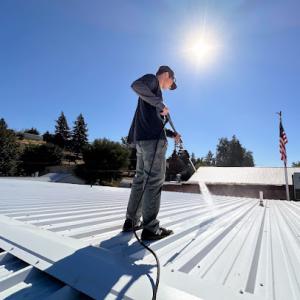
Contact Alliant Roofing Company for all of your commercial roofing needs: inspection, maintenance, repair and replacement. Avoid the costly business disruptions a leaky roof can cause. Call Alliant Roofing today to schedule a FREE commercial roof estimate!
The dominant roofing materials used in Kennewick include asphalt shingles, metal roofing, clay tile, concrete tile, wood shingles or shakes, and slate. Each has its own strengths when faced with the Tri-Cities climate, but the choice often comes down to how well the material handles heat, UV exposure, and dramatic temperature swings. Asphalt shingles are common for their balance of cost and performance, while metal roofing offers strong UV resistance and wind durability. Clay and concrete tiles bring a classic look and excellent thermal mass, but they come with weight and structural considerations. Wood shingles or shakes add a distinct texture but can demand tighter maintenance. Slate remains a premium option with impressive longevity when your structure can support the weight.
In this region, heat and UV exposure in the long dry summers accelerate surface aging of many roof systems. The sun's UV rays break down protective coatings and can make asphalt shingles curl or become brittle sooner than you expect, while metal roofs resist UV damage but may suffer from thermal expansion if fasteners aren't properly engineered. Winter brings freeze-thaw cycles that push and pull at roofing joints and flashings. Those thermal movements can create hairline cracks or gaps if the roof was not designed with adequate expansion in mind. So, when you're evaluating replacement timing, tie expectations to heat and freeze cycles rather than moisture alone. A roof that remains sealed against rain is still vulnerable if it can't tolerate repeated heating and cooling without compromising its seals or fasteners.
Tile and slate systems can offer exceptional durability and curb appeal, but they behave differently in this climate. In Kennewick, where summer heat is intense, those heavy assemblies transmit more stress to the structure. Replacement or repairs involving tile or slate should include a careful assessment of structural support, joist spacing, and attic ventilation. In many homes, switching to a heavier assembly necessitates reinforcing roof framing or adjusting attic strategies to maintain proper load paths and reduce heat buildup in the attic space. If a tile or slate retrofit is on the table, you'll want a professional assessment of roof deck condition, underlayment compatibility, and the feasibility of maintaining adequate drainage and ventilation throughout the project.
When you choose a roof type, consider how heat will affect colorfastness and material expansion. Lighter color asphalt shingles and metal roofs tend to reflect more heat, helping with cooling loads, while darker options can accelerate aging under intense sun. For steel or aluminum, ensure the panel profile and fastener system accommodate thermal movement to prevent leaks. If you lean toward clay or concrete tile, plan for a structural evaluation early to confirm the deck can support the weight and that the installation includes proper underlayment and venting. For wood shingles or shakes, stay on a strict maintenance schedule to address UV drying and potential moss or mold in shaded corners, especially after a few years of dry heat followed by wet springs. The aim is to align your replacement or upgrade plan with the cycles that actually stress the system-heat and freeze-so you can optimize durability and performance over time.
You'll see price ranges here reflect Kennewick's mix of hot summers and cold winters, plus the occasional spring wind and hail event. Asphalt shingles typically run about $350 to $700 per square. Metal roofing sits between $600 and $1000 per square. Clay tile is usually $900 to $1500 per square, while concrete tile lands in the $900 to $1400 range. Wood shingles or shakes come in around $600 to $1100 per square, and slate leads the pack at roughly $1200 to $2400 per square. Use these numbers as a starting point when you're collecting bids and comparing crews.
In a desert-leaning climate with extreme UV exposure, you may notice higher underlayment and ventilation needs to manage heat transfer and freeze-thaw cycles. Heavier systems, like concrete or clay tiles, often require structural assessment or reinforcement, which can push costs up beyond the material price alone. If your home has older framing or limited attic space, expect plan review or retrofit steps to add to the total. In practice, that means a heavier roof can tilt the cost toward the upper end of the quoted ranges.
Reroofing costs can rise after spring wind or hail events when storm backlogs tighten scheduling. If you're facing a sudden need for replacement after a major storm, you'll often see shorter lead times but higher bids due to demand. That dynamic is common in this market. Planning ahead after a typical winter-to-spring transition can help you lock in crews at more favorable rates and avoid premium surge pricing.
If you're weighing clay or concrete tile, or if your home requires additional bracing for wind resistance, you'll likely encounter higher installation labor and possible plan adjustments. Heavier systems demand careful structural verification; that step, plus any necessary reinforcements, adds to the total. You'll often see this reflected in the upper portions of the material ranges, especially when your project includes reworking rafters, decking, or ventilation strategies.
Start with the material price band that fits your target aesthetic and durability, then add contingencies for possible structural work, venting upgrades, and potential scheduling variability after spring storms. Given the variability around backlogged crews, it's wise to build in a modest cushion for changes in crew availability or expedited scheduling requests. In this market, a well-documented, apples-to-apples bid helps you compare not just the sticker price but the scope of work, timing, and any anticipated structural work.
Get a clear picture of your project costs upfront - no commitment required.
Perfect Circle Construction
(509) 735-1178 perfectcircleinc.com
6320 W Clearwater Ave, Kennewick, Washington
5.0 from 15 reviews
Alliant Roofing Company
(833) 228-8622 www.alliantroofing.com
Inside Connect Workplace, 8350 W Grandridge Blvd Ste 200, Kennewick, Washington
5.0 from 2 reviews
For a full roof replacement, a permit is required. Before any shingles come off or new underlayment goes on, verify that you have the right permit in hand. In this city, the process tends to emphasize both the structural aspects and the surface work, especially given how your roof must endure hot, UV-heavy summers and freeze-thaw winters. Start with a pre-submittal check to confirm whether your project stays within standard replacement rules or triggers any additional plan-review steps. If your home has unusual geometry, vents, skylights, or a supported deck above, expect the review to take a closer look.
The City of Kennewick Building Department issues roofing permits and coordinates the review timeline. The building staff can outline required submittals, such as roof plans, venting details, and any calculations tied to structural components. If your project includes any deck or ceiling work tied to the roof assembly, you may encounter a plan review requirement. Local reviewers want to ensure that the replacement not only looks right but also holds up through thermal cycling and wind events common to the Tri-Cities area. Have a clear set of project sketches ready, including any attic ventilation strategy, to keep the process moving.
Inspections are typically scheduled during the tear-off or underlayment stage and again at final completion. Expect a check-in when the old roofing is removed and the deck is exposed, so the inspector can verify proper deck condition and underlayment installation before the new material goes on. A second inspection at final completion confirms that the new roof is sealed, properly fastened, and all penetrations are flashed correctly. Keep access clear and note any temporary safety or staging measures required by the inspector; loose debris and exposed edges can delay the inspection window.
Coordinate your schedule so the tear-off and underlayment work align with the inspector's available slots. If a plan review is triggered, plan for a longer lead time before timing-critical stages begin. Have your contractor provide a clear narrative of the roof assembly, including material choices, ventilation method, and any updates to attic insulation, so the inspector can verify that the replacement aligns with local climate demands. After final approval, ensure all permits are closed out and that any required documentation is filed for records.
Wind and hail losses are common enough after spring storms that many homeowners deal with adjusters and claims in this market. The combination of hot, UV-intense summers and repeated freeze-thaw cycles means roofs endure more thermal stress than you might expect, which can translate into more frequent and more costly insurance interactions. Keeping a tight record helps you tell a precise story when a claim is filed after a storm.
carriers in this region typically request clear photos, accurate measurements, and contractor estimates as the basis for any claim. Photos should capture both the overall roof and close-ups of any damaged or suspect areas, plus the attic or decking when accessible. Measurements need to reflect square footage, slope, and specific problem spots, so errors don't slow down the process. Estimates should come from a licensed contractor who can itemize replacement components and labor, linking each line item to observed damage.
Start a running record the day you notice an issue, noting weather events, dates, and any temporary fixes. For aging roofs, keep a decade-spanning history of hail impacts, wind damage, and thermal cracking, since repeated stress accelerates wear. Store digital copies in a dedicated, clearly labeled folder with back-ups. When a storm hits, photograph roof angles from multiple vantage points, as well as interior signs like ceiling stains or attic condensation, which can corroborate exterior findings.
Recent regulatory or market shifts in Washington can affect claim processing timelines and coverage decisions, making thorough documentation especially important for Kennewick homeowners. Prepare in advance, so when an adjuster arrives you can present a cohesive, well-supported case. A well-documented file often reduces back-and-forth and speeds toward a fair resolution.
Connect with contractors who help homeowners navigate the claims process from damage assessment to final approval.
A&A Roofing Services
7105 W Hood Pl Ste. A-101, Kennewick, Washington
5.0 from 291 reviews
A+ Roofing
(509) 948-7775 www.aplus-roofingspecialist.com
3921 W 10th Ave, Kennewick, Washington
4.7 from 56 reviews
Tri-Cities Roofing
(509) 430-5925 tri-citiesroofing.com
518 1/2 W Columbia Dr, Kennewick, Washington
4.7 from 14 reviews
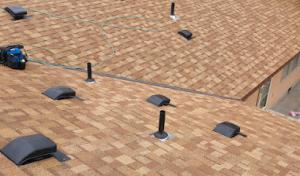
In Kennewick's climate, roof penetrations and transitions deserve close attention because intense summer heat and winter freezing can stress seals and flashing details. Skylight curb flashings, vent boot seals, and pipe stacks sit in the path of relentless UV and sharp thermal cycles. A small defect here becomes a big problem after a few summers of expansion and contraction. When you replace a skylight or retrofit a flat-to-slope transition, insist on a continuous, wind-tight seal and a flashing detail that accommodates expansion without tearing. Even routine vent installations deserve a full-coverage drip edge and carefully tucked shingle laps to avoid heat-accelerated wear from above.
Winter snow and freezing conditions in Kennewick can delay repairs and make moisture control around skylights and low-slope sections more difficult during active leaks. Freezing cycles can turn rough flashing into a leaker over time, and soft roofing around penetrations is more vulnerable when water infiltrates. If a leak shows up during thaw, treat it as urgent, but plan for the slow, cold days that limit access and material handling. Prioritize temporary covers that shed meltwater and keep interior spaces dry while a plan is set. Documentation of freeze-thaw cycles helps pinpoint lingering weaknesses in low-slope transitions and skylight curbs.
Local contractor signals show meaningful demand for both skylight work and flat-roof service in Kennewick, indicating these details are a recurring homeowner concern. Expect regular inquiries about curb repairs, decked skylight decks, and waterproofing membranes for low-slope zones. When choosing a roofer, look for hands-on experience with hot-summer UV exposure and winter freeze-thaw cycles, plus a clear plan for storm-season documentation and prompt follow-up after leaks.
Find contractors experienced in skylight installation, flashing, and leak repairs to bring natural light into your home.
A+ Roofing
(509) 948-7775 www.aplus-roofingspecialist.com
3921 W 10th Ave, Kennewick, Washington
4.7 from 56 reviews
A & S Roofing
(509) 947-1123 asroofingllcwa.com
200802 E Game Farm Rd spc 230, Kennewick, Washington
5.0 from 17 reviews
Perfect Circle Construction
(509) 735-1178 perfectcircleinc.com
6320 W Clearwater Ave, Kennewick, Washington
5.0 from 15 reviews
In a town with hot summers, cold winters, and sudden spring winds, your re-roof crew must adapt to rapid storm recovery and quick leak control. Start by listing whether you need a fast response for storm damage or a planned replacement before the next season. Prioritize crews that can mobilize quickly, contain debris, and protect interiors during the transition.
Kennewick's contractor market leans heavily toward re-roof projects, so look for firms with a strong track record in replacement timing and storm response. Focus on teams that can demonstrate recent completed jobs in your area and can provide clear references from neighbors with similar home ages and roof types. Manufacturer-certified crews often deliver installation specifics that protect your decking and underlayment through freeze-thaw cycles.
Quick response and thorough cleanup are top hiring priorities when storms trigger urgent leak calls. Ask about on-site crew size, typical arrival windows, and how they handle temporary tarping and containment of debris during high wind days. A reliable crew should outline a streamlined process for staging materials, protecting landscaping, and performing post-work cleanup that minimizes your inconvenience.
Long-established firms with stable crews often offer more dependable scheduling and ongoing support than fly-by-night outfits. Compare how each candidate communicates project timelines, warranty coverage, and post-install maintenance. If a potential contractor offers both re-roof focus and broad-based service, confirm they can dedicate adequate crews for your project without compromising timing on nearby homes. This balance helps reduce disruption and accelerates peace of mind after a storm.