Last updated: Apr 19, 2026
The Columbia Basin's dry, sunny stretches and cold snowy snaps push roof systems beyond the gentle wear you'd expect in milder climates. In this setting, repeated expansion and contraction from hot days and chilly nights drives the roofing substrate and fasteners to flex cycles that gather fatigue year after year. This cycle is more central to aging than prolonged coastal moisture exposure, so the timing of damage and the best moment to replace hinge on how often that sun-driven thermal swing happens and how the roof components respond to it. You'll notice faster hairline cracking, faster wear on the top surface, and in some cases quicker loosening of ridge and flashing details where movement concentrates. The result is a roof that ages not just from weathering, but from the repeated "breathing" of heat into shade, then cooling into night air.
On a practical level, the roof experiences more pronounced expansion on hot afternoons and greater contraction after sun-down, particularly on metal components, asphalt shingles, and underlayment seams. Asphalt shingle granule loss accelerates when summer UV exposure is intense, a common pattern on south- and west-facing slopes where sun exposure is strongest. Over several seasons, the surface becomes rougher, the color fades faster, and the protective granules lose their bite against UV radiation. If you have a mixed roof with both lighter and darker slopes, the differential heating can cause minor warping or curling in weaker shingles or edges. In metal roofs, expansion joints and fasteners are placed to tolerate seasonal movement, but you'll still observe slight panel movement or sealant stress at roof-to-wall interfaces after a particularly hot spell. If your roof has clay or concrete tiles, the thermal shift can aggravate cracked or slipped tiles, especially on higher, exposed sections where wind-driven debris can catch and pry.
Replacement scheduling in Wenatchee is typically concentrated from late spring through early fall to avoid winter weather delays and to work within the city's more predictable dry-season conditions. This timing line helps you maximize the life of the replacement materials by installing when the ground is workable and temperatures are conducive to proper sealant curing and shingle adhesion. If you're planning on a full roof swap, aim for a window when multiple sunny weeks in a row are forecast and wind conditions are moderate. Getting the job done during this window reduces the risk of weather-induced delays that can leave a roof vulnerable in mid-winter, and it aligns with the period when thermal cycling stress is most predictable from season to season. For partial replacements or repairs, you'll want to address high-stress areas-such as southern exposures, ridge lines, and flashing junctions-before new shingles meet a fresh cycle of sun and cold.
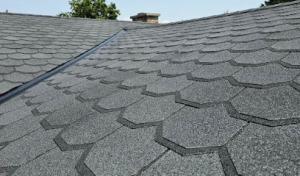
Summer UV exposure accelerates granule loss and surface aging on asphalt roofs, especially on south- and west-facing slopes. If you observe more granules in the gutters after a hot week, or if the shingle surface appears chalky and worn beyond typical aging for the roof's age, that's a signal that the heat-driven aging process is advancing your replacement timeline. On slopes with strong sun, you may also see faster edge wear or cupping along the leading edges of shingles. Consider reinforcing critical details-valleys, penetrations, and flashings-with products designed to withstand sun exposure and thermal cycling, and plan replacement while the daylight season remains reliable and dry. This approach helps ensure the new roof starts its life under favorable thermal conditions and retains performance through the valley's distinct seasonal swing.
The Columbia Basin sun is fierce, and the dry heat compounds the aging of roof membranes and underlayments. In this market, heat resistance isn't just about staying cool; it's about how materials flex with rapid daytime expansion and nighttime contraction. Seasonal wind events add uplift risk, especially on lower-slope roofs and older fasteners. When selecting a roof, look for products with proven UV stability, colorfast pigments, and installation details that reduce panel movement in gusty conditions. The goal is a system that performs reliably from late-summer heat through the coldest midwinter nights.
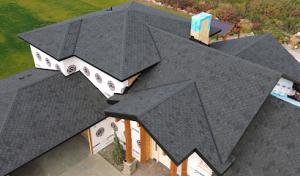
Asphalt shingles remain a common choice, but the panel's exposure to intense sun means choosing high-reflectance granules and a warranty that covers prolonged UV exposure. In practice, that translates to premium or architectural shingles rather than basic strips, plus proper attic ventilation to temper thermal cycling from attic to eave. Uplift resistance matters too; ensure the fasteners and nailing pattern are designed for wind events typical of the valley. A well-ventilated attic or roof deck helps keep the hot surface from cooking the underlayment, which is especially important when a cold snap follows a heat wave and moisture condenses on a overheated backing.
Metal roofing has meaningful local traction and aligns well with a mix of snow-shedding needs, wildfire-conscious material preferences in central Washington, and long-term sun exposure. Standing-seam or corrugated profiles with hidden fasteners can resist uplift and promote reliable shedding of heavy winter snow. The key in this climate is coatings formulated to resist chalking and fading from sun exposure, plus a robust underlayment and a well-sealed perimeter to prevent wind-driven moisture. If fire risk is a concern, metal often benefits from a non-combustible system with proper clearances and detailing around chimneys, vents, and roof penetrations.
Tile, cedar, and synthetic roofs exist in Wenatchee, but suitability depends heavily on structural load, freeze-thaw tolerance, and how the roof handles dry heat followed by winter snow. Clay and concrete tiles bring excellent UV resistance and lifespan, yet they demand a strong, reinforced structure and careful slope assessment to handle freeze-thaw cycles. Cedar delivers natural insulation but can be vulnerable to drying and cracking in extreme heat before winter. Synthetic or composite shingles offer versatility and often better uplift performance, yet compatibility with existing deck framing and long-term color stability should be verified. Regardless of material, confirm that the roof assembly can tolerate the region's thermal swings and wind-driven moisture, ensuring details around penetrations, edge trim, and ridge systems are designed for Wenatchee's climate realities.
Explore specialists in steel, aluminum, and standing seam metal roofs built to last 50 years or more.
Apex Quality Roofing
(509) 630-3445 apexqualityroofingllc.com
2811 Number 1 Canyon Rd, Wenatchee, Washington
4.7 from 38 reviews
The winter pattern here is stubborn: clear sunny spells can melt a roof surface, then a sharp cold snap freezes those melt layers into hard ice at the eave. Even though the area is drier overall than western Washington, cold snaps after warm spells drive ice dam formation and hidden water backup. A roof that can shed heat unevenly or has marginal insulation invites repeated freeze-thaw cycles, which gnaw at shingles, underlayment, and flashing. If gutters fill with ice, that water backs up under shingles and leaks into attic spaces or ceilings. The key is to treat the threat as a seasonal pattern, not a one-off event, and to audit attic ventilation and insulation before the first snow.
Autumn winds bring rapid uplift pressures that strain aging roofing components. In Wenatchee, gusts can peel back edges, exposing the vulnerable ridge cap, rake boards, and flashing details just as winter crews are starting to batten down. Damaged or undersized vent collars and loosely set step flashing invite wind-driven water intrusion once snow starts to melt again. The moment you notice cupped or cracked shingles, or a ridge vent that rattles with each gust, address it promptly. A roof with exposed fasteners and loose flashing is a ticking time bomb once sustained cold and wind arrive.
Spring storms compound winter movement and wind exposure, elevating leak potential during the shoulder season when the roof is already stressed. Warmth returns, snowmelt accelerates, and lingering ice dams melt unevenly, pushing moisture into gaps. Shingles that have endured repeated freeze-thaw cycles may develop hairline cracks or granule loss, reducing UV protection and resilience. Rain-driven downpours can exploit even small weaknesses, sending water into attic spaces and attics into living areas if the roof system isn't performing as designed. Prioritize a thorough spring inspection after the last heavy storm, focusing on sealant integrity, flashing joints, and the condition of the underlayment.
This climate demands a proactive stance. If autumn winds reveal loose shingles, ridges, or flashing, re-secure and seal promptly with weatherproof materials designed for high uplift resistance. In winter, ensure proper snow removal practices that avoid sudden sheet loads on vulnerable areas, and check attic ventilation year-round to reduce the driving force of ice dams. After spring storms, conduct a targeted leak hunt across joints, penetrations, and transitions. A timely, local-focused approach lowers the risk of costly interior damage and preserves roof life through the region's sharp seasonal swings.
Find local contractors experienced in assessing and restoring roofs after hail, wind, and severe weather events.
Black Diamond Construction
(509) 669-2760 www.facebook.com
611 S Wenatchee Ave, Wenatchee, Washington
4.9 from 70 reviews
Apex Quality Roofing
(509) 630-3445 apexqualityroofingllc.com
2811 Number 1 Canyon Rd, Wenatchee, Washington
4.7 from 38 reviews
Weatherwise Construction
(509) 850-9473 weatherwiseconstructionllc.com
1102 Cashmere St, Wenatchee, Washington
5.0 from 11 reviews
Black Diamond Construction
(509) 669-2760 www.facebook.com
611 S Wenatchee Ave, Wenatchee, Washington
4.9 from 70 reviews
Black Diamond Construction is your trusted local contractor in Wenatchee, WA, specializing in high-quality concrete work, excavation, custom patios, roofing, framing, remodels, and retaining walls. Our licensed, bonded, and insured team is committed to delivering precise, reliable workmanship on every project—big or small. We handle your construction needs from start to finish with integrity and attention to detail. Call 509-669-2760 for a free estimate and experience Wenatchee’s trusted choice for construction excellence.
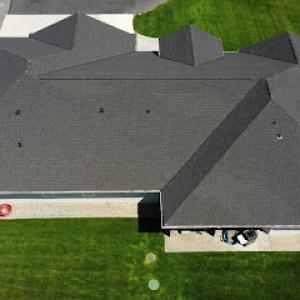
Columbia Roofing & Exteriors
(509) 393-6514 columbiaconstructionllc.com
429 S Chelan Ave, Wenatchee, Washington
5.0 from 39 reviews
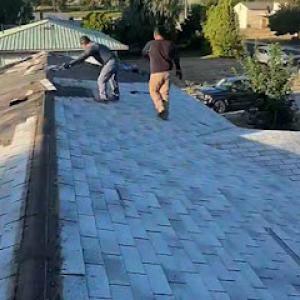
Welcome to Columbia Roofing & Exteriors your trusted and experienced general contractor for all your roofing needs. Our locally owned and operated business takes pride in providing exceptional customer service and top-notch quality workmanship. We service the Wenatchee Valley. Our team of skilled roofing contractors is equipped to handle any roofing project, from simple repairs to complete replacements for both commercial and residential properties. As your go-to roofing service, we offer a wide range of services, including roof repair, installation, replacement, and maintenance. Contact us today to schedule a free estimate and experience the difference of working with a reliable team of professionals.
Cruz Construction Services
(509) 393-5099 cruzconstructionllcservices.com
819 Kittitas St, Wenatchee, Washington
5.0 from 17 reviews
Cruz Construction Services is a licensed general contractor situated in Wenatchee, Washington. We have been operational for over 12 years, and we take pride in our reputation for brilliance. We specialize in roofing and new construction services that include cabinets, painting, concrete, and flooring services. At Cruz Construction Services, we strive to satisfy our customer’s demands through excellent customer service, paying attention to detail, and quality workmanship. When you hire us, our team of experts will fully engage with you to ensure that the outcome is exactly what you wanted. Because we have been working on roofs for more than two decades, you can trust us to help you navigate through the entire process quickly and with ease.
Apex Quality Roofing
(509) 630-3445 apexqualityroofingllc.com
2811 Number 1 Canyon Rd, Wenatchee, Washington
4.7 from 38 reviews
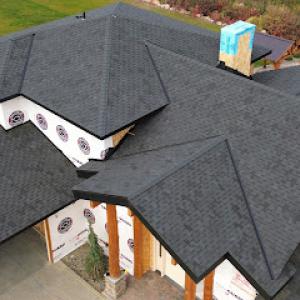
Apex Quality Roofing was founded 6 years ago under the values of professionalism, diligence, and integrity in the city of Wenatchee, WA. Our team is locally known for its professionalism and cost-effectiveness. Our company grew from ground up thanks to the referrals from our clients. Our clients don’t hesitate to recommend us to their families, friends, and co-workers because they know what we deliver; an exceptional service with high-quality finishes and great customer service.
Weatherwise Construction
(509) 850-9473 weatherwiseconstructionllc.com
1102 Cashmere St, Wenatchee, Washington
5.0 from 11 reviews
Weatherwise Construction, established in early 2024, is your trusted general contractor specializing in roofing, siding, seamless gutter services. Our mission is to cultivate a strong team focused on delivering top-tier solutions while consistently providing exceptional customer service. With a commitment to quality craftsmanship and transparent communication, we strive to exceed expectations in every project. Trust Weatherwise Construction to bring your vision to life with precision, professionalism, and unwavering dedication.
MRR 47 Reasons Construction
Methow St, Wenatchee, Washington
4.6 from 10 reviews
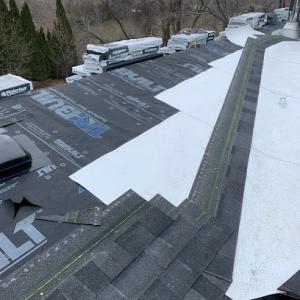
We are super excited to take MRR to new levels. We are now a general contractor. Got a remodel, expanding your house. We now offer egress window instillation, fencing, Drywall, flooring and much more. Third generation company. All aspects of residential and commercial roofing.
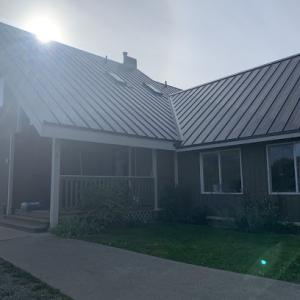
J & Jp Construction
(509) 387-2574 www.jandjpconstruction.com
Wenatchee, Washington
5.0 from 1 review
We are professional on installing roofing and siding we also do tear off on roofing and siding.
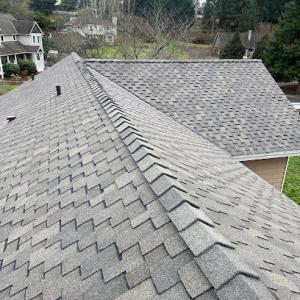
Hi-Grade Roofing
(206) 300-1065 www.higraderoof.com
376 Abby Ln, Wenatchee, Washington
5.0 from 1 review
Hi-Grade Roofing family own and operated roofing company providing highly rated roofing services. Including full re-roofs, repairs, maintenance, and other roofing services needed. We serve both Western and Eastern Washington, bringing high quality and standards to every roof in Washington State.
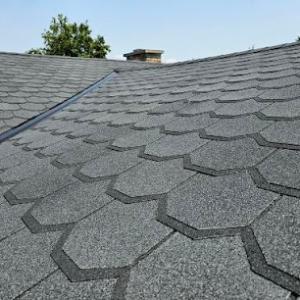
Common Sense Roofing
(509) 293-1234 www.commonsenseroofing.com
Serving
5.0 from 7 reviews
We are a small family-owned roofing company located in East Wenatchee, Washington. We aim to provide professional quality work to maintain a good reputation of craftsmanship in North Central Washington. Please visit our website (www.commonsenseroofing.com) to learn more or request a quote. You are also welcome to call us directly.
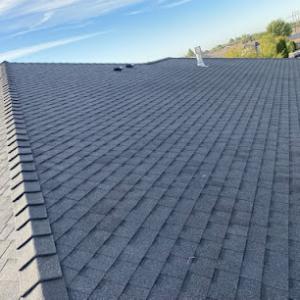
New Generation Roofing
(509) 506-9557 www.newgenerationroofingllc.com
Serving
5.0 from 9 reviews
New Generation Roofing is the leading local roofing company in Yakima County and surrounding areas. We provide a complete range of services such as Metal roofs, Shingle Asphalt, Cedar Shakes, Synthetic Shakes, and Single Ply roof installation. Our services also include Roof tear-offs and Roof repairs, Leak repairs, Emergency repairs, and Snow Removal, Gutter Installation, Siding, Chimney Caps. With years of experience, we’ve developed a strong reputation for our masterful craftsmanship and committed customer service, always going above and beyond to meet our clients’ needs. For quality roofing from trusted professionals, we are the team for the job.
American Exterior Solutions
Serving
5.0 from 5 reviews
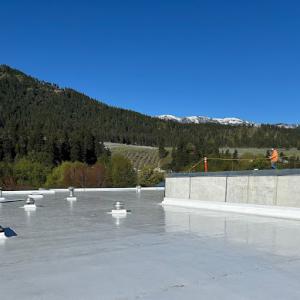
At American Exterior Solutions, based in Cashmere, WA, and working in Wenatchee often, we specialize in top-tier commercial roofing across Central Washington. Whether it’s new builds, repairs, or full roof replacements, our team delivers durable, high-quality metal, shingle, flat, and pitched roof solutions tailored to your business needs. With a strong focus on safety, craftsmanship, and customer satisfaction, we proudly serve from Wenatchee to Spokane, and surrounding areas. Contact us today to discuss your commercial roofing needs and discover why businesses trust AES for reliability and excellence.
Sunset Roofing
(509) 668-6911 www.sunsetroofing509.com
Serving
5.0 from 12 reviews
Our reroof season is booked for 2023, we still have room for new construction metal and comp roofs only. Feel free to call for any questions or referrals for excellent roofing contractors we know if we can't take your project on this year.
When you price a full replacement, you'll notice the typical Wenatchee pricing bands align with national options but move with Central Washington heat and sun exposure. Asphalt shingles run from about 350 to 700 USD per square, a wide enough spread that picking the installer who can manage the job without sacrificing quality matters. Metal roofs sit in the 700 to 1200 USD per square range, reflecting better heat tolerance and longer life in a climate with strong summer sun. Clay tile comes in around 900 to 1800 USD per square, while concrete tile runs roughly 800 to 1500 USD per square. Wood shingles or shakes average 600 to 1100 USD per square, and synthetic or composite shingles sit between 500 and 1000 USD per square. These figures come from the local market where long-term performance under hot, dry summers and cold winters is a real factor.
In Wenatchee, costs can rise when summer scheduling is tight because most full replacements are pushed into the late-spring-through-early-fall work window. If a large crew is needed and the calendar fills up, you may see tighter availability and higher bids. That timing pressure also interacts with weather risk-short-notice delayed starts can compress framing, underlayment, and drying-in windows, potentially increasing material handling and labor costs. If your project starts in late spring, plan for a slightly longer lead time on materials and a synchronized schedule with underlayment and venting work to avoid weekend or weather-related overruns.
Material choice matters more than usual in this market because homeowners are often balancing lower upfront asphalt costs against the longer-term value of metal or other sun-tolerant systems in central Washington heat. A metal roof can reduce cooling loads and UV exposure to decking, potentially extending roof life in a climate with intense sun and wide thermal swings. Clay or concrete tiles offer substantial durability but add weight and installation complexity, which can push both cost and timing. Wood shingles and synthetics provide aesthetic options and varying degrees of weather resistance; however, sun exposure and temperature swings can require more maintenance or newer flashing and venting considerations. In Wenatchee, pairing a roof with a material that holds up to thermal cycling helps protect your investment when the replacement window arrives.
Get a clear picture of your project costs upfront - no commitment required.
Black Diamond Construction
(509) 669-2760 www.facebook.com
611 S Wenatchee Ave, Wenatchee, Washington
4.9 from 70 reviews
Columbia Roofing & Exteriors
(509) 393-6514 columbiaconstructionllc.com
429 S Chelan Ave, Wenatchee, Washington
5.0 from 39 reviews
A full roof replacement in Wenatchee typically requires a permit through the local building department rather than being treated as purely informal maintenance. That means you cannot assume the city will overlook a missing paper trail or skip the plan review. The process starts with a permit application, then moves to plan review, and finally to inspections at key milestones before the project is considered complete. If any step is missed or rushed, delays pile up and projects can stall while crews await approvals or additional documentation. You owe it to your home and your neighbors to follow the sequence carefully, especially when a roof change alters weight, ventilation, or load paths on the structure.
Wenatchee roof work is not a one-and-done task; inspections are designed to verify that workmanship meets code and that critical details are addressed. The first milestone typically checks structural changes and material compatibility, ensuring the deck and underlayment are suitable for the chosen roof system. Mid-project inspections focus on the integrity of flashing, penetrations, and drainage, while the final check confirms weatherproofing and proper finishing. Plan for these inspections in your project timeline and keep clear access to the attic and eaves so inspectors can move quickly through their rounds. Delays often trace back to missing or incomplete documentation, or inaccessible areas that prevent a thorough review.
In this climate, weatherproofing and debris-handling compliance are taken seriously. Re-roofing activity tends to concentrate into the dry season when the wind and rain risks ease, but inspections will still enforce how well the site controls dust, debris, and falling materials. Expect limits on debris containment and cleanup standards, as well as requirements for weather barriers and proper venting, to be evaluated against the actual conditions on deliverable days. If a crew leaves waste or loose materials in the open, inspections may flag the site and halt progress until housekeeping standards are met. You can reduce risk by establishing a clear cleanup plan, secure containment for nails and shards, and ensure the roof is fully sheltered during severe afternoon gusts.
Before the permit is submitted, have your contractor provide a complete scope of work, including material types, underlayment, ventilation strategy, and flashing details. Keep a dedicated access point for inspectors, and prepare a simple, visible walkway or ladder setup to reach critical zones safely. If surprises arise during plan review, respond promptly with amended drawings or specifications to avoid back-and-forth delays. Remember, a well-documented, orderly permit and inspection path protects your investment and helps your new roof stand up to Wenatchee's thermal cycling and wind stresses.
In this climate, insurance decisions often hinge on roof age, prior claims, and whether damage is documented as repairable or replacement-level. In Wenatchee, the practical reality is that wind, snow, and long days of sun stress a roof differently over time, so carriers watch for how cleanly a claim can be categorized and whether there's a clear path to a lasting fix.
For any claim, start with solid photos that show both the immediate damage and the surrounding condition of the roof and attic. Include close-ups of shingle edges, flashing, vents, and any signs of water intrusion inside the attic or ceiling. Have the roof's age noted, and collect contractor estimates that distinguish repair work from full replacement. If you can, document prior roof work or patches, so the adjuster understands the existing condition and the thermal movement that Wenatchee roofs experience after multiple seasons of sun and cold cycles.
When wind, snow, or leaks trigger a claim, carriers commonly want a complete package before deciding on spot repair versus replacement. That means photos, the roof age, and contractor estimates should arrive together with the claim. Be prepared to explain how a repair would address remaining thermal movement and whether a patch would leave underlying damage exposed to future cycles. If the damage is widespread or shows signs of accelerated aging from sun exposure, expect the adjuster to weigh replacement more heavily.
As roofs endure sun and thermal movement, matching repairs can become harder to justify if the roof has aged into a phase where color and material mismatch would be obvious. Warranties that cover workmanship and material compatibility can influence settlement decisions, especially on older roofs. When presenting a claim, contrast repair options with the long-term durability of a full replacement to help the adjuster assess whether a replacement better aligns with the roof's remaining lifespan.
Connect with contractors who help homeowners navigate the claims process from damage assessment to final approval.
Black Diamond Construction
(509) 669-2760 www.facebook.com
611 S Wenatchee Ave, Wenatchee, Washington
4.9 from 70 reviews
Columbia Roofing & Exteriors
(509) 393-6514 columbiaconstructionllc.com
429 S Chelan Ave, Wenatchee, Washington
5.0 from 39 reviews
The region's strong sun gnaws at shingle roofs quickly, and you'll see asphalt and synthetic shingles weathering from UV exposure before moss becomes a concern. In this climate, the sun's glare accelerates granule loss and brittleness, especially on roofs with shallow slopes or aged underlayment. Expect to notice sooner-than-expected color fading, edge curling, and subtle granule shedding after several hot seasons. If you observe these signs, plan for proactive replacement timing rather than waiting for visible leaks.
Seasonal expansion-contraction cycles loosen sealants and flashing details around vents, skylights, and transitions from roof to chimney or dormers. In this area, those movement cycles can create micro-gaps that let in rain or snowmelt during spring thaws or sudden summer downpours. Regular inspection should focus on flashing directly at penetrations, ridge vents, and where shingles meet chimneys. A small lift or loose seal can become a stubborn leak if ignored through multiple seasonal cycles.
Skylights and chimney intersections deserve extra attention because winter snow, spring rain, and summer heat all stress those details differently over the year. Ice dam pressure in winter, bulk snow load, and heat-induced expansion in summer can loosen mastic and edge seals. Look for water stains or staining along adjacent shingles, and test flashing joints for any movement after seasonal transitions. A tiny failure here often becomes a larger problem if left unattended.
While moss and saturation are more typical of wetter western climates, Wenatchee roofs show accelerated aging from sun and dryness first. Moss tends to appear later, but by then the underlying shingles may already be past their best life. You'll gain the most by prioritizing timely resealing, resealing, and, if needed, replacement before winter.
Find contractors experienced in skylight installation, flashing, and leak repairs to bring natural light into your home.
Black Diamond Construction
(509) 669-2760 www.facebook.com
611 S Wenatchee Ave, Wenatchee, Washington
4.9 from 70 reviews
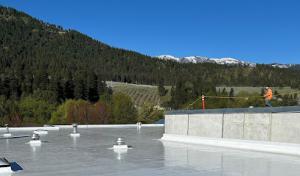
In the dry Columbia Basin setting, pitched residential roofs dominate, but a real niche exists for flat and low-slope work on additions, porches, and mixed residential-commercial structures. When that space is tacked onto a steeper main roof, the low-slope section invites different drainage and flashing demands. You'll want a contractor who treats these transitions as a system, not as isolated pieces. Plan for better sealant choices and compatible flashing details that bridge materials without creating stepping-stone leaks. In addition, consider how solar shading and venting affect the low-slope area, since heat buildup compounds wear on membranes and fasteners in Wenatchee's sun.
Low-slope sections can be vulnerable when winter snow sits longer and spring rain follows before full drying occurs. The lingering moisture estops proper drying and invites edge-and-hip leaks that can track under seals. In practice, that means more frequent inspection after heavy snow events and during slow spring melts. Look for pooling, softened seams, or edge deterioration near overhangs and parapets. If a low-slope roof is present on a porch or addition, ensure the drainage plan keeps water moving away from transitions and into downspouts without backing up behind flashing.
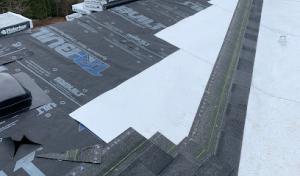
Transitions between steep-slope main roofs and low-slope additions are a practical weak point in reroof projects because they combine different drainage and flashing demands. Expect a few tricky corners where sealants or membranes must meet stepped surfaces. The best approach is to align shingles with the higher slope only where it remains watertight, and to sheath transitions with a compatible, integrated flashing tray that accommodates thermal movement. Regularly re-check these junctions for wind uplift exposure and UV cracking, especially after windy seasons that strain edge seals.
Find specialists in TPO, EPDM, and built-up flat roofing systems for residential and commercial properties.
Apex Quality Roofing
(509) 630-3445 apexqualityroofingllc.com
2811 Number 1 Canyon Rd, Wenatchee, Washington
4.7 from 38 reviews