Last updated: Apr 19, 2026
The Columbia Basin climate punishes roofs with repeated freeze-thaw cycles, especially on sloped roofs that sit above the river valley. Snow accumulates, then melts, and refreezes at night, opening laps and stressing flashing where two surfaces meet. In this environment, sealant joints can crack, fasteners can loosen, and ice dams start to form when meltwater refreezes at eaves. East Wenatchee roofs have to handle both winter snow accumulation and repeated freeze-thaw cycling, which can open laps, stress flashing, and shorten replacement timing. The result is not just a cosmetic issue-water intrusion and hidden structural stress can develop before you see obvious staining or mushy attic insulation.
Cold-season roof work can be delayed locally by snow cover and freezing temperatures, making late spring and early fall the more reliable replacement windows. If you're eyeing a long-term fix, plan around the melt-out cycle and temperatures that permit safe shingle or panel installation. Don't count on a stubborn mid-winter warm spell; snapping ice and packed snow can halt work for days. In spring and autumn, you get a clearer temperature band for adhesive cures, sealant performance, and proper flashing seating. Use those windows to reassess roof edges, valleys, and drip edge condition after the heaviest snow year has passed.
On these slopes above the valley, emphasis goes beyond face value aesthetics. Flashing at chimneys, vents, and roof-to-wall intersections must resist both thermal expansion and contraction. Laps on seam metal, ridge caps, and underlayment integrity are critical since meltwater can linger at eave lines and refreeze behind blocked eaves. Material choice matters: systems designed to handle both intense sun in midsummer and brutal cold in winter will outperform those optimized for a single season. In practical terms, look for underlayment with robust moisture resistance, flashing with generous siting and secure fasteners, and fastener patterns that accommodate freeze-thaw cycles without loosening.
Establish a biannual cadence of roof inspections that aligns with snow clearance and spring melt. After heavy snow years, focus on attic insulation and ventilation to reduce snowmelt buildup along eaves. Check for hairline cracks in sealants around vents and skylights, and test flashing seams for movement. In fall, clear debris from gutters and ensure downspouts discharge away from the foundation to minimize snowmelt pooling near walls. If ice dam indicators appear-water staining on ceilings, damp attic rafters, or staining along eaves-address promptly with targeted insulation improvements and flashing reseating before the next big freeze.
Watch for signs of edge curling, loose shingles, or lifted flashing, especially after a warm spell followed by a freeze. If you notice recurring sheen or staining along eaves, treat it as a red flag for underlying flashing failure or underlayment deterioration. When spring reveals porch-like drip lines and minutes-long melt periods still leave damp patches, prioritize insulation and ventilation upgrades now to reduce future freeze-thaw stress. Act quickly on any new or worsening gaps where water could intrude, because the next winter's cycles can turn minor laps into major leaks.
In the Columbia Basin's bright summers and heavy winter snows, the roof overhead endures repeated freeze-thaw cycles while still blasting UV exposure. That combination stresses both fasteners and sealants, and it tests how well heat moves through attic spaces. The result is a need for roofs that shed snow without trapping it, resist thermal cracking from sun exposure, and maintain energy performance through long, cold seasons. The local material mix-asphalt shingles, metal roofing, clay tile, concrete tile, synthetic/composite shingles, and slate-reflects demand for systems that tolerate both UV exposure and winter stress. The goal is to pick a roof that starts strong in heat and continues to perform when temperatures swing below freezing.
Metal roofing is especially relevant in this market because it is one of the most active local specialties and aligns with snow-shedding and heat-exposure conditions. When installed with appropriate underlayments and fasteners, metal sheds snow more predictably and reduces load on structural members, while its reflective surface helps limit heat buildup that can accelerate thermal cycling. Synthetic/composite shingles offer a lighter, resilient option that handles freeze-thaw cycles without becoming brittle, and they mimic the appearance of traditional options while easing installation on steeper or more exposed sections. Asphalt shingles remain common for their cost-to-performance ratio, but look for ones with good granule retention and a underlayment system designed to handle sustained cold. Clay and concrete tiles, while visually distinctive and durable, demand careful structural assessment in this climate because winter loading combines with already heavy roof coverings. Slate entails a similar caution: its high weight means structural checks and precise installation are essential to avoid movement during freeze events.
Tile and slate require careful structural and installation planning in the Basin. Roofs that carry clay or concrete tiles should have framing that can bear the extra dead load, especially on mid-to-high slope roofs where wind-driven snow can push tiles. In practice, that means consulting with a local crewmember who understands the typical roof pitch and attic ventilation needs for optimal moisture management. For slate, locking and proper nailing patterns matter to prevent micro-movement during freeze-thaw cycles. If tile or slate is chosen, anticipate more meticulous flashing around dormers, chimneys, and transitions to reduce the risk of ice damming and water intrusion.
Yearly inspections should emphasize glare-damage indicators, sealant integrity, and fastener security, especially after heavy snow seasons. Snow protection strategies-like maintaining a clear rake line, ensuring proper drainage, and keeping eaves free of debris-help prevent ice buildup that can mimic heat stress effects elsewhere on the roof. For any heavy roof system, verify that the attic remains adequately vented to balance temperature swings and reduce condensation risks, which can compound freeze-thaw damage. In all cases, choose installation teams versed in Basin-specific loading and UV exposure to preserve performance for years to come.
The Columbia Basin sun packs a punch, and asphalt, metal, or synthetic shingles in this market endure intense UV exposure. Surface wear accelerates when the roof experiences repeated sun-up to sun-down cycles, and thermal cycling from hot days to cool nights compounds microcracking, edge wear, and fading. In practice, this means choosing materials with strong UV resistance and stable color retention, plus underlayment and roof deck provisions that handle expanded and contracted cycles without stressing fasteners or seams. Expect shingles to show chalking and granule loss sooner in the southern exposure rows if glare accelerates surface heat.
High summer heat can complicate installation timing and crew productivity, which affects scheduling and workmanship planning in this market. Asphalt and composite shingles are more forgiving, but adhesive seams and foot traffic on steep pitches can suffer on peak heat days. Scheduling should target early mornings for roof work and avoid the hottest afternoon windows for tasks requiring precision, like sealing underlayment laps or installing vent penetrations. Consistent hydration and shade strategy for crew comfort help maintain tight workmanship while preventing heat-related lapses.
Material choice is not only about withstanding winter cold and freeze-thaw cycles; roofs also need to resist prolonged sun exposure common in the central Washington basin. Metal roofs can reflect a lot of heat when coated with a light finish, reducing rooftop temperatures and expanding the life of adjacent components. Shingles with dense granules and asphalt blends can better resist sun wear but may show faster granule loss in southern exposures. Concrete and clay tiles offer excellent durability, yet their weight and temperature response demand proper attic ventilation and a solid deck to avoid warping under extreme heat. Synthetic options often balance heat resistance with lighter weight, but check warranty terms for heat aging and color fade.
Prioritize high-reflectance or cool roof options with light or reflective pigment to mitigate heat buildup. Ensure the roof system has a well-vented attic or adequate ventilation to reduce interior temperatures that accelerate material aging and deck deformation. Use underlayment designed for hot climates with moisture and UV resistance, and choose fasteners and flashing that tolerate expansion without loosening in heat cycles. For slopes facing the hottest exposures, consider edge protection and reinforced seams to slow wear progression. Lastly, confirm that the selected system maintains performance across the full range of East Wenatchee's seasonal extremes, not just summer heat.
During the peak season, perform a quick post-storm inspection to verify grit retention and flashing integrity, as wind-driven debris can abrade surfaces exposed to solar glare. Keep gutters clear to avoid water backing up and accelerating deck wear. A midseason roof health check helps catch heat-related damage before it compounds, allowing targeted repairs that extend the roof's effective life in the next freeze-thaw cycle.
Late spring and early fall are the practical sweet spots for a roof replacement in this valley. These windows dodge the harshest winter freezes and the peak summer heat that can push underlayment and attic ventilation to their limits. If you want a smoother tear-off and steady install pace, aim for a window when the days are cool but not damp, and when the winds aren't howling off the Columbia. When you plan, you'll reduce the chance of heat-related blistering on shingles and the mess that heat can make of adhesive products.
Spring in East Wenatchee can bring sudden rain and brisk wind events that complicate tear-off schedules. If a storm sweeps in during the removal phase, moisture management becomes a frontline concern: you'll need to protect exposed decking and fasten flashing before the next nap of sun. Coordinate with your contractor to anticipate storm fronts and to stage tarps, temporary weather barriers, and moisture barriers so water intrusion is minimized. Have a contingency plan for shifting days if winds pick up; gusts can stress loose materials and raise risk for installer safety.
Autumn winds and seasonal debris increase maintenance pressure. Leaves and pine needles collect along eaves and valleys, and wind-driven debris can nick new underlayment or stress venting detail. In practice, this means you'll want to complete the bulk of the tear-off before heavy leaf drop, and you'll need a plan for rapid debris containment during the late-season install. A clean site reduces the chance of grit or branch damage creeping under new shingles, which can otherwise compromise performance as winter sets in.
Lyons Construction & Roofing
(509) 470-5314 www.facebook.com
336 N June Ave, East Wenatchee, Washington
4.6 from 29 reviews
We are a motivated team Lead by one of the most knowledgeable all around roofing experts in the area, and backed by an owner that's 1st interest is ensuring the customer gets the right job done the right way. ADDING specialists for Gutters in 2018 Fencing in 2021 and now Concrete coming in 2022 to simplify our customers experience when tackling a job!
Common Sense Roofing
(509) 293-1234 www.commonsenseroofing.com
211 S Pace Dr #53, East Wenatchee, Washington
5.0 from 7 reviews
We are a small family-owned roofing company located in East Wenatchee, Washington. We aim to provide professional quality work to maintain a good reputation of craftsmanship in North Central Washington. Please visit our website (www.commonsenseroofing.com) to learn more or request a quote. You are also welcome to call us directly.
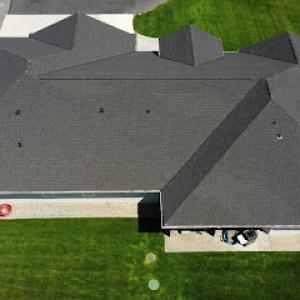
Columbia Roofing & Exteriors
(509) 393-6514 columbiaconstructionllc.com
Serving
5.0 from 39 reviews
Welcome to Columbia Roofing & Exteriors your trusted and experienced general contractor for all your roofing needs. Our locally owned and operated business takes pride in providing exceptional customer service and top-notch quality workmanship. We service the Wenatchee Valley. Our team of skilled roofing contractors is equipped to handle any roofing project, from simple repairs to complete replacements for both commercial and residential properties. As your go-to roofing service, we offer a wide range of services, including roof repair, installation, replacement, and maintenance. Contact us today to schedule a free estimate and experience the difference of working with a reliable team of professionals.
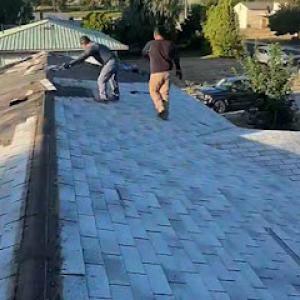
Cruz Construction Services
(509) 393-5099 cruzconstructionllcservices.com
Serving
5.0 from 17 reviews
Cruz Construction Services is a licensed general contractor situated in Wenatchee, Washington. We have been operational for over 12 years, and we take pride in our reputation for brilliance. We specialize in roofing and new construction services that include cabinets, painting, concrete, and flooring services. At Cruz Construction Services, we strive to satisfy our customer’s demands through excellent customer service, paying attention to detail, and quality workmanship. When you hire us, our team of experts will fully engage with you to ensure that the outcome is exactly what you wanted. Because we have been working on roofs for more than two decades, you can trust us to help you navigate through the entire process quickly and with ease.
Weatherwise Construction
(509) 850-9473 weatherwiseconstructionllc.com
Serving
5.0 from 11 reviews
Weatherwise Construction, established in early 2024, is your trusted general contractor specializing in roofing, siding, seamless gutter services. Our mission is to cultivate a strong team focused on delivering top-tier solutions while consistently providing exceptional customer service. With a commitment to quality craftsmanship and transparent communication, we strive to exceed expectations in every project. Trust Weatherwise Construction to bring your vision to life with precision, professionalism, and unwavering dedication.
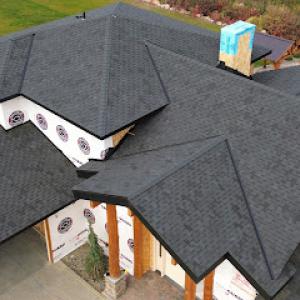
Apex Quality Roofing
(509) 630-3445 apexqualityroofingllc.com
Serving
4.7 from 38 reviews
Apex Quality Roofing was founded 6 years ago under the values of professionalism, diligence, and integrity in the city of Wenatchee, WA. Our team is locally known for its professionalism and cost-effectiveness. Our company grew from ground up thanks to the referrals from our clients. Our clients don’t hesitate to recommend us to their families, friends, and co-workers because they know what we deliver; an exceptional service with high-quality finishes and great customer service.
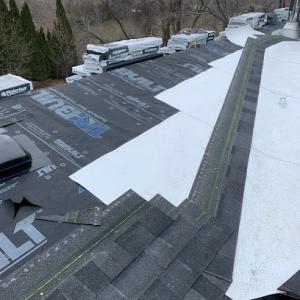
MRR 47 Reasons Construction
Serving
4.6 from 10 reviews
We are super excited to take MRR to new levels. We are now a general contractor. Got a remodel, expanding your house. We now offer egress window instillation, fencing, Drywall, flooring and much more. Third generation company. All aspects of residential and commercial roofing.
Sunset Roofing
(509) 668-6911 www.sunsetroofing509.com
Serving
5.0 from 12 reviews
Our reroof season is booked for 2023, we still have room for new construction metal and comp roofs only. Feel free to call for any questions or referrals for excellent roofing contractors we know if we can't take your project on this year.
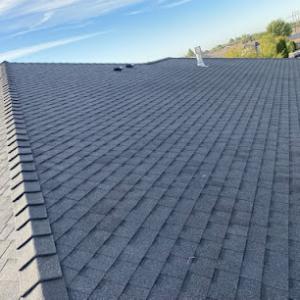
New Generation Roofing
(509) 506-9557 www.newgenerationroofingllc.com
Serving
5.0 from 9 reviews
New Generation Roofing is the leading local roofing company in Yakima County and surrounding areas. We provide a complete range of services such as Metal roofs, Shingle Asphalt, Cedar Shakes, Synthetic Shakes, and Single Ply roof installation. Our services also include Roof tear-offs and Roof repairs, Leak repairs, Emergency repairs, and Snow Removal, Gutter Installation, Siding, Chimney Caps. With years of experience, we’ve developed a strong reputation for our masterful craftsmanship and committed customer service, always going above and beyond to meet our clients’ needs. For quality roofing from trusted professionals, we are the team for the job.
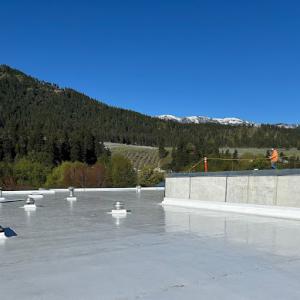
American Exterior Solutions
Serving
5.0 from 5 reviews
At American Exterior Solutions, based in Cashmere, WA, and working in Wenatchee often, we specialize in top-tier commercial roofing across Central Washington. Whether it’s new builds, repairs, or full roof replacements, our team delivers durable, high-quality metal, shingle, flat, and pitched roof solutions tailored to your business needs. With a strong focus on safety, craftsmanship, and customer satisfaction, we proudly serve from Wenatchee to Spokane, and surrounding areas. Contact us today to discuss your commercial roofing needs and discover why businesses trust AES for reliability and excellence.
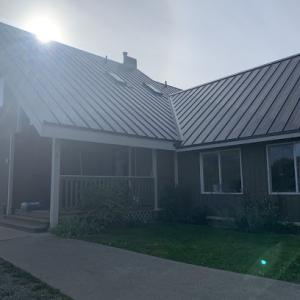
J & Jp Construction
(509) 387-2574 www.jandjpconstruction.com
Serving
5.0 from 1 review
We are professional on installing roofing and siding we also do tear off on roofing and siding.
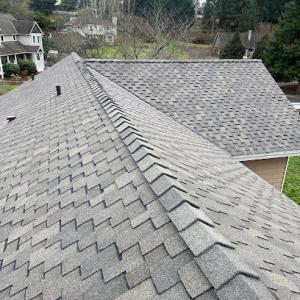
Hi-Grade Roofing
(206) 300-1065 www.higraderoof.com
Serving
5.0 from 1 review
Hi-Grade Roofing family own and operated roofing company providing highly rated roofing services. Including full re-roofs, repairs, maintenance, and other roofing services needed. We serve both Western and Eastern Washington, bringing high quality and standards to every roof in Washington State.
Local cost planning should start with the provided ranges per square: asphalt shingles at 350-700 USD per square, metal at 600-1100 USD per square, clay tile 900-1500 USD per square, concrete tile 800-1300 USD per square, synthetic/composite shingles 500-900 USD per square, and slate 1000-2000 USD per square. In practice, the mix of materials you see on East Wenatchee homes often leans toward asphalt or metal for balance of reliability and price, with clay or concrete tile reserved for homes that already have a strong structural profile or a design goal that calls for heavier mass and long-term durability. Each option behaves differently under the Columbia Basin's intense sun, winter snow, and freeze-thaw cycles.
Costs in East Wenatchee can rise when homeowners choose heavier systems like clay tile, concrete tile, or slate that require more labor and structural consideration under local winter loading conditions. If a roof is not already reinforced for added weight, expect higher installation costs and potential structural upgrades. Heavier roofs also tend to drive up underlayment and fastener quality requirements, which can add to labor time. In short, the benefit of long life and strong snow resistance must be weighed against the need for a stronger deck and adjusted attachment methods.
Scheduling pressure can affect pricing here because winter weather delays work, while the preferred late spring and early fall replacement windows concentrate demand. If a contractor's calendar fills up, you may see peak-season premiums or tighter project start dates. Building a flexible timeline that targets shoulder seasons can help keep costs steadier, while still addressing the region's harsh freeze-thaw cycles.
Start with the per-square costs for the materials you're considering, then add a cushion for possible structural work if heavier options are chosen. Compare expected labor hours for a typical East Wenatchee roof with your chosen material, and ask about winter-weather contingency pricing. Finally, keep in mind that longer-term performance under freeze-thaw and heat exposure should factor into the material choice, not just the upfront price.
In East Wenatchee, a full re-roof typically requires a permit through the City of East Wenatchee Building Department. This process helps ensure that the project aligns with local codes for structural integrity, fire resistance, and energy performance-critical factors when a roof must endure both scorching summer sun and heavy winter snow. Before work begins, your contractor should submit plans and a scope of work for review. Expect early communication about required inspections, scheduled timelines, and any code updates that could affect materials or installation methods.
Local inspections are conducted during and after the project to verify underlayment, flashing, and venting are installed correctly. In practice, this means inspectors will check that the roof deck is sound, the underlayment is properly lapped for East Wenatchee's freeze-thaw cycles, and flashing around chimneys, vents, and skylights is integrated without gaps. Venting must be adequate to manage attic moisture, which is especially important to prevent ice damming and heat buildup that can stress roof assemblies through repeated freeze-thaw cycles. Scheduling and access need to be coordinated with the contractor to avoid delays.
Because inspection checkpoints include core weatherproofing details, East Wenatchee homeowners should confirm the contractor's sequencing before tear-off begins. A clear plan should specify the order: roof deck preparation, underlayment application, flashing installation, vent placement, and ultimately the chosen roofing material. In this climate, proper sealing around penetrations and clean, dry surface conditions are non-negotiable. Ask the inspector to review the sequence plan ahead of time, and ensure that temporary protections are in place for unexpected winter or spring storms that can interrupt work.
Make sure the contractor has experience with local snow loads and thermal expansion considerations, as improper sequencing can lead to leaks or accelerated wear once the first warm spell hits. Keep paths clear for inspections, provide access to attic or crawl spaces if required, and confirm that all required permits, notices, and energy-related code items are addressed before final approval.
Insurers track how weather hits roofs in this basin: brutal summer sun, deep winter freezes, and recurring freeze-thaw cycles that stress both shingles and underlayment. When a report comes in after winter, wind, or hail, expect that pattern to influence how the claim is evaluated. The insurer will compare current damage to expected wear from seasonal cycles, not just a single event, and that increases the possibility of a closer look at your roof's age and overall condition.
Photos, replacement estimates, and a clear record of prior condition matter more here than in some regions. Seasonal wear compounds quickly in this climate, so adjusters will want a timeline that shows how damage progressed across multiple cycles. If a roof has endured several freeze-thaw periods followed by peak-summer heat, documentation that maps these transitions helps explain what happened and when. In practice, assemble both recent and historical images, a maintenance log, and previous contractor notes before discussions begin.
After a windstorm or hail event, timely reporting is essential. In this market, homeowners frequently coordinate directly with adjusters to ensure the right questions are asked and the right inspections are scheduled. Delays can complicate coverage decisions, especially when inspectors are weighing whether damage is isolated or part of broader seasonal deterioration. Don't wait for a stubborn leak to surface-prompt reporting helps keep coverage decisions aligned with actual conditions.
Because this area sits above the river valley and endures a full range of seasonal stresses, insurers will weigh how freeze-thaw cycles interact with high summer temps and potential wind damage. Be prepared for questions about prior maintenance, tree coverage, and any previous repairs. Honest, organized records can make the difference between a smooth adjustment and a prolonged dispute.
Connect with contractors who help homeowners navigate the claims process from damage assessment to final approval.