
Last updated: Apr 19, 2026
You know the pattern: days stalled above freezing melt a little, nights plunge back below, and water is pushed up under your shingles or underlayment. In this market, Chippewa Falls homeowners deal with cold, snowy winters where repeated freeze-thaw cycles can back water up under roof coverings. When that water refreezes at the eaves, you're looking at ice dams that force meltwater to back up, seep behind gutters, and wick into attic edges. The result is stained ceilings, warped decking, and higher risk of hidden rot. The warning signs aren't always dramatic: a stubborn ice dam along the rake line, damp spots on interior ceilings after a storm, or a persistent cold spot in the attic can all signal trouble. Every thaw-week you delay addressing edge ice gives the dam more leverage to back water into vulnerable areas.
Roof replacement timing in Chippewa Falls is commonly pushed into late spring through early fall because winter conditions and snow cover interfere with tear-off, dry-in, and inspection scheduling. That reality isn't a simple scheduling quirk-it's a risk management choice. If you're facing persistent ice dams or a sagging roof edge, delaying a proper tear-off and re-seal can compound moisture issues and shorten the life of the new roof. When an inspection is hampered by snow cover, small problems hide under shingles and ice, and a quiet problem today can become a loud leak tomorrow. Plan ahead with your contractor so you're not scrambling once the thaw arrives and storms start rolling in again. The window to get ahead of issues is measured in snow-free days, not calendar months.
In this part of northwestern Wisconsin, attic ventilation and insulation performance directly affect whether snow melts unevenly and refreezes at eaves. A well-ventilated attic draws cold air through soffit vents and exhausts warm air at the ridge, creating a steady, even melt that reduces the risk of high-pressure dam formation at the eaves. If insulation is mismatched or compressed, warm attic air can heat roof decking unevenly, accelerating melt near the peak while leaving the edges cold enough to refreeze. That uneven pattern invites ice dams to form where you're least prepared to manage them-at the transition between heated and unheated zones. Practical steps include verifying vent openings are clear of insulation blockages, upgrading insulation where needed to achieve a continuous R-value that minimizes heat loss into the attic, and ensuring soffit intake has an unobstructed path for air to circulate. In homes with older steep-slope roofs, this balance is especially delicate: the sharp roof angle concentrates heat transfer differently and can mask attic hot spots if ventilation isn't truly continuous.
Start by checking the attic access and ceiling lines for the telltale signs of heat loss-flattened, compressed insulation around attic hatches or ducts that run through uninsulated spaces. If you see frost on the underside of the roof sheathing during a cold snap, that's a signal your attic is leaking heat and warming the roof deck from the inside. Seal gaps around penetrations, such as chimneys, plumbing stacks, and light fixtures, with appropriate sealants or insulation-compatible materials. Consider upgrading attic baffles or rafter vents to restore a clear path for fresh air from soffits to the ridge, especially if you've noticed uneven snow melt along the eaves after a heavy storm. When ice dams start forming, don't rely on a quick fix like cutting a channel in the dam or applying sacrificial heat cables without a plan-those measures address symptoms, not the root cause.
Treat the attic as a climate-control system for the entire roof. Your goal is to minimize heat loss that translates into uneven snow melt and dam formation. If you're in a home with older materials or a newer, tighter build, you still need to ensure that your ventilation path remains free and that insulation blankets the living spaces to prevent interior warmth from migrating into the attic. In harsh winters, a proactive approach to ventilation and insulation isn't optional-it's the core defense against repeated freeze-thaw damage, ice dam risk, and the costlier consequences that follow. Stay vigilant after each major thaw, and coordinate with a trusted roofer to verify that ventilation paths stay clear as the seasons change.
Chippewa Falls sits in inland western Wisconsin, so roofing decisions are driven by strong seasonal swings rather than coastal salt exposure or hurricane design concerns. Winters bring long snow seasons and repeated freeze-thaw cycles, which stress both the roof deck and underlayment. In such conditions, the most reliable roofs manage ice dam risk, maintain a clear path for snow slide where appropriate, and keep attic temperatures as close to the living space as possible. Materials and systems that perform well in extreme cold, with robust underlayment and appropriate venting, tend to outlast others here. You will notice newer homes that use radiant or enhanced ventilation strategies alongside upgraded attic insulation, paired with modern asphalt, metal, or synthetic shingle options that handle freeze-thaw cycles better than older assemblies.
Chippewa Falls features a mix of aging roof decks on established neighborhoods and newer, energy-conscious homes in developing areas. That creates a practical spectrum: some roofs need retrofits to address ventilation deficits, while others benefit from full replacement with modern assemblies that improve attic air exchange and moisture control. For older houses, upgrading intake and exhaust ventilation, plus sealing and insulating the attic hatch or pull-down stairs, can dramatically reduce attic condensation and ice dam risk without a full roof tear-off. On newer builds, choices often focus on durable underlayments and vented or mixed roof decks that balance weight, wind resistance, and thermal performance, while keeping attic temperatures from driving interior heat gains in summer.
Ice dams form when roof temperatures along the eave stay warm while the outer roof edge sits below freezing, causing melted snow to refreeze at the gutter line. In this climate, a balanced attic vent strategy is essential: sufficient intake at the soffits combined with a continuous exhaust path at the ridge helps keep the roof deck cold enough to delay or prevent dam buildup. For steeper, older roofs, ensuring that the attic is properly insulated and not overburdened by vents or bulky fixtures can reduce heat leakage into the roof space. For flatter or modern replacement projects, using a high-quality underlayment and selecting roofing materials with proven ice-dam resistance-especially in metal or synthetic shingle options-can offer more margin against winter storms. Snow load awareness matters, too: roof geometry and eave overhangs influence where snow accumulates and how readily it sheds. In practical terms, this means aligning the roof slope, ventilation placement, and insulation depth with both the typical snowfall depth and the house's living space to minimize moisture-related issues come spring.
When planning a project around the winter-to-spring transition, prioritize components that address moisture control and temperature consistency across seasons. If a roof deck shows signs of aging, pair a replacement with targeted ventilation upgrades and insulation improvements in the attic. For homes with newer decks facing rapid temperature shifts, ensure vent paths remain clear and free from obstruction by insulation or storage. In all cases, interception of snow and ice problems at the design stage reduces the risk of costly repairs later, especially after a long winter and before the spring rains begin.
Asphalt shingles stay the practical backbone for most homes around here. They align with the local housing stock, especially the older steep-slope residences, and fit the regional price range. For ice dam resilience, focus on thicker, multi-tab or architectural profiles that shed wind-driven snow efficiently and leave room for adequate attic insulation and ventilation. A well-sealed underlayment and proper nail patterns matter more than the surface color when winter storms push heat into the attic.
Metal roofing stands out when snow load and maintenance are priorities. Homeowners often prefer metal for its ability to shed snow quickly, which reduces ice dam risk on marginally vented spaces. Metal's durability helps with repeated freeze-thaw cycles and impacts from winter storms. If choosing metal, pay attention to panel profiles that promote snow slides without creating edge drip issues, and plan for adequate ridge and soffit ventilation to prevent rapid snow-melt cycles that refreeze at eave lines.
Cedar shakes, slate, clay tile, and synthetic products appear selectively here and require careful structural and flashing planning on older homes common in established Wisconsin neighborhoods. Cedar and slate, for instance, demand solid deck framing and precise valley and transition flashing to manage moisture and ice dam risks. Clay tile and some synthetics bring elegance and long life but require consistent support, proper spacing, and careful detailing around chimneys, vents, and dormers to handle the freeze-thaw environment. On older structures, these choices should align with the existing framing and roof geometry to avoid overloading structural members or creating dead-air pockets that trap moisture.
Whichever roof type is selected, attic ventilation must match winter demands. In Chippewa Falls, cold snaps meet warm days, so a balanced intake-exhaust strategy helps maintain a cold roof deck and reduces ice dam formation. Ensure soffit vents, ridge vents, and any mechanical ventilation are coordinated with the chosen roofing material. Insulation quality matters as much as the surface layer; a well-insulated attic keeps heat from wandering into the roof assembly and melting snow at the wrong points.
With winter-driven stresses, ongoing maintenance matters more than novelty. Inspect flashing around chimneys, skylights, and dormers after heavy snows or thaws. Look for lifted shingles, loose fasteners, or marginal flashing that can become ice dam entry points. For established neighborhoods with older homes, prioritize resealing underslates and ensuring vent pathways are clear to preserve the roof's performance through successive Chippewa Falls winters.
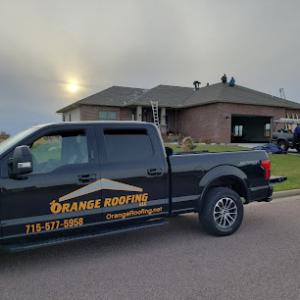
Orange Roofing
(715) 577-5958 www.orangeroofing.com
8988 WI-124, Chippewa Falls, Wisconsin
5.0 from 101 reviews
Orange Roofing serves as a leading Roofing, Storm Damage, and Rain Gutter Contractor in the Chippewa Valley. We’re fully licensed and factory certified professionals who tackle asphalt roofing projects from large commercial to small scale residential repairs. Fueled by our commitment to customer service, we go the extra mile to make sure homeowners have a great experience from start to finish. Call us today to schedule a free inspection or estimate.
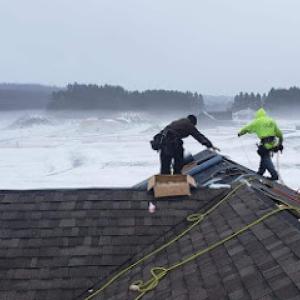
Above & Beyond Construction
2874 116th St, Chippewa Falls, Wisconsin
5.0 from 11 reviews
Above and Beyond Construction is the ideal choice for your exterior needs. Our customer satisfaction, performance, quality and cost goals set us aside from the rest.
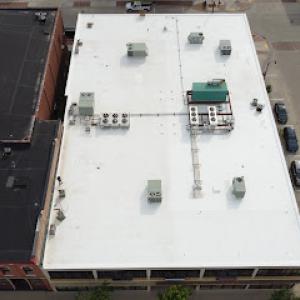
Eau Claire Roofing
628 Technology Way, Chippewa Falls, Wisconsin
5.0 from 10 reviews
Commercial roofing contractor providing exceptional services and superior materials to give you a long-lasting end result.
Chippewa Valley Exteriors
(715) 723-6320 www.cvexteriorswi.com
420 W Wisconsin St, Chippewa Falls, Wisconsin
4.5 from 30 reviews
Chippewa Valley Exteriors provides home exterior renovations, storm repairs, restoration, roofing, windows and doors to the Chippewa Falls, WI and surrounding area.
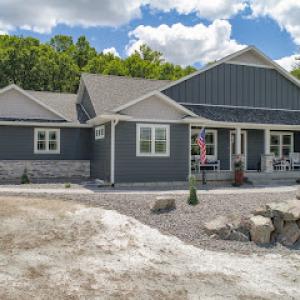
Peck Roofing
(715) 215-0392 www.peckroofinginc.com
14903 Co Hwy UN, Chippewa Falls, Wisconsin
4.8 from 13 reviews
Peck Roofing opened its doors in 1998 in Chippewa Falls, WI, with a focus on replacing worn-out asphalt shingle roofs for homeowners at a fair price. Over 25 years later, even though the company has expanded its services to include siding, window, and door replacement, the overall focus remains the same, “Give the customer a high-quality product and service at a fair price."
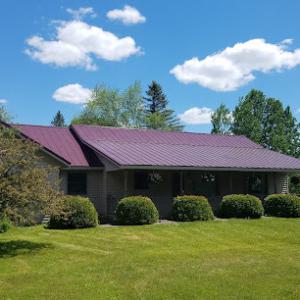
North Woods Roofing & Construction AE
1920 Wheaton St, Chippewa Falls, Wisconsin
4.4 from 19 reviews
As a premier company specializing in residential and commercial roofing services, we are dedicated to providing customer service that is second to none. Whether you have a new construction project or need to replace an old or damaged roof, we offer roofing repair and replacement services.
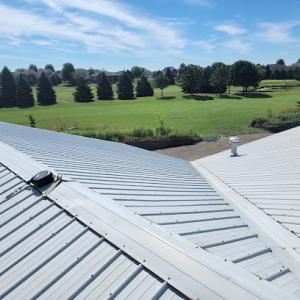
Orion Defense Systems
(715) 944-9454 www.oriondefensesystems.com
2252 Olson Dr, Chippewa Falls, Wisconsin
5.0 from 3 reviews
Orion Defense Systems is a trusted, veteran-owned roof coating contractor serving Chippewa Falls, Eau Claire, Menomonie, Woodbury, Wausau, Superior, Duluth, Hudson, River Falls, and Green Bay. Specializing in advanced acrylic and silicone roof coatings, we help you prolong your roof’s life and delay costly replacements with durable, energy-efficient solutions backed by 10-20 year warranties. Our bonded, licensed, and insured team uses time-tested materials to minimize disruption while boosting energy savings and meeting cool roof standards. Safeguard your property with expert inspections, maintenance, and repairs. Call today for reliable, professional roof coating solutions tailored to your needs.

LifeTime Exteriors of WI
(715) 452-3124 lifetimeexteriorswi.com
Serving
4.6 from 51 reviews
LifeTime Exteriors of WI offers roofing and gutter installation and repair services to Chippewa Valley, St. Croix River Valley, and surrounding areas. We are family and veteran-owned.
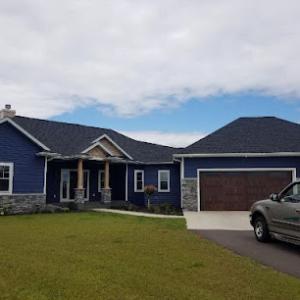
Major Exteriors
(715) 210-4980 majorexteriors.com
Serving
4.8 from 17 reviews
Welcome to Major Exteriors, the trusted name in roofing in Chippewa Falls, WI, since 2019. Specializing in installation and repair of asphalt, flat, and metal roofs, we understand the importance of quality craftsmanship and exceptional service. Our dedicated team ensures every project meets our high standards, prioritizing customer satisfaction above all. We are committed to serving Chippewa Falls and nearby communities with honesty, value, and top-notch service. Contact us today for all your roofing needs and experience our commitment to excellence firsthand!
Anderson's Seamless
(612) 254-9272 www.andersonsseamless.com
Serving
4.6 from 34 reviews
We are your one stop shop for all of your homes exterior needs. We specialize in roofing, siding, gutters, windows, additions, renovations, and repairs. We work in both commercial and residential fields. We have over 20 yrs experience, fully insured, and we carry our dwelling contractor license for the state of wisconsin. We pride ourselves in our workmanship, and we pride ourselves in our relationships with our customers as a small local business. Give us a call for a free estimate 24 hrs a day, 7 days a week.
Superior Roofing & Restoration
(715) 598-1501 www.superiorroofingandrestoration.com
Serving
5.0 from 40 reviews
When you need to find a roofing company that you can rely on for every installation and repair, reach out to Superior Roofing & Restoration! Give us a call today to schedule an initial consultation and free estimate with our roofing specialist.
Frontline Roofing & Restoration
(715) 210-9477 frontlinerr.com
Serving
5.0 from 34 reviews
We are a general contractor that specializes in roofing and siding along with helping our customers with insurance related storm damage claims.
Wisconsin homeowners commonly face hail and wind claim activity, and Chippewa Falls owners should expect insurers to request photos, contractor estimates, and clear damage timelines. When a storm hits, gather high-resolution pictures from before and after the event, focusing on roof surfaces, flashing at chimneys and valleys, and any signs of dented metal or displaced shingles. Keep copies of all estimates and write a simple, dated timeline of when you noticed damage, when you reported it, and when repairs started or were scheduled. This is not just about getting a payout; it helps prove the condition of your roof and the durability of the repair path chosen.
Because claim reviews may examine installation details, Chippewa Falls homeowners need records showing flashing, ventilation, and nailing compliance after replacement. Insurers will look for proper attic ventilation, especially with long winter seasons and freeze-thaw cycles that stress underlayment and roof decks. Retain documentation of any retrofit or replacement decisions that affect ventilation, ridge vents, soffit intake, and attic baffles. If a replacement occurs, ensure flashing around dormers, skylights, and transitions to siding is photographed from multiple angles. Clear, organized records reduce back-and-forth questions after a claim and support a timely settlement.
Storm-driven demand spikes can tighten contractor availability in the Chippewa Falls area after regional hail or wind events. If your area was hit, expect scheduling delays and higher competition for skilled crews. Start by identifying a few trusted local roofing teams now and confirm they preserve lines of communication for updates and photographs during the claim process. After a storm, document any temporary measures you implement to protect the interior from leaks or wind-driven debris, and keep receipts. While it can be tempting to rush repairs, prioritize crews with verifiable experience handling ice-dam risk, proper flashing, and attic-ventilation upgrades to avoid repeat claims or inadequate fixes.
When you're budgeting a roof replacement, the sticker price for asphalt shingles typically runs from 350 to 550 USD per square, while metal roofs span roughly 700 to 1500 USD per square. For clay tile, expect 1000 to 2500 USD per square, and synthetic or composite shingles come in around 450 to 900 USD per square. If slate is on the table, costs can range from 1500 to 3000 USD per square, and cedar shakes typically fall between 600 and 1200 USD per square. These figures reflect the mix of older steep-slope homes and newer suburban roofs that characterize the local housing stock, and they're a good baseline as you compare bids.
Short warm-weather scheduling windows compress labor demand between late spring and early fall, which can push project start times and crews' daily rates higher. That pressure is especially visible when a roof needs tear-off work, ventilation upgrades, or flashing replacement-things that are common on Chippewa Falls' traditional Wisconsin homes with steeper pitches. On older houses, costs often rise because the project includes deck repair, attic ventilation upgrades, or more complex edge details that installers don't see on a flat-roofed bungalow. If a roof has multiple layers, the tear-off can add to disposal and labor time, again driving the per-square price up.
Ice dam risk during the long winter season makes proper attic ventilation a practical priority. A retrofit that improves ventilation can add to upfront costs but reduces the chance of heat escaping into the attic and melting snow at the eaves. In many Chippewa Falls projects, adding or upgrading soffit intake, ridge vents, or auxiliary fans aligns with a longer-term savings plan by limiting ice dam development and improving energy efficiency.
Before you sign a contract, have bids account for potential deck repairs and flashing replacements on steeper rooflines. Ask whether the estimate includes a full tear-off and proper disposal, or if a "strip and re-shingle" approach is offered and why. Confirm whether ventilation upgrades are included or priced separately, especially if the attic shows signs of poor airflow. Finally, align the project schedule with the weather window to avoid peak price periods and to ensure the contractor can complete the work before the heavy snow returns.
For most full roof replacements, a permit is required and is issued by the City of Chippewa Falls Building Department. The process starts with an application at the building department, where plans and scope of work are reviewed for code compliance and safety. If you have an steep-slope roof or a roof with significant ventilation or flashing work, the plan review can take an extra day or two, so plan accordingly around winter scheduling. Failing to pull a permit can lead to a stop-work order or penalties when the project is inspected or when you try to close out the permit. A responsible contractor will verify that the permit is pulled before any shingle disposal or roof dump runs begin.
Inspections are scheduled after installation and commonly verify several critical details before permit closeout. Expect the inspector to check underlayment quality and coverage, ensuring there are no exposed gaps that would let snowmelt seep into the attic during freeze-thaw cycles. The nailing pattern matters too: shingles must be secured per the local code, with proper spacing and fastener type for your chosen material. Attic ventilation is evaluated to confirm there is adequate intake and exhaust to handle winter humidity and to help prevent ice dam conditions formed by warm attic air. Flashing details around chimneys, vent pipes, and along edges should be mechanically sound and sealed to resist snow loads and freeze-thaw movement. If the roof has a valley or low-slope transition, flashing integrity and proper step-flashing installation are reviewed closely.
A final inspection is expected before the roofing permit can be closed. This visit confirms that all required components are in place and functioning as designed, including any attic venting improvements or mechanical upgrades tied to the project. Have access ready for the inspector to trace ventilation paths, inspect attic space, and review any new attic hatch or access point installations. In practice, clear communication with the contractor and scheduling the inspection promptly after completion helps avoid delays when winter weather or snow events push schedules. If any deficiencies are found, they should be addressed and reinspected quickly so the permit can be closed without lingering holds.
Late spring through early fall is the preferred replacement window in Chippewa Falls because it reduces weather risk and supports proper installation conditions. Choosing these months minimizes freeze-thaw stress on shingles and helps sealants set before another heavy winter. In practice, plan around thaw cycles, not snow buildup, so crews can work steadily without repeated interruptions from drifting runoff. This window also aligns with typical attic ventilation improvements you may be coordinating alongside the roof.
Spring rain and storm activity in Chippewa Falls can interrupt tear-off schedules and increase leak exposure if projects are not tightly sequenced. If a large storm system rolls through, expect temporary pauses or staggered days to keep sealants from being compromised. Ensure tarping and underlayment are secured during rain bouts, and that flashing details are prioritized when work resumes. A well-ordered plan minimizes the time an exposed roof is vulnerable to wind-driven moisture.
Summer heat can affect asphalt shingle installation and fastener performance, while autumn wind and falling debris can shorten the workable season. High heat can soften asphalt, altering nail depth and shingle seating. Scheduling early or late in the day helps. Autumn wind can complicate material handling and debris control, so crews often target tighter sequence windows to avoid weathered edges or rushed resections.
Replacement should maximize attic ventilation improvements to mitigate ice dam risk. If attic air is poorly vented, heat loss from the attic migrates into the roof assembly, accelerating snow melt on the upper slope and refreezing at the eaves. Consider aligning vent upgrades, baffles, and continuous soffit intake with the timing of the replacement to ensure long-term performance against winter throat freezes and snow load.
Older Chippewa Falls homes may need roof system upgrades beyond shingles, especially where ventilation and flashing details do not match current replacement standards. The long snow seasons and freeze-thaw cycles stress attic systems differently than newer builds, so a roof that looked fine a decade ago can show gaps in insulation, venting, or underlayment once you start a re-cover. In practice, that means looking beyond the visible shingles to the condition of from-the-attic ventilation, intake and exhaust vents, and the alignment of step and kick-out flashing where roofs meet walls.
In colder winters, attic ventilation is not optional. When soffit intake and ridge or turbine exhaust aren't balanced, you risk ice dams and interior condensation that can rotted rafters over time. Older homes often have undersized or improperly placed vents, which forces moisture to travel into the decking and join the attic air in freezing cycles. Quietly, this can degrade insulation and raise the odds of frost on the underside of the sheathing. The flashing around chimneys, skylights, and walls frequently shows age-related deterioration; if flashing is loose or cracked, it invites leaks that mimic a much larger issue after a heavy snow melt.
Heavy materials such as slate or clay tile are not simple swaps on older local structures and may require structural review before installation. The roof deck on many long-standing homes was never framed to support the load of heavier materials, and retrofits can reveal compromised trusses, degraded decking, or inadequate support. Even if the surface underlayment appears sound, replacing with high-density options without a deck assessment risks hidden failures that surface only after a harsh season.
Re-roofing older homes often exposes hidden deck deterioration after long winters and repeated moisture cycling. The deck may show soft spots, cupping, or nail pops once shingles are removed, signaling a need for repair before any new roofing goes on. Expect a thorough inspection to extend beyond the surface, because aging decks can undermine the performance and longevity of the replacement roof.
Chippewa Falls homeowners should document storm damage with date-stamped photos of shingles, flashing, gutters, interior staining, and any fallen debris immediately after an event. The long snow seasons and freeze-thaw cycles can create subtle damage that isn't obvious at first glance. Focus on signs of ice dam-related lifting, missing granules, and any staining that appears on ceilings or upper walls after a thaw. Keep a running set of photos showing the roof edge, valleys, and any sagging or sagging-looking creases that could indicate underlying wood damage. This visual record helps insurers see how a storm interacted with typical local roofs, especially older steep-slope homes that often pile up ice near gut lines.
Because Wisconsin claim handling can vary by insurer and policy, Chippewa Falls owners should keep permit records, inspection approvals, and contractor scope documents together. A single binder or digital folder with dated copies of approvals, method statements, and square-footage calculations makes it easier if an adjuster asks for specifics about replacement work. Store correspondence from the insurer, notes from any field visits, and photos tied to the same timeline as the written estimates. In winter, when snow load and attic venting come into play, having a complete packet helps demonstrate that the proposed repair plan addresses both structural and ventilation concerns.
Installation documentation matters locally because adjusters may review whether the replacement met expected details such as ventilation and flashing. Include before-and-after roof diagrams, product data sheets for shingles or metal panels, and any attic ventilation calculations. If a contractor provided a scope that mentions attic baffles, ridge vents, or installed flashing at all eaves and transitions, retain those pages and annotate how they align with the observed damage. This makes it easier to substantiate a claim that the project restores proper function against ice dam risk and winter storm stress.