
Last updated: Apr 19, 2026
Wausau homeowners face a relentless cycle: long winters, dense snow stacking on pitched roofs, and the constant threat of ice dams forming along the eaves. Snow-load pressure isn't just about weight; it stresses decking, rafters, and flashing in ways a warm-weather roof never experiences. When the house sits beneath a blanket of white, moisture moves where it wants to go, and any weak seam or unsealed joint becomes a potential channel for leaks. The risk isn't theoretical-when a heavy sweep of snow slides off or thaws unevenly, hidden trouble can surface in seconds. This isn't about a single storm; it's about repeated exposure to winter's grip season after season.
Central Wisconsin experiences sharp temperature swings around freezing that can reopen tiny flaws into major problems. A shingle edge that's barely sealed, a flashing corner that feels sturdy in dry weather, or a tired sealant bead around vent stacks can crack just enough to let meltwater migrate inward when temperatures bounce from above freezing to below. Those micro-failures often stay quiet until a thaw or a fresh snowfall presses moisture into the roof deck. Then a slow drip becomes a cascade that undermines attic insulation, soaks insulation batts, and accelerates wood deterioration. In practical terms, this means minor, easily overlooked imperfections can become urgent repairs after the first warm spell, and again after the next big snowfall. The pattern is predictable enough to plan for vigilance-inspect after every heavy melt, and treat any suspect flashing or sealant as a high-priority fix.
In this climate, replacement decisions are driven by what leaks you can see during winter buildup and spring thaw. A roof that holds a dry attic through late fall may still reveal a drip-line stain once snow piles high and the sun weakly shines through the remaining daylight. That means the window to catch and correct defects is narrow and weather-dependent. If a homeowner waits for obvious water staining or active seepage during a thaw, the damage has often progressed beyond cosmetic repair. Early action-addressing even small ice dam signs, re-sealing suspect flashings, and repairing compromised shingles before the next cold snap-can prevent a cascade of interior moisture problems. When the snow finally melts and the ice dams recede, the still-wet, sun-warmed roof surface can reveal accelerated wear on underlayment, decking, and fasteners. In practice, a prudent homeowner treats winter leaks as a clear signal to assess the roof's overall condition and to plan a targeted, timely replacement strategy if multiple failures are detected.
Pay close attention to eave zones, chimney flats, vent pipe collars, and valley intersections. Ice can back up under shingles at the eaves where heat loss concentrates, and when the attic is inadequately vented, warm air meeting winter cold drives more rapid freeze-thaw cycles at those critical junctions. Look for hairline cracks in shingles, lifted edges, or dark staining along roof lines after a thaw or a fresh snowfall. The attic should be checked for signs of moisture or frost on the sheathing, which indicates that condensation and meltwater are finding pathways into the interior. If any of these symptoms appear, don't delay. Small defects open the door to bigger failures once the next cold stretch arrives, and Wausau winters are unforgiving about lingering roof vulnerabilities.
In this market, roof damage from hail, wind, and ice events drives claims far more than coastal or wildfire losses. Summers bring sudden, sharp storms that slam roofs with hail and high winds, often producing multiple post-storm requests for roof work within days. The pattern in central Wisconsin is predictable enough to plan for, but the risk remains high if storms outpace inspections and timely repairs. The roof is pulled into a tight cycle of weather stress here: lingering ice in corners, repeated freeze-thaw cycles, and heavy snow loads that test the weakest seams and flashing. When a storm hits, anticipate a spike in contractor demand within 48 to 72 hours, followed by a crowded marketplace and hurried assessments that can miss hidden damage.
Summer hail events and strong storms are a known local replacement trigger and can create sudden contractor surge. If a storm rolls through and wind or hail rattles the attic, act fast but methodically. Start with safety: avoid walking on a compromised section during thawed, icy, or windy conditions. Check for visible signs of damage on the exterior-shingles cracked or dented, granules scattered in gutters, or flashing lifted at corners and connections. Even if the roof looks okay from the ground, ensure a thorough inspection that reaches the attic and ceiling interiors for evidence of moisture intrusion, staining, or unusual warmth. The critical window for initial assessment is within days of the storm; delaying can allow water damage to seep into decking or interior walls, complicating both repairs and claims later on.
Insurers in this region generally expect photo documentation, contractor estimates, and adjuster site inspections when storm damage is reported. Gather clear, dated photos from multiple angles: roof surface, gutters, vents, edges, and interior attic spaces where water intrusion might be hiding. Capture weather context-date-stamped photos of hail size if possible, plus any burst ice dam-related leakage along the eaves. Obtain a written contractor estimate that itemizes replacement or repair needs, including flashing, decking, and underlayment where applicable. Schedule the adjuster visit promptly if an insurer assigns one, and be prepared to show the insurance representative the attic access, insulation condition, and any prior repairs that might affect coverage decisions. The goal is to present a coherent, evidence-backed case that aligns observed damage with the storm event and the terms of the policy.
After a major storm, keep a ready-to-use action list: secure temporary protection to prevent further water intrusion, document damage with a routine, repeatable photo log, and contact a reputable local contractor who understands the seasonal weather patterns and the post-storm inspection process. When choosing a contractor, verify credentials, references, and the ability to coordinate with the adjuster. In a tight market, timing matters; however, quality flashing work and proper ice dam mitigation strategies are non-negotiable, especially when the winter cycle looms. If a claim is filed, stay engaged: ask for a detailed scope, track the progress of the adjuster's visit, and maintain clear communication about scheduling and any discovered damages beyond the initial estimate.
Find local contractors experienced in assessing and restoring roofs after hail, wind, and severe weather events.
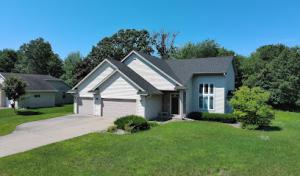
C&C Services
(715) 203-3696 www.ccservicesgroup.com
154538 CountyRoad Ww, Wausau, Wisconsin
4.7 from 56 reviews
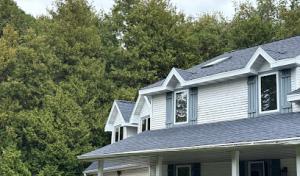
Prestige Roofing
(920) 791-0414 prestigeroofingllc.com
2707 N 6th St, Wausau, Wisconsin
5.0 from 6 reviews

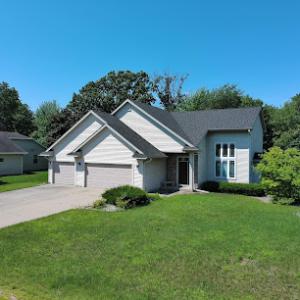
C&C Services
(715) 203-3696 www.ccservicesgroup.com
154538 CountyRoad Ww, Wausau, Wisconsin
4.7 from 56 reviews
C&C Services Group offers interior and exterior contracting services to the state of WI.
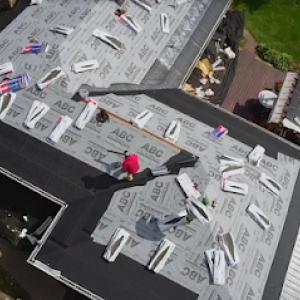
Horizon Exteriors
(715) 421-7664 horizonexteriorswi.com
11 Scott St Suite 122, Wausau, Wisconsin
5.0 from 12 reviews
Horizon Exteriors provides professional roof replacement, siding installations, and window installation services in Wausau with unmatched attention to detail. Homeowners searching for reliable roofers near me can depend on our team for fast, accurate estimates and high-quality workmanship. We use premium materials from GAF, CertainTeed, LP SmartSide, and Andersen that deliver long-lasting results for ongoing roof repairs to siding improvements and energy-efficient window upgrades. If you are looking for one of the best roofers in Wausau, Wisconsin we combine craftsmanship, reliability, and personalized service to enhance and protect every home.
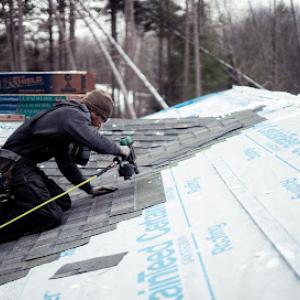
LoneStar Roofing & Construction
(715) 574-6407 lonestarroofingwi.org
Wausau, Wisconsin
5.0 from 6 reviews
Lonestar Roofing & Construction offers high-quality residential exterior services. Homeowners in the Wausau, Merrill & Tomahawk areas appreciate our ability to help offer solutions and results to problems within your home. If you have an exterior home improvement project you've been putting off, now is the perfect time to get started on it! We take pride in providing expert roof and siding repair solutions. Plus, we're always happy to come out and fix any issues with our work at no additional cost.
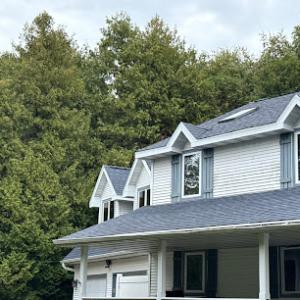
Prestige Roofing
(920) 791-0414 prestigeroofingllc.com
2707 N 6th St, Wausau, Wisconsin
5.0 from 6 reviews
Prestige Roofing is a veteran-owned, family-operated roofing company proudly serving communities across Wisconsin since 2015. What started as a father-and-son business has grown into a trusted local leader with multiple crews and a full support team. We specialize in asphalt shingles, standing seam metal roofing, siding, gutters, and storm restoration. Our mission is simple: protect homes, add value, and deliver lasting peace of mind through craftsmanship, honesty, and exceptional service. From small repairs to full roof replacements, we treat every project like it’s our own home. Call today for a free estimate and experience why so many Wisconsin homeowners choose Prestige Roofing.
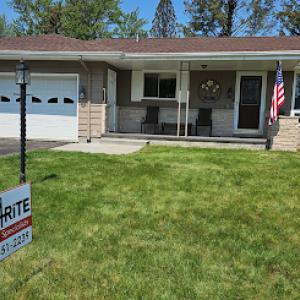
A-Rite Construction & Roofing
4202 CountyRoad Ww, Wausau, Wisconsin
5.0 from 1 review
In 2002, Bryan Londerville decided to start his own company, A-Rite Construction. As the owner of A-Rite Construction, Bryan brings to the table 15 plus years in the construction industry and in most of that time he has dealt closely with exterior renovations and energy efficiency. A-Rite Construction is tremendously qualified with the following accreditation: GAF Master Elite, Owens Corning Contractor, Owens Corning Top of the House Certified Contractor as well as a Pella Certified Contractor and Vinyl Siding Institute (VSI) Certified Installer.

Wausau Roofing & Siding
(715) 571-9229 wausauroofers.com
1612 N 3rd Ave, Wausau, Wisconsin
3.2 from 5 reviews
Wausau Roofing & Siding is has been installing & repairing residential and commercial roofs in Central Wisconsin since 1950. With thousands of satisfied customers, we pride ourselves on quality roofing and superior customer service. LOCALLY OWNED & OPERATED | LICENSED & INSURED
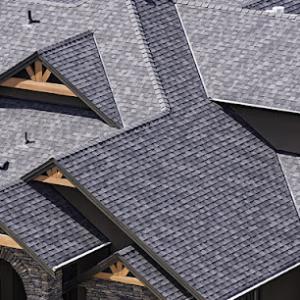
Tovar Construction
(920) 410-9422 tovarconstructionllc.com
Serving
4.9 from 56 reviews
When it comes to Roofing Services no one compares to Tovar Construction With years of combined experience, Tovar Construction has worked hard to build the trust of our clients in Oshkosh, Appleton, Ripon and beyond. Visit our website to learn more. Or better yet, click the link and call us today!
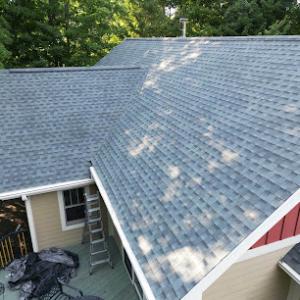
CP Siding & Construction
(608) 863-3356 www.cpsidingandconstruction.com
Serving
5.0 from 36 reviews
Empowering Your Home's Potential - CP Siding & Construction specializes in transforming houses into dream homes with our expert roofing, siding, and gutter services. Our dedication to quality and customer satisfaction ensures that every project is a masterpiece of craftsmanship and efficiency.
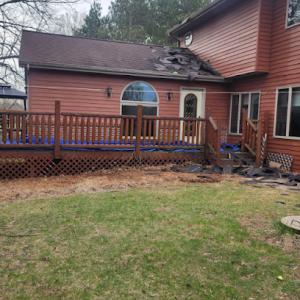
Sal's Signature Roofing
(920) 527-8170 www.salssignatureroofingllc.com
Serving
5.0 from 23 reviews
Welcome to Sal's Signature Roofing LLC, your trusted roofing experts in Oshkosh, WI. We are a small, family-owned business, deeply rooted in our community, and dedicated to providing top-notch roofing services. Over the years, we have had the privilege of growing alongside our neighbors and surrounding communities, and we take great pride in serving the people who make our area so special.
Shield Roofing
(608) 673-7663 shield-roofing.com
Serving
5.0 from 21 reviews
Shield Roofing is your trusted partner in Marshall, WI and Waterloo, WI for all roofing needs, delivering top-quality solutions with reliability and expertise. We specialize in roof installation, repair, and maintenance for both residential and commercial properties. Our skilled team also provides professional gutter and siding services to protect your home and enhance curb appeal. At Shield Roofing, we use durable materials, proven techniques, and a customer-first approach to ensure long-lasting results. Whether you need a quick repair or a complete roof replacement, we’re here to safeguard your property with dependable workmanship you can count on.

CW Custom Exteriors
(715) 870-1892 www.cwcustomexteriors.com
Serving
4.8 from 23 reviews
Central Wisconsin's Roofing and Siding Specialist
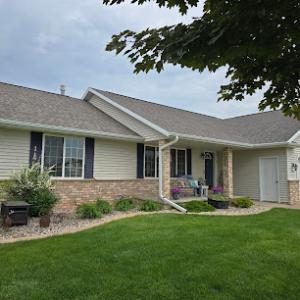
Hansen Roofing & Repairs
(920) 851-7571 www.facebook.com
Serving
5.0 from 15 reviews
Residential Roofing and Repairs
Asphalt shingles and metal roofing are the practical, dominant choices in this market due to the mix of heavy snow, repeated freeze-thaw cycles, and periodic hail exposure. For most homes, asphalt shingles offer solid protection against thaw cycles when paired with careful flashing details and proper attic ventilation. Metal roofs, while sometimes costlier upfront, can shed snow more predictably and resist impact from hail, reducing the chance of ice dams forming behind lifted edges. When choosing between these two, align your selection with the existing roof slope, overhead clearance for snow shedding, and how aggressively you want your roof to shed moisture after a storm. If you expect frequent late-season thaws that cause meltwater to refreeze at the eaves, prioritize edge-to-edge sealing and a generous overhang to keep meltwater away from vulnerable flashing.
Clay tile, concrete tile, and slate exist in the market, but their heavier loads demand careful evaluation of structural support before installation. In a snow-prone city, the added weight compounds the risk of fasteners loosening from freeze-thaw cycles if the roof deck isn't prepared or if the framing isn't upgraded to handle the load. If you're considering these materials, have a structural engineer review the existing framing and consider reinforcing rafters or adding a more robust underlayment and integrated snow retention systems. Pay attention to seasonal performance: tiles and slate can be more resistant to wind-driven damage, but they're brittle in cold snaps and can crack if hail or heavy ice adheres to their surface. In mid-winter, ensure the roof has consistent, unblocked pathways for meltwater to reach drainage points, and double-check that hips and valleys are properly reinforced to resist ice dam build-up.
Wood shingles and shakes are valued for their natural look, but central Wisconsin winters demand careful moisture management. Prolonged snow cover and spring wet periods extend drying times, which can promote mold or rot if ventilation and underlayment aren't up to the task. When choosing wood, select kiln-dried stock and pair it with a high-quality underlayment and a well-sealed ridge line. Consider a thicker profile for better wind resistance, but balance that with the roof's slope and expected snow load. Regular alignment checks after heavy snow events help prevent warping that creates hidden water paths. For any wood option, plan on a maintenance routine that includes inspecting for signs of moisture intrusion after the thaw and resealing fasteners to preserve a tight seal through multiple freeze-thaw cycles.
Across all materials, the emphasis is on flashing and edge detailing. Narrow drip edges, properly sealed skylights, and well-seamed valley work dramatically reduce the risk of ice dams. In a climate where freeze-thaw cycles are relentless, a high-quality sealant at joints and careful mitigation of potential water ingress behind gutters are essential. This city's winter pattern rewards meticulous attention to how a roof delivers meltwater to its drainage plan, so ensure the installation crew prioritizes flashing continuity and secure attachments at every transition from roof to wall.
Local pricing tends to swing with storm-driven demand. After hail or strong winds, crews get booked up and materials move quickly, which can tighten scheduling and labor availability in the Wausau area. That pressure often translates to a few hundred dollars more per square, especially for popular shingle profiles or metal options that are in higher demand after a big storm. When you're budgeting, expect the same cost ranges as shown for each material, but plan for tighter windows and a faster turnaround if the next round of hail hits or a wind event pushes through town.
Steep, snow-country rooflines are common here, and that translates to higher tear-off, staging, and safety costs. A steeper pitch means more hours of labor per square and stricter safety protocols, which can add to the overall price tag. If your home already uses architectural or thicker shingles, or you're upgrading to metal, the extra setup and fall protection requirements push the project into the higher end of the range. In practical terms, you'll see the impact most on the square-foot rate when the crew has to spend more time on ladders, harnesses, and material handling in a snowy or slushy season.
Seasonal timing matters in this climate because winter conditions and wet spring weather can slow installation and increase protection and scheduling costs. If a replacement lands in deep winter, the crew may need more protection for ice and thaw cycles, which adds both material and labor time. In spring, lingering moisture can stall work or shorten daily progress windows. Planning your project with a longer window for weather delays can help avoid rushed decisions and pricing surprises, especially when you're balancing snow load concerns and post-storm inspections.
Consider lining up financing or a buffer of 5-10% for storm-driven spikes. If a hail event is anticipated, start conversations early with local crews who understand steep pitches and the need for rapid, but thorough, post-storm detailing. When scheduling, prioritize weather windows that allow for proper tear-off and safe staging without mid-project shutdowns, especially if winter melt and spring rains threaten accessibility.
In the City of Wausau, a full roof replacement typically requires a permit. This isn't just a box to check; the permit process helps ensure that the work meets local standards for snow load, ice dam prevention, and proper flashing details that stand up to central Wisconsin winters. The city's permitting system is designed to capture needed adjustments to venting, attic insulation, and roof deck conditions before shingle nails start into place. If a contractor suggests skipping permit steps, that signals a red flag for you as a homeowner.
The City of Wausau building department handles roofing permits and conducts inspections after the work is completed. That means you should anticipate a final walkthrough that confirms the roof was installed to code and that all required components were properly integrated. Knowing this timeline helps you plan around weather windows in late winter or early spring, when days are warming and crews can finish up without the risk of new storms interrupting the work. It also means that your city inspection record will become part of the home's official history, which is helpful if you plan to sell or refinance later.
A key focus during the final inspection is flashing. In this climate, flashing isn't just decorative-it's a frontline defense against leaks during freeze-thaw cycles and heavy snow events. The inspector will look for continuous, corrosion-resistant flashing around chimneys, skylights, vents, and transitions where the roof meets walls. Any laps, step flashing arrangements, or apron details that fail to shed water properly can trigger rework requests. Because flashing details are a local compliance issue, getting these right matters as much as the shingles themselves.
Preparation for a smooth permit and inspection process starts with documentation. Have the contractor provide product specifications for underlayment, ice and water shield placement, and flashing, along with a clear diagram of the overall roof plan. Make sure the permit application lists any additional components such as attic ventilation upgrades or fascia and gutter work, which can influence both moisture management and snow shedding. After the job is complete, request a pre-inspection walkthrough with your contractor to catch potential issues before the city arrives. This proactive step can save a delay and ensure the final inspection proceeds without unnecessary rework.
Post-inspection expectations in this region include clean eaves and proper disposal of old materials, but the heart of the process remains the installation quality and the flashing details. If a discrepancy is found, address it promptly with the contractor and confirm that any required repairs are performed under the permit's scope. A well-documented final inspection record gives you lasting peace of mind that the roof will hold up through another long Central Wisconsin winter.
Wausau sits in a central Wisconsin insurance environment where roof claims are most often tied to hail, wind, and ice events. That mix means your roof faces a broader storm exposure than you might expect, and the timing of the claim season can swing with late-wreaking freeze-thaw cycles.
State-level conditions have not caused widespread insurer pullbacks in this market, but claim activity rises sharply after storms. In practical terms, a big hail or wind event can surge activity for weeks, testing local adjuster capacity and your patience during the process.
Because adjusters commonly perform on-site inspections here, Wausau homeowners benefit from documenting pre-existing wear separately from new storm damage. A careful photo log that shows aging shingles, flashing wear, and any prior patches helps prevent disputes about what's new versus what's worn.
This area tends to see concentrated scrutiny on flashing, ice barriers, and roof edges after heavy snow seasons. If your roof held up through last winter but shows signs of aging at eaves or in the valley intersections, expect those spots to merit close, itemized evaluation during the claim.
When a storm hits, timing matters. Insurance responses can be faster if you alert your carrier promptly and have clear, organized records. A well-maintained attic ventilation check and a snapshot of attic insulation conditions can also inform adjusters' understanding of how moisture moves across the roof deck during freeze-thaw cycles.
Think of the claim process as a collaboration with a local reality: weather patterns, aging components, and on-site inspections all converge. Being prepared with documentation and a measured, cooperative stance can help you navigate the aftermath more smoothly.
As the snow melts and spring rain arrives, the roof you thought was solid through winter can reveal weaknesses. Wausau's spring thaw and frequent rain can expose underlayment gaps and flashing errors that stayed hidden during winter snow cover. That hidden wear is often the first sign that the roof's hidden defense isn't doing its job when moisture moves more aggressively.
The local inspection emphasis on flashing aligns with a real Wausau failure pattern: leaks often show up at transitions after thaw and rain arrive together. Where two planes meet, or where a chimney, vent, or skylight sits, moisture can creep in if flashing isn't integrated with the underlayment and edge details. Homes that seemed stable through winter can reveal moisture intrusion during central Wisconsin's wet spring shoulder season.
Look at valley joints, roof-to-wall transitions, and the flashing around dormers and chimneys. After a long season, the ice dam season may have pushed water to these points, leaving subtle gaps that only reveal themselves when rain compounds the thaw. If water beads or drips along seams that previously looked dry, that's a sign the flashing assembly didn't seal as intended once the ground thaw started.
If you notice staining, damp insulation, or active leaks near transitions, approach with caution. Avoid heavy foot traffic on sagging roofs during wet days, and contact a local roofer who prioritizes flashing inspection and post-winter repairs. A focused check after the first big thaw can prevent more extensive damage as the season progresses.
Find contractors experienced in skylight installation, flashing, and leak repairs to bring natural light into your home.
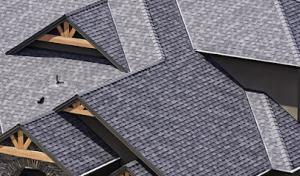
Although steep-slope re-roofing dominates the market, some local homes and attached structures still have low-slope sections that are more vulnerable during snowmelt. In the spring, those transitions tend to hold water longer than the main roof planes, which means more endless cycles of freezing and thawing at the membrane edge and flashing. You'll want to pay close attention to any low-slope areas where dormers meet the main roof, or where a flat porch roof ties into the eaves. Inspect after a melt event for standing water that lingers into the evening, not just a quick drip after it dries.
In Wausau, membrane and flashing stress ramps up with the shoulder seasons. The combination of ice dams and repeated freeze-thaw cycles can push flashing seals loose and gradually degrade the edge details. A practical cue: check the metal drip edge and step flashing at low-slope joints for rust, buckling, or lifted corners. If you see gaps or loose segments, plan a targeted inspection focused on those low-slope junctures first, especially where dissimilar roof planes meet.
Flat and low-slope expertise appears in the local contractor market but is clearly secondary to the city's larger re-roofing and storm-repair demand. If your project includes a low-slope touchpoint, seek contractors with demonstrable experience in ice-dorrection details and wind-driven water resistance at transitions. Ask for photos of comparable Wausau homes with low-slope renovations, and request a written plan that emphasizes membrane continuity, step flashing, and proper termination at parapets or shake lines.
Develop a seasonal checkpoint routine that centers on low-slope areas. After heavy snows, perform a quick exterior scan for buckling, membrane blisters, or unusual sheen that suggests ponding. In spring, monitor for persistent water along transitions and address any pooled areas promptly to minimize long-term damage from repeated freeze-thaw cycles.
Find specialists in TPO, EPDM, and built-up flat roofing systems for residential and commercial properties.

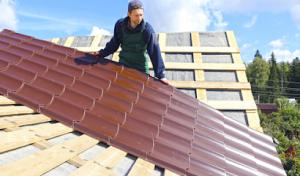
The Wausau market is strongly centered on re-roofing, so homeowners are usually hiring for replacement and storm recovery rather than new-construction specialization. That means the most reliable crews focus on full roof replacement, careful flashing work, and rapid turnaround after a storm. Look for a contractor whose recent projects include rapid-response jobs and post-storm cleanup, so they understand how to handle debris, leaks, and tight wind windows without leaving you exposed.
Quick response and cleanup are prominent local hiring priorities, reflecting how central Wisconsin homeowners deal with active leaks, storm debris, and short weather windows. When you reach out, ask not just about materials but about timeline, crew size, and the sequence of work from tear-off to sealing and final cleanup. A good crew will clearly outline how they manage rain gaps, protect interior spaces during removal, and remove debris the same day. Expect a focused plan that minimizes time with an open roof and maximizes safety for your family and property.
Long-established and family-owned firms are present in Wausau, but the broader market signal suggests homeowners here often balance responsiveness and price more than premium branding. Prioritize contractors with a track record of performing in freeze-thaw cycles and snow-load scenarios. Ask for references from recent, climate-specific jobs and verify that crews are trained in proper ice dam protection, attic ventilation checks, and flashing reinforcement. A local look and feel matters: crews familiar with standing-seam vs. asphalt, and with the way ventilation and soffit details interact with heavy snow, will save stress when spring thaws begin.
Choose a roofer who commits to clear, written communication about milestones and contingencies. In practice, that means a single point of contact for weather delays, an on-site supervisor during critical phases, and a documented cleanup plan. After the job, insist on a thorough walk-through to confirm flashing integrity, exposed-fastener checks if metal is used, and a plan for addressing any post-storm adjustments promptly. This approach keeps you protected through another harsh Wisconsin winter and the inevitable freeze-thaw cycles.