
Last updated: Apr 19, 2026
Marshfield sits in central Wisconsin where prolonged winter snow cover and repeated freeze-thaw cycles drive the most wear on shingles, especially at the edges. Each cycle, moisture wicks into the shingle edges and flashing, tugging at seals and fasteners until edges start to curl and small gaps become leak paths. When snow sits long, meltwater refreezes at eaves and in roof valleys, forcing ice dam formation that pushes water upward under shingles and around flashing. The result is moisture creeping along the roof deck and into the attic before anyone notices a drip inside. This isn't a dramatic, single event-it's a quiet, persistent failure pattern built by season after season of cold, wet swings.
In these winters, flashing movement is a key warning sign. Expansion and contraction from freezing temperatures can shift metal flashings at chimneys, vents, and along hips, creating micro-gaps for water intrusion. Shingle edges show wear first, then curl or delaminate as the sun and melt cycles compound the damage. If small leaks appear during a thaw after a heavy snow event, the root cause is often a combination of blocked attic airflow and inadequate underlayment protection beneath a weakened edge system. The reroof inspection process here specifically checks that ventilation and underlayment meet code expectations, because poor attic airflow amplifies ice-dam risk during Marshfield winters. That means the attic should breathe: balanced intake and exhaust ventilation, with insulation that keeps attic temperatures closer to living space to reduce snow melt on the roof surface.
Homeowners commonly face roof timing decisions around late-winter damage that isn't fully visible until thaw conditions expose decking moisture and leak paths. A quiet attic moisture sign-darkened decking, fungal odor, or spongy plywood in the attic-can indicate long-standing water intrusion. By the time spring rains arrive, a previously sound roof may reveal soft spots, suspicious staining on interior ceilings, or stained insulation. The key is not to wait for the first visible leak in May to realize the roof performed poorly all season. Early, targeted action after a harsh freeze-thaw cycle can prevent cascading damage that complicates a full reroof later.
Prioritize attic airflow improvements before the next deep freeze. Ensure soffit vents are unobstructed, and that ridge or continuous soffit ventilation is properly installed to create a consistent flow of air across the attic. Have a professional verify that the underlayment is intact and correctly lapped, especially along eaves and in valleys where ice dams form. After a major snow event, have a contractor safely assess potential ice dam impact from the ground or via portable lift-do not attempt risky shingle or flashing work from ladders in winter conditions. If thaw reveals attic moisture, arrange a prompt inspection to pinpoint moisture paths and address any compromised decking or flashing before spring rains intensify the problem. Remember, proactive maintenance and early identification of ventilation or underlayment flaws are your best defenses against Marshfield's brutal freeze-thaw cycle.
In this area, the warm-season pattern includes severe thunderstorms, making spring and summer the period when hail and wind damage most often change a maintenance issue into an insurance claim. The raw mechanics of the weather mean shingles can take hits in a single afternoon that reveal damage only after the moisture stress of the following week. If a storm line arrives in late spring, the risk is not just the impact itself but the subsequent weight of saturated decks, soaked underlayment, and any compromised flashing that becomes more expensive to fix if delayed. A practical approach is to plan for a post-storm inspection within a few days of the event, focusing on visible granule loss, dented edges, and any lifted tabs that could admit moisture.
In the central Wisconsin insurance environment, carriers commonly cover hail and wind losses but may scrutinize older roofs for depreciation, making date-stamped photos and contractor estimates especially important after local storm events. The goal is to clearly document what was present before the event and what changed afterward. A simple, daylight photo log showing roof faces from multiple angles, attic interior observations if accessible, and close-ups of damaged areas can save time when filing claims. Contractor estimates should emphasize the observed condition, point to specific hail or wind evidence, and note any preexisting wear that might impact depreciation discussions. The sequence of photos matters: establish a before-and-after narrative that aligns with the insurer's inspection timeline, so there's no ambiguity about when damage was incurred.
Storm-driven demand spikes in Marshfield can affect contractor scheduling and replacement timing, especially when spring hail is followed by a short northern installation season. When a large storm knocks out multiple roofs, the local market can veer toward a backlog that stretches into early summer. If a claim is approved, the decision to replace or repair may hinge on whether a weather-safe window aligns with material availability and crew travel constraints. It helps to coordinate the claim response with a trusted contractor who understands the local rhythms: rapid mobilization after approval, a realistic timetable for removal, underlayment, and durable overlay products that handle freeze-thaw cycles. In practice, that means you should be prepared for contingency scheduling-windows may shift if a second weather system hits, or if a supplier's delivery schedule compresses during peak demand.
After a storm, the key is disciplined follow-through. Create a simple check-in routine: note the date of each storm, the most affected roof faces, and any new signs of moisture intrusion in the attic or ceilings. If leaks are suspected, mark the highest-priority areas for temporary mitigation-improved drainage, tarping, or sealant touch-ups-to limit interior damage while a claim is in process. When you meet with a contractor, bring the storm date, the sequence of events, and the post-storm observations that support the claim narrative. Clear communication between you, the contractor, and the insurer helps translate spring and early summer storm dynamics into a timely, well-documented resolution that respects the local climate realities.
Quality Roofing
1507 Laemle Ave, Marshfield, Wisconsin
4.8 from 5 reviews
Started in 1943, Quality Roofing, Inc, has provided commercial roofing and sheet metal services throughout WI. In the history of the business, it has changed ownership just once - in 1990. Currently, the Marshfield and Menomonie and Menomonie-based business is owned by Mark & Pat Begotka. Recent projects include: Lambeau Field and the Kohl Center at UW Madison. Quality Roofing is an awarded Master Contractor for Firestone Building Products. Crews are OSHA 10 trained have been recognized w/ABC’s Step safety award.

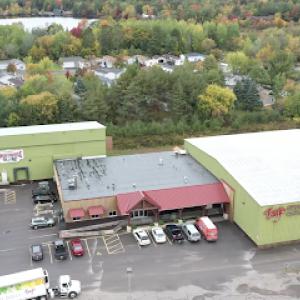
Faber Construction
11922 N Galvin Ave, Marshfield, Wisconsin
4.5 from 2 reviews
With over 15 years of experience, Faber Construction is your source for residential and commercial construction. Offering storm damage repair as well as garages and additions, we are your exterior specialists for roofing, siding, windows, and gutters. Whether you are looking to build a new home or remodel your existing home, we can handle your project with ease! Call today for a quote.
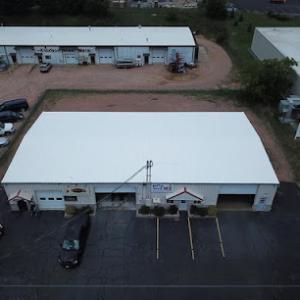
Yutzy Roofing Service
(715) 897-5017 www.yutzyroofingservice.com
Serving
5.0 from 8 reviews
Yutzy Roofing Service is a family owned roofing business that has been covering the state of Wisconsin since 1995 with top quality roofing systems for your commercial roofs large or small. Our goal is to provide you with the best solution for your roof at a very competitive price. Get your roofing project started today! We offer several different seamless roofing systems including our Metal Roof Restoration system, EPDM Restoration system, and Foam Roofing systems for any and all types of roofs. No roof is too large or too small for us, we have installed thousands of roofs literally all across the state and we have references to back it up. For your free quote from Yutzy Roofing Service contact us today.
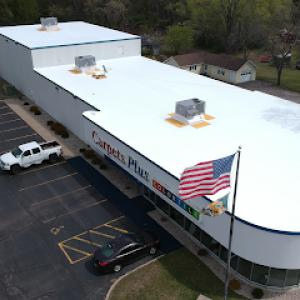
Roof Tech
(715) 660-0909 rooftechllc.com
Serving
5.0 from 23 reviews
At Roof Tech, we've woven three decades of the Yutzy family legacy into every roof we touch. Born from a passion for durable, energy-efficient roofing solutions, we specialize in commercial roofing with services ranging from metal and membrane restoration to innovative spray foam and full-fabric reinforcement systems. Our seamless solutions are designed to enhance longevity, reduce energy costs, and prevent leaks, backed by warranties ranging from 10 to 20 years. As a family-oriented business spanning across Wisconsin, we pride ourselves on honesty, fair pricing, and unmatched workmanship. Your trust is our top priority. Discover the Roof Tech difference and secure your building's future. Contact us for a free evaluation.
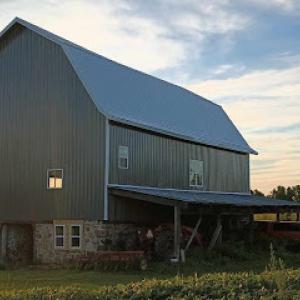
Triple 7 Roofing
(715) 931-0413 triple7roofing.com
Serving
4.8 from 19 reviews
At Triple 7 Roofing, we are a team of dedicated professionals serving the Arpin, WI community. With years of experience in the roofing and construction industry, our skilled workers provide top-quality services for all your roofing needs. Trust us to deliver exceptional craftsmanship and reliable results for your home or business.
Kulp's of Stratford
(715) 687-3368 www.kulproof.com
Serving
4.3 from 12 reviews
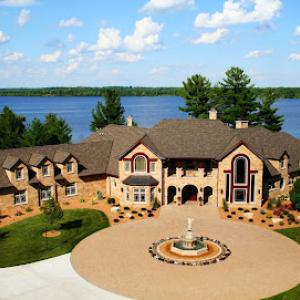
Kulp's of Stratford provides residential roofing, commercial roofing and spray foam insulation. Kulp's of Stratford, is a roofing, insulation, and sheet metal contractor in Central Wisconsin.
Draeger Roofing
(715) 615-2792 www.draegerroofing.com
Serving
5.0 from 2 reviews
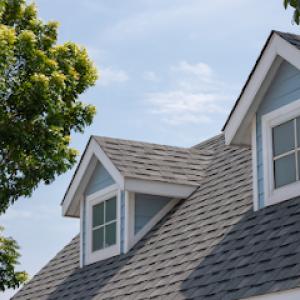
When you need roofing services, look no further than Draeger Roofing. Located in Chili, Wisconsin, we strive to provide quality work at a great price. With over 19 years in business, you can be assured we have the knowledge and experience to handle your roof. Our fully insured services include new roofs, tear-off roofs, soffit, and fascia. When the job is complete, we provide complete clean-up. This means there is no mess for you to deal with later. At Draeger Roofing, all we do is roofing and we look forward to doing yours. Call today for a free estimate!
M.H. Roofing & Coatings
Serving
5.0 from 4 reviews
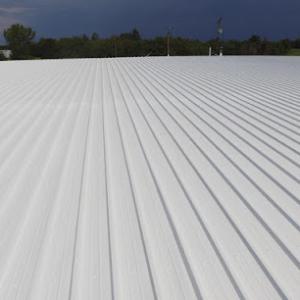
M.H. Roofing & Coatings is a family owned and operated business, we offer new pole sheds / bardominen houses/ garages etc also asphalt shingle roofing elastomeric roof coatings for any & all commercial & residential roofs. We keep it simple/hassle free/ quick turnaround time and fair priced! Continuously building lifetime relationships Thanks for checking with us god bless!
Using the provided local ranges, Marshfield homeowners can expect asphalt shingles at 500 to 900 USD per square, metal at 700 to 1500, clay tile at 1000 to 1800, concrete tile at 900 to 1600, synthetic/composite at 550 to 1000, and slate at 1800 to 3500. Those figures reflect the winter-heavy reality here: the snow seasons push labor windows tighter and tear-off crews have to juggle work when storms ease. When you're budgeting, plan for a solid range rather than a fixed number, and be prepared for a higher out-the-door price if the project lands in peak spring repair season.
Costs in Marshfield are pushed up by winter-related tear-off complexity, the need to address moisture-damaged decking after freeze-thaw exposure, and seasonal labor compression when replacements cluster after spring storms. If your roof is corrugated with snow buildup or has ice dam risk, the crew may take extra precautions-ramping up waste disposal, decking flashing, and insulation checks. Those extra steps show up in the bid as a higher square for the project, but they're the difference between a durable winter-ready roof and one that falters after the first thaw. Factor in a cautious contingency for unexpected moisture damage when the old decking is opened up.
Heavier materials such as clay, concrete, and slate can carry added structural and installation considerations in a snow-prone central Wisconsin market, while metal often prices higher but appeals to owners prioritizing snow shedding and long winter durability. If you live with frequent freeze-thaw cycles, metal can help shed heavy snow and reduce ice dam risk, but installation must account for weight and edge detailing. Clay and concrete tiles deliver long lifespans but demand a stronger structural frame and careful underlayment planning to survive repeated freeze-thaw cycles. Synthetic/composite shingles offer a middle path: better resistance than standard asphalt with lighter weight than tile options, often at a more predictable price point. Asphalt shingles remain a practical default for many homes, balancing cost, install speed, and standard performance through cold snaps.
Start with a realistic load estimate that accounts for winter tear-off complexity and potential decking repairs. If a replacement coincides with spring storms, align expectations for contractor scheduling and possibly temporary shelter solutions during delays. For snow-prone roofs, consider upgrades to underlayment and attic ventilation as part of the bid, since these features directly influence long-term performance after freeze-thaw events. When you compare bids, look beyond per-square prices: verify warranty terms, ice-dam protection measures, and how the installer handles moisture-damaged decking.
Asphalt shingles remain a practical fit for Marshfield homes, offering solid curb appeal and a straightforward repair path. In winters marked by repeated freeze-thaw cycling, the quality of attic ventilation and underlayment becomes a deciding factor: weak venting and insufficient moisture barriers accelerate ice damming and shorten life. If you choose asphalt, prioritize a well-ventilated attic, an ice-and-water shield at eaves and valleys, and proper attic baffles to maintain a continuous airflow. In this climate, the look-alike grades that offer better granule retention and thicker back coatings can pay off in durability during heavy snow years. Regular inspections after heavy storms help catch minor loosening that snow load can exaggerate.
Metal roofing is especially relevant in this market because snow retention and shedding behavior matter more here than in milder climates. A fast, clean shed of snow reduces the risk of ice buildup on lower edges, but you must plan for snow-stopping devices and snow guards that suit your roof pitch. In Marshfield, the interaction between metal's thermal expansion and seasonal cold can influence fastener choices and sealants, so pick hidden-fastener systems or corrosion-resistant exposed fasteners designed for cold climates. Choose ridge vents and eave protection that coordinate with your metal underlayment to minimize ice dam formation at the eaves. A well-insulated attic remains essential to keep the roof structure from freezing and to prevent condensation issues that masquerade as moisture damage.
Tile and slate options are available locally but are less forgiving in a climate with substantial snow and winter movement. When considering these heavier systems, Marshfield homeowners need to weigh appearance against weight, brittleness, and repair logistics. Clay and concrete tiles can crack under freeze-thaw stress if movement is pronounced or if underlayment is lacking. Slate offers longevity but is brittle in extreme cold and requires precise installation to resist seasonal movement. If choosing these, ensure robust back-up support, comprehensive snow-management plans, and a consistently warm roof edge-especially along valleys and skylines-so that winter stresses don't translate into widespread cracking.
No matter the material, a proactive maintenance mindset saves future headaches. Keep eaves clear of ice overload, address damaged shingles before a thaw, and verify that gutters and downspouts direct meltwater away from the foundation. In a city where spring storms can follow heavy snow, consider an annual roof evaluation after winter and before peak storm season to catch subtle shifts caused by freeze-thaw cycles.
A full reroof in Marshfield requires a building permit issued by the City of Marshfield Building Inspection Department. Before any shingles come off or new underlayment goes on, you must obtain the permit, and the project will be reviewed for compliance with local code expectations. The permitting process exists for a reason: it ensures that the roof assembly is designed and installed to withstand the region's harsh winters and the spring-to-summer storm swings that can push a roof to its limits. When the crew finishes, the city coordinates inspections to verify that work matches the approved plans and that all required components are present and correctly installed. Skipping or rushing through this step can lead to delays, rework, and a failed final inspection.
The final inspection is not a formality. It confirms that the roof assembly meets Marshfield's specific code expectations, with particular attention paid to ventilation and underlayment. In this climate, winter moisture and ice-dam conditions make these details especially consequential. Poor ventilation can trap heat and moisture, accelerating deck rot and reducing the roof's effective life. Likewise, inadequate or improperly installed underlayment can leave the roof vulnerable to ice damming and water intrusion during freeze-thaw cycles. The inspector will look for proper attic ventilation balance, intact and continuous underlayment coverage, and flashing details around penetrations, chimneys, and along eaves and ridges. A clean, well-sealed perimeter and correctly installed drip edges help manage meltwater as temperatures fluctuate.
From the outset, coordinate with the contractor to ensure that the proposed roof system aligns with the latest local requirements and the approved plan set. If the project includes ventilation upgrades or changes to the underlayment strategy, document these decisions and confirm they meet the city's expectations at inspection time. During the final walk-through, prepare to demonstrate that the attic has adequate airflow, that underlayment is continuous and properly lapped, and that all penetrations are flashed and sealed per code. Remember: the final inspection is the moment to prove that the roof assembly is resilient to Marshfield's long snow seasons and frequent freeze-thaw cycles, not merely a formality to clear the job.
Winter in Marshfield can delay full replacements because snow cover, frozen materials, and concealed decking moisture make accurate scope and installation quality harder to manage. If you're trying to plan, expect short daylight windows and icy access on steep pitches. Work with the contractor to pre-stage materials during milder spells and have a clear plan for snow removal on the roof. Documentation of ice dam risks and temporary protection steps helps keep a project on track through the season.
Spring is a volatile scheduling season locally because storms and hail increase emergency demand while wet conditions can expose hidden roof deck problems. Before spring starts, confirm that fascia, soffit, and drip edge are in good shape and weather once the first warm stretch hits. Use the first clear week to finalize deck inspection for soft spots or rot. Have a contingency for rain days and short work weeks as storms roll through.
Summer offers the broadest installation window in Marshfield, but heat and humidity can still affect underlayment handling, while autumn brings wind and leaf buildup that can complicate final pre-winter repairs. Schedule mid-summer slots for full replacement when possible to avoid spring backlog and to leverage dry spells. Plan for protective coverings against sudden storms and consider daytime work to reduce heat stress on crews and materials.
Autumn brings wind and leaf buildup that can complicate final pre-winter repairs. Use late-summer-to-early-fall downtime to finalize flashing, ridge vent alignment, and attic vent balance. Leave a buffer period before inevitable frost to allow for any last-minute reseaming or stabilization. Thorough debris management and gutter protection help preserve a solid finish as freezes approach.
Wisconsin carriers generally support hail and wind roof claims, and Marshfield homeowners are most likely to interact with that system after spring and summer thunderstorm damage. When a storm sweeps through and leaves shingle edges peeled back or metal panels dented, the insurer will expect a clear picture of what happened and when. A calm, factual claim narrative that ties the damage to a specific storm event will help move the process along.
Older roofs in Marshfield may face depreciation issues during claims review, so owners should keep records of prior repairs, installation dates, and any maintenance tied to winter damage. Inventory every patch, shingle type, and retrofit you've done, and note dates that line up with freeze-thaw cycles. Have invoices, contractor notes, and a simple timeline ready to show what was present before the latest damage and what has occurred since. This helps the adjuster distinguish new damage from wear.
Because local claim decisions can hinge on storm-specific evidence, Marshfield homeowners should document missing shingles, metal impacts, interior leaks after thaw events, and contractor findings before temporary repairs obscure the damage pattern. Take clear photos from multiple angles, including interior ceilings and attic spaces where a thaw-induced leak may show through. Record any contractor findings with dates and photos, and share a brief summary with the insurer alongside your claim. If temporary tarps or patching are necessary, keep receipts and note where and when the temporary work was done to preserve the damage sequence for later review. This careful record-keeping can reduce back-and-forth and support a smoother claim resolution.
Marshfield's roofing profile is shaped less by coastal or wildfire threats and more by central Wisconsin snow, thaw cycles, and severe thunderstorm exposure. Each winter brings heavy snow loads that repeatedly press down on shingles, underlayment, and flashing. A roof that performs well under these conditions needs precise detail in ice dam protection and header and valley detailing to avoid moisture backing up into the attic. In practice, this means prioritizing systems with robust ice and water shield coverage along eaves, rake edges, and penetrations, plus reliable attic ventilation to reduce condensation that can worsen freeze-thaw damage.
Material choice in Marshfield is unusually tied to winter performance, not just curb appeal, because snow, ice, and moisture cycling directly affect service life. Asphalt shingles with proper underlayment and good ventilation can handle repeated freeze-thaw cycles if installed with careful nail patterns and secure flashing around chimneys and vents. Metal roofing shines in shedding snow more predictably, but it still relies on sound underlayment, proper snow guards, and ridge venting to prevent ice buildup at eaves. Tile and slate can offer long life in cold snaps, yet their weight and installation tolerances demand solid structural support and meticulous flashing details to resist shifting moisture through joints.
Severe thunderstorm exposure adds a layer of complexity, as hail and high winds can damage gutters, satellite dishes, and edge details that become critical after a thaw. A Marshfield roof needs dependable edge pasting and secure drip edges to keep meltwater from seeping under the first line of defense. Regular inspection after winter and before spring storms helps catch loose fasteners, raised shingles, or damaged flashing before moisture migrates into framing.
Because the reroof process in this market triggers a final inspection, the finished roof must perform across several cycles of snow, ice, and rain. Prioritizing edge protection, reliable underlayment, and a well-ventilated attic setup translates into a roof that ages more gracefully through the Wisconsin seasons, minimizing premature wear from freeze-thaw stress and springtime moisture swings.