
Last updated: Apr 19, 2026
In this climate, repeated freeze-thaw cycles push water up under shingles at eaves and around penetrations, creating hidden damage that can flood ceilings and rot attic spaces. When warm attic air meets a cold roof, meltwater refreezes at the eave, forming an ice dam that blocks proper drainage. The result is潜 water intrusion, attic condensation, and accelerated shingle deterioration. If you notice stained ceilings, peeling interior paint, or damp attic insulation after a melt event, treat it as a warning sign of an active ice dam problem. Acting now prevents widespread interior damage and costly tear-offs later.
Snow load combined with winter melt-refreeze patterns demands robust attic insulation and airtightness. You must close gaps that allow warm room air to rise into the attic or escape through soffits and vents. Seal around penetrating fixtures, electrical boxes, and chimney gaps with high-quality duct sealant and weatherproof materials. Upgrade insulation so the attic is better at resisting heat transfer from indoors during cold snaps. The goal is to keep roof temperatures uniform enough to reduce the size and frequency of ice dams. If your attic feels drafty or you can see daylight around penetrations from the attic hatch, there is a high likelihood your roof is losing heat where it should be kept in check.
A common misstep is under-ventilating or unbalanced vent runs. In this climate, you need a deliberate rhythm of intake and exhaust that evacuates warm attic air without pulling in humid outdoor air. Intake at the soffice near the eave should complement exhaust through ridge vents or high-cap placement. The balance reduces vulnerable roof sections where meltwater concentrates and minimizes condensation that rots sheathing. If soffits are obstructed by insulation or debris, or if vents are blocked by snow drifts, you create a perfect storm for interior moisture and frost damage. Prioritized maintenance: clear snow away from vents, verify vent screens are intact, and confirm airflow paths extend unimpeded from eaves to the attic's thermal boundary.
Replacement work is most reliable when air temperatures are above freezing for extended stretches. Winter tear-off and dry-in complicate diagnosis, so projects are commonly pushed toward late spring through early fall. If a leak is actively dripping, temporary measures to patch and dry out the attic are essential, but definitive repairs should align with the seasonal window to ensure shingles seat properly and sealants cure without freezing. Plan ahead for a diagnostic walk-through after the melt to confirm attic sealing, ventilation balance, and eave integrity before scheduling any full roof replacement. In short, proactive protection now prevents a larger restoration later.
This area experiences prolonged winter cold and strong freeze-thaw cycles, with moisture from the nearby river affecting both roof surfaces and attic spaces. The pattern creates unique demands on shingles, underlayment, and flashing. Homeowners need to anticipate how repeated freezing and thawing will interact with vent placement, insulation, and drainage. In practice, that means prioritizing systems that shed meltwater quickly and resist ice dam buildup, while keeping attic temps stable enough to prevent condensation and mold.
Central Wisconsin precipitation is not just occasional storms; it tends to arrive steadily through the year, with wet springs and humid summers. Roofs here face sustained moisture exposure, which increases the risk of surface algae growth, deck rot, and fastener corrosion if the roof assembly isn't robust. Proper drainage becomes a multi-season concern: clean, unobstructed gutters, aggressively pitched edges to urge water away from soffits, and flashings that resist ice pushback. When moisture sits on a roof panel during the winter, it can refreeze in edges and valleys, aggravating underlayment wear. Materials selected for long-term resilience in this moisture profile typically emphasize sealed joints, wind resistance, and compatibility with high-humidity attic spaces.
Ventilation is not a one-size-fits-all feature here. In cold, windy winters, insufficient attic ventilation creates pressure differences that pull warm indoor air toward the roof deck, encouraging ice dams when melted snow refreezes at eave lines. The solution blends intake at soffits with balanced exhaust near the ridge, plus a continuous, wind-tolerant underlayment that stays effective even in subfreezing temps. Venting must be paired with insulation approaches that minimize heat transfer into the attic, helping to keep roof temperatures uniform. In reroof projects, expect emphasis on detailing around vent pipes, chimney clearances, and any roof penetrations so they remain vapor-tight yet breathable where needed.
Local reroof planning often revolves around short, reliable installation windows between spring thaw and fall weather swings. That window is shaped by fluctuating spring moisture and late-summer heat, which can stress adhesive-driven underlayment and certain shingle finishes. When planning, prioritize crews that can sequence underlayment, flashing, and ventilation components in a way that tolerates a few days of rain but avoids long delays. A well-timed project reduces exposure to moisture during the work and ensures the roof system remains coherent through the nextwinter season.
The local environment favors roofs that perform in both cold and humid summers. For example, metal and synthetic shingles often offer dependable wind performance and good moisture resistance, while asphalt remains a common, versatile option for a solid balance of durability and cost. Each option should be evaluated for its ice-damming behavior, compatibility with enhanced venting, and how well it pairs with a robust underlayment system designed for Wisconsin winters.
In central Wisconsin, hail, wind, and winter freeze events can create clustered roof claim activity that affects adjuster availability and contractor scheduling in Wisconsin Rapids. When a series of storms hits in a short window, local adjusters may be tied up handling multiple roofs with similar damage signatures. That means you could face longer processing times, tighter windows for on-site inspections, and compressed timelines for next steps. If a storm season stacks several events back-to-back, some reputable roofers may already have backlogs just as temperatures drop and ice dam season looms. Plan for potential delays that ripple through the entire project-from initial inspection to material delivery and final sealant work. Being proactive about documenting damage, coordinating with the right contractor, and maintaining open lines of communication with your insurer can help reduce the stress when storm counts surge.
Insurers serving this market may ask for documented pre-loss and post-loss roof condition, contractor notes, and adjusted estimates after severe weather. The practical safeguard is to photograph and timestamp existing roof features before any damage occurs, if possible, and to keep clear photos after a storm shows new granule loss, lifted shingles, or flashing alarms. When you file, include a concise log from a trusted contractor that notes vulnerable areas such as ridge vents, vent stacks, and intersections with dormers. Keep a separate record of any temporary weatherproofing you've installed, because gaps can become focal points during claim review. If an adjuster visits later in the season, a well-organized file with photos, dated notes, and a labeled diagram of roof zones helps ensure the case stays on track amid busier weeks. In winter, freeze-thaw cycles can complicate condition assessments; document delays caused by snow drift or ice buildup as part of the claim narrative, so adjusters understand why certain measurements or comparisons may need to wait for safer access.
Policy wording around wind and hail coverage can materially affect whether Wisconsin Rapids homeowners repair isolated slopes or pursue full reroof decisions after storms. Some policies distinguish between cosmetic vs. functional damage, and others place thresholds for what constitutes replacement versus repair. If a portion of the roof is damaged but surrounding sections are sound, the claim may hinge on whether the insurer agrees that the damaged area compromises overall performance or weather resistance. In practice, this means a roof that shows widespread granule loss or several lifted shingles due to wind may prompt a more extensive evaluation than a single damaged shingle would. Insurers may also require contractor notes on ventilation, flashing, and underlayment to confirm that the roof was in suitable condition prior to the event and that any recommended repairs will restore the system's effectiveness against future freeze-thaw cycles. Being prepared with a clear statement of the roof's current risks, supported by professional assessment, can influence whether a claim results in isolated repairs or a larger reroof decision. The goal is to align expectations with how the storm behaved-because aggressive ice dam formation and repeated freeze-thaw stress can shift what an insurer considers reasonable under the policy.
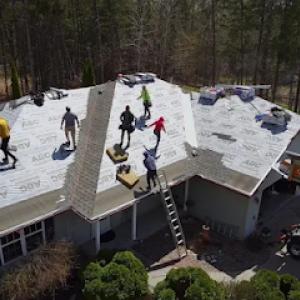
Horizon Exteriors
(715) 421-7663 horizonexteriorswi.com
3421 8th St S, Wisconsin Rapids, Wisconsin
5.0 from 53 reviews
For homeowners in Wisconsin Rapids, Horizon Exteriors delivers high-quality roofing, siding, and window installation services backed by skilled craftsmanship and premium materials from GAF, CertainTeed, LP SmartSide, and Andersen. Searching for ‘roofing companies near me in Wisconsin Rapids, WI’? Our team handles everything from roof replacement and routine roof repairs to siding upgrades and energy-efficient window solutions. With fast estimates, transparent communication, and attention to detail, Horizon Exteriors provides reliable exterior remodeling that protects and enhances your home’s value.
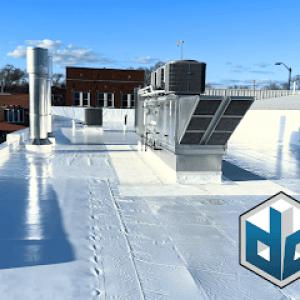
Dynamic Alliance Roofing
(715) 421-1845 www.dynamicallianceroofing.com
4021 72nd St N, Wisconsin Rapids, Wisconsin
5.0 from 38 reviews
Dynamic Alliance Roofing, LLC brings superior craftsmanship and expertise to every roofing project. Located at 3906 Woodridge Trce in Wisconsin Rapids, Wisconsin, their team of skilled professionals delivers exceptional roofing solutions that combine quality materials with unparalleled attention to detail.
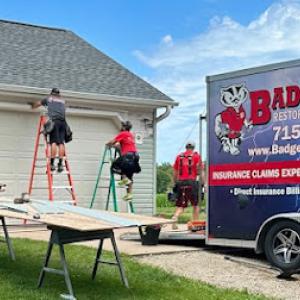
Badgerland Restoration & Remodeling Inc. - Wisconsin Rapids
(715) 942-7160 www.badgerlandrestoration.com
2111 8th St S #100, Wisconsin Rapids, Wisconsin
5.0 from 26 reviews
We have been remodeling and restoring homes and businesses in Central Wisconsin for over 25 years, and in that time, we have earned the respect of customers and competitors alike and established ourselves as one of the most trusted names in the industry. Our mission is to provide exceptional craftsmanship and outstanding customer service, building strong and lasting relationships with our clients. From small-scale home renovations to large commercial projects, we have the experience and expertise to handle it all. When you choose our company, you can expect nothing short of excellence. We are committed to delivering exceptional results that exceed your expectations. Call Badgerland Restoration and Remodeling today for a free quote.
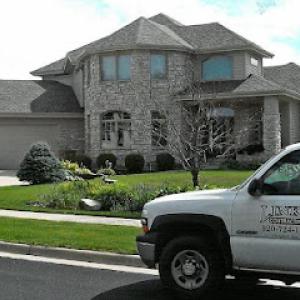
Link's Contracting
(715) 424-5465 www.linkscontracting.com
3241 Plover Rd, Wisconsin Rapids, Wisconsin
5.0 from 1 review
Link’s Contracting is a professional exterior improvement contractor serving Wisconsin Rapids, WI, and the surrounding areas. We specialize in residential roofing and commercial roofing, providing reliable solutions for homes and businesses. Our services include siding installation and repair, emergency roof repairs, gutter installations and repairs, and comprehensive home exterior upgrades. As a family-owned and operated company with over 25 years of experience, we deliver quality craftsmanship with friendly service. Free estimates are available to help you plan confidently. Call today to schedule your consultation and protect your property with trusted exterior improvements.
Vanguard Roofing & Siding
(715) 722-7663 vanguardroofingcompany.com
Serving
5.0 from 223 reviews
Vanguard Roofing & Siding, a Stevens Point-based roofing contractor, serves Plover, Wisconsin Rapids, and neighboring areas with expert roofing, gutter, and siding installations and repairs. Their knowledgeable installers are certified and have the experience needed to provide top-quality workmanship, treating each home as if it were their own. With a focus on honesty and integrity, Vanguard Roofing & Siding strives to ensure customers' peace of mind and is committed to delivering the best service, every time.
Oakwood Exteriors
(715) 432-8202 www.oakwoodexteriors.com
Serving
4.9 from 143 reviews
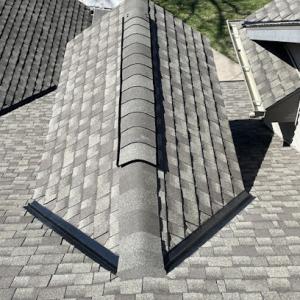
Oakwood Exteriors was founded on quality customer service and reliable, long term exterior solutions. We specialize in a full range of exterior remodeling services including roof repairs and installation, siding installation, seamless gutters, and replacement windows. Our installers are well trained and experienced to make your home beautiful. From concept to completion, we believe every step in the remodeling process and attention to detail is critical to the final outcome. The end result being a long lasting installation with the highest quality products you can be proud of. We are a fully licensed and insured operation, with well-established credentials with the Wisconsin Better Business Bureau.
Infinity Exteriors
(715) 710-1293 www.infinityroofing.com
Serving
5.0 from 29 reviews
Established in 1997, Infinity Exteriors is the most trusted home exterior company in Plover, Wisconsin specializing in roofing, siding, windows, and gutter replacement services. As a locally owned and trusted contractor, our licensed technicians provide residential and commercial customers with roof repair and replacement, siding and window installation, and gutter systems. Infinity Exteriors prioritizes honest communication and offers no-pressure inspections for all projects. Since our founding, we have completed thousands of projects and earned an A+ rating with the Better Business Bureau. No roofing contractor in Plover, Wisconsin offers the same high caliber of roofing installation and repair at prices as competitive as ours.
Roofing & Siding Solutions
(715) 935-0777 www.roofsidingsolutions.com
Serving
5.0 from 12 reviews
Our reputation in the community has been built on the quality of our services, and our competitive pricing. We guarantee that your roofing and siding job will exceed your expectations. All of our dedicated Roofing & Siding Solutions professionals work hard for you, your home and your business. Getting the job right is our top priority. “Stress Free Guarantee. Real People. Real Solutions”
Feltz Construction
(715) 345-1043 feltzconstruction.com
Serving
5.0 from 92 reviews
#1 voted roofing contractor! Feltz Construction has been in business for over 50 years with a flawless reputation.
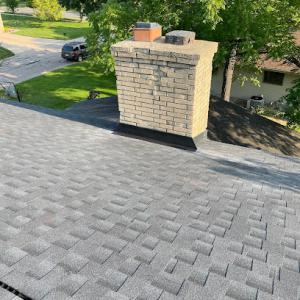
Roofing & Exterior Repairs
(715) 630-0408 roofingandexteriorrepair.com
Serving
5.0 from 7 reviews
Roofing and Exterior Repair is your trusted partner for roofing and exterior repairs. Based in Stevens Point, we're licensed and insured, serving central Wisconsin and surrounding areas. We prioritize communication, quality craftsmanship, and transparent estimates. Our commitment extends to real-time project updates. From roof replacements to gutter cleaning, we ensure meticulous attention to detail. Explore our estimates and experience excellence in roofing, siding, gutters, fascia/soffit, and exterior repairs with Roofing and Exterior Repair.
Triple 7 Roofing
(715) 931-0413 triple7roofing.com
Serving
4.8 from 19 reviews
At Triple 7 Roofing, we are a team of dedicated professionals serving the Arpin, WI community. With years of experience in the roofing and construction industry, our skilled workers provide top-quality services for all your roofing needs. Trust us to deliver exceptional craftsmanship and reliable results for your home or business.
Superior Roofing & Remodeling
(715) 347-7990 superiorroofing-remodeling.com
Serving
4.4 from 14 reviews
Superior Roofing and Remodeling is a locally owned and operated company and I have over 30 years of experience. We have been serving Central Wisconsin for the past 15+ years. We are a full service residential and commercial contractor that provides roofing, siding, remodeling and other services to our area. Our company is fully licensed and insured.
Asphalt shingles remain the dominant local choice because they fit the common residential roof styles and align with what neighbors invest in. In this climate, you should expect good ease of repair and straightforward at-rafters venting, but be mindful of ice-dam risk at the eaves. Granule loss after several freeze-thaw cycles is a real concern, and seal-strip failures along the edges can show up after harsh winters. When you plan replacement, verify the edge detailing and ensure the shingles chosen have adequate wind resistance for this area. A well-sealed underlayment and properly flashed transitions help reduce edge damage during thaw cycles.
Metal roofing is popular here for snow shedding and long-term durability, yet it demands thoughtful installation in a cold climate. Snow slide management is essential to protect walkways and ledges, so talk with the installer about snow guards and rake edge strategies. Condensation control within the roof assembly matters, especially on day-after-thaw cycles that can trap moisture. Pay attention to penetrations-vent stacks, chimneys, and skylights-where correct detailing and sealing are critical to prevent leaks as temperatures swing. A metal system should be paired with a well-ventilated attic and a tested underlayment to reduce the risk of condensation and ice dam formation.
Clay tile, concrete tile, slate, and synthetic/composite options show up in the market, but they require careful scrutiny of structural support and freeze-thaw suitability. Central Wisconsin winters cycle more harshly on brittle or heavy systems than warmer regions, so structural engineering reviews are essential before selecting these materials. If choosing any heavy tile or stone product, confirm the roof deck is reinforced to handle the dead load, and verify that attic ventilation is adequate to modulate interior temperatures and moisture. For synthetics, look for products with proven performance in freeze-thaw cycles and ensure they integrate with proper flashing and venting details to protect against ice dams and edge-driven damage.
Across all materials, the ventilation strategy should keep attic air moving and consistent with local expectations for wind-rated underlayment on reroofs. The correct combination of ridge, soffit, and intermittent exhaust vents helps minimize warm-air buildup that accelerates ice dam formation. Ensure underlayment is rated for cold-climate performance and that penetrations are sealed with flashing that stays watertight through multiple freeze-thaw events.
When you're planning a reroof in this area, the material price ranges you'll see line up with Wisconsin Rapids' climate and housing stock. Asphalt shingles run roughly 320 to 650 USD per square, metal roofs 600 to 1200, clay tile 900 to 1800, concrete tile 800 to 1500, synthetic/composite shingles 500 to 900, and slate 1500 to 3200. Those numbers reflect not just the material itself but the typical freight, local supplier margins, and common underlayment and flashing packages that central Wisconsin projects require to stand up to freeze-thaw cycles and moisture from the nearby river corridor. When a storm hits and demand spikes, expect prices to climb across the board as crews, materials, and lead times tighten.
Storm-driven demand spikes can push costs higher than the base ranges, especially for metal and higher-end composites. Hail and wind events that leave damaged roofs across a wide swath of central Wisconsin create a backlog that affects scheduling and supply, sometimes for weeks. If you're facing an accelerated timeline due to damage, you're not alone, and you'll likely see surcharges or expedited-rate quotes. Planning ahead with a chosen contractor who has a solid record of winter readiness can help keep the project from getting stranded in those peak periods.
Short seasonal install windows matter here more than elsewhere. After long periods of thaw-freeze cycles, crews may encounter moisture trapped in decks or sheathing, which complicates tear-offs and reinstallation. This increases labor time and, occasionally, the amount of underlayment and ventilation work required to satisfy both performance and inspection expectations. If your roof needs decking work or a tear-off that reveals moisture damage, ask for a cost breakdown that separates tear-off, disposal, decking, and re-flashing line items. Cold-weather work also calls for tools and materials rated for lower temperatures, which can influence both price and scheduling.
City expectations often emphasize proper flashing, venting, and wind-rated underlayment on reroofs. That means higher upfront costs for quality components and meticulous installation. You'll see price differences between standard underlayment and wind-rated or enhanced moisture barriers, and between basic step-flashing versus integrated waterproofing systems around chimneys and valleys. In practice, allocate room in the budget for these details, since cutting corners here tends to show up as problems with ice dams, venting inefficiencies, or winter moisture intrusion once the snow melts.
Most reroof projects in Wisconsin Rapids require a building permit from the City of Wisconsin Rapids before work starts. Plan ahead for seasonal delays, and know that the permit office focuses on flashing, venting, and wind-rated underlayment on reroofs.
To begin, submit a standard permit application along with a roof plan showing vents, and venting details. Include details on underlayment type and code-compliant flashing. The local building department may request documentation proving wind-rated underlayment and venting details meet current Wisconsin requirements.
A final inspection is typically required after completion to verify proper installation and flashing. Have access ready for the inspector to verify metal flashings, drip edge, chimney and vent terminations, and proper sealing at eave and rake lines. The inspector will check that the venting system aligns with the attic space and that underlayment is correctly installed over the entire roof deck.
Processing times can vary seasonally, with heavier workloads in spring and late summer. Expect some delay if crews are still finishing up permit conditions or if weather compressed work windows occur during thaw cycles.
Ensure the permit is clearly visible on site until final. Double-check that the wind-rated underlayment and venting details shown on the plan match what's installed. If an inspector returns for corrections, address promptly to keep the project on track.
Scheduling and coordination with the city's permit office helps prevent surprises. If a setback pops up, document any changes to venting or flashing and resubmit quickly. On reroofs, the city sometimes requests wind-resistance details for vent boots and flashing transitions where the roof meets walls or skylights. Keeping a clear, dated record speeds the final inspection. Submit early, and confirm receipt.
Late spring through early fall is the preferred reroof window in this market because winter conditions and spring thaw can delay tear-off and inspection scheduling. Start with a solid plan for a dry, wind-free few days, and align indoor work (dry-in, venting checks) with outdoor work (shingle installation) to minimize back-and-forth delays. If the forecast shows a warm spell followed by a cold snap, schedule the heavy lifting early in the window so days are used efficiently and the crew can wrap up before snows.
Spring thaw and heavy rain can interrupt deck drying and underlayment installation in this market. Keep a backup plan for temporary outdoor storage and roof access routes, and set realistic dry-in targets that account for moisture from melting snow or rain. Ensure the underlayment crew has access to sheltered staging space and a reliable ground cover to protect the decking during wetter periods. When possible, sequence nail-down and protective layers during drier spells to prevent tracking moisture into the attic.
Fall storms and rapid weather changes in central Wisconsin can compress project timelines and make completion dates less predictable. Build a buffer into the schedule for wind-driven days, sudden temperature swings, and rolling cold fronts. Communicate clear handoffs between tear-off, inspection, and final venting checks so crews can pivot quickly as conditions shift. A well-timed cadence helps maintain roof integrity through the first freeze and protects interior spaces during the critical attic ventilation phase.
Typical Wisconsin Rapids failure patterns include flashing leaks exposed by freeze-thaw movement, especially where winter backup water finds vulnerable transitions. When ice dams form or meltwater backs up, water seeks any gap along chimneys, hips, vent pipes, or skylight flanges. Over time, repeated freezing and thawing pry apart nails, sealants, and metal-to-roof transitions. If flashing isn't continuous or properly sealed, you'll notice stained ceilings long before you spot the source from the attic. The consequence isn't just a stained ceiling; it can undermine sheathing and interior insulation, increasing heat loss in subfreezing months and inviting costly repairs after storms.
Ventilation-related moisture problems are a recurring local concern because roofs must perform through both subfreezing winters and humid summers. When attic air stagnates, condensation increases on underside of decks and along rafter bays, which can rot wood, warp sheathing, and degrade insulation. In humid months, peak attic temperatures can push warm, moist air into the roof assembly, accelerating nailhead corrosion and underlayment deterioration. A poorly vented or overburdened roof system tends to manifest as mildew odors, dark stains in the attic, or peeling interior finishes. The guiding principle here is consistent, balanced venting paired with an effective ridge/soffit pattern, keeping the roof deck closer to the outside temperature and humidity.
Contractor quality issues in this region often surface at underlayment selection, flashing execution, and documentation needed for permit closeout or insurance support after storms. If the wrong underlayment is chosen for Wisconsin winters-one that doesn't resist rapid moisture movement or ice buildup-the roof can fail where it matters most: along eaves, valleys, and transitions. Similarly, flashing must be integrated with the selected roof system and properly seated, with thorough sealing at all penetrations. Inadequate installation or missing warranty documentation leaves a homeowner exposed to weather events and policy scrutiny after a severe season.