
Last updated: Apr 19, 2026
Burnsville homeowners are in a Minnesota insurance environment where hail and wind events regularly trigger roof claims and documentation quality can affect claim outcomes. In this climate, claim paperwork needs to be precise, timely, and complete. A high-quality roof assessment submitted with clear notes about material condition, hail impact, wind lift, and any visible moisture intrusion can be the difference between a partial repair and a full replacement. Expect adjusters to weigh present damage against pre-existing wear, age, and the roof's overall condition. Your goal is to be proactive: document every visible impact, photograph the attic and ceilings for signs of moisture, and keep a running record of hail events that might have influenced roof integrity. The more granular your documentation, the less room there is for guesswork in the claim.
Decision-making in this market hinges on how impact damage lines up with the roof's age and performance history. A hail-dented aluminum gutter or a bruised shingle can signal more than cosmetic harm when paired with softened granules, granule loss, or deflected moisture pathways. In practice, adjusters and contractors evaluate impact damage, prior condition, and roof age together; age alone rarely dictates replacement. If multiple roof areas show consistent damage across materials, if signs of unseen moisture exist in the attic, or if the deck shows compression or rot, re-roof becomes the prudent choice. For a homeowner, the prompt question is not "Is it damaged?" but "Will this damage compromise long-term protection or energy efficiency, and can a repair restore full function without recurring risk?" In other words, when storm damage and aging reach a tipping point, a full re-roof can be the safer, longer-lasting solution.
Local replacement timing is strongly influenced by spring hail events and by the practical installation window from late spring through early fall. In practice, that window is the only reliable period for full tear-offs and major reroofs to avoid winter complications, material curing delays, and ice-dam risk. Delays can push a project into next season, during which subsequent storms threaten the roof again and potentially complicate claims. When hail damage is confirmed, coordinating with an experienced contractor who understands Burnsville's spring-to-fall window helps secure a smoother project timeline, minimizes the chance of weather-related setbacks, and aligns the work with typical insurer schedules.
Effective communication with the adjuster is built on precise, organized documentation. Before meeting an adjuster, prepare a concise summary of observed damage, a calendar of hail events, and notes on roof age and prior conditions. Bring professional evaluations that articulate how the damage affects structure, waterproofing, and energy performance. During the inspection, point out granule loss, damaged fasteners, and any evidence of moisture intrusion. Afterward, follow up with a written recap and copies of all photos and reports. If discrepancies arise between what is observed on-site and what the insurer documents, request a re-inspection or an agreed-upon scope of replacement. The goal is to ensure the claim reflects actual condition and that the project scope aligns with the roof's long-term protection needs.
When hail claims are filed, set expectations with contractors about the installation window and your need for a durable, complete re-roof. Seek a contractor who can deliver a thorough assessment, a transparent scope, and a plan that addresses ice-dam risk, ventilation, and attic moisture control. Keep a proactive stance: schedule inspections promptly after a storm, follow up on any pending claims, and verify in writing any changes to the proposed project scope. In this market, timely, well-documented decisions reduce risk and safeguard the home's envelope during the critical post-storm period.
Legacy Construction
(952) 303-4080 legacyconstructionmn.com
11975 Portland Ave Suite 120, Burnsville, Minnesota
4.9 from 120 reviews
Legacy Construction is a roofing contractor in Burnville, MN that services Dakota County, Shakopee, Burnville, and nearby areas. Our roofing company offers residential roofing, commercial roofing, roof repair, asphalt shingle roofing, metal roofing many more. Customers love us because of our satisfaction rating plus our free shingle upgrades. We also have industry affiliations and certifications like GAF Certified Contractor. If you want to experience your most trusted Burnville roofing company’s excellent services, call us now for a free estimate!
All Craftsmen Exteriors
(952) 898-4680 allcraftsmenexteriors.com
1020 E 146th St #226, Burnsville, Minnesota
5.0 from 63 reviews
Since 2005, All Craftsmen Exteriors has helped property owners tackle complex roofing projects. From damage repair to full roof replacements, each of our projects presents unique challenges and requires a customized approach. Thanks to extensive experience within the industry and knowledge of available products and installation best practices, our team of roofing experts is up to the task of tackling even the most complex projects.
Solaris Companies - Roofing
1324 Forest Cir, Burnsville, Minnesota
5.0 from 94 reviews
At Solaris Roofing, we have established a strong reputation for delivering high-quality exterior restorations and interior remodeling services. Our team of skilled professionals is a source of pride for us. We ensure that our technicians are well-informed about the latest industry standards and equipped with top-notch tools, allowing us to provide every customer with dependable service at a competitive price. When it comes to protecting your home, Solaris Companies is here to always deliver a result you can rely on for years to come.

The Roof Guys
(952) 997-4777 theroofguysinfo.com
2200 E 117th St, Burnsville, Minnesota
4.9 from 138 reviews
The Trusted Local Twin Cities Residential Roofing Experts. Licensed & Insured Roofers Providing Exceptional Quality Service Throughout The Twin Cities. The Roof Guys offers free inspections, free quotes, and financing.
Kaufman Roofing
(612) 722-0965 kaufmanroofing.com
14330 Ewing Ave S, Burnsville, Minnesota
4.8 from 417 reviews
Kaufman Roofing installs residential shingle roofs, slate and tile roofs, flat roofs, wood shake roofs, and metal roofs in Minneapolis, MN.
Slim & Trim Construction / STC Roofing
(952) 228-0006 www.slimandtrimconstruction.com
2605 Cliff Rd E, Burnsville, Minnesota
4.9 from 79 reviews
We are a roofing and siding company specializing in insurance restoration.
Maus Construction
(952) 977-9746 www.mausconstructioninc.com
1020 E 146th St Suite 262, Burnsville, Minnesota
4.9 from 39 reviews
Maus Construction is a locally owned company that Specializes in roofing, siding, and windows. We service the Twin Cities and surrounding areas. We are are an Owens Corning Certified Preferred Contractor, GAF Certified Installer, and Certainteed Certified Shingle Master.
American Building Contractors
(952) 562-2400 abcwillhelp.com
2960 Judicial Rd # 100, Burnsville, Minnesota
4.8 from 148 reviews
American Building Contractors (ABC) has been helping Homeowners, Property Managers and Board Members since 1998 with their roofing, siding, windows and gutter needs. We believe in always putting the wants, needs and concerns of our customers first. Our team is committed to delivering on our promise of safety and respect for you, your time and your property. We appreciate "It's Not Just a House...It's Your home!"® Our Insurance Restoration Services Department helps our customers before, during and after mother nature strikes, with understanding the claims process to complete restoration. ABC's headquarters is in Burnsville, MN and we are licensed to do business in 44 states. Our regional offices are in Illinois and Florida.
Schmidt Roofing
(952) 952-3103 schmidtroofing.com
3509 Hwy 13 W, Burnsville, Minnesota
4.6 from 172 reviews
With more than 30 years of experience, we’re bringing our family to your home or office to provide you with the roofing services in Burnsville, MN, you’re in need of, at a price that won’t break the bank. The team at Schmidt Roofing has completed more than 10,000 residential and commercial roofing, siding, window, and gutter installations, making us the leading exterior and roofing contractors in MN. No matter the job, big or small, our team has you covered, so you can get back to enjoying your home or office building’s exterior without worry. We can’t wait to make you a part of the Schmidt Roofing family. Contact us today to learn more or to book services in Burnsville, Mn and the surrounding area.
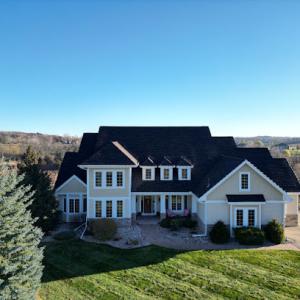
BN Exteriors
(651) 423-7248 bnexteriorsllc.com
Burnsville, Minnesota
5.0 from 11 reviews
Your trusted partner in residential roofing, siding, and windows! Whether your home has been hit by storm damage or it’s simply time for an upgrade, we’ve got you covered. With expert craftsmanship, top-quality materials, and a commitment to customer satisfaction, we make the process stress-free and seamless. Protecting homes, enhancing curb appeal, and delivering peace of mind—one project at a time. License #BC805219
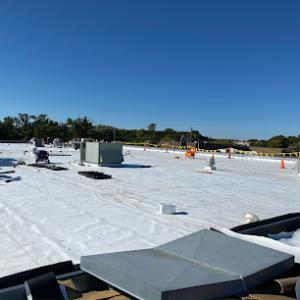
Toro Construction
(952) 594-3140 toroconstructionco.com
201 W Travelers Trail, Burnsville, Minnesota
5.0 from 9 reviews
Established in 2002, Toro Construction has grown from a Burnsville, Minnesota roofing company into a trusted Midwest contractor. Their expertise extends beyond the roof, encompassing siding, gutters, and various interior and exterior building services.
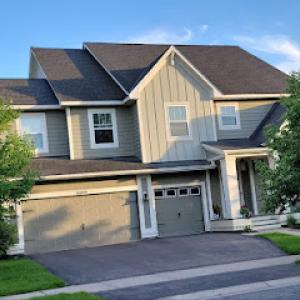
Premiere Exteriors
(651) 249-8403 premiereexteriors.us
12235 Wood Lake Dr, Burnsville, Minnesota
4.5 from 26 reviews
Premiere Exteriors, LLC stands out as the most trusted roofing contractor in Burnsville, MN. Our team delivers top-notch roofing solutions that protect and beautify your property. We emphasize quality craftsmanship and use only the best materials to ensure lasting durability and performance. Moreover, Premiere Exteriors, LLC also has a well-earned reputation as a leading siding contractor in Burnsville, MN. We strive to provide siding options that enhance curb appeal while increasing energy efficiency. Our professionals work closely with clients to choose the right products that fit their needs and budget. Contact us today and discover how we can elevate the look and function of your property.
Cold winters and heavy snows shape the roof-line stress in this part of Minnesota. Ice tends to lock up at the eaves and along roof valleys where heat escaping from the attic can melt a thin layer of snow that refreezes at night. The result is rippling ice that pushes water back under shingles and past underlayment. In Burnsville, those edge and valley stress points are less about a cosmetic flaw and more about the risk of interior leaks after a mid-winter thaw or a rapid warm spell. The problem compounds when the roof line sits over a poorly vented attic or a pocket of insufficiently continuous underlayment. The cold, the snow, and the freeze-thaw cycles combine to open pathways where water can travel.
Freeze-thaw cycling in this part of Minnesota repeatedly opens pathways at flashing transitions, roof edges, and vulnerable valleys. When moisture sneaks behind traditional metal kickout flashing or where valley metal meets shingles, the repeated freezing and thawing can widen gaps over time. That means even a seemingly minor hail scar or a small lift in shingle tabs can become a leak channel after a few cycles. The most vulnerable spots are where two different materials meet-hip areas, roof-to-wall transitions, and the junctions where valley metal ends and shingle lines begin. In practical terms, a small deficiency noticed in late fall can become a larger issue by early spring if ice damming is allowed to persist.
Homeowners in Burnsville often connect winter leak problems to ventilation and underlayment performance because those are also key inspection points on local re-roof jobs. Poor attic air flow can push more heat into the roof cavity, encouraging snow to melt at the top and refreeze at the eave. This not only fuels ice dam formation but also stresses the edge sealing around gutters and soffit lines. An underlayment that is aged, brittle, or improperly installed loses its protective value when ice dams form, allowing moisture to work up behind shingles. When the attic is well-ventilated and the underlayment is in solid condition, the roof system can better resist the dual assault of heat and cold-reducing the chances that a small ice dam becomes a larger leak liability.
Guarding against ice dam damage starts with a proactive stance during the months when snow is most persistent. Ensure gutters are clean and free from debris so meltwater has a clear path to exit rather than backing up against the roof edge. Consider trimming tree branches that hang over the roof to reduce the amount of accumulating snow that sheds onto the eaves. During an inspection or re-roof, pay close attention to the edge fasteners and the alignment of ridge, hip, and valley flashing. If a leak shows up after a winter storm, document where it appears and whether the water tracks along a particular edge or into a valley. This specificity helps determine whether the issue is a flashing failure, an underlayment problem, or a ventilation deficiency.
If multiple winters reveal recurring leakage at eaves or valleys, it is a signal to reassess the roofing assembly rather than simply patching a visible stain. Replacements or upgrades to flashing, improved attic ventilation, and a more robust underlayment can prevent future damage and extend the roof's life. In cases where insulation and ventilation improvements are paired with a re-roof, the combination can be more effective than a patch repair at the edge. The goal is to prevent water intrusion at the most vulnerable interfaces-where snow, ice, and warm attic air meet the cold exterior surface. In Burnsville, that balance between prevention and timely intervention often determines whether a winter season ends with a dry attic and a sound roof.
When you can't wait, these contractors offer fast response times to stop leaks and prevent further damage.
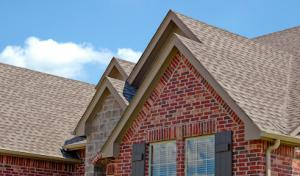
Legacy Construction
(952) 303-4080 legacyconstructionmn.com
11975 Portland Ave Suite 120, Burnsville, Minnesota
4.9 from 120 reviews
Solaris Companies - Roofing
1324 Forest Cir, Burnsville, Minnesota
5.0 from 94 reviews
Asphalt shingles dominate Burnsville's market, offering a practical balance of installability, performance, and repairability for typical residential roofs. The familiar profile makes repairs after spring hail or quick summer storms straightforward, so you don't get stuck waiting for specialty parts. You will find a broad range of profiles and warranties that fit standard roof pitches and visible eaves, which keeps maintenance practical after heavy snowfalls and freeze-thaw cycles. Metal roofing is a meaningful specialty locally, reflecting homeowner interest in durability through snow, ice, and storm seasons. When installed with proper underlayment and soffit details, metal can shed snow more predictably and resist impact better than some softer surfaces during severe spring storms. This combination of common asphalt with a durable metal alternative covers the typical Burnsville reroof rhythm without requiring extraordinary framing or ventilation changes.
Burnsville's climate places distinct stresses on materials: hail in spring can ding surfaces and expose underlayment, heat and storms in summer push shingles and flashings to close gaps, and rapid fall temperature swings can stress sealants as winter approaches. Asphalt shingles respond well to local hail and wind events when upgraded to higher wind-resistance classifications and when installed over solid decking with reinforced underlayment. In contrast, metal roofing shines in shedding spring precipitation and standing up to rapid temperature shifts, particularly on roofs with complex silhouettes where sealant life at flashing joints matters. If your home experiences frequent temperature swings, choose a system with robust sealant compatibility and an evergreen warranty that addresses cold-weather performance. The right choice blends a solid rating for impact resistance with dependable seals around hips, valleys, and chimneys.
Heavier materials listed in this market such as clay tile, concrete tile, and slate are available options but are less typical choices in a city where storm repair and re-roofing volume center on more common residential systems. Clay and concrete tiles tend to require stronger framing and careful weight distribution, which can complicate quick storm repair cycles or shared ventilation strategies after long winters. Slate offers long life and a distinct look, but its weight and brittleness demand meticulous installation and near-perfect workmanship. If a Burnsville home does pursue these heavier options, ensure the roof structure and attic space can support the load and that the project timeline aligns with seasonal weather windows.
For many homes, pairing asphalt shingles with a quality underlayment and solid flashing details delivers dependable performance through hail, heat, and freeze-thaw cycles. If the local climate pattern tilts toward longer winter insulation needs and rapid midseason shifts, consider a metal option that complements existing roofing geometry and allows for efficient snow shedding. In cases with high exposure or prior wind damage, insist on upgraded fasteners and wind-resistant shingle bundles designed for Minnesota's storms. Regardless of material, insist on a thoughtful drainage plan, venting, and attic air sealing to minimize ice-dam risk and cold-season stress on sealants.
In Burnsville, cost swings are heavily tied to storm-driven demand surges that tighten labor availability after hail and wind events. That means a project that would typically stretch over a few weeks can get pushed into a tighter window when insurers and crews are chasing nearby repairs as well. A full re-roof in this market adds steps beyond simple patching, as the project often needs careful scheduling for crews, material deliveries, and on-site inspections as the work progresses. You'll see a wide budgeting spread because local homes vary from lower-cost asphalt or fiber cement shingles to high-end metal, clay tile, or even slate systems that some houses in the surrounding neighborhoods have chosen over the years.
Asphalt shingles remain the most common option for many Burnsville homes, especially when you're balancing up-front cost with shelter quality and wind resistance. Fiber cement shingles offer similar performance at a bit more durability without tipping into premium price territory. On the higher end, metal roofing provides longer life and lighter weight, while clay and concrete tiles add distinct style and durability but come with noticeably higher installed costs. Slate remains the premium tier, with the highest installed price and a very long service life, but it's far less common in typical local housing stock. Across these options, the typical cost per square varies widely: asphalt shingles and fiber cement shingles sit on the lower end, roughly in the range of a few hundred dollars per square; metal can approach the mid-to-upper range; clay, concrete, and slate push toward the upper end, with slate the most expensive by a wide margin.
When you evaluate bids, compare not just per-square costs but what each bid includes: tear-off of old material, disposal, underlayment, flashing, and any upgrades in nailing patterns or wind-resistant features. In this market, quicker, lighter crews can influence the bottom line, but you want to avoid sacrifices that risk future leaks or wind uplift failures. If your home has rooflines that complicate access-hip roofs, dormers, or steep pitches-expect higher labor costs and longer timelines, especially after a severe storm when crews are scarce.
If you're contemplating a full replacement after hail, set expectations for a concentrated window of work. Storms can compress scheduling, and local crews may still be catching up from the last surge. Budget planning should include a contingency for material delays or price shifts caused by demand. For homes near the community center or tree-lined streets with higher storm exposure, consider asphalt or fiber cement as steady, reliable choices that balance cost with performance while you weigh longer-term options like metal or tile.
Get a clear picture of your project costs upfront - no commitment required.
Legacy Construction
(952) 303-4080 legacyconstructionmn.com
11975 Portland Ave Suite 120, Burnsville, Minnesota
4.9 from 120 reviews
The Roof Guys
(952) 997-4777 theroofguysinfo.com
2200 E 117th St, Burnsville, Minnesota
4.9 from 138 reviews
Exteriors Plus Roofing, Siding & Windows
(952) 260-0305 exteriorsplusmn.com
Serving
4.9 from 308 reviews
A full re-roof in this area generally requires a building permit rather than a decision left to contractor discretion. The process is designed to ensure new materials, ventilation, underlayment, and flashing are installed to withstand Twin Cities hail-and-wind cycles and long snowy winters. When planning a tear-off and replacement, expect the permit to cover the full scope-from deck prep and underlayment to shingles, tiles, or metal sheeting. The goal is to capture the entire roof system in a way that aligns with city code and a solid, weather-resilient installation.
In practice, the contractor typically handles pulling the permit as part of the scheduling and project coordination. This means a homeowner's role shifts toward confirming the contractor's credentialing, license status, and alignment with Burnsville's permit timeline. Before signing, ask for the permit number and the issuing authority, plus a clear plan for when the permit review will occur and any inspections that will accompany the job. A straightforward handoff from permit submission to inspection readiness can prevent last-minute delays caused by missing documentation or missed code updates.
City inspectors in Burnsville zero in on several critical details that affect long-term performance in our climate. During installation, attention centers on flashing at valleys and penetrations, proper underlayment alignment, and ensuring ventilation components are correctly placed to manage attic moisture and ice-dam risk. Nailing patterns receive scrutiny to confirm fasteners are spaced and driven to resist wind uplift without compromising shingle or panel integrity. After installation, inspectors verify that the roof transitions are sealed, penetrations are properly flashed, and ventilation pathways remain unobstructed. The emphasis is practical durability: a roof that maintains drainage, sheds moisture efficiently, and resists wind-driven lifting.
Anticipate a staged inspection plan that mirrors the project's phases. The city often requires a series of inspections-initial deck or underlayment checks, mid-installation reviews, and a final inspection once the roof is completed. A common pitfall is scheduling delays due to missed inspection windows or incomplete documentation. Coordinate with the contractor to align the inspection calendar with material delivery and crew readiness, ensuring that each step meets the city's expectations. Have ready access to the permit paperwork, the contractor's installation plan, and any manufacturer installation sheets that confirm compatibility with Burnsville's code requirements.
Understanding that the permit is part of the project's framework helps maintain a smooth process through a potentially disruptive season. Verify that the contractor's license and insurance are up to date, and confirm who will accompany the inspector during visits to address potential questions on flashing details, underlayment choices, and ventilation strategy. Clear communication about the sequence of work-from tearing off the old roof to installation and final sealing-reduces risk of rework and aligns the project with Burnsville's standards for a durable, city-compliant roof.
Because Minnesota is a recurring hail-claim market, homeowners should expect insurers to want photos, roof age, and evidence of prior condition before approving major work. Start gathering clear photos that show both wide views of the roof and close-ups of damaged areas, plus any known preexisting issues. Document the date of the storm and any unusual wind events that accompanied it. A dated log or captioned album helps avoid later questions about timing or sequence of damage.
Adjusters and roofers commonly both appear in the Burnsville claim process, so homeowners need consistent records of damage areas and prior repairs. Keep a single point of reference: a map or diagram of the roof with marked damaged zones, plus notes on patches or previous repairs. If you've had prior leaks or shingle lift, note where and when those occurred. Share this documentation with both the adjuster and the contractor at the outset to prevent disputes over what was already present versus what's new.
Coverage decisions in Burnsville can be sensitive to roof age and material, which affects whether homeowners pursue repair, partial replacement, or full replacement after storms. Highlight the roof type, its approximate age, and any material-specific vulnerabilities (for example, hail vulnerability in asphalt-seamed joints or metal coping). Honest, thorough records reduce back-and-forth and improve the chances of a clear path through the claim, especially when hail damage is mixed with wear from long winters.
Connect with contractors who help homeowners navigate the claims process from damage assessment to final approval.
Legacy Construction
(952) 303-4080 legacyconstructionmn.com
11975 Portland Ave Suite 120, Burnsville, Minnesota
4.9 from 120 reviews
All Craftsmen Exteriors
(952) 898-4680 allcraftsmenexteriors.com
1020 E 146th St #226, Burnsville, Minnesota
5.0 from 63 reviews
Solaris Companies - Roofing
1324 Forest Cir, Burnsville, Minnesota
5.0 from 94 reviews
In Burnsville, inspectors focus on flashing quality, which makes penetrations such as skylights and chimneys especially important on local re-roof projects. A small failure at a skylight curb or chimney flashing can lead to substantial interior damage after a winter freeze-thaw cycle. Check that top flashing and step flashing meet the roof surface cleanly, with no gaps or buckling where metal meets shingles.
Skylights demand precise flashing, a solid sealant line, and properly flashed rake edges. Make sure the curb is plumb and the surrounding shingles extend over the flashing to shed water toward the drip edge. If there's any sign of moisture around the skylight interior or condensation on the glazing, inspect the flashing, underlayment, and sealant joints. In climates with Freeze-thaw stress, watertight detailing at transitions matters more than surface shingle condition alone.
Chimneys are common leak points when brick or stucco joints crack or the counter-flashing pulls away from the chimney chase. Inspect the base flashing where it meets the roof, and ensure the step flashing is continuous up the slope. Look for rusted or bent metal, failed sealant at the chimney cap, and any mortar gaps that trap water. A durable, uninterrupted seal around the chimney can prevent ice-dam water from migrating under shingles during spring melt.
Valleys, vents, and roof-to-wall transitions also bear close watching. Local contractor signals show meaningful demand for skylight and chimney-related roof work, indicating these details matter to homeowners here. If you notice peeling sealant, loose shingles near a penetration, or damp spots along a wall line, treat these as high-priority repair candidates and address flashings and underlayment first, before replacing shingles.
Find contractors experienced in skylight installation, flashing, and leak repairs to bring natural light into your home.
All Craftsmen Exteriors
(952) 898-4680 allcraftsmenexteriors.com
1020 E 146th St #226, Burnsville, Minnesota
5.0 from 63 reviews
The Roof Guys
(952) 997-4777 theroofguysinfo.com
2200 E 117th St, Burnsville, Minnesota
4.9 from 138 reviews
Kaufman Roofing
(612) 722-0965 kaufmanroofing.com
14330 Ewing Ave S, Burnsville, Minnesota
4.8 from 417 reviews
In this market, contractors lean heavily toward re-roofing and post-storm response. Homeowners should expect bids that hinge on damage findings and how well a claim will be supported. A familiar pattern is a quick interactive assessment, followed by a scope that prioritizes full tear-off when hail or wind has compromised multiple layers.
When you're evaluating bids, look for a clear explanation of what the roofer identifies as storm-related damage, not just cosmetic wear. Reputable local outfits will document hail impact patterns, wind lift, and ice-dam risks with photos and notes you can share with your insurer. Ask for a line-by-line scope of work and materials.
Cleanup is a major local hiring priority, reflecting homeowner concern about tear-off debris and jobsite management. Expect crews to contain debris, protect landscaping, and manage material piles daily. A responsible contractor should outline daily cleanup steps, waste containment, and a plan to minimize disruption to your driveway and alley access.
Quick response is a strong market signal after hail or active leaks. However, urgency should not trump quality. Ask how they triage emergency calls, how they schedule weather-safe windows for tear-off and re-roof, and how they communicate changes if storms reroute work. Confirm a realistic timetable and backup crew options.
You want a contractor who distinguishes between repairable damage and the need for a full re-roof. Insist on a transparent rationale for a tear-off decision, supported by test cuts, moisture readings, and a recovery plan for underlayment. This alignment with your insurer's criteria can smooth claim handling and final selection.
Before locking a contract, verify that the estimator has seen the attic and both upper and lower roof sections. Ensure the proposal includes a comprehensive safety plan, a site-specific cleanup commitment, and a clear process for handling any post-signature changes. This clarity helps keep negotiations practical and protective of your home.