Roofing in Wisconsin
Last updated: Feb 28, 2026
Wisconsin winters are no joke. From ice dam trouble to heavy snowfall that piles up on the ridge, a roof here has to endure a marathon of freeze-thaw cycles. The melt-and-refreeze pattern can push water under shingles, loosen flashing, and stress gutters, while deep snows test rafters and attic ventilation. Summer heat, spring hail, and the moisture that comes with our lake-effect climate add another layer of wear, challenging coatings and sealants. A solid roof isn't just about shedding rain—it's about keeping your home warm and dry, preventing energy loss, and protecting against costly moisture damage that can show up long after the last snowfall.
As a local roofer and neighbor, I've learned that the best advice here blends practical know-how with reliable local resources. This Wisconsin page is designed for homeowners who want clear, trustworthy guidance tailored to our conditions, backed by real-world experience and solid connections to trusted suppliers, inspectors, and the codes you're likely to encounter. It also includes cost considerations that reflect what people actually pay in our towns, from Milwaukee to Stevens Point and beyond, along with practical tips you can apply right away.
Here you'll find a practical overview of how Wisconsin's climate shapes roofing strategies, the kinds of materials that stand up to our winters, and the popular roof styles you'll see in Wisconsin neighborhoods. We touch on typical cost ranges in our market, and what permits or regulatory steps you're likely to face when you're planning a project. We also address common problems—ice dam formation, moss or algae in damp seasons, hail damage, wind-driven leaks—and offer straightforward fixes that help you avoid bigger repairs down the road. Maintenance routines, seasonal checklists, and guidance on when to repair versus when to replace are included, along with clear advice on whether a DIY approach makes sense or a professional should handle the job.
All of this is tailored to Wisconsin's rhythms and backed by local resources—reliable suppliers, nearby inspectors, and code references you can actually reach. Expect practical, down-to-earth recommendations you can share with family and a trusted local contractor.
With that groundwork, let's dive into how our climate shapes every roof decision.
Local Climate & Its Impact on Roofs
Winter Weather Demands
- Wisconsin winters bring significant snow loads and ice buildup. Snow accumulates differently by region (lake-effect zones near Milwaukee and southern Wisconsin can see heavy snowfall events, while northern Wisconsin often faces higher totals inland). Design values vary by location, so check local requirements.
- Ice dams are a major risk. When attic insulation is insufficient or attic ventilation is poor, warm air can melt snow near the ridge, causing meltwater to refreeze at eaves and gutters. This can back up under shingles and lead to leaks.
- Freeze-thaw cycles can crack and deteriorate roofing materials, flashing, and underlayment. Repeated freezing and thawing accelerates wear, especially on older roofs.
- Strong winds and blowing snow can cause shingles to lift or corrode fasteners over time. Winter storms can strip trees and cause sudden impact damage to roofs.
Freeze-Thaw Cycles and Material Wear
- Water infiltration from small cracks expands as it freezes, widening gaps over time. This stresses flashing, joints, and roof penetrations (vents, chimneys, skylights).
- Shingle granules wear off faster in cold air if UV exposure is high or if the roof is nearing the end of its life, reducing weather protection.
- Insulation gaps in the attic allow warm, moist air to reach the roof deck, increasing condensation and potential mold risk inside the attic.
Regional Variations in Wisconsin
- Northern Wisconsin experiences deeper snowpacks and longer cold spells, stressing rafters and the roof edge over extended periods.
- Southern Wisconsin, especially near Lake Michigan, sees lake-effect storms that can bring heavy, wet snow and ice build-up on eaves.
- Hail events are possible, though less frequent; when they occur, they can dent metal roofs and damage protective coatings.
- Local wind patterns can create uneven loading on slopes and ridges; snow may drift against certain roof zones, increasing local stress.
Roofing Materials & Design Considerations
- Asphalt shingles: Choose thicker, high-wind-rated shingles and ensure proper installation with a solid underlayment. In cold climates, consider architectural shingles with better granule retention and wind resistance.
- Metal roofing: Performs well in snow and ice conditions and can shed snow more predictably, but requires careful seam sealing and a compatible underlayment to prevent ice damming. Use synthetic underlayment and install an ice-and-water shield at vulnerable eaves and along roof-to-wall transitions.
- Flat or low-slope roofs (if applicable): Ensure appropriate slope and drainage to prevent ponding; use a robust waterproof membrane and continuous edge termination.
- Underlayment and flashing: Synthetic underlayment with a quality ice-and-water shield at eaves, rakes, and around penetrations reduces leak risk during freeze-thaw cycles.
- Ventilation and insulation: Adequate attic insulation (R-value appropriate for your home) and a balanced ventilation system reduce heat loss into the roof cavity, helping prevent ice dams.
Maintenance & Inspection Guidelines
1. Do a pre-winter roofing check: look for damaged shingles, loose flashing, and damaged gutters; address issues before heavy freezes.
2. After snow events, inspect the eaves and soffits for ice buildup or water stains inside attic access points.
3. Maintain attic insulation and ventilation: verify that insulation stops warm attic air from reaching the roof deck; ensure soffit vents, ridge vents, and baffles are clear.
4. Clear snow carefully: remove accumulated snow from overhangs and near vents using soft tools from ground level when safe; avoid climbing on a icy roof.
5. Clean gutters and downspouts in late fall and after major thaws to prevent ice dams and gutter damage.
6. Schedule professional roof inspections at least twice a year (ideally spring and fall) or after major storms; have flashing, seals, and penetrations assessed for corrosion or wear.
Warnings and Official Resources
- Ice dam risk and winter preparedness: Ready Wisconsin (winter storm safety, emergency planning) —
- Building codes and snow-load guidance (code requirements, flashing, and installation standards): Wisconsin Department of Safety & Professional Services —
- General weather safety and state resources: National Weather Service Wisconsin —
- Structural design standards (snow loads and design values): ASCE 7 Minimum Design Loads for Buildings and Other Structures —
Warning: Work on roofs in Wisconsin winters is hazardous. If you're unsure about snow removal, ice dam prevention, or high-load conditions, consult a licensed roofing contractor and your local building department for permit and inspection requirements.
Recommended Roofing Materials for Wisconsin
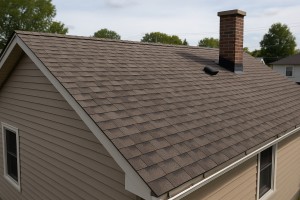
- Best all-around option for many Wisconsin homes: affordable upfront, easy to install, and widely available.
- Pros: wide color variety; good performance with proper attic ventilation; modern architectural shingles offer better wind resistance (often 110–130 mph) and longer life than 3-tab shingles; many hail-rated options (Class 3–4) are available.
- Cons: lifespan varies (roughly 20–40 years depending on quality, climate, and maintenance); performance depends on underlayment and venting; color choices can influence snow melt behavior.
- What to look for: architectural/laminate shingles, high wind rating, impact resistance, and a solid warranty. Pair with a proper ice barrier along eaves and valleys.
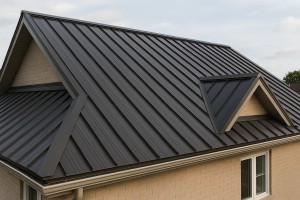
- Excellent choice for wintry Wisconsin winters: strong, durable, and great at shedding snow.
- Pros: long life (40–70 years); superb wind resistance; lightweight; fire resistant; energy-efficient (reflects sun in summer, keeps heat down in winter when properly insulated); wide range of profiles (standing seam, exposed-fastener).
- Cons: higher upfront cost; potential denting from hail; installation and color selection matter for sound and aesthetics.
- Best practice: choose standing-seam or concealed-fastener panels with a durable coating (steel with galvalume or painted finishes); ensure proper ventilation and add snow guards in heavy-snow areas; work with a local installer experienced in cold-climate roofs.
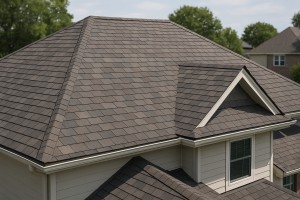
- Flexible option that performs well in cold climates and on retrofit projects.
- Pros: light weight; resistant to freeze–thaw cycles; can mimic slate or shake for a classic look; often carries long warranties.
- Cons: pricier than basic asphalt; product quality varies by brand.
- Practical tip: pick a product rated for extreme cold with a reputable warranty and installer.
Slate and Clay/Concrete Tile
- Premium, long-lasting options with distinctive looks.
- Slate pros: extremely durable, fireproof, very long life (often 100+ years).
- Slate cons: very heavy; requires structural assessment and skilled installation; high upfront cost.
- Clay/Concrete pros: durable, fire resistant, good weather resistance; heavier than asphalt or metal.
- Clay/Concrete cons: still heavy; wind and freeze–thaw can cause cracking; less common in Wisconsin unless the roof is reinforced.
- Use when your structure is rated for the weight and you want a high-end appearance and decades-long lifespans.
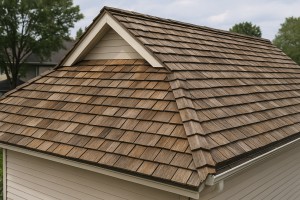
- Aesthetic appeal for certain architectural styles, but higher maintenance in Wisconsin.
- Pros: natural look; decent insulation value.
- Cons: susceptible to moisture, rot, and insects; higher fire risk; more frequent maintenance and replacement; not the best match for heavy snow regions.
- If chosen, require treated, properly installed shingles and ongoing upkeep.
Underlayment, Ice Barriers, and Ventilation (system essentials)
- Underlayment: synthetic underlayment is preferred for cold climates; choose a 20–30 mil product with good traction and tear resistance.
- Ice & Water Shield: install along eaves and in valleys; extend 2–3 feet (or more in heavy-snow zones) inside eaves; patch around penetrations (vents, chimneys) with extra protection.
- Ventilation: balanced attic ventilation reduces ice dam risk and prolongs roof life; aim for roughly 1 square foot of venting per 300–500 square feet of attic floor, adjusted for insulation and climate.
Quick Decision Guide for Wisconsin Homes
- Low upfront cost and easy repair: asphalt shingles with proper ice barrier and ventilation.
- Longest life and best snow handling: metal roofing (standing seam) with proper daylighting and snow guards.
- Premium look and maximum durability, with structural support: slate or concrete tile (check roof design and load calculations).
- Retrofit or unusual shapes: synthetic/composite options can offer a good balance of weight, durability, and aesthetics.
Popular Roof Styles & Architectural Trends in Wisconsin
Gable Roofs
- A staple across Wisconsin homes. Simple to build, affordable, and easy to repair.
- Benefits: good rain and snow runoff with a steep pitch; straightforward attic ventilation.
- Considerations: wind uplift can be an issue in storms, so proper nailing patterns and sturdy sheathing are important.
- Best fits: cottage, farmhouse, traditional colonials, and many contemporary designs.
Hip Roofs
- Balanced, with slopes on all four sides. Popular for windy, snowy climates.
- Benefits: enhanced stability in heavy winds and snow; attractive curb appeal on larger homes.
- Considerations: slightly more complex and costly to frame; attic space is typically smaller.
- Best fits: craftsman, bungalow, and many mid- to high-end homes.
Gambrel Roofs
- Barn-inspired silhouette that occasionally appears on Wisconsin homes, especially in rural or rustic neighborhoods.
- Benefits: extra attic space and a distinctive look; good snow shedding on the slopes.
- Considerations: heavier and more demanding structurally; not as common in urban areas.
- Best fits: homes aiming for a rustic, farmhouse, or barnyard charm.
Modern Flat or Low-Slope Roofs
- Seen on contemporary moves and some additions or accessory buildings.
- Benefits: streamlined look, easier roof-mounted equipment, and better solar integration.
- Considerations: drainage must be meticulous in Wisconsin winters to avoid ice dams; insulation and ventilation are critical.
- Best fits: modern designs, urban lots, and renovation projects where a flat aesthetic is desired.
Shed Roofs (Mono-Pitch)
- Clean, single-slope panels used for additions or modern updates to classic homes.
- Benefits: simple to install, excellent for integrating solar, and dramatic sky views.
- Considerations: water runoff direction is fixed; overhangs and guttering must be sized correctly for snow load.
- Best fits: additions, contemporary remodels, and homes with a desire for bold angles.
Popular Roofing Materials in Wisconsin
- Asphalt shingles (architectural/dimensional): the most common and budget-friendly option; durable with proper underlayment and ventilation.
- Metal roofing (standing seam or corrugated steel): excellent snow shedding, long lifespan, strong wind resistance; often chosen for barns, modern homes, or areas with heavy snowfall.
- Cedar shakes/shingles: warm, natural look; higher maintenance and susceptibility to moisture and insects in damp summers.
- Fiber cement shingles: durable, fire-resistant, and available in a range of styles that mimic wood or slate.
- Clay/concrete tile: elegant on the right structure but heavy and less common in colder, snow-prone Wisconsin climates.
- Practical tip: choose a color and material that complements your home's style, while considering snow shedding, ice dam risk, and local warranty requirements.
Architectural Trends Shaping Wisconsin Homes
- Modern Farmhouse: mixes metal roofing with board-and-batten siding, wide eaves, and large porches for a cozy, durable look.
- Craftsman Bungalow: low-pitched roofs, wide eaves, exposed rafter tails, and mixed materials for texture and warmth.
- Colonial Revival: symmetrical facades, dormers, and multi-pane windows paired with medium to steep pitches.
- Rustic Lodge: heavy timber accents, stone foundations, and dark, textured shingles or metal for a rugged, durable exterior.
- Prairie Style: horizontal lines, low-slung roofs, and continuous eaves that echo Wisconsin's flat horizons in rural settings.
- Nordic/Scandinavian Influence: clean lines, light color palettes, and minimal ornamentation, often paired with durable materials for harsh winters.
Practical considerations for Wisconsin homeowners (quick guide)
1. Align style with climate: steeper pitches help with snow and ice, while metal or architectural shingles perform well in winter conditions.
2. Plan for ventilation and insulation: Wisconsin winters demand good attic ventilation and high insulation values to minimize ice dams and heat loss.
3. Factor in snow load and wind: local codes dictate required structural strength; always verify with a licensed roofer.
4. Weigh maintenance needs: cedar looks great but requires more upkeep; metal roofs offer longevity with less maintenance.
5. Budget and warranty: invest in quality underlayment, proper installation, and a solid warranty to protect against Wisconsin's freeze-thaw cycles.
Average Roofing Costs in Wisconsin
Typical Cost Ranges by Material
- Asphalt shingles (standard 3-tab or architectural/laminated): installed $5.50-$9.50 per sq ft. That's about $550-$950 per square (100 sq ft). A typical 1,500 sq ft roof runs roughly $8,250-$14,250, depending on shingle style and roof complexity. Architectural/Laminated shingles cost more than basic 3-tab shingles, and impact-resistant options add a bit more to the price.
- Metal roofing: installed $9-$14 per sq ft. For a 1,500 sq ft roof, expect roughly $13,500-$21,000. Standing-seam systems are common for metal in Wisconsin and can push costs higher, but they often offer long-term durability in snow and wind.
- Cedar shake or shingles: installed $6-$12 per sq ft. Realistic project costs typically land in the mid-to-high range due to material cost and labor. Synthetic cedar alternatives run a bit lower but still provide a wood-look aesthetic.
- Clay or concrete tile: installed $12-$25 per sq ft. Wisconsin projects with clay or concrete tile are less common on traditional homes but can be used on newer, low-slope, or aesthetically driven designs. Expect higher overall cost and added structural considerations.
- Slate: installed $25-$40 per sq ft. Slate is uncommon in many Wisconsin neighborhoods due to weight and fragility in freeze-thaw cycles, but it's possible on remodels with structural reinforcement. Costs are substantially higher and installation time longer.
- Flat roofing options (EPDM, TPO, or built-up roofs): installed $5-$9 per sq ft. Flat or low-slope homes need specialized details for drainage and insulation, which influences final pricing.
- Tear-off and disposal: removing an existing roof typically adds $1.50-$3.50 per sq ft, depending on how many layers are present and debris disposal fees.
- Underlayment, ventilation, and basic flashing: add roughly $0.50-$1.50 per sq ft to cover quality underlayment, ridge/soffit ventilation, ice/water shield in vulnerable eaves, and basic flashing.
Local Considerations in Wisconsin
- Climate impact: heavy snow loads, freezing temperatures, and ice damming push many Wisconsin roofs toward enhanced ice/water shields and robust underlayment. These upgrades raise upfront costs but reduce the risk of ice dams and leaks.
- Roof pitch and style: steep pitches, complex ridgelines, dormers, and multiple valleys increase labor time and material waste, boosting price. Ranch and colonial homes with simple, low-slope designs stay on the lower end.
- Architecture and materials mix: historic homes or neighborhoods with custom materials (cedar, shakes, or slate) require specialty crews and careful detailing, raising costs.
- Local codes and regions: wind zones, snow load requirements, and permit processes vary by city. Larger metro areas (Milwaukee, Madison, Green Bay) may have higher labor rates but more competition.
- Availability and timing: Wisconsin winters slow operations. Spring and fall are typical busy seasons; lead times can extend during peak months, influencing scheduling and pricing.
Scheduling and Seasonal Factors
- Weather windows: ideal installation periods avoid the depth of winter and peak spring storms. Early fall and late spring are common, with winter work limited to sloped roof sections and specialized crews.
- Insurance timing: some insurers look for updated underlayment and venting upgrades in areas prone to ice dams, which can influence scope and cost estimates.
Quick Planning Steps (Numbered)
1) Determine roof size and pitch (measure or obtain from your contractor's aerial or plan sets).
2) Choose material type and desired warranty (standard asphalt, architectural shingles, metal, or specialty options).
3) Get 3-4 written quotes that itemize tear-off, disposal, underlayment, flashing, and ventilation.
4) Decide on tear-off vs. re-cover and confirm if decking repairs are needed.
5) Check local permit requirements and schedule around your climate window for best results.
Local Style and Architecture Differences
- Ranch and bungalow homes: typically simpler rooflines, often more affordable per square foot.
- Colonial and farmhouse styles: may feature dormers, multiple gables, and steep pitches that increase labor time and material waste.
- Modern or custom homes: can push up costs with unique angles, large skylights, or unusual layouts requiring precise flashing and valley details.
Typical Range Recap for Wisconsin Homes
- Most common asphalt shingle reroofs: roughly $8,000-$14,000 for 1,500 sq ft, varying by shingle type and complexity.
- Mid-range metal roofs: roughly $13,000-$21,000 for similar footprints.
- High-end materials (tile, slate, or specialty cedar): frequently $15,000-$40,000+ depending on scope and reinforcement needs.
Permits & Local Regulations
Do you need a permit for a roof replacement in Wisconsin?
In Wisconsin, most roof replacement projects require a building permit from your local jurisdiction, even if you aren't making major structural changes. Some very small repairs may be exempt, but you should not assume exemption. Always check with your city, village, or county building department before starting work.
Who issues permits in Wisconsin?
- Local building department: city, village, or town where your home is located.
- In unincorporated areas, the county building department may issue permits.
- Some municipalities offer online portals to apply, track, and pay for permits.
What triggers a permit?
- Full roof replacement or re-roofing (even with the same materials).
- Replacement or modification of decking, structural sheathing, or roof trusses.
- Installing skylights, roof vents, chimneys, or other penetrations.
- Altering roof pitch, slope, or eave lines.
- Work that affects fire resistance, ventilation, or moisture barriers.
- Work in historic districts or areas with local design guidelines.
Contractor vs. homeowner responsibilities
- The permit is tied to the project, not the person. Often the contractor pulls the permit, but you are responsible to ensure it's done properly.
- Verify the contractor's credentials, insurance, and any local licensing or registration requirements.
- If you plan to DIY, confirm you are allowed to pull and carry the permit; some jurisdictions require licensed contractors.
- Inspections must be scheduled and passed before final approval is granted.
Steps to get a permit (numbered)
1) Contact your local building department to confirm permit requirements and any specific forms or submittals.
2) Gather project details: property address, roof size, materials, underlayment type, ventilation plan, and any structural work.
3) Complete the permit application and attach required documents (rooftop plan, flashing details, wind/hail resistance specs, and any contractor info).
4) Submit the application (online or in person) and pay the permit fee. Some venues require plan review.
5) If plan review is needed, address any comments from the building official and resubmit.
6) Schedule required inspections as you reach milestones (see Inspections to expect below).
7) After completion and final inspection, obtain a stamped final permit acknowledgment.
Inspections to expect
- Initial or rough-in inspection (if any structural or framing work is involved).
- Underlayment and flashing inspection if required, or a mid-roof inspection for technical checks.
- Final inspection after the roof installation is complete and all work matches the permit scope.
- Some jurisdictions require a water-resistance or ventilation check as part of the final inspection.
Special considerations for Wisconsin
- Weather and materials: Wisconsin winters can affect timing. Plan for potential delays and ensure weather protection during installation.
- Energy and ventilation codes: The permit may verify proper attic ventilation and moisture control per the adopted energy code.
- Historic districts and design guidelines: If your home is in a historic area, additional approvals or review may be necessary.
- Snow load and wind: Local amendments may address wind uplift and snow load requirements; ensure fasteners and underlayment meet local standards.
- HOA or neighborhood rules: Some HOAs require approvals separate from building permits.
Lead paint and safety
If your home was built before 1978, follow the EPA's Lead Renovation, Repair, and Painting Rule when disturbing lead-based paint. Use certified renovators and proper containment to protect occupants and workers.
Consequences of not pulling a permit
- Stop-work orders, fines, or mandatory removal of unpermitted work.
- Insurance coverage disputes if the job isn't permitted or inspected.
- Issues when selling the home, as unpermitted work can complicate closing or require retroactive permitting.
Common Roofing Problems in Wisconsin & Solutions
Winter Weather Challenges
- Heavy snow loads can stress the roof structure, especially on older homes.
- Freeze-thaw cycles cause shingles to crack or curl and can loosen flashing.
What to do:
- Schedule a professional roof inspection after heavy snow seasons to catch hidden damage.
- Ensure your attic is well-insulated and ventilated to reduce ice melt on the roof.
- Keep gutters clear so meltwater flows away from the edges.
Ice Dams & Icicles
- Warm air from the attic melts snow at the roof's midsection, which refreezes at the eaves, forming ice dams and causing leaks.
What to do:
- Improve attic insulation and soffit-to-ridge ventilation to minimize heat buildup.
- Safely remove loose snow from the roof edge with a roof rake from the ground.
- If ice dams form, use approved de-icing products or call a pro to remove them safely. Consider installing heated cables along the eaves where appropriate.
Hail & Wind Damage
- Wisconsin storms can deliver hail that dent shingles, gutters, and vents, compromising waterproofing and airflow.
What to do:
- Inspect after hail events for cracked shingles, exposed underlayment, or dented flashing.
- Replace damaged shingles promptly; inspect exposed underlayment and flashing for water intrusion.
- Consider impact-resistant shingles (Class 4) if you're due for an upgrade, and ensure flashing and boots are intact.
Shingle Aging and Wear
- Asphalt shingles degrade with sun exposure and freeze-thaw cycles, leading to curling, cupping, or missing granules.
What to do:
- Track shingle condition during fall inspections; replace visibly damaged sections to prevent leaks.
- If most of the roof shows wear (granule loss, curling, widespread leaks), plan a full roof replacement rather than piecemeal repairs.
- Choose durable, Wisconsin-tested options and proper underlayment for cold climates.
Ventilation and Condensation
- Poor attic ventilation causes condensation on the underside of the roof sheathing, promoting mold and wood rot.
What to do:
- Ensure a balanced ventilation plan: adequate soffit vents, ridge vents, or alternative passive systems.
- Seal gaps around attic access and around chimneys, plumbing, and electrical penetrations to limit warm air leakage.
- Use a moisture barrier and vapor retarders where appropriate, and consider a professional assessment of insulation levels.
Moss, Algae, and Debris
- Damp shaded areas foster moss and algae that retain moisture and lift shingles over time.
What to do:
- Gently remove moss with a plastic scraper or soft brush; avoid aggressive scraping.
- Apply moss inhibitors or zinc/silver-based products per manufacturer directions.
- Keep gutters clean and trim overhanging branches to reduce debris buildup.
Gutter & Drainage Issues
- Clogged or sagging gutters trap water along the eaves, causing leaks and roof deck damage.
What to do:
- Inspect and clean gutters at least twice a year; ensure proper slope toward downspouts.
- Install guards if debris is a recurring problem, and extend downspouts away from the foundation.
- Check for ice buildup along the edge during winter and address promptly.
Inspection & Maintenance Schedule
- Regular checks save money by catching problems early.
What to do:
- Conduct a biannual roof check (spring and fall) and after major storms.
- Look for missing granules, dark streaks, curling shingles, lifted flashing, and signs of water intrusion.
- Keep a log of repairs and timing to guide future decisions on repair vs replacement.
When to Repair vs Replace
- Not every problem requires a full roof replacement.
What to do:
- Patch small leaks with matching sealants or flashing repairs if the roof is fairly new and structurally sound.
- If damage covers a large area, or the roof is near the end of its expected life, plan a replacement.
- Consult a licensed roofer to evaluate decking condition, underlayment, and ventilation needs before deciding.
Maintenance & Repair Tips for Wisconsin
Pre-Winter Inspection and Prep
Wisconsin winters bring snow, ice, and freeze-thaw cycles that punish roofs. A quick, thorough pre-season check saves headaches later.
- Inspect the roofing surface for damaged shingles, curling, or missing granules; replace as needed.
- Check flashing around chimneys, vents, and skylights; reseal gaps with compatible sealant and ensure metal flashing is secure.
- Clean gutters and downspouts; remove debris and ensure water flows away from the foundation by several feet.
- Inspect attic insulation and air sealing; seal gaps around penetrations and wiring. Aim for code-compliant insulation (generally R-49 or higher) to minimize heat transfer to the roof.
- Clear any overhanging branches that could shed debris or break in winter storms.
Ice Dam Prevention and Repair
Ice dams are common in Wisconsin and can cause leaks and interior damage if ignored.
- Improve attic ventilation: verify soffit vents are clear and paired with a continuous ridge vent; add baffles where needed to keep cold air above the insulation.
- Seal attic air leaks from living spaces into the attic (lights, plumbing, electrical), so warm indoor air doesn't melt snow on the roof.
- Consider heat cables only if necessary and have them professionally installed with proper shutoff and safety clearances.
- After a snowfall, use a long-handled roof rake from the ground to remove snow along eaves; avoid climbing on a snow-packed or icy roof.
- If ice dams form, don't chisel them yourself. Call a roofer to assess flashing, insulation gaps, and shingle damage; improper methods can worsen leaks.
Common Roofing Repairs and Maintenance
- Replace missing or severely curled shingles; ensure correct nailing pattern and proper sealant where applicable.
- Inspect and repair flashing at chimneys, vents, and around dormers; secure fasteners and reseal as needed.
- Re-secure loose gutters and fascia boards; ensure gutters are properly attached and sloped to drain water.
- Address moss or algae growth with a gentle cleaner; avoid aggressive pressure washing that can lift shingles.
- Inspect vent pipes and chimney caps for cracks or corrosion and replace if needed.
Snow and Wind Damage Response
- After heavy storms, glance at the roof from ground level for lifted shingles, cracked flashing, or dented gutters.
- If you notice interior dampness or ceiling stains, limit access to the area and contact a roofer promptly.
- Photograph and document any damage for insurance claims; schedule repairs quickly to prevent further leakage.
Gutter, Downspout, and Drainage Care
- Clean gutters twice a year and after heavy leaf drop; ensure downspouts discharge away from the foundation.
- Look for ice buildup in gutters during winter and address it by improving spacing and hangers.
- Verify proper slope (roughly 1/16 inch per foot or more) so water exits the roof system efficiently.
Attic Ventilation and Insulation
- Keep intake (soffit) and exhaust vents clear of insulation and debris; prevent attic hot air from reaching the roof.
- Maintain or upgrade insulation to meet local code; better insulation reduces ice dams and lowers heating costs.
- If applicable, install a radiant barrier in the attic to reflect heat in summer and slightly reduce attic temperatures in winter.
Seasonal Maintenance Checklist
1) Early Fall: clean gutters, inspect flashing, trim overhanging branches.
2) Late Fall: tune roof and attic, seal gaps, prepare for potential ice damming.
3) Winter: avoid roof work; use a roof rake for light snow; monitor for leaks after storms.
4) Spring: inspect for wind or hail damage; clean gutters; plan a professional inspection if needed.
When to Hire a Roofer
- Active leaks with interior signs (stains, damp spots) or a sagging roof deck.
- Extensive shingle loss, damaged flashing, or widespread metal corrosion.
- Ice dam damage that persists after basic maintenance, or if you're unsure about safety or required repairs.
When to Repair vs. Replace
Quick rule of thumb
- Repair if damage is localized, decking is solid, and the roof is still relatively young for its material.
- Replace if damage is widespread, the roof is nearing or past its expected life, or leaks keep returning after repairs.
- If you've tried repairs and leaks persist, replacement is typically more cost-effective in the long run.
Wisconsin-specific factors to weigh
- Winter conditions: freeze-thaw cycles and ice dams can worsen damage and make frequent repairs less reliable.
- Snow load and wind: Wisconsin winters stress edges, flashing, and ventilation; replacement with a sturdier system can offer better long-term reliability.
- Climate-driven longevity: asphalt shingles typically last 15–25 years in this region; metal and synthetic options can extend life, but installation quality and ventilation matter just as much in Wisconsin weather.
- Local considerations: rapid temperature swings, shade from trees, and attic insulation quality all influence whether a repair or a replacement makes more sense.
When to repair
- Localized issues: cracked or curled shingles, lifted edges, or a small area of flashing leaks.
- Single-area leaks: leaks confined to one spot with intact decking and limited interior staining.
- Minor hail or wind damage: small patches where the remaining shingles are still in good condition.
- Limited granule loss: a patch under 20–30% of the roof surface, without decking exposure.
- deck integrity: no signs of rot, sagging, or structural damage in the attic or ceiling.
When to replace
- Widespread damage: shingles curling, cupping, or missing across a large portion of the roof.
- Aging beyond life expectancy: asphalt approaching 20–25+ years, or other materials nearing their typical lifespan.
- Persistent leaks: leaks that recur after multiple repair attempts or appear at several locations.
- Deck problems: signs of rot, sagging, or significant moisture intrusion into the structural timber.
- Upgrades for performance: replacing to upgrade underlayment, ventilation, insulation, or to switch to a more durable material better suited to Wisconsin winters.
Step-by-step decision guide
1) Assess extent: do a ground-level visual check and note problem spots; measure how large the affected area is.
2) Check the attic: look for moisture, daylight through roof boards, or mold growth.
3) Estimate life and costs: compare remaining roof life for your material with repair costs and long-term maintenance.
4) Consider weather timing: Wisconsin winters can delay work—plan with a window that minimizes recurring exposure.
5) Get professional opinions: obtain at least two bids or assessments from local roofers who know Wisconsin conditions.
6) Decide on value: weigh immediate repair savings against potential future leaks, energy efficiency, and durability.
Quick climate-focused checklist
- Is ice dam risk high in your home, and has it caused recurring interior staining or attic moisture?
- Do you see widespread shingle loss or edge damage after winter storms?
- Is there moss or algae growing extensively, indicating prolonged moisture and potential decking issues?
Maintenance tips to extend life
- Schedule annual inspections, especially after winter and spring thaw.
- Keep gutters clear and ensure proper drainage to reduce water backup.
- Improve attic ventilation and insulation to slow wear and prevent ice dam formation.
- Address moss early with gentle cleaning to prevent lifting and further damage.
When to Hire a Professional
- If water is actively leaking into your home, call a pro right away. In Wisconsin, freezing and thawing cycles can worsen water intrusion quickly, and delaying can lead to bigger structural problems.
- Severe hail or wind damage with missing shingles, dented gutters, or damaged flashing is a clear sign you need a licensed roofer to assess and secure the roof.
Signs you should plan a repair or replacement soon
- Curling, cupping, buckling, or missing shingles and widespread granule loss.
- Damaged or improperly flashed around chimneys, vents, skylights, or at roof penetrations.
- Ice dam buildup, which indicates ventilation, insulation, or underlayment issues that a pro should address.
- Soft, spongy areas or sagging decking detected from the attic or exterior observations.
- Recurrent leaks after storms or freeze–thaw cycles, even after a temporary tarping, signal professional evaluation.
Wisconsin-specific considerations
- Permits and inspections: Most Wisconsin towns require a building permit for roof replacements. A reputable contractor will pull the permit and arrange a final inspection; ensure this is part of the contract.
- Winter and cold-weather work: Cold temps complicate installation (adhesives, fasteners, and underlayment behave differently). Many pros avoid full roof replacements in deep winter, but some can perform critical repairs. If you must proceed in colder months, ask about cold-weather methods and safety plans.
- Storm season and scams: After hail or severe storms, doorstep salespeople may push quick fixes. Get multiple written estimates, verify licensing (where required locally), and avoid high-pressure tactics or paying in full up front.
- Insurance claims: If you're filing an insurance claim, a local roofer experienced with Wisconsin policies can document damage, work with adjusters, and help ensure the scope matches your policy.
- Climate-aware choices: Ask about wind uplift ratings, ice and water shield placement, and ventilation to combat Wisconsin's mix of cold, windy, and snowy conditions. Materials and flashing should be chosen with local weather patterns in mind.
How to evaluate a contractor (step-by-step)
1) Licensing and registration: Confirm the contractor is properly registered with your city or county if required. Ask for license numbers or registration details and verify them through the municipal office.
2) Insurance: Request a current certificate of liability and workers' compensation. Call the insurer to verify coverage and policy limits.
3) Local references and WI projects: Seek at least 3 references, preferably from nearby Wisconsin homes with similar roofing needs. Check recent reviews and photos of local jobs.
4) Written estimates: Obtain detailed bids that specify scope, materials, underlayment, ventilation, ice/water shield, number of nails, warranty coverage, permit fees, cleanup, and disposal.
5) Warranties: Clarify material warranties and workmanship guarantees, including what is covered, duration, and whether labor is included for replacements or repairs.
6) Contract details: Ensure start and completion dates, payment terms, change-order process, and lien waivers are in writing.
7) Site and safety plan: Ask how they protect your property during installation, how debris is contained, and how they handle snow, wind, and cleanup in Wisconsin conditions.
8) Local presence: Prefer a contractor with a local office or shop and known availability for follow-up service or warranty work.
Red flags to avoid
- Extremely low bids or vague scope with no written contract.
- Pressure to sign today or pay large upfront sums.
- No references, or references that don't check out.
- Inadequate insurance proof or inability to verify coverage.
Quick Wisconsin homeowner checklist
- Confirm permit pulled and inspection scheduled.
- Ensure ice/water shield is installed where required by climate and roof design.
- Verify local availability for winter or shoulder-season work.
- Discuss maintenance plans to address Wisconsin's snow, ice, and wind to extend roof life.
Putting A Lid On It: Roof Maintenance, Repair, and Replacement in Wisconsin
Wisconsin's climate is famously tough on roofs. Heavy snow loads in winter, repeated freeze-thaw cycles, and seasonal windstorms stress shingles, flashing, and underlayment. Ice dams can form when warm attic air melts snow at the eaves, refreezing and pushing water under roofing. In summer, storms and sun take their own toll. A little proactive maintenance goes a long way toward preventing leaks, protecting your insulation, and keeping energy bills reasonable.
Regular care doesn't have to be complicated. An annual roof inspection and quick checks after big storms can catch small problems before they become big, costly repairs. Good attic ventilation and solid insulation help minimize ice dam risk and heat buildup. Keeping gutters and downspouts clear ensures water flows away from the fascia. When quality materials are paired with proper installation, your Wisconsin roof can endure many seasons with confidence.
What to check regularly
- Gutters and downspouts: clear leaves and debris, ensure proper slope, and watch for sagging sections or leaks.
- Roof surface: look for cracked, curling, or missing shingles and for granule loss; keep an eye on moss or algae growth and address it early.
- Flashing and seals: inspect around chimneys, vents, and skylights for lifting, corrosion, or gaps; reseal as needed.
- Attic and ventilation: verify insulation depth and signs of moisture; confirm intake and exhaust vents are clear and working.
- Snow and ice management: use a roof rake from the ground when safe; avoid climbing on a snow- or ice-covered roof; ensure eaves stay clear to reduce ice dam pressure.
- Water intrusion signs: watch for ceiling stains, damp attic areas, or musty smells inside.
- Trees and surroundings: trim branches that overhang the roof to reduce damage from impacts and debris.
When to call a professional
- Persistent leaks after a weather event or visible interior moisture.
- Damaged or loose flashing, sagging deck, or extensive shingle loss.
- Structural concerns or uncomfortable safety risks with accessing the roof.
- Ice dam repair that needs specialized equipment or expertise.
Replacement considerations
- Choose materials proven in cold climates; ensure an appropriate underlayment and, if needed, an ice and water shield along the eaves.
- Prioritize adequate attic insulation and ventilation to improve comfort and efficiency.
- Hire a licensed contractor with solid references; confirm warranties and workmanship coverage.
- Plan for proper ventilation and flashing details to extend life and minimize future issues.
You're not alone in caring for your Wisconsin home. With steady, pragmatic upkeep and timely improvements, you can enjoy a durable, beautiful roof that serves your family for many winters to come. Here's to a warm, dry, and welcoming home you're proud to show off to neighbors and friends.
