Last updated: Apr 19, 2026
Ocean Springs sits on Mississippi's Gulf Coast, where spring-through-fall thunderstorms and tropical systems regularly interrupt roofing schedules and create wind-driven rain exposure. That pattern isn't academic in practice-it means your roof endures repeated hits from gusty winds, hail in some storms, and sudden downpours that test flashing, vents, and edge details. If your shingles or metal panels aren't tied down with solid underlayment and well-sealed seams, a modest storm can become a bigger repair job in short order. The real risk isn't only the gust; it's the rain that follows, soaking vulnerable gaps and flashing corners before crews can reset a compromised section. Plan for storms as they arrive, not after the water finds its way into the attic or ceiling.
The local insurance environment is claim-heavy for wind, hail, and hurricane losses, so carriers expect clear, organized documentation. You should photograph every exposed area as soon as you can safely access it after a storm: roof slopes, hips, valleys, and any mounting hardware for solar or satellite equipment; note the date, storm name if known, and the direction of the wind that caused the impact. Create an itemized list of visible issues and what you suspect caused them-lifted shingles, lifted edge metal, cracked vent boots, damaged drip edge, or compromised underlayment. Keep copies of contractor assessments and any temporary repairs, with dated notes and close-up shots of fasteners, seals, and mating surfaces. If a claim file is opened, your insurer will want to see a coherent timeline: initial damage, temporary repairs, and planned replacement steps. The more precise your record, the smoother the process, even when the weather whips up another round later in the season.
Late-season tropical activity on the central Gulf Coast can force temporary repairs first and full replacement later, making documentation timing especially important. When a storm hits, you may need to stabilize surfaces quickly to prevent further water intrusion: tarping, sealing around penetrations, and securing loose shingles. These actions must be documented and dated, because insurers scrutinize whether repairs were proactive or reactive, and whether the work aligns with your warranty and the original roof system design. If a mid-season hurricane creates widespread damage, planning your replacement window becomes a balance between weather windows and contractor availability. In Ocean Springs, crews often book tight through late summer into fall; having a documented plan, including preferred materials and a staged replacement strategy, helps avoid delays when the next storm threat arrives.
Walk the roof with a flashlight when clear weather allows, focusing on fasteners along edges, ridge caps, and any unusual sags or bouncing under your feet. Inspect vent boots, flashing around chimneys, and transitions where roof meets siding. If you see curled edges, missing granules, or granulated debris near gutters, flag these for your insurer and contractor as potential wind-driven damage rather than incidental wear. Store digital copies of all photos and notes in a cloud folder labeled by storm date and location. When selecting a contractor, prioritize teams with proven experience in hurricane-season scenarios: rapid tarping, documented temporary repairs, and a clear plan for wind-mmitigation features that reduce future exposure. Ask for a written checklist of steps, from initial assessment through final replacement, so you know what milestones to expect during the weeks that follow a tropical event. In Ocean Springs, where the calendar tilts toward volatile weather patterns, proactive readiness always beats reactive scrambling.
The Gulf Coast climate brings hot, humid days, tropical storms, and salt air that accelerates wear. Exposed metal components are prone to quicker corrosion, and asphalt shingles can lose granules faster than inland markets due to coastal moisture and UV exposure. The local mix includes asphalt shingles, metal roofing, clay and concrete tiles, wood shingles or shakes, and synthetic or composite shingles. Each option brings distinct wind performance, weight, and moisture handling, so selecting a roof that matches both the weather patterns and the existing structure matters.
Asphalt remains a common choice because it's straightforward to install and widely available. In Ocean Springs, expect good moisture resistance when paired with a proper underlayment and well-sealed penetrations. Keep in mind that granule retention matters here: salt air and storm-driven debris can speed wear, so a high-quality mineral-surface or laminated shingle with a robust sealant helps reduce early aging. Consider a thicker shingle with a reinforced nailing zone to improve wind uplift performance, especially on homes with higher exposure or multiple gables. A careful match of underlayment and flashing detail can extend life in this humidity-prone climate.
Metal roofing offers outstanding wind resistance and quick shedding of rain, which is valuable during hurricane season. However, salt air accelerates corrosion on exposed metal parts, so coastal-grade coatings and alloys are essential. Choose coated steel or aluminum with a finish designed for salt spray and consider hidden fasteners or sealed seams to reduce moisture intrusion. If replacing an existing asphalt roof with metal, verify that the structure can handle the weight and that proper ventilation and condensation controls are in place to avoid attic moisture issues. In homes with long, uninterrupted roof runs, metal can provide long service life, but surface oxidation and panel seam integrity should be inspected regularly after storms.
Clay and concrete tiles bring a heavy, durable option with proven coastal performance when properly installed. They resist moisture well and shed debris effectively, which helps in storm debris environments. The heavier weight, however, demands structural confirmation and often stricter wind-resistance detailing during plan review for full replacements. The installation needs solid battens, reinforced deck anchors, and appropriate interlock systems to prevent uplift. Look for tiles with well-sealed joints and compatible underlayment. In hot, humid conditions, tile systems stay cooler only if vented properly; consider attic and soffit ventilation to reduce heat transfer into the living space.
Wood offers a classic aesthetic but demands greater maintenance in coastal climates. Salt air accelerates grain swelling and decay, and high humidity can promote mold growth on exposed surfaces. If choosing wood, select treated or naturally durable species with a robust sealant, and ensure surface coating is renewed on a regular cycle. Structural considerations are crucial where wood is heavy and wind loads are a concern; verify that the roof framing can handle added weight and that fasteners resist corrosion.
Synthetic or composite shingles aim to blend the best traits of durability and weight. They tend to resist impact and fading, which is helpful in storm-prone areas, and often have good flexibility in heat. In this market, look for high dimensional stability and a finish designed to cope with salt spray. They can be a strong middle-ground option when the plan seeks a balance between wind performance, weight, and maintenance.
In this market, the cost to roof a house follows clear ranges when asphalt shingles, metal, and tile are in play. Roughly 350 to 600 USD per square for asphalt shingles, 550 to 1000 for metal, 900 to 1700 for clay tile, 850 to 1500 for concrete tile, 650 to 1100 for wood shingles or shakes, and 450 to 800 for synthetic or composite shingles. Those numbers are the starting compass, not a finished bid, and they reflect typical Ocean Springs installations that use standard deck sizes and common attic configurations. If a bid lands outside these bands, ask for the specific under-the-hood reasons-panelized decks, additional vents, or extended eave work can shift the math quickly.
On the Mississippi Gulf Coast, storm surges in demand after tropical weather can tighten labor availability and push scheduling and pricing pressure higher than in calmer periods. The same storm-driven workflow that floods insurance mailboxes also squeezes crews: crews juggle multiple quick-turn replacements, overtime windows, and supply chain hiccups for materials like underlayment and flashing. Homeowners should expect potential delays after a storm event and should build in a buffer for labor availability when choosing a start date. When storms are fresh on the horizon, anticipate shorter windows for project kickoff and tighter bid calendars.
The Ocean Springs climate favors materials with robust wind resistance and salt-air durability. Metal roofs can excel here due to permanence and wind performance, but installation quality matters to prevent fastener backout and corrosion at coastal edges. Clay and concrete tiles offer long lifespans but require a solid structural deck to support the weight and careful layout to resist movement in heavy gusts. Asphalt remains a practical, cost-conscious choice for many homes, yet it's more sensitive to wind-driven debris and hail. Wood shingles or shakes deliver a classic look but demand vigilant maintenance in humid air and algae growth. Synthetic or composite shingles sit as versatile options, striking a balance between cost and resilience for coastal exposure.
Storm-damaged roofs on the Gulf Coast often necessitate rapid assessment and documentation to support replacement planning. Start with a clear framing of the expected roof square count, chosen material, and anticipated underlayment and flashing needs, then layer in potential overages from wind zones and debris-related repairs. Given the coastal environment, factoring in higher labor availability during calm periods and potential surge pricing after storms helps set realistic timelines and budgets. In short, align material choice with local exposure, confirm a realistic installation window, and budget for a margin that accounts for coastal scheduling dynamics.
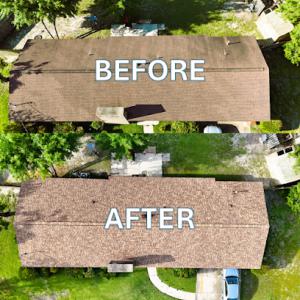
Durden Roof Care
(228) 229-4704 durdenroofcare.com
Serving
5.0 from 38 reviews
Durden Roof Care provides roofing services throughout the Mississippi Gulf Coast.
New Horizon Roofing & Exteriors
Serving
4.9 from 148 reviews
New Horizon Roofing and Exteriors is a local-owned company. The owner has over 20 years of experience in the roofing industry. During Hurricane Katrina, he worked along with many other local roofing contractors to assist homeowners in need of repairs and roof replacements on thousands of roofs in the Gulf Coast Mississippi area. Today, New Horizon Roofing and Exteriors continues to provide high quality roofs at competitive prices.

SJ&H Roofing
(228) 546-2495 sjhroofpros.com
Serving
4.6 from 21 reviews
SJ&H Roofing – The Gulf Coast’s Top-Rated Roofing Authority SJ&H Roofing is the Top-Rated Roofing Authority serving Biloxi, Ocean Springs, D’Iberville, Pascagoula, and the entire Mississippi Gulf Coast. Family owned and operated since 2010, we deliver expert roofing solutions for homes and businesses — from roof repair and replacement to coatings, gutters, and storm-damage restoration. We’re fully licensed, insured, and committed to excellence in every shingle. Get free Online & Mobile Estimates, fast response times, and leak-proof results built to last. When quality, honesty, and craftsmanship matter, trust the Gulf Coast’s local roofing pros — SJ&H Roofing.
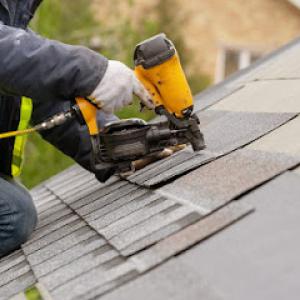
Master Built Roofing
Serving
4.8 from 90 reviews
DFW Master Built, LLC specializes in new roof installation, repair, and maintenance. We are your full service roofing contractor covering everything from tile / shingle replacement, to entire roof repair or new installation. New construction to historical retrofitting, we are you go to option for top quality roofing. Licensed, bonded and with multiple layers of insurance we are here to serve the entire southern region of MS.

ENSURED Roofing
(228) 797-7667 ensuredroof.com
Serving
5.0 from 48 reviews
ENSURED Roofing is a trusted roofing contractor serving Biloxi, Gulfport, Ocean Springs, Long Beach, Pascagoula, Bay St. Louis, and surrounding Mississippi Gulf Coast areas. We specialize in residential and commercial roofing, including roof repairs, replacements, inspections, emergency roofing, and insurance claim assistance. Our licensed team delivers storm-resistant, high-quality roofs built to last. Call today for your free roof inspection or estimate!
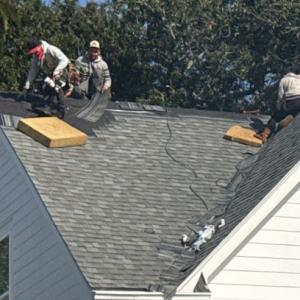
Integrity Roofing
(228) 295-8300 roofsbyintegrity.com
Serving
4.9 from 146 reviews
Integrity Roofing is a state-licensed roofing contractor that prioritizes Integrity before Profit. We believe that providing top-notch roofing services to our customers is about building trust and long-lasting relationships. Our mission is to deliver excellence in all aspects of our roofing services, from the materials we use to the customer service we provide. Our team of experienced professionals is dedicated to providing you with the best residential and commercial roofing services. We are committed to meeting the highest quality and safety standards. Integrity Roofing is always putting integrity first. Contact us today and experience the difference integrity and excellence can make in your next new roof installation or roof repair.
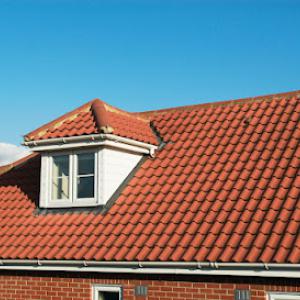
Marina's Port Roofing Biloxi
(228) 432-4875 marinaroofing.com
Serving
5.0 from 8 reviews
Looking for a reliable and honest roofer in Biloxi? Marina's Port Roofing Biloxi is a top roofing contractor that offers a variety of services such as commercial and residential flat roofs. This includes repairs as well as roof installations. We have the top equipment from the best brands and our staff have decades of experience in the roof industry. We offer complimentary roof inspections to ensure that it is working at peak levels. Our top goal is to take great care of our amazing clients. Our crews are friendly and fast. Marina's Port Roofing Biloxi also provides gutter services and skylight work. We are here for you so that you can enjoy your home after the storm.
Expert Roofing
(228) 331-1215 www.expertroofing.us
Serving
4.8 from 33 reviews
Serving Coastal Mississippi since 1997, Expert Roofing provides a comprehensive suite of solutions for both residential and commercial properties. Beyond their deep expertise in roofing, from shingle to flat roofs and coatings, they also specialize in remodeling, siding, and waterproofing services. Their offerings extend to professional deck building, fence installation, and window replacements, ensuring every aspect of your home or business is built to last. With a commitment to quality and craftsmanship, Expert Roofing is the trusted choice for all your home improvement needs. Free Estimates and reliable service. Home Improvements and building renovation services available in South Mississippi. Call 228-331-1215 today!
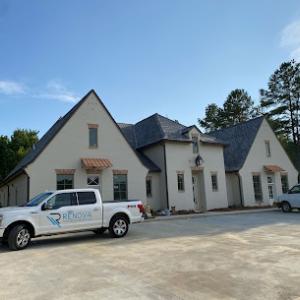
Renova Roofing & Construction
(228) 207-1398 renovaroofing.com
Serving
5.0 from 130 reviews
Renova Roofing & Construction is a roofing contractor in Ocean Springs, MS that services Biloxi, Gulfport, Pass Christian, Bay St Louis and all other MS Gulf Coast areas. Our roofing company offers residential roofing, commercial roofing, roof repair, asphalt shingle roofing, metal roofing, and much more. Customers love us because of our insurance claims assistance plus our unparalleled service. We are also screened and certified by Home Advisor. If you want to experience your most trusted Biloxi roofing company’s excellent services, call us now for free estimate!
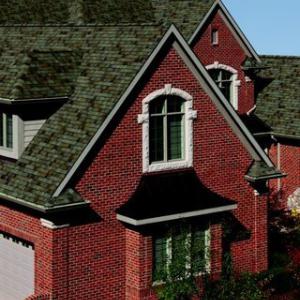
Strong Roofing,Inc.
(228) 313-3997 www.strongroofs.com
Serving
4.9 from 355 reviews
Strong Roofing is a state-licensed and fully insured roofing contractor serving the Mississippi Gulf Coast. As the oldest local factory-certified contractor for GAF, Owens Corning, Atlas, and Certainteed shingles, we offer expert roof installations, repairs, and a range of high-quality roofing options. Our team provides in-person consultations and competitive pricing, backed by extended warranties, including a 50-year factory warranty. With a veteran-managed crew and 100% financing available (WAC), we’re proud to be rated the highest on the Coast. Trust Strong Roofing for all your roofing needs, from shingles to metal roofing solutions.
Focus Construction
Serving
4.1 from 17 reviews
Focus Construction, LLC: Unparalleled Roofing Excellence. Specializing in the artistry of comprehensive residential and commercial roofing, Focus Construction, LLC is the pinnacle of reliable and exceptional roofing services. Dedicated to craftsmanship, they provide tailored solutions and premium materials to assure an aesthetically pleasing and sturdy roofing system, transforming every home into a fortress of unparalleled protection.
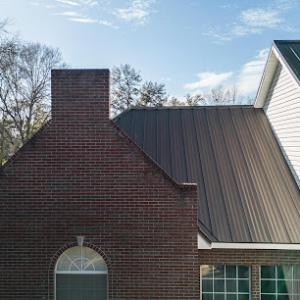
Gulf South Roofing
(228) 231-1630 www.gulfsouthroofing.net
Serving
5.0 from 103 reviews
Gulf South Roofing is a trusted, locally owned roofing company based in Gulfport, Mississippi, proudly serving the Mississippi Gulf Coast and surrounding areas. Specializing in residential and commercial roofing services, we offer expert roof repairs, replacements, and inspections. Our team is committed to quality craftsmanship and customer satisfaction. Fully licensed and insured in both Mississippi and Louisiana, Gulf South Roofing is your go-to contractor for reliable, long-lasting roofing solutions across the Gulf Coast.
A full roof replacement in this Gulf Coast community requires a building permit through the City of Ocean Springs Building Department. Before any tear-off begins, your contractor should submit the replacement plan for review, focusing on wind resistance, structural compatibility, and any changes in roofing materials. The permit process helps ensure the project aligns with local code, hurricane-season considerations, and the neighborhood's expectations for storm resilience. Plan reviews may also flag potential issues with load paths if a heavier system is considered, so early dialogue with the permit office is essential.
Local inspections occur after framing or underlayment is installed and again after completion. This means reroof projects must be sequenced around more than a single final signoff. If the project timeline compresses framing or underlayment work, coordinate with the building department and the contractor to schedule the two required inspections in a logical order. Timely access for inspectors helps prevent delays that could impact storm readiness and your overall replacement timeline.
Plan review in Ocean Springs may require structural and wind-resistance considerations, which is especially relevant when changing materials or installing heavier roof systems. If you are contemplating moving from asphalt to metal, or adding concrete or clay tiles, expect detailed evaluations of rafter spacing, roof deck compatibility, and anchor/fastener provisions. The review may also address edge and vent details, penetration sealing, and how the system performs under wind uplift scenarios typical of Gulf Coast storms. Having a clear structural narrative in your submittal can smooth the process.
Keep digital copies of all plans, permits, and inspection approvals on site. Include product data for the chosen roofing system, installation methods, and any changes from the original as-built condition. If a storm event influences the project, retain contractor notes and any communication with the Building Department. Documentation that demonstrates compliance with wind-rated assemblies and uplift standards can help with post-construction inspections and potential insurance reviews.
Explain the permit and inspection sequence to your roofing contractor so work aligns with the required signoffs without unnecessary pauses. Share the approved plan and any wind-resistance specifications with your insurer, particularly if a material change or weight increase is involved. Clear, proactive communication minimizes surprises during the permit review and subsequent inspections, keeping the project on a steady path toward a durable, code-compliant roof.
Coastal Mississippi is a high-claim roofing market, and Ocean Springs homeowners should expect more scrutiny around storm causation, prior wear, and mitigation details than in lower-risk inland areas. Insurance adjusters expect a clear line between damage caused by a named event and preexisting conditions. That means if shingles show age or previous repairs, the claim must distinguish what happened during the latest hurricane or tropical storm versus what was already present. A quiet, well-documented roof before the season reduces ambiguities when a claim gets reviewed, especially if the storm path or wind intensity is in question.
Following major Gulf storms, some carriers have adjusted underwriting practices in coastal Mississippi, affecting both coverage options and premiums for Ocean Springs properties. Adjustments can manifest as tighter coverage for certain roof types, stricter appraisal requirements, or limitations on wind-related endorsements. If a claim ends up in dispute, carriers may default to more conservative language. The practical consequence is that choosing a roof system and mitigation plan with a documented improvement may influence how the policy responds when the next storm arrives.
Because insurers commonly request detailed photo sets and itemized replacement scopes here, homeowners in Ocean Springs benefit from documenting roof condition before hurricane season as well as after a loss. Start with a current, timestamped photo archive that shows overall roof shape, flashings, seals around vents, and any known wear. When a storm hits, capture wide-angle and close-up imagery from multiple elevations and angles, and keep a written note of observed issues. An itemized replacement scope should reflect measured areas, venting, underlayment, and any mitigation measures. This thorough documentation can streamline the claim process and reduce back-and-forth during post-storm reviews.
Connect with contractors who help homeowners navigate the claims process from damage assessment to final approval.
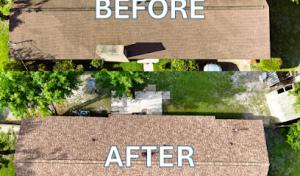

Replacement work tends to line up best in spring or fall. Coastal Mississippi summers are hot and humid, which makes on-site handling and storage more challenging. By planning for a spring or fall window, you reduce heat exposure on materials and give crews a more predictable schedule when humidity isn't at peak. This timing also aligns with drier stretches that help tear-off and dry-in go smoother, reducing the chance of weather-related delays.
Frequent rain and high winds from spring through fall can push tear-off and dry-in into tighter windows. If a storm track is nearby, old sheathing or underlayment can absorb moisture quickly, complicating installation. A practical approach is to target a window with several dry days in a row, followed by a short, focused tear-off, then a rapid dry-in. In Gulf Coast conditions, you're balancing the risk of a late-season shower with the need to complete work before the peak heat of summer returns.
Persistent humidity and salt exposure mean weathering shows up sooner, even when the roof isn't visibly storm-torn. Look for boards that show subtle buckling, faster-than-expected granule loss, and metal components that look pitted or corroded. In Ocean Springs, installation planning should account for coastal-specific storage needs: keep shingles and underlayment dry, covered, and shielded from salt spray during temporary staging. If a roof shows creeping moisture intrusion, address deck and flashing conditions promptly rather than deferring.
Start documentation early: map the roof layout, note any prior repairs, and photograph any moisture or rot spots. This city-specific pattern often helps with post-storm insurance discussions, so organize photos by date and condition. Build a realistic schedule that includes possible weather-related hold periods, and align it with your contractor's preferred sequencing to minimize rework.
Choose materials with proven salt-air performance and brush up on flashing details that resist coastal wind uplift. In this market, you'll benefit from paying attention to installation workmanship, ensuring proper nail patterns, and verifying vent and valley compatibility against Gulf Coast demands. A thoughtful replacement plan reduces the likelihood of early repairs and keeps you prepared for next hurricane season.
In the Gulf Coast setting, a low-slope roof is not a luxury-it's a functional boundary against heavy rain, salt air, and the occasional tropical downpour. An active contractor signal for flat-roof work means that careful diagnosis and timely replacement are common needs, alongside standard steep-slope projects. The goal is reliable drainage and durable seams that survive repeated storm cycles.
Low-slope assemblies rely on gravity and precise detailing to shed water. Start with the primary drainage plan: confirm that roof surfaces slope toward internal drains or scuppers, and verify that downspouts are clear and sized for heavy rain events. Flashing at walls, parapets, and penetration points must be continuous and corrosion-resistant. In Ocean Springs, salt exposure accelerates material wear, so choose flashings and edging with proven salt spray resistance and ensure sealants are rated for coastal humidity. During inspections, pay close attention to pitch at transitions, perimeter edge metal, and any ponding areas that could extend exposure time.
Roof coatings are a local specialty signal, often used to restore aging low-slope systems without full replacement. A reflective, elastomeric coating can improve waterproofing while reducing heat gain. When considering coatings, assess the substrate condition first: any punctures, blisters, or delamination should be repaired before coating. Ensure the coating system accommodates UV exposure, salt air, and repeated wetting. Coatings work best as part of a planned maintenance cycle rather than a single quick fix.
Schedule semiannual inspections, with a post-storm check after tropical systems. Look for membrane integrity, seam condition, and anchor points that could loosen under hurricane-driven winds. Document gaps, ponding, and drainage blockages with clear notes and photos to support any replacement plan. If a repair extends beyond standard patching-such as compromised membranes or failed flashings-prepare a targeted replacement plan that addresses drainage reliability first and foremost, then cap or seal protrusions to maintain cohesion across the roof system.
When replacement becomes necessary, prioritize systems designed for coastal performance: membranes or materials rated for salt exposure, robust seams, and accessible maintenance for future coatings. Consider how the chosen assembly will respond to future storm cycles, with attention to drainage reliability, edge detailing, and compatibility with potential coating strategies. A well-planned low-slope replacement minimizes future leak risk during Gulf Coast rain events and aligns with ongoing maintenance needs.
Find specialists in TPO, EPDM, and built-up flat roofing systems for residential and commercial properties.