Last updated: Apr 19, 2026
The Mobile County coastal weather zone brings June through November tropical systems that hammer roofs with wind-driven rain and uplift pressure along the edges. That means shingles can peel, underlayment can fail, and flashing can separate long before a full tear-off avenue is considered. In practical terms, a quick, decisive response after a storm saves interior living space and prevents moisture from migrating into attic gaps, soffits, and ceilings. You'll want to treat every heavy rain event as a potential roof problem and inspect within 24 to 48 hours for draft lines around the edges, loose shingles, and any new staining that suggests hidden leaks.
In this market, peak summer heat plus active storm periods complicate tear-offs and dry-in scheduling, so replacement work tends to push into spring or fall. Plan ahead and align roof work with a window where crews can guarantee proper ventilation, adequate drying time, and reliable weather for an unbroken install. If a storm wipes out shingle integrity or compromises underlayment in late hurricane season, you'll want a rapid, but orderly, plan to tarp and secure the site until conditions allow a safe, thorough repair or replacement. Deliberate timing reduces the risk of misfires, halts, and unfinished work that leaves vulnerable edges exposed through the next rain.
In this market, storm damage and emergency repair are unusually prevalent contractor specialties, reflecting how often homeowners need rapid tarping and post-storm leak control. Build a short list of trusted contractors who can respond within 24 hours, ideally with a track record of securing tarps, temporary leak control, and expedited assessments after a storm. Your neighbor next door may already know a crew that can mobilize quickly, verify roof integrity, and prevent wind-driven water from cascading into the attic. Prioritize firms with solid references, clear written estimates, and a plan for debris containment and waste removal to minimize additional hazards during a storm window.
Regular maintenance is a practical line of defense. Schedule seasonal ridge-vent checks, inspect for loose or missing fasteners, and verify edge fastener integrity. Pay attention to hips, valleys, and flashing where uplift pressure concentrates in gusty winds. If you notice curling edges or granule loss after a heavy rain, address it promptly-small failures today can become large leaks tomorrow. Keep a simple storm-response kit at the ready: heavy-duty tarps, roofing nails, a claw hammer, and a cordless drill. Take photos after any repair to build a clear record for insurance documentation and future planning.
Coastal Alabama is an active wind- and hail-claim environment, and Theodore homeowners often face stricter underwriting and closer review of roof age, condition, and documentation. Insurers tend to scrutinize what has happened to a roof before a storm season and what is in place now to prevent rapid further damage. After a storm, carriers may pull more detailed histories, photos, and contractor notes to verify prior maintenance, repairs, and the installation of wind-rated components. The risk profile for homes in this area can shift quickly with each passing hurricane season, so understanding how your carrier views your roof matters.
In coastal markets, claim handling can vary significantly by carrier, making thorough documentation essential. After storms, you benefit from having clear, dated evidence of shingle loss, lifted flashing, interior leaks, and any temporary mitigation steps already taken. Keep dated photos of roof surfaces, eaves, and attic staging showing moisture intrusion, stains, or mold growth. Preserve records of any temporary tarping, boards used to cover exposed areas, and receipts for repairs that mitigate further damage. A concise summary listing suspected failure points-such as wind-driven debris damage to DSLs, ridge caps, or gutters-helps the adjuster understand the scope quickly.
In a hurricane-prone setting, insurers may expect wind-rated materials or updated roof records for higher-exposure properties, especially after repeated storm seasons. If your roof replacement or major repair is in the cards, anticipate that the wind resistance performance of materials will be part of underwriting discussions. Roofing products with established wind uplift ratings and documentation from manufacturers or installers can smooth the review process. For a storm-resilient outcome, ensure that any replacement or repair aligns with the most durable, locally suitable options your structure can support and that documentation reflects the chosen system's wind-rated credentials.
Immediate action matters. If leaks appear, act quickly to mitigate interior damage with tarps or temporary patches and document the mitigation steps with timestamps and notes on weather conditions. Notify the insurer promptly, and request a claim number to anchor all subsequent communications. Schedule a professional inspection as soon as safely possible, focusing on flashing, chimney and vent intersections, and any signs of seepage into the attic or ceilings. When talking with adjusters, provide the photographic record, recovery receipts, and a concise list of observed problem areas, including any labor performed under temporary mitigation. The goal is to establish a clear before-and-after narrative that supports the claim under coastal Alabama's wind-and-hail exposure.
Connect with contractors who help homeowners navigate the claims process from damage assessment to final approval.
Wise Builders Roofing & Renovations
(251) 305-7282 wisebuildersrnr.com
6215 Rangeline Rd #105, Theodore, Alabama
5.0 from 147 reviews

Best Choice Roofing Mobile, AL
(251) 551-5214 www.bestchoiceroofing.com
5821 Rangeline Rd Suite 103, Theodore, Alabama
4.7 from 14 reviews
Wise Builders Roofing & Renovations
(251) 305-7282 wisebuildersrnr.com
6215 Rangeline Rd #105, Theodore, Alabama
5.0 from 147 reviews
Wise Builders Roofing and Renovations is the top roofing contractor serving Mobile & Baldwin Counties and the Mississippi Gulf Coast. We specialize in residential and commercial roofing, storm damage repairs, roof replacements, and interior/exterior renovations. From asphalt and metal roofs to TPO systems and waterproof coatings, we deliver quality craftsmanship and fast, reliable service. We also handle insurance claims and offer maintenance plans for businesses. We provide services for vinyl and James Hardie siding, bathroom and kitchen remodels, and home additions. Call today for a free roof inspection or renovation estimate!
Foster Contracting Fortified Roofing Pros
(251) 447-2978 fortifiedroofingpros.com
5695 Rabbit Creek Dr # 102, Theodore, Alabama
4.9 from 67 reviews
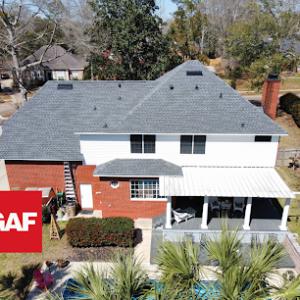
Choosing Foster Contracting Fortified Roofing Pros is your guarantee that you'll be working with a quality, licensed, reputable, dependable and professional roofing contractor. Family owned for over 30 years. We are local Preferred Roofing Experts. Serving the Gulf Coast!
Best Choice Roofing Mobile, AL
(251) 551-5214 www.bestchoiceroofing.com
5821 Rangeline Rd Suite 103, Theodore, Alabama
4.7 from 14 reviews
Best Choice Roofing is a national roofing company with offices throughout the United States, dedicated to providing customers with a variety of exceptional roofing services including new roof installation, roof repair and roof replacement. Our storm damage advisers are experts in the industry and act as your personal roofing advocate. They will ensure your roof is given the utmost in care and attention to detail. Best Choice Roofing is an Owens Corning Roofing Platinum Preferred Contractor, meaning we are recognized as one of the top 1% of roofing contractors in the U.S. Whenever you choose Best Choice Roofing, rest assured you chose the best.
Roofers Mart Southeast
6775 Old Rock Rd, Theodore, Alabama
5.0 from 6 reviews
Wholesale roofing distributor located in Mobile, AL - A division of Roofers Mart Southeast, Inc.
Mizell Roofing
(251) 689-1332 mizellroofingmobilealabama.com
3965 Leroy Stevens Rd #4412, Theodore, Alabama
3.7 from 3 reviews
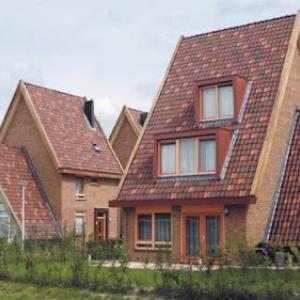
Mizell Roofing has been building and repairing roofs in Mobile Alabama has been in business for years...starting as a family business. If you need a roof installed or repaired you don't need to look any further. Mizell Roofing is a complete roofing company and can install or repair any type of roof. Whether it is a difficult or large job, or a small quick job, please consider Mizell Roofing as your chose contractor.
Miguel Construction
(251) 586-2184 www.mglconstruction.org
Serving
5.0 from 17 reviews
Miguel Construction is a roofing service and repair company. We also offer demolition and remodeling.
Jubilee Roofing
(251) 776-1006 jubileeroofing.com
Serving
4.7 from 63 reviews
With over 20 years of experience in roofing Mobile AL homes, Jubilee Roofing is a roofing contractor with “Experience You Can Trust”. We specialize in roof replacement, roof repair, and storm damage roofing insurance claims for residential family homes. Customer happiness and quality work are very important to us, and we want to help you to be a happy homeowner with a quality roof that will last. We strive to provide our customers with the best customer service experience possible. Our experts are here for you every step of the way – from start-to-finish, from beginning planning through insurance claim assistance and more. Call us today at (251) 776-1006 or schedule an appointment using one of our online forms now for a free inspection.
JD Titan Roofing of Mobile
Serving
4.9 from 69 reviews
JD Titan Roofing of Mobile is Mobile's full service roofing contractor. We can provide repairs or full roof replacements. Please call to make an appointment or visit us at 5238 US-90 Suite G Mobile, Al 36619. We are a Fortified Professional able to provide you with a new Fortified roof resulting in home insurance savings ! We offer the best roof repairs available to Mobile, Grand Bay, Theodore, Tillmans Corner, Union Church, Salt Aire, Irvington, Mon Louis, Canterbury and Windcrest. We offer Emergency Roof Repairs and Tarping during storms. We can provide assistance with insurance claims with documentations and photo reports.
Fortified Exteriors
(251) 422-6836 fortifiedroofer.net
Serving
5.0 from 114 reviews
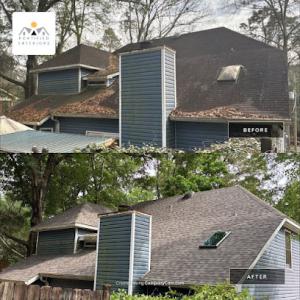
Fortified Exteriors is a local roofing company offering both residential and commercial services in Mobile and Baldwin Counties. We specialize in Fortified Roofing, Repairs, Replacements, Insurance Claims and more. We're Mobile and Baldwin Counties best Fortified Roofer - Just ask our customers!
ASF Contracting
(251) 599-6197 asfcontractingllc.com
Serving
5.0 from 80 reviews
ASF Contracting is a roofing company offering roof repair, replacement & more in the Mobile, Al area! Call for a free estimate!
American Roofing & Construction
(251) 379-9712 americanroofingco.com
Serving
4.8 from 233 reviews
American Roofing & Construction, established in 2005, offers residential and commercial roofing services in Mobile, southern Mississippi and surrounding areas, including Daphne, Fairhope, Saraland, Wilmer, Grand Bay and Orange Beach. Our expertise covers repairs, replacements, and various materials like shingles, metal roofing, and tile. American Roofing & Construction is committed to high-quality work and uses the latest technology to keep customers informed throughout the project.
Pro Roofing Solutions
(251) 376-5810 www.proroofingsolutionsmobile.com
Serving
5.0 from 180 reviews
Pro Roofing Solutions, serving Mobile, AL, and surrounding areas, delivers exceptional roofing services with over 5 years of experience. Our services include roof repair, replacement, inspections, and maintenance, catering to residential and commercial properties. We set ourselves apart with our commitment to excellent craftsmanship, using durable, high-quality materials that ensure the longevity and safety of your roof. We specialize in handling various roofing materials, including asphalt shingles, metal roofs, and flat roofs, adapting our services to meet the specific needs of our clients. Call us today for a free estimate!
Asphalt shingles remain a dominant choice locally, but heat, humidity, and regular rainfall take a toll on this familiar option. In a storm-prone market like Theodore, you'll notice granule wear, seal-strip aging, and greater wind uplift over time. To maximize lifespan, choose architectural or thicker-profile shingles with a high wind resistance rating and a 130+ mph uplift spec. Ensure the roof deck is solid and well-ventilated, and verify that flashing around chimneys, vents, and valleys is installed in corrosion-resistant metal and sealed with compatible sealants. Regular inspections after heavy rain or a hurricane event help catch lift or loose shingles early.
Metal stands out in this climate because many local contractors specialize in it, and homeowners often consider it for wind performance and long-term durability in coastal conditions. If you choose metal, look for coatings rated to resist humidity, salt spray, and rapid temperature changes. A standing-seam system tends to perform best in high-wind scenarios because seams shed water and resist uplift more reliably than exposed fastener options. Ask about installation details that minimize penetrations and ensure a solid attic-to-roof venting plan. Consider a reflective coating or light-color finish to reduce heat gain in hot months.
Tile and slate options exist locally, but their weight, installation complexity, and repair logistics matter more in a storm-prone Mobile County market than inland Alabama. Clay or concrete tiles can resist impact if rated for high wind, yet improper ballast or fastener choices can amplify uplift risks during a hurricane. Slate offers durability but requires a heavier structure and careful replacement protocols after damage. If you're weighing these options, verify the roof structure can safely bear the weight, and choose a installer who has direct experience with storm-related repairs and tile-to-deck detailing.
In Theodore, wind performance matters as much as the primary material. For any roof type, insist on a wind-resilient design that minimizes penetrations, uses continuous underlayment where feasible, and incorporates reinforced edges and ridge protection. Develop a quick-response plan for post-storm leaks: keep emergency tarps and a small toolkit handy, know where the electrical shutoff is, and maintain current contact information for a trusted local roofing crew who can verify storm damage and provide documentation for insurance when needed.
Regular, proactive maintenance is your best defense. After heavy rainfall or a hurricane, walk the roof with a buddy to spot lifted shingles, cracked sealants, or loose flashing. Clean gutters and downspouts to prevent ice or water backup during cooler spells, and address any rust spots on metal surfaces before they spread. For any roof type, establish a simple annual check routine-focusing on valleys, flashings, and fastener integrity-to extend service life and keep sustained wind exposure from becoming a bigger problem.
In Theodore, pricing for a roof replacement follows practical ranges tied to material choice and local storm demand. Provided local pricing ranges run from about 350 to 650 USD per square for asphalt shingles, 550 to 1000 for metal, 800 to 1800 for clay tile, 650 to 1300 for concrete tile, 450 to 700 for synthetic/composite, and 1200 to 2500 for slate. Those bands give a realistic starting point before factoring labor intensity, tear-offs, and the condition of flashing and underlayment. Asphalt shingles remain the most common option for cost efficiency, while metal and tile bring different wind performance and maintenance profiles.
Storm-season dynamics shape the numbers you'll see on bids. In Theodore, costs can rise after tropical storms because regional demand spikes across Mobile County for tear-offs, tarping, and full replacements at the same time. Contractors may need to mobilize crews with tighter timelines, which can push crew costs and supply charges higher, especially when multiple homes on a block are replacing at once. If a full tear-off is required, expect the project to take longer and to incur additional disposal and debris handling charges that can push the total beyond a straightforward per-square calculation.
Coastal wind considerations should drive material choice and detail-oriented work on flashing, underlayment, and edge anchors. Full re-roofs in this area often demand meticulous attention to rake, soffit, and valley detailing to resist wind uplift, particularly on roofs with complex geometry or added venting. While some inland reroof tasks are simpler, coastal homes in the area benefit from upgraded underlayment and corrosion-resistant fasteners. These choices affect labor time and material costs, and they're worth including in the bid to prevent leak-prone joints after a season of heavy rain.
Practical budgeting notes help in planning for a repeat weather event. If a project is timed near the hurricane season, expect bids to reflect expedited schedules and possible emergency response add-ons, such as rapid tarping or temporary roof protection during weather windows. For most homeowners, selecting a material that balances wind performance with long-term durability (for instance, metal or synthetic options) may yield the best overall value, even if the upfront cost is higher than asphalt. Striking the right balance between upfront expense and long-term resilience is essential when planning a full replacement in this coastal belt.
Get a clear picture of your project costs upfront - no commitment required.
Wise Builders Roofing & Renovations
(251) 305-7282 wisebuildersrnr.com
6215 Rangeline Rd #105, Theodore, Alabama
5.0 from 147 reviews
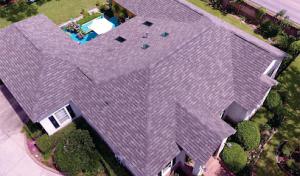
For Theodore properties, a full re-roof typically requires a permit through the Mobile County building department rather than a separate Theodore city permitting office. That means the process starts with a formal application that details the project scope, roof type, and any structural work tied to the replacement. The county office will want basic information about existing materials, roof pitch, attic ventilation, and drainage details to ensure the finished roof integrates with the home's envelope and the area's humidity and wind exposure. In practice, the permit packet should include a simple set of plan sketches or notes showing the new roof assembly, fastener patterns, underlayment type, and any additions like vents or skylights. Submitting accurate, up-to-date information helps avoid delays caused by missing pages or unclear specifications.
Unlike a one-step signoff, the Mobile County process generally schedules inspections during the course of installation and again after completion. The initial inspection is usually tied to the decking and underlayment stage, verifying that the roof deck is sound and that the chosen underlayment meets code expectations for Gulf humidity and rain. A mid-build or intermediate inspection typically follows the installation of the first few courses of shingles or metal panels, focusing on nailing patterns, flashing continuity at all penetrations, and proper alignment along eaves and rakes. A final inspection confirms that the entire system is correctly installed, with vents, ridge caps, and flashing properly sealed to resist wind-driven rain. Planning for these inspections means coordinating with the contractor to ensure work is paused for a scheduled window, rather than trying to "pass" in a single, last-minute visit.
In the coastal county context, inspectors pay particular attention to flashing details around chimneys, vents, and skylights, ensuring flashing is continuous and properly integrated with the underlayment. The quality of underlayment matters, especially where wind-driven rain can exploit small gaps. Code compliance checks extend to edge metal, seam integrity, and the adequacy of fastener choices for the local wind regime. The aim is to confirm that the assembled roof resists gusts and soaked days common during hurricane season while maintaining a durable barrier against moisture intrusion. Understanding that inspections look for these wind-related considerations helps homeowners and contractors align on a robust installation approach from the outset.
Wind-driven rain in this area commonly exposes weaknesses first at flashing transitions and roof penetrations rather than only through broad field shingle loss. A loose boot around vent pipes, improper counter-flashing on chimneys, or poorly sealed valley intersections can funnel water into attic spaces even when the visible shingles look intact. After storms, check for damp spots along the seam where the roof meets walls, and pay attention to attic signs of moisture near penetrations. If flashing shows any movement or corrosion, it should be re-sealed or re-flashed promptly before the next round of gusts.
Hot, humid conditions can shorten the effective service life of asphalt systems by accelerating aging and making already-weathered shingles more vulnerable during storm gusts. Look for curling, cupping, or granule loss that seems to worsen after a heavy rain event. Inflammation from heat can also soften the shingle surface, allowing wind to lift edges more easily. Routine inspection after the peak of summer, with particular attention to field shingle edges, can identify early softening or damping that signals a need for attention before leaks form.
Because heavy rain is routine in this part of Mobile County, small installation defects in underlayment laps or edge details can become visible leaks faster than homeowners expect. Inspect drip edge alignment, underlayment overlaps, and any exposed fasteners along eaves and rakes. Loose laps or gaps at edges can allow water to seep inward during a heavy downpour. Address imperfections quickly, and ensure the underlayment is continuous across hips and valleys to reduce the chance of rapid leak development during the next storm.
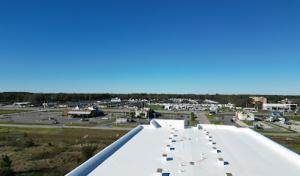
The flat or low-slope portions on residential and mixed-use properties in this area require a practical approach to drainage, flashing, and rapid leak response. The humid, rainy coastal environment in this part of Mobile County means standing moisture problems can escalate quickly on low-slope sections if drainage is not carefully designed and maintained. Although the market shows a noticeable share of flat- or low-slope work, coating and restoration remain niche but active locally, typically as extensions or refurbishments rather than full replacements.
On homes with low-slope transitions, prioritize a clearly defined drainage plan. Ensure gutters, downspouts, and scuppers are sized for the maximum expected rainfall and run a continuous line of water away from walls. Flashing should be continuous and properly integrated at transitions to steeper roofs, chimneys, and roof penetrations. In this climate, even small gaps can lead to rapid moisture intrusion, so pay particular attention to penetrations around HVAC curb interfaces, vent stacks, and skylights. If the roof deck shows signs of prior ponding or differential drainage, address those issues before selecting a coating or resurfacing option.
Coating and restoration are relevant when an existing low-slope assembly can be extended or refreshed rather than fully replaced. Choose coatings with proven weather resistance and compatibility with the substrate, and verify warranty terms that cover high-humidity exposure and wind-driven rain. For coastal exposure, a multi-layer approach with a durable primer, a water-shedding topcoat, and a reinforcing fabric at joints can reduce micro-cracking and edge wear. Local contractors often prioritize seamless edge detailing and robust sealants at transitions to prevent leakage during hurricane-season winds.
When selecting a low-slope system, emphasis should be placed on wind-driven rain resistance and compatibility with the underlying deck material. Pay attention to edge protection and service life under repeated exposure to salt-laden air and high humidity. Regular, targeted inspections after heavy storms can catch early moisture intrusion before it spreads. In practice, collaboration with a local roofer who understands typical neighborhood roof lines and nearby property layouts yields the most reliable performance in this coastal environment.
Find specialists in TPO, EPDM, and built-up flat roofing systems for residential and commercial properties.
Wise Builders Roofing & Renovations
(251) 305-7282 wisebuildersrnr.com
6215 Rangeline Rd #105, Theodore, Alabama
5.0 from 147 reviews