
Last updated: Apr 19, 2026
Biloxi sits directly on the Mississippi Gulf Coast, so roofs face routine evaluation around tropical systems and hurricane season runs from June through November. That means your roof isn't a once-a-year project but a seasonal frontline in your home's defense. The coast's wind-driven rain, salt air, and frequent storms combine to test every seam, every fastener, every flashing detail. The risk isn't hypothetical: a single tropical disturbance can drift storms your way, and a missed maintenance step now can become a costly repair after a strike. Preparation must be concrete, timely, and relentless.
Seasonal thunderstorms and tropical systems regularly disrupt roofing schedules in Biloxi, making pre-season inspections and early repairs more time-sensitive than in inland Mississippi cities. The goal is simple: identify vulnerable spots before the first gusts push rain through. Look for sunken or lifted shingles, loose or missing fasteners, torn flashing around chimneys and vents, and any signs of prior repair work that didn't hold up to wind. In the salt-laden air, fasteners and metal components corrode faster, so pay attention to edges, ridge lines, and eave details. A small delay in addressing a shaky ridge cap or a corroded vent boot can become a roof-wide problem when a storm engine roars in from the Gulf.
Wind-driven rain is a major local concern because Biloxi homes near the Mississippi Sound face both high wind exposure and repeated heavy rain events during storm season. Your roof must shed water quickly and seal aggressively at vulnerable points. Emphasize proper attic ventilation and a robust underlayment strategy to prevent moisture intrusion from wind-driven spray. If you've had any past leaks, map them logically: trace the path of water, not just the spot it enters, to locate compromised layers that may have shifted or failed during previous storms. Regular checks after each heavy rain event are essential, especially after a storm system passes through or lingers offshore.
Begin with a pre-season roof health check focused on critical failure points: fascia boards for rot, the condition of gutters and downspouts, and the integrity of ridge caps. On the roof, inspect for lifted shingles, cracked sealants, and rust or corrosion on metal components near coastal exposures. Create a storm-ready maintenance cadence: schedule a formal inspection at the start of hurricane season, perform mid-season touch-ups, and complete a post-storm assessment if a tropical system clips the area. Keep a repair kit handy with tarps, sealant, and quick-fix flashing, but use temporary measures only to ride out a storm and schedule permanent repairs as soon as conditions allow.
After a hurricane event, prioritize safety and rapid assessment. Document damage with photos before you or contractors move through the roof, because wind and water can reveal issues not visible from the ground. Work with a local roofing professional who understands Gulf Coast loads, wind zones, and the breeding ground for salt corrosion. Quick, targeted repairs taken promptly can prevent cascading failures in the days and weeks that follow a storm, helping a home regain protection and occupants regain peace of mind faster.
Salt-laden coastal air accelerates corrosion on exposed metal components and fasteners compared with inland Mississippi parts. In Biloxi, where metal flashings, vent caps, and standing-seam seam fasteners sit near sea spray, the metal can begin pitting or lose its coating sooner than expected. That early wear matters not just for appearance, but for the long-term integrity of the roof system, especially where clips, connectors, or edge details are relied on to hold copper or steel components in place. When corrosion creeps into the fastener matrix, you may notice loose shingles, wobbly edges, or misaligned metal pieces after a heavy rain or mid-winter gust. The takeaway is simple: treat any sign of rust or dulling as a warning, not a cosmetic issue, and address it before it spreads.
The city's hot, humid climate increases the risk of moisture-related roof deterioration, especially where ventilation or flashing details are weak. With dense Gulf humidity, warm attic spaces can become perfect incubators for mold, wood rot, and ice-dammed patterns when air cannot circulate freely. Poor ventilation lets the underside of decks and sheathing stay damp longer, which saps wood strength and can soften the roof's edge support. Flashes around penetrations-vents, pipes, and skylights-are particularly vulnerable if the sealant dries cracked or if the flashing is not integrated with a proper drainage path. In Biloxi, high humidity makes proactive inspection of these details not a luxury but a practical safeguard against slow, invisible damage that compounds over years.
Frequent rain combined with coastal humidity can shorten service life for roof systems that trap moisture or rely on vulnerable sealants. Sealants in coastal climates degrade faster when exposed to salt spray and constant moisture exposure, leading to micro-leaks at hips, valleys, and transitions. Decking and underlayment near gable ends, chimney chases, and roof-to-wall junctions are common trouble spots when seals fail. Even small leaks can promote staining, wood rot, and insulation dampness that undermines indoor comfort and energy efficiency. In this environment, soft or bubbling shingles, lifted edges, or a faint rotting odor near the attic are signals to check flashing detail continuity and to test the attic for hidden condensation.
Because Biloxi's climate stresses the roof in unique ways, routine, careful inspections matter more than you might expect. After storms, look for loose metal, lifted shingles, or corrosion around fasteners. Periodically inspect attic ventilation grilles and soffit-to-ridge pathways to ensure air is moving rather than stagnating. If sealants show cracking, peeling, or separation at joints, plan timely resealing with weather-appropriate products designed for coastal exposure. When you address any of these signs, tackle both the symptom and the root cause-improving drainage paths, reinforcing vulnerable flashing, and replacing compromised metal components before hidden damage compounds. A well-maintained roof in this climate sustains its performance longer and reduces the patchwork repairs that coastal weather tends to demand.
Explore specialists in steel, aluminum, and standing seam metal roofs built to last 50 years or more.
Integrity Roofing
(228) 295-8300 roofsbyintegrity.com
249 Beauvoir Rd Ste C4, Biloxi, Mississippi
4.9 from 146 reviews

ENSURED Roofing
(228) 797-7667 ensuredroof.com
1969 Southern Ave, Biloxi, Mississippi
5.0 from 48 reviews
Durden Roof Care
(228) 229-4704 durdenroofcare.com
340 Caillavet St, Biloxi, Mississippi
5.0 from 38 reviews
Asphalt shingles remain the practical, go-to choice for most homes around here. They handle the coastal wind loads reasonably well when installed with proper underlayment and fasteners, and they're forgiving during the frequent roofline adjustments that come with storm damage repairs. When selecting asphalt, you'll want a heavier asphalt blend with a durable adhesive and a wind-rated shingle option. The installation window should prioritize dry spring and fall periods to avoid heat and moisture stress that can affect sealing, especially on homes exposed to salt air. In Biloxi, the combination of wind exposure and salt can accelerate wear, so ensure you choose a shingle with good resistance to salt uplift and a robust warranty that covers wind-driven events.
Metal roofs are the other dominant practical option. They stand up well to high winds and salty air when installed with corrosion-resistant coatings and properly sealed panels. A metal roof can also help with post-storm recovery, since some systems allow faster repairs and easier maintenance after a hurricane event. Look for features like sealed panel seams, impact-rated materials, and a coating system designed for the Gulf Coast climate. If you're upgrading from shingles or replacing a deteriorated roof, a metal roof may offer longevity benefits, but confirm the structure can handle the heavier mass and any required added fasteners. Installation should align with dry weather windows to ensure fast, clean work and to minimize the risk of moisture intrusion during the critical sealant phases.
Clay tile, concrete tile, and slate appear selectively here because of cost and structural considerations. They can be appealing for certain architectural styles, but their weight means you'll often need a structural assessment and possible roof-support upgrades. In Biloxi's hurricane-prone environment, heavier systems may trigger plan-review attention during the permit process, so anticipate additional scheduling and inspection steps if choosing these materials. Composite shingles offer a middle ground: they can deliver improved impact resistance and longer life than standard asphalt, with less weight than ceramic tile. If you're leaning toward tile or slate, weigh the wind-load requirements, the potential for debris damage, and the impact on repair logistics after a storm.
Material choice is shaped by hurricane wind exposure, salt air, and the need to schedule installations around spring and fall dry windows. Biloxi summers bring heat and humidity that can complicate sealant performance, while coastal storms can demand rapid post-storm repairs. Plan for installation during a stretch of dry, mild weather whenever possible, with contingency for shorter, cooler days if a storm season approaches. Ensure crews have experience with coastal conditions, including corrosion-resistant fasteners and appropriate ventilation and underlayment choices to keep moisture out during the repair and replacement process.
Storm-driven demand after tropical activity can push roofing crews and materials to peak levels. When a hurricane season hits, schedules tighten and pricing pressure rises in Biloxi, sometimes for weeks as crews stack jobs and trucks fill up. That means a same-material job may run higher than the non-storm baseline, especially if multiple homes in the neighborhood are going to tear off at once. On the flip side, quieter months bring a steadier flow and more predictable bids.
Asphalt shingles remain the baseline, with typical Biloxi costs ranging from about 320 to 600 per square. If durability and a longer life are priorities, metal roofing sits higher, roughly 700 to 1,200 per square. For a more premium look and strong wind performance, clay tile runs 1,000 to 2,000 per square, while concrete tile sits 900 to 1,800 per square. Synthetic or composite shingles offer a mid-range option at 600 to 1,100 per square, and slate can skyrocket to 1,800 to 3,000 per square. Your exact price depends on roof geometry, fasteners, underlayment, and wind-rated products chosen to meet local expectations after a storm.
Heavy summer rains slow tear-off, drying, and disposal logistics, increasing labor time compared with dry-season work in spring or fall. This can push the project window longer and raise daily labor costs. If a storm surge crowding the schedule means crews must return for rework or extra inspections, the total project duration can expand and add to soft costs like permit review time. Plan for a backup crew calendar and a margin in your budget if a main weather window shifts.
If considering a heavy-material change, expect additional review complexity that can affect timeline and total cost. Weigh the long-term gains of wind resistance and hail durability against the upfront price, especially when storms are fresh in memory and demand spikes are fresh in prices. For budgeting, set a baseline using the midpoints of the listed ranges, then add a contingency to cover potential storm-traffic surges and weather-driven delays.
Integrity Roofing
(228) 295-8300 roofsbyintegrity.com
249 Beauvoir Rd Ste C4, Biloxi, Mississippi
4.9 from 146 reviews
Integrity Roofing is a state-licensed roofing contractor that prioritizes Integrity before Profit. We believe that providing top-notch roofing services to our customers is about building trust and long-lasting relationships. Our mission is to deliver excellence in all aspects of our roofing services, from the materials we use to the customer service we provide. Our team of experienced professionals is dedicated to providing you with the best residential and commercial roofing services. We are committed to meeting the highest quality and safety standards. Integrity Roofing is always putting integrity first. Contact us today and experience the difference integrity and excellence can make in your next new roof installation or roof repair.

ENSURED Roofing
(228) 797-7667 ensuredroof.com
1969 Southern Ave, Biloxi, Mississippi
5.0 from 48 reviews
ENSURED Roofing is a trusted roofing contractor serving Biloxi, Gulfport, Ocean Springs, Long Beach, Pascagoula, Bay St. Louis, and surrounding Mississippi Gulf Coast areas. We specialize in residential and commercial roofing, including roof repairs, replacements, inspections, emergency roofing, and insurance claim assistance. Our licensed team delivers storm-resistant, high-quality roofs built to last. Call today for your free roof inspection or estimate!
Durden Roof Care
(228) 229-4704 durdenroofcare.com
340 Caillavet St, Biloxi, Mississippi
5.0 from 38 reviews
Durden Roof Care provides roofing services throughout the Mississippi Gulf Coast.
Expert Roofing
(228) 331-1215 www.expertroofing.us
2730 Pass Rd, Biloxi, Mississippi
4.8 from 33 reviews
Serving Coastal Mississippi since 1997, Expert Roofing provides a comprehensive suite of solutions for both residential and commercial properties. Beyond their deep expertise in roofing, from shingle to flat roofs and coatings, they also specialize in remodeling, siding, and waterproofing services. Their offerings extend to professional deck building, fence installation, and window replacements, ensuring every aspect of your home or business is built to last. With a commitment to quality and craftsmanship, Expert Roofing is the trusted choice for all your home improvement needs. Free Estimates and reliable service. Home Improvements and building renovation services available in South Mississippi. Call 228-331-1215 today!
Marina's Port Roofing Biloxi
(228) 432-4875 marinaroofing.com
303 West Dr, Biloxi, Mississippi
5.0 from 8 reviews
Looking for a reliable and honest roofer in Biloxi? Marina's Port Roofing Biloxi is a top roofing contractor that offers a variety of services such as commercial and residential flat roofs. This includes repairs as well as roof installations. We have the top equipment from the best brands and our staff have decades of experience in the roof industry. We offer complimentary roof inspections to ensure that it is working at peak levels. Our top goal is to take great care of our amazing clients. Our crews are friendly and fast. Marina's Port Roofing Biloxi also provides gutter services and skylight work. We are here for you so that you can enjoy your home after the storm.
Focus Construction
Biloxi, Mississippi
4.1 from 17 reviews
Focus Construction, LLC: Unparalleled Roofing Excellence. Specializing in the artistry of comprehensive residential and commercial roofing, Focus Construction, LLC is the pinnacle of reliable and exceptional roofing services. Dedicated to craftsmanship, they provide tailored solutions and premium materials to assure an aesthetically pleasing and sturdy roofing system, transforming every home into a fortress of unparalleled protection.
Protechual Home Maintenance Solutions
Biloxi, MS
4.1 from 9 reviews
Protechual Home Maintenance Solutions is a roofing contractor company based out of Biloxi, MS. Protechual Home Maintenance Solutions is determined to helping you with all your roofing contractor needs. Our services include: asphalt shingle installation service , asphalt shingle repair service , and leaky roof repair service . Our Services: Roof Leak Repair Service Asphalt Roof Installation Service Roof Restoration Service Roofing Contractor Protechual Home Maintenance Solutions is proud to be servicing its satisfied customers out of Biloxi, MS for many years. Protechual Home Maintenance Solutions pride ourselves in the experience, quality, and customer service we provide to meet consumer needs and expectations.
ClayKar Construction
Biloxi, Mississippi
5.0 from 3 reviews
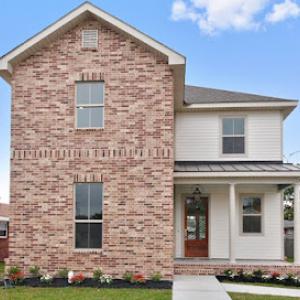
Roofing and construction services for your home or business in the Biloxi, Gulfport, Waveland, and surrounding areas of Mississippi. We are Fortified Roof Experts and GAF Elite Certified. Simply put, our certifications mean we provide higher standards of quality, and as a result, you get higher standards of warranty and replacement. We meet with you to provide a comprehensive quote and explain your unique situation in everyday language so you know exactly what you need and how much it will cost. We work with you to help you understand your options so you can make sound decisions about your home or business's roof. Here are a few of our services; • Shingle Roofing • Flat Roofing • Metal Roofing • Trim & Gutters • Windows & Siding
Magnolia Roofing & Construction
285 Gulfwater Dr, Biloxi, Mississippi
3.9 from 7 reviews
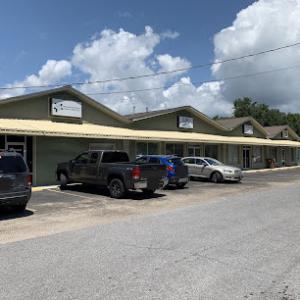
Roofing & Home Improvement Contractor! Magnolia Roofing & Construction is your local roofing contractor and home improvement specialist. Call us with any questions or ideas you have for your projects. We are happy to discuss these with you and to show our work.

SJ&H Roofing
(228) 546-2495 sjhroofpros.com
Serving
4.6 from 21 reviews
SJ&H Roofing – The Gulf Coast’s Top-Rated Roofing Authority SJ&H Roofing is the Top-Rated Roofing Authority serving Biloxi, Ocean Springs, D’Iberville, Pascagoula, and the entire Mississippi Gulf Coast. Family owned and operated since 2010, we deliver expert roofing solutions for homes and businesses — from roof repair and replacement to coatings, gutters, and storm-damage restoration. We’re fully licensed, insured, and committed to excellence in every shingle. Get free Online & Mobile Estimates, fast response times, and leak-proof results built to last. When quality, honesty, and craftsmanship matter, trust the Gulf Coast’s local roofing pros — SJ&H Roofing.
Renova Roofing & Construction
(228) 207-1398 renovaroofing.com
Serving
5.0 from 130 reviews
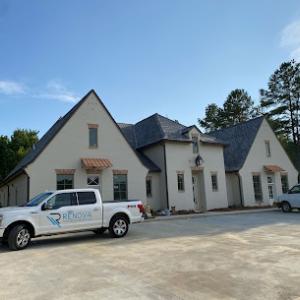
Renova Roofing & Construction is a roofing contractor in Ocean Springs, MS that services Biloxi, Gulfport, Pass Christian, Bay St Louis and all other MS Gulf Coast areas. Our roofing company offers residential roofing, commercial roofing, roof repair, asphalt shingle roofing, metal roofing, and much more. Customers love us because of our insurance claims assistance plus our unparalleled service. We are also screened and certified by Home Advisor. If you want to experience your most trusted Biloxi roofing company’s excellent services, call us now for free estimate!
Roof Squad
(228) 338-3003 www.roofsquad.com
Serving
5.0 from 22 reviews
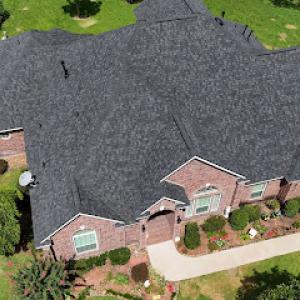
Roof Squad is committed to serving the Gulfport community and is consistently prepared to safeguard your residence against the unpredictable weather conditions characteristic of Mississippi. As Gulfport’s premier roofing specialists, we’re here to deliver excellence in local roofing services. If you’re searching for roofing companies or roofing contractors near you, look no further. Roof Squad offers reliable service with a commitment to your complete satisfaction, ensuring a secure roof for your family.
For a full re-roof, a building permit is typically required. The permit application is commonly submitted by the contractor to the City of Biloxi Building Department, not by the homeowner, and the project must stay aligned with local codes and wind-resistance standards that are emphasized after hurricane events. Before any shingle pull or deck replacement begins, you should confirm that your contractor has initiated the permit and has a clear timeline for inspections. Missing or delayed permits can complicate post-storm repairs and create issues with insurance documentation, especially when dense Gulf Coast weather patterns are factored in. Ensure your contractor provides the permit number and proof of submission, and verify that plans meet Biloxi's wind-load expectations for the framing, underlayment, and fastener methods required for the specific roof assembly.
Roofing inspections in this market are generally scheduled during progress and at final completion. The inspection sequence commonly includes checks of the underlayment installation and the roof deck preparation before any shingles or panels are laid, followed by subsequent inspections during and after installation to verify correct nailing patterns, ventilation, and flashing details. The final inspection confirms that the roof assembly, including any edge metal and fasteners, aligns with approved plans and local wind-resistance requirements. Because Biloxi faces salt-air exposure and high wind events, inspectors pay close attention to how the roof system integrates with through-fastened components, edge termination, and the tailing of gutters and drip edges. Coordinate closely with the contractor so you know which stage is scheduled next and can be present if certain details-such as underlayment type or a secondary leakage barrier-require verification.
Material upgrades to heavier systems, such as tile or certain metal assemblies, can bring minor plan-review considerations before approval. The city may request additional calculations or a revised framing plan to demonstrate that the structure can carry the added weight and that anchorage meets wind-separation criteria. If you are contemplating slate, concrete tile, or a heavy metal roof, expect a short pause for documentation review. Communicate early with the contractor and the Building Department about any anticipated plan changes, and ensure engineered drawings or stamped notes accompany the permit package. This proactive step helps prevent delays once the permit is in hand and construction is underway.
Keep a copy of the permit on-site and add the inspector contact information to your calendar. Schedule inspections with a clear plan for access, including attic hatch or interior spaces that may be needed for deck and underlayment verification. While weather permits, there should be a dedicated on-site supervisor from the contracting team to address questions from inspectors and to ensure that the sequence-from underlayment to shingle or panel installation-follows the approved plan. Afterward, document any deviations with the contractor and keep receipts for material substitutions that might affect warranty or hurricane-performance ratings.
After a coastal storm, coverage and rates in Biloxi can shift quickly because wind and hail activity affect underwriting more than inland markets. You're more likely to see insurers scrutinize roof conditions, previous repairs, and the overall resilience of the top surface before they approve claims or adjust premiums. The reality is that a roof's post-storm performance matters as much as its present state, because carriers connect damage potential to future risk. If your roof shows outdated materials, mixed repairs, or visible wear, expect closer field reviews and more detailed documentation when you file a claim.
Insurers serving Biloxi often emphasize documentation after storms, so dated photos, temporary repair records, and contractor inspection notes are especially important. Gather, organize, and keep a simple spread of evidence: current images of the roof, attic ventilation, and any wind-related impacts; receipts for temporary fixes to prevent water intrusion; and notes from a licensed contractor that explain what was addressed and why. This written trail helps your adjuster understand what happened, what you did to mitigate further damage, and how the roof stood up to subsequent pressure or rainfall. In the days after a storm, timely, clear records can shorten disputes and support fair assessment.
Wind-mitigation features or retrofits may matter more in Biloxi than in many inland markets because insurers can tie credits or pricing decisions to storm-resistance details. If your roof has modern, hurricane-rated components, reinforced fasteners, or upgraded underlayment, expect claims and renewal discussions to reflect those enhancements. Don't wait for a claim to evaluate these features; you'll benefit from knowing what counts as a credit-worthy upgrade and documenting it now, so you're not surprised when a storm test arrives.
Connect with contractors who help homeowners navigate the claims process from damage assessment to final approval.
ENSURED Roofing
(228) 797-7667 ensuredroof.com
1969 Southern Ave, Biloxi, Mississippi
5.0 from 48 reviews
Durden Roof Care
(228) 229-4704 durdenroofcare.com
340 Caillavet St, Biloxi, Mississippi
5.0 from 38 reviews

Spring and fall are typically preferred for new roof installations in Biloxi because they are the city's more favorable dry periods. This isn't about a perfect stretch of sun; it's about predictable weather gaps that let you sequence tear-off, deck drying, insulation, and shingle installation without a constant rain cycle. When planning, align the start with a forecast that promises several dry days in a row, and build in a buffer for early-season showers. The goal is to finish the job while the deck and attic materials are still stable and unexposed to back-to-back humidity.
In practice, your crew should map a step-by-step calendar that locks in tear-off before anything else, then moves to deck setup, underlayment, and shingle application in consecutive, dry-weather blocks. Start during a dry stretch, and avoid transitions into wet or humid periods that slow deck drying or complicate adhesive bonding. If timing slips, adjust the sequence to preserve the roof's temporary weatherproofing while minimizing the risk of moisture intrusion into the attic and interior.
Summer roofing in Biloxi is more vulnerable to heavy rain delays that affect tear-off sequencing, deck drying, and debris removal. Plan for shorter workdays, frequent tarping, and a tighter crew rotation to handle sudden downpours. Have a ready-to-deploy contingency for turning a partial day into a storefront weather-mitigation effort rather than letting standing moisture stall completion. In summer, you'll want clear goals for each dry window so you don't end up with a partially completed roof when a storm rolls in.
Projects scheduled deep into hurricane season face a higher chance of interruption from tropical watches, rain bands, and emergency repair demand. Build in flexible staging areas and secure temporary weatherproofing to protect interior spaces if a storm pivot is needed. Keep an active alert line with the crew and a plan for rapid tarp deployment and debris control should watches shift to warnings. This is the period where quick decision-making and clear communication with homeowners matter most.
Get a clear picture of your project costs upfront - no commitment required.
ENSURED Roofing
(228) 797-7667 ensuredroof.com
1969 Southern Ave, Biloxi, Mississippi
5.0 from 48 reviews
Expert Roofing
(228) 331-1215 www.expertroofing.us
2730 Pass Rd, Biloxi, Mississippi
4.8 from 33 reviews
The Biloxi coastal climate puts flat and low-slope roof sections to the test with frequent rain, high humidity, and salt-laden air. Drainage performance and seam integrity become critical when moisture is constantly present, and quick post-storm repairs matter for preserving insulation and interior comfort. Assure that your low-slope area is evaluated with these coastal realities in mind, so you don't just shed water, but shed it reliably during prolonged wet spells.
On flat and low-slope roofs, proper drainage is non-negotiable. Look for slow drainage paths, pooled water after heavy showers, and any signs of edge leaks near parapets. Seam quality matters just as much as the deck condition, because salt and humidity can accelerate corrosion around fasteners and flashings. In Biloxi's pattern of heavy summer rains, ponding weaknesses can expose themselves quickly, so routinely check for softened seams, blisters, or loose termination bars after a series of storms.
Coastal moisture exposure increases the importance of reliable membrane performance and corrosion resistance. If the roof has aged membranes or coatings, expect more frequent touch-ups or targeted resealing in stress points like parapets, penetrations, and vents. For aging low-slope systems, plan for selective restoration rather than complete replacement, focusing on maintaining membrane integrity, flashing continuity, and slope correction where feasible to reduce standing water.
Restoration coatings can extend service life, but moisture-trained maintenance is key. Schedule biannual inspections timed after the peak storm season to catch early signs of wear, abrasion, or coating delamination. When coatings are chosen, prioritize products with strong UV and salt resistance, and factor in the need for reapplication intervals that align with Biloxi's humid summers. A proactive plan helps keep your roof resilient between storms.
Find specialists in TPO, EPDM, and built-up flat roofing systems for residential and commercial properties.
ENSURED Roofing
(228) 797-7667 ensuredroof.com
1969 Southern Ave, Biloxi, Mississippi
5.0 from 48 reviews
Expert Roofing
(228) 331-1215 www.expertroofing.us
2730 Pass Rd, Biloxi, Mississippi
4.8 from 33 reviews
Marina's Port Roofing Biloxi
(228) 432-4875 marinaroofing.com
303 West Dr, Biloxi, Mississippi
5.0 from 8 reviews
Because Biloxi sees recurring storm repairs and re-roof demand, homeowners need to distinguish between manufacturer material coverage and contractor workmanship promises after wind events. Material warranties from shingle, metal, or tile producers may cover defects in the product itself, but they rarely guarantee leak-free performance in the months immediately after a storm if installation basics weren't met or if the roof was compromised in the process. When a storm dented, peeled, or lifted sections, the responsible parties should clearly separate what the material warranty covers from what the installer's workmanship warranty covers. In practice, that means knowing who's on the hook for a blown shingle tab or a fastener that pulled out during surge winds, and ensuring the chain of responsibility is defined.
Post-storm roofing in Biloxi often happens under compressed timelines, making documentation of scope, materials, and final inspection status especially important for future warranty questions. Take meticulous notes, photograph every stage, and keep copies of manufacturer labels, batch numbers, and installation manuals. If you accept temporary patches or quick fixes to win storm recoveries, get those terms in writing and attached to the contract, with a clear plan for permanent repair. When the project wraps, request a final inspection record and a signed warranty card from the installer, and verify that the materials used match what the manufacturer requires for warranty validity. Retain proof of the roof's condition at completion so you can reference it should questions arise later.
The local market shows meaningful demand for warranty-backed work, reflecting Biloxi homeowners' concern about repeat leaks after coastal storms. Expect overlaps between material and workmanship warranties, and be proactive about confirming coverage for wind-driven water intrusion and flashing integrity. If a leak reappears within the warranty period, contact the party responsible for the original repair promptly and document the ongoing issue, so you don't lose coverage rights or misinterpret what the warranty supports in a harsh Gulf environment.