
Last updated: Apr 19, 2026
Gulfport sits on the Mississippi Gulf Coast where June through November tropical systems can interrupt roofing schedules and create sudden demand spikes for tarping, repairs, and full replacements. When a storm approaches or hits, every hour counts. A small breach can become a mission-critical leak in a matter of minutes as wind-driven rain drives across exposed seams and vents. The first move is to secure a temporary dry-in and establish leak control immediately, even if a full reroof isn't possible yet. Quick action keeps interior damage from spiraling and buys precious time to line up permanent protection.
After the storm passes or you notice new damage, the goal is to limit exposure until a licensed contractor can assess and propose a plan. Start with tarping or temporary cover to seal any open gaps-think roof deck penetrations, missing shingles, or compromised flashing. Secure tarps and fasten them with roofers' nails or screws, weighted edges, and sandbags if wind promises to return. Keep access points clear for a follow-up contractor and avoid climbing onto a slick roof in slippery conditions; use a professional crew if possible for safety and speed. Document every affected area with photos from multiple angles and note the date and the weather conditions at the time of each observed issue. This documentation becomes crucial when a full re-roof must be scheduled and coordinated with weather windows.
Coastal Mississippi insurers commonly scrutinize roof age, prior damage, maintenance records, and post-storm documentation after tropical weather events. To navigate that process smoothly, assemble a concise history: recent maintenance notes, any prior wind or hail events, and a timeline of repairs already completed. Maintain a running log of who inspected the roof, what was found, and what remedial steps were taken. After a storm, your priority is to preserve the integrity of the roof system and collect evidence that shows proactive care, not just the damage itself. Keep all contractor estimates, repair receipts, and photographic evidence organized by date and issue type. If an adjuster visits, you'll want a clear narrative that aligns your documented maintenance with the current condition. This reduces back-and-forth and helps the claim move efficiently.
In Gulfport, temporary dry-in and rapid leak control matter because frequent wind-driven rain can turn a small roof breach into interior damage before a full re-roof can be scheduled. Prioritize sealing all penetrations-chimneys, vents, skylights, and even skylight flashing-while planning for a durable long-term solution. If a leak becomes persistent, place clean, non-porous materials under the leak to protect ceilings and walls while awaiting repair. Use plastic sheeting or fiberglass-reinforced wraps to protect attic space and prevent mold growth in humid conditions. Communicate clearly with the contractor about the storm window and expected scheduling conflicts due to weather, so temporary measures aren't left in place longer than necessary.
Storm seasons press schedules hard, and Gulfport's housing stock includes older roofs that frequently require re-roofing after tropical events. When you contact a contractor, set expectations for staggered work that aligns with dry periods and available daylight. If a full replacement is needed, ask for a staged plan that prioritizes the most vulnerable sections first (high-wail valleys, corners, and flashings), while maintaining a weatherproof barrier on the rest of the roof. Maintain open channels with your insurer and your contractor so changes in weather or access don't derail the emergency response time. The goal is to maintain interior protection now, document thoroughly, and secure a durable, compliant solution as soon as the next clear window appears.
When you're budgeting after the last storm passes, expect local ranges to be quite concrete. Asphalt shingles run about $350 to $700 per square, metal about $600 to $1,200 per square, clay tile roughly $900 to $1,800, concrete tile $800 to $1,500, wood shingles or shakes $600 to $1,100, and synthetic or composite shingles $450 to $850 per square. Those numbers reflect Gulf Coast conditions, where wind-driven rain and salty air press costs up and can push prices higher if materials or crews are in short supply after a major storm. If you're replacing an entire roof, you'll see the per-square cost line up with the chosen material and local labor rates, not just the material price alone.
Pricing in hurricane season trends upward when regional demand surges and contractor schedules tighten across the Mississippi Gulf Coast. If a storm hits and triggers widespread re-roofing, it's common to see bid range compression-neighbors calling the same few crews, faster turnarounds but tighter scheduling, and occasional premium for expedited work. In practical terms, plan for higher bids and longer lead times during those weeks, especially for metal and tile options that require specialized installation crews. If you're weighing metal versus tile in that window, expect the gap to narrow or widen depending on storm-related demand, but be mindful that both materials can command premium rates after a tropical system.
Beyond material choice, the price picture in this coastal climate includes tear-off work and decking checks. If the tear-off reveals storm-damaged decking or ventilation components, that drives up the total. Coastal wind-compliant installation details can influence fasteners, underlayment, and nailing patterns, which adds labor hours and material nuances. In Gulfport, you'll also encounter the reality that coastal products and corrosion-resistant fasteners add some premium, especially for longer-term durability against salt air. These factors matter most if your home has older decking or substructure.
Start with a conservative budget that accounts for the upper end of the ranges for your material of choice, plus a 10-20% cushion for contingencies like deck replacement or ventilation fixes. If you're choosing asphalt or synthetic shingles, you'll likely stay closer to the lower end of the ranges, but a heavy gust or extended roofline can still shift estimates upward. For tile options, anticipate higher installation costs and longer lead times, particularly if you're coordinating with crews who can work around weather windows. Track bids from at least three reputable local contractors, and ask for itemized line items that separate tear-off, decking repair, underlayment, and finish work so you can compare apples to apples.
Don't let upfront costs delay a critical repair - these contractors offer payment plans to fit your budget.
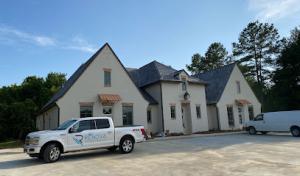
Renova Roofing & Construction
(228) 207-1398 renovaroofing.com
9034 Carl Legett Rd A, Gulfport, Mississippi
5.0 from 130 reviews
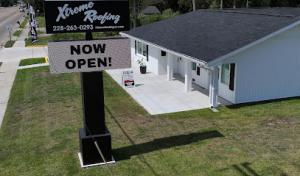
Xtreme Roofing
(228) 263-0293 www.xtremeroofingllc.com
14256 Dedeaux Rd, Gulfport, Mississippi
4.9 from 80 reviews
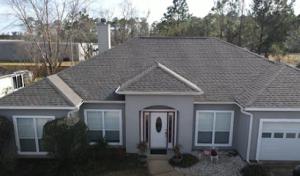
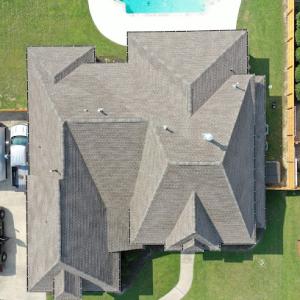
B & M Roofing
(228) 861-5399 bmfixmyroof.com
1223 30th Ave Suite B, Gulfport, Mississippi
5.0 from 88 reviews
Roofing Contractor Since 2003 Covering Mississippi, Louisiana, and Alabama GAF Master Elite Contractor IBHS Fortified Roofer Insurance Claim Experts Exclusive Warranties
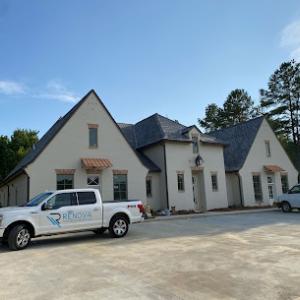
Renova Roofing & Construction
(228) 207-1398 renovaroofing.com
9034 Carl Legett Rd A, Gulfport, Mississippi
5.0 from 130 reviews
Renova Roofing & Construction is a roofing contractor in Ocean Springs, MS that services Biloxi, Gulfport, Pass Christian, Bay St Louis and all other MS Gulf Coast areas. Our roofing company offers residential roofing, commercial roofing, roof repair, asphalt shingle roofing, metal roofing, and much more. Customers love us because of our insurance claims assistance plus our unparalleled service. We are also screened and certified by Home Advisor. If you want to experience your most trusted Biloxi roofing company’s excellent services, call us now for free estimate!
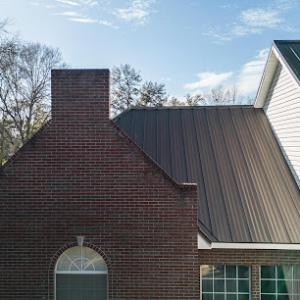
Gulf South Roofing
(228) 231-1630 www.gulfsouthroofing.net
2811 26th Ave, Gulfport, Mississippi
5.0 from 103 reviews
Gulf South Roofing is a trusted, locally owned roofing company based in Gulfport, Mississippi, proudly serving the Mississippi Gulf Coast and surrounding areas. Specializing in residential and commercial roofing services, we offer expert roof repairs, replacements, and inspections. Our team is committed to quality craftsmanship and customer satisfaction. Fully licensed and insured in both Mississippi and Louisiana, Gulf South Roofing is your go-to contractor for reliable, long-lasting roofing solutions across the Gulf Coast.
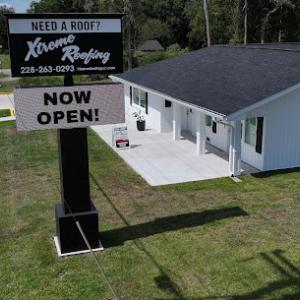
Xtreme Roofing
(228) 263-0293 www.xtremeroofingllc.com
14256 Dedeaux Rd, Gulfport, Mississippi
4.9 from 80 reviews
Xtreme Roofing is the Mississippi Gulf Coast’s top-rated, licensed, and insured roofing contractor—voted Best Roofing Company for 4 years in a row. We specialize in roof replacements, repairs, inspections, and fortified roofing systems built to withstand high winds and coastal weather. Our team delivers honest estimates, quality craftsmanship, and dependable customer service from start to finish. When you want a roof that protects your family and your home, choose the local experts at Xtreme Roofing. Call today for your free inspection.
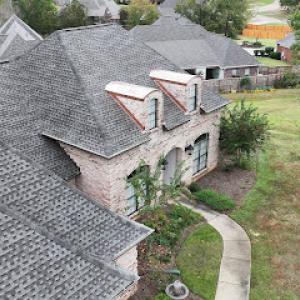
Elite Roofing & Gutters
(228) 335-8657 eliteroofer.com
14231 Seaway Rd Suite D6, Gulfport, Mississippi
5.0 from 28 reviews
Elite Roofing & Gutters provides reliable roof repair, roof replacement, and gutter installation services across Mississippi, with our main office located in Pearl, MS. Our certified roofing specialists handle storm damage, insurance claims, and full roof replacements for homes and businesses from Jackson to Hattiesburg and the Gulf Coast. Whether you need a small roof repair or complete replacement, we’re Mississippi’s trusted roofing experts — built on integrity, craftsmanship, and customer care. Call today for service across Mississippi.
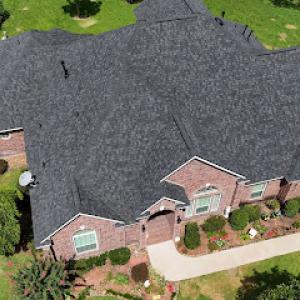
Roof Squad
(228) 338-3003 www.roofsquad.com
13334 Seaway Rd, Gulfport, Mississippi
5.0 from 22 reviews
Roof Squad is committed to serving the Gulfport community and is consistently prepared to safeguard your residence against the unpredictable weather conditions characteristic of Mississippi. As Gulfport’s premier roofing specialists, we’re here to deliver excellence in local roofing services. If you’re searching for roofing companies or roofing contractors near you, look no further. Roof Squad offers reliable service with a commitment to your complete satisfaction, ensuring a secure roof for your family.

Iconic Construction
(228) 209-7969 www.iconicnewconstruction.com
Gulfport, Mississippi
4.6 from 45 reviews
Welcome to Iconic Construction. It's our goal to bring the highest level of craftsmanship to your home while not breaking the bank.
Mandal's
(228) 864-1474 mandalsincorporated.com
4002 Hewes Ave, Gulfport, Mississippi
4.1 from 33 reviews
Roofing & Sheetmetal Contractor Since 1946.
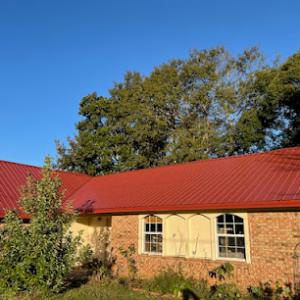
Gulf Coast Heights Roofing
(228) 918-0060 www.gulfcoastheightsroofing.com
1520 29th Ave suite 17, Gulfport, Mississippi
5.0 from 4 reviews
Commercial roof repair specialist. Residential repair and full replacement. State license and insured. All types of roofs Single ply, shingles, tile, flat roof,
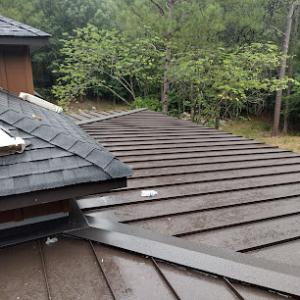
Snell's Custom Sheet Metal
(228) 313-5954 www.facebook.com
3200 B Ave, Gulfport, Mississippi
4.3 from 6 reviews
Custom Sheet Metal Fabrication, Metal Roofing and Vinyl siding. Framing, Woodwork, Handyman services. INSURED
On point roofing,LLC
(228) 671-1531 onpointroofingms.com
Gulfport, Mississippi
3.7 from 9 reviews
On Point Roofing is a trusted, licensed, and insured roofing company with over 10 years of experience in the industry. Specializing in all types of roofing, we handle everything from residential to commercial projects, no matter the size. Whether you need roof repairs, replacements, or installations, our team is committed to delivering high-quality results with precision and care.
Coast Residential Services
Gulfport, Mississippi
5.0 from 1 review
Protect your largest investment with our reliable roofing services. We are a locally owned and operated roofing company currently serving Biloxi, MS and surrounding communities. If you want to make your roof last as long as possible, it is vital that you never put off a roof repair. Small issues with roofing become big issues in a hurry. No matter how major or minor the repair you need, we are here to help. We offer roofing contracting, roofing replacement, and roof inspection.
Asphalt shingles are the common backbone of many Gulfport homes, serving as the lowest-cost mainstream option. In this climate, heat, humidity, and frequent rain can shorten appearance life and expose sealing or granule-loss issues faster than in drier inland markets. If you choose asphalt, prioritize shingles with upgraded granule protection and a stout self-sealing strip. Pay attention to underlayment compatibility and roof deck ventilation, because moisture-laden air and high humidity accelerate deterioration where decks stay damp. In areas prone to heavy downpours, ensure proper flashing detail around dormers, chimneys, and vents, and consider a ridge vent or a combination of soffit and ridge ventilation to keep attic temperatures down. For homes facing persistent sun and reflected heat from nearby surfaces, vented soffits and reflective attic insulation can help preserve the shingle's color and reduce early aging. While asphalt is forgiving and familiar to many locals, its long-term appearance can need more maintenance after a few coastal seasons, so plan for periodic inspections after hurricane season and following major storms.
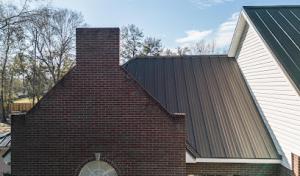
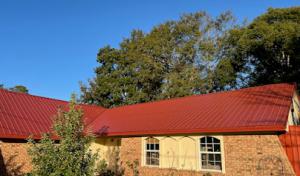
Metal roofing stands out on the Mississippi coast for wind performance and lower maintenance in a wet, storm-prone environment. When installed with proper fasteners, wind-rated panels, and sealed seams, metal can resist uplift from tropical winds better than many other options. The moisture resilience of metal is a notable advantage here, since salt-laden humidity can corrode less-protected surfaces over time. If you go with metal, choose coatings designed for corrosive coastal air and verify that fasteners and flashing are corrosion-resistant. A ventilated roof assembly remains important under a metal roof, as trapped heat under metal can affect adjacent sheathing and interior drywall. Metal can be quiet in a heavy rain when installed with appropriate underlayment and insulation, but ensure the system is inspected after storms for any hail damage or loose seams. For many homeowners, metal offers a balance of curb appeal, longevity, and reduced repair cycles after wind events, making it a strong contender in Gulfport's climate.
Tile options appear in Gulfport, including clay and concrete, as well as wood shingles or shakes and newer synthetic products. Each presents unique coastal considerations. Clay and concrete tiles can deliver long life and a distinctive look, but coastal moisture, wind-driven debris, and storm-related repair logistics demand careful assessment of tile fastening, underlayment, and roof slope. High salt exposure can affect the fasteners and edge detailing, and roof weight must be verified against the structure's load capacity, especially on older homes. Wood shingles or shakes offer a natural aesthetic but are highly sensitive to humidity, rot, and insect exposure; they can require more frequent treatment or replacement in a humid Gulf Coast setting. Synthetic or composite shingles aim to mimic traditional looks with potential moisture resilience, but coastal exposure still requires evaluating product gauges, sealants, and how well the product handles prolonged humidity and heat cycles. When considering tile, wood, or synthetic, prioritize coastal-specific testing data, compatibility with existing flashing, and a plan for storm-season repairs that minimizes interior exposure during fast temporary protection.
Regardless of material, the Gulfport climate demands a proactive maintenance approach. After each hurricane season, perform a targeted inspection of fasteners, seals around penetrations, and any visible damage from wind-driven debris. Coastal air carries salt that can accelerate corrosion and degrade sealants, so address flashing and edge detailing promptly. Regular cleaning of debris from gutters and valleys prevents water backup during heavy rains, while ensuring attic and roof venting remains adequate helps manage humidity and temperature, protecting both the roof and the interior ceilings from moisture-related issues. In storm-prone neighborhoods, a quick-dry temporary cover or tarp can be a smart, inexpensive safeguard to limit interior water intrusion while planning for permanent repairs or insurance-responsive documentation.
A full re-roof in Gulfport normally requires a permit through the City of Gulfport Building Department. The department's permit desk expects you to demonstrate the scope of work clearly, with a precise plan for material selection, underlayment, fasteners, and ventilation. In practice, you typically submit the project address, the defined scope of work, and contractor information, and the department may require proof of insurance and contractor licensing before they issue the permit. The city's rules reflect the coastal climate and the need for durable details that withstand salt air, wind-driven rain, and the occasional tropical storm. Take time to assemble stamped drawings or product data if your contractor provides them, and be prepared for a quick turn on verification of the mechanical and electrical connections tied to the roof replacement.
Inspections are staged during construction with a final inspection focused on code compliance and proper venting and nailing. In Gulfport, the inspector will look closely at nailing patterns, underlayment installation, shingle or tile termination at hips and ridges, and proper ventilation to manage moisture in a humid climate. It is common to encounter a short lead time between scheduling and the actual inspection, especially during busier storm seasons. Plan ahead for weather-related delays and have ready access to attic spaces so the inspector can verify rafter spacing, ridge venting, and chimney or vent terminations if present. Any deviations discovered during the final inspection may require corrections before final approval, so communicate openly with the contractor and the inspector if a concern arises.
When arranging the permit and inspections, coordinate with the contractor to post the required notice of work at the street and ensure all safety barriers are in place for Gulf Coast conditions. Expect the process to align with the seasonal rhythm in the city, where re-roofs often respond to tropical weather events and the ensuing insurance-related tasks. Keep a documented trail of invoices, permits, inspection approvals, and any change orders, as this documentation helps with insurance claims and future re-roof cycles. If a temporary protection plan is needed during license processing or material delivery delays, coordinate with the contractor to install tarps or plywood to shield vulnerable areas while awaiting approvals.
Coastal Mississippi is a higher wind and hail claim environment, so Gulfport homeowners often face tighter underwriting review than inland Mississippi properties. When a roof has weathered many storms, that history becomes part of the insurance narrative. Insurers look for signs that older materials, fastening patterns, and flashings still perform under the Gulf Coast's punishing winds. A roof's age and condition can tilt a renewal decision more than you might expect, especially after back-to-back tropical season exposure.
Carriers may request photos, maintenance records, proof that installation met wind-warranty requirements, and professional roof certifications when evaluating claims or renewals. Start gathering a simple file: dated photos showing the overall condition, close-ups of fasteners, and records of any repairs or replacements. If a contractor has worked on the roof, keep a copy of the written certification or warranty language that confirms compliance with wind-load standards. Clear, organized documentation can reduce back-and-forth during a claim and help a renewal proceed without a surprise decline.
Roofing decisions in Gulfport are often influenced by whether an aging roof will remain insurable after repeated tropical-storm exposure. When a roof's integrity is questioned by wear, granule loss, or compromised flashings, carriers may demand upgrades or even replacement to keep coverage active. In practice, that means evaluating whether a current roof still meets the wind and water resistance needed for future storms. If the answer is uncertain, a candid conversation with the insurer about required improvements, or transitioning to a more resilient material, becomes a practical step rather than a risk-filled guess.
Before the next renewal cycle, arrange a quick, honest assessment with a qualified roofer who understands Gulfport's climate quirks: salt air, high humidity, and rapid storm damage cycles. Have the roofer document wind-resistance features, fastener patterns, and any retrofits performed to meet wind standards. If a certification is available, obtain it and file it with your claim history. Preparing these pieces now can smooth future claims and help preserve coverage when tropical-season demands peak.
Connect with contractors who help homeowners navigate the claims process from damage assessment to final approval.
B & M Roofing
(228) 861-5399 bmfixmyroof.com
1223 30th Ave Suite B, Gulfport, Mississippi
5.0 from 88 reviews
Renova Roofing & Construction
(228) 207-1398 renovaroofing.com
9034 Carl Legett Rd A, Gulfport, Mississippi
5.0 from 130 reviews
Elite Roofing & Gutters
(228) 335-8657 eliteroofer.com
14231 Seaway Rd Suite D6, Gulfport, Mississippi
5.0 from 28 reviews
Flat and low-slope roofing is an active specialty in Gulfport, reflecting the mix of coastal commercial buildings and residential additions that struggle with ponding and flashing wear in frequent rain. The humid climate keeps moisture around penetrations longer, so leak sources often become chronic even after a storm passes. Pay attention to where water can pool near scuppers, edges, or transitions between roof planes, since those areas see the most sustained exposure.
Around penetrations-think vent pipes, skylights, and furnace exhaust-the flashing sits at the most risk once salt air and humidity take their toll. Transitions between roof sections, especially where a steeper roof meets a low-slope beacon of the system, can develop seam failures or movement gaps. Drainage details deserve extra scrutiny: clogged or undersized gutters and misaligned scuppers create standing water that back-washes into the meeting seams. In practice, expect the first signs of trouble to appear as small damp spots along flashing knees or at the corners where two planes meet.
Skylights are a smaller niche locally, but wind-driven rain can exploit failed seals and flashing. When a skylight seal shows cure cracks or the surrounding flashing has pulled away from the curb, drizzle can track down into the ceiling cavity long after surface rain ends. If a skylight is original to a mid-century addition or a budget remodel, consider upgrading the curb flashing and using a reinforced sealant compatible with coastal humidity.
During a dry spell after a rain, inspect exposed flashings at penetrations for loose screws or lifted metal. Check transitions for lifted shingles or flashing that shows signs of salt spray corrosion. Ensure drainage components are clear and that the roof deck shows no soft spots near edges or at the low points. If you identify recurrent damp patches in the attic around vents or skylights, prioritize those zones for a targeted inspection before hurricane season.
Find specialists in TPO, EPDM, and built-up flat roofing systems for residential and commercial properties.
Gulf South Roofing
(228) 231-1630 www.gulfsouthroofing.net
2811 26th Ave, Gulfport, Mississippi
5.0 from 103 reviews
Gulf Coast Heights Roofing
(228) 918-0060 www.gulfcoastheightsroofing.com
1520 29th Ave suite 17, Gulfport, Mississippi
5.0 from 4 reviews
The Gulf Coast climate drives most replacements to drier periods outside the peak hurricane season. If you can aim for late fall through early spring, you reduce the risk of weather-driven delays from tropical systems that can force torn-off layers back to square one and push the project into a tight dry-in window. In practice, that means coordinating with your contractor well before the spring storm outlook tightens, so a favorable warm spell isn't missed. A swift decision window for storm-ready materials can help keep a project moving when the Atlantic hums with activity.
Hot summers and high humidity on the coast affect more than comfort. Materials can behave differently when exposed to intense sun and salty air, and curing times may be longer or uneven if temperatures spike or humidity climbs abruptly. Scheduling with these conditions in mind matters: crews may need to start earlier in the day to avoid peak heat, and storage areas should be shaded and protected to prevent warping or premature aging of shingles and underlayment. Clear, upfront communication about heat-related pauses helps you avoid surprises and keeps the job on track.
Spring and summer rainfall can pause work and trigger temporary coverings or tarps, so plans should include contingency blocks for wet days. Unlike other regions, occasional winter cold fronts create shorter interruptions rather than a long off-season, which can be useful for finalizing tear-offs and inspections when the sky clears. A practical schedule factors in local microclimates around coastal pockets, allowing for a few flex days that won't jeopardize warranties or project timing.