
Last updated: Apr 19, 2026
Summer thunderstorms sweep through West Georgia with surprising speed, and spring hail can leave dents you can't ignore. In Carrollton, the window to document damage, file a claim, and start temporary protection is tight. The storm pattern often means rain interrupts tear-offs and exposes decking mid-project, so you must position your plan to shield the home while the work waits for a dry stretch. If hail or high winds hit, treat every exposed roof surface as suspect, even if the shingles look intact from the ground. Your priority is to document damage promptly, contact your insurer quickly, and secure a storm plan with a contractor that can adapt to changing skies.
Your best defense against delays is precise, photo-backed documentation taken within 24 to 48 hours of any storm. Capture wide shots of the roof, close-ups of granule loss, and interior signs like ceiling stains or attic dampness. Keep a dated weather log for the days following the event, noting any interruptions from tropical rain squalls or heavy downpours that forced crews to suspend tear-offs. In Carrollton, insurers expect you to show that damage is storm-related, not simply wear and age, so focus on impact points, curled edges, and displaced flashing. If you can, collect sample hail marks or wind-driven debris impressions from gutters or vents to corroborate the claim.
Storm-related claims are common in Georgia, and timing decisions in Carrollton are often driven by hail or wind events rather than age alone. That means you should not delay action waiting for "the right time" or a lull in the calendar. Instead, schedule a damage assessment as soon as the storm passes and before crews are swept into back-to-back jobs. The goal is to lock in a path that allows you to move from assessment to claim to temporary protection, and finally to full replacement when a dry window emerges. Expect potential interruptions from the next wave of storms; build a plan that accommodates several possible windows, not a single perfect day.
The local climate combines high heat and humidity with moderate winter rainfall, so replacement timing often favors drier stretches rather than peak thunderstorm periods. In practical terms, that means aiming for a multi-day stretch with clear skies and solid daytime highs, not just low rainfall. If a diagnosis points to deck exposure or compromised underlayment, request temporary tarping or plywood covers to shield the interior while weather clears. Your contractor should map a prioritized sequence: immediate temporary protection, then a leak seal, then a controlled tear-off and re-roof when the forecast shows a sustained dry spell. Don't let a storm surge of moisture trap you in a half-done roof; insist on a plan that moves from protection to final installation without unnecessary delays.
After a storm, call the insurer and a trusted local roofer within 24 hours if possible. Ask for an on-site inspection that includes attic access to check for hidden leaks and trapped moisture. When the adjuster visits, show the documentation you gathered and point to any damaged decking or flashing that requires replacement. Communicate clearly about the need for a dry-weather tear-off window and request a project timeline that prioritizes sealing vulnerable areas early in the process. If scheduling shifts due to late-season storms, stay in close contact with the contractor and insurer to adapt the plan, ensuring the project progresses as soon as a safe, dry window appears.
Southern Home Improvement
(470) 521-6526 southernhomellc.com
106 Adamson Square Suite 6, Carrollton, Georgia
4.9 from 178 reviews
We specialize in all types of residential roofing. The most common residential roof is asphalt shingle roofing. The three main types of asphalt shingles include 3-tab, architectural, and designer. 3-tab shingles, also called strip shingles, are a single laminate shingle. They are the most cost effective shingles on the market. However, they come with the shortest life span. 3-Tab shingles, with a proper roof deck, with give a smoother appearance. Metal roofing systems are another residential roofing option. We install two types of systems. Standing seam metal roofs and Low Ribbed metal roofs. This can sometime save the homeowner money. Low ribbed metal roofing is great solution for roofing sheds and barns.
Deep South Roofing Company
(404) 819-7240 www.deepsouthroofingcompany.com
1245 N Park St, Carrollton, Georgia
5.0 from 165 reviews
Deep South Roofing Company has been a cornerstone of the Carrollton community since its establishment in 2018. As a trusted roofing contractor, we specialize in providing top-tier roofing solutions to protect your home or business. Our comprehensive services also extend to expert gutter installations and repairs, ensuring your property is fully equipped to handle any weather. Located at 1245 N Park St, our dedicated team is committed to delivering unparalleled craftsmanship and reliable service with every project, solidifying our reputation as the area's premier choice for all your roofing and gutter needs.
Revive Exteriors
(770) 758-8361 exteriorsbyrevive.com
402 Adamson Square Suite 15, Carrollton, Georgia
5.0 from 73 reviews
Revive Exteriors is Georgia’s leading expert in roofing, siding, windows, and doors. We specialize in high-quality installations, backed by expert craftsmanship and superior customer service. Whether you're upgrading your home or dealing with storm damage, we provide efficient, reliable, and affordable exterior solutions. Contact us today for a free consultation!
Assured Roofing & Remodeling
721 Bankhead Hwy, Carrollton, Georgia
4.8 from 139 reviews
We were founded over 16 years ago and have proudly evolved into a trusted name in the roofing, gutter and painting industry. Over these years, our commitment to quality and customer service has set us apart from the competition. As a locally owned and operated, family-run business in Carrollton GA, we have deep roots in our community, which allows us to understand the unique needs of our residential and commercial clients. We serve all of Georgia and can't wait to give you the assurance you deserve on your next project.
The Cool Roofing Company
(888) 216-1766 thecoolroofingcompany.com
566 Newnan Rd, Carrollton, Georgia
4.9 from 70 reviews
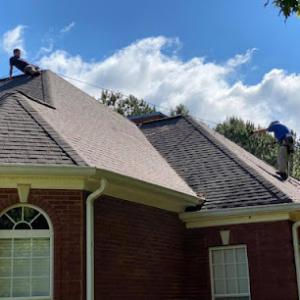
The Cool Roofing Company is a third-generation, family-owned roofing contractor led by David Henry Jr., with over a century of combined roofing experience. Serving Blue Ridge, Ellijay, Jasper, Cumming, and surrounding Georgia communities, we specialize in residential and commercial roofing, gutter systems, siding, and soft washing. Fully licensed and insured across five Southeastern states, our expert team delivers precision craftsmanship and dependable service on every project. From roof repairs and restorations to complete replacements, The Cool Roofing Company stands for integrity, quality, and family tradition—roofing excellence you can trust. Call us now to learn more!
Eskew Roofing
748 Mote Rd, Carrollton, Georgia
4.8 from 26 reviews
Eskew Roofing, Inc has been in the roofing industry for 75+ years, with the experience and knowledge to keep your roof and home safe from all weather conditions along with your satisfaction, both being our main priority. we’re not only roofers, we also offer many other services as well; roofing, painting, flooring, siding, sheetrock/drywall, decks, gutters, windows/doors, new additions, above ground pools, full remodels, we do any and everything inside and out. we are located in Carrollton, Georgia. we proudly serve all surrounding areas as well as Alabama.
Nutt Roofing & Siding
(770) 362-8084 www.nuttroofing.com
103 W Dunwoody Dr, Carrollton, Georgia
5.0 from 6 reviews
Nutt Roofing & Siding is family-owned and is the most trusted Newnan Ga roofing company with over 60 years in the roofing industry. We also offer siding installation, gutters, decks, and remodeling services. Locations we service: Carrollton, Ga Bowndon, Ga Whitesburg, Ga Roopville, Ga Chattahoochee Hills, Ga
Arrow Siding
(770) 832-3740 www.arrowmetalsmfg.com
150 Buttercup Ln, Carrollton, Georgia
3.8 from 14 reviews
For over two decades, Arrow Siding has fortified homes and businesses in Carrollton, GA, standing as a testament to durability and quality craftsmanship. As a family-owned and locally operated business, we've dedicated ourselves since 2001 to understanding and fulfilling the unique needs of residential and commercial customers. Our mission is clear: to prioritize your needs and deliver unparalleled roofing services, ensuring your satisfaction at every turn. Our approach integrates cutting-edge techniques with high-quality, warrantied materials, backed by the highest labor warranties in the business.
Best Nest Roofing & Renovations
(770) 881-1662 www.bestnestrenovations.com
Serving
4.9 from 130 reviews
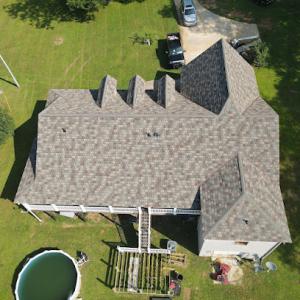
At Best Nest Roofing & Renovations, we specialize in offering complete roofing repair & replacement, exterior repair or renovations services for homes and businesses. You can count our team of professionals to get your roofing and renovation projects completed on time and on budget. We take pride in combining expert workmanship with exceptional customer service.
Top Guard Exteriors
(678) 237-2202 topguardexteriors.com
Serving
5.0 from 33 reviews
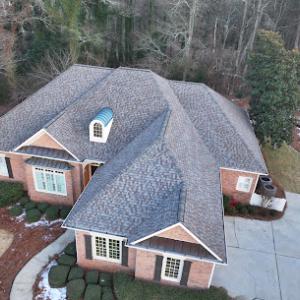
We don't just install roofs, we provide peace of mind. Your home is your sanctuary, and with our roofing solutions, you're always protected. Right now, we're offering FREE, no obligation roof inspections for homeowners in the Greater Georgia area. Don't risk your family's safety or your hard-earned savings on avoidable roof repairs.
Westside Roofing & Construction
(770) 742-1145 www.westsideroofingandconstruction.com
Serving
5.0 from 12 reviews
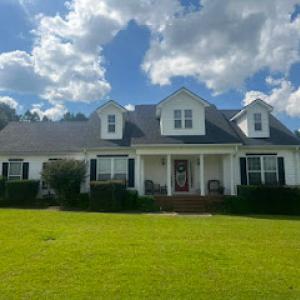
Westside Roofing and Construction is a leading construction company that specializes in roofing and 24-hour emergency tarp and board ups. We also offer all residential construction services, including painting, sheetrock, siding, facia, soffit, gutters, doors, windows, floors, cabinets, and countertops. Our team of experienced professionals is dedicated to providing quality workmanship and exceptional customer service.
PCS Quality Roofing & Restorations
(770) 545-6420 www.pcsqualityroofing.com
Serving
5.0 from 10 reviews
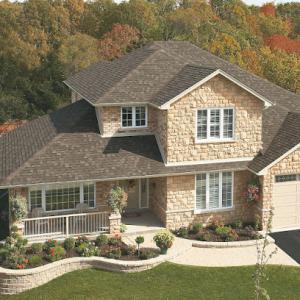
Roofing & Restorations Company serving West Georgia
In this Georgia insurance environment, carriers commonly expect detailed roof condition history, date-stamped photos, and adjuster site visits before approving roof-related payments. That means you should start organizing documentation the moment the last thunder rolls away. If hail has torn across the shingles or wind has peeled back edge flashing, your first photos should capture the extent of visible damage on both the roof surface and the entry points where water would most likely intrude. Keep a simple, dated record of when you noticed each issue, and preserve any correspondence with the insurer or your adjuster. Delays in submitting complete documentation can slow or derail a claim, so clarity and thoroughness matter from the outset.
After Carrollton-area storms, documentation quality matters because hail and wind damage can be disputed if shingle creasing, granule loss, or flashing damage is not clearly recorded early. Look for signs that often escape quick looks: lifted shingles at joints, granules scattered in gutters, and even subtle curling along the edges of the ridge line. Take exterior photos from multiple angles, including close-ups of the roof surface and wider shots of the eaves and valleys. Inside the attic, document any signs of moisture, such as dark stains, moldy odors, or damp insulation near exterior walls or roof penetrations. Attic moisture can be a strong corroborating detail for a claim, especially when the weather window for dry conditions is narrow and you need to demonstrate a recurring problem rather than a single incident.
Homeowners in Carrollton benefit from documenting interior leaks, attic moisture signs, and exterior elevations immediately after storms because claim activity can surge regionally. When storms hit, adjusters can be overwhelmed, and the emphasis shifts to verifiable, organized evidence. A simple, curated timeline helps you respond quickly if an inspector requests additional information. Label photos with the date and a brief note about what's shown, and keep a log of any improvements or temporary repairs you make to mitigate further damage. If a professional inspection is prudent, schedule it promptly and share the report with the insurer, focusing on issues that align with the visible storm evidence and the timeline of rainfall events.
Coordinate your roof assessment with the anticipated weather window so you do not miss opportunities to investigate damage safely. Dry-weather scheduling becomes a strategic move: plan inspections and high-priority repairs during windows with minimal chance of sudden storms. If you notice active leaks, prioritize temporary measures that prevent interior damage, document these actions, and photograph them to show proactive care. Remember that a well-documented history-not just the after-photo-is what strengthens your position when an adjuster evaluates the claim. In this market, the effort you invest now can influence both the speed and outcome of recoveries, making meticulous records and timely follow-ups especially valuable.
Connect with contractors who help homeowners navigate the claims process from damage assessment to final approval.
Southern Home Improvement
(470) 521-6526 southernhomellc.com
106 Adamson Square Suite 6, Carrollton, Georgia
4.9 from 178 reviews
Deep South Roofing Company
(404) 819-7240 www.deepsouthroofingcompany.com
1245 N Park St, Carrollton, Georgia
5.0 from 165 reviews
Revive Exteriors
(770) 758-8361 exteriorsbyrevive.com
402 Adamson Square Suite 15, Carrollton, Georgia
5.0 from 73 reviews
Asphalt shingles dominate Carrollton, and for good reason: they're familiar to local crews and work with the typical home layout found across West Georgia. In practice, the key to a long-lasting asphalt roof here isn't the brochure lifespan but how well the ventilation and attic space are managed, how solid the flashing is around chimneys and skylights, and how well algae resistance is built into the product. Hot, humid summers plus frequent afternoon storms mean you should prioritize shingles with good moisture resistance and a robust underlayment. A well-ventilated attic helps prevent heat buildup that accelerates aging, while properly sealed vents reduce the risk of leaks during a fast-moving thunderstorm.
Metal has a meaningful niche locally because it stands up to repeated rain events and offers a distinct look that some Carrollton homeowners prefer. The practical reality is installation quality around penetrations and edge details is critical in thunderstorm-prone conditions. Metal performs well when fasteners and flashing are set correctly and when the seams are properly sealed to handle driving rain between storms. If choosing metal, insist on a detailed plan for attic ventilation and an edge detailing that directs water away from joints. In areas with heavy humidity, consider coatings that resist chalking and mildew, and ensure the installation crew accounts for roof-to-wall transitions to avoid trapped moisture.
Tile, wood, and synthetic shingles appear in the market, but their suitability here hinges on moisture exposure and how the assembly manages humid summers and repeated wetting. Clay and concrete tiles can shed water effectively, but the weight and substrate support must be solid to prevent cracking during alternate dry spells and sudden storms. Wood shakes offer a traditional look, yet local humidity can accelerate decay if ventilation and moisture barriers aren't up to par. Synthetic or composite shingles can mimic other materials while potentially offering better moisture resistance, but the key is a proven installation that handles edge details and flashing as aggressively as asphalt. In all cases, the condition of the deck, attic, and ventilation will dramatically influence performance when a storm front rolls through and brings rapidly changing moisture levels.
In Carrollton, the best choice balances local weather realities with the home's structure. Look for products with strong algae resistance, tested under humid conditions, and pair them with a roof system that prioritizes ventilation and robust flashing around penetrations. For any material, a precise, storm-ready installation plan matters more than the brand name on the brochure. Focus on how the system handles rapid rain, edge water, and repeated wetting across summers and thunderstorms.
Local reroof pricing can rise after hail or wind events when Carrollton-area demand spikes and crews are booked for emergency work and insurance-driven replacements. That means soft months with calm weather can see steadier quotes, while post-storm windows push contractor schedules and crate tighter availability. If a storm hits, expect a quick ascent in not just material costs but also labor harvest due to rushed inspections and expedited roofing timelines. Understanding this ebb and flow helps you plan exits from storm season with fewer price surprises.
Material choice ranges locally from asphalt shingles at 350 to 650 USD per square up to tile systems that can reach 1600 to 1800 USD per square, with metal commonly falling between 700 and 1300 USD per square. In Carrollton, the practical spread reflects both the local housing stock and the typical roof complexity. Clay and concrete tiles command higher per-square pricing and added installation considerations, especially on older homes with varying attic ventilation needs or retrofit flashing. Wood shingles and synthetic/composite shingles fill mid-range roles, offering distinct aesthetics or durability without the premium of tile systems. If a project looks straightforward-replacing shingles on a standard gable roof-the lower ends of the ranges are realistic. If the roof requires elevation work, upgraded flashing, or a decking refresh flagged during inspection, costs push toward the upper ends, especially after a storm-driven surge.
Dry-weather scheduling matters in this region because thunderstorm patterns can compress or extend project timelines. A typical reroof in calm periods may proceed in a tight, predictable window, while the same project after a damaging hailstorm could see crews diverted to emergency work, delaying your start date and raising daily labor costs. Planning around the weather means targeting a window when storms are forecasted to be sparse for a couple of weeks, allowing for decking checks, flashing upgrades, and ventilation corrections without competing with peak demand periods. If your inspection flags ventilation or decking as upgrades, budget the implications early so you're not surprised by extra materials or temporary protection needs during the process.
Carrollton homeowners often navigate insurance-driven replacements after hail or wind events. Documenting damage promptly, capturing photos of affected decking, flashing, and vents, and aligning with your insurer's preferred timelines can speed approvals and reduce back-and-forth. Because insurance-driven work tends to cluster after a storm, be prepared for a concentrated scheduling squeeze and adjust expectations accordingly. If you're balancing a straightforward shingle re-roof versus a more complex scenario involving decking repair or flashing upgrades, you'll see the most noticeable delta in both timing and total cost.
Get a clear picture of your project costs upfront - no commitment required.
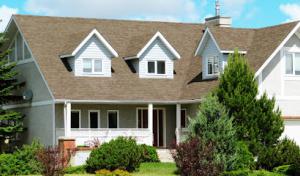
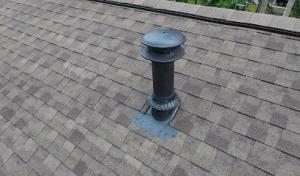
A full reroof in Carrollton typically requires a permit, and the licensed contractor usually pulls it through the city building department rather than the homeowner handling it alone. The process is designed to keep storm-damaged roofs and regular installations code-compliant, and it ensures the project plan reflects the actual materials and ventilation needs for the home. Work cannot proceed without this permit in hand, so your contractor should initiate the permit request as part of the project kickoff. Rely on the contractor's familiarity with the required documents, including installation details, wind mitigation considerations if applicable, and any local amendments that affect roof structure or attic ventilation. If you have a complex attic layout or existing venting quirks, flag them early so the permit package captures the true scope.
Inspections in Carrollton occur during the project and again after completion, with attention to flashing, ventilation, and overall roof installation quality. The on-site inspection phase gives the building department a chance to verify shingle alignment, step flashing at chimneys and walls, proper valley and drip-edge work, and secure fastener patterns for the chosen material. A post-installation inspection confirms that everything was installed to code and that any city-specific requirements-such as attic ventilation adequacy and underlayment installation-are satisfied. Expect the inspector to review transitions around dormers and any skylights to ensure watertight performance, especially where the roof meets the eave and rake lines.
Project timing can be affected by the city inspection schedule, so homeowners should expect permit and inspection coordination to influence start dates and final completion. Storm windows, typical in West Georgia summers, can constrain scheduling, since inspections may be weather-dependent or prioritized after storm-related work. The contractor should build a realistic timeline that accounts for permit issuance turnaround, anticipated inspection dates, and any weather-driven delays. It's common for crews to pause between permit approval and the first day of tear-off to align with available inspection slots, permitting, and material lead times.
Keep a single point of contact-the licensed contractor-responsible for arranging inspections and communicating required follow-up items. Have the permit number and approved plans readily accessible on-site during work and at final walkthroughs. If you have unique roof features, like extensive attic venting or complex flashing around a chimney stack, request a pre-inspection review with the contractor to anticipate any adjustments the inspector may request. Finally, maintain organized documentation: permit copies, inspection records, and any amendments to the original plan, so you can quickly respond if the city requests clarification during the project.
Storms roll through the area with a pattern that tests roofs year after year. In Carrollton, repeated thunderstorm exposure makes flashing failures and leak points around roof transitions especially important to catch early. A quick check after a heavy storm helps identify whether flashing around chimneys, vents, or where two planes meet is still doing its job.
Heat and humidity push shingle materials to age faster and can hide problems until moisture shows up as premature curling, cupping, or dark streaks. Attic heated by the sun can push underside temperatures well above outdoor levels, accelerating deck rot or mold growth if ventilation is poor. You should pay attention to any musty odor, attic temperature spikes, or visible condensation on warm days, and address them before they become widespread leaks.
Spring hail can damage exposed roofing surfaces before replacement crews arrive, which is a practical concern when scheduling delays follow regional storms. Even small hail can ding shingles, loosen protective granules, or crack edges, creating vulnerable leak points. If a roof is under repair and recent hail struck, you may see new marks or damp patches that need documentation for insurance purposes and for timely resealing or replacement when weather windows reopen.
Regular, targeted inspections after big storms, mid-season checks before the worst heat days, and keeping a documented leak-response plan help homeowners avoid cascading damage. Track dates, photos, and the location of any suspect flashing, vent seals, or transitions. A reliable contractor should address flashing with attention to roof-to-wall intersections, step and counter-flashing at dormers, and any failing sealant around skylights so moisture does not sneak in during the next storm. Maintaining these checks can prevent costly summer surprises later.
In a market driven by re-roofs and rapid storm response, you want a contractor who can drop everything for a leak, document damage promptly, and schedule dry-weather work windows. Look for a crew that can mobilize within 24 to 48 hours after a hail event or strong storm, and that prioritizes tarping and moisture control to minimize further damage. Verify they have a process for documenting storm damage with photos and notes that you can share with your insurer.
Carrollton homeowners frequently navigate insurance claims as part of storm work. Choose a contractor who can coordinate directly with the insurer, provide detailed scopes of repair, and track changes in real time. The best fit understands how to translate repair needs into a clear, through-line claim file, and can supply replacement timelines that align with policy timelines and your dry-weather windows.
Local signals matter here: homeowners tend to favor affordable, residential-focused contractors with established track records rather than purely new-construction specialists. Seek references from nearby projects with similar roof types, and prefer teams that show consistent on-site presence, tidy staging, and reliable cleanup. A contractor with steady crews and a recognizable local office tends to weather storms more predictably than a sprinting, one-off outfit.
Drone inspection and manufacturer-certified positioning appear in the market, but these are secondary to whether the contractor can manage storm damage workflow and leave the property clean. Expect a thorough on-site walk-through, a written damage report, and a plan that minimizes disruption to your family and landscape. Ensure the crew finishes with nets, tarps, and a clean yard, not just a freshly finished roof.
When comparing bids, weigh response speed, documentation quality, and cleanup expectations as heavily as price. Favor contractors who provide a realistic timeline that respects your storm-damaged schedule and dry spells, and who clearly assign a dedicated point of contact for questions throughout the project.