Last updated: Apr 19, 2026
In this part of California's Central Valley, timing a re-roof around the local weather makes a real difference. The long, hot, dry summers bake exposed shingles and flashing, accelerating UV wear on sealants and edge details. Winters bring cool, wet periods that squeeze dry-in and final completion into narrow rain-free windows. Spring delivers wind and occasional hail, so shoulder-season inspections are key to catching small damage before interior leakage shows up. Plan a sequence that avoids the wettest days, aligns with a dry-in window, and leaves a solid finish before the next summer heat wave.
During the height of the dry season, UV exposure is relentless on roof surfaces. The goal is to complete the re-roof in a stretch with minimal rain risk so sealants and flashing can cure properly and the underlayment remains dry. If possible, schedule removal, decking inspection, underlayment installation, and shingle or tile laying in a continuous block, avoiding the hottest afternoons when workers lose efficiency and materials can degrade faster if exposed. Choose a manufacturer-approved underlayment with strong UV tolerance and ensure hardware and flashing are rated for high-sun zones. Finalizing the job before peak heat settles helps prevent early deterioration at nail lines and edge strips. If a heat wave is forecast, coordinate crews to front-load critical moisture-sensitive steps earlier in the day or shift to cooler periods to protect sealants and fasteners.
The cool, wet season narrows the window for safe, effective dry-in and final completion. Schedule so the dry-in phase can be fully completed during the dry spell, with temporary weather protection ready for unexpected showers. If rain is anticipated, plan for temporary containment and tarping, but avoid staging expensive work that relies on prolonged dry conditions. The goal is to have the roof fully battened, with underlayment covered and seams protected, so when the first steady rains arrive, there is no exposed decking or vulnerable fasteners. After the dry-in, a final inspection should confirm all penetrations (vents, chimneys, plumbing vents) are sealed and flashing is properly integrated with parapets and valleys. Allow a realistic buffer for any winter delays, but avoid letting the project drag into the wettest months.
Spring in this area can bring gusty afternoons and isolated hail events. Use this season for a proactive roof check before summer heat intensifies. Conduct a thorough inspection of shingles or tiles, flashings, and seals after wind events or hail, paying attention to lifted edges, granule loss, and micro-cracks. If damage is found, address it promptly to prevent interior leakage during approaching warm months. Shoulder-season inspections help decide whether minor repairs are sufficient or if a full replacement should proceed, with the goal of completing before high summer heat compounds any lingering issues. If a replacement is chosen, align the start so the dry-in and final steps can be completed during a rain-scarce period, ensuring a durable seal against the next season's weather.
The dominant materials used in Ceres include asphalt shingles, metal roofing, clay tile, concrete tile, wood shingles/shakes, and slate. In the long dry season, UV exposure relentlessly bakes roof surfaces, so heat resistance and color stability become major differentiators. Asphalt shingle blends that rely on lighter reflectivity can help reduce heat buildup, but quality matters-surface granules and the shingle's asphalt binder determine fade resistance and life under intense sun. Metal roofing offers excellent heat shedding and potential for higher reflectivity with proper coatings. Tile systems-especially clay and concrete-tend to resist heat degradation but rely on precise installation to keep the underlayment cool and dry.
In this climate, you're choosing among three paths with different heat profiles. Asphalt shingles are economical and easy to install, with mid-range resilience to sun if the product includes a cooling, reflective coating. Metal roofing handles sun and wind well, often with broader color options for reflecting solar radiation, yet expansion and contraction must be accounted for during installation. Tile options-concrete and clay-stay comfortable in heat due to mass and surface finish, but their effectiveness hinges on proper attachment and a robust underlayment system. Tile also carries weight implications; when a roof design accommodates heavy tiles, the structural frame should be confirmed to avoid accelerated wear in winter moisture cycles.
Tile roofing is especially relevant in the local housing patterns, but its weight and attachment details matter when winter moisture and spring wind affect underlayment and individual tile movement. A well-sealed underlayment layer paired with a correctly ventilated roof deck helps prevent moisture intrusion that could compromise tiles during the spring wind season. Movement joints and tile clips must be chosen to tolerate expansion and contraction, reducing the risk of cracked tiles and lifting during gusts. If tiles do crack, the failure often traces back to inadequate fastening or insufficient underlayment protection. For homes with tile, a thorough inspection after winter rains will catch loose tiles early.
Winter rain and spring winds in the valley emphasize the importance of a robust underlayment and dependable fastening. For all roof types, a high-quality underlayment that resists moisture and allows for breathability reduces the risk of condensation and adhesive failure. Tile and metal systems benefit from carefully spaced fasteners and closure details to resist uplift during gusty days. Asphalt systems rely on quality flashing and sealing around penetrations to prevent leaks as days swing from cool to hot abruptly. In any system, a properly installed ridge and eave detailing helps balance airflow, which mitigates heat buildup near the roof deck and extends overall durability.
Local weather patterns mean timing roof replacement and maintenance around extreme summer UV exposure and winter rain inspections. Plan major work during windows with mild temperatures and minimal rainfall to ensure sealants cure properly and shingles or tiles seat correctly. A proactive approach includes pre-summer surfaces checked for granule loss, edge integrity, and flashing wear, followed by post-winter inspections to identify wind-driven or water-related issues. Consistent attention to underlayment condition, tile movement, and fastener security keeps the roof resilient through the heat, rain, and wind cycles that define this valley climate.
In this area, prices reflect the San Joaquin Valley climate: scorching summer sun, rapid UV exposure, and winter rain that can sneak in if underlayment isn't up to par. Typical pricing ranges from about $360 to $700 per square for asphalt shingles, $550 to $1100 for metal, $1100 to $2100 for clay tile, $1000 to $1900 for concrete tile, $700 to $1300 for wood shingles or shakes, and $1500 to $3400 for slate. Those bands are a practical guide for planning, but actual quotes will flex with roof complexity, attic ventilation, and the need for upgraded underlayment to handle dry heat and occasional damp cold.
Summer heat in the valley bakes roofs long enough to push asphalt and composite products to their wear limits, accelerating granule loss and underlayment stress. If a replacement becomes necessary, scheduling around the peak heat window-aim for milder shoulder months-keeps installation crews working in cooler conditions and reduces rapid curing tensions on sealants and flashing. Expect higher labor demands if a replacement is rushed through the hottest weeks, and anticipate longer fixture and material lead times for certain colors or profiles that respond poorly to heat exposure.
Winter rain events make roof replacements more technically demanding. Inspections after a wet spell are essential to verify deck integrity, ensure flashing around chimneys and dormers is sound, and confirm that temporary moisture protection was effective during any delays. Costs can rise when weather-related pauses require extended use of tarps, dehumidification, or temporary drying measures, and when crews must coordinate weather windows to finish tasks before the next front arrives. In practice, plan for a slightly higher contingency if a winter replacement stretches across cold, windy periods that complicate shingle or tile installation.
Clay tile and concrete tile bring strong long-term durability against sun and wind, but they are heavier and require a solidly engineered deck, which adds to the project value. Clay tile typically anchors the higher end of square-cost estimates, while concrete tile sits in the mid-to-upper range due to weight and installation intricacy. Asphalt remains the most budget-friendly option, yet it still benefits from upgraded underlayment and reflective coatings to counter UV wear. Wood shingles and shakes offer a distinctive look but demand careful ventilation and moisture management to prevent premature degradation in damp or humid microclimates inside the attic.
Set expectations for a replacement that respects the local climate: heavy UV months require fast, precise material handling and good attic ventilation to minimize heat buildup under the new roof. If the project carries structural changes, plan for additional time and budget as the scope expands. By aligning material choice, sequencing with seasonal weather, and addressing underlayment quality, homeowners can achieve a durable roof that withstands both high summer sun and wet winter swings.
Get a clear picture of your project costs upfront - no commitment required.
SQ Roofing
(209) 595-3908 www.sqroofinginc.com
3612 Soda Canyon Dr, Ceres, California
5.0 from 20 reviews

SQ Roofing
(209) 595-3908 www.sqroofinginc.com
3612 Soda Canyon Dr, Ceres, California
5.0 from 20 reviews
Supreme Quality Roofing is a residential roofing company to provide the best quality service and customer experience for your roofing needs. With over 30+ years of inspecting, repairing, and installing residential roofs in the Central Valley, our technicians are experts in consulting with customers to install and repair their roofs to pass city and county inspections. Get your free consultation and estimate today.
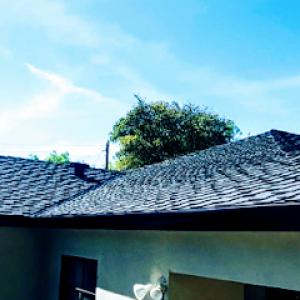
Regal Roofing Solutions
(209) 576-5500 regalroofingsolutions.com
Ceres, CA
5.0 from 19 reviews
We realize nobody wants to repair or replace their roof. Your calling roofing contractors because you are seeking honesty, quality and a fantastic reputation. You're probably dealing with an insurance company as well with lots of questions. We can help you with your roof restoration or replacement. At Regal Roofing Solutions, our promise is to give you 5 star service and workmanship on your new roof or roof repair. We have over 10 years experience building and repairing custom roofs. Every homeowner has questions, should I repair or replace my roof, what are my roof options, you may want to know what is roof replacement cost? Regal Roofing Solutions is your full service 5 star roofing contractor.
Roofing Modesto CA
(209) 287-3204 www.roofingmodestoca.com
Serving
5.0 from 9 reviews
Unparalleled Residential And Commercial Roofing Services From Your Trusted Roofing Modesto Roofing Modesto CA is your dependable roofing services provider in Modesto California. We are renowned for our exceptional roofing solutions catering to commercial and residential properties. Our certified roofing Modesto have comprehensive expertise in installing various roofing components, including siding, skylights, gutters, and downspouts. Your Top Choice Among Roofers in Modesto. Maintaining open lines of communication is crucial to ensure your Modesto Roofing project is a success. We prioritize clear and effective communication from the initial consultation, discussing your roofing needs, to the final inspection, ensuring your satisfaction.
Loma Blanca Roofing
(209) 604-5348 lomablancaroofingco.com
Serving
4.6 from 10 reviews
🏠 Loma Blanca Roofing Built on Trust. Driven by Excellence. 🔨 For over 16 years, Loma Blanca Roofing has proudly served the Modesto, CA community with reliable, high-quality roofing solutions 🛠️. 🏢 From residential homes to commercial properties, we’ve built a reputation for craftsmanship, integrity, and customer satisfaction. 🏗️ Founded on the principles of trust, quality, and excellence, our journey began with a simple vision: to deliver roofing services that not only meet—but exceed—our clients’ expectations. Over the years, we’ve: 🔧 Honed our skills through hands-on experience 📐 Adopted industry best practices and modern techniques 👷♂️ Built a team of dedicated professionals who treat every roof like it’s their own.
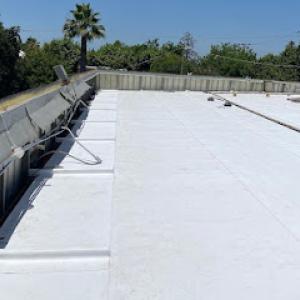
Peterson Roofing
(888) 596-4889 petersonroofingca.com
Serving
4.9 from 40 reviews
Peterson Roofing, Inc. provides expert roofing services in Modesto, CA. We specialize in roof installation, repair, and replacement for commercial properties. Our licensed and insured team ensures durable, high-quality roofing solutions using premium materials. We handle asphalt shingles, metal roofing, flat roofs, and emergency repairs with precision and care. We aim to deliver affordable, long-lasting, weather-resistant roofs that protect your home or business. Contact Peterson Roofing, Inc. for a free estimate and experience professional, reliable roofing services in Modesto.
Roofing Modesto Pro
(209) 279-5012 modestoroofingpro.com
Serving
4.8 from 85 reviews
We are proud to be a locally owned small business that provides high quality roofing services to customers who need roof repairs, roof inspections or roof installations in Modesto, CA. Our company invests heavily in its employees and has been connecting people with professional and expert roofing contractors for a number of years now. We understand how roofing is done and are devoted to offering our services with open communication and straightforward honesty as our guiding slogans.
Thomas Ford Roofing
(209) 988-8134 www.thomasfordroofing.net
Serving
5.0 from 11 reviews
Thomas Ford Roofing is your premier roofer in Modesto, CA. Trust Thomas Ford Roofing for top-quality roofing in Modesto, CA, Turlock, Manteca, and beyond! As a third-generation, Modesto-born roofer with over 15 years of experience, I personally oversee every project since 2005. We offer new roofs, re-roofing, leak repairs, and custom solutions tailored to your roof needs. Our commitment to excellence ensures your Modesto home stays protected with durable, high-quality craftsmanship. Choose a local roof expert like Thomas Ford Roofing Company who cares. Contact Thomas Ford Roofing today! We're not just another roofing company, we're part of the Modesto, CA community.

True Roof
(209) 718-7663 www.trueroofca.com
Serving
4.9 from 475 reviews
Third generation roofing contractor focused on inspecting and ensuring your roofing system is protecting what matters most. We strive to put integrity on top.
American Roofing services
(209) 495-5912 americanroofingservicesinc.com
Serving
4.7 from 20 reviews
Roofing contractor Roofing company
DeHart Roofing
(209) 667-7737 www.dehartroofinginc.com
Serving
4.3 from 53 reviews
With over five decades of expertise, DeHart Roofing is a trusted name in roofing solutions for the Turlock community. Since 1975, this established contractor has been dedicated to protecting homes and businesses with a comprehensive range of services. From full-scale residential and commercial roofing projects to meticulous repairs and gutter services, DeHart Roofing delivers exceptional craftsmanship. Their team uses high-quality materials to ensure durable, long-lasting results, all while prioritizing customer satisfaction and clear communication. For reliable waterproofing and expert roofing solutions tailored to your needs, DeHart Roofing provides professional service you can count on.
Turlock Premier Roofing
(209) 585-8792 premierroofers.net
Serving
4.5 from 8 reviews
Premier Roofing is a distinguished company that guarantees impeccable results. We provide high caliber roofing and waterproofing services. Our professional team is what allows us to stand behind and maintain our high standards in quality, giving you peace of mind.

Roof Doctors Stanislaus County
(209) 846-2377 theroofdoctors.net
Serving
4.8 from 75 reviews
"Nobody inspects, repairs and certifies more roofs or solves more roof leak problems in the Central Valley Area." Over 300,000 roofs inspected. We do complimentary roof inspections with detailed reports that include pictures. Reports sent within 24 hours of inspection. We are a licensed roofing contractor that offer repairs, replacment bids, gutter cleaning bids, gutter guard installs, and general roof maintenance. Service in the following Central Valley counties: San Joaquin, Stanislaus, Merced, Madera, Fresno, Kings & Tulare Counties.
A full roof replacement in Ceres typically requires a building permit issued through the City Building Department. Before any shingle, tile, or metal cap goes on, you or your contractor should pull the permit and secure the required plans. The Building Department often expects that work aligns with current codes for wind, seismic, ventilation, and fire separation, so discuss any local amendments with your contractor early in the process. Planning for permit submittals during late spring or early summer can help avoid delays when summer heat drives inspection schedules.
Ceres inspections commonly occur at the dry-in or underlayment stage and again at final completion. The dry-in inspection confirms that deck fastening, underlayment, and roof penetrations are correctly installed before any outer coverings go on. Expect inspectors to verify nailing patterns, fastener types, and weatherproofing details around vent pipes, chimneys, and skylights. Because the Valley heat can stress underlayment, ensure the product you choose is rated for extended sun exposure and approved for your roof assembly. If you're replacing an older roof, bring documentation of your underlayment and deck condition in case the inspector notes plywood thickness, ventilation, or drip-edge requirements as part of a compliant system. Scheduling the dry-in inspection after a stretch of dry weather helps prevent weather-related rework, especially if asphalt or composite shingles are planned.
The final inspection checks that all roof coverings are properly installed, flashings are integrated with walls and chimneys, and roof penetrations meet code and sealant standards. In this climate, inspectors also look for adequate attic ventilation and moisture management to combat summer heat buildup and winter rainfall. Have proof of material specifications, warranty information, and any manufacturer installation sheets ready, as these documents may be requested to close the permit. A clean site at the final walk-through, with debris removed and flashing secured, helps keep the process on track and reduces the chance of re-inspection delays.
If a roofing project includes structural changes, plan review may be required in addition to the standard permit process. Structural alterations-such as changes to framing, rafter tails, or attic access-trigger review to ensure the roof's new load profile complies with local engineering standards. Gather structural drawings, framing details, and any engineer stamps ahead of submission to shorten review times. Communicate anticipated work windows with your contractor, because plan review can influence scheduling, particularly when the project coincides with heavy spring winds or fall storm readiness.
Coordinate permit timing with anticipated dry, non-rainy weeks to minimize weather-related hold-ups. Confirm that the contractor's attachment methods and shingle or tile choices have approval under the current permit package. Keep a dedicated contact with the Building Department for status updates and be prepared to respond quickly to any plan corrections. Remember, the permit and inspection regime is designed to ensure the roof system handles Ceres's dry summers and winter rains reliably for years to come.
In the local roofing scene, claims are most tied to seasonal wind and storm activity rather than a constant year-round catastrophe pattern. That means the durability of your underlayment and the condition of surrounding flashings matter more after a windy or hail event than they do during a dry spell. When a storm rolls through, insurance outcomes hinge on how well the roof withstood wind-driven rain, and how clearly the event is documented. This makes timing and preparation critical, especially in the trench between seasons when hail can poke through weaker spots that previously looked fine.
Insurers serving this region often want photos, inspection reports, and evidence of prior damage or hail impact when evaluating a roof claim. A clean, dated trail of images from before and after events helps, but the strongest cases come with independent third-party assessments or professional roof reports that pinpoint the failure points. Keeping a simple, organized record set-photos labeled by date and location, and notes on what you observed-can smooth the process when a storm affects only part of the roof or reveals hidden wear. It's not unusual for adjusters to request more context if a claim appears to hinge on multiple weather episodes rather than a single incident.
Adjusters in this area may closely assess roof deck and underlayment quality, so documentation from dry-in and repair stages can affect coverage decisions or premiums. If the underlying decking shows moisture damage or if underlayment has degraded under sun exposure and heat, that detail can shift expectations about coverage and the scope of repairs. Honest, precise records help the adjuster separate storm-induced damage from preexisting wear. In practical terms, anticipate questions about the roof's history of leaks, prior patch jobs, and any prior hail impacts that might complicate what was newly discovered.
From dry-in to final repair, keep a continuous file of inspections, contractor notes, and weather entries. Weather patterns in this area can exaggerate the consequences of small gaps or lifted edges, so photographic time stamps tied to specific wind and rain events are valuable. If a storm triggers a claim, you'll want a clear narrative: what failed, when it failed, and what was done to restore integrity at each stage. A well-documented path reduces ambiguity and helps ensure that the claim reflects the true impact of the event.
After a storm, perform a careful exterior check and document anything that looks suspect, especially along edges, eaves, and flashings. Store digital copies in a cloud folder with dated backups and keep physical copies in a labeled binder. When engaging a contractor, request written evaluations that note deck and underlayment conditions, plus any moisture concerns discovered during dry-in. If a claim is anticipated, share your organized files early with the insurer and the contractor to anchor the conversation in concrete evidence rather than memory.
Connect with contractors who help homeowners navigate the claims process from damage assessment to final approval.
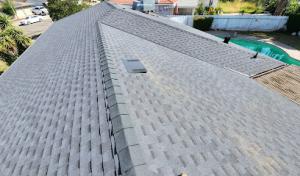
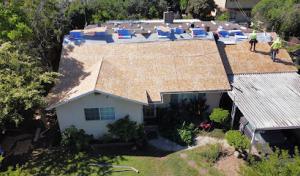
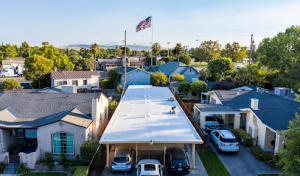
In Ceres, prolonged summer heat commonly shows up first as UV aging on shingles and flashing before major leak symptoms appear. Sun exposure bakes surfaces, causing brittle edges, accelerated granule loss, and softened sealant lines. When those signs creep in, a seemingly minor crack or a loose edge can escalate quickly once rain returns. Homeowners should inspect for granule fallout in gutters and darkened, shiny patches on asphalt or composite shingles after peak afternoon heat. At the first hint of curling or loss of granule footing, treat it as a warning rather than a cosmetic issue, because the underlying lapses can undermine roof performance long before a drip is noticed.
Winter rain in Ceres exposes weaknesses in underlayment, dry-in workmanship, and flashing transitions that may have gone unnoticed during the dry season. A roof that held up through summer may reveal leaks once the rain arrives, especially around valleys, dormers, and vent flashings. If water stumbles into the attic or along eave edges after a storm, it often points to underlayment laps or poorly sealed penetrations. A proactive homeowner checks for damp ceiling spots after storms and considers a professional moisture survey if stains appear near flashing seams or along interior roof lines.
Spring wind and occasional hail in the area can loosen or crack vulnerable roofing components, especially where older materials are already heat-brittle. Shingle tabs may lift, ceramic or clay tiles can crack, and metal flashings may crease under gusty blows. Pay attention to exposed ridges after strong wind events and inspect around skylights and vent flashings for small gaps or loosened fasteners. Addressing these weaknesses promptly reduces the chance of wind-driven leaks mid-season and helps prevent larger panel or tile failures later.
When you can't wait, these contractors offer fast response times to stop leaks and prevent further damage.
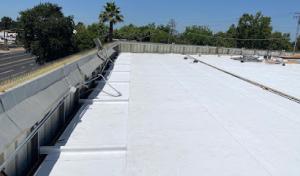
Although steep-slope re-roofing dominates the local market, some contractors here actively handle flat or low-slope roofs. If a low-slope or flat section exists, confirm experience with the chosen material and confirm drainage details, since improper slope or insufficient edge drains can trap water during winter storms. Inspect transitions between low-slope areas and steeper sections for potential movement or flashing gaps that could reveal themselves only after seasonal rains.
Skylight-related leak repair is a real service niche in this area, indicating homeowners here do encounter flashing and penetration issues around roof openings. When evaluating a reroof, prioritize a detailed assessment of all skylights, curbs, and vents. A quality contractor should test flashing seams, ensure proper sealant compatibility with underlayment, and examine interior ceilings for signs of past condensation. If a skylight will remain, plan for upgraded flashing and, if needed, a perimeter seal or riser adjustment to accommodate any future roof pitch changes.
Solar-integrated roofing appears in the local contractor mix, making roof penetrations and future reroof coordination relevant for some homeowners. When solar is on the radar, coordinate early with the solar installer and the roofing contractor to align flashing details, venting, and panel mounting. Ensure roof penetrations are minimized and that chosen underlayment supports high-temperature cycling. Schedule reroofing with solar work in mind to prevent the need for repeated access and minimize the risk of long-term leaks around penetrations.
Plan replacement around extreme summer UV exposure and winter rain cycles. Schedule the most labor-intensive work for after the peak heat subsides but before the first heavy rains, allowing adequate drying time for underlayment and sealants. For skylights or solar penetrations, line up flashing inspections first, then coordinate the main roof replacement to avoid multiple access windows and reduce the chance of weather-driven delays. After completion, verify drainage paths and edge details to withstand the valley's winter rains.
Find specialists in TPO, EPDM, and built-up flat roofing systems for residential and commercial properties.