Last updated: Apr 19, 2026
Riverbank typically has the best full-roof replacement window from dry spring into early fall, before winter rain begins to interrupt tear-offs and dry-in work. If a roof life is near its end, plan for a dry-season push so crews can complete decking, underlayment, and flashing without weather delays. In practical terms, target a stretch when the mornings are cool, afternoons warm but not scorching, and rain is unlikely for several weeks. A well-timed project around this window minimizes the risk of leaks while the roof is being torn off and the deck is exposed. Coordination with the contractor should emphasize a continuous tear-off-to-dry-in sequence, so a single weather system doesn't halt progress mid-stage.
Hot, dry summer conditions in the Central Valley can speed material aging over time and also make midday installation more difficult on exposed roof decks and dark shingles. If a replacement must occur in peak heat, schedule the most labor-intensive tasks for early morning and late afternoon, with midday pauses to protect workers and materials. For lighter color or reflective options, consider cool-roof or high-reflectance finishes that help curb heat buildup beneath the roof deck. Ensure underlayment and flashings are inspected for heat-related expansion and contraction, and verify that fasteners are appropriate for hot, dry conditions to avoid loosening as the day warms.
Winter storms in the Riverbank area bring the wettest conditions of the year, increasing leak exposure during active reroofing and making scheduling delays more likely. If a winter project is unavoidable, plan for a contingency buffer-weeks that could slide due to rain, mud, and limited daylight. Emphasize temporary waterproofing, especially around penetrations and chimney joints, and confirm crews have a robust plan to secure open penetrations whenever rain is forecast. Keep a clear line of communication with the crew about how anticipated storms will shift the work sequence, including temporary tarps or protective decking to bridge gaps during a downpour.
The choice of roofing material should align with Riverbank's seasonal rhythms. Asphalt shingles handle the spring and fall transition well when installed during dry periods, but prolonged heat can accelerate aging if the installation day is extremely hot or if ventilation under the deck is insufficient. Metal roofing tends to stay cooler and can perform reliably through heat waves, but installation needs careful seam sealing and proper attic or venting support to prevent heat transfer into the living space. Clay and concrete tiles offer excellent durability but require careful handling in hot weather and substantial roof slope assessment for proper drainage. Wood shingles or shakes demand moisture control and rapid installation during dry spells to minimize shrinkage and warping in winter.
Begin planning by identifying a replacement window that avoids the peak of summer heat and the wettest winter weeks. Ask the contractor to provide a phased timeline with explicit dry-in milestones and weather contingency plans. Have a discussion about temporary weatherproofing, especially for late fall and winter starts, so you know if additional tarping or temporary gutters are included. Ensure your crew prioritizes ventilation and attic space conditioning during hot days to maintain shingle integrity. Finally, confirm that access and material staging areas stay clear of ground moisture and pollen-rich wind events, which can complicate installation and accelerate material wear before the job starts.
In Riverbank, the Central Valley's hot summers and winter rains create distinctive roofing challenges. The sun's daily glare and extended dry periods push tiles and shingles to endure heat stress, while seasonal downpours demand reliable waterproofing and proper drainage. Concrete and clay tiles stand out for sun tolerance, but their performance hinges on sound underlayment, intact valleys, and well-seated tiles. Asphalt shingles, favored for affordability, can show accelerated fading and edge wear during long heat waves, which means color retention and wind uplift resistance become more critical factors over time. The mix of dominant residential materials-asphalt shingles, clay tile, concrete tile, metal, wood shingles or shakes, and synthetic or composite shingles-means you'll likely encounter a range of aging patterns across a single neighborhood.
Concrete and clay tiles excel in heat and sun exposure, resisting color fading and structural fatigue better than many fiberglass-based options. However, when underlayment ages or flashing around hips, valleys, and penetrations deteriorates, the repair workflow becomes more intricate. In a reroof, you'll want to ensure that underlayment upgrades accompany tile work, because moisture intrusion can emerge at valleys or around broken field tiles after a season of heavy sun and sudden rain. Concrete tiles, in particular, offer long-term durability but demand careful alignment and robust fasteners to prevent cracking during extreme temperature swings. Clay tiles share these strengths and often carry a classic curb appeal, yet their weight and brittleness around thinset bedded joints mean that any reroof decision should include a structural review and professional tile setting expertise.
Shingle options provide different trade-offs. Asphalt shingles remain common because of their lower upfront cost, but their performance in prolonged heat can shorten appearance life faster than cooler coastal California markets. In hot conditions, asphalt colors may fade and the edge sealant can become brittle, increasing the risk of wind blow-off on exposed ridges. Synthetic or composite shingles can offer better fade resistance and lower maintenance in some cases, but you still must weigh heat-induced expansion and contraction, which can impact edge joints and transition flashings. Metal roofing brings strong wind performance and excellent heat shedding, but it requires precise seam details and secure fasteners to handle thermal movement. In a mixed neighborhood, this means a reroof with metal may deliver different long-term maintenance needs than a clay or concrete tile installation, especially on steeper pitches where thermal cycling concentrates stress along flashings and valley intersections.
The Riverbank climate profile makes underlayment choice and proper flashing more than theoretical concerns. If tile is chosen, ensure a compatible underlayment system designed for tile and the local rainfall patterns, with attention to valley linings and appropriate sealant compatibility. For asphalt shingles, consider high-performance warranty products that address high-heat performance and wind uplift resistance, paired with a roof deck inspection to confirm sheathing integrity after summer heat. When metal roofing is on the table, a careful assessment of attic ventilation is essential to prevent condensation issues during winter storms and to optimize energy efficiency in hot months. Wood shingles or shakes, while aesthetically appealing, require diligent maintenance to defend against sun-cracking and surface checking, particularly in areas with intense sun exposure and seasonal moisture. Synthetic or composite shingles can bridge some of these gaps but still demand precise installation to accommodate expansion and contraction.
Year-to-year care in this climate centers on sealing and flashings, gutter cleanliness, and prompt repair of any damaged field tiles or shingles. Heat-driven expansion can stress edge joints and valley flashings, so inspections after the hottest months and before the heavy rain season help catch issues early. If a reroof involves clay or concrete tiles, plan for careful handling of broken tile fragments and a thoughtful repair strategy that preserves lattice integrity and water shedding. Asphalt shingles benefit from color- and UV-resistant choices paired with a robust attic ventilation plan to slow appearance aging. Whatever material is chosen, a clear, proactive maintenance plan tailored to the local sun exposure, wind patterns, and rainfall behavior will maximize roof life and minimize surprise repairs during the rainy season.
In Riverbank, the cost landscape for reroofing is shaped by hot summers, wet winters, and a housing stock that often leans toward tile and asphalt systems. Typical Riverbank-area pricing runs about $400 to $800 per square for asphalt shingles, $700 to $1200 for metal, $800 to $1500 for clay tile, $700 to $1300 for concrete tile, $700 to $1200 for wood shingles or shakes, and $500 to $900 for synthetic or composite shingles. Tile options commonly carry higher installed costs, driven by weight, accessory components, and more intricate flashing and underlayment work that show up in the labor line item.
Tile reroofs in Riverbank often trend higher because of the heavier weight and the extra detailing that's frequently needed. Clay and concrete tiles demand solid roof framing, careful layout to handle drainage, and meticulous flashing around penetrations and skylights. If your roof has retrofit roof-to-wall detailing or older hardware, expect additional labor to integrate with the new system. That means even if the tile material price sits in a similar range to other options, the install time and specialist handling can push costs upward compared with a basic shingle replacement.
Asphalt shingles stay the most budget-friendly option, but in regions with strong sun and seasonal storms, some homeowners opt for metal or tile for longevity and energy performance. In practical terms, metal systems range from about $700 to $1200 per square, while clay tile climbs to roughly $800 to $1500 per square, and concrete tile sits around $700 to $1300 per square. Wood shingles or shakes run $700 to $1200 per square, and synthetic or composite shingles land at about $500 to $900 per square. The choice affects not only upfront cost but weigh-in on long-term durability, maintenance intervals, and how well the roof manages heat during dry spells and runoff during rain.
Project timing can affect Riverbank pricing because wet-winter delays and storm-driven demand spikes may tighten contractor availability, while dry-season scheduling is usually more predictable. If a storm sequence hits right as you're evaluating replacement, expect longer lead times and possible premium pricing for quick mobilization. Conversely, scheduling in a clear window during late spring or early summer can keep crews available and costs steadier, though heat can add to material handling challenges on very hot days.
When budgeting, size the order by roof area in squares and allow a cushion for flashing, underlayment, and any required seismic or wind upgrades-these are common in areas with seasonal storms. If tile is on the table, plan for engineering checks and potential reinforcement of rafters, which influences both cost and timeline. For asphalt, confirm shingle warranties and the scope of decking inspection, since rotten boards can add unseen expense. In all cases, obtain at least three bids and verify crew experience with Riverbank's climate and roof shapes, including any steep sections or irregular parapets that raise labor time.
McLain's Roofing
(209) 924-7663 www.mclainsroofing.com
Serving
5.0 from 10 reviews
At McLains Roofing, we believe in offering personalized roofing solutions. Our comprehensive consultations ensure that you're fully informed about your roofing options, allowing you to select the plan that perfectly suits your home or business. Your needs are our top priority, and we'll maintain open communication throughout the entire project. With expertise in both residential and commercial roofing services, our commitment to exceptional customer service sets us apart. Whether you're embarking on a new construction project or in need of repairs, we're here to meet all your roofing needs.
A+ Roofing Services
(209) 353-9566 aplusroofingservicesca.com
Serving
4.8 from 34 reviews
A+ Roofing Services is a local, licensed and insured roofing contractor (license# 1097759). Our expert team proudly serves the San Joaquin Valley from Stockton down through Madera and all the communities in between. We can handle everything from simple roof repairs to full roof replacements and more, including inspections, siding, skylights, gutters, and fencing. We do work for residential as well as commercial properties and we pride ourselves on exceptional customer service, treating each home and business as if it were our own. Call today to get your roofing project started!
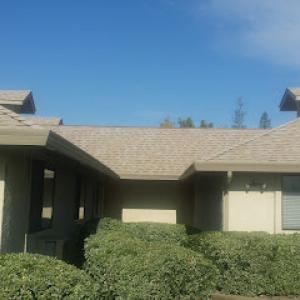

Roof Doctors Stanislaus County
(209) 846-2377 theroofdoctors.net
Serving
4.8 from 75 reviews
"Nobody inspects, repairs and certifies more roofs or solves more roof leak problems in the Central Valley Area." Over 300,000 roofs inspected. We do complimentary roof inspections with detailed reports that include pictures. Reports sent within 24 hours of inspection. We are a licensed roofing contractor that offer repairs, replacment bids, gutter cleaning bids, gutter guard installs, and general roof maintenance. Service in the following Central Valley counties: San Joaquin, Stanislaus, Merced, Madera, Fresno, Kings & Tulare Counties.
Roofing Modesto Pro
(209) 279-5012 modestoroofingpro.com
Serving
4.8 from 85 reviews
We are proud to be a locally owned small business that provides high quality roofing services to customers who need roof repairs, roof inspections or roof installations in Modesto, CA. Our company invests heavily in its employees and has been connecting people with professional and expert roofing contractors for a number of years now. We understand how roofing is done and are devoted to offering our services with open communication and straightforward honesty as our guiding slogans.

True Roof
(209) 718-7663 www.trueroofca.com
Serving
4.9 from 475 reviews
Third generation roofing contractor focused on inspecting and ensuring your roofing system is protecting what matters most. We strive to put integrity on top.
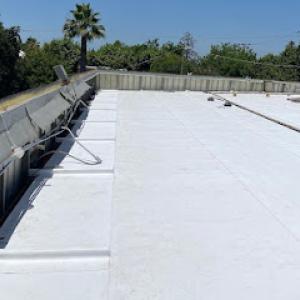
Peterson Roofing
(888) 596-4889 petersonroofingca.com
Serving
4.9 from 40 reviews
Peterson Roofing, Inc. provides expert roofing services in Modesto, CA. We specialize in roof installation, repair, and replacement for commercial properties. Our licensed and insured team ensures durable, high-quality roofing solutions using premium materials. We handle asphalt shingles, metal roofing, flat roofs, and emergency repairs with precision and care. We aim to deliver affordable, long-lasting, weather-resistant roofs that protect your home or business. Contact Peterson Roofing, Inc. for a free estimate and experience professional, reliable roofing services in Modesto.
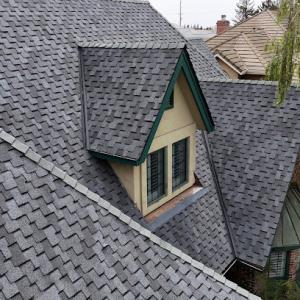
Alba's Roofing
(209) 602-2795 www.albasroofingca.com
Serving
4.5 from 37 reviews
For over 20 years, Alba’s Roofing has been the trusted Roofing Contractor in Modesto, Ceres, and Riverbank, CA, known for our commitment to professionalism, integrity, and reliability. We specialize in Roof & Ceiling installations, Gutter Installation Services, and complete roofing solutions tailored to protect and enhance your property. Our team delivers exceptional craftsmanship, cost-effective results, and durable finishes that stand the test of time. Most of our business comes from referrals by satisfied clients who appreciate our attention to detail and outstanding customer service. Whether you need a new roof installation, roof repair, or gutter maintenance, Alba’s Roofing is your local expert for high-quality, long-lasting results.
Thomas Ford Roofing
(209) 988-8134 www.thomasfordroofing.net
Serving
5.0 from 11 reviews
Thomas Ford Roofing is your premier roofer in Modesto, CA. Trust Thomas Ford Roofing for top-quality roofing in Modesto, CA, Turlock, Manteca, and beyond! As a third-generation, Modesto-born roofer with over 15 years of experience, I personally oversee every project since 2005. We offer new roofs, re-roofing, leak repairs, and custom solutions tailored to your roof needs. Our commitment to excellence ensures your Modesto home stays protected with durable, high-quality craftsmanship. Choose a local roof expert like Thomas Ford Roofing Company who cares. Contact Thomas Ford Roofing today! We're not just another roofing company, we're part of the Modesto, CA community.
American Roofing services
(209) 495-5912 americanroofingservicesinc.com
Serving
4.7 from 20 reviews
Roofing contractor Roofing company
Roofing Modesto CA
(209) 287-3204 www.roofingmodestoca.com
Serving
5.0 from 9 reviews
Unparalleled Residential And Commercial Roofing Services From Your Trusted Roofing Modesto Roofing Modesto CA is your dependable roofing services provider in Modesto California. We are renowned for our exceptional roofing solutions catering to commercial and residential properties. Our certified roofing Modesto have comprehensive expertise in installing various roofing components, including siding, skylights, gutters, and downspouts. Your Top Choice Among Roofers in Modesto. Maintaining open lines of communication is crucial to ensure your Modesto Roofing project is a success. We prioritize clear and effective communication from the initial consultation, discussing your roofing needs, to the final inspection, ensuring your satisfaction.
SQ Roofing
(209) 595-3908 www.sqroofinginc.com
Serving
5.0 from 20 reviews
Supreme Quality Roofing is a residential roofing company to provide the best quality service and customer experience for your roofing needs. With over 30+ years of inspecting, repairing, and installing residential roofs in the Central Valley, our technicians are experts in consulting with customers to install and repair their roofs to pass city and county inspections. Get your free consultation and estimate today.
A full reroof in this area typically requires a City of Riverbank building permit rather than being treated as minor maintenance. That means you should plan for a formal submittal package, including a clearly defined project scope and the roofing materials you intend to use. Because winter rains and the Central Valley heat interact with roof work, inspections can be scheduled windows that stretch if the permit review lags. Don't assume a quick drive-through approval; the process hinges on documented details about venting, flashing changes, and whether any changes to roof deck or eaves are proposed. If a contractor suggests "just swap shingles and call it good," push back and confirm you'll have a permit path in place before any roof mats touch the surface.
Riverbank permit applications generally include the project scope, proposed roofing materials, and any planned venting or flashing changes as part of the submittal package. The city expects clarity on whether attic ventilation will meet current energy rules and how flashing around penetrations-vents, skylights, and chimneys-will be handled. If you're upgrading to a different roof profile or altering eave details to improve shade and cooling, those changes must be described and justified in writing. Missing or vague information can stall review and push work into delays that complicate storm-season planning. Prepare your package so the inspector can see the end result: a roof that remains functional through dry summers and winter downpours without gaps or leaks.
Reroof projects commonly receive a rough trade inspection during installation and a final inspection at completion, with possible scheduling backlogs and Title 24 energy-standard compliance affecting some roof assemblies. A rough inspection checks the actual installation work against the approved plan, including material compatibility, nailing patterns, and flashings. The final inspection confirms that the roof system meets current codes and energy standards, which can catch issues that a casual observer might miss. In busy seasons, the city's inspection schedule may push timelines, so coordinate with your contractor to avoid long stretches of exposed decking or weather exposure between phases.
Before work begins, lock in a clear permit path and a realistic inspection timeline with your contractor. Gather product data sheets for the exact shingles or tiles, including underlayment and flashing details, so the submittal is complete. If a change to venting or attic insulation is contemplated, document it as part of the permit package to prevent later compliance questions. Remember: a properly permitted reroof protects both the structure and your peace of mind when storm-season testing arrives.
Winter rainfall in this part of the Central Valley tests roofs more than any other season, and occasional strong winds can push water into vulnerable spots. The main pressure is from wet conditions and gusts, not coastal salt or heavy hail patterns. When a storm rolls through, a few stubborn leaks can turn into bigger issues if not addressed quickly. The roof might look fine at first glance, but water can creep under edge flashings, along drip edges, or where older shingles have begun to fail. The risk is greatest on homes with aging roofs or previously repaired areas that didn't fully seal.
Ridge components, vent flashings, and transitions between roof planes bear the brunt of winter winds. In Riverbank's climate, heat cycles expand and contract materials, which can loosen fasteners and open gaps along ridges and chimneys. Shingles that are already near the end of their life are especially vulnerable to wind uplift during gusty spring periods, and sporadic hail can nick or crack surface granules, accelerating wear on exposed areas. Check attic vent baffles and attic access penetrations; small gaps there can become big leaks once winter rain returns.
When a winter storm hits, prioritizing rapid response matters. If water is actively infiltrating, a fast tarping or temporary cover can save interior rooms and avoid structural water damage while a full reroof plan is scheduled. Local contractors often have crews standing by for urgent leaks; coordinators can help stage a temporary fix that lasts through the worst of the storm. Keep an eye on wind-driven flashing edges and ridge lines-these are the items most likely to fail first under heavy gusts.
Document any visible damage with photos before a tarp goes on, so the restoration team understands what to prioritize. If loose shingles or damaged flashings are obvious, avoid heavy walking on the roof during high wind days to prevent further damage. Schedule a professional inspection after the storm passes to confirm whether the issue is a single leak or symptomatic of broader roof wear. Because Riverbank has a strong emergency-repair presence, choose a contractor who can provide a prompt assessment and a reliable tarping plan to protect your home until a proper reroof can be completed.
Before winter returns, conduct a targeted interior and exterior check: verify attic insulation and vent seals, reseal any gaps around penetrations, and ensure drip edges are secure. A proactive approach helps reduce the scale of damage when the next storm arrives and supports longer roof life despite Riverbank's hot summers and wet winters.
Find local contractors experienced in assessing and restoring roofs after hail, wind, and severe weather events.
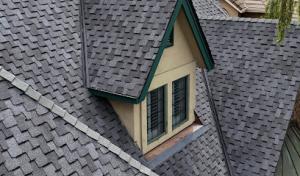
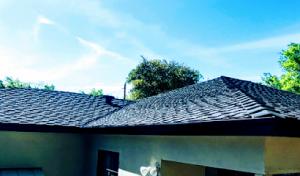
Riverbank homeowners are navigating an insurance market that has tightened across California, with wildfire underwriting pressure shaping how roof damage-whether from a storm or age-related wear-gets covered. This means insurers may scrutinize roofing conditions more closely, and coverage terms can hinge on the broader risk picture, not just the immediate repair. The result is a higher bar for what qualifies as a straightforward claim and a greater likelihood of pushback on replacements that aren't deemed urgent or necessary by adjusters. Being aware of this context helps you set expectations before filing.
Insurers increasingly expect detailed records to justify the need for repairs or replacement. In practice, that means taking clear, time-stamped photos of the damaged areas before any temporary fix, noting the extent and location of leaks, with captions that describe what caused the damage. After work begins, keep updated material notes-color, type, and condition of roofing materials-and keep evidence of any subsequent leaks or staining. When you sit down with an adjuster, a concise photo log paired with dated notes can dramatically streamline the review process and reduce back-and-forth questions.
Claim handling in Riverbank can be slowed by adjuster timelines and stricter review standards, so you should document damage comprehensively from the outset. Before temporary repairs, photograph the full scope of the issue, then maintain a running record of every repair step, contractor visit, and material delivered. Keep copies of all correspondence with the insurer and track key milestones-inspection dates, milestones reached in the repair plan, and any follow-up assessments. This disciplined record-keeping helps protect your claim when timelines stretch or additional scrutiny is applied.
Connect with contractors who help homeowners navigate the claims process from damage assessment to final approval.
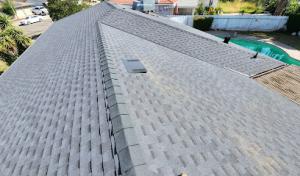
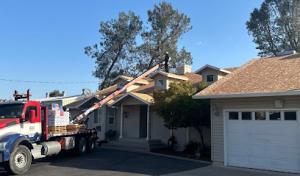
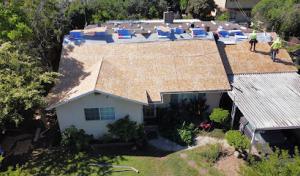
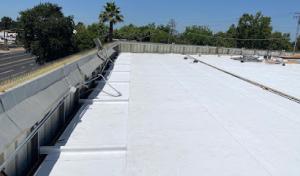
Although pitched residential roofs dominate, the local contractor signal mix shows meaningful demand for flat or low-slope roofing work, especially on additions, patio covers, and some commercial properties. In the wet season, these low-slope sections are more vulnerable to drainage-related leak complaints than the steeper tile and shingle roofs common on primary homes. When planning reroofs or repairs, prioritize areas where gutters, downspouts, and roof-to-wall transitions create the most standing runoff or where older membrane edges have shown wear. Look for arched or mild-slope transitions around sunrooms, pergola covers, or rear additions, and treat these as high-priority items during inspections.
Riverbank's winter rains demand careful attention to drainage performance on low-slope roofs. A simple diagnostic starts with a thorough debris sweep along eaves and scuppers, then checks for ponding within 48 hours of a rain event. If water lingers near skylight penetrations or along parapet edges, the flashing may be compromised or inadequately sealed. Pay particular attention to terminations at transitions to older structures, where mismatched flashing can trap moisture beneath the membrane. Temporary measures aren't a substitute for proper drainage correction; plan a targeted fix before the next season's wet period.
Skylight penetrations become higher-risk leak points during winter rains when aging sealants and flashing details are stressed after long hot summers. Inspect seals around the skylight curb for gaps, widening joints, or crusted sealant. Check metal flashing for corrosion or lifting at corners, and test the curb's fasteners for looseness. When resealing, use products compatible with the existing roofing system and climate, and ensure the flashing integrates with nearby wall flashing to prevent lateral water intrusion.
For low-slope trouble spots, consider upgrading to a tapered or more robust drainage detail to speed runoff toward existing gutters. On skylights, reseal only after confirming underlying flashing is sound; if damaged, replace the flashing up to the curb and reflash the entire penetration. Schedule these corrective steps for the cooler, drier window of the year to reduce moisture during installation and to minimize disruption to the interior. Prioritize additions and covered spaces where prolonged leaks would create more interior damage between storms.
Find specialists in TPO, EPDM, and built-up flat roofing systems for residential and commercial properties.