
Last updated: Apr 19, 2026
Replacement work in this area follows the Bay Area pattern of dry summers and wet winters, so reroof projects are typically scheduled to maximize dry-season windows. In practice, that means planning around the late spring through early fall months when rain intrusion risk is lowest and temperatures are comfortable enough to dry out underlayment and sheathing efficiently. The goal is a smooth dry-in sequence that minimizes exposure of roofing components to unexpected showers, which are not uncommon even in a mild East Bay winter. For homes with older tar or shake roofing overhang tendencies, this windowed approach also helps manage potential glare and heat buildup that can affect install timing for darker shingles or metal flashing. Keeping a clear target for dry conditions reduces the chance of a mid-project pause caused by rain-driven delays and avoids extended exposure of vulnerable areas.
Winter rains in the East Bay complicate active tear-offs, especially when underlayment needs to be exposed for extended periods. When the roof is stripped, the new underlayment and flashing must be protected from moisture long enough to achieve a proper seal, even if a temporary tarp solution is used. In San Leandro, the wet season tends to arrive with short, intense bursts rather than prolonged deluges, but those bursts can synchronize poorly with a tight installation schedule. A practical approach is to stage materials and protective measures so that critical edges, seams, and penetrations are covered as soon as they're exposed. This means coordinating contractor crews to wrap rakes, eaves, and valleys promptly, and having fast-curing sealants or self-adhesive membranes ready to secure joints during brief rain gaps. If a roof-to-be-tear-off spans multiple sections, the team should prioritize sections most exposed to prevailing winds and gullies, where moisture intrusion is likely to travel first. The emphasis is on maintaining a dry-in sequence that allows flashing details to set fully before the next area is opened up. For homes with older deck systems or combination sheathing, extra attention may be needed to ensure that any exposed wood dries fully and does not wick moisture into the structure during a winter pause.
Spring and summer coastal wind influence in the inner East Bay can complicate material handling and edge protection during installation. In these months, gusty afternoons are common, and outdoor storage of shingles, metal pans, or clay tiles needs secure containment to prevent wind-driven damage or loss of small components. Planning the daily schedule around lighter winds-typically mornings or late afternoons-helps crews keep edge protection intact and reduces the risk of wind-blown debris loosening mounting screws or flashing fasteners. For crews handling heavier tiles or metal roofs, secure staging areas on the leeward side of the house, and use temporary barriers to protect openings and the roof line. Attention to overhangs, valleys, and chimney stacks is essential, because wind-driven rain can funnel along roof edges if flashing isn't fully integrated. A practical rule in this climate is to finish the most wind-exposed edges earlier in the project, then complete interior detailing while any remaining weather systems pass. If a partial tear-off is planned to avoid full exposure, ensure that the remaining structure maintains a breathable moisture balance and that temporary measures do not trap damp air inside walls or attic spaces.
Color and material choices should consider how San Leandro's dry-summer climate affects heat absorption and expansion. Lighter hues may reduce radiant heat on roof surfaces, which can influence asphalt or synthetic shingle performance in the hot days of late summer. When scheduling, align your project with the driest consecutive weeks possible, but also build flexibility for an early fall window should the late-season Santa Ana-style wind patterns shift. Finally, ensure that the contractor's plan accounts for potential seismic retrofit considerations that sometimes arise when a roof is opened and structural connections are revisited. This alignment helps avoid downstream delays if a permit-triggered upgrade is triggered during the reroof process, keeping the project on a steady, weather-conscious track.
The housing mix here features a broad spectrum of roof types, with asphalt shingles, metal roofing, clay tile, concrete tile, wood shingles or shakes, and synthetic or composite shingles all represented. Each material has its own rhythm with the local climate: the wet winters, Bay-area winds, and the way hillside runs or close-knit neighborhoods affect how roofs shed rain, resist wind uplift, and handle freeze-thaw cycles. Asphalt shingles remain common for their balance of ease and durability, while metal roofing offers a lightweight, wind-friendly option that performs well on exposed ridgelines. Clay and concrete tiles bring long life and a distinct look, but their weight and installation nuance matter more when the structure has older framing or seismic considerations. Wood shingles or shakes provide a traditional appearance, yet require attention to moisture protection and potential insect exposure. Synthetic or composite shingles can mimic the look of others while leaning on modern underlayment and fastener systems.
Tile continues to be a meaningful portion of the local contractor market, not just for replacements but for reroofing projects that aim to preserve a specific architectural character. Tile roofs bring notable longevity and a cool mass effect during hot days, which helps in summer energy use. However, tile installations demand precise substrate support and careful flashing details around penetrations and abutments, especially on older homes with varying roof planes. The significance of tile means that a capable clay or concrete tile installer is a common voice in many neighborhoods, consulted for everything from seismic retrofit considerations to color-and-profile decisions that match the surrounding streetscapes.
Flat and low-slope roofing is an active specialty, reflecting a meaningful share of homes with additions, garages, or structures that don't fit steep-slope reroof assumptions. In many San Leandro properties, these areas require careful drainage planning, durable membrane choices, and compatibility with accessory structures. When a project involves a flat section, attention to edge detailing and transitions to steeper pitches becomes crucial to prevent wind-driven lift and water intrusion during rainy months. A seasoned contractor will assess deck integrity, flashing transitions, and the compatibility of a low-slope system with any existing parapets or rock ballast.
Because winter wetness and coastal winds shape wear patterns, the choice of material can influence maintenance needs. Metal roofs may show fastener wear in exposed spots and benefit from periodic inspection of sealing and coating. Clay and concrete tiles, while durable, demand careful inspection around cracked tiles after storms and around skylines or dormers. Asphalt and synthetic shingles offer different lifespans and heat resilience, which can align with mid-century homes that show various roof pitches. Wood shingles require moisture management and potential treatment to resist mildew and insects, especially on shaded elevations. Synthetic options often provide lower maintenance while preserving appearance, making them appealing for updated or mixed-material rooflines.
If a reroof involves multiple roof planes or visible transitions, plan for a cohesive material strategy that respects the home's massing and neighborhood rhythm. When tile is part of the mix, ensure specialty installers review structural support and flashing details to prevent wind uplift and water intrusion. For flat or low-slope sections, expect targeted drainage and edge detailing to carry through seasonal rains. In all cases, balance visual harmony with the local climate realities to maximize longevity and curb appeal.
San Leandro generally requires a building permit for reroof projects handled through the City of San Leandro building department. That means your project will need official paperwork filed before any tear-off begins or new material goes on. The permit process is not a formality you can breeze through on a sunny Saturday; it ties into the neighborhood's older housing stock and potential structural or seismic considerations. When a permit is in play, you're committing to documented work plans, contractor registration checks, and adherence to local codes that often differ from neighboring communities. If your roof is tied to any existing structural or retrofit needs, expect the review to get more involved.
Inspections in this area are typically scheduled at rough and final stages rather than treated as a one-visit formality. Rough inspections catch framing or substrate preparation, underlayment, and anchor points early enough to prevent backtracking. Final inspections verify that everything installed matches the approved plan and meets current code requirements. Because San Leandro's climate brings wet winters and wind exposure, inspectors pay close attention to how the roof interfaces with venting, flashing, and nailing patterns that affect durability in exposed conditions. Plan on coordinating access with your contractor and the inspector, especially during the wetter months when moisture can slow progress and complicate intermediate checks.
Plan review may apply in San Leandro when a reroof includes structural changes or wind- or seismic-related upgrades. If the project goes beyond a straightforward shingle swap-such as replacing or reinforcing roof sheathing, modifying roof geometry, or upgrading fasteners and connectors to meet seismic criteria-the review step becomes more likely. That review can add time to the schedule and may require engineered drawings or additional documentation from your contractor. If you anticipate any permit-triggered upgrades, factor in the possibility of an expanded timeline and ensure your contractor aligns the sequencing of material delivery, framing work, and inspections with the permitting office. Being proactive about these checks can prevent delays that complicate a winter reroof plan or a spring wind event.
Typical material ranges in this area run from about $450 to $900 per square for asphalt shingles. Metal roofs commonly fall between $800 and $1,400 per square. If clay tile is on the radar, expect roughly $800 to $1,600 per square, with concrete tile landing around $700 to $1,400 per square. Wood shingles or shakes sit in the $700 to $1,200 per square band, and synthetic or composite shingles generally run $500 to $1,000 per square. These figures reflect the mix of older homes with varying roof lines and common reroof patterns in the East Bay.
Reroofs can cost more than expected when the project triggers plan review or structural work tied to wind or seismic upgrades. Rather than a simple, like-for-like swap, a San Leandro reroof sometimes touches framing, sheathing, or upgraded fasteners. In practical terms, this means a broader scope, longer project windows, and a higher total price. If the existing structure shows signs of movement, or if there's a retrofit in the mix, budget for additional labor and hardware that supports the local wind loads and seismic considerations typical to older housing stock in this area.
Wet-winter scheduling pressure in the East Bay can compress dry-season availability, affecting labor timing and pricing. In practice, that means working windows tighten as storms push crews toward wall-to-wall rain days. If you're planning a reroof, aim to lock in a start date toward the shoulder of the rainy season, when crews are less likely to experience weather-driven delays but pricing can be steadier. Conversely, waiting for the spring lull can reduce weather risk but may bump material and labor costs if demand climbs or lead times shift. The goal is to balance a reliable dry window with predictable pricing, avoiding last-minute rush charges.
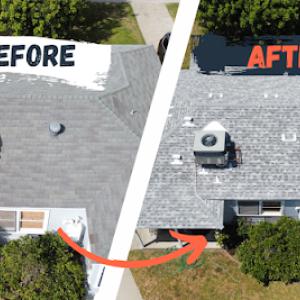
Epic Roof Replacement
(888) 714-3742 epicroofreplacement.com
303 W Joaquin Ave #110, San Leandro, California
5.0 from 56 reviews
Epic is a leading roofing company with a unique manufacturer-direct-to-consumer approach. We cut the salesmen and simplify our quote-to-installation process, ensuring you'll receive a fast and honest quote to replace your roof at the lowest price without compromising on quality.
NorCal Roofing & Construction
(510) 373-8829 norcalroofing.com
1515 Aurora Dr Unit 201H, San Leandro, California
5.0 from 24 reviews
Founded in 1994, NorCal Roofing & Gutters is based in San Leandro, CA, offers expert roofing, gutter, and solar installation services. As a locally owned business, they cater to both commercial and residential clients, specializing in roof replacement, repair, and maintenance, along with comprehensive gutter services and solar installations. They prioritize transparency by providing free estimates to ensure an honest consultation process. Affiliated with the Better Business Bureau (BBB), NorCal Roofing & Gutters upholds high standards of quality and customer service. Whether you need minor repairs or a complete roof overhaul, their expert team is committed to delivering exceptional results.
JR Roofing & Gutters
(510) 228-6673 jrroofingandgutter.com
1569 Mono Ave, San Leandro, California
4.7 from 28 reviews
Looking for trusted roofers near you in San Leandro or the Bay Area? Our team of licensed, bonded, and fully insured roofing contractors specializes in all types of roofing services for both residential and commercial properties. Whether it's roof repair, roof replacement, or routine maintenance, we provide high-quality solutions using the best materials to ensure long-lasting results. We offer free inspections and detailed quotes to assess your specific needs. Our residential roofing contractors are skilled at handling projects of any size, from minor repairs to full roof installations. If you're searching for a reliable roofing company, look no further—our local team is dedicated to delivering professional and timely service.
Andy's Roofing Company
(510) 777-1100 www.andysroofing.com
2161 Adams Ave, San Leandro, California
4.7 from 25 reviews
Founded in 1957, Andy’s Roofing has over 65 years of experience as a commercial and public works roofing installer in the Oakland & East Bay Area. We are committed to providing you with a painless roof-buying experience by offering comprehensive roof estimates and detailed roof inspection reports. In addition to installing complete roof systems, we are proud to offer several roof-related services to our customers. We can perform Roof Inspections, Roof Maintenance, and Same Day Roof Repairs. Our clients include Building Owners, Property Managers, General Contractors, and Public Agencies. Whether you are considering a minor repair or a complete re-roof of your commercial building, give us a call and let us go to work for you!
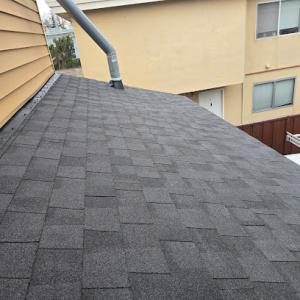
RK Roofing & Construction
249 Estudillo Ave, San Leandro, California
5.0 from 10 reviews
RK Roofing & Construction has been a trusted Bay Area roofing contractor since 2004, with offices in San Leandro and Oakland, CA. We provide commercial, industrial, and residential roofing services including replacements, maintenance programs and emergency repair services.
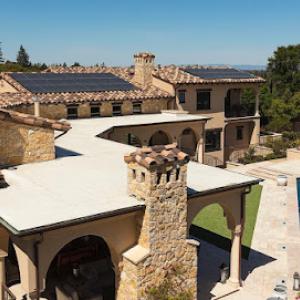
Manada Roofing Company of San Leandro, CA
(510) 780-9517 manadaroofing.com
16245 E 14th St, San Leandro, California
4.4 from 28 reviews
Manada Roofing, established in July 2001, brings over 30 years of roofing experience to every project. Based in Alameda County, we proudly serve clients throughout the Bay Area. Our team specializes in installing a wide variety of roofing systems, including composition shingles, standing seam metal, stone-coated steel, tile, and slate. With a dedicated crew of 20 employees organized into specialized teams, we ensure each job is completed efficiently, safely, and to the highest standards. At Manada Roofing, we’re committed to delivering exceptional craftsmanship and dependable service. Our focus on quality work and customer satisfaction has earned us the trust of both longtime and new clients across the region.
San Leanrdo Roofing
699 Lewelling Blvd, San Leandro, California
5.0 from 5 reviews
San Leandro Roofing is a reliable roofing contractor located in San Leandro, California. They assist with various roofing needs for the local community.
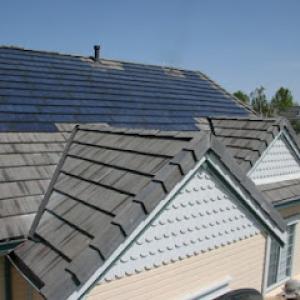
Century Roof & Solar
(510) 780-9489 www.centuryroofandsolar.com
Serving
4.8 from 83 reviews
Our company strives to deliver a high quality roof assembly and solar solutions to every customer. We believe one roof or solar installation job should create another through the networking of past satisfied customers. Our company takes a systems approach to re-roofing. Where every every component that goes into our roofs is designed to work together as a system. Our customers really drive our business, and because of that we take care of even the littlest requests that our customers have.

Beck Roofing Company
(510) 581-6750 www.beckroofingonline.com
Serving
4.7 from 13 reviews
Beck Roofing Company, Inc. is known throughout the roofing industry and among Bay Area customers as reliable and reputable, with quality work and customer satisfaction as our priorities. Serving Hayward and the surrounding areas since 1957!
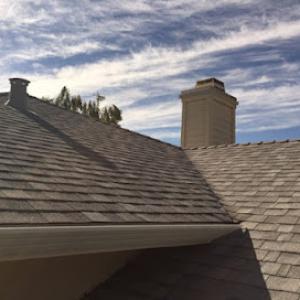
Vincent Roofing
(510) 538-0222 vincentroofingcoinc.com
Serving
5.0 from 26 reviews
Roofing is a tradition in the Vincent family. Clyde Vincent Sr. started roofing in 1942. The company was then passed to Ed Vincent; he earned a reputation for personalized, high-caliber roofing with an emphasis on excellent customer service. His children, Don Vincent Sr., Larry Vincent, and Lynn Allan, comprised the third generation of Vincents involved in the company.
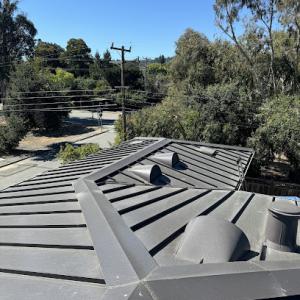
GTM Roofing Services
(415) 608-0857 www.gtmroofingservicesllc.com
Serving
4.9 from 39 reviews
Welcome to GTM Roofing Services At GTM Roofing Services, we bring over 15 years of experience in providing top-notch roofing solutions throughout the Bay Area and its surrounding regions. From replacing shingles, tiles, TPC, modified bitumen, and PVC to expert roof repairs, our experienced team delivers exceptional craftsmanship every step of the way. Whether it’s residential or commercial roofing, we are committed to durability, reliability, and customer satisfaction. Trust us to protect your home or business with strong, high-quality roofing that stands up to the elements. Rain or shine, GTM Roofing Services has you covered.
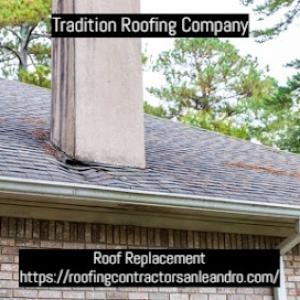
Tradition Roofing Company
(510) 914-0348 traditionroofingcompanyca.com
Serving
4.9 from 10 reviews
Tradition Roofing Company, serving San Leandro, CA, is your top choice for comprehensive roofing solutions. From installation, repair, and replacement to commercial and shingle roofing, we've got you covered. Our services include seamless gutter installation, along with free roofing estimates. Seniors can also enjoy exclusive discounts. Your trusted partner for all roofing needs.
In San Leandro, winter rain exposure tends to reveal weaknesses in underlayment, flashing transitions, and dry-in practices more than extreme snow or hail loads. Gutters and flashings can clog or lift when winter storms hit the East Bay with prolonged moisture, leading to water wicking into the attic or slowly migrating along rafter tails. When you see damp drywall spots, staining at penetrations, or musty attic air after a heavy rain, the culprit is often imperfect dry-in details that allowed capillary action to carry moisture past the roof deck. Faces of skylights, vent pipes, and chimney transitions deserve extra attention because those corners are where single-slip membranes or metal step flashing can fail first. If a reroof is on the horizon, prioritize replacing rotted or blistered underlayment and upgrading the flashing detail around these transitions rather than focusing solely on the shingle layer. Dry seasons do not erase the consequences of a wet winter; they simply reveal vulnerabilities that were already present.
Dry summer sun in the East Bay helps shingle seal strips cure, but it also increases long-term UV aging pressure on exposed roofing materials. Seals that seem snug in spring can become stubbornly brittle by late summer, especially on older roofs or those with shaded, southern exposures. You may notice accelerated granule loss on asphalt shingles or chalking on clay and concrete tiles where sun exposure is heaviest. The result can be premature curling, edge lifting, or whitening streaks that compromise surface protection. Materials with lower UV resistance or poor adherence to the underlayment are more susceptible to these effects. If a roof overhang is inadequate or if the attic is poorly vented, heat buildup compounds the UV impact, pushing you toward more frequent maintenance cycles or selective replacement of damaged areas rather than a full reroof.
Humidity swings and Bay-influenced moisture variation can affect how certain roofing products perform over time in San Leandro. The mix of marine air and inland warmth creates cycles of wet and dry without the extreme humidity seen in other regions, which can cause fasteners to loosen or adhesive-backed components to creep. Some products may expand and contract more than expected, stressing seam tapes, ridge caps, and vent collars. If you notice staining around roof penetrations after periods of high humidity, or if metal components show unusual corrosion patterns in sheltered corners, inspections should focus on movement at laps and transitions. Materials chosen for their moisture tolerance and properly sealed hips and ridges tend to hold up better under these conditions.
Bay-influenced winds frequently race along roof edges, testing primary and secondary roof membranes that otherwise seem sturdy. Wind-driven rain can exploit insufficient edge detailing, allowing water to seep under shingle tabs or through loose seam fasteners. Gaps near eaves and rake edges often become initiation points for larger leaks after a storm season. If soffit ventilation is inadequate, air pressure changes can lift shingles or tiles at the eaves, accelerating edge deterioration. Regular checks for lifted tabs, loose nails, and degraded sealant at perimeters help catch problems before they cascade into more substantial failures.
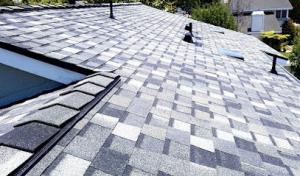
Extend the life of your existing roof with reflective or waterproof coatings that protect against UV and moisture.

Richard's Hayward Roof Repair
(341) 232-3450 spinespecialistscenternj.site
Serving
4.7 from 3 reviews
California's current insurance environment affects homeowners through underwriting pullbacks tied to wildfire and weather-related risk, even when the roof issue is not a catastrophic-loss event. In a neighborhood with mixed-age homes and clay, concrete, and composite roofs, carriers are more cautious about what they insure and how they price risk. That caution can show up in tighter policy language, higher deductibles, or more frequent non-renewal notices. The result is that a routine repair or replacement can become a trigger for broader coverage questions, so understanding the landscape helps you plan ahead.
Carriers serving San Leandro may ask for updated roof condition documentation, including photos and roof assessments, before renewing or writing coverage. Having clear, time-stamped pictures taken from multiple angles and a concise, professional assessment ready can smooth the process. If your roof is older or shows wind-related wear, expect questions about maintenance history and recent repairs. Proactively gathering this material positions you to respond quickly when a renewal window opens.
After roof claims, homeowners in this market may face requests for multiple bids, wind-related documentation, and longer review timelines from adjusters. Insurance teams may want independent evaluations to verify wind exposure, workmanship quality, and code compliance. Delays during this phase are common, particularly after seasonal storms. The takeaway is to coordinate promptly with your insurer, and keep a well-organized file of inspections, contractor notes, and photographs so the review can proceed without unnecessary holdups.
Practical readiness tips include keeping digital copies of old policy notices, maintaining a simple calendar of renewal dates, and preserving recent contractor inspections in a single file. If the roof ages or wind events are frequent, set aside time each season to review coverage changes, update photos, and confirm contact points, so gaps are minimized when your insurance needs shift.
Connect with contractors who help homeowners navigate the claims process from damage assessment to final approval.
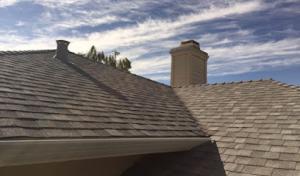
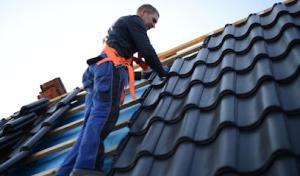
San Leandro's contractor market shows especially strong demand for reroofing and quick-response service, which means homeowners often prioritize availability and leak response speed. When the weather flips from wet storms to dry spells, crews swing into action; forecasts rarely hold steady, so ask for realistic timelines and a firm arrival window. Cleanup is a major local hiring signal in San Leandro, suggesting homeowners here care about jobsite control on occupied residential properties. Expect crews that leave driveways, gutters, and yards clear of debris to stand out. Long-established, residential-focused contractors are well represented, so you'll encounter firms that specialize in reroofs rather than one-off labor brokers. That helps with coordination around occupied homes and minimizes disruption to daily routines.
Look for a company with a steady local presence, not just a flashy online profile. Prioritize contractors who regularly handle homes with shallow roof pitches, multi-story angles, and baked Santa Ana wind exposure that can stress fasteners and flashing. Ask about crew size and daily production rates, and prefer teams that demonstrate a strong cleanup routine at the end of each shift. Since leaks during wet winters can compound quickly, choose a contractor who emphasizes rapid response to storm-related concerns and provides a clear line of communication, including after-hours contact.
Check references from nearby neighborhoods with similar roof types and climates. Request detailed project milestones: material delivery, weather siting, and the point at which each re-roof section transitions to a finished surface. On-site evaluation should include a review of existing ventilation, attic insulation, and attic access points to anticipate any rework that can affect long-term performance. Confirm that the firm aligns with a residential-focused approach and has a track record of tidy, contained work zones on occupied homes, especially during the wet season.