
Last updated: Apr 19, 2026
Lafayette homes sit on hillside terrain exposed to Pacific winds and the Bay Area's wet winters followed by hot, dry summers. In this setting, long-life tile and metal roofs are valuable because they endure repeated moisture and sun without quick wear, but asphalt, concrete, and synthetic options also perform well when chosen with proper detailing. You're choosing not just a material, but a system that handles edge exposure, wind-driven rain, and seasonal shifts. The goal is a roof that stays watertight through the rainy season, resists wind uplift on exposed ridges, and holds up under long sunny stretches without prematurely drying out or fading.
On hillside sites, curb appeal often meets practical constraint: steeper pitches and wind-prone edges. Metal roofing is an excellent choice for high wind areas because of its fastening stability and long life, but a standing-seam or screw-down profile must be chosen with careful panel width and fastener placement to prevent water intrusion at hips and ridges. Clay and concrete tiles bring durable, fire-resilient performance and a classic profile, though they require a solid deck and appropriate underlayment to manage seasonal moisture. Asphalt shingles offer a cost-conscious, versatile option, but you'll want a wind-rated installation and a robust underlayment to prevent edge-related leaks in heavy rains. Wood shingles/shakes provide true character and good insulation, yet they demand proactive weathering protection and an eye for fire resistance. Synthetic slate mirrors the look of real slate with lighter weight and strong weathering properties, making attachment detail crucial in high-wind zones.
Edge details deserve first-rate attention in a hillside setting. Plan for continuous eave and rake drip edge with corrosion-resistant metal, and ensure the fascia is solidly attached to a perimeter stud wall. Flashing around chimneys, skylights, vent pipes, and roof-to-wall transitions should be integrated with a continuous waterproofing strategy-prefer metal flashings that extend onto the field of the roof and be mindful of any step-flashing where the roof meets a parapet or a vertical wall. In exposed sections, counter-flashing at walls and appropriate sealants play a critical role in mitigating wind-driven water intrusion. Attachment methods matter: choose a system that emphasizes mechanical security for wind zones, with rooftop fasteners designed for the material you select and compatible sealants that won't become brittle in winter dampness or summer heat.
Winter rain invites seasonal checks for any signs of compromised flashing or edge degradation. After the wet season, inspect hips and ridges for loose fasteners or material movement that could become a vulnerability during dry, hot periods. In the dry months, emphasize leaf and debris clearance near eaves and valleys to prevent moisture backing into the system. If wildfire risk is a concern tied to insurance considerations, prioritize noncombustible or fire-rated options and ensure proper clearance around vents and soffits, with vents sealed where practical to minimize ember entry.
If you lean toward tile, ensure the deck is reinforced and the underlayment is rated for prolonged dampness, with a fastening plan that resists wind uplift. Metal roofs should be paired with panels and fasteners suitable for the ridge geometry and potential thermal expansion. For asphalt, select a high-wind, impact-rated shingle and pair it with a robust underlayment and venting strategy that keeps attic moisture in check. Wood shakes demand treated fibers or fire-retardant finishes and a maintenance cadence that preserves the surface texture without compromising protective coatings. Synthetic slate offers versatility with lighter weight; verify the system's compatibility with existing deck structure and flashings in high-wind zones.
1) Assess the hillside exposure and wind paths around the roof edges, noting corners and transitions that demand reinforced flashing. 2) Choose a system with a proven track record in wet-dry cycling and hillside wind loads, prioritizing edge-to-edge waterproofing and secure attachment. 3) Plan flashing details at all penetrations and transitions, using continuous metal flashing and compatible sealants. 4) Establish a maintenance routine that targets eaves, valleys, and flashing after heavy rains and before the dry season. 5) Coordinate insulation and ventilation to keep attic spaces comfortable and reduce moisture buildup that can compromise edge details.
During the Bay Area wet season, you will notice leaks and seepage showing up when storms roll through and dump rainfall on long, steep hillside roofs. In Lafayette, winter storms and heavy rains are a primary scheduling and leak risk, so active roof problems often surface during the wet season rather than during summer. Look for water stains inside ceilings after lull periods between downpours, and check for damp attic spaces when the rain returns. The most common culprits are aging shingles, failed shingle laps, and aging sealant at valleys and flashing transitions. Because the hillside terrain concentrates runoff, even small defects can become big leaks quickly. If you notice a new stain after a heavy rain, treat it as urgent and trace it to the closest roof edge, penetrations, or flashing transitions to pinpoint the failure.
Seasonal Pacific storms and Santa Ana-like wind events in the region can stress flashing transitions and roof edges, making these details a recurring weak point on local roofs. On exposed hillside pockets, wind-driven rain pushes water under shingles at valleys, ridge caps, chimneys, and vent boots. Pay special attention to chimney cricket flashing, step flashing on sidewall intersections, and end-wall hips where the wind catches the roof plane. Gutters and drip edges can back up or detach under gusts, directing water toward vulnerable seams. A practical cue: inspect after strong winds and after a mid-winter rainstorm for lifted shingles, loose fasteners, or displaced flashing. If you find loose metal around roof penetrations, secure it promptly and reseal with materials rated for high-wind exposure to prevent a slow leak that compounds with the season's moisture.
Spring fog and cool conditions in the Bay Area can slow curing for some underlayments, which affects how contractors sequence repairs and replacements around weather windows. In Lafayette's microclimate, that translates to tighter schedules: you often need to plan repairs before the wet season returns, but not so early that underlayment does not set properly. If an inspection reveals damaged underlayment, coordinate with a contractor to stage work so that curing and sealing can occur during the dry spells between storms. In foggy springs, some sealants and self-adhered membranes will take longer to cure; expect adjustments in sequencing and allow extra cure time to ensure seams and transitions seal correctly. For hillside homes, verify that roof-to-wall transitions maintain a continuous barrier against wind-driven moisture, and consider upgrading flashing materials at high-stress edges to reduce the likelihood of recurring leaks when winter storms return.
When you can't wait, these contractors offer fast response times to stop leaks and prevent further damage.
NC Roofing Solution
(925) 255-7465 ncroofingsolution.com
Serving
4.9 from 248 reviews
At NC Roofing Solutions, we know that finding a quality roofing company that fits your budget can be challenging. That's why we offer exceptional roofing services that won't break the bank. With our expert team, you can have peace of mind knowing your roof is in good hands. Don't let roof issues escalate. Choose NC Roofing Solutions for the best roofing services. Contact us today for a consultation and let us take care of your roofing needs!
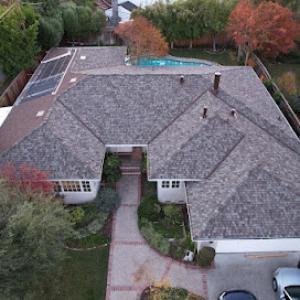
Apollo Roofing Company
(925) 281-5504 www.apolloroofingcompany.com
Serving
5.0 from 85 reviews
Apollo Roofing Company is one of the leading roofing contractors in Walnut Creek who takes pride in offering first-class services. Customer satisfaction is our top priority in every roofing service we deliver. And as such, we don’t rest until we give our customers the roofs their homes deserve and take their roof to the next level. We are made up of highly trained and experienced roofers providing multiple roofing solutions such as roofing system replacement, repair, and installation. For durable roofs, get a free estimate by contacting us today! "By Appointment Only"
Equinox Roofing
(800) 880-6020 equinox-roofing.com
Serving
5.0 from 135 reviews
Equinox Roofing is the leading roofing company in Walnut Creek, CA servicing San Francisco, San Jose, Walnut Creek, and nearby areas. Our roofing company offers residential roofing, commercial roofing, roof repair, asphalt shingle roofing, and many more. Customers love us because of our comprehensive roof warranties and affordable roof financing options. We also have industry affiliations and certifications such as Owens Corning, Poly Glass, and CertainTeed. If you want to experience how your most trusted San Francisco roofing company embraces our motto “Building value”, call us now for a free estimate!
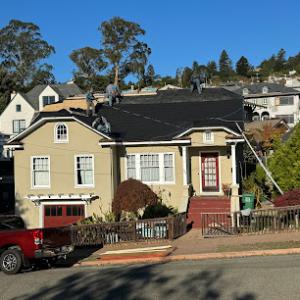
Precise Roofing
(888) 288-1885 www.preciseroofingca.com
Serving
4.8 from 111 reviews
Our roofing company is your one-stop destination for a comprehensive range of roofing solutions, tailored to meet the diverse needs of residential and commercial property owners. We specialize in flat roofing, TPO roofing, PVC roofing, torch-down roofing, tile roofing, shingle roofing, and metal roofing installation and repair. With a team of highly skilled professionals, we bring expertise, dedication, and a commitment to quality to every roofing project. Whether it’s enhancing the curb appeal of your home with beautiful tile or shingle roofing, or ensuring the longevity and weather resistance of your property with flat, TPO, PVC, or metal roofing, we have you covered.

Golden Grove Roofing & Construction
(925) 272-8248 goldengroveco.com
Serving
5.0 from 28 reviews
Licensed Roofing and General Contracting Company
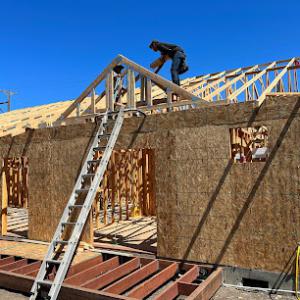
Roof By Tom
Serving
4.8 from 46 reviews
Roof By Tom is your trusted source or all quality roofing work, as experts in residential and commercial roofing, based in Walnut Creek California and servicing all the bay Area down to San Jose, we specialize in shingles, tile, metal and flat roofs, whether you need a full replacement or meticulous repairs, we've got you covered. Fully licensed and insured and local based in Walnut creek and serving the entire Bay Area and around we prioritize communication and customer satisfaction, our team ensures high quality work and results with every project. Choose Roof By Tom for reliable roofing and for quality results

Ascend Renovation & Roofing
(925) 289-7600 www.ascendrenovationroofing.com
Serving
5.0 from 9 reviews
At Ascend Renovation & Roofing, construction runs in the family. With over 9 years in the industry and deep roots in commercial real estate, this business was built on a foundation of experience, integrity, and hard work. Growing up, our founder was constantly surrounded by properties, tagging along with his dad and granddad, who were both involved in real estate. That early exposure sparked a lifelong interest in how homes are built, renovated, and improved. Though the company itself was recently launched, the journey behind it has been years in the making. We noticed a consistent problem in our area: too many contractors overpromise and underdeliver.
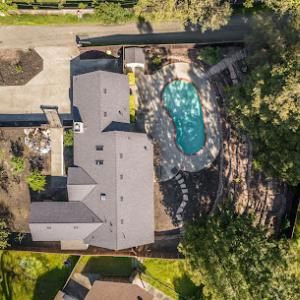
GBR Roofing
(855) 478-3292 www.gbrroof.com
Serving
5.0 from 4 reviews
At GBR Roofing, we are committed to providing top-notch roofing services with a focus on quality, reliability, and customer satisfaction. Our experienced team specializes in residential and commercial roofing solutions, ensuring your property is protected and looking its best. Give GBR Roofing a call for all your roofing needs and experience the difference of working with true professionals. GBR Roofing Delivers Excellence in Every Shingle! Contact us today for a free estimate!

Symplify Roofing
(510) 288-6171 symplifyroofing.com
Serving
4.9 from 56 reviews
Symplify Roofing is your trusted roofing contractor based in Walnut Creek, proudly serving residential and commercial clients throughout the entire Bay Area. As an Owens Corning Platinum Contractor, we provide exceptional roofing services backed by industry-leading warranties—a 50-year material warranty and a 25-year labor warranty—for unmatched peace of mind. When searching for “roofing near me,” Bay Area residents and businesses rely on our expert team for professional workmanship, lasting quality, and reliable results. Whether you need commercial roofing or residential roofing solutions, choose Symplify Roofing, your trusted Bay Area roofing contractor, and experience excellence, integrity, and quality you can depend on.
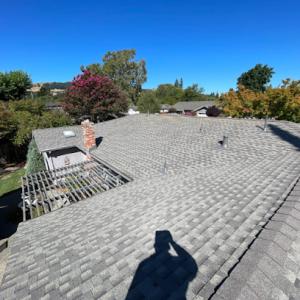
Acker Roofing
(925) 891-3331 ackerroofing.com
Serving
4.9 from 142 reviews
Acker Roofing stands as the premier choice in Contra Costa, CA and its neighboring regions, delivering unmatched roofing services tailored for both residential and commercial needs. Whether you're seeking swift emergency roof repair, comprehensive roof replacement, or specialized solutions for a roof leak, we're your go-to experts in Contra Costa.Our legacy stems from years of dedicated service, ensuring local property owners benefit from the very best in residential roofing, commercial roofing, and gutter service.

Roof Doctors Contra Costa County
(925) 891-8200 theroofdoctors.net
Serving
4.8 from 177 reviews
"Nobody inspects, repairs and certifies more roofs or solves more roof leak problems in the SF Bay Region. Over 300,000 roofs inspected. We do complimentary roof inspections with detailed reports that include pictures. Reports sent within 24 hours of inspection. We are a licensed roofing contractor that offer repairs, replacment bids, gutter cleaning bids, gutter guard installs, and general roof maintenance. Service in the following San Francisco Bay Area counties: Alameda, Contra Costa, Marin, Napa, Solano & Sonoma Counties.
Dynasty Roofing
(925) 944-9404 dynastyroofinginc.com
Serving
4.6 from 18 reviews
We specialize in residential re-roofing and gutter installations. We offer a tremendous price for an excellent roof and that is what makes us the East Bay's largest residential roofing company. All roofs are permitted and inspected by inspectors. We have also are recommended by Manufacturers who have seen our work. David Flatt started the business on his own over 30 years ago. Since then we have done over 10,000 roofs in Contra Costa County. Referrals make us what we are today and we appreciate each and every one. We have an outstanding record with the CSLB and have done the friends and family of roofing inspectors who like our work. We offer a 10 year warranty on all workmanship and do free estimates.
In this area, the materials most used tend to cluster around durable, long-life options, with price ranges anchored to each system. Asphalt shingles run about 350 to 800 USD per square. Metal roofing sits higher, at roughly 600 to 1400 USD per square, reflecting the long life and performance in hillside exposures. Clay tile comes in around 700 to 1600 USD per square, while concrete tile typically lands between 650 and 1300 USD per square. Wood shingles or shakes are the premium choice for style and sustained weather resistance, priced roughly 900 to 1900 USD per square. Synthetic slate sits in the same general band as metal and tile, at about 700 to 1500 USD per square. These figures reflect the local preference for long-life roofs and the willingness to invest in materials that hold up to the seasonal wet-to-dry swings and hillside wind exposure.
In this market, costs can rise when homeowners opt for heavier tile systems or premium metal systems that align with the area's preference for long-life roofs in a mild but seasonally wet climate. Heavier installations may require structural checks or upgraded underlayment, which adds to the total. If you're weighing aesthetics against practicality, clay and concrete tiles deliver excellent durability in a wet winter and hot, dry summer, but they come with a higher installed price and potential weight-related upgrades. Synthetic slate provides a lower-weight alternative that mimics real slate while easing load concerns, often at a middle-to-high price point.
Replacement timing often targets the region's dry months to reduce weather delays, and that seasonal concentration can affect crew availability and project pacing. If you're timing a re-roof to minimize rain exposure, you'll typically see the most reliable scheduling in late spring through late summer, with some flexibility in shoulder seasons. Heavier tile installs can require longer lead times for material batches and for specialty crews, especially if you're choosing premium metal systems with color finishes or coastal-grade coatings. When budgeting, build in a buffer for weather-driven delays, especially if your roof layout includes multiple levels or complex hips and valleys that are more common on hillside homes.
Get a clear picture of your project costs upfront - no commitment required.
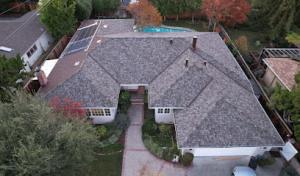
A building permit is typically required for a full roof replacement, and the City of Lafayette building division handles both permit issuance and inspections. Before any work starts, confirm that the permit is active and that the scope of the project matches the approved plans. This is particularly important for hillside homes where roof penetrations, flashings, and venting details must align with local codes and your property's unique exposure to winds and fire risk. Keeping the permit on site and accessible helps avoid potential delays if a city inspector stops by during the project.
Local inspection flow usually includes a rough inspection after underlayment and flashing are installed, followed by a final inspection after the roofing work is complete. The rough inspection is your early checkpoint to verify that the underlayment type, attic venting, flashing around chimneys and skylights, and drip edge placement meet code requirements. Once those elements pass, you'll proceed to the final inspection, which confirms that the finished roof, any vents, heat cables, and chimney caps are properly installed and weathered for the area's wet winters and dry summers. If you're in a hillside setting with exposure to high winds or wildfire risk, expect inspectors to pay close attention to nailing patterns, ridge venting, and the overall roofing system integration with the home's exterior envelope.
Plan review is usually minimal for standard re-roofing in Lafayette, but the permit tag must remain visible at the job site during the project. Keep the tag in a clearly accessible spot where inspectors and neighbors can spot it easily. If the scope changes mid-project, update the permit documents promptly to avoid a compliance hold. Along with the permit tag, maintain clean, organized staging of materials to help inspectors verify that the installation proceeds in a manner consistent with the approved plans and local hillside considerations.
Coordinate the scheduling of inspections with weather windows that minimize exposure to heavy rain and wind since leaks and wind-driven debris can complicate a rushed inspection. Notify the inspectors of any unusual roof penetrations or retrofit requirements tied to wildfire mitigation upgrades, such as upgraded weatherproof flashing around vents and connections. Finally, ensure the contractor's crew understands the importance of keeping access clear for the inspector's safety checks and for timely re-inspections if adjustments are needed.
In Lafayette and the surrounding East Bay, wind- and wildfire-related roof claims are common enough that insurance considerations directly affect material and underlayment decisions. The hillside terrain amplifies exposure to wind-driven debris and ember intrusion, and the wet winters followed by long dry summers create cycles of moisture and heat that test roof assemblies differently than flatter coastal suburbs. Because of this, homeowners often see insurers steering toward longer-lasting, more resilient systems. The practical effect is that the choice of a roof isn't just about curb appeal or upfront price-it's a factor tied to risk profiles, claims history, and ongoing coverage preferences. Materials that perform well in wind, resist embers, and hold up under prolonged sun exposure tend to schedule fewer problems with claim investigations and post-loss repairs.
Some carriers in wildfire-prone parts of the region have tightened coverage, so Lafayette homeowners benefit from documenting roof condition and replacement work with thorough photo records and installation details. Start with a clear before-and-after saga: wide-angle shots of the entire roof, then close-ups of hip and ridge intersections, penetrations, and any underlying decking. After installation, take a detailed series of photos at multiple stages-underlayment, fasteners, flashing, and tile or shingle alignment. This isn't about vanity pictures; it's about creating verifiable evidence that the new roof was installed to respected standards and that the condition was accurately captured before and after. Keep a dated binder or digital archive that includes the manufacturer specs for the chosen system, warranty documents, and a schematic of components used in high-wind areas or ember-prone sections of the roof.
Adjusters in this market may ask for material specifications, upgraded underlayment information, and installation documentation rather than accepting a simple invoice alone. Expect requests for the exact underlayment class, nail pattern, fastening schedule, and roof venting strategy. If a high-wire wind event or ember exposure occurs, insurers will want to see reinforcement details where hips, ridges, and valleys intersect, plus evidence of ember-resistant setbacks around the eaves. To stay ahead, ensure that your project includes a written specification sheet from the contractor, a clear materials list, and a concise installation guide tied to the chosen system. Having these records ready reduces the back-and-forth after a claim and helps protect the coverage you rely on when a storm or fire season tests the roof's integrity.
Connect with contractors who help homeowners navigate the claims process from damage assessment to final approval.

Lafayette's contractor market shows meaningful demand for both solar roofing and flat-roof work, indicating that not every local project is a standard pitched re-roof. Homeowners should expect a mix of crews who handle both solar integration and low-slope details, and should plan accordingly when scheduling work.
Low-slope sections on Lafayette homes and additions need different drainage, flashing, and membrane detailing than the tile and shingle roofs common elsewhere in the city. When a flat or near-flat section is added or reroofed, pay special attention to how water will shed toward the existing drainage pattern on the hillside property. The risk of pooled water and ice back-up in wetter winters makes proper slope and perimeter flashing essential.
When Lafayette homeowners combine reroofing with solar-related work, sequencing matters because roof penetrations and flashing details affect both inspections and long-term leak risk. Coordinate solar panel racking, conduit routes, and flashing transitions with the chosen roofing system so that penetrations land on sound, continuous waterproof detailing. A cohesive plan reduces the chance of rework and pinholes around penetrations after installation.
In this climate, long-life options such as metal, concrete tile, or synthetic slate pair well with solar because they tolerate heat, wind exposure, and occasional wildfire-related scrutiny. For low-slope sections, ensure the chosen membrane is compatible with the surrounding roofing materials and that edge details tie into the hillside drainage plan. Proper edge termination and curb detailing are critical in the wildfire-conscious environment.
Find specialists in TPO, EPDM, and built-up flat roofing systems for residential and commercial properties.