
Last updated: Apr 19, 2026
Alameda's island setting in San Francisco Bay puts roofs in the path of salt-laden air, frequent winds, and winter moisture that can press on flashings and metal accessories. That mix matters every time you choose a replacement or reroof, because corrosion and wind-driven movement can reveal leaks faster than a dry inland season. The pattern of wet winters followed by dry summers means you'll often see leaks emerge after the first heavy rains of the season, long before a summer storm line hits other climates-and that timing should shape your reroofing plan and inspection schedule.
Older Alameda homes sit on roofs that were designed with different loads in mind, sometimes with lighter framing or substructure that isn't prepared for heavier tile options. Heavier clay or concrete tiles can push loads beyond what the existing structure was meant to carry, especially on bungalows and Victorians with long-spans or irregular attic spaces. Before you finalize a material choice, have a structural assessment that accounts for wind uplift and the potential need to reinforce framing, decking, or truss chords. In practice, this often means weighing the long-term durability of a heavier tile against the cost and disruption of adding structural supports, rather than defaulting to the most durable option without a plan for the underlying structure.
Metal roofing delivers excellent wind performance and long life, but it requires careful detailing at flashings, corners, and penetrations to resist salt corrosion in a marine environment. Steel and aluminum systems can tolerate the bay's wind well when fasteners, gaskets, and sealants are chosen for salt exposure and are regularly maintained. Asphalt shingles remain a practical, serviceable choice if installed with corrosion-resistant fasteners and a well-sealed valley and edge detailing, yet edges and penetrations need meticulous sealing to counter wind-driven water intrusions. Clay and concrete tiles offer strong weather resistance but must be evaluated against the mounting system's ability to resist uplift, wind-driven debris, and the potential for cracking from thermal expansion in this coastal climate. Wood shingles and shakes bring a classic look and decent wind performance but can be more vulnerable to moisture-related concerns, rot, and hail impact, depending on exposure and maintenance. Synthetic and composite shingles tend to balance weight, ease of installation, and resistance to salt air, but you should verify the finish system's compatibility with Alameda's humidity and wind regimes.
Because the bay environment compounds the risk of moisture-related deck decay, weight considerations should drive the material selection conversation. If the existing framing is marginal for heavier tile options, the upgrade path may require reinforcing decking and truss systems, which can add complexity to the reroof. Depending on the roof's age and condition, you may find an opportunity to upgrade deck sheathing to a higher-grade plywood or high-performance sheathing that improves both rigidity and moisture resilience. This preventive step helps ensure that a chosen material performs as intended under bay winds and seasonal moisture fluctuations.
When evaluating options, start with a visual and moisture assessment of the current deck and flashings. Prioritize material systems that pair robust edge and flashing detailing with a finish that resists salt corrosion and does not require frequent maintenance at exposed bays or eaves. If choosing a heavier system, require a structural plan and a written assessment from a licensed professional outlining uplift resistance and any reinforcement needs. For lighter systems, confirm that fasteners, sealants, and underlayment are rated for coastal salt exposure and that installation details address wind-driven water paths at valleys, ridges, and roof-to-wall transitions. Finally, establish a maintenance cadence that includes regular inspections after storms and at least one post-winter check to catch corrosion, fastener loosening, or membrane degradation early.
Winter storms and rain are a primary scheduling and leak driver in Alameda, where active water intrusion often appears during the wet season after long dry periods. When the first heavy storms hit after a dry spell, roofs that looked fine can suddenly show gaps, seepage, or damp spots along eaves and around penetrations. The bay moisture sits on the surface and can soak through underlayment before you notice, so quick action after the first sustained rain is crucial. If you hear drip sounds inside an attic or ceiling, treat it as a warning: you may be in a race against advancing moisture that can damage insulation, drywall, and wooden framing. Keep a careful eye on flashing around chimneys, skylights, vents, and transitions to walls, because those are common leak paths that become active in Alameda's damp weeks.
Bay Area autumn and winter winds can complicate tear-off, underlayment dry-in, and temporary weather protection on exposed roof decks. Gusts can lift loose shingles, destabilize temporary tarps, and push water under already compromised seams. When a storm threatens, the wind becomes as much a risk as the rain, especially on older bungalows and Victorians with roof decks or low-slope sections. In those moments, any exposed edge or broken ridge cap becomes a potential entry point for wind-driven moisture. A practical approach is to stage quick-seal fixes that can hold through a sharp front: secure temporary coverings, prioritize resealing flashing, and avoid leaving bare underlayment exposed longer than necessary. If a contractor recommends a temporary weather barrier, insist on a wind-rated setup that can withstand Alameda's gusty days until a proper repair or reroof can be scheduled.
The local contractor signal mix shows unusually strong demand for emergency repair and quick response, matching a market where homeowners often need fast leak containment rather than waiting for full replacement. In practice, that means prioritizing rapid, reliable containment over cosmetic fixes when a leak is active. Do not wait for a high-water event to decide on action; establish a plan with a trusted emergency roofer so you can mobilize promptly after the first measurable rain. Ask for a clear sequence of containment steps: stop-gap sealing around penetrations, secure underlayment where exposed, and reinforce any weak flashing that could fail under wind and pressure. Keep inspection points focused on the most vulnerable spots-chimney bases, skylights, dormers, joints where different roof planes meet, and transitions to gutters. A fast, decisive response protects both structure and interior finishes while you arrange for more permanent reroofing that can handle Alameda's bay moisture and wind load. Stay in touch with your crew during storms and document every leak site with photos. That record becomes a powerful tool for prioritizing repairs and coordinating temporary protections before the next front arrives. In practice, the goal is to turn a seasonal vulnerability into a managed, repeatable process rather than a series of reactive surprises.
R&R Roofing
Alameda, California
5.0 from 41 reviews
R & R Roofing, based in Oakley, California, brings over 25 years of expertise to the roofing industry, serving the East Bay area. As a licensed, insured, and GAF Certified contractor, they provide a comprehensive range of services, including new roof installations, replacements, and repairs. Their proficiency spans various roofing materials, such as asphalt shingles, tile, metal, and flat roofing systems like TPO and torch-down. In addition to roofing, R & R Roofing offers skylight installation and removal, gutter and downspout services, and siding repairs and maintenance. Committed to quality craftsmanship and superior customer service, they provide free estimates and consultations, ensuring tailored solutions for each client's needs.
Adam Roofing
(510) 313-7255 roofingalamedaca.com
1700 Park St #75, Alameda, California
5.0 from 11 reviews
Adam Roofing provides dependable residential and commercial roofing services across the local community. Our experienced team specializes in roof repairs, replacements, and new installations designed to protect your home or business from leaks, weather, and time. We work with durable materials like asphalt shingles, metal, and flat roofing systems to ensure long-lasting quality and curb appeal. Whether you need a small fix or a complete re-roof, Adam Roofing offers honest estimates, skilled craftsmanship, and reliable service you can count on from start to finish.
Master Roofing Company
(510) 523-5757 masterroofingcompany.net
Serving
5.0 from 42 reviews
Master Roofing Company is an Oakland roofing contractor serving Piedmont, Berkeley, Alameda and Orinda, CA. Family-owned & operated in the San Francisco Bay Area since 1980.
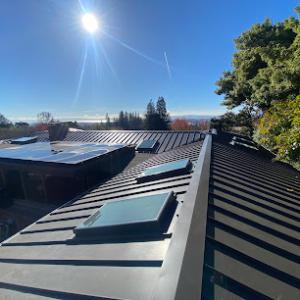
Berkeley Roof Services
(510) 524-2352 berkeleyroofservices.com
Serving
5.0 from 9 reviews
Berkeley Roof Services is a full-service residential and commercial roofing company based in Oakland, CA, and serving the entire Bay Area. We have over 30 years of experience in all forms of roofing installation and repair. We also have extensive experience with rooftop Solar PV system installation. We specialize in high-quality, detailed commercial and residential roofing. We like to work with clients who want the best quality for a fair price. We are very proud of our experienced employees' work and their thorough knowledge of the roofing industry. In our industry and area, a lot of roofers don't know how to work on detail and this is what makes a roof really last. We are both efficient AND detailed.
General Roofing
(510) 536-3356 generalroof.com
Serving
4.4 from 39 reviews
General Roofing Company in Oakland, California, is a forward-thinking company that combines its rich history and experience with new technology and responsible roofing practices. Using high-quality, environmentally friendly products provides customers with sustainable options for their roofing needs. We meet and exceed the necessary requirements for choosing a reputable roofing company, ensuring all residential, commercial, and industrial roofing projects will be professionally completed on time and on budget.
Any Roof Repair & Install
(341) 234-1799 www.anyroofrepairsanjose.com
Serving
4.9 from 12 reviews
Any Roof Repair & Install of Oakland Offers roofing contractor services in Oakland CA: From roof repair service in Oakland to new roof installation in Oakland the experts of Any Roof Repair & Install are ready for the task. From free estimate and inspection by a roofing contractor in Oakland CA. Any Roof service all types of roofs: commercial and residential roofing, and we do it all: We repair leaking roofs, we fix damaged roofs, and we install new roofs. With over 25+ years in the roofing industry, we can help you with any roofing issue.
Epic Roofing Contractors
Serving
4.8 from 20 reviews
Epic Roofing Contractors proudly serves the Oakland, CA area as a leading roofing contractor. Specializing in comprehensive roofing solutions, we bring unparalleled expertise and dedication to every project. From meticulous inspections to flawless installations and reliable repairs, our skilled team ensures your home or business is protected with a durable and beautiful roof. We are committed to delivering exceptional craftsmanship and peace of mind, making your roofing experience truly epic.

Leon Brothers Roofing Company
(510) 935-2316 leonroofingcompany.com
Serving
5.0 from 7 reviews
We are a family owned and operated business offering commercial and residential roofing services in Oakland, CA. We specialize in providing high-quality roofing jobs to our valued customers. Our experienced crew will provide excellent workmanship to ensure your roof is well built. Maintaining constant communication with our customers is important to us, so that we can ensure that you are satisfied with our service. A roof installation or repair from us will ensure that the safety and aesthetic of your home or business is improved.
Oakland Roofing Pros
(510) 405-0869 oaklandroofingpros.com
Serving
4.8 from 52 reviews
Oakland Roofing Pros is the preferred roofing company in Oakland, California. If you want to be sure that you can receive the best quality of roofing services possible, rely on our experienced roofers. They have received the necessary training and have the skills needed to effectively address your service needs. Not every roofing company will offer the same quality of service that we do, as we always strive to live up to our reputation. We have established ourselves as the most reliable and effective roofing company, which we take pride in. We wouldn’t do anything to jeopardize our reputation, which is why you can be sure that you will always receive the best services possible.
Citywide Roofing & Remodeling
(888) 933-5939 www.citywide-remodeling.com
Serving
4.8 from 70 reviews
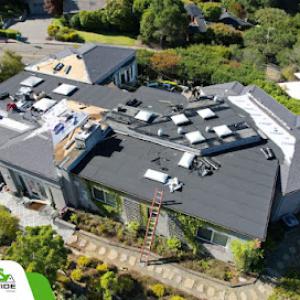
CITYWIDE Roofing and Remodeling, where excellence meets reliability in roofing and remodeling services. As a family-owned business, we bring a personal touch and unwavering commitment to every project, ensuring that your home receives the care and attention it deserves. With years of experience under our belts, our team of skilled professionals excels in delivering top-notch roofing and remodeling solutions. We pride ourselves on our craftsmanship, using only the highest quality materials and the latest industry techniques to guarantee results that stand the test of time. Understanding the importance of affordability and convenience, we offer $0 financing options to make your home improvement projects more accessible.
Ben's Roofing
(510) 690-8570 www.bensroofing.com
Serving
4.5 from 28 reviews
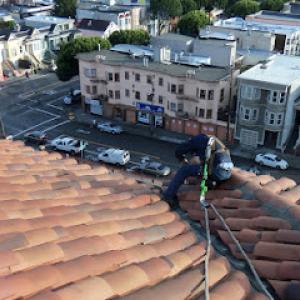
Ben's Roofing, Inc. is an accountable, professional roofing contractor specializing in commercial and residential roofing repairs and re-roofs, as well as skylight installation. We pride ourselves on being the most trusted Bay Area roofing company!
NorCal Roofing & Construction
(510) 373-8829 norcalroofing.com
Serving
5.0 from 24 reviews
Founded in 1994, NorCal Roofing & Gutters is based in San Leandro, CA, offers expert roofing, gutter, and solar installation services. As a locally owned business, they cater to both commercial and residential clients, specializing in roof replacement, repair, and maintenance, along with comprehensive gutter services and solar installations. They prioritize transparency by providing free estimates to ensure an honest consultation process. Affiliated with the Better Business Bureau (BBB), NorCal Roofing & Gutters upholds high standards of quality and customer service. Whether you need minor repairs or a complete roof overhaul, their expert team is committed to delivering exceptional results.
Your home's age and the way its roof is layered matters more here than in newer neighborhoods. Alameda's older housing stock often features modest attic space, mixed framing, and decks or soffits that have absorbed decades of salt air and coastal moisture. When you consider overlay options, the condition of the existing deck and the integrity of the underlying framing should guide your plan. If the backstory of the roof includes sagging areas, soft rafters, or mismatched deck boards, the reroof plan should pause to address those issues before selecting a new surface. Lightweight, once-adequate systems can become strained if the deck is compromised or if fasteners don't have solid wood to grab onto. In practical terms, that means a careful inspection of decking and rafter spacing, ideally with a structural assessment, before you commit to a material change.
Bay winds and winter moisture are not abstract risks-they show up as accelerated wear on lighter systems or as amplified movement in older framing. When choosing a reroof, you have to weigh how a heavier system will load the existing structure. Clay or concrete tile, the heavy end of the spectrum, can push framing past its long-dormant limits if the house wasn't designed to bear that load or if the deck has deteriorated. In contrast, lighter options may ride out the bay breeze better but can still suffer under persistent moisture and salt exposure if ventilation and underlayment aren't properly upgraded. Planning should include a close look at attic ventilation, vapor barriers, and the potential need for temporary bracing or framing enhancements to keep the roof from shifting with every gust.
The environment rewards materials that resist salt air and wind while keeping weight in check. Older bungalows and Victorians with low-slope sections present a special challenge: a reroof that dramatically changes the roof's mass or geometry can trigger plan-review concerns or retrofits that ripple through the framing. If the goal is to move away from a lighter system toward a heavier tile option, you'll want a detailed retrofit plan for the supporting structure, not just a surface swap. Conversely, combining a more robust deck repair with a moderate-upgrade material can offer a balanced outcome that stands up to bay conditions without overloading the frame.
Re-roofing remains a dominant local service category because aging systems frequently reach their practical life in place. The decision matrix should keep the island setting in clear view: wind, moisture, deck condition, and framing capacity all interact. A measured approach-addressing decking health, confirming the framing's load tolerance, and aligning material choice with both wind exposure and moisture control-helps avoid the quiet costs of unexpected structural issues after the new roof goes on. In short, every reroof plan should begin with a candid assessment of the current deck, framing, and how the chosen material will behave under Alameda's unique blend of climate and architectural heritage.
Find contractors who specialize in clay and concrete tile roofs, known for their durability and curb appeal.
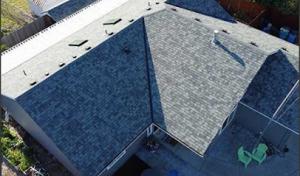
Flat-roof specialization is notably active in Alameda, reflecting the city's mix of multifamily, commercial, and low-slope roof forms common in older Bay Area neighborhoods. The salty air, frequent coastal fog, and winter dampness mean assemblies must move moisture out efficiently and resist long-term wear. The drying potential on these roofs is limited, so ventilation and material choices that tolerate moisture bursts are essential from day one.
When choosing a reroof for a flat or low-slope profile, prioritize membranes with proven performance against humidity and wind-driven moisture. Look for systems with robust culvert and curb details, reinforced seam construction, and corner-to-corner redundancy in flashing. In Alameda, periodic winter wetting can exploit weak seams, so the best options maintain integrity under repeated splash and spray exposure while staying flexible enough to handle temperature swings without cracking.
Effective ventilation becomes a practical requirement on low-slope roofs here, especially during spring fog cycles. A deliberate plan for ridge or mechanical ventilation alongside soffit intakes helps move moist air out rather than trapping it under insulation. Drainage matters too: ensure capillary breaks, properly sloped penetrations, and clamped or reinforced seams that resist ponding. If water tends to linger in certain areas, rework or retrofit scuppers and gutters to promote faster shedding.
Flashing around penetrations-vents, skylights, HVAC curb penetrations-needs extra scrutiny. In these conditions, flashing must not only seal reliably but also accommodate movement from wind and temperature shifts. Regularly inspect for seam wear where membranes overlap, and watch for edge delamination near parapets which can become failure points after winter wetting. A thoughtful detailing approach, with reinforced corners and tested sealants, reduces early-life leaks.
Establish a proactive maintenance routine that aligns with Alameda's seasonal patterns. Biannual inspections after the wet season and before the dry months help catch moisture retention, seam separation, or flashing degradation early. Keep a simple log of observed issues-standing water, unusual moisture staining near penetrations, or creases in membrane edges-and address them promptly before deficiencies proliferate. A steady cadence builds confidence in a low-slope roof's long-term performance amid bay winds and fog.
Find specialists in TPO, EPDM, and built-up flat roofing systems for residential and commercial properties.
Adam Roofing
(510) 313-7255 roofingalamedaca.com
1700 Park St #75, Alameda, California
5.0 from 11 reviews
In Alameda, skylight-related work is highly prevalent in the contractor market, suggesting leak troubleshooting around skylight curbs and flashing is a common homeowner concern. Wind-driven rain across the Bay can open up gaps that dry months hide. If your roof has box skylights or skylight curbs that look weathered, plan for more than cosmetic fixes. A failing curb or compromised flashing often leaks first at the transition between glass and roof deck, not at the glass itself.
Many reroofs involve older homes with chimneys and multiple roof penetrations, increasing the importance of flashing replacement rather than surface-only patching. Where chimneys meet shingles, the counter-flashing and step flashing should be inspected as a system. If you see rust stains, loose tiles, or cracked sealant around penetrations, that's a sign the surrounding flashing is aging. In homes with multiple penetrations, gaps multiply, and a failed seal at one vent can threaten others.
Wind-driven rain can expose weak detailing at skylights, chimneys, and vent penetrations that may not show up during dry months. Look for damp ceilings, musty attic spaces, or staining along skylight edges after a windy period. In Alameda, a meticulous check of flashing seams, fasteners, and sealant lines is your first line of defense. If you're unsure, a quick test is to gently press around the edges of the skylight and flashing-soft movement often signals compromised joints.
Addressing leaks early saves interior damage and preserves framing. Don't rely on surface-only patches around a skylight or vent. Ask for a flashing-focused assessment that treats curbs, base flashing, counter-flashing, and any transitions to nearby shingles as a tied-together system. When in doubt, prioritize full flashing replacement where aging is evident, especially on windward elevations.
Find contractors experienced in skylight installation, flashing, and leak repairs to bring natural light into your home.

Apex Shield Roofing
(510) 800-7011 apexshieldroofing.pro
1910 Webster St, Alameda, California
4.9 from 42 reviews
Asphalt shingles are the most common starting point for many Alameda homes, with average reroof costs typically ranging from $350 to $900 per square. This range reflects the island's salt air and wind exposure, where a straightforward install on a modestly sloped roof tends to stay within budget, but heavier patchwork or deck work can push costs higher.
Metal roofing offers a longer life with better wind resistance, but the price tag rises to about $600 to $1500 per square. In Alameda, the material's durability against bay moisture often justifies the upfront premium, especially on homes facing open exposures or where a lighter roof load is desirable. Heavier steel options may require structural review or reinforcement, which adds to the project.
Clay tile sits at the upper end, generally $1200 to $2600 per square, while concrete tile runs $1000 to $2000 per square. For older bungalows and Victorians with steeper pitches, clay or concrete can be attractive for longevity and aesthetics, but weight and roofing deck condition become crucial. If the existing structure isn't prepared for tile weight, expect added reinforcement costs.
Wood shingles or shakes clock in around $700 to $1500 per square. In this area, their rustic look can clash with bay moisture and wind if not properly maintained; upgrading underlayment and ensuring fire-retardant treatment are common considerations that influence price. Synthetic or composite shingles are a mid-range option at $450 to $1100 per square, offering better moisture resistance and lower maintenance, which suits low-slope assemblies found on some multifamily and retrofit projects.
Costs in Alameda can rise when older homes need deck repair, structural review for heavier materials, or more complex flashing work around chimneys and skylights. Seasonal winter delays, wind-related staging challenges, and the city's mix of steep older residential roofs and low-slope assemblies can all affect labor pricing and project duration.
Don't let upfront costs delay a critical repair - these contractors offer payment plans to fit your budget.
Apex Shield Roofing
(510) 800-7011 apexshieldroofing.pro
1910 Webster St, Alameda, California
4.9 from 42 reviews
Citywide Roofing & Remodeling
(888) 933-5939 www.citywide-remodeling.com
Serving
4.8 from 70 reviews
A permit is typically required for a full reroof, with project details submitted to the City Building Division before work begins. You should file a complete reroof application that includes roof size, existing and proposed materials, and the structural scope. Align the submission with any neighborhood covenants or HOA rules in the area, since some buildings carry extra review layers.
Reroof projects commonly require at least a rough or progress inspection and a final inspection. Expect a sequence that verifies safety, material compatibility, and adherence to code during construction, followed by a final sign-off before any occupancy or use. Plan for inspectors to check anchor points, venting, and flashing, especially near older bungalows and Victorians where framing can be more complex.
If the reroof changes weight, roof type, or raises structural concerns, Alameda may require additional plan review rather than treating the job as a simple like-for-like replacement. Heavier materials or altered roof geometry can prompt structural calculations, framing adjustments, or revised load paths. In such cases, factor in review cycles and any required engineering stamps as part of the approval timeline.
Before demolition or material removal, confirm the permit status and any required approvals with the Building Division, and ensure the contractor is licensed and insured for Alameda's conditions. Keep a dated plan set on site for quick reference during inspections, and schedule inspections in advance to minimize delays. If you live in a multiunit building, communicate with property management to coordinate access and safety during the reroof.
Even though Alameda is not defined by the same wildfire exposure as many inland California areas, statewide insurer pullbacks and tighter underwriting still affect roof renewals and replacement decisions here. That means your insurer may scrutinize every square on the roof and demand more reassurance than in the past. The result is a careful, documents-first approach that can slow approvals if something is missing or out of date. Knowing this upfront helps you plan around delays and pressure points before a renewal cycle or after a claim.
Homeowners in Alameda should expect more requests for roof condition photos, age documentation, and inspection records during policy renewal or after a claim. Start by organizing a concise portfolio that captures the roof's current state: panoramic and close-up shots of shingles or tiles, flashings, vents, and any areas that show wear, swelling, or staining. Include dated photos from multiple angles to demonstrate coverage and recent maintenance. Think about including a simple one-page summary that notes repairs, resealings, or replacements completed within the last several years, plus any professional inspections you've had.
Detailed pre- and post-work documentation is especially useful in Alameda's market because insurers and adjusters increasingly want evidence of roof condition, maintenance, and storm-related damage. Before any project starts, have a written scope from your contractor that lists materials, roof deck access, and ventilation considerations, along with a dated inspection report if a roofer finds issues beyond surface wear. After work completes, assemble repair receipts, warranty documents, and follow-up photos showing the finished job, ensuring the new materials and any modifications are clearly visible. Keeping this sequence orderly reduces back-and-forth, speeds reviews, and helps protect your coverage when gusty winds or winter moisture push a claim or renewal decision.
Connect with contractors who help homeowners navigate the claims process from damage assessment to final approval.
Apex Shield Roofing
(510) 800-7011 apexshieldroofing.pro
1910 Webster St, Alameda, California
4.9 from 42 reviews
Solar roofing is an active specialty in Alameda's contractor market, making coordination between reroof timing and solar attachment work a practical local issue. The bay's salt air and seasonal moisture create a tougher backdrop for fast, in-and-out installations, so pairing solar planning with reroof milestones helps prevent backtracking. Wind exposure and older housing stock mean that any solar mount work benefits from a roof that's already solid, well-sealed, and fully decked before attachments go on. Local crews understand that a well-timed sequence reduces the risk of mismatches or rework once the system is set to go.
On older homes, reroofing before solar work can be especially important because future removal and reinstallation is more disruptive when decking, flashing, or structural upgrades are already marginal. A reroof gives you fresh flashing around penetrations, cleaner transitions at hips and valleys, and a more predictable surface for mounting rails. If the roof is near the end of its life, completing the reroof first minimizes the chance that solar equipment has to be removed or disturbed during later repairs. This is where a clear handoff between roofer and solar installer pays off most.
Penetration detailing matters more in Alameda's wet winter pattern because poorly coordinated solar mounts can become leak points once seasonal rains return. Specify flashing configurations, sealant selection, and underlayment compatibility upfront, with particular attention to rails near chimneys, vents, and skylights. A well-planned layout reduces the number of penetrations and ensures that any seals stay reliable through salt air and driving rain.
Find contractors who integrate solar panels or solar shingles into your roof for long-term energy savings.
Citywide Roofing & Remodeling
(888) 933-5939 www.citywide-remodeling.com
Serving
4.8 from 70 reviews