Last updated: Apr 19, 2026
Berkeley's mild but wet winter pattern makes full replacements more vulnerable to rain delays, so dry-season scheduling is especially important for tear-offs and exposed decking. When planning a winter start, set a concrete window that avoids the heart of the rainy season and buffers against surprise storm tracks that sweep through the bayward hills. Realistic timelines hinge on forecasting and local moisture trends, not just calendar dates. If a roof requires deck work or ventilation corrections as part of the project, that work tends to stall longer when rain is lingering, and crews may need to pause to protect openings and newly exposed lumber. The goal is to complete as much of the tear-off and deck preparation as possible before the first consistent wet spell, then rely on a dry spell to finish up under a shielded, weather-resistant setup. For hillside homes with steep access, the combination of rain and gravity means extra planning to prevent water intrusion during partial exchanges. A practical approach is to lock in a contingency buffer of two to three weeks within the dry-season window to absorb unexpected weather shifts without rushing critical dry-in stages.
Spring coastal winds in the East Bay can disrupt material staging and deck work, which matters on Berkeley's tighter residential lots and hillside access points. As the wet season wanes, persistent gusts can move lightweight components, tarps, and even fasteners out of their intended positions, complicating a careful tear-off and re-roof sequence. In narrow lots where access is constrained, storage space for shingles, underlayment, and protective decking becomes a daily variable. To minimize delays, coordinate a staging plan that locates bulk stock at a protected, wind-break area and schedules critical deck-related tasks for times when the wind is predictably lower. Consider sequencing the work so that removing old roofing and installing underlayment occur during the calmest mid-morning windows, with sheathing and first-pass roof installation scheduled for late morning or early afternoon when wind tends to ease. For areas with visible slopes, ensure temporary containment on the downslope side to prevent debris from marching downhill with the gusts.
Extended dry summer stretches speed drying but increase roof-surface heat and material expansion, affecting installation timing for shingles, metal, and tile systems. Dry air accelerates asphalt and composite shingle curing and decking drying, but heat can push fasteners and sealants past ideal expansion thresholds, particularly on metal and concrete tile systems. In Berkeley's sun-soaked months, aim to complete portions of the job that rely on fast-setting products during the coolest parts of the day and shield exposed decking from direct sun with shade structures. When working on metal or tile through peak heat, stagger sequences to avoid simultaneous expansion-induced movement across large sheet runs. On hillside homes with limited shade, consider evening or early morning work windows for critical adjustments, then finalize alignment and venting once temperatures moderate. Prolonged heat can also affect adhesives and barrier membranes, so verify product specifications align with local summer conditions and allow for longer cure times if needed. For flat or gently sloped roofs, plan more frequent inspection points in the heat to catch loose fasteners or shifting underlayment before the heat causes additional movement.
Autumn in Berkeley brings a transition period with variable humidity and diminishing daylight. This is a practical buffer zone for tying together tear-offs, decking corrections, and ventilation work that may have been delayed during spring winds or summer heat. Use this season to finalize any remaining decking corrections and to re-check ventilation paths before the rainy season returns. The cooler, often drier spell toward late fall can help crews consolidate work without the pressure of peak heat or relentless rain, reducing the risk of rework from thermal expansion or moisture reintroduction. If a project faces partial deck remediation, plan the final pass for completion during this window so that insulation, underlayment, and cap components sit under optimal conditions before the first real storm cycles.
Regardless of season, coordinate a tight sequence: remove, inspect decking, replace or repair structural elements as needed, install underto
p membranes and ventilation, then complete with the chosen roofing material. Given hillside access constraints, prioritize safer staging, secure temporary protection against wind, and maintain a clear path for emergency water drainage during the work. In Berkeley, the rhythm of the year means timing is as critical as the materials themselves-align your schedule with dry periods, minimize exposure of bare decking to wet air, and ensure a robust plan for wind and heat-related challenges to keep the project on track.
Berkeley's mix of hillside neighborhoods and flatter central and west-side areas means every jobsite feels different the moment ladders go up. In the hills, access is often a tight squeeze between trees, retaining walls, and switchbacks, with limited space for staging and material drop zones. Flatland homes can offer easier delivery routes, but the urban footprint still packs tight yards and street parking that can affect how you maneuver a crane or a dumpster. When planning a reroof, map out the path from street to roof as if you're guiding a rerouted parade: you'll want clear pull-through space, a clean ground surface to protect landscaping, and a plan for debris containment that won't spill into neighbors' driveways or onto sidewalks.
Steeper hillside properties complicate tear-off logistics and material delivery in ways that feel personal to Berkeley's terrain. Roofing crews may face longer setup times, more rigging for safety lines, and slower wheelbarrow or hoist access. In contrast, flat or gently sloped homes can streamline some steps but still pose challenges when the roofline spans over decks, skylights, or vent stacks. The practical takeaway is to expect a staged sequence: first the secure containment and protection of any dormers or skylights, then careful removal, and only then the delivery and placement of new materials. If your home has multiple angles or a tight eave overhang, you'll want a plan to keep materials from weaving into trees or overgrown shrubbery that are common in our older neighborhoods.
Older Berkeley houses often hide decking or ventilation issues beneath the old roof sheathing. As you lift off shingles, you might uncover soft spots, warped planks, or sagging sheathing that needs repair before a new layer goes down. The consequence is not cosmetic: inadequate decking or misaligned ventilation can impair the roof's performance for years, especially with winter moisture and spring winds pushing through the hills. Expect a few surprises where intakes, exhausts, and attic spaces meet rafters. A careful contractor will photograph and label these findings, verify vent alignment, and replace or reinforce decking where needed before finalizing the install. If structural or insulation concerns surface, you'll want a clear plan with the crew about temporary measures and the timeline to address them.
Berkeley's climate shapes the rhythm of reroofing. Wet winter weeks can stall work and complicate staging as crews juggle tarps, waterproofing, and interior protection. Even early spring winds can threaten loose debris and exposed shingles if the sequence slips. A practical approach is to align the work with predictable windows - a stretch of dry days with low wind - and to keep a short, focused daily plan that reduces the chance of mid-project delays. Talk with the crew about how they will shield fascia, gutters, and nearby landscaping from rain-driven splash and wind-driven debris, so you don't end up with a soggy attic or scattered shingles on a neighbor's driveway.
Asphalt shingles remain a common choice in Berkeley, but winter moisture and summer heat swings make underlayment quality and attic ventilation especially important. If a roof relies on a basic underlayment, consider upgrading to a high-quality synthetic or felt with a proven water holdout and good breathability. In homes with limited attic space, ensure vents are sized and placed to balance moisture removal with the risk of drafts during Santa Ana-like heat events. A well-sealed drip edge and properly aligned starter courses reduce edge leaks that often surface after wet winters. Pay attention to flashing at roof-to-wall transitions, especially on hillside facades where wind-driven rain can push moisture into vulnerable joints.
Clay and concrete tile fit many East Bay architectural styles, but their weight can make hidden deck or support issues more consequential on older Berkeley homes. Before selecting tile, have the deck and support framing evaluated for allowable live loads and potential deflection. If a reroof involves removing heavy tiles, verify that the underlying sheathing, roof deck, and rafter connections are sound, because hidden damage may be revealed only after exposure. Tile installations benefit from continuous eave and valley dry-out detailing, as winter rain and spring wind can reveal marginal flashing at hips and ridges. In homes with historic character, matching profile and color while ensuring a robust moisture barrier helps maintain both form and function through the bay's damp season.
Metal roofing performs well in Berkeley's wet-dry cycle, but detailing matters because spring winds and seasonal expansion can expose weak fastening or flashing work. When evaluating metal options, focus on fastener corrosion resistance, panel seam integrity, and appropriate sealants around penetrations. Ensure a continuous underlayment beneath the metal to mitigate any surface imperfections and to reduce the chance of ice-dammed or wind-driven leaks in shoulder seasons. Pay special attention to soffit and vent detailing; improper vent integration can trap humidity in the attic, promoting condensation and premature wear on the sheathing. If the existing structure includes skylights or dormers, verify that flashing transitions are continuous and compatible with the metal profile to avoid stacked leaks along fade lines from the wettest months.
Berkeley's hillside homes often blend materials and elevations, which means transitions between roof types-tile to shingle or metal to tile-must be coordinated with careful flashing and sealant strategies. On older houses, concealed deck issues or compromised support members can surface when a reroof exposes years of moisture damage. In such cases, plan for a comprehensive approach: replace or repair decking, reinforce framing where needed, and ensure that all transitions have continuous drainage paths. When choosing color and texture, ensure the new surface harmonizes with adjacent structures while providing robust weather resistance for the bay climate.
A proactive maintenance routine pays dividends in this climate. Schedule seasonal inspections focusing on flashing integrity, underlayment wear, and vent performance. Small repairs-before they become large patches-preserve both performance and appearance, especially in areas exposed to winter rains and spring winds. In practice, this means keeping gutters clear of debris, verifying that drip edges remain aligned, and confirming that attic ventilation remains unobstructed to prevent moisture buildup that accelerates material degradation.
Flat and low-slope sections are a meaningful part of the Berkeley market, especially on additions, multifamily buildings, and mixed residential-commercial structures. When rain arrives, these areas behave differently from steeply pitched roofs, and the first signs of trouble show up at edges, transitions, and parapet walls. If your property has a flat run or a gentle slope, pay close attention to any damp patches near transitions between roof surface and vertical elements. Water finders tend to concentrate where a curb, a parapet, or a roof deck meets the siding; those junctions are where leaks start, especially after a week of steady rain.
Skylight work is a recurring local specialty, reflecting how often leak complaints center on penetrations rather than just field shingles or tiles. The typical failure you'll notice is not a missing shingle but a compromised sealant, dead fasteners, or a poorly flashed curb. Within a few storms, a marginal flashing detail can drip down the inside of a wall or into a cabinet. If you have skylights, inspect every flashing corner before the wet season ramps up, and plan for a targeted reseal or curb flashing upgrade rather than a broad, invasive replacement later.
Winter rain tends to expose failures first at transitions, curbs, and flashing details on low-slope roofs and around skylights. In practice, that means you should schedule a focused inspection after a heavy rain event rather than waiting for a dry spell. Look for damp spots along the base of skylights, along any seam lines, and where curb details meet the deck. A drip line that appears only after storms is a red flag that warrants a professional assessment of flashing integrity, deck surface condition, and any underlying insulation concerns.
In this climate, a proactive approach beats reactive fixes. If your system shows any hesitation signs-persistent staining, moisture near a skylight, or damp patches along a parapet-engage a roofer who specializes in flat and low-slope work. They should target flashing, curb details, and transition zones first, because those are the failure points most exposed to Berkeley's winter rain.
Find specialists in TPO, EPDM, and built-up flat roofing systems for residential and commercial properties.
ELM Roofing Contractors
(510) 737-0883 elmroofingcontractor.com
2161 Shattuck Ave. #202, Berkeley, California
5.0 from 22 reviews

Advanced Roofing El Cerrito Works
(341) 230-1042 advancedroofingelcerritoworks.com
Serving
5.0 from 36 reviews
Roof City
(916) 540-6876 roofcityprofessionals.com
Berkeley, California
5.0 from 23 reviews
At Roof City, we are trusted roofing contractors serving Rio Linda, CA, providing expert solutions for both residential roofing and commercial roofing needs. From minor roof leak repair to full roof replacement, our skilled team ensures your property stays safe and protected. We specialize in emergency roof repair, flat roof repair, and shingle roof replacement, delivering fast, reliable service when you need it most. Our comprehensive roof maintenance programs help extend the life of your roof and prevent costly damage. Whether it’s routine inspections, repairs, or complete installations, Roof City provides professional, high-quality roofing services tailored to your home or business. Contact us today for more information and
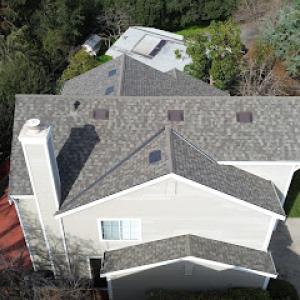
ELM Roofing Contractors
(510) 737-0883 elmroofingcontractor.com
2161 Shattuck Ave. #202, Berkeley, California
5.0 from 22 reviews
ELM Roofing Contractors - Trusted Roofers in San Mateo Since 2018 ELM Roofing Contractors has been providing top-quality roofing services in San Mateo, CA, and surrounding areas since 2018. Fully licensed and insured (C39 license), we specialize in roof replacements, repairs, and inspections for all roof types. Our skilled team works with leading roofing materials, ensuring durable results backed by a warranty. Each project is overseen by a dedicated manager to provide updates and ensure safety and quality. We offer free on-site consultations to assess your needs. Contact ELM Roofing Contractors today for reliable, professional roofing services you can trust!
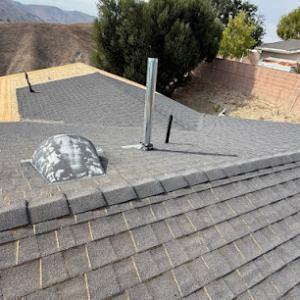
Bill's Roofing
(510) 313-5118 roofingberkeleyca.com
1444 Walnut St, Berkeley, California
5.0 from 11 reviews
Bill’s Roofing provides professional roofing services for residential and commercial properties in Berkeley, California, and nearby areas. Our skilled team specializes in roof installation, roof replacement, roof repair, roof inspection, and roof maintenance. We also handle roof leak repairs and restore roofs damaged by storms or high winds. With extensive experience in Berkeley’s unique climate and architectural styles, Bill’s Roofing delivers durable, efficient roofing solutions tailored to local homes and businesses, ensuring reliable protection and lasting performance on every project.

Sustainable Roofing Solutions
(510) 981-0415 www.sustainableroofingsolutions.com
2930 Shattuck Ave. #200-105, Berkeley, California
4.3 from 11 reviews
Eco-minded building contractor serving Berkeley and the greater Bay Area since 2004. We specialize in all-season friendly full roof restorations that extend roof life, plus leak repair, inspections, maintenance, and selective replacements. Local crew, clear estimates, and work designed for Bay Area conditions and to preserve our environment and save money for building owners.
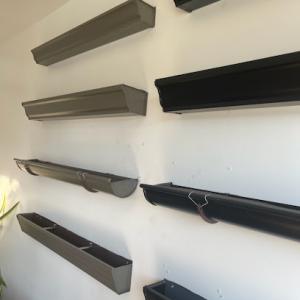
Sunshine Gutters
(510) 525-0880 www.sunshinegutters.com
1466 Seventh St, Berkeley, California
4.1 from 13 reviews
We are a local company preforming Rain Gutters Cleaning , maintenance, repair, tune up and installation al over the Bay Area California. We hold the highest standards in our trade, that is rain Gutters installation :) Call us now for a free estimate 510-525-0880

Advanced Roofing El Cerrito Works
(341) 230-1042 advancedroofingelcerritoworks.com
Serving
5.0 from 36 reviews
Advanced Roofing El Cerrito Works proudly serves El Cerrito, CA with reliable roofing and professional plumbing solutions, available 7 days a week. We handle roof inspections, leak repair, new roof installations, and long-term maintenance to keep homes protected. Alongside our roofing expertise, we provide complete plumbing services, including leak detection, pipe repair, drain cleaning, water heater service, faucet and fixture work, and full system troubleshooting. Our team focuses on honest service, quality workmanship, and fast response, helping local homeowners stay safe, comfortable, and stress-free. If you need trusted roofing or plumbing in El Cerrito, we’re here to help.

Atlas Roofing
(415) 625-4567 atlasroofingpro.com
Serving
5.0 from 83 reviews
Atlas Roofing is your trusted roofing expert in the San Francisco Bay Area. We specialize in new roof installations, roof replacements, roof repairs, and re-roofing services. Our team of skilled professionals is dedicated to providing top-quality craftsmanship and exceptional customer service. Whether you need a new roof for your home or a repair to extend the life of your existing roof, we have the expertise to get the job done right. At Atlas Roofing, we use only the highest quality materials to ensure your roof stands the test of time. Contact us today for a free estimate!
Armstrong Foam Roofing San Francisco Bay Area
(833) 425-1234 www.armstrong1234.com
Serving
4.5 from 31 reviews
Upgrade your Bay Area home and commercial building with Armstrong Foam Roofing, America’s #1 residential foam roofing installer. For 40+ years, we’ve specialized in flat and low-sloped roofs, providing seamless spray foam roofing systems that are 500% more energy-efficient than conventional roofs. Ideal for flat roofs, including Eichler homes, our monolithic barriers eliminate leaks and save up to 40% on heating and cooling bills, typically paying for themselves in 3-4 years. Using premium 3LB closed-cell foam, we ensure ultimate waterproofing and durability. We also offer expert painting and window services with industry-leading warranties. Book your free inspection, estimate, and consultation today!
Oakland Roofing Repair & Replacement
(510) 953-6617 oaklandroofingrepairandreplacement.xyz
Serving
5.0 from 11 reviews
Discover premium roofing supplies for every project at IronStonePro Roofing. Located at 418 42nd St, Oakland, this leading roofing supply store provides a comprehensive selection of high-quality materials. Whether you're a professional roofer or a DIY enthusiast, find everything you need to build a durable and beautiful roof. With a commitment to quality and a wide array of products, IronStonePro Roofing is your ultimate destination for all your roofing needs.
Citywide Roofing & Remodeling
(888) 933-5939 www.citywide-remodeling.com
Serving
4.8 from 70 reviews
CITYWIDE Roofing and Remodeling, where excellence meets reliability in roofing and remodeling services. As a family-owned business, we bring a personal touch and unwavering commitment to every project, ensuring that your home receives the care and attention it deserves. With years of experience under our belts, our team of skilled professionals excels in delivering top-notch roofing and remodeling solutions. We pride ourselves on our craftsmanship, using only the highest quality materials and the latest industry techniques to guarantee results that stand the test of time. Understanding the importance of affordability and convenience, we offer $0 financing options to make your home improvement projects more accessible.
Oakland Roofing Pros
(510) 405-0869 oaklandroofingpros.com
Serving
4.8 from 52 reviews
Oakland Roofing Pros is the preferred roofing company in Oakland, California. If you want to be sure that you can receive the best quality of roofing services possible, rely on our experienced roofers. They have received the necessary training and have the skills needed to effectively address your service needs. Not every roofing company will offer the same quality of service that we do, as we always strive to live up to our reputation. We have established ourselves as the most reliable and effective roofing company, which we take pride in. We wouldn’t do anything to jeopardize our reputation, which is why you can be sure that you will always receive the best services possible.

Bay Area Roofing Team
(510) 398-4806 bayarearoofingteam.com
Serving
5.0 from 5 reviews
Bay Area Roofing Team is a trusted roofing company based in Oakland, CA, proudly serving homeowners and businesses throughout the East Side of San Francisco Bay Area. We specialize in roof installation, roof repair, roof replacement, and roof inspection, delivering reliable workmanship and lasting results. Whether you need a new roof, leak repair, or routine maintenance, our team is committed to quality service, transparent communication, and customer satisfaction. Count on Bay Area Roofing Team for professional roofing solutions that protect your property and enhance its value.
In the hillside neighborhoods, access is tighter, driveways may be steeper, and debris hauling can require more planning and equipment. Flatland properties often present easier staging and faster material handling but still demand careful attention to runoff and street debris. Those access differences can swing labor intensity and the crew's time on site, which translates directly into the bottom line. When budgeting, expect higher labor cost components on the hillsides and consider staged material delivery to avoid double handling. In practice, that means your final square-foot price can drift a bit depending on whether your roof crowns a slope or sits above a broad, level yard.
Older homes tend to reveal more during a reroof: damaged decking, ventilation channels that need correction, or sheathing that requires upgrading to meet current performance expectations. In Berkeley, that often shows up as an additional line item for decking and ventilation corrections before any pass is issued. The result is not just a bigger material bill but a longer project timeline. If your roof has visible age cues-soft spots, sagging sections, or unusual decking layouts-set aside a contingency for decking work and potential repointing or re-sealing of eaves.
Berkeley homeowners balance a few practical considerations when selecting materials: longevity, appearance, and how the material will photograph against the neighborhood streets and old-growth trees. Asphalt shingles remain the most common entry point, with a typical cost range per square of roughly 450 to 850 dollars. Premium options exist: metal roofing, concrete or clay tiles, synthetic or composite shingles, and even slate, each carrying its own value proposition. Metal runs higher on the front end but can offer better long-term durability and wind resistance in exposed hill zones. Clay and concrete tiles give a distinctive look and excellent longevity but require a strong deck and precise installation. Slate is the premium end, delivering remarkable life but at a steep upfront cost and a heavier load. In practice, your selection should reflect how long you plan to stay, how you want the roof to wear in the Bay's damp winters and spring winds, and how much documentation your insurer expects for proof of durable, code-compliant construction.
Given the mix of housing styles and the seasonality of Berkeley's wet winters, timing a reroof to align with the typical work window helps shrink the overall cost. If you're weighing asphalt versus tile or metal, think not only about initial price but also maintenance cycles, potential decking work, and the ease of future inspections. Insurance documentation needs can guide your choice toward materials with clear performance records and widespread local familiarity. In practice, this means evaluating your roof's slope, weight tolerance, and how a given material ages under Berkeley's climate and tree cover, then matching those factors to a cost framework that accounts for possible decking corrections and the specific access challenges of your property.
Get a clear picture of your project costs upfront - no commitment required.
Sunshine Gutters
(510) 525-0880 www.sunshinegutters.com
1466 Seventh St, Berkeley, California
4.1 from 13 reviews

Armstrong Foam Roofing San Francisco Bay Area
(833) 425-1234 www.armstrong1234.com
Serving
4.5 from 31 reviews
A full roof replacement requires a building permit through the City of Berkeley Building Division. The permit process is designed to ensure that weatherproofing, ventilation, and structural changes meet local standards, particularly on hillside homes and older structures common in this area. The city's review tends to be more thorough than a simple tear-off and replace, so plan for a project timeline that accounts for the permit intake and inspection sequence.
Applicants typically submit roofing plans and underlayment specifications as part of the permit process. Plans should clearly show roofing material type, fastening methods, ventilation Strategy, and any decking work. Underlayment details must align with Berkeley's expectations for moisture control and fire resistance. Having precise drawings and product specs ready can smooth the review, reduce back-and-forth with the plan reviewer, and help prevent delays that are common during wet-season scheduling.
Berkeley inspections commonly include a pre-installation inspection and a final inspection. A pre-installation check may confirm that the roof deck is sound, that ventilation provisions meet code, and that any required decking or framing corrections are feasible before shingles or tiles go on. The final inspection verifies installation quality, proper flashing, and the overall watertight condition of the roof after the project is completed. The city may require decking or ventilation corrections as a condition of approval, so be prepared for adjustments identified during these inspections.
Because Berkeley's wet winters can complicate access and inspection windows, coordinate your permit submission to align with the weather and the city's inspection cycle. Scheduling ahead helps avoid weather-related delays and the need for temporary protection measures during rain events. Communicate clearly with your roofer about the anticipated pre-installation inspection window and any decking or ventilation corrections that might come up, so the project can progress smoothly once the permit is issued.
In California's current insurance environment, homeowners in this city may face tighter underwriting, premium increases, or limited new-policy options depending on carrier and property risk profile. The mix of hillside terrain and older construction means insurers weigh factors like roofing age, ventilation, and attic condition more carefully. If the roof is overdue for upgrades or shows signs of wear that could influence wind, water intrusion, or seismic risk, a policy renewal may come with added questions or scrutiny. The practical takeaway is to approach the roof project with the understanding that your carrier may treat it as a risk assessment rather than a straightforward replacement.
Roof replacements in this town can trigger requests for detailed bids, photos, decking condition notes, and a defined ventilation scope rather than simple proof of completion. Your insurer may ask for a line-by-line estimate, close-up shots of decking and underlayment, and a documented plan for addressing ventilation and attic air flow. The goal from the carrier's perspective is to verify that the new roof integrates with contemporary ventilation and moisture control standards, particularly if existing ventilation was inadequate or if decking requires correction during inspection. Prepare for a comprehensive package that demonstrates how the project mitigates risk across the entire roof assembly.
Because reroofs often uncover correction items during permit review or inspection, homeowners should keep organized records of change orders, inspection results, and final photos. A meticulous file helps you respond quickly to insurer requests and reduces the chance of miscommunication about what was corrected and why. In this climate, where wet winters and spring winds test roofing systems, clarity about what was repaired, upgraded, and verified matters as much as the visible new shingles. Establish a simple, dated archive early in the process to minimize post-project friction with your insurer and your next renewal.
Connect with contractors who help homeowners navigate the claims process from damage assessment to final approval.
Citywide Roofing & Remodeling
(888) 933-5939 www.citywide-remodeling.com
Serving
4.8 from 70 reviews
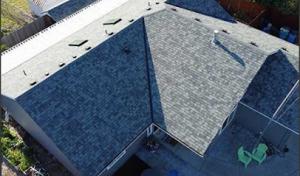
When a reroof is in the works, you should map the project with future solar decisions in mind. In Berkeley, the overlaps between roof work and solar changes mean flashing layout and roof-life timing become real factors before panels are installed or reinstalled. Start by confirming where electrical penetrations will run, how the array will bear on roof edges, and whether any roof areas will need re-flashing after a panel layout is drawn. If solar is a long-term plan, coordinate with the roofer to leave clean, well-sealed transitions that won't require major rework when panels arrive or are relocated.
Homes with mixed roof planes, skylights, and older penetrations demand early reroof details. Flag every chimney, vent, and skylight in the plan and ensure flashing at these points is integrated with the intended solar racking. The roof deck choice should support the planned panel system without stressing critical seams. In Berkeley's climate, a careful approach to flashing continuity across transitions-valleys, hips, and polygonal edges-limits surprises after a first winter of solar exposure. The goal is to avoid retrofit patching later by getting the flashing layout and deck reinforcement right at the outset.
Choosing a roof system with a service life that matches planned solar ownership is especially relevant in a replacement-focused market. If panels are expected to be on the house for decades, select materials with longevity that won't force a reroof mid-system life. For mixed roof lines, prioritize products that maintain consistent substrate support, maintainability, and a predictable re-roof window so solar equipment can be added or upgraded without a full teardown. The result is a smoother transition from roof replacement to solar integration, with fewer mid-life surprises that disrupt energy plans.
Find contractors who integrate solar panels or solar shingles into your roof for long-term energy savings.
Citywide Roofing & Remodeling
(888) 933-5939 www.citywide-remodeling.com
Serving
4.8 from 70 reviews