Last updated: Apr 19, 2026
Late spring through early fall is the typical reroof window for this area. The combination of Bay Area pattern-a mild, wet winter and a dry summer-means most reroofing work can proceed when the weather is reliably dry and temperatures are moderate. In practice, that means aiming for a stretch from roughly March through September, with a preference for finishing before the first heavy autumn winds and rains roll in. This timing helps crews avoid the steeper, wetter months while giving you a longer stretch of predictable, workable days. If a roof needs replacement on an older hillside home in El Cerrito, aligning the schedule to this window minimizes the chance that work is stalled by unexpected weather and reduces the risk of moisture-related setbacks to underlayment and sheathing.
Winter rains, roughly from November through February, can turn small defects into active leaks on aging roofs before replacement crews can work continuously. For homes with aging sheathing or prior repairs, even a light shower can reveal vulnerable spots that weren't obvious during dry spells. On hillside properties, the pattern of foggy, damp mornings can extend the perception of wet conditions into the afternoon, slowing the progress of installation and drying times for new materials. If a project is scheduled to start in late fall or winter, you should expect more frequent weather-related pauses and a likelihood of longer overall project duration. Planning with this reality helps you protect interior spaces and avoid uneven decking or sheathing exposure during a cold, wet stretch.
Coastal fog and humidity in spring can slow drying and affect installation conditions even when rainfall is light. Fog can keep decks and sheathing damp longer than the calendar rain would suggest, particularly on older, porosity-prone materials. Drying times for underlayment and roof decks can extend, which in turn influences fastening schedules and the sequence of shingle or tile installation. In practical terms, this means you should anticipate lighter, more frequent setbacks during late spring fog cycles, especially on higher-elevation sections of hillside homes where air circulation is cooler and humidity lingers. If a crew is moving from one phase to another-sheathing, then underlayment, then surface roofing-these stages may slow down by a day or two here and there, rather than shutting the job entirely.
For an aging roof, the goal is to lock into a continuous stretch of dry days to respect material warranties and ensure proper curing of underlayment and fasteners. When feasible, schedule start dates to hit the late spring to early fall sweet spot, prioritizing a dry spell that stretches into at least two to three consecutive weeks of favorable weather. On hillside homes, extra care with decking inspection and potential sheathing repairs should be part of the plan before any new roofing material is installed. If winter work cannot be avoided, coordinate with the crew to stage key tasks during dry days, and prepare for possible temporary protection measures around openings and gutters to minimize water intrusion during inevitable rain events.
You should verify that the roof surface has adequate ventilation and that any pre-existing moisture issues are addressed before crews begin: this minimizes the risk of trapped humidity under new underlayment and between shingle layers. Discuss with the contractor how they handle fog-related drying delays and what on-site measures they will take to keep decking dry between stages. When fog or drizzle lingers, you may want to defer nonessential tasks that require a completely dry surface, such as certain adhesive-based installs or tile bedding, until promised dry windows return. Finally, set realistic expectations for the timing of work in springtime fog cycles, and plan interior fixtures and cosmetic timelines to avoid unnecessary disruption if a pause becomes necessary.
On hillside neighborhoods, roof access is more constrained than on flat lots. You'll find steeper pitches, tighter driveways, and limited space for staging materials. The path from street to eave often requires careful planning to keep debris off the slope and out of drainage paths. Prioritize a dedicated, protected landing zone for shingles and underlayment, and coordinate drop-off points that minimize site runoff. Be prepared for longer setup and teardown times when crews need to maneuver ladders, scaffolding, and equipment around tight angles and over uneven terrain. Small missteps can cascade into delays and increased material handling challenges, especially after wet spells that make the footing slick.
Much of the housing stock predates modern reroof practices, so tear-offs frequently uncover deteriorated sheathing or framing. What starts as a straightforward replacement can shift mid-project when soft spots, warped boards, or rusted fasteners reveal themselves behind the roof deck. That hidden damage can expand the scope, extend timelines, and demand a revised approach to waterproofing and ventilation. The risk isn't just material; it's structural. Expect boards to test differently than they look, and plan for contingencies if the deck or rafters show signs of dry rot or prior improper repairs. The encounter between old sheathing and new underlayment often requires adjustments to fastener patterns, drip edge, and roof-to-wall connections to maintain long-term performance.
When structural work is required, the project typically moves beyond a simple reroof permit and triggers plan review with the Building Division. That means more notice, more coordination with inspectors, and a longer timeline before and after work begins. In practice, a hillside home with an aging roof may transition from a cosmetic refresh to a partial replacement of decking, framing elements, or connections to the attic and eaves. Understand that the presence of existing restraints, such as limited attic access or compromised bracing, can influence both the methods used and the materials selected. The consequence is not just a bigger bill, but a more intricate schedule that hinges on engineering input and review cycles.
El Cerrito's wet season and fog-driven moisture exposure shape every reroofing decision on hillside homes. Scheduling around winter storms reduces the chance of weather-related damage, splash-back moisture, and mud that complicates access and debris removal. Fog can leave surfaces damp longer into the day, which slows adhesion of sealants and flashings and increases the likelihood of surface contamination on the deck and underlayment. You'll want to monitor daily forecasts closely and plan for potential rain delays that force temporary sheltering of underlayment and tools. Because these houses often hinge on precise drainage and micro-slope grading, even small rain events can influence how quickly a roof can be dried in and made watertight. A cautious, staged approach helps avoid costly rework caused by moisture intrusion or rushed repairs.

Atlas Roofing
(415) 625-4567 atlasroofingpro.com
7509 Potrero Ave, El Cerrito, California
5.0 from 83 reviews
Atlas Roofing is your trusted roofing expert in the San Francisco Bay Area. We specialize in new roof installations, roof replacements, roof repairs, and re-roofing services. Our team of skilled professionals is dedicated to providing top-quality craftsmanship and exceptional customer service. Whether you need a new roof for your home or a repair to extend the life of your existing roof, we have the expertise to get the job done right. At Atlas Roofing, we use only the highest quality materials to ensure your roof stands the test of time. Contact us today for a free estimate!

Advanced Roofing El Cerrito Works
(341) 230-1042 advancedroofingelcerritoworks.com
8644 Don Carol Dr, El Cerrito, California
5.0 from 36 reviews
Advanced Roofing El Cerrito Works proudly serves El Cerrito, CA with reliable roofing and professional plumbing solutions, available 7 days a week. We handle roof inspections, leak repair, new roof installations, and long-term maintenance to keep homes protected. Alongside our roofing expertise, we provide complete plumbing services, including leak detection, pipe repair, drain cleaning, water heater service, faucet and fixture work, and full system troubleshooting. Our team focuses on honest service, quality workmanship, and fast response, helping local homeowners stay safe, comfortable, and stress-free. If you need trusted roofing or plumbing in El Cerrito, we’re here to help.
Roof City
(916) 540-6876 roofcityprofessionals.com
Serving
5.0 from 23 reviews
At Roof City, we are trusted roofing contractors serving Rio Linda, CA, providing expert solutions for both residential roofing and commercial roofing needs. From minor roof leak repair to full roof replacement, our skilled team ensures your property stays safe and protected. We specialize in emergency roof repair, flat roof repair, and shingle roof replacement, delivering fast, reliable service when you need it most. Our comprehensive roof maintenance programs help extend the life of your roof and prevent costly damage. Whether it’s routine inspections, repairs, or complete installations, Roof City provides professional, high-quality roofing services tailored to your home or business. Contact us today for more information and
Frontline Roofing
(530) 402-3246 frontlineroofing.com
Serving
4.8 from 20 reviews
Frontline Roofing, located at 12669 San Pablo Ave Suite 107, is your trusted roofing contractor providing top-notch roofing services in Lake Elsinore, California. Specializing in both residential and commercial roofing, our dedicated team excels in roof repair, replacement, and maintenance, ensuring lasting durability and aesthetic appeal. We proudly offer diverse solutions including metal roofing, flat roofing, and energy-efficient commercial systems. Rated 4.9 stars by our clients, our expert craftsmanship, prompt service, and free quotes make us the go-to choice for "roofing near me." Contact us today for reliable roofing solutions tailored to your needs.
Bill's Roofing
(510) 313-5118 roofingberkeleyca.com
Serving
5.0 from 11 reviews
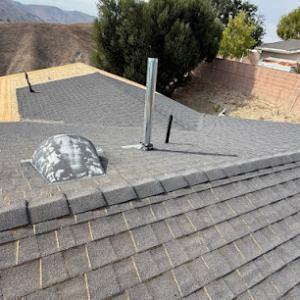
Bill’s Roofing provides professional roofing services for residential and commercial properties in Berkeley, California, and nearby areas. Our skilled team specializes in roof installation, roof replacement, roof repair, roof inspection, and roof maintenance. We also handle roof leak repairs and restore roofs damaged by storms or high winds. With extensive experience in Berkeley’s unique climate and architectural styles, Bill’s Roofing delivers durable, efficient roofing solutions tailored to local homes and businesses, ensuring reliable protection and lasting performance on every project.
ELM Roofing Contractors
(510) 737-0883 elmroofingcontractor.com
Serving
5.0 from 22 reviews
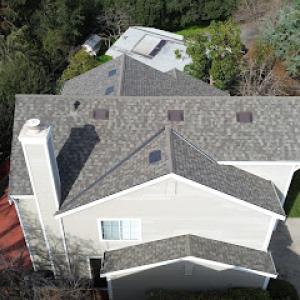
ELM Roofing Contractors - Trusted Roofers in San Mateo Since 2018 ELM Roofing Contractors has been providing top-quality roofing services in San Mateo, CA, and surrounding areas since 2018. Fully licensed and insured (C39 license), we specialize in roof replacements, repairs, and inspections for all roof types. Our skilled team works with leading roofing materials, ensuring durable results backed by a warranty. Each project is overseen by a dedicated manager to provide updates and ensure safety and quality. We offer free on-site consultations to assess your needs. Contact ELM Roofing Contractors today for reliable, professional roofing services you can trust!
Pablo Restorations Roofing
(510) 671-6161 pabloroofingca.com
Serving
5.0 from 23 reviews
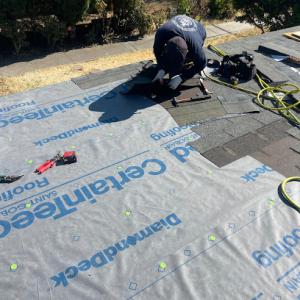
Pablo Restorations Roofing is your trusted roofing contractor serving Richmond, CA, and surrounding areas. Specializing in asphalt shingle roofs, flat roofing, and metal roofing, we provide tailored solutions to meet your roofing needs. Whether you need expert roof leak repair, a thorough roof inspection, or a full roof installation, our experienced team delivers exceptional craftsmanship and reliable results. Committed to quality and customer satisfaction, we ensure durable, long-lasting roofs that protect your home or business. With Pablo Restorations Roofing, you can expect prompt service, competitive pricing, and peace of mind. Contact us today to secure your property with a roof built to last!
Sunshine Gutters
(510) 525-0880 www.sunshinegutters.com
Serving
4.1 from 13 reviews
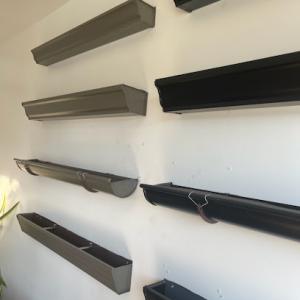
We are a local company preforming Rain Gutters Cleaning , maintenance, repair, tune up and installation al over the Bay Area California. We hold the highest standards in our trade, that is rain Gutters installation :) Call us now for a free estimate 510-525-0880
VRC Roofing
Serving
5.0 from 9 reviews
VGR Roofing is your local and family operated roofing contractor and we are here to serve you as you deserve. We are specializing in metal roof, torch down roof, asphalt shingles, roof tiles, slate. etc etc, we are professional, clean. we love the work we do and will always strive to provide the best customer experience with best quality possible
Planchon Roofing
(510) 235-4056 www.planchonroofing.com
Serving
4.5 from 30 reviews
Planchon Roofing is a reliable roofing company in San Pablo, CA, providing fast and professional solutions to protect your home or business. We specialize in emergency roofing service, responsive roof repairs, and comprehensive maintenance to prevent future damage. Our licensed team works with quality materials and proven techniques to ensure lasting results on every project. Unique advantages include rapid response times, honest estimates, insurance assistance, and craftsmanship backed by experience. From minor leaks to major repairs, we prioritize safety, durability, and customer satisfaction. Contact Planchon Roofing today for prompt, dependable roofing support when you need it most.
Apex Line Roofers Service
Serving
4.9 from 7 reviews
Apex Line Roofers Service, located at 13728 San Pablo Ave, San Pablo, CA 94806, United States, stands as a premier roofing supply store. We are dedicated to providing top-quality materials for all your roofing needs. From durable shingles to essential accessories, our extensive inventory ensures professionals and DIY enthusiasts alike find exactly what they require for a successful project. Trust Apex Line for reliable products that build lasting roofs.
Bay Area Roofing Master
(510) 373-3161 www.bayarearoofingmasters.com
Serving
5.0 from 45 reviews
Bay Area Roofing Master has been recognized as a top Roofing Contractor in the Bay Area. We provide a wide range of services for all kinds of roofing needs. Whether you’re looking to work on an existing space or undertake a bigger project, we guarantee that we can help you achieve the results you seek. Our number one priority is happy customers through quality work. Contact your friends at Bay Area Roofing Master for a quote.
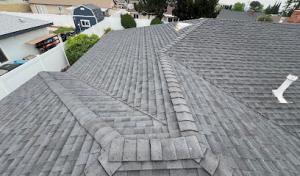
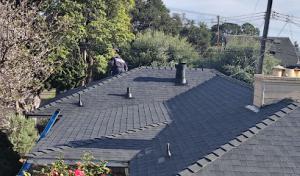
Asphalt shingles remain the dominant local choice, fitting the city's large stock of conventional pitched residential roofs at the lowest provided cost range. For hillside homes that experience frequent damp mornings and fog-driven moisture, asphalt shingles offer reliable, straightforward installation with compatible underlayment and ventilation strategies. In this climate, the key practical detail is ensuring a high-quality underlayment and a well-sealed edge detail at valleys and penetrations to minimize the chance of moisture wicking into the decking during the wet season. Shingle roofs also respond well to staged reroofing, which can be important when older homes reveal framing or sheathing issues once the old roof comes off. When selecting asphalt, pay attention to warranty terms related to freeze-thaw exposure, even though Bay Area winters are mild, and confirm compatibility with vented or unvented attic schemes typical of older hillside construction. For El Cerrito homeowners, the combination of ease of repair, broad availability of local crews, and a wide range of color and profile options makes asphalt shingles a practical, no-nonsense choice that aligns with the area's typical roof geometry.
Clay and concrete tile remain relevant in El Cerrito, especially on homes with a more classic or Mediterranean-inspired aesthetic, and on structures that benefit from long-term durability in sun exposure. These tiles add distinct curb appeal while offering good longevity when properly installed. However, on older hillside homes, weight considerations matter more on reroofing projects, particularly if the deck or framing shows signs of stress or age. Before choosing tile, have a structural review focused on joists, sheathing, and the potential need for additional support or bracing. Also plan for a careful rain-season installation window to avoid compounding moisture exposure in the attic and to ensure proper integration with existing flashing and valley details. Clay and concrete tiles perform best when the roof deck is solid and the attic is coupled with effective ventilation to prevent condensation along the roof plane during foggy mornings. If weight and structural readiness are addressed, these tiles can deliver excellent long-term performance with a distinctive profile that complements older hillside homes.
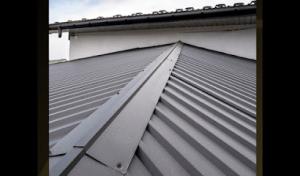
Metal roofing is present in the market and can appeal on exposed sites where dry windy periods accelerate wear on vulnerable roof components. For El Cerrito's exposed eastern and hillside sections, metal panels or standing-seam systems can offer robust performance against wind-driven debris and rapid drying after fog events. The lightweight nature of metal relative to tile reduces some structural loading concerns, but still requires a careful assessment of existing framing and deck integrity. Metal also tends to respond well to reflective coatings and proper attic ventilation, which helps moderate attic temperatures during warm periods and can contribute to a more comfortable interior year-round. For homes that experience frequent moisture fluctuations, metal's rigidity benefits from a well-sealed ridge line and enhanced underlayment to prevent condensation issues. If choosing metal, work with a local roofer who understands how coastal fog ingress can interact with seals and joints over time, and who can tailor fastening patterns to the roof slope and exposure characteristic of the property.
On older homes, reroofing often intersects with sheathing and structural review, making it essential to view the project as a holistic retrofit. Regardless of the chosen material, prioritize a high-quality vapor barrier strategy, robust attic ventilation, and careful detailing at penetrations, skylights, and chimney transitions. The fog-driven moisture in the Bay Area corridor can linger in the roof assembly, so plan for a precise installation window that minimizes prolonged exposure to wet conditions during work. For hillside properties, ensure that drainage around the perimeter is reinforced to prevent winter runoff from pooling near the deck and existing framing. In El Cerrito, the right combination of material selection, structural readiness, and moisture-conscious detailing can yield a durable, aesthetically pleasing roof that stands up to the local climate and aging inventory, while preserving the character of established hillside neighborhoods.
When you price a replacement, start with the material itself. Asphalt shingles typically run from about 450 to 850 USD per square. Metal roofing tends to be 700 to 1100 per square. Clay tile is commonly 1000 to 1800 per square, while concrete tile sits around 900 to 1700 per square. Wood shingles or shakes usually fall in the 800 to 1300 per square range, and synthetic or composite shingles are commonly 650 to 1100 per square. These ranges reflect El Cerrito's mix of hillside homes and denser older stock, where the roof plane angles and existing deck arrangements can influence the final tally. If pricing is laterally tight between two options, the long-term performance under Bay fog and winter rain can tilt the decision toward products with proven moisture resistance and longer life in hillside exposure.
Costs in a hillside parcel can rise because access for trucks, material staging, and debris removal is more limited than on level suburban lots. Narrow driveways, tighter turns, and blocked egress can push crane or ladder work and manual lowering into higher labor time. Debris containment and cleanup may also be more involved when older homes have existing vegetation, parapets, or partial trim that complicates disposal. Factor in these logistics when you're estimating a budget and choose a contractor who can outline a clear staging plan that keeps the hillside work safe and efficient.
Older structures are a common reality here, and tear-off work frequently reveals deck replacements or structural corrections. If sheathing shows moisture damage or rot, or if the roof framing needs reinforcement, you'll see pricing lift beyond the standard material and labor. These scenarios require careful inspections and potential retrofits, which can add days or weeks to the project timeline and push costs upward. This is especially true on hillside parcels where access to the attic and framing may require targeted shoring or temporary supports.
El Cerrito's wet season and fog-driven moisture exposure demand strategic scheduling. Start planning ahead so the bulk of tear-off and replacement can occur during the relatively drier windows between late spring and early fall, while still avoiding peak foggy stretches that slow work. If a project must bridge the wet season, prioritize moisture management: thorough dry-in time, careful insulation, and roof edge detailing that resists winter ingress. On older homes, coordinating deck or structural corrections before the full roof installation helps avoid backtracking and keeps the project on track.
Get a clear picture of your project costs upfront - no commitment required.

Atlas Roofing
(415) 625-4567 atlasroofingpro.com
7509 Potrero Ave, El Cerrito, California
5.0 from 83 reviews
A full roof replacement in this city typically requires a building permit through the City's Building Division. That means you'll submit plans, pay the permit fee, and schedule reviews before any shingles or underlayment are replaced. The Building Division expects careful attention to how the roof interfaces with existing sheathing, rafters, and attic ventilation-especially on the older hillside homes common in this area. If you're reroofing a simple, straightforward panel swap with no structural changes, you still go through the permit process, and you'll want to have a clear scope of work ready for review to avoid delays.
Inspections are generally scheduled during the job and again after completion to verify code compliance. Expect at least one inspection during the roof installation to confirm proper underlayment, flashing details at valleys and chimneys, and attachment methods for the chosen roofing material. A final inspection ensures the new roof meets local wind, fire, and drainage requirements, and that any new penetrations or ventilation work are correctly integrated with the attic and soffit systems. The foggy, damp conditions typical of the Bay Area can influence moisture-related checks, so ensure decking and sheathing were sound prior to starting and that no retroactive moisture barriers were overlooked.
If the reroof includes structural work-such as replacing damaged decking, reinforcing rafters, or altering the roof slope or load path-the city typically requires plan review rather than treating it as a straightforward replacement. In practice, that means you'll submit structural drawings prepared by a licensed professional, and the review may involve additional consultations or revisions. Plan review helps ensure the work integrates safely with the existing hillside framing and supports long-term performance against winter rain and fog-driven moisture. Be prepared for a longer lead time if structural components are touched, and coordinate with your contractor to align material selections with the approved plans.
Before you file, gather photographs of the existing roof, notes on any prior repairs, and a clear description of any proposed decking or structural changes. Communicate anticipated weather-sensitive milestones with your contractor to minimize exposure during the wet season. Since inspections hinge on progress, set up a practical sequence with your roofer so critical steps-underlayment installation, flashing, and final ventilation checks-occur in a predictable, inspection-friendly order.
El Cerrito homeowners are affected by California's broader insurance tightening tied to wildfire risk and high reinsurance costs, even when the immediate roof issue is a leak rather than a fire loss. The Bay Area's wildfire season and drawn-out fog-driven moisture exposure on older hillside homes push underwriters to reassess risk across the board. This means a roof that leaks could trigger closer scrutiny of the whole envelope, including sheathing and attic ventilation, before a policy is renewed or a claim is evaluated.
Insurers may look more closely at roof age, prior claims, and maintenance history before renewing coverage or evaluating a claim. In practice, that can translate into requests for stronger documentation: photographs of the roof and attic space, dates of past repairs, and notes on any preventive work like de-icing, sealing, or water intrusion mitigation. In some cases, adjuster site visits are requested to verify conditions firsthand, especially on older structures where moisture has played a long role in deterioration. Expect communications to emphasize preventative maintenance as part of risk assessment.
In this market, having clear, organized records helps, because the focus often shifts from the leak itself to the surrounding risk factors. Gather recent service receipts, contractor assessments, and any evidence of ongoing moisture control efforts. If you've had prior leaks, documentary proof of repairs and the outcomes matters. For homeowners facing a claim, be ready to provide a concise history of the roof's performance, maintenance cadence, and any factors that could influence future risk, such as the hillside exposure and seasonal fog patterns that are common here. This proactive documentation can smooth renewals and support a fair evaluation when a claim is needed.
Connect with contractors who help homeowners navigate the claims process from damage assessment to final approval.

Citywide Roofing & Remodeling
(888) 933-5939 www.citywide-remodeling.com
Serving
4.8 from 70 reviews
In this hillside community, local contractor signals show meaningful demand for skylight work, and leak-prone roof penetrations are a real homeowner concern in this market. If you're planning a reroof or a retrofit, expect questions about skylight placement, flashing detail, and how penetrations interact with existing sheathing. A careful inspection should verify that the roof deck around any skylight is dry, structurally sound, and able to support the load of new penetrations without compromising the surrounding slope conditions. The take-away: prioritize high-quality flashing kits and precise sealing where any light well or vent enters the roof line.
Flat and low-slope expertise is active locally even though pitched roofs dominate, which matters for additions, porches, garages, and mixed-roof homes. For low-slope sections, ensure proper drainage and correct transitions where the flat portion meets a steeper roof. In hillside homes, moisture can pool at transitions, so verify deck-drainage slope and confirm that membrane seams are fully sealed. When a low-slope element ties into a pitched main roof, plan for mirrored or staggered flashing that sheds water away from the main deck and frames. For additions, coordinate the geometry early with the roofer to avoid awkward overlaps that create hidden pockets of moisture.
Solar roofing appears as a live specialty in the local market, so reroof planning may need to account for existing or future panel integration. If solar is on the horizon, consider panel layout in relation to existing skylights and vents to minimize shading and reduce penetrations. Choose a roof profile and flashing detail that accommodates rail systems without compromising the integrity of the membrane. For older hillside homes, ensure the roof deck can bear the cumulative load of panels, and discuss any needed reinforcements before installation. The objective is a seamless integration that preserves attic ventilation and does not trap moisture near penetrations.
Find contractors experienced in skylight installation, flashing, and leak repairs to bring natural light into your home.