Last updated: Apr 19, 2026
Sanger sits in the hot interior San Joaquin Valley, where prolonged summer heat and UV exposure are a primary driver of roof aging. The sun's relentless glare can bake shingles, accelerate granule loss, and dry out underlayment faster than in milder climates. That reality shapes every step of planning a tear-off or replacement, from material choice to how long the job stays exposed to the sky. When the heat is at full tilt, the roof deck and fasteners experience more stress, and you'll notice the effects most on asphalt and composite products that rely on adhesive bonds and rapid sealant curing. In this setting, the timing of the work becomes as important as the materials chosen.
Local re-roof work is commonly planned for dry months because underlayment installation and shingle adhesive performance are more reliable outside the winter rainy period. In practice, that means scheduling tear-offs and installations when there's little to no rain risk and temperatures aren't pushing the upper limits of comfort for workers and for the materials themselves. The dry-season window minimizes moisture-related delays, reduces the chance of adhesive failure on ridge caps or shingles with pressure-sensitive asphalt, and helps you avoid back-to-back drying times that can compromise the warranty. For homeowners, this translates into clearer timelines and fewer weather-driven interruptions, which is especially helpful when coordinating with a crew that is juggling multiple projects in late spring and early fall.
The heat and dust in the valley amplify the need to favor durable, UV-resistant materials and color choices that reflect sun rather than absorb it. Lighter, reflective finishes can cut heat buildup under the panels and in attic spaces, extending the life of both the roofing system and the insulation beneath. Tile options-whether clay or concrete-or metal systems with reflective coatings tend to fare well under Sanger's sun, but each carries its own installation quirks in hot weather. Concrete and clay tiles tolerate heat well but demand careful attention to deck condition and fastener compatibility to prevent micro-fractures in the tile from heat cycling. Metal roofs, with their broad color palettes, offer robust resistance to heat and wind, yet require precise panel alignment and sealant application to keep through the valley's dusty spring. Asphalt or synthetic shingles can perform reliably when installed during the dry-season window, provided the adhesive is allowed to cure in proper temperatures and humidity ranges.
Spring wind events in the valley can disrupt tear-offs and expose roof decks to blowing dust and debris during active replacement. If a storm track rolls through early in the project, you may see tarps billow, fasteners loosen, or underlayment shifts. The practical response is to stage a replacement so that critical windows-tearing off old materials, securing the deck, applying underlayment, and laying the first courses of shingles-happen during calmer days. Don't rely on a string of calm afternoons; instead, build contingencies into the schedule for quick tarp re-securement and debris control if a wind front arrives. Debris mesh and edge protection on the eaves go a long way to keeping the interior cleaner and preventing dust intrusion into gutters and vents.
Because the deck is exposed to the valley's sun and blowing dust during active work, protect it during the tear-off sequence. If a full roof replacement is scheduled, ensure the deck is inspected for moisture or swelling indicators that could signal latent water intrusion when the underlayment comes off. A sound deck saves you from having to pull up fasteners later due to substrate movement. During the dry season, aim for uninterrupted sequences: remove, patch, and re-shingle with rapid cure products when applicable, so you minimize the period of exposure. Finally, coordinate any vent or attic access work with the crew to avoid repeated openings that invite heat loss and dust ingress, which can undermine the project's efficiency and the roof system's longevity once the job is complete.
In Sanger, the roofing landscape blends asphalt shingles, clay tile, concrete tile, metal, wood shakes, and synthetic/composite shingles. Tile and shingles are both common, reflecting a town that values traditional California looks while facing the realities of long dry periods and scorching sun. The neighborhood mix means you often see a tile roof on heritage-style homes paired with flatter shingle profiles on newer builds, each presenting unique maintenance concerns as the seasons shift.
Tile roofs stand up well to sun exposure, which makes them a familiar choice for hot inland days. The visible tiles can outlast the waterproofing layer beneath, so paying attention to the underlayment, flashing, and deck integrity is essential. In practice, that means during a re-roof or refresh, you'll want to confirm that the underlayment has the heat resistance and longevity to keep water out when temperatures push well into the 90s and beyond. If you see curling underlayment or signs of moisture trapped beneath a tile, address the waterproofing layer as a priority while the tiles are off. Regular inspection after the hottest months helps catch wear before it becomes a leak.
Asphalt shingles remain a common pick because they are the lowest-cost major option in the local material mix, especially for budget-conscious re-roofing. They respond quickly to spare-precipitation needs and can be a practical stopgap if rapid project timelines are a factor. However, in Sanger's heat, you'll want to verify that higher-quality, lighter-colored asphalt shingles are chosen to reduce heat absorption and extend their service life. Pair any asphalt roof with solid attic ventilation and a well-sealed ridge line to minimize heat buildup and shorten the life cycle of the deck and underlayment.
Because the dry season dominates the calendar, plan major roofing work for late spring through early fall when showers are rare and temperatures, while high, are predictable. A well-timed re-roof aims to complete before the worst heat peaks, protecting the underlayment and any deck sheathing from extended sun exposure during installation. If you're choosing tile, expect longer installation times and a slower pace to accommodate careful tile alignment and waterproofing checks. For shingles, ensure you opt for a product with heat-reflective properties and confirm that attic ventilation remains adequate after the new roof goes on. In either case, a thorough inspection of gutters, chimneys, and vent stacks before the project begins helps prevent post-install surprises when the heat reclaims the season.
Find contractors who specialize in clay and concrete tile roofs, known for their durability and curb appeal.
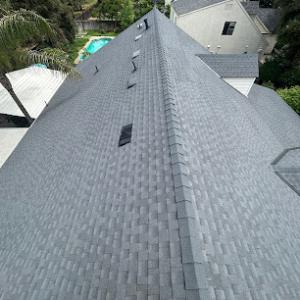
CJM Roofing
(559) 826-0070 cjm-roofing.com
Serving
5.0 from 139 reviews
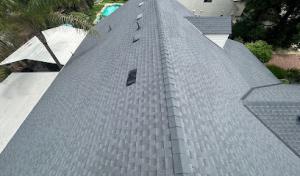
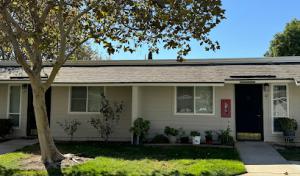
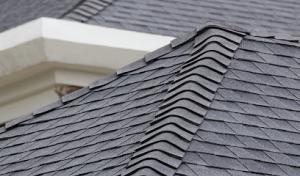
Protect your largest investment with our reliable roofing services. We are a locally owned and operated roofing company currently serving Fresno, CA and surrounding communities. If you want to make your roof last as long as possible, it is vital that you never put off a roof repair. Small issues with roofing become big issues in a hurry. No matter how major or minor the repair you need, we are here to help. We offer roofing contracting, roof installation, and asphalt shingle roofing.
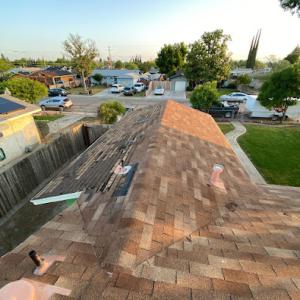
Avalos Roofing
Serving
4.8 from 10 reviews
Welcome to our roofing page! We are dedicated to providing top-quality roofing services for your residential or commercial property. From minor repairs to full roof replacements, we've got you covered. Our team of experienced professionals uses only the highest-quality materials and the latest techniques to ensure that your roof is not only durable and long-lasting, but also looks great. We pride ourselves on our commitment to customer satisfaction and will work with you to find the best solution for your roofing needs. Contact us today to schedule a free estimate.

Magallon's Roofing
(559) 315-3354 magallonsroofing.com
Serving
4.7 from 111 reviews
Magallon's Roofing is a family-owned and operated roofing contractor that has been serving the Fresno County community since 1999. We offer a wide range of roofing services, from roof repair to roof replacement and solar tube installation or skylight replacement. Our experienced and certified team is dedicated to providing our customers with the highest quality roofing solutions at competitive prices. We also offer financing options to make it easier for our customers to afford the roofing services they need. Contact us today for a free estimate!

Preferred Roofing
(559) 322-9499 preferredroofingfresno.com
Serving
4.6 from 17 reviews
Voted Best Roofing Company in Clovis 5 straight years. We have been in business since 1994. We serve the entire San Joaquin Valley for all of your roofing needs!
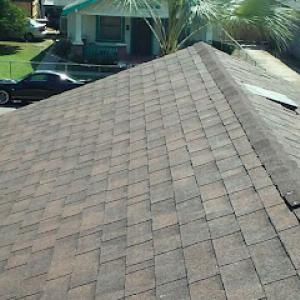
Garcia & Sons Roofing
(559) 415-0625 garciansonsroofing.com
Serving
4.2 from 10 reviews
Garcia & Sons Roofing have the skill that you demand, the experience that you require, and the affordability that you need for all your roofing needs. Through the course of three decades, we have fully addressed the roofing needs of commercial and residential projects across Hanford and its surrounding areas. Our vast experience in the field and commitment to always go above and beyond, allows us to set the standards of quality under which other companies measure themselves.
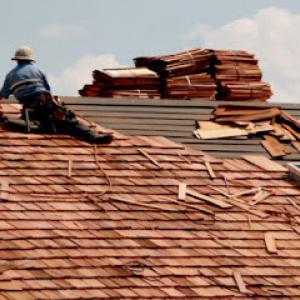
Jake's Roofing & Coating
(559) 622-8663 jakesroofingandcoating.com
Serving
5.0 from 3 reviews
As fourth generation Visalia Commercial Roofers, we take pride in all of our residential and commercial roofing jobs no matter the size. You will have our owner's personal attention on every single project. Guaranteed. We specialize in polyurethane spray foam roofing and cool roof coatings for commercial properties, industrial properties, agricultural properties, residential properties, mobile homes and any other building with a roof.
Castone Roofing & Construction
(559) 840-5178 www.castoneinc.com
Serving
4.8 from 27 reviews
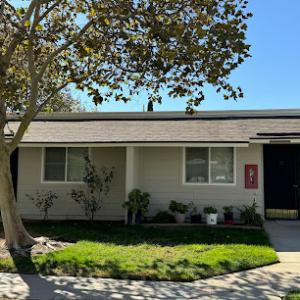
We have a team of professional and experienced roofers that can install or fit new roofs, give periodic maintenance and make any kind of repair. We are able to handle any residential or commercial roofing task or project. From flat roofing to gutter replacements, from full roof installations using slate, tile, asphalt and rubber (single ply) to fiberglass. We can manage any roofing project regardless of size or complexity. Castone can also build new patio structures, interior and exterior paint, and full kitchen remodels.
New View Roofing
(559) 326-8683 www.newviewfresno.com
Serving
4.8 from 52 reviews
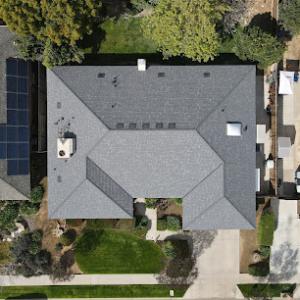
New View Roofing is rooted right in the heart of California, we're a local, family-run business with over 50 years of roofing expertise. At New View Roofing, we’re passionate about providing your home with the exceptional roof it needs, blending high-quality service with a personal touch you won't find elsewhere. Whether it's repair work, a complete replacement, or regular upkeep, we use only the finest materials and pay close attention to every detail. But to us, it's more than just roofing—it's about building trust, keeping you informed, and ensuring your satisfaction from start to finish. In need of roofing experts? Reach out at 559-326-8683. Let’s enhance your home together, giving it a fresh perspective with New View!
Allstate Spray Foam Roofing
(559) 785-2726 allstatesprayfoamroofing.com
Serving
5.0 from 12 reviews
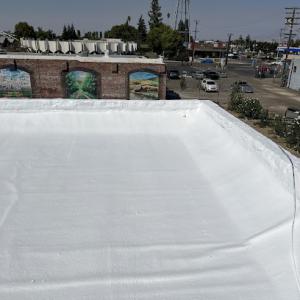
Allstate Spray Foam Roofing, a division of Allstate Spray Foam Insulation. Lic #C-2-1052735 We are a family owned company that has been in the spray foam business for over 20 years. Spray polyurethane foam (SPF) is a spray-applied plastic that is widely used to insulate buildings and seal cracks and gaps, making a building or home more energy-efficient and comfortable temperature wise. SPF insulation is known to resist heat transfer extremely well, and it offers a highly effective solution in reducing unwanted air infiltration through cracks, seams, and joints.
Authentic Roofs
(559) 916-5251 authenticroofsfresno.com
Serving
5.0 from 16 reviews
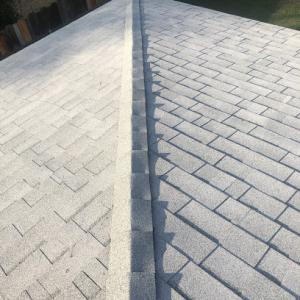
Authentic Roofs CSLB # 1082362 is a family owned top quality roofing company with more the 15 years of experience. If you are in Need of a new roof, roof repair or even just roof maintenance give us a call and get a free estimate!

Roof Pros Roofing & General Construction
(559) 408-6506 www.roofprosroofing.com
Serving
5.0 from 148 reviews
At Roof Pros Roofing, we're your go-to roofing contractor in Fresno for all your residential and commercial roofing needs. Our team of experienced professionals specializes in roof repair and replacement, as well as a variety of roofing services, including metal, flat, tile, and shingle roofing. We also offer emergency roofing services to ensure that you're never left without a roof over your head. Our commitment to customer satisfaction means that we always provide high-quality workmanship, and we take the time to inspect and maintain your roof to ensure its longevity. In addition to roofing services, We are also a full service General Contractor. Contact us today for a free estimate."

Universal Coatings
(877) 233-6300 www.universalcoatings.net
Serving
4.8 from 17 reviews
Universal Coatings has delivered reliable, high-performance roofing, waterproofing, and insulation solutions to businesses across the Fresno, California area for more than four decades. Our team specializes in spray polyurethane foam (SPF) roofing, roof coating restoration, tank and cold-storage insulation, and resinous floor and wall systems. With certified, OSHA-compliant crews, we provide seamless, durable, energy-efficient systems that protect your assets and extend the lifespan of your facility. Whether it’s roofing, floor coatings, insulation, or waterproofing, Universal Coatings offers cost‑effective solutions designed to provide the best value for your investment. We ensure lasting durability and protection for years to come!
In this part of the Central Valley, the price you see on asphalt shingles is an interval from about 350 to 800 USD per square, while clay tile can push much higher, from roughly 900 to 1800 USD per square. That wide spread is not random: it reflects real differences in weight, aesthetic, and how much underlayment or conditioning each system requires for Sanger's heat and dusty summers. If you lean toward asphalt, you'll typically fall toward the lower end of the range, but a long-lasting design with better UV resistance or a cooler-color blend can creep upward. Clay tile, meanwhile, carries a premium for its curb appeal and durability in hot, dry seasons, but the install labor and tile handling often lift the total cost well beyond basic material pricing.
Costs in Sanger can rise when older tile roofs need underlayment replacement or when heavy tile systems require more labor for removal, staging, and reset. Tile roofs don't always age uniformly; a roof that's endured many dry seasons may show soft spots, compromised underlayment, or broken tiles after a hard freeze or a seasonal wind event. If the underlayment needs replacement, you're looking at added materials and extra work for tear-off and re-nailing, which can add a noticeable chunk to the project total. In practice, expect a multi-line cost impact: the heavier the system and the more you need to replace or upgrade during the re-roof, the more your price will climb beyond the base material cost.
Scheduling during the dry season can tighten contractor availability because many homeowners in this part of Central California try to avoid winter rain delays. That tighter timetable can translate into higher bid numbers or a smaller pool of qualified crews who can handle tall, tile-heavy sections or complex staging for large homes. If your calendar is flexible, you may negotiate a more favorable window or secure a preferred crew before the peak demand hits. If you must re-roof in the dry season, be prepared for potential mobilization fees or expedited crew costs that reflect the reduced scheduling options.
Dry-season heat also impacts labor intensity. Metal and tile systems, especially in larger homes, demand careful handling, rigging, and breakage prevention, which drives up labor hours. A clay tile installation, for instance, can require precise setting and longer replacement cycles for damaged components. You're paying for the crew's time managing heat exposure, material fragility, and the need to stage heavy materials safely. Those factors collectively push the out-the-door price beyond the nominal material cost, particularly on high-end tile configurations.
Get a clear picture of your project costs upfront - no commitment required.
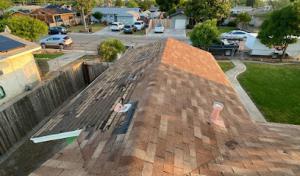
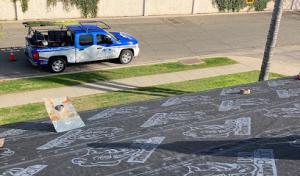
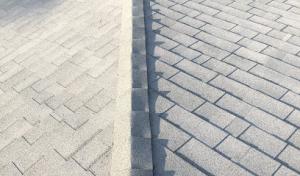
A full re-roof in Sanger generally requires a permit issued by the City of Sanger Building Department. This is not something to battle through after the job starts; delays and rework are common and costly if a permit is missed. The permit process ensures that the roofing system responds to Central California's heat, dust, and seasonal rain and that the installation aligns with local code expectations for durability and safety. Before any nail hits sheathing, your contractor should verify that the project scope is properly documented and that the permit is filed. If inspections are lagging or incomplete, a stop-work order may be issued, which can push a project into the peak heat of summer or the onset of the wet season-precisely when roofing materials are most vulnerable to failure.
Sanger inspections are typically scheduled at multiple stages, including a rough-in or underlayment stage and a final inspection. The rough-in or underlayment check is critical in this climate, where underlayment quality and installation detail directly impact moisture resistance during the dry season's high temperature and wind. The final inspection confirms that everything from flashing to penetrate details meets the city's standards and that the installed system will stand up to the Valley's heat cycles and episodic rainfall. Coordinate with your contractor to ensure early communication with the Building Department so inspection slots can be secured before the heat of summer intensifies or before the next rain front moves in.
The city verifies compliance with local code requirements and wind uplift standards before sign-off. In this area, wind events can stress roofing joints and penetrations, especially on homes with flatter or tile-backed profiles. Expect that fastener patterns, nailing schedules, underlayment choices, and edge metal details will be scrutinized to withstand uplift forces typical of San Joaquin Valley winds. A thorough pre-inspection review with your contractor can help prevent last-minute adjustments that stall permits or trigger rework. If the project runs into weather-driven delays, stay in touch with the Building Department to keep the approval path active and aligned with the planned dry-season re-roof schedule.
Begin planning early in the permit season and confirm that the contractor carries the proper endorsements for roofing work in this jurisdiction. Keep copies of submitted plans, permit numbers, and inspection dates readily accessible during the project. When a rough-in inspection is approved, you'll know the underlayment and flashing details meet expectations; the final inspection then serves as the binding seal that your new roof is ready to endure Sanger's summer heat and the valley's intermittent rains.
Although dry heat dominates most of the year, the seasonal winter rainy period is when leak discovery and scheduling delays become more common. In these weeks, roofs that seemed solid in August can start showing weaknesses as rain and morning dew highlight hidden gaps. If your roof hasn't had a thorough moisture check after fall winds, every storm can creep into the attic or between tiles, multiplying repair complexity. The urgency is real: a single heavy shower can ruin days of dry weather planning and push you into a rushed, higher-risk fix.
Roofs opened during wet weather face greater moisture-management risk, which is why local contractors often push full replacements into drier windows. If a leak is found during rain, the safest path is to limit on-roof work until the forecast shows multiple dry days in a row. Temporary tarps or sealing measures might buy you time, but they are not a substitute for proper underlayment and flashing repair. Planning a roof project for a dry spell helps ensure materials lay down correctly, ventilation remains intact, and you don't compound the moisture problem with poor reseal or misaligned tiles.
Homes with aging underlayment beneath tile are especially vulnerable to hidden moisture intrusion once winter rains arrive. If the underlayment has softened, cracked, or stretched over years of heat and dust, rain can seep into the deck or into fastener penetrations without obvious signs until much later. A moisture test or infrared scan can reveal lurking issues before you see stains on ceilings. If your tiles shed granules or your attic feels musty after a storm, treat it as a red flag requiring immediate attention rather than a nuisance.
Inspect gutters and valley intersections after each storm to catch debris that directs water where it shouldn't go. Schedule an experienced local roofer for a winter moisture assessment, focusing on underlayment integrity and valley flashing. If any moisture is detected, prioritize repairs in a dry window to prevent cascading damage throughout the structure. Quick, targeted fixes now save bigger headaches later when the weather finally clears.
When you can't wait, these contractors offer fast response times to stop leaks and prevent further damage.

Roof Pros Roofing & General Construction
(559) 408-6506 www.roofprosroofing.com
Serving
5.0 from 148 reviews
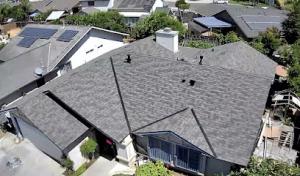
California's insurance market has been tightening across the board, and that squeeze touches homeowners in the Valley just as surely as in coastal zones. In a hot, dust-filled climate like Sanger experiences, carriers scrutinize how roof aging intersects with seasonal sun and rare wind events. Expect tighter underwriting and more conservative renewal decisions if a roof hasn't shown proactive upkeep or if exposure history reads as higher risk. The consequence lands on the same property more than once: you may see a stricter stance at renewal even if your roof isn't visibly failing yet.
Insurers commonly want a clear, well-documented picture before approving repair or replacement claims. Photos that show the roof's condition from multiple angles, a concise claim history, and a recent condition assessment can reduce back-and-forth friction. In dry-season windows, when replacement scheduling competes with peak heat and air quality concerns, having a prepared packet speeds decisions and can prevent coverage gaps. This is especially true for older valley roofs where material aging and exposure history are under closer watch.
Roof age, material type, and documented wind or impact exposure become influential factors in coverage determinations. An older roof with tile or shingle textures common in Sanger might draw extra scrutiny if records don't clearly prove sustained maintenance or recent upgrades. The takeaway is practical: keep a living file of upkeep, inspections, and any incidents that could relate to wear. When a claim arises, that documentation can be the difference between a smooth approval and a drawn-out process that leaves you exposed during a dry spell.
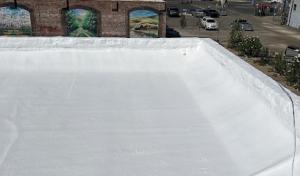
In this inland valley, flat or low-slope sections show up most often on additions, patio covers, and mixed-roof homes. The local signal mix confirms meaningful demand for skylight work and some flat-roof service, so plan for these details when you size or refresh an addition. Expect heat and dust to drive faster wear on the membranes that undergird low-slope areas.
Low-slope sections in a hot inland climate can experience accelerated membrane wear from prolonged sun exposure compared with steeper tile or shingle sections. When choosing materials, prioritize UV resistance and edge detailing that sheds heat rather than traps it. A well-sealed perimeter around skylights helps resist wind-driven dust and seasonal temp swings. Consider a laminated skylight and a curb that matches the roof pitch to avoid mismatches that invite leaks.
Skylight penetrations become higher-risk leak points during the winter rainy season if flashing ages faster than the surrounding roof system. Inspect flashings annually, with emphasis on the curb seal, curb-to-roof flashing, and the overlap where the skylight frame meets the roofing membrane. Replace decade-old flashing proactively, and keep debris out of flashing channels to prevent damming that funnels water toward the joint.
Before committing to any addition or patio cover, map out the drainage around the skylight and low-slope areas. Seal all joints where a new penetration meets an existing roof, and specify a compatible flashing detail that aligns with the prevailing roof surface. Schedule work to finish before the onset of the wet season, when possible, to minimize disruption from leaks.
Keep gutters and parapet edges clear near skylights to prevent water shedding toward the flashing. In summers, check shading around skylight units to reduce direct sun exposure that can degrade seals. If the roof and skylight share a common deck or parapet, coordinate seasonal checks to ensure the integration remains watertight throughout heat waves and the first winter rains.
Find contractors experienced in skylight installation, flashing, and leak repairs to bring natural light into your home.