
Last updated: Apr 19, 2026
Boulder sits on the Front Range where spring hail and wind-driven storms are a primary trigger for roof inspections, repairs, and full replacements. After a severe hail event or a gusty afternoon that rattles soffits and shingles, you should treat the roof as a potential ticketed problem: dents on shingles, granule loss in gutters, and staining on interior ceilings can all show up days later. The urgency is not just about the hail itself but about what debris, moisture, and accelerated wear can do to underlayment and flashing in high-altitude sun. If you hear hail, see pocked shingles, or notice granules in gutters, plan a quick roof assessment-preferably by a roofer who understands the Front Range mix of tile, shingle, and metal.
Local insurance activity is strongly tied to hail and wind damage, and homeowners often need photo documentation and detailed scope notes after storm events. Start compiling evidence within 24 to 48 hours of a storm: wide-angle exterior shots that capture roof planes, gutters, vents, and skylights; close-ups of dented metal, lifted shingles, or cracked ceramic and clay tiles; and interior photos showing any staining or leaks. Create a simple, dated log of observed issues and keep weather data handy for the claim file. When a contractor arrives for an inspection, they should provide a scope that itemizes damaged components, including attic ventilation impact and any decking or underlayment concerns that may need replacement. In a high-desert, high-sun climate, note any UV-accelerated wear on tiles or shingles as part of the claim narrative.
Storm-driven demand surges can affect scheduling and pricing in Boulder after major regional hail events, making post-storm inspection timing especially important. If a storm hits on a weekend or during a busy spring window, expect backlogs for roofer availability and material supply. The window between damage occurrence and final settlement can influence temporary repairs, moisture mitigation, and protective tarping decisions. Coordinating an inspection within a few days of the event helps ensure the claim reflects current conditions rather than preexisting wear. When a claim is filed, insist on a detailed battle plan: a phased approach for temporary repairs, roof removal, and full replacement, with realistic timelines that account for weather, crew availability, and material lead times common after a regional hail surge.
Ask contractors to explain how they confirm hail impact on different roof types-asphalt, concrete tile, clay tile, and composite-and to describe how venting and flashing are addressed on heavier tile roofs near foothill transitions. You want a scope that includes attic ventilation assessment, roof deck integrity, and the potential need for older flashing remediation. Avoid contractors who promise instantaneous replacement without a thorough inspection or who skip documenting the existing venting strategy, since proper venting is critical for long-term performance in this climate. If a storm is forecast, consider scheduling a proactive, roof-health check even before flags fly-early inspection often saves time and reduces the risk of moisture intrusion during a chaotic post-storm period.
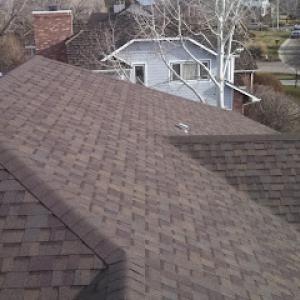
1st Response Roofing
(303) 829-2588 www.1stresponseroofing.com
3490 Fordham Ct, Boulder, Colorado
4.9 from 65 reviews
We specialize in re-roofs, roof repairs, gutter installation, gutter cleaning, and flat roof coating. We also handle insrusnce claims.
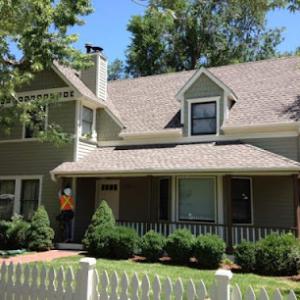
Roof Masters of Colorado
(720) 536-5585 www.roofmastersco.com
1360 Bluebell Ave, Boulder, Colorado
4.9 from 54 reviews
Roof Masters of Colorado is the leading Roofing Company in Boulder, CO & the surrounding areas. We proudly offer Residential & Commercial Roof Repair in Boulder, CO! With more than 28 years of experience, Monica Hoffmann heads one of the few woman-owned and operated roofing companies in Colorado. If you are searching for a "Roofer near me" look no further than Roof Masters of Colorado. Contact us if you are in need of a Roofing Contractor. Located in Boulder, and serving the Greater Denver Metro area, Roof Masters of Colorado is a proud member of the Better Business Bureau with an A+ rating. It also has certifications from Owens Corning (Preferred Platinum) and Malarkey Certified. Get your free estimate today!
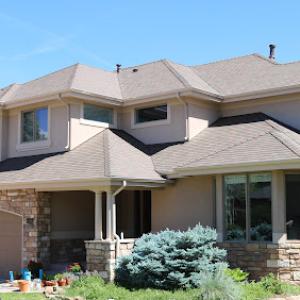
GreenPoint Roofing Boulder
(720) 684-5500 greenpointroofing.com
4450 Arapahoe Ave Ste 100-G, Boulder, Colorado
5.0 from 26 reviews
GreenPoint Roofing Boulder is a Malarkey Roofing Product Emerald Premium Contractor. Not only is the Markey Legacy shingle a Class IV Impact Resistant, its composition also consists of recycled materials. For an average residential roof size of 2,500 square feet, over 5 full rubber tires, and over 350 milk jugs were recycled and not discarded in the landfill. The Malarkey Legacy is a true 50-year shingle, with NEX polymer modified asphalt or SBS rubber. This shingle outweighs most other Class IV shingles by sixty pounds per 100 square feet.
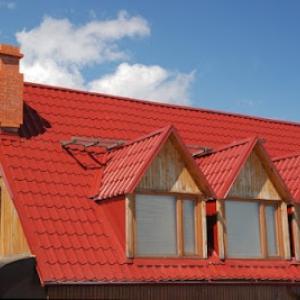
Boulder Roofing Company
(720) 807-6733 www.boulderroofingcompany.business
3050 Broadway, Boulder, Colorado
5.0 from 24 reviews
In search of a roofing company you can depend on in Boulder CO? Look no further than Boulder Roofing Company. We specialize in both residential and commercial roofing services. Backed by years of experience, we offer complimentary roof inspections to identify any potential issues. Whether it's a minor repair or a complete roof replacement, our skilled roofers are ready to handle it all with precision and expertise. In the unfortunate event of storm damage, we're your trusted roofing contractor for swift and reliable repairs. We understand the urgency of such situations and strive to provide prompt assistance to restore your home. Trust Boulder Roofing Company to protect your property.
Boulder Roofing
(303) 443-4646 www.boulderroof.com
3551 Pearl St, Boulder, Colorado
4.5 from 113 reviews
We are a premier Boulder Roofing company. Boulder Roofing provides quality new construction, reroof & repair services in Boulder County and most front range communities. Projects vary greatly in size and type, spanning from historical homes to custom contemporaries, and patio covers to deck pavers. We specialize in all types of roofing systems including, metal roofing, flat roof repair, asphalt, fabrication and flashings, slate/cedar shingles and more.. We service residential and commercial buildings throughout Northern Colorado. Our service areas include Boulder, Longmont, Broomfield and Lafayette, Colorado. For more information contact us today! 303.443.4646
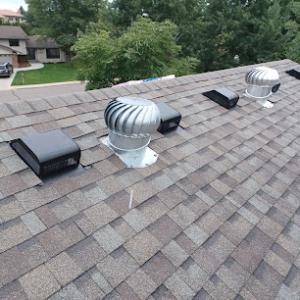
Van Lier Roofing
(303) 440-0510 www.vanlierroofing.com
4699 Nautilus Ct S #206, Boulder, Colorado
5.0 from 13 reviews
Roofing Contractors in Boulder since 1982! As the owner of Van Lier Roofing, I, Steve van Lier, grew up roofing for my Dad at Van Lier Roofing in NY. From a very early age Dad taught me that Honesty, hard work and paying attention to details are at the heart of every job no matter the size. As I grew the Company I quickly realized that the bigger the Company got the less time I was spending being directly involved with the guys and the jobs. This was leading to me losing sight of what was really important to me, each job being the best it can be. Myself and Nick have spent the last 30 years or so being hands on with every job: from answering phones to doing estimates to being on every roof to being available to handle post job problems.
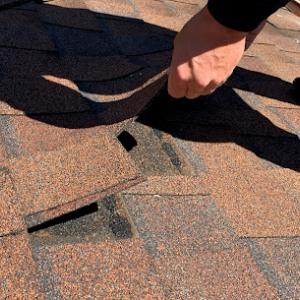
Mighty Dog Roofing of Boulder
(303) 622-3296 www.mightydogroofing.com
4699 Nautilus Ct S #305, Boulder, Colorado
4.7 from 24 reviews
Mighty Dog Roofing specializes in Roofing, Storm Damage Repair, Siding and Windows. A locally owned and operated company is your choice for servicing Northern Colorado. Mighty Dog Roofing is the most trusted name in the roofing industry, offering state-of-the-art 25 point inspections using our GoLive and Drone Superscan technology. This technology, matched with the highest quality products and superior workmanship, allows you to have peace of mind on the most important investment you have - your home. Do you keep your roof “top of mind”? Our Mighty Watchdog Maintenance Program keeps an eye out for any issues today to avoid big repairs or replacements tomorrow.
Signature Services Roofing
(720) 909-6226 signatureservicesroofing.com
4450 Arapahoe Ave #100-24, Boulder, Colorado
4.7 from 9 reviews
Full Service Shingle, Metal, EPDM & TPO Roofing and Gutter Contractor
Zurn Ply Roofing
S Boulder Rd, Boulder, Colorado
4.3 from 6 reviews
Zurn Ply Roofing is your trusted roofing contractor in Boulder County, Colorado, specializing in comprehensive roofing solutions for homeowners and businesses. Our expert services include storm damage roof repair, complete roof replacements, TPO roofing installations, flat roof systems, and thorough roof inspections. Whether you need emergency roof repairs or a high-quality installation backed by excellent warranties, we ensure durable craftsmanship and reliable service. We proudly serve Boulder, Longmont, Broomfield, Aurora, Lakewood, Denver, and nearby areas. With years of experience, Zurn Ply Roofing is committed to protecting your property with industry-leading roofing solutions. Contact us today for a free roof inspection and estimate!
Morrison Roofing & Restoration
(303) 895-5541 www.morrisonroofingandrestoration.com
2880 14th St, Boulder, Colorado
4.3 from 6 reviews
Morrison Roofing and Restoration, LLC is a small business, local to Boulder, Colorado. They are contractors known to build lasting relationships with their customers due to their local presence, their excellent customer service - remaining available to past and present customers at all times, and their dedication to their customers' and their community's needs. When it comes to roof replacement and all exterior repair, replacement and restoration, their work stands above the rest. Morrison is licensed to work on both residential and commercial structures. They have a unique specialty in Historic Restoration and they also specialize in working on storm related insurance claims. They help their customers to easily navigate the claims process.
Scott's Roofing
(303) 469-9287 www.scottsroofingcolorado.com
Serving
4.8 from 216 reviews
For more than ten years, Scott’s Roofing has steadfastly served Colorado’s roofing needs. Through hailstorms and sunny weather, we’ve been here and we’re going to be here with you where we all live, work and play. Scott’s Roofing, founded by Gary Nickell, is a permanent fixture in our community and we’re here to go above and beyond for our neighbors with first-class quality and unbeatable value.
SafetyPlus Roofing Lafayette
(720) 927-8855 safetyplusroofinglafayette.click
Serving
5.0 from 29 reviews
Looking for the best roofing company in Lafayette CO? SafetyPlus Roofing Lafayette is here for you. We specialize in residential and commercial roofing services, backed by years of experience and dedication to excellence. Our free roof inspections identify potential issues before they escalate, ensuring the longevity of your roof. From minor repairs to complete roof replacements, our skilled roofers handle it all with precision and expertise. In the event of storm damage, you can count on us for swift and reliable repairs. We provide prompt assistance to restore your home. Trust SafetyPlus Roofing Lafayette to protect your property and keep you safe for years to come. Our commitment to quality sets us apart from other roofing contractors.
The typical residential stock includes asphalt shingles, clay tile, concrete tile, synthetic or composite shingles, slate, and fiber cement shingles. Each material responds differently to the Front Range environment, so a solid plan starts with recognizing how sun, hail, and elevation interact with these choices. Asphalt shingles remain common for their balance of cost and ease of repair, but their life can shorten with chronic sun exposure and rapid temperature swings. Clay and concrete tiles bring durability and a distinct aesthetic, yet their weight and installation details demand closer attention to structure and wind resistance. Synthetic or composite shingles offer a lighter, versatile option that can mimic traditional looks while often handling impact better than some heavier traditional choices. Slate and fiber cement shingles provide long-term durability, with slate offering a premium, high-end option that requires careful support and precise installation.
Front Range sun exposure accelerates aging in exposed roofing materials. Asphalt products may chalk, lose coal-tar residue, and fade faster than in milder climates, while synthetic overlays can suffer UV degradation if not properly UV-stable. Clay and concrete tiles face thermal cycling that can cause cracking if underlayment or deck anchorage isn't robust. Slate, though notably long-lasting, can show hairline cracks from sun-induced expansion and contraction if fasteners and deck connections aren't designed for the load. In Boulder, choosing a high-quality underlayment and ensuring adequate ventilation to manage attic heat helps preserve the surface material and extends its service life.
Storm timing matters because hail events drive sudden decisions about replacement or repair. Heavy tile systems heighten the importance of post-storm inspection to verify that underlayment, deck framing, and vented components remained intact. Hail damage can affect the roof slope, flashings, and edge details in ways that are not always visible from the ground. For heavier systems, documentation of wind and uplift resistance during replacement becomes a critical part of the project, since the local environment emphasizes wind-driven impacts and dynamic load. Scheduling should allow for a thorough assessment after any severe hail event, with an emphasis on ensuring the new system is documented for wind speeds and structural compatibility.
Heavier tile and slate systems require close scrutiny of structural support and deck framing before replacement. The increased load must be matched by the rafter span, deck condition, and possible reinforcement to prevent deflection and long-term damage. Underlayment selection becomes pivotal: a robust, properly installed membrane helps manage water intrusion during storm cycles and temperature fluctuations. Wind resistance is not optional; it is intertwined with fastener length, tile profile, and edge protection. When planning a replacement that uses heavy tiles or slate, verify that all connections, eave details, and uplift ratings are documented and tested to meet Boulder's typical wind exposure.
Clay tile and concrete tile provide strong performance under sun and hail when paired with a proven underlayment and a structurally sound deck. Synthetic or composite shingles offer a more flexible option for projects adjacent to foothill transitions, balancing weight and service life with easier handling on uneven or constrained roofs. Slate delivers peak longevity with careful handling of weight and fastener patterns, while fiber cement shingles combine reasonable durability with moderate weight. For any replacement, prioritize ventilation, underlayment, and proper attachment methods that address the combination of high-altitude sun and hail potential.
In Boulder, a full roof replacement typically requires a building permit through the City of Boulder Building Services. The process is designed to verify that venting, underlayment, and wind resistance meet local standards, especially when heavier tile systems are part of the plan. Rather than a single end-stage review, the city structures the project around a sequence of check-ins that align with the physical milestones of the roof work. Knowing you'll be coordinating around city timing helps prevent delays that can pop up if permit conditions aren't fully addressed before work proceeds.
Boulder uses staged inspections to keep projects on track and to catch issues early. Expect at least a rough-in inspection once the roof deck and major ventilation and underlayment components are in place, followed by a final inspection after the new roof is fully installed and weatherproofed. The rough-in gives inspectors a chance to verify deck layout, anchor points, and any venting penetrations without the final finish obscuring details. The final inspection confirms that all penetrations, flashing, and wind-rated assemblies meet current codes and that the work integrates cleanly with surrounding roofing elements. Plan around these milestones so tradespeople aren't surprised by a mid-project hold.
The city requires documentation that demonstrates compliance with venting, underlayment, and wind resistance, especially when heavier tile systems are installed. Gather component specs from manufacturers, installation details for underlayment and ventilation under the tile, and any wind uplift testing or certification that applies to the chosen materials. Submittals should clearly show roof-penetration details, flashing integration at hips and ridges, and how attic venting is preserved or improved with the new assembly. Having these documents organized before the permit review speeds up approval and minimizes back-and-forth with inspectors.
When heavier tile systems are in play, the city pays close attention to how the installation affects the roof's structural and venting envelope. Expect additional scrutiny on fastener patterns, dead and live loads, and how the roof integrates with eave and soffit venting. In Boulder's high-altitude sun and storm exposure, ensuring wind-resisting details-such as properly sealed edge fasteners and wind-rated underlayment-is essential. If a tile system increases roof height or changes slope dynamics, be prepared to provide engineering notes or stamped drawings demonstrating that the structure remains within permit-approved limits.
Coordinate with the contractor to submit preliminary plans early and to schedule inspections so weather windows don't force delays. Maintain accessible areas for inspectors to review ventilation paths, underlayment seams, and flashing transitions. If any changes occur after permit approval-such as switching tile types or altering vent locations-seek an update to the permit to avoid compliance gaps during the final inspection. A well-documented, staged approach reduces surprises and helps the project move smoothly through City Services' review.
Typical Boulder material pricing runs about $350 to $800 per square for asphalt shingles, $800 to $1,500 for clay tile, $700 to $1,300 for concrete tile, $450 to $900 for synthetic/composite shingles, $1,500 to $4,000 for slate, and $550 to $900 for fiber cement shingles. Those ranges reflect the mix you'll encounter on the Front Range, where strong sun, high altitude, and occasional hail push both material and labor costs upward compared to statewide averages. As a homeowner evaluating a replacement, you'll want to map your roof's geometry, weight-bearing needs, and long-term performance to the right segment of that spectrum rather than chasing the lowest price.
Costs in Boulder can rise after Front Range hail events when regional demand spikes for re-roofing crews and material supply tightens. If a storm hits in late spring or early summer, crews tend to be scarce and travel windows shorten, which can push both scheduling and labor rates higher for weeks afterward. If you're in the midst of a claim, expect a temporary premium on standard shingle packages while crews rally and crews subcontractors reallocate. The timing nuance matters: even a modest hail event can ripple through local supply chains and escalate the price of common choices like asphalt or synthetic shingles, while heavier systems may see more pronounced price shifts because of specialty handling and longer lead times for tiles or shakes.
Tile, slate, and other heavier systems can cost more locally because permit-related review and inspection tend to demand more documentation on assembly details and support conditions. Boulder homes near foothills or with steeper pitches often require added framing verification, underlayment choices, and ventilation considerations to meet local expectations. If your roof is a clay tile, concrete tile, or slate installation, budget for not only higher material costs but also potential structural reinforcement and more intricate flashing details. This is especially true for homes with complex roof geometry or limited attic access, where incremental labor adds up quickly.
Start with a rough material choice aligned to climate resilience: heavier tiles deliver longevity in hail-prone zones but carry larger upfront costs and potential structural work. For asphalt or synthetic options, compare a standard 30-year shingle package against an upgraded wind- or impact-rated line, noting that upgrades push the per-square rate higher. Build a contingency for storm-driven price shifts-target a cushion of 10-15% above quoted material/labor totals if hail season looms. Finally, confirm that the chosen system matches your home's weight capacity and existing ventilation strategy, to avoid surprises during installation.
Get a clear picture of your project costs upfront - no commitment required.
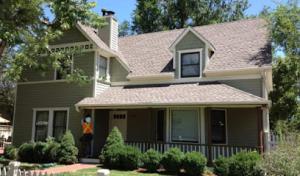
Roof Masters of Colorado
(720) 536-5585 www.roofmastersco.com
1360 Bluebell Ave, Boulder, Colorado
4.9 from 54 reviews
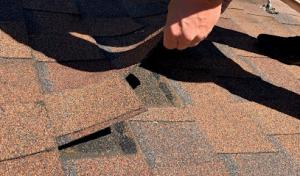
Mighty Dog Roofing of Boulder
(303) 622-3296 www.mightydogroofing.com
4699 Nautilus Ct S #305, Boulder, Colorado
4.7 from 24 reviews
Cold winter temperatures and snow in Boulder can delay tear-off and installation windows, especially when freeze-thaw conditions affect adhesives and handling. If crews are counting on a clean, dry deck, plan for shorter days and more frequent weather holds. Harsh overnight freezes can also cause shingles or tiles to split or lift improperly if materials sit too long in bulk or on a partially prepared roof. Bottom line: when frost glazes the roof or the ground, structural work and resealing become slower and riskier, so schedule with ample buffer time and expect pauses for exacting insulation and underlayment attachment in higher elevations.
Spring weather along the Front Range can interrupt active roofing projects with sudden hail, wind, or temperature swings. A late-season cold snap can snap fasteners and adhesive bonds that seemed set the previous week, while a surprise hail event can trigger instant inspections and partial work stoppages. If a project is timed to finish before an expected warm spell, a minor delay now can become a major setback later as crews juggle material inventories and scheduling with forecasted storms. Build flexibility into your plan and communicate a clear plan B with your contractor for rapid weather reversals.
Hot, dry Boulder summers with strong UV exposure make late-life roofs more vulnerable to accelerated wear if replacement is postponed too long. Asphalt and composite products can soften or warp under peak sun, while metal components may expand and contract, complicating sealants and ridge venting. If a replacement window slips into late summer, anticipate more heat-related handling constraints and ensure proper ventilation and temporary shading during critical stages. The goal is to avoid forcing a rushed installation during peak heat, which can compromise long-term performance and the roof's protective capability.
Boulder's mix of tile, slate, and synthetic steep-slope roofs means leak investigations often need to focus on underlayment condition, flashing transitions, and impact damage rather than only surface appearance. When a visible crack or hail impact appears, the first question is whether the waterproofing layer beneath the covering is still doing its job. In many houses, a failed underlayment or a marginal flashing transition at a rake, valley, or step-down can let water travel laterally before you see staining. Inspect adjacent walls, interior ceilings, and attic vents for small but persistent damp spots, then trace from the highest point down. In practice, you'll want to lift a handful of shingles or tiles at the edge to inspect underlayment integrity and the condition of metal flashings at chimney, vent stacks, and sidewalls. Because high-altitude sun can bake sealants, expect aged asphalt and synthetic underlayments to become brittle, while clay or concrete tiles may crack rather than peel. Plan repairs with attention to slope, sheet orientation, and how new flashing will seal transitions to neighboring materials.
Skylights are a meaningful specialty in the local market, making flashing and curb details an important part of roof replacement planning. When a skylight leaks, it is often not the glass itself but the curb, flashing, and sealants around the unit that fail first. In practice, inspect the curb for hairline cracks or membrane deterioration, and verify that the counterflashing overlaps the base flashing correctly in all directions. If a skylight sits on a heavy tile or concrete substrate, ensure the curb is properly sized and vented to prevent condensation accumulation. Consider upgrading to a curb-mounted unit with integrated drainage or a metal flashing boot that accommodates movement from temperature swings and hail impacts. Regular maintenance should include resealing joints and confirming that any venting paths remain clear to minimize plume moisture around the unit.
On heavier roof systems common in parts of Boulder, replacement decisions often hinge on whether the covering itself failed or whether the waterproofing layers beneath it have aged out. If the covering remains intact but leakage persists, the issue is usually at the underlayment, flashing, or penetrations. If the surface shows widespread granule loss, delamination, or spalling tiles, you may be looking at material failure that requires replacement of the roof deck or a full-cover retrofit. In mixed stock situations, plan investigations to separate hail-damage from aging waterproofing: a roof that is structurally sound but waterproofing-compromised will perform very differently after any lift of the existing material. Prioritize examining valley and hip intersections and verify that cross-venting in the attic remains adequate to prevent condensation and ice dam development during winter months.
Find contractors experienced in skylight installation, flashing, and leak repairs to bring natural light into your home.
Roof Masters of Colorado
(720) 536-5585 www.roofmastersco.com
1360 Bluebell Ave, Boulder, Colorado
4.9 from 54 reviews
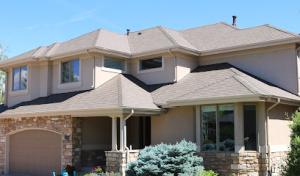
GreenPoint Roofing Boulder
(720) 684-5500 greenpointroofing.com
4450 Arapahoe Ave Ste 100-G, Boulder, Colorado
5.0 from 26 reviews
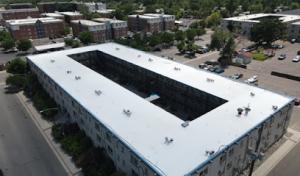
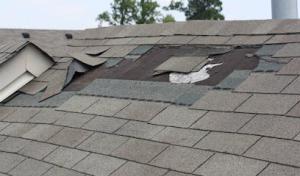
Front Range storms bring a steady drumbeat of hail and high winds that shape how roofs fail and how claims are handled. In Boulder, the claim file often hinges on visible damage patterns that match wind-driven or hail impact paths rather than a single obvious hit. Insurers in this market expect a credible narrative supported by recent storms, and they pace approvals around the likelihood of hidden damage in valleys, hips, and roof transitions. Realistic expectations start with the understanding that more claims can mean stricter scrutiny and longer timelines.
Thorough documentation is not optional. You may be asked to provide a detailed photo record showing roof surfaces, gutters, and fascia, plus close-ups of impact marks and granule loss. Store timestamps and notes about storm dates and wind speeds from local reports. If a contractor identifies undershed or structural concerns during an inspection, capture those findings clearly. This region's adjusters often require a visual trail that links damage to a specific storm event, particularly on heavier tile and low-slope sections common near foothill transitions.
Coverage decisions can hinge on whether updated underlayment or a warranted shingle system is installed after storm losses. Insurers may require evidence that a modern moisture barrier was used and that any repairs align with current warranties and manufacturer guidelines. If the claim touches a tile roof, be prepared to discuss underlayment upgrades or venting improvements that arise from Boulder's intense sun and precipitation cycles. Expect questions about attic air sealing, ventilation, and the potential need for additional remedial work to prevent future failures.
In a high-claim environment, timing matters. Approvals can stall if the scope appears ambiguous or if there is uncertainty about the roof's remaining life. Communicate promptly with the insurer and the contractor, and keep a running file of correspondences, inspection dates, and any agreed change orders. Patience paired with precise, organized evidence tends to yield clearer outcomes, reducing the chance of unexpected gaps between assessment and replacement reality.
Find specialists in TPO, EPDM, and built-up flat roofing systems for residential and commercial properties.
Thomsen Roofing
(303) 442-4031 thomsenroofinginc.com
2263 Linden Dr, Boulder, Colorado
5.0 from 40 reviews
Roof Masters of Colorado
(720) 536-5585 www.roofmastersco.com
1360 Bluebell Ave, Boulder, Colorado
4.9 from 54 reviews
Boulder Roofing
(303) 443-4646 www.boulderroof.com
3551 Pearl St, Boulder, Colorado
4.5 from 113 reviews