
Last updated: Apr 19, 2026
In a Panhandle climate like Cantonment, hurricane season runs June through November, and summer afternoons routinely spark strong thunderstorms that push moisture into roof systems. This combination means the window for safe, effective roof work is narrow and highly weather-dependent. When storms roll in, decking and underlayment take the brunt of moisture, and even minor leaks can escalate quickly. The risk isn't just water intrusion-it's structural and systemic, with insulation, ventilation, and flashing all compromised by repeated wetting. Plan for rapid decisions during this period, because delays can convert a manageable repair into a larger, more invasive project.
The local project calendar is repeatedly disrupted by rain events, so exposed decking and tear-off scheduling are riskier in summer and early fall than in dryer windows. If a roof needs attention, aim for a stretch of dry days with a stable forecast to stage any removal and replacement. In practice, that means watching for a solid week-long dry spell and coordinating with your crew to secure decking, underlayment, and flashing in advance. Waiting too long during hurricane season invites last-minute rushes and higher risk of weather-driven delays, which translates into compressed timelines and compromised workmanship. The ideal rhythm is to align planning with mid-to-late fall calm spells when storms are less frequent but still possible, ensuring crews can complete with proper protection.
Tear-off work leaves bare decking vulnerable to sudden downpours. When summer heat and humidity pair with pop-up storms, even a short shower can saturate plywood or oriented strand board, requiring drying time and potentially decking replacement. If a tear-off is unavoidable during the heart of storm season, insist on a thorough tarping plan, immediate moisture checks, and a contingency to pause if sustained rain returns. Post-storm conditions often reveal hidden deck rot or compromised seams that weren't evident pre-work; having a contingency budget and a rapid assessment mechanism helps prevent cascading delays and additional decking damage.
Contractor signals in this market strongly skew toward storm damage, emergency repair, and insurance-claim work, showing that post-storm response is a primary homeowner need here. After a major event, the demand surge can push response times and scheduling pressure. Understand that qualified crews may balance several urgent claims at once, so establish priority lanes for your project and confirm a realistic timeline in writing. Ensure the chosen contractor emphasizes protective wrap, proper ventilation reinstatement, and flashing integrity as a core part of their response, not an afterthought.
When you sense an approaching storm or lingering high-risk forecast, assemble documentation of existing roof conditions, including photos of flashing and venting, so when a contractor arrives, the scope is clear. Have a rapid-contact plan ready: a preferred contractor, a secondary option, and a mechanism to initiate temporary protection if leaks begin before work can proceed. If you must stage work during shoulder-season windows, insist on full weather-ready preparation: roof deck drying protocols, moisture meters, and a staged sequence that minimizes time exposed decking spends unprotected. Remember, the goal is to reduce exposure duration, preserve underlayment integrity, and secure a durable, code-compliant repair that withstands the next Gulf breeze and thunderstorm.
The dominant local material mix is asphalt shingles and metal roofing, with tile, wood, and synthetic options present but less common in this market. For the Panhandle's heat, humidity, and frequent wind-driven rain, you'll want to prioritize systems that perform reliably under repetitive sun and gusts. Asphalt shingles are simple to repair after a storm and pair well with solid underlayment and well-sealed flashing. Metal roofs are growing in contractor presence and appeal to homeowners looking for longevity and wind resilience. If you're choosing between these two, focus on attic ventilation and proper installation as the deciding factors, not just the final look of the chosen material.
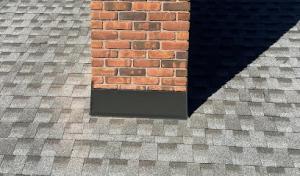
In this climate, fastening quality matters more than the cosmetic aspects. Ensure your roof system uses a high-quality underlayment rated for wind-driven rain and heat exposure. The underlayment should extend over the eaves and around penetrations with tight, continuous seals. For asphalt shingles, insist on a wind-resistant nailing pattern and adhesive-down edges in areas prone to repeated storm strain. When metal is chosen, verify that the panels are properly seated and seamed, with sealing gaskets at fasteners to prevent leaks during heavy rainfall. Flashing around chimneys, skylights, vents, and wall intersections must be continuous and rigorously sealed with compatible sealant, not just slap-on flashing. In Cantonment's climate, those details fail first if corners are cut during installation or repair.
Ventilation cannot be an afterthought. A well-vented attic reduces heat buildup, which otherwise accelerates shingle aging or warps metal panels. Check that the soffit inlet openings stay clear and that a balanced attic vent strategy exists, with ridge or turbine vents as appropriate for the chosen roof type. Proper ventilation also helps control condensation under roofing materials after heavy rains. The goal is steady airflow that reduces pressure differentials during storms, so moisture can escape rather than collect under the roof.
Storm-driven damage planning means testing wind resistance before you buy or replace. For asphalt shingles, ask for a wind rating and confirm shingle compatibility with the roof deck and underlayment. For metal roofs, verify panel overlap and edge sealing to resist uplift during gusts. In either case, ensure the fasteners penetrate into solid decking and that the overall roof assembly is rated for the expected wind speeds. After a hurricane season or a severe storm, plan a quick post-storm inspection focusing on flashing seams, ridge caps, and any loose panels or shingles.
Maintenance in this market is proactive, not reactive. Regularly remove debris from gutters and vents, keep ventilation pathways clear, and inspect for any lifted edges after storms. A neighborhood with a strong metal contractor presence tends to have faster, more durable repairs for wind-damaged areas, but no material is truly maintenance-free. When evaluating options, consider how easy it is to reseal seams, replace damaged sections, and restore the roof's weather-tight envelope without invasive procedures. This practical approach keeps the roof resilient through the hottest days and the fiercest storms.
For asphalt shingles, expect pricing in the neighborhood of 350 to 650 USD per square. Metal roofing sits higher, typically 700 to 1200 USD per square. If the project involves tile or specialty materials, prices jump substantially-clay tile and concrete tile can push well beyond the asphalt and metal ranges, and synthetic or composite shingles usually land between asphalt and metal depending on the product. In Cantonment's Gulf-influenced climate, that higher tile and specialty material price reflects longer life, better wind resistance, and heavier decking considerations when storms drive cycles of damage and quick re-roofs.
During Panhandle hurricane season, storm-season demand spikes can tighten labor availability and push scheduling and pricing pressure after major Gulf weather events affecting Escambia County. It is common for crews to book out after a big event, which can drift into the weeks immediately following when roofs are most vulnerable. If a roof is inspected after a big surge of activity, wait times to start can extend by days or weeks, and late-season material shortages may nudge unit costs upward. When planning, expect some volatility in both price and timing, and build a small buffer into the overall project window to avoid rush-hour pricing.
Costs can rise when tear-off reveals decking damage that must be addressed before the county's in-progress inspection, especially after prolonged moisture exposure during rainy periods. In Cantonment, moisture can sneak into boards and underlayment, and hidden rot or fastener corrosion may require replacement of sections before new roofing goes on. That work adds labor and material costs beyond the roof replacement itself. Contractors may charge for decking assessment, plywood replacement, and any necessary ventilation or underlayment upgrades tied to the inspection process. Having a clear line item for decking work helps prevent budget surprises once the tear-off begins.
Start with a realistic ballpark based on the roof size and the material you choose, then add a contingency for storm-season shifts and potential decking repairs. Obtain multiple bids to compare not just price, but included components such as underlayment, flashing, ventilation, and disposal. If costs are close, lean toward materials with proven wind performance and good local service support, since Cantonment weather can stress the roof system quickly. Finally, factor in the possibility of scheduling delays after major Gulf weather events and plan for a flexible start date to keep the project on track.
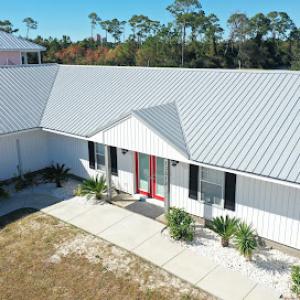
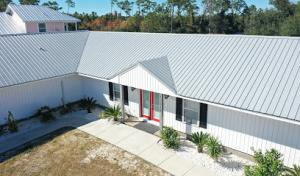
The Roof Company of NWFL
(850) 450-6402 www.facebook.com
385 W Roberts Rd, Cantonment, Florida
4.8 from 35 reviews
Family owned and operated, The Roof Company of NWFL, Inc is a local residential roofing contractor ready to serve your roofing needs. Shingles, metal and repairs no job is to large or small.
Mcmanus Roofing
1640 Amanda Ln, Cantonment, Florida
5.0 from 1 review
We install metal, tile and flat roofs. Also pressure wash roofs. Leak track down and repair and waterproofing. We do all types of roofing and have a 42 foot lift available. We specialize in custom homes
Certified Roofing Solutions
(850) 588-6388 certifiedroofingsolutionsllc.com
Serving
4.7 from 95 reviews
Certified Roofing Solutions, LLC is a locally owned and operated residential and commercial roofing company. With over 30 years of experience in the industry, our team of skilled professionals provide high-quality roofing services tailored to meet the unique needs of our clients. We use only the highest quality materials and cutting-edge techniques for new roof installations, repairs, and maintenance. We are a GAF Master Elite roofing contractor. Our services include asphalt shingles, metal roofing, tile roofs, flat roofs, GAF Energy Solar Roofing, TPO, PVC, EPDM, gutter and siding installation, and more. We are committed to providing exceptional customer service and transparency throughout the entire roofing process. CCC1326502 CGC058533
See Why Roofing Solutions
(850) 776-2450 www.seewhyroofingsolutions.com
Serving
5.0 from 9 reviews
At See Why Roofing Solutions, we understand the importance of effective communication in building strong relationships. That's why we are proud to be a bilingual team, breaking down language barriers to ensure that every client feels heard and understood. Our dedication to clear communication is just one aspect of our commitment to delivering exceptional service. With a wealth of experience exceeding a decade, our team brings unparalleled knowledge and skill to every roofing project. Whether it's a repair, replacement, or new installation, we approach each job with precision and a keen eye for detail. Your roof is not just a structure to us; it's a vital component of your home's protection, and we treat it with the care it deserves.
Southeast Roofing & Construction
(850) 399-2026 www.southeastroofingandconstruction.com
Serving
4.4 from 139 reviews
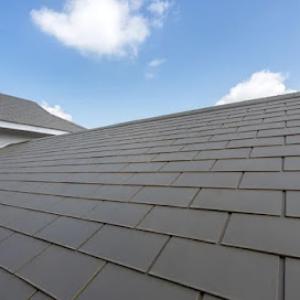
Southeast Roofing & Construction roofing company provides residential roofing, commercial roofing, emergency services, and general construction services to the Pensacola, FL area. We pride ourselves on our customer-centered service, ensuring that each customer receives personalized attention and top-tier craftsmanship. Our employees undergo rigorous training and ongoing technical education to stay ahead in the industry. Safety is paramount, and our OSHA-certified team adheres to the highest standards. We are experienced with great reviews, certified, and ready to help.
Ridgeline Construction Roofing & Exteriors
(850) 669-6976 ridgelineconstructionhsv.com
Serving
4.8 from 184 reviews
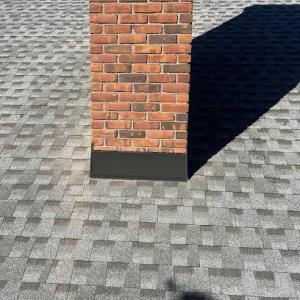
Ridgeline Construction Roofing & Exteriors offers roof replacement, roof repair, siding and gutter services for residential and commercial properties. As a family owned and operated business, it is our goal to provide our customers with the highest quality service for the best price. Ridgeline offers a wide range of roofing options, including asphalt shingles, metal roofing, and flat roofs. Our experienced team can help you choose the best roofing material for your specific needs and budget. In addition to our roofing services, we also offer siding installation and repair. Siding not only enhances the appearance of your property but also provides important protection against the elements.
FFS Roofing & Construction
(850) 857-8799 ffsroofingandconstruction.com
Serving
5.0 from 7 reviews
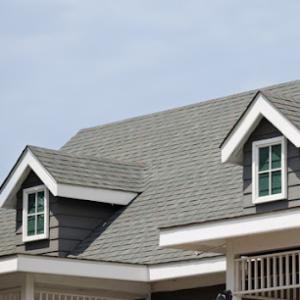
The professional contractors at FFS Roofing & Construction specialize in shingle roofs, metal roofs, and roof repair. If your roof is damaged, it can lower your energy efficiency and leave your property vulnerable to the elements. Let our roofing company conduct a thorough inspection of your roof and discuss our affordable repair and replacement options with you. Get in touch with us today to work with a premier roofing company in the Pensacola, Cantonment, Pace, Milton, Gulf Breeze and Navarre, FL area!
Ironclad Roofing & Windows
(850) 780-7663 www.ironcladrw.com
Serving
4.8 from 69 reviews
Ironclad Roofing & Windows, based in Pensacola, Florida, is an established leader in the roofing industry with over a decade's experience. Their skilled team of professionals provides a wide range of services to residential and commercial customers, including roofing, window and door installation, gutters, and siding services. Serving Santa Rosa, Escambia, and Oskaloosa Counties, the dedicated team is committed to high-quality workmanship and personalized service. Believing that every customer is unique, they listen, respond, and adapt their services to meet the specific needs of each project. With Ironclad Roofing & Windows, customers are guaranteed precision, efficiency, and services that exceed expectations.
Hart Roofing
(850) 378-1211 hartroofingllc.com
Serving
4.9 from 47 reviews
Hart Roofing is a trusted roofing contractor proudly serving Florida and Alabama within a 70-mile radius of Pensacola, FL. We specialize in high-quality re-roofing, new roof installation, and roof repair services for both residential and commercial properties. Our skilled team handles everything from roof replacements and roof maintenance to flat, metal, and shingle roofing systems. We also provide expert skylight installation to enhance your space. Whether you're upgrading your roof or fixing a leak, we ensure reliable craftsmanship and long-lasting results. Choose Hart Roofing for all your professional roofing needs.
Florida Roof
(850) 281-0457 www.floridaroofllc.com
Serving
4.7 from 27 reviews
Florida Roof is a family-owned business operating since 2013; where we prioritize providing quality workmanship and affordability without compromising the level of service we offer. Our team of skilled professionals is committed to delivering exceptional results on every project, big or small. We take pride in our work and strive for excellence in every aspect of what we do. No matter the size or complexity of the job, we are dedicated to delivering exceptional work at a fair price. Our certifications include BBB Accredited, Atlas Certified Contractor, MuleHide Certified Contractor, Owens Corning Certified Contractor, and Accredited StormSeal Installer.
Thomas Roofing Solutions
(850) 401-7663 www.thomasroofingsolutions.net
Serving
5.0 from 111 reviews
Thomas Roofing Solutions is a locally-owned and -operated roofing company serving Escambia and Santa Rosa counties in Florida. We can handle all your roofing needs, whether they include maintenance, inspections, repairs, installation, or replacement. : FL Lic. #RC29027760 & Atlas Pro Contractor
Hightower Industries
(850) 789-8209 hightowerindustriesllc.com
Serving
5.0 from 141 reviews
Hightower Industries is a local family owned company that is committed to excellence in everything we do. We pride ourselves in working to the highest industry standards and doing so with Integrity. Hightower Industries has offices in Pensacola, Fort Walton, and Cape Coral FL, specializes in Roofing, Solar Energy, and residential and commercial construction. Whether it's a simple remodel or a large commercial build, you can trust Hightower Industries with your project. Call today and join our growing list of happy customers.
In Cantonment, a full roof replacement typically requires a building permit through Escambia County before work begins. That means before any tear-off, hauling, or new material arrives on site, you need to start the application with the county and secure an approved permit. The filing generally captures project scope, ladder access points, and safety measures for crew and neighbors. Expect to provide basic property information, the chosen roofing system, and a plan for debris containment. Early coordination with the county helps align your contractor's timeline with the permit office's scheduling, which can be influenced by the peak storm season and county workload.
The local process includes plan review plus at least two inspections: one after decking and underlayment and a final inspection after completion. Plan review checks that the roof structure, ventilation, and underlayment strategy meet county code and local expectations. Prepare to submit roof design details, underlayment type and fastening methods, venting calculations, and flashing plans around valleys, chimneys, and ventilation terminations. A thorough set of shop drawings or product specifications from the manufacturer can speed review, especially if you're using an advanced ventilation system or a non-standard underlayment. Because Escambia County reviewers look closely at how everything interfaces with the attic and exterior, accurate descriptions of existing venting and any needed retrofits should be included to prevent delays.
County reviewers and inspectors are specifically checking venting, underlayment, flashings, and chimney or vent termination details, and processing can be weather-dependent. The first inspection occurs after decking and underlayment are installed but before the new roof sheathing is covered. This is your moment to demonstrate correct board spacing, secure nailing, and proper underlayment laps and sealant at edges. The final inspection happens after the entire roof is complete and all penetrations-vents, chimneys, skylights-are sealed, flashed, and vented as designed. Be prepared with access to the attic for any walkthroughs and have documentation of materials on hand, including the underlayment type, flashing materials, and any wind or impact-rated components your project requires.
Processing can be weather-dependent, especially during Panhandle hurricane season when rain and wind can affect scheduling. If a storm front or severe weather window interrupts plan review or inspections, the county may need to reschedule and adjust the sequencing of the work. Communicate proactively with your contractor about anticipated inspection dates and any weather-driven contingencies. Having a clear, county-compliant plan in place helps keep the permit process moving when conditions shift.
Florida's insurance landscape has shifted in recent years, and the Panhandle's exposure to Gulf hurricane bands only heightens the risk. In Escambia County, carriers have pulled back in some lines, and premium pressures have followed. That means your insurer may scrutinize your roof more closely after a weather event, looking for preexisting vulnerabilities and evidence of proper maintenance. In practical terms, expect stronger emphasis on documentation and the condition of underlayment, flashing, and ventilation when a claim is filed or renewed.
For a Cantonment home, wind mitigation reports carry real weight when a claim comes into play. Keep a copy of any wind-rated components, attic ventilation data, and roof deck details accessible. Date-stamped photos taken from the ground and from the attic can demystify later assessments, especially after a storm when inspectors are trying to piece together the timeline of wear and damage. Photo evidence should clearly show edge flashing, step flashing at hips and chimneys, the condition of nail heads, and any signs of moisture intrusion around penetrations.
When a weather event hits, insurer scrutiny jumps into high gear. The claim process tends to hinge on how well the roof's current condition was documented before the storm and whether the installation followed best practices for wind resistance. Expect adjusters to ask for maintenance records, prior repair receipts, and proof of recent inspections. If a roof was not well documented before a claim, settlements can be slower or more conservative. In this market, the timing and quality of documentation can influence decisions more than in years past.
The prudent homeowner prioritizes proactive documentation now. Ensure wind mitigation features are up to date, and keep a simple, organized folder with dated photos, inspection notes, and any contractor communications. After a storm, take fresh photos from multiple angles, focusing on flashing details and any new gaps or lift. If a claim is anticipated, partner with a contractor who can provide objective, third-party verification of roof components and installation quality. This approach helps clarity for both you and the insurer during the often rapid post-storm review period.
Connect with contractors who help homeowners navigate the claims process from damage assessment to final approval.
The Roof Company of NWFL
(850) 450-6402 www.facebook.com
385 W Roberts Rd, Cantonment, Florida
4.8 from 35 reviews
Certified Roofing Solutions
(850) 588-6388 certifiedroofingsolutionsllc.com
Serving
4.7 from 95 reviews
Escambia County inspections zero in on flashings and vent terminations, and that emphasis reflects a truth you'll see in Cantonment: leaks tend to start where a roof meets penetrations. In this climate, the joint around a vent stack, a chimney, or a skylight is not just a seam-it's a potential pathway for water driven by Gulf winds. When those details aren't carefully sealed and properly flashed, even a well-installed surface can shed years of life in a single season. If a roof looks solid from a distance but there are signs of loose flashing or paint peeling around terminations, there's a strong chance a storm will reveal the weak point long before a full replacement would be considered.
High humidity and intense heat in the Panhandle compress the window for proper installation. Materials can behave differently in the heat, affecting how underlayment sits, how fast sealants cure, and how vent terminations seal against the deck. In Cantonment, where summer storms arrive with little warning, those temporary misalignments or rushed fixes become real leaks once a downpour lasts longer than a few minutes. The margin for error shrinks when crews are sweating, tools are slipping, and fresh roof layers cook in the sun.
Repeated thunderstorm exposure makes temporary repairs and tarp protection especially relevant locally when full replacement cannot be completed before the next rain cycle. A tarp that shifts or a small patch that isn't sealed can become a costly recurring problem. If a repair is delayed, prioritize securing drip edges, flashing transitions, and vent terminations so water has fewer places to intrude as storms roll inland.
Find contractors experienced in skylight installation, flashing, and leak repairs to bring natural light into your home.
Bowman's Quality Roofing & Repair
(850) 433-3144 www.bowmansqualityroofing.com
2391 Devine Farm Rd, Cantonment, Florida
4.2 from 5 reviews
Flat-roof specialization appears meaningfully in the local contractor pool, indicating homeowners often have low-slope or mixed-roof properties requiring different drainage and membrane expertise. When choosing a crew, look for a track record on low-slope details-drainage plane setup, membrane integration, and edge flashing that resists Panhandle moisture surges. Ask for examples of completed projects that include porch or extension work where flat or low-slope sections tie into steeper planes.
On low-slope sections in the Panhandle, repeated summer rain events can expose drainage and seam weaknesses faster than on steeper roof planes. Pay attention to how the system handles incidental ponding after storms: confirm that drains and scuppers are sized for heavy downpours and that sealants and seam tapes used at transitions hold up under heat and humidity. A practical check is to inspect temporary water flow patterns after a simulation rainfall by a licensed professional-this helps reveal hidden sag or insufficient slope that could cause water to back up under edges or into flashing details.
Homeowners with additions, porches, or mixed residential-commercial style structures in the Cantonment area may need contractors comfortable moving between shingle, metal, and low-slope details. Seek projects where crews demonstrate versatility across membrane types, flashing configurations, and ventilation considerations at the intersection of flat and angled sections. Clarify with the contractor how roof-to-wall transitions are treated on multi-material roofs, and confirm expectations for flashing continuity, drip edge placement, and underlayment compatibility across differing slopes.
During Panhandle hurricane season, emphasize a pre-storm inspection that prioritizes low-slope drainage fittings, seam integrity, and edge detailing. Discuss a post-storm evaluation plan that includes drivers for rapid repair of any punctures, loose flashings, or degraded sealants. For additions or porches, ensure a documented method for field repairs that maintains continuity between flat and sloped portions and preserves overall drainage performance.
Find specialists in TPO, EPDM, and built-up flat roofing systems for residential and commercial properties.
Certified Roofing Solutions
(850) 588-6388 certifiedroofingsolutionsllc.com
Serving
4.7 from 95 reviews
Ridgeline Construction Roofing & Exteriors
(850) 669-6976 ridgelineconstructionhsv.com
Serving
4.8 from 184 reviews