
Last updated: Apr 19, 2026
June through November brings the highest risk of wind damage and project delays, and Fort Pierce sits squarely in that zone. Summer heat and daily thunderstorms are common, and those bursts of wind can whip around a tear-off crew, interrupting work and exposing decking to sudden rain. If you're planning a full replacement, expect weather-driven pauses that can push schedules from days to weeks. Realistic planning means assuming a weather window squeeze: you may lose several days to storm lines, lightning holds, and the occasional tropical downpour that floods the jobsite. This is not a "set-it-and-forget-it" project; it's a race against the calendar, the wind, and the clock.
In this climate, the order of operations matters as much as the materials you choose. A strategic tear-off window should aim to complete decking inspection, repairs, and underlayment installation before the peak of the rainy season. When a storm system looms, crews will shift to secure work sites, cover open areas, and pause nail patterns that could fail under wind uplift. You'll want a plan that locks in a robust sequence: secure old roof debris and damaged decking early, verify structural integrity, then execute a precise, wind-focused attachment method once conditions are favorable. Delays aren't just inconvenient; they can leave underlayment and exposed plywood vulnerable to moisture, salt air, and rapid weather shifts, especially given the humid subtropical pattern that characterizes the area. Coordination with the crew and a contingency buffer for weather are essential to avoid rework and ensure the roof is ready to resist the first coastal gusts of the season.
One of the strongest levers in this market is wind mitigation, and it can swing both code and insurance outcomes. Fort Pierce projects routinely hinge on how attachment details are engineered and how the chosen materials perform under forceful Atlantic winds. Your selection should prioritize proven uplift resistance, fastener spacing, and roof deck integrity. In practice, that means ears tuned to the specifics of fastener type, nailing pattern, and the chosen roofing system's inherent wind resistance. Synthetic and composite options often offer favorable weight and versatility, but the real advantage comes from a cohesive package: a well-sealed underlayment, properly spaced fasteners, and attachment methods tailored to the local wind profile. For clay and concrete tile, anticipate higher uplift loads and confirm that the substrate and fastenings are designed to handle salt-laden coastal air without compromising long-term performance. For asphalt and metal, the emphasis shifts toward secure integration with eaves, hips, and fastener corrosion resistance in sea-salt conditions.
Engage early with a contractor who communicates a clear timeline and weather plan, including a realistic start window and a storm contingency. Insist on a detailed wind mitigation-minded attachment plan that specifies fastener type, screw or nail counts, and edge protection for decking. Ensure a temporary containment approach is in place to protect opened decking and underlayment during sudden showers, so rain doesn't undermine decking or interior spaces. Clarify how protection struts, tarps, and ladder safety will be deployed during frequent afternoon storms. Finally, confirm that the project schedule aligns with the Atlantic hurricane season's peak, so the team isn't pressed to push through risky conditions when a named storm approaches. This is not just about a new roof-it's about keeping your home secure against the coastal winds that arrive with summer thunder and stay prepared for the next season.
Fort Pierce's dominant residential materials include asphalt shingles, clay tile, concrete tile, wood shingles or shakes, synthetic or composite shingles, and aluminum roofing. Each option sits on a toolkit of local considerations: the Atlantic salt spray, the Indian River Lagoon corridor, and frequent hurricane-driven wind events. When choosing a roof for a coastal home, start by aligning the chosen covering with your home's shape, attic ventilation, and the expected wind zone. In this market, a properly matched system can make the difference between a sturdy shield and repeat urgency after a storm.
Salt air from the Atlantic and the lagoon corridor can accelerate corrosion at exposed fasteners, flashings, and metal accessories even when the primary roof covering differs. You will want to look beyond the visible roof surface to the metal details that tie the roof to the structure: nails, screws, drip edges, step flashings, and counter-flashings. Choose corrosion-resistant options appropriate for salt exposure, and ensure coating or sealant quality is rated for high-salt environments. If you have metal components near the edges or in the valleys, inspect them regularly and plan replacements on a proactive cycle rather than as a reaction to leaks.
Tile roofs are common in Florida coastal architecture, but their weight, fastening method, and vulnerability to storm-displaced pieces make installation quality especially important in this market. Clay and concrete tiles demand a structural assessment to confirm the attic or roof framing can handle the load, particularly in older homes. The fastening method matters: improper securing can allow tiles to become projectiles in a gale. For replacement, verify that the fasteners are corrosion-resistant and sized for high-wind zones. Pay attention to the underlayment and moisture barrier, as tile misalignment or inadequate flashing can expose vulnerable seams. If you're considering tile, plan for meticulous attention to hip and ridge tie-ins, and confirm that replacement tiles match local storm loading expectations.
Asphalt shingles remain common for practicality and quick replacement, but the salt environment emphasizes wind resistance and edge detailing. Synthetic or composite shingles offer improved impact resistance and lighter weight, with a performance profile that can suit coastal homes when paired with a robust wind mitigation stance. Aluminum roofing introduces excellent corrosion resistance near the ocean but demands careful integration with flashing and transitions to prevent leaks in coastal conditions. In all cases, request guidance on wind uplift ratings and edge-to-edge seam integrity tailored to your home's exposure and roof geometry.
In a hurricane-prone area, the installation quality is as crucial as the material itself. Confirm that the installation team follows a wind mitigation-focused sequence: secure starter and edge courses, use appropriate fasteners for coastal salt exposure, and ensure that fastener patterns conform to the roof's wind zone requirements. For tile systems, insist on full-length accessories and tested fasteners that resist uplift under gusts. For metal, verify that panel seams are sealed and that clips or interlocks are rated for high-wind performance. The local climate makes near-perfect workmanship non-negotiable.
With Fort Pierce's coastal climate, plan for periodic inspections of flashings, edges, and fasteners, especially after major storms. A quick post-storm check can catch loosened pieces before they become larger issues. Keeping the roof's peripheral components free of corrosion buildup and ensuring sealants remain intact will extend the life of any material choice and preserve the roof's protective role against salt-laden winds.
Florida's wind and hail claim environment is especially relevant in this coastal town because storm exposure drives frequent roof-related insurance scrutiny. When a storm rolls through, insurers will look closely at the roof's age, the date-stamped photos, and whether wind mitigation or engineering documents support the claim. If those items aren't ready, coverage decisions can stall or be priced with gaps that feel sudden. Prepared homeowners keep a labeled photo log and a file of any prior mitigation work so the insurer can see what exists now and what's been updated.
After tropical weather, it is common for homeowners to confuse sudden storm damage with wear accumulated over seasons of exposure to heat, humidity, and salt-tinged air. The salt aerosol and long Florida summers accelerate roofing material aging in ways that aren't immediately obvious from the ground. When a claim is filed, look closely at whether a leak or shingle lifting aligns with a single event or with a longer deterioration pattern. Clear, dated photos taken soon after a storm can help prevent disputes that stall a payout.
In this market, documentation is your first line of defense. Have detailed, timestamped photos showing the roof condition before the event if available, and after the event to capture any new damage. If a contractor has recommended wind-rated upgrades or specific engineering measures, keep the written report and any related product details. A simple, organized binder with a chronology of storms, maintenance, and repairs can smooth the path from assessment to payout when the claim is reviewed.
Expect an insurer to scrutinize fast-moving details, from shingle alignment to underlayment integrity and attic ventilation. If the review flags potential pre-existing wear, you may be urged to distinguish that wear from storm-caused damage with professional input. Seek a third-party wind mitigation assessment or an engineer's letter that clearly ties the observed conditions to the event in question. A careful, honest presentation backed by dated documentation and targeted mitigation recommendations can reduce delays and help align expectations with the coverage landscape.
Connect with contractors who help homeowners navigate the claims process from damage assessment to final approval.
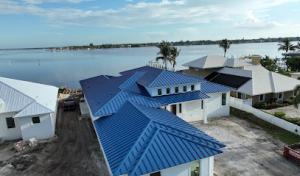
Rhino Roofs
(772) 446-1139 roofsbyrhino.com
3180 N Kings Hwy, Fort Pierce, Florida
4.9 from 321 reviews
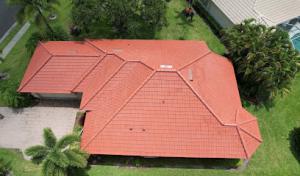
All Area Roofing & Construction
(772) 208-6368 www.allarearoofinginc.com
3921 S US Hwy 1, Fort Pierce, Florida
4.8 from 224 reviews
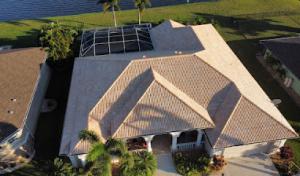
Leak Busters Roof Repairs
(772) 332-8450 myleakbusters.com
3957 S US Hwy 1, Fort Pierce, Florida
4.9 from 252 reviews
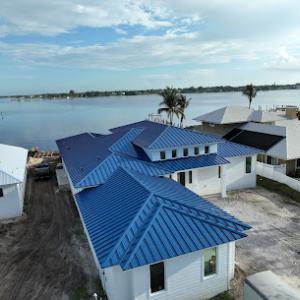
Rhino Roofs
(772) 446-1139 roofsbyrhino.com
3180 N Kings Hwy, Fort Pierce, Florida
4.9 from 321 reviews
With over 50 years of experience, Rhino Roofs is your go-to local roofing company. We provide reliable services like tile roof repair, metal roof installation, and shingle repair for homes and businesses. Whether you need a quick fix, a full replacement, or regular maintenance, our team is here to help. Trust us for honest, quality work that lasts. Call us today for friendly, professional service!
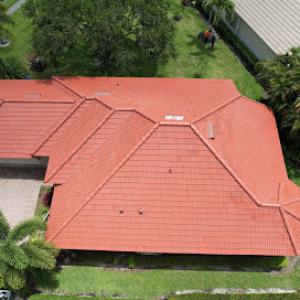
All Area Roofing & Construction
(772) 208-6368 www.allarearoofinginc.com
3921 S US Hwy 1, Fort Pierce, Florida
4.8 from 224 reviews
All Area Roofing & Construction is a trusted roofing company serving the Treasure Coast, including Martin, Indian River, St. Lucie, and Brevard counties. As one of Florida’s top roofers, we specialize in roof restoration, replacement, and repairs for residential, commercial, industrial, and government projects. Our experts deliver superior craftsmanship using innovative products for lasting results. We offer design-build services, system assessments, and custom restoration solutions. With expertise in TPO, metal, modified bitumen, tile, and shingle roofing, we provide reliable, licensed, and insured service at competitive prices. Contact us today for a free estimate!
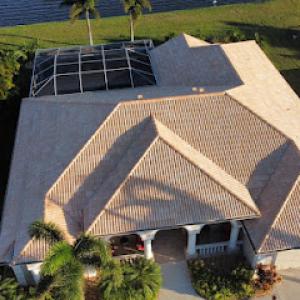
Leak Busters Roof Repairs
(772) 332-8450 myleakbusters.com
3957 S US Hwy 1, Fort Pierce, Florida
4.9 from 252 reviews
Leak Busters Roof Repair is your top choice for roof installation and roof repair on the Treasure Coast. When you hire us for your roof installation project, you’ll get a dedicated team of roofing contractors. We welcome the opportunity to earn your business and add you to our growing list of satisfied customers. We use top quality materials to provide you with the highest quality roof available. We can install metal roofing, shingles, flat roofs, and more. We provide top quality commercial and residential roof replacement and repairs in Port St. Lucie, Fort Pierce, Stuart, Palm City, Vero Beach, St. Lucie county, Martin County, Lee County, and Charlotte County, FL. Contact us today to get a free roofing estimate.
Premier Siding & Roofing
(772) 678-2800 www.premiersidingroofingflorida.com
3801 Oleander Ave, Fort Pierce, Florida
5.0 from 47 reviews
Premier Siding & Roofing, a family-owned business, has been serving South Florida since 1999 with unwavering dedication to our customers. Specializing in roof repair, installation, and an array of roofing types such as metal, barrel tile, asphalt shingle, as well as siding, our commitment to excellence is evident in every project. Let our trained professionals provide a FREE home damage inspection today. With Premier Siding & Roofing, your home's integrity is our top priority.
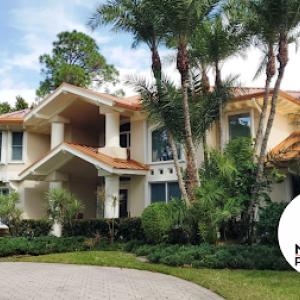
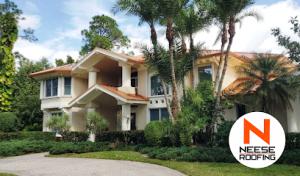
Larry Neese LLC (Neese Roofing)
(772) 361-6580 larryneeseroofing.com
3401 S US Hwy 1, Fort Pierce, Florida
4.8 from 234 reviews
Tired of chasing roofers who ghost you faster than a Florida thunderstorm? At Neese Roofing & Construction, we actually show up — with 60+ years of experience, top certifications, and good ol’ family values. Whether it’s a leaky roof, a full replacement, or a fresh restoration coating, we’ve got you covered (literally). Serving Port St. Lucie, Stuart, Jensen Beach, Fort Pierce, Vero Beach, and Palm Bay, we’re veteran-owned, licensed, insured, and ready to work. Don’t wait for the next storm to test your roof — call the pros who get it done right the first time. We offer many exterior upgrades as well soffit & fascia-siding-solar fans-skylights-solar tube skylights-gutters-and so much more!! Visit Our Beautiful Local Showroom Today!
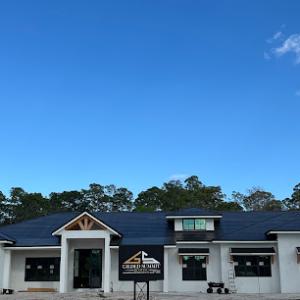
Gilded Summit Roofing
(772) 828-1829 gildedsummitroofing.com
5611 Raintree Trail, Fort Pierce, Florida
5.0 from 34 reviews
Welcome to Gilded Summit Roofing! We are a commercial and residential roofing company located in South Florida ready to handle all your roofing needs. Reach out today to schedule your free estimate.
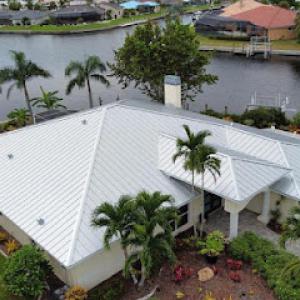
Rack'D Roofing & Construction
2605 Orange Ave, Fort Pierce, Florida
4.7 from 245 reviews
We take pride in being a Treasure Coast business, locally owned and operated, providing roofing & Construction services serving Vero Beach, Fort Pierce, Port Saint Lucie, Stuart, Okeechobee and West Palm Beach areas. As a family-owned roofing company, we prioritize superior customer service and uphold a commitment to quality craftsmanship. Our expertise ensures that our clients receive top-notch service with a personal touch. What sets us apart is not just the wide range of roofing services we offer but also our unwavering commitment to excellence. From the initial consultation to the completion of the project, we prioritize open communication, attention to detail, and a personalized touch. License Number: CCC1334800, CGC1538132
ZND-OM Attic-Solution & Insulation's & Roofing Service Fort Pierce, FL
1001 Harbor St, Fort Pierce, Florida
4.7 from 25 reviews
You can rely on our certified experts to deliver top-notch roofing services.
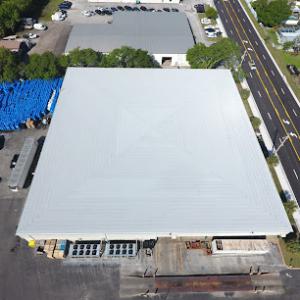
The Roof Authority
(772) 468-7870 www.theroofauthority.com
6771 N Old Dixie Hwy, Fort Pierce, Florida
4.4 from 56 reviews
The Roof Authority, Inc. is a family-owned and operated roofing company serving Florida’s Treasure Coast since 1993. For more than 30 years, we’ve earned the trust of property owners with quality workmanship, durable materials, and dependable service. From commercial and residential roof replacements to repairs, maintenance, and inspections, our certified team delivers lasting solutions built to protect your property and withstand Florida’s demanding climate.
SF Attic-Solution & Insulation's & Roofing Service Fort Pierce, FL
8004 Georges Rd, Fort Pierce, Florida
4.6 from 29 reviews
Our technician provides expert assistance. Your heating and cooling systems may last longer if you have improved insulation because they won't have to work as hard to maintain pleasant inside temperatures.
Eva Roofs
(772) 940-3908 www.evaroofsinc.com
2306 Florida Ave, Fort Pierce, Florida
5.0 from 10 reviews
Affordable Roofing Services for Residential & Commercial Properties. Metal/Shingles Roof Replacements and New Roof Installations.
Master Tech Roofing
(772) 404-8535 www.mastertechroofingllc.com
130 S Indian River Dr Ste 202, Fort Pierce, Florida
5.0 from 7 reviews
Full Service State Certified Roofing Contractor. Life long Local Resident owned. Proudly Serving Martin, St. Lucie & Indian River County.
In this coastal community, a full roof replacement typically requires a building permit handled through the St. Lucie County Building Department. The process is designed to verify that the new roof will meet local wind-resistance requirements and that any structural work integrates with the home's existing framing and underlayment. Since Fort Pierce sits right in the hurricane exposure belt, having the right permit is not just a formality-it can affect insurance outcomes and the timeliness of storm-damage recovery.
When you submit for a permit, expect to provide more than the basic reroof description. Paperwork usually includes project details like the chosen roofing material type, existing roof deck conditions, and the planned sequence of work. Wind mitigation considerations are commonly requested up front, and they can influence which materials and attachment methods are approved for your home. If your property has higher wind-risk features or a history of prior wind events, the review may be more thorough. Having precise, manufacturer-backed specifications and installer qualifications ready can smooth the review process.
Timing the replacement around weather windows matters a lot. The permitting clock and inspection schedule can impact when you start and finish, especially in a hurricane-prone season where storms can tighten timelines quickly. Inspections are typically staged to align with the roof's construction sequence: one inspection at underlayment or rough stage and a final inspection once everything is complete and weather has allowed proper sealing and flashing. Because Fort Pierce neighborhoods often experience short windows of dry, calm weather, sequencing your work to fit these check-ins is crucial. If a storm or heavy rain interrupts a phase, you may need to adjust the schedule and reschedule inspections, which underscores the benefit of planning ahead with your roofing contractor and the building department.
Wind mitigation documentation plays a pivotal role in both permit approval and post-installation insurance considerations. Ensure your contractor or a licensed mitigation specialist collects and files the appropriate forms that show proper nailing patterns, fastener types, and the presence of a secondary water barrier where required. Keeping copies of these records accessible can save time at renewal or claim moments and help you demonstrate compliance with Fort Pierce's wind-resilience expectations.
Get a clear picture of your project costs upfront - no commitment required.
All Area Roofing & Construction
(772) 208-6368 www.allarearoofinginc.com
3921 S US Hwy 1, Fort Pierce, Florida
4.8 from 224 reviews
Leak Busters Roof Repairs
(772) 332-8450 myleakbusters.com
3957 S US Hwy 1, Fort Pierce, Florida
4.9 from 252 reviews
Gilded Summit Roofing
(772) 828-1829 gildedsummitroofing.com
5611 Raintree Trail, Fort Pierce, Florida
5.0 from 34 reviews
Provided local cost ranges run from 350 to 700 USD per square for asphalt shingles, 1000 to 2400 for clay tile, 900 to 2000 for concrete tile, 800 to 1800 for wood shingles or shakes, 450 to 800 for synthetic or composite shingles, and 600 to 1200 for aluminum roofing. Those numbers reflect what most Fort Pierce crews quote during normal seasons, plus the premium you'll encounter when labor is scarce or multiple storms have stretched scheduling. If you're replacing an entire roof, a typical 1,000-square-foot home translates these per-square figures into a substantial total, so you'll want to verify scope and waste handling with the contractor before signing.
In this market, costs can rise quickly after tropical events because storm-driven demand compresses labor availability and extends scheduling across the Treasure Coast. When a storm rolls through, you'll often see a backlog of jobs, higher overtime for crews, and a scramble for materials. That combination can push both material and labor invoices higher than the baseline ranges listed above. If you're aiming for a timely replacement, expect a period of tighter availability and be prepared for lead-time notices that push decisions from a few weeks to several months in some cases.
Material and labor pricing are also affected by coastal design preferences for tile and by wind-resistance installation requirements that can add complexity beyond a simple overlay-style reroof. Tile systems, especially clay and concrete, are popular for their long life and coastal curb appeal, but they demand precise pitch, underlay, and fastener choices to meet wind demands. Aluminum roofing and synthetic options can offer lighter weight and quick installation, but coastal salt exposure may influence fastener corrosion considerations and coatings. Your bid should itemize wind mitigation features, lay out fastener types, and note any additional flashing or edge detailing required for high-wind zones.
When evaluating quotes, compare not just the bottom line but the sequence of materials, including underlayment, starter courses, and ridge caps, plus the anticipated service life of each option under salt air and sun exposure. If a proposal looks unusually low, ask for a breakdown of labor hours, waste disposal, and any temporary protection measures. If it looks unusually high after a recent storm, confirm whether the bid accounts for expedited scheduling and increased crew availability, or if it anticipates typical off-season conditions. In any case, the goal is a durable, wind-resilient roof that can weather tropical winds and outdoor heat without frequent recalls for repairs.
Don't let upfront costs delay a critical repair - these contractors offer payment plans to fit your budget.
Larry Neese LLC (Neese Roofing)
(772) 361-6580 larryneeseroofing.com
3401 S US Hwy 1, Fort Pierce, Florida
4.8 from 234 reviews
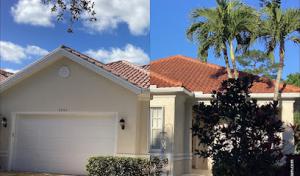
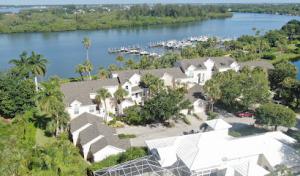
Wet spring and fall conditions in Fort Pierce raise the risk of moisture reaching decking and underlayment during replacement work. When rain is common and humidity stays high, de-roofing and re-roofing steps must move quickly to protect exposed decking. A plan that pairs a dry-in window with robust temporary coverings can keep sheathing dry and deter mold or rot from sneaking in between roofer visits.
Afternoon thunderstorms are a routine scheduling issue in the warm season, so crews often need tighter tear-off and dry-in planning than in drier inland markets. Expect short, intense rain bursts that can flood exposed areas or bring wind-driven spray. A practical approach is to stage materials and use windbreak tarps that can be secured during a sudden shower, then resume work as soon as skies clear.
Dryer winter months are generally the most predictable time for full replacement because they reduce rain interruptions and heat stress on crews and materials. When the calendar favors dry days, aim to complete critical stages-deck checks, underlayment installation, and first rows of flashing-within consecutive windows to minimize moisture exposure.
You can reduce moisture risk by tightening containment around the eaves, ensuring all underlayment is continuous and properly lapped, and using temporary venting guidance to prevent heat buildup under the deck. Before final roof install, inspect decking for any signs of moisture damage and address knots, soft spots, or delamination promptly. In Fort Pierce, this proactive approach keeps the roof structure durable despite salt air and hurricane exposure.
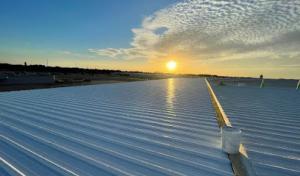
Extend the life of your existing roof with reflective or waterproof coatings that protect against UV and moisture.
Larry Neese LLC (Neese Roofing)
(772) 361-6580 larryneeseroofing.com
3401 S US Hwy 1, Fort Pierce, Florida
4.8 from 234 reviews
US Coating Specialists
(800) 779-0821 www.uscoatingspec.com
500 Farmers Market Rd Bay #5, Fort Pierce, Florida
4.2 from 10 reviews
Fort Pierce sits in a Florida insurance environment where wind exposure has led carriers to tighten underwriting, raise deductibles, or request more roof documentation. That means your reroof decision isn't only about shingles or tiles-it's about proving resilience, not just replacement. If a carrier questions the wind performance of your existing roof, you may see a push toward more rigorous scope options or higher certainty that the new system will hold up under a storm season.
Some insurers may ask for engineering reports or prior mitigation credits to support replacement scope or continued coverage on older roofs in this region. A simple, well-documented project can prevent surprises later when a claim is filed or a policy is renewed. You should expect requests for details that connect the product choice to actual wind performance, especially if the roof shows age or prior damage. In practice, that means your file needs to tell a clear story from the moment the old roof is removed to the moment the new system is tested and accepted.
Because underwriting is cautious, homeowners here benefit from keeping permit records, inspection sign-offs, photos, and product details organized after the job is complete. A clean, chronological dossier helps demonstrate compliance with wind resistance expectations and continuity of coverage. Photos should show the roof, eave lines, fasteners, and any underlayment or reinforcement work. Keep receipts and labels from the chosen materials, and note any engineering or mitigation features that were incorporated. The more complete the record, the less room there is for second-guessing when a claim comes, or when the carrier reviews the policy during renewal.
Before hiring, ask your contractor to prepare a simple, ordered package: a scope of work with wind-resistant features, product data sheets, and a brief summary of how the roof meets current wind standards. As the project progresses, photograph critical milestones-deck replacement, underlayment, fastener patterns, and sealants. After completion, obtain a stamped defect-free inspection report and ensure all endorsements properly reflect the new system's wind resistance. By maintaining a consistent, transparent file, you'll reduce the friction that often follows a significant weather event.
The insurance landscape rewards preparedness and clarity. If you align your documentation with what lenders and insurers expect, you'll minimize gaps between your roof's actual performance and the coverage you rely on when a storm arrives.
Connect with contractors who help homeowners navigate the claims process from damage assessment to final approval.
Rhino Roofs
(772) 446-1139 roofsbyrhino.com
3180 N Kings Hwy, Fort Pierce, Florida
4.9 from 321 reviews
All Area Roofing & Construction
(772) 208-6368 www.allarearoofinginc.com
3921 S US Hwy 1, Fort Pierce, Florida
4.8 from 224 reviews
Leak Busters Roof Repairs
(772) 332-8450 myleakbusters.com
3957 S US Hwy 1, Fort Pierce, Florida
4.9 from 252 reviews
In Fort Pierce's heat, humidity, and storm cycle, vulnerable points often include flashings, penetrations, and edge details before the field of the roof fully fails. You'll notice that mis-sealed vent stacks, skylight flanges, and chimney bases tend to corrode or lift earlier than the main field when sustained rains and high winds hit. Factor in aging underlayment and fasteners, and a small drip can become a swelling problem fast. A quick stroll after a heavy rain can reveal ripples at the hips and ridges where wind-driven rain finds the gaps. If you're planning a replacement, prioritize these edge and penetration zones for upgrading with corrosion-resistant metals and high-quality sealants that tolerate salt air.
Skylights and similar roof openings need extra attention in a market where wind-driven rain can exploit small installation defects during tropical weather. Look for brittle seals, loose flashing, and inadequate drainage around curbs. These areas often show staining or moisture intrusion long before the rest of the roof reveals trouble. In practice, aim for flashing joints that are continuous and integrated with the roof deck, and consider impact-resistant glazing if future storms loom. A careful hand on the tape and sealant job around openings can save dozens of small leaks you'll otherwise chase for seasons.
On coastal homes, accessory metals and exposed connection points can show wear faster than the main roof covering because of salt-air corrosion pressure. Gutters, nails, drip edges, and vent caps are subjected to a harsher environment than the field. Inspect these elements annually for pitting, rust bloom, or coating failures, and plan replacements with corrosion-resistant alloys or protective coatings. Addressing these components not only slows creep of moisture but also preserves the integrity of the underlayment and the fastener grid that holds the entire assembly together during the next storm season.
Find contractors experienced in skylight installation, flashing, and leak repairs to bring natural light into your home.
Rhino Roofs
(772) 446-1139 roofsbyrhino.com
3180 N Kings Hwy, Fort Pierce, Florida
4.9 from 321 reviews
Leak Busters Roof Repairs
(772) 332-8450 myleakbusters.com
3957 S US Hwy 1, Fort Pierce, Florida
4.9 from 252 reviews
Larry Neese LLC (Neese Roofing)
(772) 361-6580 larryneeseroofing.com
3401 S US Hwy 1, Fort Pierce, Florida
4.8 from 234 reviews