
Last updated: Apr 19, 2026
Stuart homeowners face a tight window when major roof work should be scheduled: June through November, the Atlantic hurricane season. Storms can weave in and out, delaying tear-offs, dry-ins, inspections, and even material deliveries. If a project drags into peak season, the window to complete a safe, code-compliant job before a bruise of a storm becomes critical can vanish. Plan ahead with your contractor to set realistic milestones that anticipate weather holds, not just nice sunny days. Let the crew know you want as much of the work performed as possible in the shoulders of the season when storms are less likely to interrupt essential tasks. Scheduling a conservative lead time for tarps, flashing checks, and edge securement can save days of downtime when a system shows up with a tropical prompt.
The Atlantic and St. Lucie estuary shape the realities of this coast: wind-driven rain can rattle through eaves and expose roof edges like nothing else. Underlayment choice, flashing quality, and edge securement become as important as the visible roof covering. A robust underlayment system is your first line of defense against sudden downpours, while corrosion-resistant flashing and properly sealed edge metal prevent water intrusion along ridgelines, hips, and eave lines. In practice, that means insisting on accurate nail patterns, continuous eave protection, and a careful lap method where permitted. On tile or metal, confirm that fasteners resist salt air corrosion and that flashings around chimneys and vents are integrated with a tight water cutoff. In a coastal climate, details matter every bit as much as the roof material itself.
After tropical systems, local roofing demand can spike quickly. Emergency tarping and leak stabilization become the first-step service before full repair or replacement. A proactive crew will stage tarps and temporary patchwork that buys time, stabilizes interior spaces, and protects belongings while a full assessment follows. If a leak is detected, prioritize a quick, temporary solution that covers the most vulnerable interior areas-greatly reducing secondary damage and mold risk. When the weather clears, a focused, documented inspection should map out what failed, what held, and what needs reinforcement. This is not the moment to settle for a cosmetic fix; structural integrity and flashing continuity are the difference between a short setback and repeated, costly damage.
Coastal exposure shifts material choices toward wind resistance and salt-air durability. The local mix of tile, metal, and shingle roofs means you should discuss how each option behaves under hurricane pressure. For metal and concrete or clay tiles, confirm the system is designed for impact resistance and edge anchoring appropriate to a high-wind environment. For shingles, evaluate wind uplift ratings and the securing method at edges and hips. In all cases, insist on comprehensive edge protection, corrosion-resistant fasteners, and a detailing plan that guards eaves and transitions between roof planes. If a storm warnings, your readiness hinges on a coordinated plan between tarping, securement, and an informed teardown strategy that minimizes exposure time.
In this market, the dominant residential roof mix includes asphalt shingles, metal roofing, clay tile, concrete tile, synthetic/composite shingles, and some slate, reflecting both coastal custom homes and inland subdivisions. You often balance wind resistance, salt-air durability, and insurance scrutiny, so your roofing choice must mesh with how storms drive wind, rain, and heat. Asphalt shingles remain common on many inland homes for straightforward repair and replacement, but you'll see more metal and tile on coastal-facing elevations where wind and salt exposure are harsher. The goal is to pick a roof type that holds up under hurricane-season exposure while staying manageable for maintenance and potential repairs after a storm.
Metal roofing is especially relevant in this market because many local contractors actively specialize in it and homeowners often value its wind performance and lower maintenance in humid coastal conditions. A well-installed metal roof tends to shed wind loads more predictably and can resist impact better than some traditional options when properly secured. If you're in an area with long rooflines, look for fasteners and sealant systems designed for high-wind events and coastal salt. Talk with a contractor who can demonstrate a history of storm-ready installations and confirm that the system is sealed for salt spray and humidity. In contrast, clay and concrete tile offer excellent durability and a long service life, but weight, underlayment condition, and the potential for breakage under foot traffic demand careful evaluation, especially in older South Florida heat and rain environments. If you anticipate frequent foot traffic for maintenance or cleaning, consider safer access paths or reinforced battens to minimize tile damage during inspections.
Tile remains a major local category, but homeowners need to think about weight and breakage from foot traffic, as well as the condition of underlayment beneath older tile systems. Concrete tile is heavier than clay tile and may require structural verification if retrofitting on an existing home. When tiles age, the underlayment and flashing become critical for keeping water out during intense rainstorms common in the wet season. Before committing to tile, have a seasoned roofer assess attic space, rafters, and any signs of moisture intrusion, particularly in retrofit projects or homes with existing older underlayment. For tile systems, ensure there is a robust maintenance plan for cleaning, checking grout, and addressing any cracked or displaced tiles after storms.
Humid coastal conditions mean more frequent checks for rust, fastener corrosion, and sealant wear around penetrations. Regular inspections after hurricane season are prudent, focusing on flashing around chimneys, vents, and skylights, as well as the condition of underlayment beneath tiles or metal panels. For metal roofs, verify that paint or coating isn't bubbled or peeled by salt spray, and confirm that corrosion-resistant fasteners are used in seams and vents. Tile systems benefit from careful surface cleaning and prompt replacement of damaged tiles to prevent water intrusion, especially along eaves and parapets where wind-driven rain can force leaks.
Finally, consider the visual weight and how the roof complements the house's architectural language. Coastal-custom homes often pair lighter, reflective finishes with metal or lighter-toned tiles to curb heat gain, while inland subdivisions might favor the traditional look of asphalt or clay tile with a durable underlayment. In all cases, ensure the system chosen aligns with your home's structural capacity, climate exposure, and the expectations of your wind-resistance and durability goals so that your Stuart roof stays resilient through the season and beyond.
Stuart sits in a Florida insurance environment with elevated storm-claim activity, and coastal-area underwriting pressure means roof age and prior repairs can strongly affect claim outcomes and renewals. That combination creates a pragmatic caution: a roof isn't just about yesterday's weather, but about how a carrier views its value and condition across the policy year. In practical terms, keeping documentation tidy and up-to-date makes a real difference when a storm season loosens the usual standards. A well-timed review of the roof's history with an adjuster afterward is not just helpful-it's often essential to protect renewal terms and avoid surprise denials.
After wind or heavy-rain events, adjusters commonly review whether damage is storm-related versus age-related deterioration, making dated photos, prior invoices, and prompt reporting especially important. Photos should capture the roof's condition before and after impacts, including any lifted shingles, lifted granules, or punctures, and should extend to visible interior staining if it exists. Keep invoices for prior repairs or replacements that touch the roof system, as these can shift the assessment toward wear-and-tear rather than weather damage. Prompt reporting to the insurer helps ensure the claim is evaluated in the proper context and reduces the risk of dispute over cause or scope.
Because repeated tropical weather affects Martin County roofs, homeowners benefit from documenting leaks, lifted materials, and interior staining immediately before temporary repairs are made. This means not waiting for a second storm or a lingering drip to document what you see. Use natural outdoor light when documenting exterior issues, and take timestamped photos as soon as possible after the event. If temporary measures are needed to guard the home, keep receipts and note exactly what was done, when, and by whom. This information supports a clearer, faster claim review and helps prevent misinterpretation of what happened versus what has deteriorated over time.
Storms don't always leave a clean line between damage and wear, so a careful homeowner maintains a candid record of changes. If a claim is open, arrange for independent assessments when appropriate, and share expert observations that differentiate wind-driven damage from pre-existing issues. In a coastal environment, where salt-air exposure and recurring storms stress roofing materials, a thoughtful claimant approach builds a stronger narrative. The goal is to articulate the sequence of events, the on-site condition, and the resulting needs clearly, so the recovery path remains aligned with real damage rather than age-related decline.
Connect with contractors who help homeowners navigate the claims process from damage assessment to final approval.
Expert Roofing Services
7847 SW Ellipse Way, Stuart, Florida
4.9 from 273 reviews

Level Best Roofing
(844) 458-5237 www.levelbestroofing.com
Corporate Office, 819 SW Federal Hwy # 201, Stuart, Florida
5.0 from 144 reviews
Solace Roofing
(772) 238-6970 solaceroofing.com
7805 SW Ellipse Way unit a18, Stuart, Florida
5.0 from 52 reviews
Sailfish Roofing
(772) 263-7663 www.sailfishroofing.com
670 SE Monterey Rd, Stuart, Florida
5.0 from 178 reviews
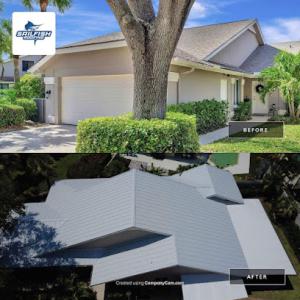
A Community Roofing Company You Can Trust. Sailfish Roofing is locally owned and operated State Certified Roofing Company valuing honesty, excellence, and integrity. As a company in the service industry, we take service seriously. Our mission is to serve our community by providing roofing services that will lead the industry in protecting your most treasured possessions. We place our customers interests and satisfaction as our number one interest. If you are looking for a trusted, honest, and professional company, consider Sailfish Roofing for all your roofing needs. We strive to make a valuable impact on our community by securing each home with the best care and quality roofing systems.
GM Roofing
(772) 320-5936 gmroofingfl.com
3081 SE Dominica Terrace 9 & 10, Stuart, Florida
5.0 from 210 reviews
GM Roofing is your trusted expert in Stuart, FL, with 10+ years of experience in residential and commercial roofing. We offer roof repairs, maintenance, gutter services, and more using premium materials from GAF and Atlas. Enjoy warranties, free inspections, same-day estimates, and drone roof inspections. As a BBB-accredited and Preferred Contractor, we deliver reliable, efficient service with financing options like Hearth and My Safe Florida. Call today or visit our website for a free consultation—quality roofing, done right!
Diversity Roofing
(772) 888-6920 www.diversityroof.com
4436 SE Federal Hwy, Stuart, Florida
5.0 from 98 reviews
Diversity Roofing tackles residential and commercial roofing projects in Stuart and West Palm Beach, Florida. Their experienced team offers re-roofing and repairs, ensuring top-quality, long-lasting results.
Expert Roofing Services
7847 SW Ellipse Way, Stuart, Florida
4.9 from 273 reviews
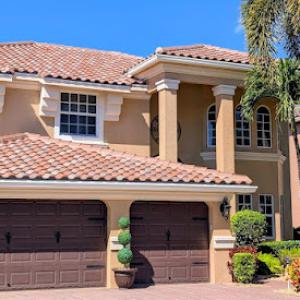
Expert Roofing Services is your premier roofing contractor in Florida, excelling in roofing solutions for residential and commercial clients. Serving Broward, Palm Beach, Martin, and more, we specialize in roof replacement, repair, and installation, including metal and commercial roofing. Our expert team ensures top-tier results, whether it's a minor repair or a complete roofing overhaul. We offer free estimates, competitive pricing, and flexible financing, underscoring our transparency and customer-first approach. As a BBB A+ rated company, fully licensed (CCC1332394) and insured, our commitment to quality and customer satisfaction stands unmatched. Trust us for exceptional roofing and gutter installation services.
Level Best Roofing
(844) 458-5237 www.levelbestroofing.com
Corporate Office, 819 SW Federal Hwy # 201, Stuart, Florida
5.0 from 144 reviews
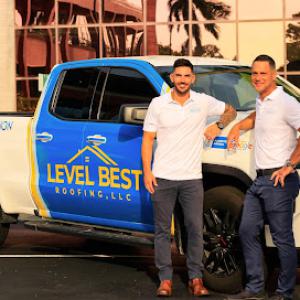
Level Best Roofing, LLC is a fully licensed and insured Florida roofing and general contractor. We strive to do our Level Best for every residential and commercial customer. When your roof is damaged or in need of replacement, we are there to help you fully recover. Level Best Roofing delivers an unmatched customer experience and the highest quality workmanship.
Professional Roofing Contractors
(772) 286-3627 www.professionalroofinginc.com
3046 SE Dominica Terrace, Stuart, Florida
4.9 from 86 reviews
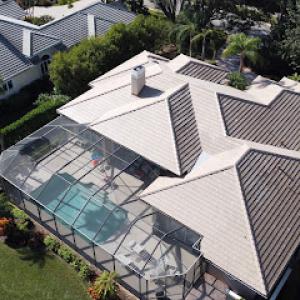
Roofing experts serving the Treasure Coast for over 30 years. We tackle the large and small jobs from re roofs to simple repairs. Family owned and operated with an emphasis on customer service and integrity.
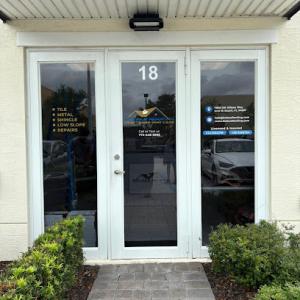
Solace Roofing
(772) 238-6970 solaceroofing.com
7805 SW Ellipse Way unit a18, Stuart, Florida
5.0 from 52 reviews
Solace Roofing, a family-owned and operated business, has provided residential roofing services for over 20 years in Stuart, Florida. With a long-standing commitment to delivering excellent customer experiences, their experienced team provides free quotes, lifetime warranties, and up to five decades of warranty on GAF and Owens Corning products. As a Certified GAF Status Ranking company and Owens Corning Preferred Contractor, Solace Roofing specializes in metal roof installations and offers financing options. Committed to swift response times, estimates are available within 48 hours and workmanship warranties are provided for up to 15 years.

The Roofing General
(772) 266-9659 theroofinggeneral.com
4629 SE Dixie Hwy, Stuart, Florida
4.9 from 81 reviews
The Roofing General in Stuart, FL provides trusted residential and commercial roofing with proven reliability since 2018. We specialize in metal, tile, shingle, TPO, modified bitumen, flat roofing, drone inspections, same-day estimates, insurance claim support, eco-friendly materials, and premium systems from Mule-Hide, Owens Corning, and Polyglass. Proudly serving the Treasure Coast and Palm Beaches. Contact us today to schedule your free inspection and explore your best roofing options.
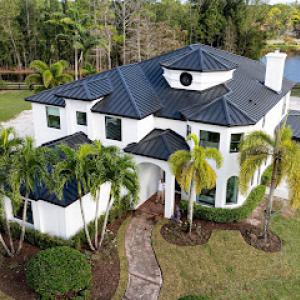
Total Roofing Systems
(772) 320-5014 themetalroofexperts.net
2885 Jefferson St, Stuart, Florida
4.8 from 297 reviews
With over 25 years of experience in the roofing industry, we proudly bring unmatched expertise and a deep-rooted commitment to excellence. As a family-founded business, our dedication to quality craftsmanship and customer satisfaction has been a tradition passed down through generations. Serving communities from the Florida Keys to Orlando, we specialize in delivering top-tier roofing solutions across the east coast and select regions of Florida. Our focus on metal roofing has earned us a reputation for innovation and quality so distinctive that in 2016, we trademarked the name “The Metal Roof Experts.” At Total Roofing Systems, we are driven by a passion for excellence, ensuring every project is completed with precision and care, and ou...
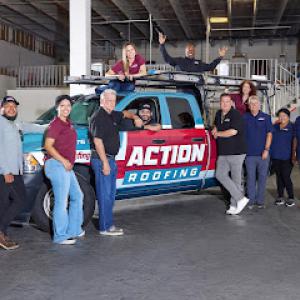
Action Roofing
(772) 309-9935 actionroofing.com
7692 SW Jack James Dr, Stuart, Florida
4.9 from 78 reviews
Action Roofing has been a trusted name in Stuart, FL, for nearly four decades, providing high-quality roofing solutions with a commitment to integrity and excellence. From minor repairs to full re-roofing projects, their experienced team delivers fast, professional results without ever subcontracting work. Specializing in tile roofing and working with industry-leading manufacturers, they ensure every project meets the highest standards of durability and craftsmanship.
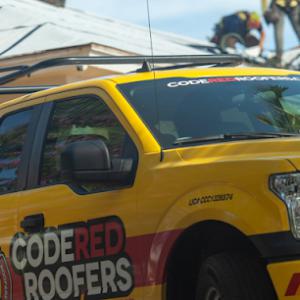
Code Red Roofers
(844) 426-3373 www.coderedroofers.com
3341 SE Slater St, Stuart, Florida
4.7 from 965 reviews
Code Red Roofers was founded in 2004 with a team of four people and one small dump trailer. The original office in Stuart, Florida, served as the base of operations for serving Martin County. With a deep understanding of Florida’s beautiful yet extreme weather conditions, the company has specialized in repairing and installing roofs designed to withstand any situation. Over 20 years later, we have grown to more than 240+ workers and 40+ trucks in South Florida to respond quickly to your needs. Since its establishment by Doug Roe, the company has been where some of our employees find second chances and begin new life and career paths.
All-Type Roofing Services
(772) 800-6100 www.all-typeroofingservices.com
located in Ocean One Stuart Executive Suites, 1 SE Ocean Blvd, Stuart, Florida
5.0 from 37 reviews
All-Type Roofing Services is a family-owned roofing contractor serving Stuart, Palm Beach, and Martin County. We specialize in roof replacements, repairs, metal roofing, shingles, tile, and silicone coatings. With three generations of roofing experience, BBB accreditation, and flexible financing options, we deliver premium workmanship with personal service. From homes to commercial buildings, we’re your trusted local roofer for long-lasting, high-quality results. Call today for a free estimate!
A full re-roof in Stuart generally requires a Martin County building permit, with contractor information submitted for plan review before work proceeds. The process starts with your licensed roofer pulling the permit and submitting details about the proposed materials, roof replacement method, and any changes to ventilation or rooftop penetrations. In practice, this means your contractor should be ready with product specifications, wind mitigation changes, and any needed structural notes for plan reviewers to evaluate.
Preparation and plan review are not something to rush. Before any tearing begins, ensure the contractor has submitted all required documents and that the plans show weather protection plans for the wet season. Local inspectors will look for alignment with current wind-load requirements and the county's standards for ventilation, attic access, and flashing details. The goal is to avoid delays once you're ready to proceed, especially during hurricane season when weather windows compress.
Inspections are typically scheduled during installation and again at completion, with the county checking installation details such as venting, flashing, and wind-mitigation-related items before final approval. During the installation inspection, expect the inspector to verify that nailing patterns, underlayment, and drip edges meet code and that roof penetrations for vents, plumbing, and skylights are properly flashed. The wind-mitigation aspects-sturdy fasteners, reinforced strap connections, and proper sealant use-receive particular attention because they influence both performance and insurance considerations.
The permit is not considered closed until the final inspection is passed, which matters for future home sales, insurance questions, and proof that the roof was installed under local oversight. This final step confirms that the entire project conforms to the approved plans and that all corrective work identified during inspections is completed. If the final inspection uncovers issues, the permit remains open and silent on a completed status until those items are addressed.
In practice, coordinating with the county ahead of work helps prevent hold-ups during the hurricane season. Keep a dated log of all communications and inspections, and make sure your contractor provides notification of scheduled inspections in advance. If a question arises about the permit status at any point-especially when you approach a sale or need to update your insurance-verify the current permit status with the building department and keep the final approval letter accessible as part of the building record.
Typical local pricing runs about $350-$650 per square for asphalt shingles, $700-$1100 for metal, $900-$1500 for clay tile, $800-$1400 for concrete tile, $550-$900 for synthetic/composite shingles, and $1200-$2000 for slate. In wet, hurricane-prone year-round conditions, those ranges line up with the way coast-forward homes in Treasure Coast communities get priced when storm season concentrates demand.
Asphalt shingles deliver the most budget-friendly entry point, but this market is never purely about initial price. In coastal-style neighborhoods where salt air gnaws at fasteners and flashings, the installation quality matters as much as material type. Metal roofs sit higher upfront, yet they pay back with wind resistance and longevity in a hurricane cadence, especially when coastal-grade alloys are chosen. Tile options-clay or concrete-tend to push costs higher, particularly when heavier systems demand structural checks and upgraded fasteners. Synthetic/composite shingles blend a mid-range price with durability characteristics that can suit humid storms, while slate remains the premium path with the steepest ticket price and the need for specialized mounting.
In Stuart, costs can rise when homeowners choose heavier tile systems, coastal-grade metal options, or replacements timed after major storms when labor and scheduling pressure increase across the Treasure Coast. When storm aftermath or post-storm repair cycles influence crews, you may see longer lead times and tighter bids, which translates to higher overall project costs. If you're weighing a tile roof or a metal roof, plan for the possibility of extra structural work to accommodate weight or wind uplift requirements; this tends to show up as higher square-foot pricing and sometimes additional roof-access costs.
Moisture-related dry-in precautions can affect final pricing in this humid, storm-prone market. Expect to see adjustments for flashing upgrades, underlayment choices, and moisture-control measures aimed at preventing leaks during the first heavy rains after installation. If a retrofit is being considered after a storm, labor costs may surge, and scheduling windows can compress. Building a realistic contingency-roughly 5-15% above the base material price-helps absorb these storm-season fluctuations while ensuring the roof carries through the next hurricane-ready year.
Get a clear picture of your project costs upfront - no commitment required.

Diversity Roofing
(772) 888-6920 www.diversityroof.com
4436 SE Federal Hwy, Stuart, Florida
5.0 from 98 reviews
Expert Roofing Services
7847 SW Ellipse Way, Stuart, Florida
4.9 from 273 reviews
Solace Roofing
(772) 238-6970 solaceroofing.com
7805 SW Ellipse Way unit a18, Stuart, Florida
5.0 from 52 reviews
In this area, frequent summer thunderstorms can interrupt tear-off and installation windows even outside named storms. That means project sequencing must be built around shorter, sometimes unpredictable weather gaps. A practical approach is to lock in a conservative window-start with a compressed top-priority phase, followed by a flexible backup week. Having a concrete plan with ready access to rain-ready materials and crew on standby minimizes wasted days when a front moves through. Expect occasional delays and build buffers accordingly.
The hot, humid subtropical climate accelerates wear on some roofing materials and can expose weak attic ventilation or flashing details during long wet periods. Shingle granules may wash away faster during the peak heat, while metal roofs can expand and contract noticeably, stressing fasteners. Attic ventilation should be evaluated early in the season to prevent moisture buildup under a new layer. If existing vents are blocked or undersized, anticipate addressing those issues before or during the roof replacement to preserve install quality.
Storm activity tends to cluster late in the season, but threats can arise earlier from tropical moisture and brief squalls. Homeowners often aim to complete planned replacements before the peak of late-summer storm activity rather than waiting until leaks are obvious. A sensible plan allocates the bulk of tear-off days before August, with a fallback block for minor touch-ups after front-load work. Scheduling that prioritizes high-wind and wind-driven rain risk areas-valleys, ridges, and edge details-helps minimize rework.
Coastal homes here may feature tile, metal, or shingle roofs, each with its own sensitivities to wind and salt air. When planning, align the sequence to the roof type and the attic condition: ensure decking is dry, ventilation is balanced, and flashing is reinforced if salt corrosion is a concern. For tile roofs, confirm underlayment compatibility with anticipated shade and heat exposure. For metal, verify panel seams, sealants, and fastener coatings. Shingle roofs benefit from a clean drip edge setup and proper sealing at rake and hip lines.
Prepare a contingency plan that accounts for sudden downpours, heat advisories, or brief lightning gaps. Have dry-in materials staged in a sheltered area, and designate a primary and secondary crew for rapid redeployment. Communicate with homeowners about expected daily progress and any brief pauses caused by weather, so approvals and decisions stay aligned with the actual weather window. This reduces the risk of shingle or flashing exposure to heavy rain and helps maintain a steady project rhythm throughout the wet season.
On tile roofs where clay or concrete tiles cover the soffit line, visible broken tiles are only part of the problem. Aging underlayment beneath those tiles is a common water-entry point in older South Florida systems. When underlayment breaks down, capillary action can wick moisture into the attic or wall cavities even if a tile itself looks intact. In practice, that means a discreet water stain or a musty smell can precede a visible tile crack. The risk climbs after a heavy rain or a hurricane, when shifts in the roof deck stress the remaining underlayment. If a tile looks fine but the ceiling below shows damp spots, investigate the underlayment and flashings rather than chasing a leaking tile only.
Coastal-area metal roofs demand close attention to fasteners, seams, and flashing transitions. Salt-laden air accelerates corrosion on exposed screws and risers, and repeated storm exposure can loosen or tear apart seals that seemed solid last season. In Stuart, pitted fasteners or lifted seam caps often trace leaks to these vulnerable points rather than to distant roof areas. A slow seep along a seam may emerge far from the actual fastener, so check the path of water carefully after a storm and revisit sealant integrity on every transition.
In the rain-heavy climate, penetrations such as skylights and wall-to-roof transitions become frequent leak culprits when sealants age or flashing was poorly detailed. Skylight curb flashings can fail from sun exposure and thermal cycling, while wall flashings tucked into parapets or chimneys can develop lift or calcium buildup that invites intrusion. If moisture appears near a skylight or along a wall line, examine the flashing, not just the visible sealant. In Stuart, failures often start at these penetrations, then migrate along the roof plane with wind-driven rain.
Find contractors experienced in skylight installation, flashing, and leak repairs to bring natural light into your home.

GM Roofing
(772) 320-5936 gmroofingfl.com
3081 SE Dominica Terrace 9 & 10, Stuart, Florida
5.0 from 210 reviews
Diversity Roofing
(772) 888-6920 www.diversityroof.com
4436 SE Federal Hwy, Stuart, Florida
5.0 from 98 reviews
Professional Roofing Contractors
(772) 286-3627 www.professionalroofinginc.com
3046 SE Dominica Terrace, Stuart, Florida
4.9 from 86 reviews
While pitched residential roofs dominate locally, Stuart also has low-slope and flat roof sections on additions, lanais, multifamily buildings, and commercial properties that behave differently in heavy rain. On these surfaces, drainage paths and edge detailing matter more for long-term performance. Flat and low-slope roofs in this area can hide failed transitions or clogged scuppers until a quick downpour tests them, so expect to inspect edges, seams, and flashing with the same attention you give the main roof.
Daily summer downpours can expose drainage and ponding issues quickly on low-slope roofs in this part of Florida. After a storm, look for standing water near drainage outlets, parapets, or transitions to higher slopes. If water pools longer than 48 hours, it's a red flag that warrants prompt attention. Blocked gutters, debris-laden scuppers, or misaligned drip edges are common culprits. Regularly clear debris and verify that downstream drainage beyond the roof line remains unimpeded, especially around lanais and additions that often have tighter drainage flows.
Because this market includes a meaningful number of flat-roof specialists, homeowners with mixed rooflines should not assume the same contractor approach fits both tile or shingle slopes and low-slope sections. When there is a combination of roof types, seek contractors who clearly demonstrate experience with each surface. Check references for both flat and pitched work, and verify that flashing transitions between slopes are designed to accommodate thermal movement and salt-air exposure without compromising wind resistance.
Low-slope and flat sections face wind-driven uplifting and salt-induced corrosion more consistently. Ensure flashing and seams use materials rated for Florida-specific exposure, and confirm that edge details terminate properly to discourage wind-driven water intrusion. For shutters and exterior sealants, prioritize products that tolerate high humidity, strong sun, and salt spray, and routinely re-seal joints where the roof meets parapets, skylights, or transitions to vertical walls.
As hurricane season approaches, map every low-slope area and its drainage outlets. Create a simple pre-storm checklist: inspect for loose ballast or ballast-free membranes, test drainage, and confirm rapid access for post-storm inspections. After a storm, perform a targeted walk of low-slope sections to spot lifted seams, punctures, or edge damage early, before interior signs appear.
Find specialists in TPO, EPDM, and built-up flat roofing systems for residential and commercial properties.
Sailfish Roofing
(772) 263-7663 www.sailfishroofing.com
670 SE Monterey Rd, Stuart, Florida
5.0 from 178 reviews
GM Roofing
(772) 320-5936 gmroofingfl.com
3081 SE Dominica Terrace 9 & 10, Stuart, Florida
5.0 from 210 reviews
Level Best Roofing
(844) 458-5237 www.levelbestroofing.com
Corporate Office, 819 SW Federal Hwy # 201, Stuart, Florida
5.0 from 144 reviews
Stuart's roofing market moves fast after storms, with a strong demand for re-roofing, quick response, and cleanup. Homeowners often need crews that can protect landscaping and leave the property storm-ready each day. Look for firms that advertise daily cleanup, tarping, and debris containment, not just a "patch and run." A contractor that can plan around your yard, shrubs, and irrigation systems is worth prioritizing in this coastal area.
Because many local companies market emergency repair and storm-damage help, you should verify who will actually handle the end-to-end process. Ask who files and closes any insurer paperwork, who coordinates inspections, and who signs off on the final work. In a Martin County job, you want a single point of contact who can track documentation and keep the project moving when weather windows open and close.
Stuart homeowners commonly encounter both long-established outfits and family-owned contractors. Local track record and responsiveness matter more than generic sales promises. Check how long the company has been serving the area, who staffs the crews, and whether the same team will be on-site for the duration. Favor a contractor with repeat clients in nearby neighborhoods and a history of clean storm recoveries that minimized landscaping disruption.
Ask specifically about crew size, equipment, and how they protect landscaping, driveways, and turf during tear-off and re-roof activities. You want workers who set up containment around the work area, use edge guards to shield plant beds, and remove debris promptly each day. A solid plan for daily disruption reduces risk to your yard and minimizes the chance of wind-driven debris causing secondary damage.
Clear communication is non-negotiable after a storm event. Confirm preferred contact methods, expected daily progress notes, and who will visit to review the site after each rain or wind event. The right contractor keeps you informed, follows through on agreed milestones, and remains reachable during the entire recovery window.
Florida's insurer pullbacks and tighter underwriting in coastal markets affect homeowners directly, especially when roofs are older or have a patchwork repair history. In this area, carriers scrutinize wind resilience, attic ventilation, and the overall durabilty of the roof assembly. A mature roof that looks patched or mismatched can trigger higher deductibles, stricter underwriting, or even non-renewal risk. The consequence is not simply a bill later, but a real chance of reduced coverage when a storm hits.
A documented final permit, inspection history, and records of prior roof work can help when carriers review condition, replacement date, and storm-readiness features. If a storm comes through, insurers will ask for a clear chain of evidence: when the roof was last fully inspected, what was repaired, and whether the replacement matches the roof's original design and performance expectations. Having organized files-photos from installation, official inspection reports, and notes from reputable contractors-can make a tangible difference when underwriting conversations begin.
In this market, decisions are often tied not just to visible condition but to whether the roof appears maintained and properly documented after prior storms. A roof that looks cared for, with consistent maintenance, proper flashing, and no obvious patches indicating ad-hoc fixes, sends a stronger signal to sustain coverage. Stuart homeowners should be mindful that even small gaps, loose fasteners, or deteriorated sealants can influence a carrier's read on future storm-readiness.
Think of your roof as part of the storm-readiness story you tell your insurer. Clear records, obvious upkeep, and a history that shows proactive care can translate into steadier coverage when hurricanes loom. In practice, that means keeping a tidy file, scheduling routine inspections after major weather events, and addressing flagged issues promptly to avoid silent underwriting flags.