
Last updated: Apr 19, 2026
Palm City homeowners face the Atlantic hurricane season from June through November, when reroof schedules are more vulnerable to rain delays and emergency leak calls. If you're due for a full roof replacement or major repairs, start the scheduling conversation early with your contractor so you're not scrambling during peak storm months. Plan staging for weather gaps, and lock in a weather-aware sequence that prioritizes deck and underlayment protection before any visible shingle or tile work begins. In practice, that means confirming that the contractor can dry-in sections promptly after a storm threat passes and that delivery of materials won't be stalled by summer downpours.
Wind-driven rain is a major local concern because Palm City sits in Martin County's humid Treasure Coast environment near the St. Lucie River system, where tropical weather can push water under vulnerable roof edges and flashings. Focus on edge protection first: continuous eave and rake detailing, properly sealed drip edges, and reinforced along-perimeter flashings that resist wind uplift. Pay special attention to chimneys, skylights, vents, and vents-to-deck transitions-these are the typical entry points for leaks when gusts slam through the area. Your contractor should explicitly demonstrate a wind-resistant flashing plan tested for coastal humidity and the unique pressures of Florida storms.
Because dry-season timing is more predictable locally, many homeowners try to complete full replacements before peak storm activity rather than risk exposed decking or underlayment during summer weather swings. In Palm City, material choice can tilt the odds toward longer-lasting performance under humidity and wind. Tile and metal systems often deliver superior wind resistance when properly secured and reinforced. If you opt for asphalt or synthetic shingles, ensure the installation method includes enhanced nailing patterns and additional adhesive sealants at all critical seams. For concrete and clay tiles, insist on a comprehensive underlayment strategy and hardware that resists corrosion from salt-laden air and frequent rain bursts.
Storm readiness means more than installation quality. Create a rapid-response plan for the hurricane season: pre-storm tarping of vulnerable sections, secondary water barriers in the attic to catch any unforeseen leaks, and a quick-access contact list for your roofing team during a storm warning. Conduct a full roof inspection before the season ramps up, but avoid last-minute surprises by scheduling two checks-the early-season check and a mid-season touch-up if needed. In Palm City's climate, timely attention to drainage paths is critical: confirm that gutters and downspouts are clear, downspouts are directing water away from the home's foundation, and that roof valleys are sealed so rain follows the designed path rather than splashing into attic spaces.
A take-charge approach during the dry season reduces the risk of exposed decking or compromised underlayment when storms hit. Ensure the installer uses a two-step dry-in: first, a watertight deck seal and leak barrier over vulnerable transitions, then the final surface installation after the area has remained dry for an extended period. This sequence minimizes the chance of moisture intrusion that can lead to mold, rot, or costly delays once the rains return. Keep a close line of communication with the crew about weather windows and guarantee the timeframes align with Palmetto-front winds and tropical squalls typical of our coast.
In this area, storm-driven rain and humidity push you toward roofing that performs under harsh tropical weather. Metal roofs shine for wind performance and long service life, while tile roofs are a defining visual of the coastal South Florida look. The local contractor market leans toward both materials, reflecting upscale planned communities and Mediterranean-influenced homes. When planning replacement, focus on how each roof assembly holds up during hurricanes, how fasteners stay tight, and how transitions handle salt-laden air. Start with a quick exterior scan after seasonal storms: look for loose fasteners, flashing lift, and any signs of loose metal panels or cracked tile edges. Close attention to underlayment is crucial, because salt spray and high humidity can accelerate aging behind the surface. In short, you want a roof that not only looks right but keeps out rain during the worst downpours.
Metal roofs are popular for wind resistance and their long life, but the Palm City climate still demands careful inspection of fasteners, penetrations, and transitions. Check the ridge caps and start around eaves where water can sit longer in heavy rains. If you have a metal roof with exposed fasteners, verify that gaskets seat properly and that no fasteners show corrosion or lifting. Pay special attention to areas near wall penetrations, skylights, and vent stacks, where seals tend to deteriorate first in a humid environment. Transitions between panels and around soffits or gutters can trap moisture if not properly sealed, so verify that flashing is continuous and bonded without gaps. Coastal humidity can encourage rust and sealant failure, so plan for periodic resealing and inspection, even if the surface looks fine. For new installations, insist on through-fastened or concealed-fastener systems with corrosion-resistant coatings, and ensure the underside of the panels has a protective coating to minimize condensation and sweating on hot days.
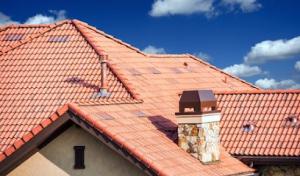
Tile roofs-concrete or clay-are prevalent in the area's architecture and demand close attention to underlayment aging and tile integrity after tropical weather. Even when the surface looks serviceable, cracked or slipped tiles can hide underneath, letting moisture reach the deck. Inspect for cracked glaze, chipped edges, or loose tiles that could become projectiles in a storm. Underlayment must be in good condition: if it shows wear, water can seep through before you notice a leak. Pay particular attention to hip and ridge lines, where wind uplift is strongest. In high-wind events, tiles may crack or shed from wind-borne debris, so ensure a secure fastening pattern and proper alignment that resists movement. Check penetrations-vent pipes, skylights, and chimney transitions-for seal integrity. After a tropical storm, walk the roof with a flashlight and binoculars to spot lifted edges or displaced tiles that could channel water inward during the next rain burst.
Persistent coastal humidity means fasteners and sealants can degrade faster than inland climates. Schedule semi-annual inspections-preferably at the end of the dry season and just after the wet season-to catch corrosion, sealant cracking, and tile or panel displacement early. Keep gutters clean and free of debris so water sheds quickly away from transitions and penetrations. When you see early signs of wear, address them promptly rather than deferring to a later season; small issues can become costly through a season of heavy rain and humidity. This mindful approach helps both metal and tile roofs maintain performance and curb appeal in Palm City's unique mix of architectural styles.
Explore specialists in steel, aluminum, and standing seam metal roofs built to last 50 years or more.
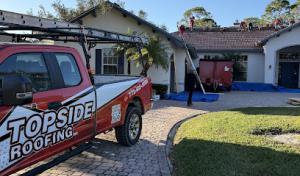
Topside Roofing
(772) 405-2054 www.topsideroofingpros.com
3479 SW Palm City School Ave, Palm City, Florida
5.0 from 96 reviews
Best Choice Roofing Treasure Coast
(772) 666-7089 bestchoiceroofing.com
3501 SW Corporate Pkwy, Palm City, Florida
5.0 from 29 reviews
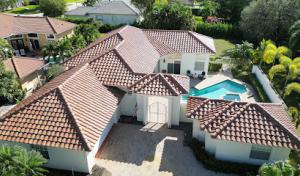
Asta Roofing Solutions
(772) 310-8595 astaroofingsolutions.com
7623 SW 40th Terrace, Palm City, Florida
5.0 from 24 reviews
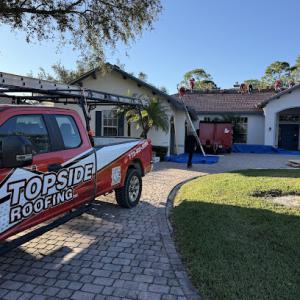
Topside Roofing
(772) 405-2054 www.topsideroofingpros.com
3479 SW Palm City School Ave, Palm City, Florida
5.0 from 96 reviews
Topside Roofing is a locally owned and operated roofing company proudly serving Palm City, Stuart, Port St. Lucie, Jupiter and surrounding areas. We specialize in complete roof replacements, expert roof repairs, storm damage restoration, and custom roofing systems built for Florida's heat, humidity, and hurricanes. Our roofing experts install shingle, tile, and standing seam metal roofs with a strong focus on jobsite safety, clear communication, and 5-star customer satisfaction. Whether it's a minor repair, full replacement, or insurance restoration project, we're committed to high-quality work and honest service on every project.
Best Choice Roofing Treasure Coast
(772) 666-7089 bestchoiceroofing.com
3501 SW Corporate Pkwy, Palm City, Florida
5.0 from 29 reviews
Over 85 Locations in 24 States Nation’s Largest Platinum Roofer Thousands of 5-Star Reviews Lifetime Warranties Available Recognized As Top 1% Roofing Contractor
Asta Roofing Solutions
(772) 310-8595 astaroofingsolutions.com
7623 SW 40th Terrace, Palm City, Florida
5.0 from 24 reviews
Asta Roofing Solutions is a family oriented company that specializes in both residential and commercial roofing. Second Generation Florida Roofer owned, we have extensive experience ranging from smalls roof repairs, roof leaks, new roof installations, re-roofing projects, storm damage, all the way up to large commercial re-roofs. We offer comprehensive annual inspections and have experience working with insurance companies on roofing claims. At Asta Roofing Solutions, we are knowledgeable in a variety of roofing materials, ranging from Tile, Metal, and Shingle for Residential Roofing to BUR, Hot Mop and TPO for Commercial Roofing. Our goal is to provide our customers with the best quality roof at an affordable cost.
Whiting Roofing
(772) 223-1215 www.whitingroofs.com
3873 SW Bruner Terrace, Palm City, Florida
4.9 from 28 reviews
Located in Palm City, Florida, Whiting Roofing has been a leading roofing contractor for over 40 years, delivering top-notch residential and commercial roofing solutions throughout South Florida. Specializing in spray polyurethane foam (SPF), our skilled team excels in roof repair, emergency roof repair, and full replacements, ensuring your property is safeguarded against harsh weather conditions. As a trusted roofer, we offer a wide range of materials including metal, tile, and shingle roofing. From roof repair services to comprehensive maintenance plans, Whiting Roofing is your go-to roofing company. Call us today for a free inspection and quote!
Sunshine Roofing
(772) 260-8195 www.sunshineroofingllc.com
1257 SW Martin Hwy #1083, Palm City, Florida
4.5 from 56 reviews
We provide the upmost professional roofing services! Reroofing and repairs on all types of roofing, tile, metal, shingle and flat!
Atlantis Roofing
(772) 284-5991 atlantisroofs.com
Serving
4.9 from 51 reviews
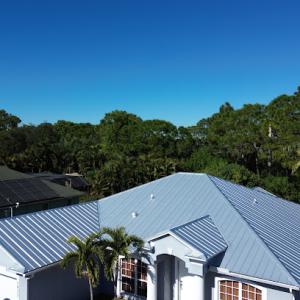
Atlantis Roofing is a licensed and insured roofing company proudly serving the Treasure Coast, including Stuart, Port St. Lucie, Palm City, and surrounding areas. We are known for quality workmanship, honest communication, and 5-star customer satisfaction. We specialize in residential, commercial, and HOA roofing, offering roof repairs, full replacements, storm damage inspections, and insurance claim assistance. Our team has extensive hands-on experience across a wide range of roofing systems and project sizes. As a locally rooted company, we focus on doing the job right, respecting your property, and delivering long-lasting results. From inspection to completion, Atlantis Roofing provides dependable service and peace of mind.
Sailfish Roofing
(772) 263-7663 www.sailfishroofing.com
Serving
5.0 from 178 reviews
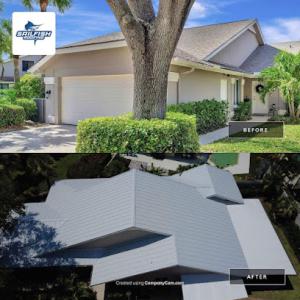
A Community Roofing Company You Can Trust. Sailfish Roofing is locally owned and operated State Certified Roofing Company valuing honesty, excellence, and integrity. As a company in the service industry, we take service seriously. Our mission is to serve our community by providing roofing services that will lead the industry in protecting your most treasured possessions. We place our customers interests and satisfaction as our number one interest. If you are looking for a trusted, honest, and professional company, consider Sailfish Roofing for all your roofing needs. We strive to make a valuable impact on our community by securing each home with the best care and quality roofing systems.
All American Roofing & Coating Of Florida
(772) 781-4410 www.allamericanroofer.com
Serving
4.6 from 94 reviews
All American Roofing & Coating of FL is a family-owned, state-certified roofing contractor serving the Treasure Coast & South Florida for over 40 years. We provide residential, commercial, and multi-family roofing services, including roof repairs, roof replacements, and new construction roofing. Our team specializes in shingle, tile, metal (5v crimp & standing seam), cedar shake, and flat roofing systems, along with Acrylabs roof coatings for low-slope roofs. We ensure each roofing system is built to meet Florida's rigorous building codes, offering lasting protection for your home! We’re known for honest assessments, clear communication, and quality workmanship. Free consultations and financing available. Fully licensed & insured.
All Area Roofing & Construction
(772) 464-6800 www.allarearoofinginc.com
Serving
5.0 from 7 reviews
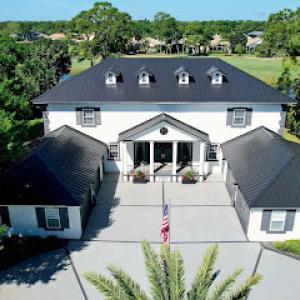
All Area Roofing & Construction is a trusted roofing company serving Vero Beach and the Treasure Coast, including Martin, Indian River, St. Lucie, and Brevard counties. As one of Florida’s top roofers, we specialize in roof restoration, replacement, and repairs for residential, commercial, industrial, and government projects. Our experts deliver superior craftsmanship using innovative products for lasting results. We offer design-build services, system assessments, and custom restoration solutions. With expertise in TPO, metal, modified bitumen, tile, and shingle roofing, we provide reliable, licensed, and insured service at competitive prices. Contact us today for a free estimate!

Level Best Roofing
(844) 458-5237 www.levelbestroofing.com
Serving
5.0 from 144 reviews
Level Best Roofing, LLC is a fully licensed and insured Florida roofing and general contractor. We strive to do our Level Best for every residential and commercial customer. When your roof is damaged or in need of replacement, we are there to help you fully recover. Level Best Roofing delivers an unmatched customer experience and the highest quality workmanship.

Diversity Roofing
(772) 888-6920 www.diversityroof.com
Serving
5.0 from 98 reviews
Diversity Roofing tackles residential and commercial roofing projects in Stuart and West Palm Beach, Florida. Their experienced team offers re-roofing and repairs, ensuring top-quality, long-lasting results.

Providential Roofing & Construction
(561) 237-8835 providentialroofing.com
Serving
5.0 from 5 reviews
At Providential Roofing and Construction, Inc., we take pride in delivering top-quality roof replacement and repair services to homeowners and businesses across Stuart, FL and surrounding areas. As a trusted roofing contractor, we bring years of experience and a strong commitment to craftsmanship on every project. Whether you need a skilled roofer for a new installation or to fix storm damage, we’re here to protect your home with dependable solutions. We treat each roof like it’s our own, ensuring lasting results and complete customer satisfaction.
Before any full roof replacement begins, you typically need a building permit issued through the local building department. This process is standard in Martin County and reflects the unique Palm City climate, where wind-driven rain and humidity stress roofing assemblies. You'll start with submittal of project plans, a scope of work, and basic details about fasteners, underlayment, and chosen roofing materials that suit local wind and rain patterns. The permit lays the groundwork for a regulated, storm-resilient reroof that meets county and state requirements.
The plan review step is where your chosen contractor's roof layout, fastening method, and proposed underlayment are checked for Florida winds and the inland Treasure Coast environment. Expect discussions around wind-rated components, tile or metal compatibility with existing gutters, and any deck or fascia reinforcement that helps resist wind uplift. Once plans pass review, the permit is issued and your project can move into the staged inspection phase. This isn't merely paperwork; it's the legal framework that ensures the reroof will withstand Palm City's seasonal storms and rain events.
During installation, inspections are performed in stages to verify critical milestones: roof deck integrity, underlayment installation, fastener pattern, flashing at hips, valleys, chimneys, and roof-to-wall transitions, plus nail- or screw-fastener counts that meet wind code requirements. If tile or metal is used, inspectors will specifically verify edge protection, seam protection, and proper termination details that prevent wind-driven water intrusion. Your contractor should coordinate these visits and be prepared to address any corrective work promptly so the reroof stays on track for a timely closeout.
A final inspection confirms that the entire reroof meets all applicable codes and manufacturer specifications, and that the work aligns with the approved plan set. The closeout documents are bundled with the permit records for the project. In Palm City, the closeout also serves as the basis for insurance reviews, so having complete, orderly documentation is beneficial for any wind mitigation considerations later on.
Wind mitigation documents may be requested in this jurisdiction. If requested, have your contractor provide certified details on roof geometry, fastener counts, attic access, and any upgrades such as secondary water barriers or reinforced nailing patterns. This documentation can matter for insurance underwriting or premium review after the reroof is complete. Preparing these papers in advance reduces delays and supports a smoother transition from construction to policy renewals.
Palm City homeowners are operating in Florida's tightened property-insurance market, where carriers often scrutinize roof age, material type, and installation quality more closely than in lower-claim states. In practice, that means the visibility of your roof's condition stretches beyond aesthetics. Insurers may request detailed records, contractor notes, and professional evaluations that align with the actual weathered performance of the roof. A well-documented history-including reliable repairs, timely maintenance, and compatibility with the chosen material-can influence the future insurability of the home. Quietly, many carriers favor modern, proven assemblies over older, brittle systems, even when a roof still looks serviceable from the curb.
After tropical wind or rain events, insurers may rely heavily on contractor photos, scope notes, and wind mitigation records when evaluating roof-related claims in this region. The canopy of Florida storms, driven by inland humidity and canal-and-river exposure, can create unique wear patterns that aren't obvious from the street. If a repair path is chosen, be prepared for a detailed post-storm documentation process that demonstrates a consistent, code-respectful approach to remediation. Wind-driven rain can exploit small gaps and fastener vulnerabilities, so insurers expect clarity on what was addressed and how. A tidy, professional record trail helps prevent disputes that could complicate future renewals.
Because coverage availability has tightened in Florida, Palm City owners often need to think about insurability and future renewals before choosing whether to patch, restore, or fully replace an aging roof. The decision nexus sits between immediate protection and long-term premium stability. A patch that looks expedient today might raise questions about long-term resilience tomorrow, while a full replacement can reset the underwriting clock in ways a homeowner might not anticipate. The prudent choice weighs performance against how it will be perceived during renewal cycles, particularly for roofs exposed to year-round humidity, salt-spray concerns from canal winds, and the heavy summer storm load. A conservative, well-documented path that aligns with current wind-resistance expectations tends to ease the renewal conversation and reduce friction when a claim is needed.
Connect with contractors who help homeowners navigate the claims process from damage assessment to final approval.
Topside Roofing
(772) 405-2054 www.topsideroofingpros.com
3479 SW Palm City School Ave, Palm City, Florida
5.0 from 96 reviews
Best Choice Roofing Treasure Coast
(772) 666-7089 bestchoiceroofing.com
3501 SW Corporate Pkwy, Palm City, Florida
5.0 from 29 reviews
Asta Roofing Solutions
(772) 310-8595 astaroofingsolutions.com
7623 SW 40th Terrace, Palm City, Florida
5.0 from 24 reviews
In Palm City, material costs span roughly $350-$550 per square for asphalt shingles, $700-$1200 for metal, $1100-$1800 for clay tile, $900-$1500 for concrete tile, $700-$1500 for wood shingles or shakes, and $550-$900 for synthetic or composite shingles. Those figures are a practical floor and ceiling, reflecting inland Treasure Coast humidity, canal-and-river exposure, and frequent wind-driven rain. When you're budgeting, expect asphalt to be the most affordable start, with tile options pulling the price up and into a longer-term investment, especially if you're aiming for storm-resilient performance. Material choice directly shapes how fast you recoup through reduced leaks, faster reroof cycles, and lower maintenance needs after a season of heavy rain.
Costs in Palm City can rise when storm seasons create demand spikes for reroofing and emergency repairs across the Treasure Coast, tightening labor availability and extending schedules. If a hurricane front or tropical system rolls through, you'll likely see price pressure on both materials and labor. Plan with a buffer in late spring or early summer if you suspect a busy hurricane season, so you're less at the mercy of surge pricing and scheduling delays. A nearby, steady crew can help you avoid last-minute markups and ensure proper sequencing for post-storm repairs.
Tile-heavy local housing stock and larger custom homes in Palm City communities can increase labor complexity, disposal needs, and underlayment work compared with simpler shingle reroofs. Clay and concrete tiles require careful installation to manage wind load, weight, and breakage risk, which translates to higher labor hours and potentially more waste disposal. If your roof is predominantly tile, expect a longer project window and a budget that anticipates more handwork, especially around hips, valleys, and roof-to-wall interfaces.
For wind-driven rain protection, metal roofs and concrete or clay tiles often perform well if installed correctly with proper underlayment and fasteners. Asphalt can be a solid, cost-conscious choice if you prioritize quicker reroofs and easier repairs, but ensure flashing, attic ventilation, and drainage are addressed to minimize wind-driven leakage. Synthetic shingles may offer a balanced option, with favorable weight and installation ease, though durability in high-wind events should be confirmed with the installer's wind ratings. When comparing bids, weight long-term performance against upfront costs to keep protection solid through multiple hurricane seasons.
Start by choosing a target material category and use the local ranges to set a baseline. Add 10-15% contingency for storm-season scheduling and potential disposal. Factor in underlayment, fasteners, and flashing as part of the total, since those elements drive resilience against wind-driven rain. If replacing tile, prepare for heavier removal and transport costs. Finally, confirm that the bid accounts for a roof-upgrade plan that emphasizes wind-rated components, sealed penetrations, and venting improvements to maximize storm readiness.
Get a clear picture of your project costs upfront - no commitment required.
Asta Roofing Solutions
(772) 310-8595 astaroofingsolutions.com
7623 SW 40th Terrace, Palm City, Florida
5.0 from 24 reviews
Whiting Roofing
(772) 223-1215 www.whitingroofs.com
3873 SW Bruner Terrace, Palm City, Florida
4.9 from 28 reviews
Palm City's rainfall pattern brings powerful afternoon storms during the wet season, and those bursts can abruptly halt tear-off work or push back the dry-in phase. Even when a reroof project seems straightforward, a sudden spray of rain or a gusty shower can stall progress and shorten the window for proper shingle or tile setting. The local reality is that your roof crew needs a plan that accounts for daily rain chances, not just a general calendar. This means scheduling with a realistic buffer for weather swings and choosing materials and sequences that tolerate short interruptions without compromising performance.
The dry season is generally the most reliable period for full replacement because it minimizes weather-related delays. However, extended sun exposure during long dry spells can age underlayments if components sit exposed for too long before being sealed in. The best approach is to align tear-off, deck preparation, and the dry-in wrap-up into a continuous block of favorable weather, with contingency plans for late-season heat spikes. Partnering with a crew that can tighten up sequencing and maintain consistent progress reduces the risk of weather creeping into the project timeline.
In Palm City, prioritize projects with clear start-and-end windows that weather forecasts can support. Ask for a daily plan that includes tear-off milestones, deck protection steps, and timely insulation or ventilation adjustments. Ensure crews allocate buffer hours for sudden rain resets and have weather-ready contingencies such as accelerated material deliveries or temporary weatherproofing measures. A trusted contractor will track fronts, heat buildup, and humidity levels to keep installation sequencing on track while preserving roof integrity.
Heat, humidity, and occasional squalls can all affect productivity and sequencing. A reliable schedule hinges on a close daily weather watch, with crews ready to shift tasks between interior preparation, underlayment checks, and roofing assembly as conditions change. Expect clear communication about any expected delays and a plan to preserve already-installed materials during those pauses. The result is a more predictable rhythm that respects Palm City's unique wind-driven rain risk while protecting the roof's long-term performance.
In Palm City's storm-prone climate, common trouble spots include roof-to-wall transitions, flashing details, valleys, and penetrations where wind-driven rain can exploit small installation defects. Those areas often bear the brunt of tropical downpours and high winds, yet they're easy to overlook during routine maintenance. A slow drip at a seam or a thin, chalky line along a valley can spell trouble after a heavy storm if left unaddressed. The goal is to catch early signs where wind pressure pushes rain at vulnerable edges before it migrates into attic spaces or wall cavities.
Tile roofs in this region frequently need evaluation for underlayment wear beneath otherwise intact-looking field tiles, especially on older roofs exposed to years of heat and humidity. Even when the surface tiles look fine, heat cycles and continuous humidity can degrade the underlayment, allowing leaks to sneak in from below the tile line. Pay attention to softer sections under darker, older tiles, and don't assume that a clean, dry attic means the roof is still doing its job. Small gaps under improper tile butts or chipped edge tiles are common stealth pathways for moisture.
Skylights and other penetrations deserve extra scrutiny locally because repeated heavy rain events can expose seal and flashing weaknesses long before broad field failure is visible. Valleys accumulate debris and can trap moisture, while step flashing along walls and chimneys faces amplified wind-driven spray during storms. Each penetrating detail-pipes, vents, and skylight housings-needs a tight, continuous seal and properly integrated flashing that resists wind uplift. If you notice shimmering or stain lines near penetrations after a rain, treat it as a call to recheck flashing.
In areas prone to rapid rain surges, small defects matter more than they appear. A routine check after the peak of hurricane season-especially following heavy rain events-should focus on fasteners at eaves, the condition of ridge caps, and any signs of moisture intrusion near transitions. If a spot shows repeated moisture staining or a soft, spongy feel to wood, that signals a failure point that can escalate quickly in a subsequent storm. Prioritize these hotspots to prevent a minor defect from becoming a major leak.
Find contractors experienced in skylight installation, flashing, and leak repairs to bring natural light into your home.

All-Type Roofing Services
(772) 800-6100 www.all-typeroofingservices.com
Serving
5.0 from 37 reviews
Flat or low-slope sections over lanais, porches, entries, or modern design features can behave differently from the main pitched roof. In this town, heavy summer rains and wind-driven downpours stress these areas first, especially where drainage is slow or transitions to steeper roof areas are not perfectly sealed. The risk isn't uniform across the house: flat sections often become the first leak source and merit separate evaluation from the main roof field.
In Palm City, the drainage plan for low-slope areas must assume rapid, tropical downpours. Check for ponding that lasts more than 48 hours after a rain event. Ensure that scuppers, gutters, and downspouts are appropriately sized and connected to proper drainage paths away from walls. If low points exist near transitions to tile or shingle planes, reinforce the detailing where waterproofing membranes meet parapets, skylights, or roof penetrations. Visual surveys after a heavy storm help identify hidden slow-drain zones before they leak.
Low-slope sections rely on membrane integrity to resist wind-driven water intrusion. Inspect edge detailing around parapets, countersinks around fasteners, and the overlap of flashing with adjoining roof planes. In areas where a membrane terminates at a wall or transition, verify proper seam adhesion and corner cappings. When wind pressure drives rain laterally, secure all reinforcing collars around penetrations and ensure that flashings are continuous and mechanically fastened. Consider additional protection at transitions to steeper planes to reduce reliance on single-layer performance.
Schedule seasonal checks focused on flat sections. After the wet season, look for staining, damp decking, or soft spots near scuppers and terminations. Clean debris from water outlets, and confirm that Protective coatings or coatings over membranes remain intact. Keep a close eye on the interface where low-slope areas meet the main roof field; even small gaps can become leaks under pressure during storms.
Treat flat or low-slope sections as distinct systems within a home's roofscape. Because they behave differently under heavy rain and high winds, inspect them separately from the main tile or shingle area. A targeted evaluation helps prevent cascading leaks and preserves the overall roof performance during hurricane season.
Find specialists in TPO, EPDM, and built-up flat roofing systems for residential and commercial properties.
Asta Roofing Solutions
(772) 310-8595 astaroofingsolutions.com
7623 SW 40th Terrace, Palm City, Florida
5.0 from 24 reviews
Sunshine Roofing
(772) 260-8195 www.sunshineroofingllc.com
1257 SW Martin Hwy #1083, Palm City, Florida
4.5 from 56 reviews
When you're selecting a roofer in this canal-and-river corridor, your first priority is a crew that can handle hurricane-season work and follow-up repairs quickly after a weather event. The area's wind-driven rain can expose weak details, so you want a team that treats storm resilience as a core capability, not a side project.
Step one is confirming storm-readiness credentials. Look for contractors who describe tie-downs, flashings, and waterproofing as integrated parts of the install, not optional add-ons. Ask about how they protect your landscaping, driveways, and pool area during removal and material delivery, because in this market those yards take a beating from equipment and debris during reroofs.
Step two is response capability. In a storm-repair market, you want a roofer that can stage a small emergency fix fast, coordinate tarp protection, and mobilize crew and materials within 24 to 48 hours after a storm. Confirm office availability, after-hours contact, and a clear plan for keeping your home occupied while work continues.
Step three is the site-cleanliness standard. The local market rewards contractors who keep work zones tidy, dust containment, and daily cleanup to protect flower beds, driveways, and pool equipment. Ask for a written policy on cleanup timing, debris hauling, and how they handle storm-driven waste that may blow into your landscape between days.
Step four is the contractor profile. In this area, established and family-run firms show up often. A consistent owner presence, documented work history, and visible references can matter as much as the bid in an insurance-heavy market. Favor a crew that can provide solid documentation, clear warranties, and post-install support.
Finally, schedule questions to align with Florida weather cycles. The best choice is a roofer who can forecast a dry window, plan high-quality underlayment and ventilation for the next dry season, and still be available for storm repairs if winds push shingles loose. In a market shaped by this climate, you want a partner who stands by the work long after the crew leaves. Ask about backlog, seasonal scheduling, and how they protect occupied homes during reroof projects.