
Last updated: Apr 19, 2026
Tropical storms and hurricanes from June through November slam the Gulf Coast with salt-laden humidity and brisk coastal winds, and Englewood feels that pressure in every roofing decision. This is not a place to gamble on a marginal system or a hurried tear-off. The roof is the first line of defense against storm surge, driving rain, and flying debris. When a storm season peaks, the roof's performance will either buy you time or force a costly, disruptive repair that interrupts life for weeks. Take stock of where wind and salt meet your shingles, tiles, or metal panels, and prioritize systems that resist uplift, corrosion, and weathering from daily salt exposure.
Summer rains and humidity complicate tear-off schedules, so replacement work in this coastal area tends to get pushed into the drier window from November to April. If a roof is nearing its end of life before that window opens, plan a careful sequence: protect the structure during the remaining rainy season, coordinate a dry-in plan with a trusted contractor, and ensure materials chosen for Englewood's climate can be installed and cured with minimal delay. The goal is to avoid back-to-back tropical warnings while a roof is partially removed. In practice, that means aligning shingle or tile selection with a schedule that allows uninterrupted drying and full installation during a relatively predictable dry period, so the roof enters hurricane season with a solid, tested seal.
Insurers and permit reviewers scrutinize coastal roof assemblies for high-wind performance. In Englewood, that scrutiny is a practical warning: a roof that isn't engineered for uplift can become the most expensive part of a weather event. Focus on fasteners, underlayment, and the compatibility of materials with coastal exposure. For tile and metal systems, inspect the integrity of edge fasteners, flashing transitions at hips and valleys, and the roof-to-wall connection. For asphalt or synthetic shingles, confirm the wind-rated installation method and reinforcement at corners, ridges, and penetrations. In tropical weather, a marginal seal around chimney, vent, and skylight areas can be the difference between minor leaks and widespread interior damage. Think in terms of a watertight envelope that stands up to salt spray, heat, and gusts.
Englewood's mix of tile, metal, and composites means no one-size-fits-all solution. Concrete and clay tiles offer long service with strong wind resistance if installed with proper underlayment and battens, but their weight and growling in high humidity must be considered. Metal roofs deliver excellent uplift resistance when installed with proper seam integrity and corrosion-resistant coatings, yet coastal salt can demand higher-grade coatings and careful edge detailing. Synthetic or composite options can balance durability and weight while resisting salt-induced deterioration and rapid expansion cycles. When selecting, prioritize systems with proven coastal performance, reinforced edge zones, and accessories designed for high-wind environments.
A well-prepared roof becomes a faster recovery roof. gutter guards, secure attic access, and a clear plan for emergency tarping can prevent rain from cascading into living spaces. Post-storm, quick inspection for loose fasteners, lifted shingles, or damaged flashing will guide a safe, efficient repair. When the next storm forecast turns red, you want a roof that acts like armor-predictable, robust, and ready to keep water out even under Gulf winds. Keep a close line on maintenance that preserves the roof's integrity year after year, because in this climate, readiness is the best form of protection.
Storms coming off the Gulf bring wind-driven rain, lifted shingles, displaced tile, and flashing failures that show up in the most exposed pockets of coastal homes. In this neighborhood, a quick shift from rain to wind can peel back protective layers before you even notice, leaving attic spaces and ceilings vulnerable to hidden leaks. The combination of salt-heavy humidity and tropical storm cadence means weeks of dry-in stress and a real risk of secondary damage if moisture sits unchecked. Immediate assessment after a storm is not a luxury-it's a practical insurance-first move to preserve the structure and your interior.
Insurers scrutinize roof age, roof type, and the documentation you bring to the table. Clear before-and-after photos carry unusual weight, especially when wind and rain events create cosmetic discrepancies that can be misread as preexisting wear. Immediate, high-quality photos of the roof's surface, flashing at penetrations, valleys, and edge details, plus visible soffits and gutters, help frame the post-storm condition. Wind mitigation paperwork, including details like roof deck attachment and any fan or vent structure changes, can Tip the scale in your favor when the claim is evaluated. For coastal homes with tile or metal systems, documenting fastener integrity and any lifted components is essential. Keep a dated record of signs of moisture intrusion and discoloration inside the attic or ceiling near roof lines.
Because storm demand surges after tropical events on the Gulf Coast, scheduling delays are common. Englewood homeowners should expect a practical approach: temporary dry-in measures to protect interiors while the claim is processed, followed by a measured recovery schedule that aligns with insurer timelines and weather windows. If a leak appears, prioritize containment-place temporary tarps or plastic sheeting and direct water away from living spaces. Coordinate closely with the restoration team to ensure the dry-in phase captures critical roof-to-wall junctions and flashing interfaces. Communication with the insurer should be clear and prompt, with an emphasis on keeping the moisture exposure contained and documenting any changes or updates as work progresses.
If moisture enters the attic, stained ceiling spots appear, or there are soft, spongy dry-wood odors around penetrations, treat it as urgent. Look for lifted shingles or tiles during daylight and check flashing around chimneys, vents, and skylights for gaps or deterioration after a storm. In salt-saturated air, metal flashing and fasteners can corrode quickly; any visible corrosion or loose pieces should trigger a coordinated inspection, not a DIY fix. You want a response that protects the interior, supports a solid claim, and keeps the roof's long-term performance intact.
Connect with contractors who help homeowners navigate the claims process from damage assessment to final approval.
Hoover Roofing
(941) 473-7464 www.hoover-roofing.com
4005 S Access Rd, Englewood, Florida
4.9 from 100 reviews
Galloway Roofing
(941) 394-0719 gallowayroofing.com
4425 Placida Rd, Englewood, Florida
4.7 from 281 reviews
Hoover Roofing
(941) 473-7464 www.hoover-roofing.com
4005 S Access Rd, Englewood, Florida
4.9 from 100 reviews
With over 16 years of dedicated service in the roofing industry, our seasoned expertise and unwavering commitment to quality craftsmanship have firmly established us as a trusted leader in our field. We take pride in our extensive history of delivering unparalleled roofing solutions, ensuring every project stands as a testament to our profound skill and relentless pursuit of excellence. We specialize in the installation and repair of shingles, Flat-Modified, and Metal (5v Crimp & Standing Seam).
Galloway Roofing
(941) 394-0719 gallowayroofing.com
4425 Placida Rd, Englewood, Florida
4.7 from 281 reviews
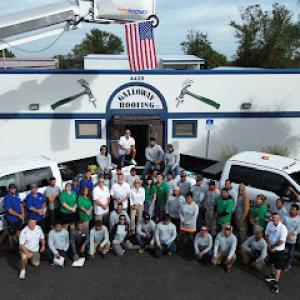
Galloway Roofing delivers storm-ready, Florida-tough roofing solutions for homeowners and businesses across Englewood and the surrounding communities. Our team provides honest inspections, leak detection, roof repair, full replacements, emergency tarping, and insurance claim support. Every roof is built to meet Florida wind codes and backed by lifetime-guaranteed materials. If you need fast response, clear communication, and roofing built for Englewood's weather, our local crew is here to help. Call to schedule a free inspection today."
A.B.A. Roofing & Construction, LLC - SWFL
(850) 238-6820 aba-roofing.com
1552 S McCall Rd, Englewood, Florida
5.0 from 33 reviews
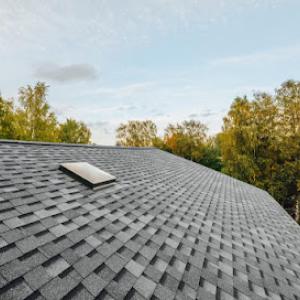
Serving Northwest and Southwest Florida, A.B.A. Roofing and Construction, LLC - SWFL offers residential and commercial roofing services, including warranties to protect your roof. We always use the highest quality materials available on the market and employ only the best installers around. We guarantee our work will satisfy every customer! We offer shingle, metal, and flat roof repairs and replacements. We can also help with all siding services, including Hardie Board, vinyl, lap, and batten siding. Aluminum fascia and vinyl soffit installation is available as well - there is no project too big! Looking for reliable painters? ABA can pressure wash, prep and paint your house in a timely and efficient manner. Give us a call!
J Taylor Construction
(941) 662-6070 www.jtaylorconstruction.com
2088 Oyster Creek Dr, Englewood, Florida
5.0 from 30 reviews
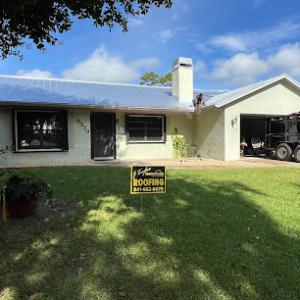
Roofing contractor providing shingle and metal installation CCC1334372 CRC1334146 We have been installing new roofs for happy customers for over 20 years in Southeast Michigan. I have been coming to Englewood for nearly 30 years and finally purchased a home here 10 years ago. I couldn’t think of a better way to spend more time in a place that I love so much other than start a second location for our roofing company. Don’t hesitate to check out our reviews in Shelby Township Michigan as we get established down here in southwest Florida! Since we are certified residential contractors in Florida as well, we have also been taking on some remodeling projects in the Englewood area after the terrible hurricanes /flooding.
Empire Roofing & Restoration - Florida Office
(941) 231-4080 myempireroofing.com
895 S Indiana Ave, Englewood, Florida
5.0 from 12 reviews
Empire Roofing and Restoration is one of only 2% of roofing contractors in the country to achieve GAF Master Elite Certification. This means that we can offer warranties that other contractors cannot offer, such as the Weather Stopper Golden Pledge. Contact us today for new roof installation, roof repair and replacement, storm damage repair, hail damage repair, wind damage repair and more! We work with all insurance companies and provide internal financing. Get a free inspection and cost estimate by calling us today!
Apex Roofmasters
(941) 460-6011 apexroofmasters.com
2850 Avenue of the Americas, Englewood, Florida
4.4 from 46 reviews
With over 35 years of expertise in the roofing trade, Apex Roofmasters is a family-run company dedicated to ensuring customer satisfaction in every project. Our locally owned and operated business proudly serves Southwest Florida, covering areas from Englewood to Sarasota Counties.
Higher Power Roofing | Englewood
(941) 841-3953 higherpowersolar.com
425 S Indiana Ave Suite 300, Englewood, Florida
5.0 from 3 reviews
Higher Power Roofing; A Dependable Roofing Contractor in Englewood With over a decade of experience, Higher Power Roofing has been the local beacon of high-quality roofing services in Englewood, FL. We are committed to delivering first-rate customer service from inception to completion, striving for 100% customer satisfaction on every project. Here's why you should entrust your roofing needs to this reputable Englewood roofing contractor. We are Licensed In the world of roofing, it's critical to select a licensed and insured company for your peace of mind, ensuring you're covered if anything goes awry during the repair or replacement process. Higher Power Roofing is fully licensed and insured.
Massey Roofing Services
(941) 807-4911 masseyroofingfl.com
545 Purdy St, Englewood, Florida
3.0 from 4 reviews
Your roof is essential for the protection and security of your family, employees, customers, valuables, business assets and equipment. Therefore, you should not trust it to anyone other than the professionals at Massey Roofing Services
Ristow Roofing
(239) 295-9898 ristowroofingllc.com
Serving
5.0 from 46 reviews
Ristow Roofing installs top quality roofing material the right way with exceptional attention to detail. I have been hands on in construction and roofing for over 30 years, completing thousands of projects big and small including many insurance claims. As an Owens Corning Preferred Contractor and an Atlas Pro Plus Contractor, we offer some of the best warranties in the industry. Call, text or email me anytime for a no cost, no pressure estimate.
Cape Haze Roof Pro
(941) 525-6100 www.capehazeroof.com
Serving
5.0 from 79 reviews
Family owned and locally operated! Roofing Installation, Replacement & Repair. Serving the Cape Haze peninsula and surrounding areas, Englewood, Placida, Boca Grande, Manasota Key, Rotonda, Port Charlotte, North Port, Wellen Park, Punta Gorda, Venice, Osprey, Nokomis, Casey Key & Sarasota. Our roofing services include; -Asphalt, Metal, Flat, TPO, Rubber, EPDM, Tile roofs, & Roof Coatings, -3rd Nail/Wall to Rafter Attachment, Chimney fabrication & repair -Emergency repairs, storm/leak damage assessments, insurance inspections & certification letters to give warranty that your structure remains safe and weather-tight year-round. We also offer complementary exterior services; -Seamless Gutter Installation & Maintenance -Soffit, Fascia & Siding

SmithBuilt Roofing & Exteriors
(941) 932-2441 smithbuiltroof.com
Serving
5.0 from 30 reviews
Locally owned and operated out of Manatee County. We are a family-owned company, building a future for our next generation. We specialize in roofing repairs, emergency services, hurricane damage repairs, storm damage roof repairs, roof maintenance, and roof replacement. We specialize in roof tile, metal, shingles, and flat on residential and commercial. We understand there are a lot of other roofing companies to choose from, and we want to show our clients that we are building on integrity. We take pride in our work and ensure every job meets our standards of excellence. We are building trust one roof at a time. Fully Licensed & Insured. Protect your home from Florida storms with SmithBuilt Roofing and Exteriors! License CCC1335456.
A.U.E. Roofing & Construction
(941) 271-7411 www.aueroofingconstruction.com
Serving
4.8 from 18 reviews
AUE Roofing & Construction located in Punta Gorda, Florida has been a trusted name in the construction industry since 2006. Throughout the years, our company has successfully completed numerous projects, delivering exceptional results that exceed client expectations. Our commitment to quality, innovation, and integrity has made us a leader in our field. AUE Roofing & Construction located in Punta Gorda, Florida, we proudly offer world-class construction services to clients across the state. Our team of skilled professionals is dedicated to delivering exceptional results for every project we undertake.
Englewood's housing stock features a dominant mix of metal, clay tile, and concrete tile, reflecting coastal Florida construction in Sarasota and Charlotte counties. On a single block, it's common to see a clay or concrete tile roof next to a metal roof, with the heat, salty humidity, and tropical storm patterns shaping maintenance needs. The visible tile may outlast the waterproofing layer beneath it, so what you can't see-underlayment, fasteners, and flashing-drives long-term performance more than the surface itself.
Tile roofs in this region face storm-related breakage and aging underlayment, and the repair work can be more complex if tiles crack or shift. After a tropical system, inspect for missing or cracked field tiles first, but don't overlook the underlayment's condition, especially at eaves and hips where wind-driven spray reaches. When tiles are damaged, the underlying waterproofing may already be stressed; plan to check the underlayment's exposure and any signs of moisture intrusion in attic spaces. If a tile roof hasn't had a recent ridge vent or soffit overhaul, consider that the vents may be clogged or degraded, allowing warm, moist air to accumulate under the tile deck. Scheduling a targeted inspection after the off-season lull helps catch issues before they become leaks.
Metal is especially relevant here because wind performance and a lower-maintenance profile often win out against higher upfront costs in a storm-prone market. In Englewood, metal roofs tend to hold up well against gusts and flying debris when panels are properly installed and fastened with corrosion-resistant hardware. The risk, however, lies in loose seam fasteners or damaged edge details, which can invite leaks during a heavy rain. If a metal roof shows any oil-canning, loose trim, or visible gaps at seams after a storm, treat that area as a priority for resealing and securement. Regular inspection of flashings at chimneys, skylights, and wall transitions helps prevent corrosion and water intrusion.
For both tile and metal, the best storm readiness hinges on a robust routine. In the tile realm, keep gutters clean, ensure proper drainage away from the eaves, and verify that underlayment remains covered by a protective layer and not exposed to sun and salt. For metal, keep tree limbs trimmed back, confirm that panels lock tightly and flashing remains intact, and watch for any hail-induced hail dents or edge wear after a storm. A proactive approach-scheduled visual checks after the hurricane season and before the heat of summer-reduces the chance of emergency repairs when insurance pressure in coastal neighborhoods peaks.
Provided local cost ranges run from about 350 to 700 USD per square for asphalt shingles, 600 to 1200 for metal, 900 to 1500 for clay tile, 700 to 1200 for concrete tile, 600 to 1100 for wood shingles or shakes, and 500 to 900 for synthetic or composite shingles. Those figures reflect Englewood's mix of tile, metal, and shingle choices, and they're the starting point you should anchor bids to when you start conversations with contractors. Your exact price will hinge on roof size, complexity, and the chosen material, but expect the quoted per-square rate to shift with labor intensity and material availability after storms.
In Englewood, costs can rise after tropical storms when regional demand spikes for tear-off crews, underlayment, and emergency dry-in work across nearby Gulf communities. If a storm hits, multiple crews converge, and you'll see higher bid pressures, faster timelines, and potential surcharge for expedited service. That same period may also drive higher material costs due to supply chain hiccups and limited stock on popular options like metal and concrete tile. Planning ahead for these swings can save you both time and money, especially if you can schedule pre-storm work during calmer months.
Material choice matters more than average in this market because tile and metal are both common locally, and each brings different labor intensity, structural considerations, and repair logistics. Tile options-clay or concrete-often require specialty crews and careful roof framing assessment, which can push labor costs upward alongside material price. Metal roofs offer durability against salt air and wind but introduce different fastening, insulation, and flashing needs. Asphalt remains the most flexible option but can show wear sooner in harsh coastal conditions. Weigh long-term performance and maintenance really alongside upfront cost, especially if you anticipate frequent near-storm weather or insurance-driven re-roofs.
Start with a clear load path and existing deck condition assessment so bids reflect true scope, not surprise adders after a storm. If you're near a storm season window, request itemized quotes that separate tear-off, disposal, underlayment, flashing, and dry-in. Ask for crew availability and lead times for each material type, since demand can shift week to week. Finally, consider whether hybrid approaches-combining tile with a matching, lighter overlay or a metal accent-offer a balance of cost, wind resistance, and local aesthetic without compromising structural integrity.
The most popular roofing material in the US. Find pros who install, repair, and replace asphalt shingles.
Hoover Roofing
(941) 473-7464 www.hoover-roofing.com
4005 S Access Rd, Englewood, Florida
4.9 from 100 reviews
Galloway Roofing
(941) 394-0719 gallowayroofing.com
4425 Placida Rd, Englewood, Florida
4.7 from 281 reviews
A.B.A. Roofing & Construction, LLC - SWFL
(850) 238-6820 aba-roofing.com
1552 S McCall Rd, Englewood, Florida
5.0 from 33 reviews
A full re-roof in Englewood typically requires a building permit filed with the local building department by the contractor with license information and project details. The city's coastal climate and storm exposure mean the permit packet often includes specifics on wind resistance, roof structure, and any changes to venting or underlayment. Your contractor should provide a complete scope, including the type of roofing material, two-line detailing of fasteners and nailing patterns, and confirmation of proper attic ventilation. The filing process acts as a formal record that the work meets current code requirements and helps ensure the project is trackable if a storm survey or insurance review occurs later. Any temporary staging or material storage on the premises should be accounted for in the permit plan to minimize neighborhood disruption and avoid code violations.
Inspections in this market are staged rather than one-and-done, and a final inspection is required before the roofing job is considered complete. Expect several checkpoints: a pre-installation or framing review, a mid-course inspection during deck or underlayment work, and a final inspection after shingles or tiles are set and fasteners are tested. The staged approach helps address Florida's humidity, salt exposure, and wind considerations as the project progresses, reducing the chance of surprises at the end. Keep access clear for inspectors and have any required test cuts, sample products, or closing details ready. If there's any deviation from the permit scope-such as changes in underlayment, venting, or roof deck repair-coordinate with the building department to amend the plan and avoid delays. A clean, well-documented inspection trail can be crucial for smooth insurance handoffs after a storm, should questions arise about workmanship or materials.
Wind mitigation considerations may be reviewed during the permit or inspection process, which is especially relevant in this coastal Florida insurance environment. Expect questions about nail patterns, shingle or tile fastening, an impact-resistant layer, and sealing strategies around penetrations like vents and chimneys. In hurricane-prone seasons, inspectors pay close attention to attic access, attic ventilation balance, and proper fascia and drip-edge installation, all of which influence wind performance. Your contractor should present a clear wind mitigation plan as part of the permit submittal, including any changes to deck connections or rafter ties. If the plan includes retrofits or upgrades to meet current wind codes, document the rationale and approved methods so that the final inspection confirms compliance and the project aligns with local expectations for coastal resilience.
The Gulf Coast climate in this area pushes moisture into every layer of a roof, and that humidity accelerates wear on materials more than inland markets see. In tropical storm season, salt-laden air also sits on surfaces, which can corrode metal fasteners and shorten the life of sealants. When a roof is chosen for durability in this setting, expect better performance from materials built to resist moisture absorption and salt spray. Venting and proper underlayment gradients remain critical in this coastal context.
Summer thunderstorms are a near-daily rhythm, and they can delay underlayment work and affect how sealants and fasteners perform during installation. Aim for dry, heat-minted days to lay underlayment smoothly, but watch the radar for midafternoon squalls. In practice, crews may tighten seals in cooler morning hours and pause if humidity spikes or rain moves in. This local weather cadence means flexible scheduling and staggered steps during rain-prone weeks.
Even in the drier season, extreme heat can reduce crew productivity and influence how larger re-roof projects are sequenced. Plan mid-morning to mid-afternoon work breaks, ample water, and shade for crews when possible. Younger tiles and metal roofing can expand with heat, so fastener schedules should anticipate thermal movement. Homeowners may notice longer timelines during peak heat, but steady, cooler periods often yield higher-quality installations with fewer warranty concerns.
Throughout the year, anticipate heat surges that push tasks toward early mornings or late evenings. Align material deliveries to cooler periods to minimize warping or handling damage. In storms-forward communities, keeping a tight but flexible plan helps avoid weather-related setbacks while maintaining a focus on long-term durability for this shoreline neighborhood.
Flat and low-slope roofing is an active specialty in the Englewood market, indicating meaningful demand beyond standard pitched residential roofs. In humid, stormy conditions, heavy rain can overwhelm aging seams, penetrations, or transitions, turning a quiet drip into a costly surprise after a tropical storm. The coast's salt-loaded air accelerates corrosion and degrades sealants, so small weaknesses tend to grow quickly.
A low-slope roof relies on consistent waterproofing across seams and penetrations. When those joints fail or become marginal, water finds its way to underlying sheathing and attic spaces. In practice, that means a routine check after storms is not enough-conduct a closer look at edge details, flashing around penetrations, and any transitions where flat sections meet slopes or different materials. A neglected corner or misaligned boot can become a wreckage point in the next wave of weather.
Mixed-roof homes in this coastal market often need different maintenance strategies for low-slope areas than for adjacent tile, metal, or shingle sections. The slope differences complicate drainage and shed water more slowly, so attention to drainage outlets, perimeter edges, and scuppers is critical. Do not assume a single plan applies to all sections; coordinate care across materials to prevent cascading leaks.
Plan proactive inspections after heavy rains or tropical systems, focusing on fastener corrosion, sealant integrity, and flashing performance. Keep an eye on debris buildup in gutters and along transitions, because blockages can force water toward vulnerable seams. If a leak appears, address it promptly rather than awaiting a full roof replacement, as delaying repairs compounds damage and cost.
Find specialists in TPO, EPDM, and built-up flat roofing systems for residential and commercial properties.
Hoover Roofing
(941) 473-7464 www.hoover-roofing.com
4005 S Access Rd, Englewood, Florida
4.9 from 100 reviews
A.B.A. Roofing & Construction, LLC - SWFL
(850) 238-6820 aba-roofing.com
1552 S McCall Rd, Englewood, Florida
5.0 from 33 reviews
In Englewood, documentation matters more than usual because insurers may request prior-condition photos, roof age details, and wind mitigation records after storm events. When a re-roof is completed, assembling a clear, dated record helps prevent disputes about what occurred before and after the storm. Keep a folder with old maintenance notes, contractor invoices, material specs, and any communications about preexisting damage. Take fresh, high-resolution photos from multiple angles during the project, including attic spaces if accessible, to show conditions before and after installation. Wind gutters, fasteners, and flashing details deserve close attention in photo timelines, since coastal exposure can reveal subtle wear that matters when an insurer reviews the claim.
Final inspection approval is a key part of the homeowner record set for future resale, insurance questions, and proof that the re-roof was properly closed out. Ensure the contractor marks the exact date of the final inspection and provides a signed completion certificate. Request a written confirmation that flashing, ventilation, and underlayment were installed according to the chosen system and that all penetrations were sealed against salt spray and high humidity. Store the inspection paperwork with the warranty documentation and the project photos. Present this bundle during any future property transfer to demonstrate a well-documented, storm-ready roof.
Warranty discussions are especially important in a market where storm exposure, humidity, and salt-heavy coastal conditions can complicate later disputes over material versus installation failure. Review what the warranty covers for wind-driven damage, algae or mold growth, and fastener corrosion, and confirm whether salt exposure affects performance timelines. Verify that the warranty transfers to new owners if the house changes hands and that the transfer terms align with the project's completion date and final inspection approvals. Keep a clear record of any warranty claims filed, the dates, and the responses provided, so future questions about performance have a straightforward history to reference.
On this coastline, skylights and solar penetrations ride the same wind-driven rain that tests every roof after a tropical event. Weak flashing details can fail quickly when salt-heavy humidity meets driving rain, so any skylight or panel install needs meticulous flashing alignment, with sealants that endure Florida heat and salt spray. If a roof already bears the marks of hurricane-season wear, new penetrations should be inspected as a priority, because even small gaps can become big leaks in a matter of minutes during a severe storm.
Any roof replacement that adds penetrations should be planned with care, since Englewood homes often rely on tile and metal surfaces that react differently to flashing and end caps. The local weather pattern amplifies stress on seams, so choose flashing kits and fasteners rated for coastal climates. When a project combines re-roof work with skylight or solar deployment, the project sequence matters: flashing, underlayment, and shingle or panel integration must be treated as an integrated system rather than separate tasks. If a storm surge or heavy rain is forecast during installation, coordinate delayed penetrations or temporary seals to minimize exposure.
Opt for hurricane-rated skylights and solar mounts that feature reinforced frames and corrosion-resistant hardware. Venting options should minimize the chance of wind-driven water infiltration, and sills should shed water toward a competent drip edge. Rafter and deck compatibility matters: ensure the structure can carry the added load without compromising adjacent flashing. In coastal situations, installers should provide a comprehensive plan for back-damming and sealant redundancy, so even after high-wind events the roof remains watertight rather than patched ad hoc.
After a tropical storm or heavy rainfall, conduct a targeted inspection of all penetrations. Look for loose fasteners, torn flashing, or compromised sealants around skylights and solar gear. Address issues promptly, because small leaks become bigger problems once sun and heat resume. Keeping a sharp eye on the intersections between skylight housings and existing roofing can prevent lingering moisture that leads to rot or corrosion.
Find contractors experienced in skylight installation, flashing, and leak repairs to bring natural light into your home.
Billy Kimberlin Roofing
4064 N Access Rd, Englewood, Florida
4.3 from 36 reviews
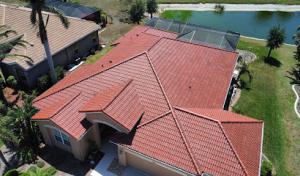
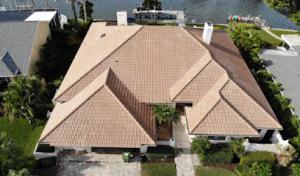
Florida's storm-prone insurance market affects Englewood homeowners directly through elevated wind and hail claim activity and tighter underwriting around older roofs. The Gulf-facing exposure and salt-heavy humidity amplify wear on shingles, tiles, and metal. As storms become more frequent and intense, insurers tighten their appetite for risk, especially when a roof shows its age or aligns with higher-risk materials. What that means in practice is that a roof isn't just about maintenance-it can influence how coverage is written, how quickly a claim is processed, and whether a policy is renewed at all after a major weather event.
Insurers in this region may adjust coverage, timelines, or documentation requirements based on roof age and roof type, making replacement timing a financial decision as much as a maintenance one. A roof that's nearing the end of its expected life, or one with materials susceptible to wind-driven damage, can trigger higher deductibles, reduced limits on certain perils, or the need for additional photos and contractor notes. In a coastal market like this, a tile or metal roof that has shown resilience may still face scrutiny if granule loss or fastener corrosion is evident. Planning around these underwriting realities helps avoid last-minute coverage gaps after a storm.
Homeowners in Englewood benefit from keeping organized records of inspections, permits, final approvals, and storm photos because insurance questions often arise before and after major weather events. A well-kept file streamlines claim discussions and supports depreciation discussions when a roof is evaluated post-storm. If a claim is filed, having a timeline of prior maintenance, recent repairs, and material specifications can shape how insurers assess damage and recoverability. Staying proactive with documentation reduces surprises when wind and hail drive scrutiny after the season peaks.