Last updated: Apr 19, 2026
North Port's highest roofing disruption window lines up with Florida's June through November storm season. That period brings tropical systems that can delay tear-offs, dry-ins, and final scheduling. If a roof is age- or wind-mamage-prone, waiting for perfect weather is rarely an option-because storm tracks, heat, and sudden downpours can push months of activity into a tight two- to four-week window. You should plan for a rough, weather-vulnerable installation schedule during this span, with backup days already penciled in. The clock runs differently here: forecasts may look clear, but a passing tropical wave can rewrite the calendar overnight.
The hot, humid wet season amplifies the stakes. Exposed underlayment and sealants degrade faster when reroof work is stretched between rain events. A few hours of sun between storms isn't enough to fully cure adhesives or sealants, and damp membranes can trap moisture under the new covering. In practice, that means a delayed start or an extended, sporadic sequence of work days translates into higher risk of leak paths and fast-deteriorating plywood or decking. The practical takeaway: keep roofers with a tight, weather-aware plan that minimizes gaps between components, so you don't end up with exposed areas during a sudden downpour.
Sarasota County's storm-prone insurance market shapes how quickly a reroof moves-from plan to completion. Homeowners often time replacement before the peak storm season to avoid weather delays and claim complications on aging roofs. That urgency isn't just about avoiding a rain-in-progress scenario; it's about reducing exposure to wind-driven damage during the process itself and ensuring the new system aligns with wind-mitigation expectations common to local assemblies. If a roof shows signs of aging, prioritize a schedule that aims to complete before June, when the risk of disruptive systems rises sharply.
Begin by mapping your target completion to the calendar: the earlier you can secure a start date in late spring or early summer, the more buffer you gain before the peak of hurricane season. Look at your roof's current condition-whether tiles are loose, underlayment shows wear, or metal seams exhibit any corrosion. If there is any doubt about roof decking or flashing integrity, that's a red flag for prioritizing clearance and sequencing so that nothing remains exposed as storms threaten. Talk openly with your contractor about the possibility of back-to-back warm, windy days that can accelerate timing but also increase risk if the roof isn't fully protected.
Coordinate a fast tear-off with a compact but thorough install. A streamlined process reduces the number of weather exposure events, which is crucial during the June-November window. Ensure materials arrive in advance to avoid delays that would force weeks of idle time under unpredictable skies. Confirm staging areas and access for crews to reduce on-site complexity on rainy days, which can double the likelihood of leaks during prolonged projects. Ask for a robust tarp-and-drain plan to shield surrounding landscaping and prevent runoff from entering vulnerable areas during sudden squalls.
Set a hard start window with your contractor that targets the earliest feasible slot before the traditional storm spike. Request a staged timeline that minimizes idle days between tear-off, dry-in, and final inspection, with contingency days built in for rain. Establish daily progress checkpoints during the critical June-to-November period so you know exactly what remains to be completed. Finally, insist on a clear plan for securing flashings and sealants in the final stages, ensuring a wind-ready installation as soon as possible once the last patch of weather passes. This proactive posture reduces the chance of weather-related setbacks and helps protect your home through the storm season.
Tile roofs are common on Southwest Florida homes, and in this market they demand attention to cracked field tiles, aging underlayment, and matching profiles for partial repairs. If a roof has clay or concrete tiles, a storm-ready plan starts with a careful inspection of the field tiles across the eave line and in the rows most exposed to wind-driven rain. Even long-lasting coverings can conceal underlayment wear, so plan to pull back a small area at the most vulnerable section to verify the condition beneath. When the underlayment shows signs of wear, or where cracked tiles have allowed moisture ingress, replacement or retreatment should prioritize a full or partial re-lay with a weatherproof barrier that mirrors Florida-style profiles to sustain wind performance. For matching profiles during repairs, you'll want to source tiles with the same curvature, texture, and color saturation to avoid inviting wind-driven debris into the roof plane.
Metal is a strong option where storm-readiness is a priority, but finish quality matters more in this coastal climate because salt air can accelerate corrosion of exposed metal components. When evaluating a metal option, focus on the coating system, panel gauge, and the compatibility of flashings and accessories with Florida wind-mitigation expectations. Pay special attention to fasteners and sealants rated for salt exposure, and verify that the entire local roof assembly, including ridge caps and edge details, is designed to resist uplift from seasonal storms. If choosing metal, consider a finish with proven coastal performance and ensure that color, texture, and panel profile align with the home's architecture while preserving long-term maintenance ease. A well-sealed edge and a robust sealant schedule help prevent moisture intrusion at penetrations and along the perimeter.
Asphalt and synthetic shingles remain a practical choice when matching Florida-style homes, especially where simple repairs are common. In storm scenarios, verify that the chosen shingle system pairs with the existing flashing and underlayment, and that any transition to a new shingle type preserves a watertight perimeter around chimneys, skylights, and vents. For partial repairs, matching the shingle profile and granule abrasion is crucial to avoid accelerated degradation in wind-driven rain. If a full replacement becomes necessary, ensure the new system includes a wind-rated underlayment and code-appropriate fasteners that resist uplift. In all cases, coordinate with weather windows to minimize exposure during hurricane-season reroof timelines and to prevent compounding damage from repeated rain events.
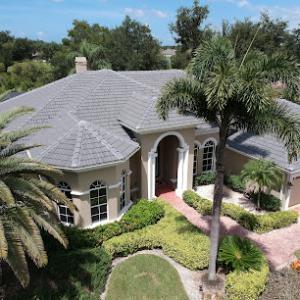
Green Coast Roofing & Solar
(239) 776-8680 www.gogreencoast.com
North Port, FL
4.9 from 286 reviews
The Green Coast Roofing and Solar brings SPEED, INTEGRITY and QUALITY! Ensuring unwavering client satisfaction. We are a Solar, Roofing and General Contractor that raise the bar for quality and performance. A second generation contractor in SWFL since the 1970’s. We believe in continuing our reputation as people of character and standing in our community through fair and transparent business. Specializing in all your Roofing and Solar needs. Residential, Commercial and Hurricane Restoration.
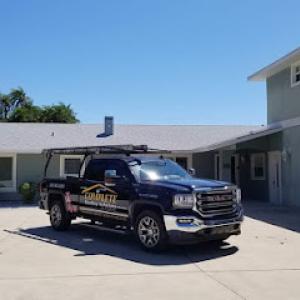
Complete Roofing Solutions of Florida
(941) 961-8263 completeroofingsolutionsfl.com
North Port, Florida
5.0 from 85 reviews
Complete Roofing Solutions of Florida is a trusted roofing company serving North Port, FL and the surrounding areas. Known for quality workmanship and reliable service, this roofer handles everything from minor repairs to full roof replacements. As a licensed roofing contractor, they work with both residential and commercial clients to deliver durable, weather-resistant roofing systems. With a commitment to customer satisfaction and attention to detail, Complete Roofing Solutions of Florida stands out as a dependable choice for all roofing needs.
Westfall Roofing
(941) 231-5738 www.westfallroofing.com
1050 Innovation Ave # B100, North Port, Florida
4.9 from 50 reviews
Westfall Roofing, a North Port-based roofing contractor, leverages over 35 years of experience to deliver top-quality residential roofing solutions. Their team of skilled professionals is dedicated to finding the perfect roofing solution for your home, using only the best materials from Owens Corning, a leading manufacturer. Westfall Roofing prioritizes customer satisfaction and offers financing options for your convenience.
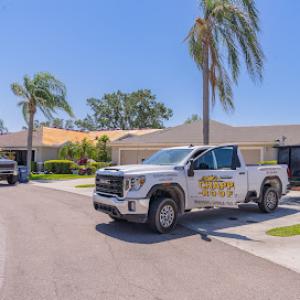
Chappelle Roofing
(941) 289-0465 chappelleroofing.com
6304 Tropicaire Blvd, North Port, Florida
4.8 from 52 reviews
Chappelle Roofing is a locally-owned roofing company in North Port, FL, specializing in residential and commercial roofing services. We may offer the following roofing services: residential and commercial roofing, roof repair, roof installation, roof replacement, shingle roofing, tile roofing, metal roofing, flat roofing, storm roof repair, and emergency roof tarping and repair. We have over ten years of experience in roofing and insurance claims handling, and hundreds of satisfied clients who will back us up. Chappelle Roofing is here for whatever type of roofing services you may need in North Port, FL. Give us a call whenever you need any residential or commercial roofing services.
Trident Roof Solutions
(941) 837-7717 www.tridentroofs.com
3638 Pericles Ave, North Port, Florida
5.0 from 17 reviews
Trident Roof Solutions is a locally owned roofing contractor based in North Port, Florida, serving Southwest Florida. We specialize in high-quality residential and commercial roofing services, combining expert craftsmanship with responsive customer care. Founded by Kim and Brandon Taylor, Trident Roof Solutions brings together strategic leadership and licensed roofing expertise. Our mission is simple: to deliver roofing solutions that are built to last, backed by integrity, and trusted by the community. We offer all your roofing needs. Contact us today!
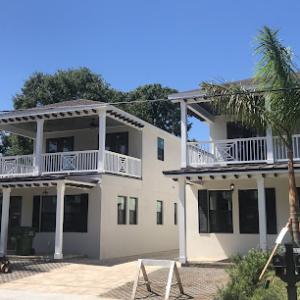
SF Roofing Quest
(941) 961-0065 www.sfroofingquest.com
1312 Nora Ln, North Port, Florida
4.8 from 35 reviews
At SF Roofing Quest, LLC, we combine the values of a veteran-owned, family-operated business with the expertise of a fully certified and licensed roofing contractor. Since 1993, we’ve served residential and commercial clients in Sarasota County, Charlotte County and throughout Manatee County. Our comprehensive range of services includes roof replacements, roof installations, roof repairs, and maintenance, as well as other specialized services.We Install shingles, metal roofs, tile roofs, flat roofs and all repairs We also install TPO roofs on commercial roofs as well as silicon roof coating . We are also doing roof cleaning on all types of roofs . We are proud members of the BBB with A + rating
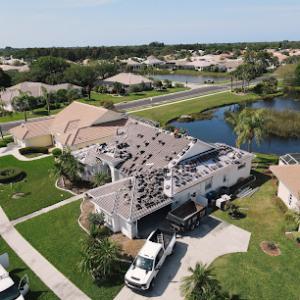
Coastal Roofing
2423 S Salford Blvd, North Port, Florida
4.5 from 113 reviews
Coastal Roofing is a Family Owned, Trustworthy & Professional Roofing contractor That Does Quality Workmanship we Guarantee. We are Licensed, Bonded & Insured Dedicated to promptly serve YOU!
Family Pride Roofing
(941) 429-6464 www.familyprideroofing.com
5451 Gannaway St, North Port, Florida
4.5 from 93 reviews
Family Pride Roofing is a licensed and insured roofing contractor proudly serving Sarasota County and Charlotte County for over 19 years. We specialize in residential and commercial roof repairs, full replacements, and storm damage restoration. Our team works with shingles, tile, metal, and flat roofing systems. As a family-owned local business, we’re committed to delivering quality workmanship, honest service, and long-lasting roofing solutions.
Tioli Roofing
(941) 380-4678 tioliroofing.com
6772 Old Court St, North Port, Florida
4.7 from 25 reviews
Roofing Contractor
A.U.E. Roofing & Construction
(941) 271-7411 www.aueroofingconstruction.com
North Port, Florida
4.8 from 18 reviews
AUE Roofing & Construction located in Punta Gorda, Florida has been a trusted name in the construction industry since 2006. Throughout the years, our company has successfully completed numerous projects, delivering exceptional results that exceed client expectations. Our commitment to quality, innovation, and integrity has made us a leader in our field. AUE Roofing & Construction located in Punta Gorda, Florida, we proudly offer world-class construction services to clients across the state. Our team of skilled professionals is dedicated to delivering exceptional results for every project we undertake.
RoofPro Roofing - West Florida
(941) 456-4496 roofproroofing.com
1647 Squaw Ln, North Port, Florida
4.8 from 18 reviews
RoofPro Roofing: Your trusted GAF Certified Contractor in West FL. Specializing in residential and commercial roof replacements, we offer expert services for shingle, metal, tile, and flat roofing. Our skilled team ensures high-quality, leakproof installations that meet manufacturer guidelines and state codes. Serving Sarasota, Charlotte, Manatee, Hillsborough and Pinellas Counties, we're committed to delivering exceptional results on time and within budget. Whether you need a new roof for your home or business, or a roof repair, RoofPro Roofing provides dependable solutions and outstanding customer service. Choose us for all your roofing needs in Southwest Florida. Contact RoofPro Roofing today for a free estimate.
Craftsman Custom Builders
North Port, Florida
5.0 from 9 reviews
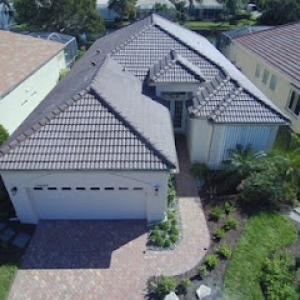
Craftsman Custom Builders is a roofing contractor / roofer serving the Englewood, FL area. Services include Roofing, Metal Roofs, Shingle Roofs, Tile Roofs, Roof Replacement, Roof Installation, Solar Installation, Roof Vents, Roof Tarping, Roof Repair, Roof Coating, Flat Roofs, Flashing, Commercial Roofing, Roof Leak Detection, Hail Damage, Slate Roofing, Roofing Insurance Claims, 24 Hour Emergency Roofing, Roof Inspection and Wind Damage.
When planning a roof replacement, use local ranges: asphalt shingles typically run about $350-$700 per square, metal $700-$1200 per square, clay tile $1500-$2600 per square, concrete tile $1000-$1900 per square, wood shingles/shakes $450-$900 per square, and synthetic/composite shingles $500-$1200 per square. These figures reflect what you'll see for typical homes with common Florida-style roof lines, not distant markets. In North Port, this baseline keeps you grounded as you compare bids and avoid chasing nationwide "average" prices that don't account for our climate or housing stock.
Costs in this area can rise sharply after tropical weather because reroof demand spikes across Sarasota County and nearby Gulf Coast communities at the same time, tightening labor and material availability. When a storm season hits, suppliers and crews shift priorities, and even routine reroofs may experience delays or surcharges. If you're aiming for a late summer or early fall project, you'll want to plan for potential price inflation and a tighter labor pool. Having a short-list of reputable contractors and a clear scope helps lock in timing and reduce the risk of last-minute price hikes.
Homes with heavier tile systems, Florida-style roof geometry, and replacement needs tied to upgraded underlayment or wind-mitigation details typically see wider pricing swings than straightforward shingle reroofs. Tile roofs-clay or concrete-are especially sensitive to local wind-mitigation requirements and the need for proper underlayment and venting. If your roof geometry includes complex hips or a standing-seam look, expect higher bids not just for materials but for skilled installation and inspection for wind-resistance. In contrast, asphalt shingles remain the most affordable entry, but even there, per-square costs can climb if a roof needs extra nails, secondary water barriers, or upgraded fasteners to meet wind standards.
If a reroof is driven by storm damage, timing matters. Post-storm repairs may involve insurance-backed projects that compress scheduling and raise costs due to expedited material and crew needs. In contrast, pre-storm replacements give you more control over selection and sequencing, but still face the same local price rhythms during peak season. For best value, target non-peak windows, secure informed bids well before hurricane season, and confirm that the chosen option includes appropriate underlayment, wind-rated details, and a practical ventilation plan tailored to a Florida climate.
Don't let upfront costs delay a critical repair - these contractors offer payment plans to fit your budget.
Westfall Roofing
(941) 231-5738 www.westfallroofing.com
1050 Innovation Ave # B100, North Port, Florida
4.9 from 50 reviews
Chappelle Roofing
(941) 289-0465 chappelleroofing.com
6304 Tropicaire Blvd, North Port, Florida
4.8 from 52 reviews
In this market, full reroof permits are typically required for projects through the City of North Port and the Sarasota County Building Department review process. That means you should expect formal permit applications, plan checks, and a record trail that travels from initial submission through rechecks to final approval. The goal is to show roofing details that meet Florida wind and building-code expectations, with documentation that can be used for future insurance adjustments or wind-mmitigation credits. Keep in mind that the permitting authority may request calculations for roof spans, nailing schedules, and specific hardware that proves the roof can resist anticipated wind loads.
North Port reroof jobs commonly involve rough-in and final inspections rather than a single sign-off, so scheduling and dry-in sequencing matter during the wet season. Plan for a staged process where the roof deck, underlayment, and temporary weather protection are in place before interior work resumes. If a storm front rolls in, field inspectors may adjust windows for inspections, so build a buffer into your timeline. Coordinate with your contractor to align inspection-ready milestones with the city and county calendars, especially when seawater-salt air and heavy rains can complicate temporary protection and interior moisture management.
Review attention in this market includes wind-mitigation-related features when applicable, which can affect both approval details and the documentation homeowners keep for insurers. Wind resistance components-such as roof-to-wall connections, properly installed fasteners, and impact-rated or high-wumption underlayment-often influence not only the permit package but also the insurance post-installation process. As you gather records, preserve product data sheets, installation manuals, and photos of fastener patterns and mitered flashing details. If you pursue any credits or discounts through your insurer, you'll want a clear, dated trail of compliance that aligns with what the permitting authority reviewed.
Effective communication matters in this climate, where a late-summer rain event can affect scheduling and material performance. Proactively share your anticipated inspection dates with your contractor, and request a pre-inspection checklist tailored to the North Port/Sarasota process. Your contractor should confirm that rough-in and final inspections are queued for the same permit, with clear dry-in sequencing and weather plans that minimize risk of weather-related delays. By keeping the paperwork orderly and timelines transparent, you reduce the chance of last-minute holds that complicate a hurricane-season reroof window.
North Port sits in Florida's high roof-claim environment, where insurers often ask for roof age, replacement records, and photo documentation before binding or renewing coverage. That reality shapes how you approach your roof long before a storm arrives. If your roof is aging or has nonstandard features, plan a proactive path: keep a clearly dated log of any major repairs, replacement materials, and contractor notes. When a hurricane season looms, a homeowner who has organized, legible history stands a better chance of smooth renewals and fewer last-minute surprises at the desk of your insurer.
Because adjusters in this market rely heavily on thorough photos and documentation after storms, North Port homeowners benefit from pre-loss roof condition records and dated post-storm images. Take clear photos from multiple angles, both of the entire roof and any flashing, penetrations, or visible fasteners. Store archives in a cloud-aligned folder or a physical binder that stays with the house. After a storm, snapshot the roof again within days, noting any new damage, granule loss, lifted shingles, or displaced vent flashing. If a contractor can safely access the roof, obtain a quick, dated note or a short video describing observable issues. This practice can streamline the claim process and reduce back-and-forth with adjusters who expect thorough visual evidence.
Wind-mitigation features can influence premiums and coverage options in this region, making permit records, inspection approvals, and installation details more important than in lower-risk states. When you upgrade or repair, retain documentation that demonstrates compliance with wind-resistant design goals: roof-to-wall connections, nailing patterns, underlayment quality, and the integrity of penetrations. If a recent storm exposed a vulnerability, document the corrective steps with dated invoices and photos. For existing homes, consider conducting a formal wind-mmitigation assessment or a certified inspection when convenient, so you have a credible record ready for renewal. In practice, clear evidence of careful detailing and solid attachments can translate into fewer disputes and a smoother path through the insurance process after the next big wind event.
Connect with contractors who help homeowners navigate the claims process from damage assessment to final approval.
Complete Roofing Solutions of Florida
(941) 961-8263 completeroofingsolutionsfl.com
North Port, Florida
5.0 from 85 reviews
Mark Kaufman Roofing
(941) 426-5241 www.markkaufmanroofing.com
1001 Corporate Ave #105, North Port, Florida
4.7 from 879 reviews
In this climate, asphalt systems commonly age from prolonged UV exposure, heat, and humidity, while exposed sealants and underlayment can deteriorate faster during long hot summers. Look for curled edges, lifted tabs, and granule loss near the eaves after storms or intense sun. Short of a full roof replacement, plan for targeted resealing and edge repairs when you notice sealant cracking or moisture behind softened flashing. Regular checks after the wet season help catch trouble early before leaks show from the attic.
Tile roofs in this market often fail first through broken or displaced tiles and aging underlayment rather than total surface wear, which can make leaks appear before the roof looks fully worn out from the ground. Inspect for cracked or displaced tiles after heavy wind events or hail. Pay attention to the valley seals and surrounding flashings, where movement is common. If tiles are intact but still leaking, the underlayment beneath may be deteriorating from long exposure to heat and humidity.
Metal roofs and accessories in the broader Gulf Coast environment around North Port need close attention for corrosion at fasteners, flashings, and other components exposed to humid salty air. Inspect seams, ridge caps, and penetrations for corrosion signs or loose fasteners after hurricane-season storms. Ensure coatings are intact and note any discoloration or pitting. Flashings around chimneys and walls deserve extra scrutiny where salt-laden air pools during the summer thunderstorms.
On any system, plan a mid-summer inspection with emphasis on sealants, underlayment condition, and fastener security. Post-storm checks should focus on damage at edges, penetrations, and transitions between roof material and walls. Early intervention saves more extensive repairs later and keeps the roof storm-ready when the next season rolls in.
Extend the life of your existing roof with reflective or waterproof coatings that protect against UV and moisture.
SF Roofing Quest
(941) 961-0065 www.sfroofingquest.com
1312 Nora Ln, North Port, Florida
4.8 from 35 reviews
General Roofing Solutions
(941) 782-9883 grs-roofing.com
14385 S Tamiami Trl c, North Port, Florida
5.0 from 9 reviews
North Port's wet-season downpours put a sharper edge on drainage performance, especially on additions, lanais, and mixed-roof homes where water can pond or back up at transitions. When a low-slope area is compromised by debris, clogged scuppers, or marginal slope, that standing water can find a slow path toward the interior through weak seams or under flashing. In these settings, even small misalignments or displaced underlayment become problematic after a heavy afternoon shower. Regularly verify that transitions between old and new sections maintain a clear path for water to move, and consider enhanced edge detailing where additions join the principal roof line.
Homes in this market with skylights or roof penetrations are more vulnerable during wind-driven summer rain, when flashing weaknesses show up quickly even if the main field covering still looks serviceable. Flashing around skylights, vents, chimneys, and transitions needs extra scrutiny after a storm season or a named-hurricane event. Look for loose aero-seals, lifted membrane edges, and any micro-gaps that collect wind-driven spray. If flashing looks compromised, address it promptly rather than waiting for a full reroof cycle, since a small leak can escalate behind a seemingly solid surface.
Because emergency response is a strong local specialty, leak containment and temporary dry-in are a practical concern in this area when storms interrupt permanent repairs. Have a plan for rapid tarping or temporary sealing over exposed penetrations and transitions during heavy rain delays. Keep a toolkit of leak-stoppers and a simple protocol to isolate active damp zones, so a brief interruption does not turn a minor bleed into a substantial interior issue. Preparedness here translates into fewer nights with soaked ceilings and interior damage.
Find specialists in TPO, EPDM, and built-up flat roofing systems for residential and commercial properties.
Complete Roofing Solutions of Florida
(941) 961-8263 completeroofingsolutionsfl.com
North Port, Florida
5.0 from 85 reviews
Chappelle Roofing
(941) 289-0465 chappelleroofing.com
6304 Tropicaire Blvd, North Port, Florida
4.8 from 52 reviews
SF Roofing Quest
(941) 961-0065 www.sfroofingquest.com
1312 Nora Ln, North Port, Florida
4.8 from 35 reviews
During hurricane-season planning, the roof is the first line of defense and the most visible element of storm readiness. In this climate, attachment details and the remaining life of the roof matter as much as the panels themselves. If a reroof is looming, aligning it with a future solar install minimizes the risk of rework after panels are mounted and reduces the chance of weather-driven surprises during inspections. A solid, well-sealed roof that's designed to stay watertight through quick-downpours and tropical winds makes solar hardware more reliable and easier to maintain over the life of the system.
Metal roofs and newer shingle systems lend themselves more readily to solar integration than aging tile roofs, which frequently require additional underlayment attention or retrofit work to meet modern attachment and wind-resistance standards. In practice, a metal or modern asphalt system often comes with flatter, more accessible rafter and deck areas for racking and mounting, plus fewer concerns about compromising tile integrity during installation. For homes with clay or concrete tile already showing age, the solar integration plan should include a careful assessment of underlayment condition, tile-to-rafter connections, and potential tile breakage risk, since these factors directly affect long-term performance and warranty eligibility.
Coordinating reroof timing with any planned solar installation helps keep permit records, inspection milestones, and warranty documentation aligned in a market where storm exposure drives insurance considerations. Your plan should map out a clear sequence: secure a reroof assessment, confirm roof-deck condition, and then schedule solar hardware installation to minimize patchwork and re-entry into the roof deck. This approach reduces the likelihood of retrofit requirements after panels are installed and supports a more seamless, storm-resilient result when Florida's wild weather arrives.
Find contractors who integrate solar panels or solar shingles into your roof for long-term energy savings.