
Last updated: Apr 19, 2026
Spring and summer bring intense, fast-moving thunderstorms that hammer roofs across this area. Shallow-pitched homes and older shingles are especially vulnerable to wind uplift, hail dents, and accelerated wear from heat and humidity. When a storm hits, the urgency to protect interiors collides with tight timelines for temporary cover, inspections, and permanent repair. You'll notice a sudden spike in activity as someone's gutters leak, or hail gouges show up after the skies clear. This is not a typical "nice-to-have" project-it's a race against weather windows and escalating damage if left unaddressed. The real danger is that a minor leak becomes a soggy attic before you even secure a contractor.
The local market runs high on storm damage, insurance claims, and emergency repairs. After a wind or hail event, neighbors share notices from adjusters and emergency crews arrive to tarp exposed areas. That immediate surge can create a crowded field: you're competing with many homeowners for the same handful of crews, inspections, and equipment. Planning matters here because your project often starts in the wake of a storm, not as a pre-budgeted renovation. If you get an assessment early-before the insurance process accelerates-your path to a proper roof repair or replacement becomes clearer, and you can push for the right scope and materials before suppliers tighten up.
Because major replacement activity concentrates in drier, milder months, periods just after a big storm can collapse scheduling timelines fast. Inspectors may be backed up, assignments can queue behind urgent repairs, and material deliveries can lag when demand spikes. If a storm hits on a weekend, the following workweek can look like a bottleneck of urgency: temporary protection must be installed quickly, debris removal and cleanup need to happen, and you'll be negotiating dates with multiple tradespeople who are already juggling other storm-responsive jobs. This is why timing matters more than you expect: the window to secure a trusted contractor, get a precise inspection, and lock in delivery dates can slip by in a hurry.
Start with a rapid damage inventory the moment you can safely access the attic and roof edge. Photograph hail marks, wind uplift indicators on cap shingle rows, and any gaps around flashing. Create a concise notes sheet: problem area, potential water intrusion spots, and any personal safety concerns before you set foot on the roof. Contact your preferred roofing pro for a pre-storm readiness check so you know what materials are likely to be needed and what deliverables to expect after a storm. When a storm hits, document the scene again, request a same-day or next-day inspection if possible, and ask for a written scope that prioritizes critical sections of the roof. If an emergency tarp is necessary, choose a contractor who will provide it on the spot and follow up with a permanent solution quickly to prevent secondary damage.
Keep a storm-ready file accessible: recent photos, the current roof material type, and any known weak points. Identify at least two trusted local crews who understand Coweta County's storm history and have a track record of delivering timely inspections and accurate material lead times. When weather signals a storm, you should have a plan to call for a rapid assessment within 24 to 48 hours, prioritize sections most likely to fail first (valleys, flashing around chimneys, and penetrations), and establish a realistic timeline for a full repair or replacement that accounts for possible peak-season delays. In this market, preparedness isn't just wise-it's essential to minimize damage, protect your interior, and reduce the stress that follows every thunderstorm. In Newnan, staying proactive can turn a chaotic post-storm window into a controllable, well-coordinated repair journey.
In this market, storms drive a steady churn of roof replacements and repairs. The contractor pool around here leans heavily on insurance claims, so understanding how documentation influences approvals can save you time and trouble. Insurers serving this area expect details that show the full story of what happened, when it happened, and how the roof looked before and after a storm. A careful approach to records helps your claim stand up under adjuster review and keeps the process moving during peak claim periods after a thunderstorm or hail event.
Before the thunderstorm season hits, photograph and note the condition of every roof-facing element you can reach safely. Start with the primary roof surface, flashing, vents, skylights, and any nearby debris from prior storms. Date-stamped photos are best. If you can, take wide shots that establish the house's overall roof profile and close-ups that show granule loss, broken shingles, dented metal, or cracked tile. Keep a simple one-page checklist that you can reuse after each major storm, so you compare apples to apples when it's time to file.
If you have previously reported damage in a past claim, pull that record and document what has since changed. Filings often hinge on whether new damage can be shown as a direct result of the latest event or if preexisting wear could complicate coverage. In communities with a strong insurance-claim assistance presence, adjuster-facing materials should mirror what a professional adjuster would want: clear, labeled photos, a concise narrative of impact, and a timeline of events.
After a thunderstorm or hail event, create a fresh set of photos from multiple angles. Include close-ups of hail impact marks, dented gutters or downspouts, and any fastener or shingle edges that show unusual wear. Photo naming should reflect the date and location on the roof so the sequence is easy to follow for an adjuster. If possible, capture video during daylight that demonstrates overall roof integrity and water flow, especially if there are signs of leakage or saturated decking.
Document any immediate safety concerns or temporary mitigations you implement. Insurers appreciate a clear note of what was done to prevent further damage, such as tarping, temporary coverings, or securing loose materials. If you hire a contractor for an emergency assessment, obtain a written snapshot of their findings that you can attach to your claim. This kind of third-party input often helps the adjuster gauge scope and urgency.
When the claim opens, designate a single signing point who handles paperwork and communications. Provide the insurer with a concise damage summary, the storm date, and the condition photos you prepared. Keep the original files organized and stored in a backup location, with copies labeled by storm event. If the carrier tightens underwriting or requests mitigation details, you'll have ready evidence of pre-storm condition and post-storm changes to show adherence to condition-based underwriting expectations.
Develop a routine of annual roof condition checks, especially before and after spring's high-wind months. In anticipation of the next storm season, refresh your photo library and revise your damage log. A well-maintained archive helps you tell a precise story to insurers, reduces back-and-forth with adjusters, and supports timely, accurate settlements when wind, hail, or thunderstorm damage occurs at your home.
Connect with contractors who help homeowners navigate the claims process from damage assessment to final approval.
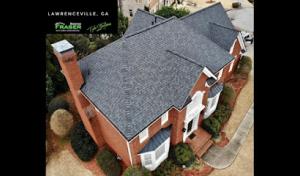
Fraser Roofing
(678) 329-8138 www.fraserroofingllc.com
48 Market Square Rd Ste B, Newnan, Georgia
5.0 from 161 reviews
RoofTech Consulting & Construction
(678) 727-3177 www.rooftechconsulting.org
1325 US-29, Newnan, Georgia
4.9 from 241 reviews
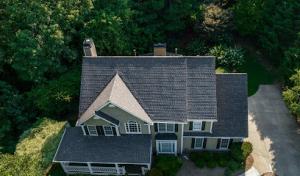
Chastain Roofing
(770) 486-0820 chastainroofing.com
200 Greenville St S A, Newnan, Georgia
5.0 from 60 reviews
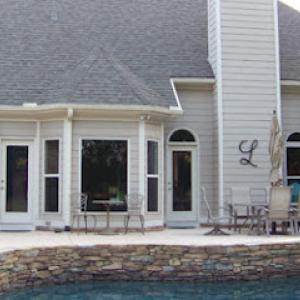
Eagle Watch Roofing
(770) 254-8999 eaglewatchroofing.com
772 Greison Trail Suite H, Newnan, Georgia
4.9 from 372 reviews
Eagle Watch Roofing: Your Trusted Local Roofing Experts When it comes to finding reliable roofing companies near you, Eagle Watch Roofing has been serving your local community since 2009. We're more than just a roofing company; we offer a comprehensive range of services, including spray foam insulation, gutter installation, window replacement, and siding services. Our commitment to excellence, quality, and customer satisfaction sets us apart in the roofing and exterior improvement industry. Our Services Include: Roofing Spray Foam Insulation Gutter Installation Window Replacement Siding Services Trust Eagle Watch Roofing for all your roofing and exterior needs. We're your one-stop solution for top-quality home improvements and have been
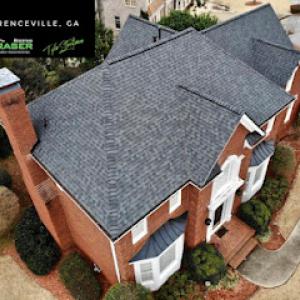
Fraser Roofing
(678) 329-8138 www.fraserroofingllc.com
48 Market Square Rd Ste B, Newnan, Georgia
5.0 from 161 reviews
Fraser Roofing in Newnan, GA provides expert roof repair, full replacement, storm assessments, and gutters. We lead with CertainTeed shingles, which are installed by our Select ShingleMaster crew for reliable protection and warranty coverage. For an elevated finish, we offer DaVinci composite roofing and F‑Wave synthetic shingles. Contact us for a free estimate.
RoofTech Consulting & Construction
(678) 727-3177 www.rooftechconsulting.org
1325 US-29, Newnan, Georgia
4.9 from 241 reviews
RoofTech Consulting & Construction is one of Atlanta's most reputable residential & commercial roofing contractors. With over a decade of experience in the roofing industry, our team of roofing contractors specializes in designing the perfect roof for your home. We can install new roofs, make repairs, replace roofs, update siding, replace gutters, or do it all. A roofing consultant from our team is prepared to work with you each step of the way, from choosing the best materials for your roof to redesigning the structure to match your aesthetic requirements. With our unmatched customer satisfaction, you can rest assured that your new roofing system will last for years. Contact our team of consultants to learn how we can help you.
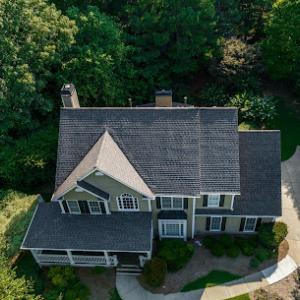
Chastain Roofing
(770) 486-0820 chastainroofing.com
200 Greenville St S A, Newnan, Georgia
5.0 from 60 reviews
Your roof is the first line of defense in protecting your home in the midst of every storm and season. When your roof is compromised, your whole home can be impacted and damaged. Whether you need a roof repair or a complete roof transformation, the team at Chastain Roofing is prepared to help. As a family-owned and operated business, we understand the challenges of managing a family while waiting on a needful repair. When you call, we come out quickly to restore your roof properly. All of our technicians are OSHA certified to ensure safety throughout your repair. We will always be responsive to addressing your needs and finishing the job with excellence.
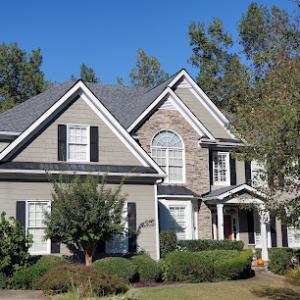
Northpoint Roofing Systems
(470) 215-0772 www.northpointroofingsystems.com
20 Baker Rd #3, Newnan, Georgia
4.9 from 89 reviews
Northpoint Roofing Systems provides a full range of residential and commercial roofing services. As experienced roofing contractors, we offer our local services in the Woodstock, Lawrenceville, and Newnan, GA, area. Whether you are dealing with unexpected roof repairs caused by a storm, your aging roof needs timely replacement, or you are looking for an environmentally friendly choice, we guarantee you will be satisfied with our unparalleled solutions for your home or business. With industry-leading warranties, innovative technology, and superior service, you'll quickly see why Northpoint has been designated a Top 1% Contractor out of all roofing companies in the US. Our unmatched quality and dedication to our customers set us apart from...
Freedom Roofing Contractors
(404) 493-1041 www.freedomroofingcontractorsllc.com
156 Smith Rd, Newnan, Georgia
5.0 from 33 reviews
FREE Roof inspections, Roof replacements, Roof repair, Gutters, Roof Washing, Insurance Specialists, Financing for Projects.
Griffintegrity Roof & Remod
(678) 685-7663 griffintegrity.net
254 Jefferson St Suite B2, Newnan, Georgia
4.8 from 41 reviews
Griffintegrity Roof & Remod is a family-owned and operated company based in the Newnan serving Palmetto, Peachtree City, and Sharpsburg, GA areas just south of Atlanta. We can handle all levels of building, roofing, and remodeling offering start to finish solutions for every project. We are an Owens Corning Certified Preferred Contractor, so you can expect us to use quality materials and skilled craftsman on every job we do. We offer financing options as low as $89 a month with no money down. I am a certified insurance specialist, so if we do find damage that is within specified coverage of your insurance policy we are dedicated to making sure they take care of you, as they should.
Dedicated Roofing of Georgia
(770) 407-6329 dedicatedroofs.com
15 Perry St Suite 342, Newnan, Georgia
5.0 from 15 reviews
Dedicated Roofing of Georgia-Newnan is a local roofing service company that offers asphalt roof installation for luxury, architectural, and 3 tab roofs. We also perform roof repairs and roof ventilation analyses, along with roof installation, roof management, roof maintenance, roof inspection, roof replacement and free roof inspection. We stand behind our quality, craftsmanship, and customer care. Schedule your free consultation today because the only thing you possibly have to lose are your frustrations.
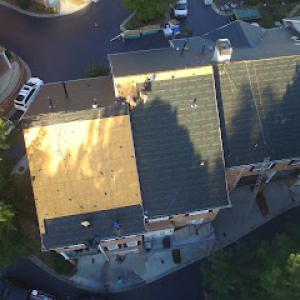
Jack Rabbit Roofing
(770) 865-2711 jackrabbitroofing.com
90 F Glenda Trace #456, Newnan, Georgia
5.0 from 14 reviews
Storm Damage, and Insurance Specialists. Roof Replacement, Repair, Inspection, and Maintenance.

Tru-Top Roofing
(678) 904-0439 trutoproofing.com
4046 Sharpsburg McCollum Rd Suite 209, Newnan, Georgia
4.7 from 23 reviews
Tru-Top Roofing provides residential and commercial roofing, siding, gutter, and deck installations and repairs including emergency service in the Newnan, GA, area.
3 Kings Roofing
(404) 310-3397 3kingsroofing.com
1064 GA-16 SUITE D, Newnan, Georgia
4.3 from 6 reviews
3 Kings Roofing, LLC was founded to provide an incredibly cost effective service for people to protect their most important investment. We work longer, harder and make your money go further for you. We are experts in the roof damage insurance claims process and home repairs. From new roof installation to a complete home remodel, we have experienced crews that complete the work at the highest quality and most cost effective way possible. We work with insurance companies to get your roof replaced, home remodeled or repaired. We meet with the adjusters, can assist in the claim process, and you never have to worry about any out of pocket expense greater than your deductible because we get the insurance companies to pay for the work.
Set Apart Roofing
(470) 215-3463 www.setapartroofing.com
Serving
5.0 from 114 reviews
A passion for people, backed by a continuous pursuit of excellence and honesty in all we do, makes Set Apart Roofing more than just a roofing company. We’re coming alongside you and your family to protect your most important asset – your home.
A full roof replacement in this area typically requires a building permit handled through Coweta County's building department rather than a city-only roofing process. That means you'll be dealing with county paperwork, checks, and a review timeline that can influence when work actually starts. Start by confirming which permit office is handling your project and ask for the current turnaround times in writing. Delays often come from incomplete applications or missing paperwork, so gather site plans, material specs, and a clear scope before submitting. In practice, the permit hurdle is not just about legality; it sets the stage for how your project will be documented during storms and inspections, and it affects how quickly a claim might be considered if weather-related damage occurs later.
Permit review commonly includes contractor licensing verification before work proceeds, which is a recurring local quirk homeowners should confirm before signing a contract. You should receive a copy of the contractor's license, proof of insurance, and any specialized certifications the county requires for roofing work. Verify the license is current and that the business address on the paperwork matches where the crew actually operates. Ask for recent examples of completed projects in the county, especially those that involved wind or hail exposure. If anything in the contractor's credential package feels thin or outdated, press for updated documentation before you commit. This step isn't about slowing you down; it's about reducing risk in a high-stakes, storm-driven market.
Inspections are scheduled as work progresses and a final inspection is required at completion, with local attention to wind-related fastening and nailing compliance. Expect a sequence: initial framing or removal, intermediate inspections at key stages, and a final walk-through with the inspector to verify fasteners, underlayment, and flashing meet county standards. The wind-prone climate makes fastening details especially critical, so you'll want to ensure the crew follows the approved fastening pattern for your roof type and slope. Bring notes or questions to each inspection-inspectors commonly highlight deviations in fastener type, nail length, or spacing that can derail approval if not corrected promptly. If an issue emerges, address it quickly; delays at this stage can cascade into weather-related exposure and additional costs. In this neighborhood, the path from permit to final sign-off is as much about documentation and coordination as it is about shingles and flashing.
Because loading storms, hail, and high winds shape the local market, anticipate a paperwork-heavy timeline that aligns with weather windows. Have your insurer and contractor share a single, up-to-date project timeline that reflects permit milestones and inspection dates. If a county inspector requests clarifications or changes, respond with clear documentation and a revised plan. The county's emphasis on compliance isn't about gatekeeping; it's about ensuring that a roof replacement endures through the next round of storms without needing another immediate call for repairs. Keep a dedicated folder of permits, inspections, and communications so you can reference them quickly when questions from the insurer or county arise. This approach protects the project and your home when wind and hail rain down.
Asphalt shingles dominate the Newnan market, fitting the area's large re-roofing volume and the need for cost-controlled replacement after storm losses. They're familiar to local crews, quick to install, and readily available through local suppliers, which helps when a storm rolls through and you need fast protection. In hot, humid summers, shingle roofs can handle the heat reasonably well, with modern architectural and laminated options offering better wind resistance and longer life than the older 3-tab styles. For homeowners in Coweta County, the choice often comes down to how a shingle system will perform after a thunderstorm or hail event and how easy it is to match existing color and profile for a seamless repair. A properly installed, well-ventilated asphalt roof can also simplify insurance interactions after storm damage, since the material and installation practices are widely recognized by adjusters in this market.
Metal roofing is present but less common locally, making it a more specialized option for homeowners prioritizing heat performance and storm resilience over lower upfront cost. In this climate, metal shines with its reflective properties during peak heat and its ability to shed hail impacts with less denting than some asphalt configurations. Metal systems can be a smart long-term install if the goal is extended life, reduced maintenance, and a strong wind performance track record. The local market tends to favor metal in retrofit scenarios where a homeowner plans to stay in the home for many years or wants a roof that can better withstand repeated summer thunderstorms. When considering metal, look for standing seam or rigid panel designs with concealed fasteners, and verify installation details that ensure a weather-tight fit around penetrations and roof edges.
Tile, slate, and wood systems exist in the market but are niche choices in Newnan, where humid summers, thunderstorm exposure, and replacement practicality often push homeowners toward more repairable systems. Clay and concrete tiles offer distinct aesthetics and excellent longevity, but they can be heavier and more fragile during hail events, complicating repairs after a storm. Wood shingles and shakes bring natural warmth but can be more susceptible to humidity-related issues and mold in this climate. Slate provides durability and a classic look but comes with substantial weight and cost, limiting its suitability for many existing homes. For a storm-prone area, these options tend to be chosen for specific architectural styles or for owners prioritizing a particular visual impact, rather than as the routine, go-to replacement.
In the storm-driven cycle of Newnan, the best roof type often balances repairability, wind performance, and ease of replacement after hail. The most common upgrade path favors asphalt shingles for broad compatibility with existing structures and quicker restoration after weather damage. If heat management is a top concern or if long-term resilience is preferred, metal can be a strategic upgrade, especially on homes with attic ventilation already in place. Tile, slate, and wood may still fit certain house profiles, but their suitability hinges on structural compatibility and climate-related maintenance potential. When planning replacement, align material choice with the home's age, roof deck condition, and the likelihood of future storm impacts to ensure a durable, practical result.
Post-storm demand spikes shape pricing in this area. When hail or thunderstorm damage hits, inspections and replacements often happen simultaneously, pushing scheduling and material availability. Local pricing tends to shift with the season and with the volume of reroofs underway, so timing matters for both cost and timeline. A large re-roofing contractor base keeps asphalt shingles competitively priced, while specialty systems rely more on scarce skilled crews.
Asphalt remains the most common choice for many homes in this market. Typical cost ranges from about 350 to 650 USD per square for a standard shingle install, depending on roof complexity, waste disposal, and any underlayment upgrades needed after a storm event. Because demand spikes can compress crews and lead times, getting on a preferred contractor's schedule early after a roof impact helps prevent price bumps.
Metal offers long life and strong wind performance, which appeals after a damaging storm. Expect prices in the 700 to 1200 USD per square range. Availability of color options and panel styles can influence labor time, and lead times may extend when storm work is still absorbing local capacity. Stronger wind zones and steeper pitches can push the price toward the higher end.
Clay tile brings a distinctive look and excellent durability, but it requires experienced crews. Costs typically run 1000 to 1800 USD per square. Weather-related backlogs and the need for careful roof stabilization before tile work can add to both time and labor rates in a high-demand window.
Concrete tile sits between clay and asphalt for cost, roughly 800 to 1400 USD per square. Availability of matching colors and the weight of the material can influence structural considerations and install speed during busy periods.
Wood shingle replacements range from about 600 to 1000 USD per square. Storm-related moisture and knotty delays can affect install pace, and specialty crews may be booked out during peak rebound weeks after a storm.
Slate is the premium option, with typical costs from 1500 to 2500 USD per square. Limited specialized crews and higher material handling requirements tend to extend timelines when demand is high, affecting both price and completion certainty.
Don't let upfront costs delay a critical repair - these contractors offer payment plans to fit your budget.
Freedom Roofing Contractors
(404) 493-1041 www.freedomroofingcontractorsllc.com
156 Smith Rd, Newnan, Georgia
5.0 from 33 reviews
Griffintegrity Roof & Remod
(678) 685-7663 griffintegrity.net
254 Jefferson St Suite B2, Newnan, Georgia
4.8 from 41 reviews

Spring storms in Coweta County can interrupt tear-off and dry-in schedules. Plan for temporary protection at transition points and have rapid response crews ready to cover exposed roof areas if a thunderstorm rolls in. The goal is to minimize moisture intrusion during sudden rain bursts and keep vibrations from high-wind gusts to a minimum while materials settle.
Newnan's hot humid summers slow crew pace and affect shingle handling on the roof. Schedule the most physically demanding phases for cooler parts of the day, and ensure shaded staging areas for workers to reduce heat stress. On-roof working conditions should be addressed with breathable underlayment and careful moisture control to prevent fasteners from expanding or backing out in heat.
Fall rainier periods and temperature swings complicate underlayment and ventilation work. Align drip-edge and valley work with drier windows, and verify that attic ventilation paths stay clear as temps swing. On roofing days with damp mornings, start later to benefit from warmer afternoon surfaces and safer tile or shingle seating.
Winter in this region is generally mild, but occasional freezing rain can slow progress. Keep de-icing plans handy for any exposed hardware, and resist rushing through tight, cold seams. Proper sequencing-underlayment, roof vents, and flashing in measured steps-helps avoid callbacks when temperatures dip.
During peak replacement season, heat, storms, and wind demand vigilant site management. Maintain a short, predictable schedule with built-in buffers for weather. Clear communication with the homeowner about changing conditions keeps on-roof work steady and reduces the risk of moisture-related damage between stages.
When you can't wait, these contractors offer fast response times to stop leaks and prevent further damage.
Eagle Watch Roofing
(770) 254-8999 eaglewatchroofing.com
772 Greison Trail Suite H, Newnan, Georgia
4.9 from 372 reviews
Chastain Roofing
(770) 486-0820 chastainroofing.com
200 Greenville St S A, Newnan, Georgia
5.0 from 60 reviews
Freedom Roofing Contractors
(404) 493-1041 www.freedomroofingcontractorsllc.com
156 Smith Rd, Newnan, Georgia
5.0 from 33 reviews
In a storm-heavy area like this, leaks tend to show up first where roofs meet other elements-skylights and chimneys-rather than as dramatic shingle failures. Local contractor signals show recurring homeowner demand around flashing transitions in these spots, meaning your attention should start at the usually overlooked seams. When the thunderstorms roll through, a small flashing fault can become a steady drip, and that drip can undermine interior finishes well before a roof edge feels worn. Plan for targeted checks after severe weather events, especially if your roof has multiple penetrations or stacked chimney components.
Flashings are the unsung workhorses of the roof. In many Newnan homes, wall intersections and skylight bases are where water finds a path, especially after long hot spells followed by sudden downpours. A flashing that's shifted, lifted, or has degraded sealant can allow water to travel horizontally across the deck, then down into ceilings. It's not always obvious from the ground, so pay attention to any staining near ceilings adjacent to penetrations and inspect around skylight frames for tight, continuous seals.
Fast-response repair demand in the area suggests many homeowners opt for stabilization first. If a leak appears after a storm, cap the issue with temporary shoring to limit interior damage and call for a careful assessment of flashing transitions. Look for loose step flashing on chimneys, improper end dams on skylight Flashings, or mismatched sealant around penetrations. A reputable local contractor will prioritize restoring the water barrier at the flashings before addressing broader roof replacement needs.
Set up a routine mid-year check of all penetrations and chimney flashing, especially after the peak storm months. Keep gutters clear so water sheds away from walls rather than pooling at flashing lines. If you notice recurring damp spots in the attic around a specific penetration, treat that area as the first priority for inspection and repair rather than waiting for a larger roof issue to reveal itself. A careful, staged approach can prevent escalating interior damage and buy time when the market is guiding many homeowners toward replacement decisions.
Find contractors experienced in skylight installation, flashing, and leak repairs to bring natural light into your home.
Tru-Top Roofing
(678) 904-0439 trutoproofing.com
4046 Sharpsburg McCollum Rd Suite 209, Newnan, Georgia
4.7 from 23 reviews
In this market, you want a crew that treats re-roofing as the standard job, not a side gig. Look for crews with a clear replacement workflow: tarping for leaks, rapid nail-down protocols, and a defined sequence from tear-off to underlayment to final shingle placement. A well-documented process cuts down on surprises after a storm.
Storm activity means debris will pile up quickly on driveways and yards. Hire crews that show up with a dedicated cleanup plan, including containment of falling material, daily debris removal, and a post-project cleanup checklist. Ask for a realistic cleanup timeline and insist on a final walk-through to confirm nothing is left behind.
Thunderstorm seasons create urgent leak worries. Prioritize operators who can commit to rapid storm follow-up visits, even after a patch job. If a leak reappears or if wind-driven debris reappears, you want a crew that responds promptly rather than leaving you waiting days, especially during weather-tight months.
Long-established crews are common in this market, which matters when licensing verification and final inspections close out projects. Favor companies with a track record of completed re-roofs in nearby neighborhoods, a steady payroll history, and clearly documented warranty and service policies. This steadiness often translates into fewer hiccups when inspections happen.
Clear communication with you and the property's stakeholders reduces disruption after storms. Look for crews that assign a single point of contact, provide proactive progress updates, and schedule concrete milestones. A straightforward communication cadence helps you gauge timing and manage neighbors' expectations during the re-roofing window.