
Last updated: Apr 19, 2026
Spring storms bring hail and strong winds that can tear shingles and leave you staring at damp spots sooner than you expect. In this climate, intermittent shingle loss and impact damage are a recurring homeowner concern, not a rare anomaly. Even when the sun returns, wind-driven debris or a hail scar can travel from a neighbor's yard to your roof, creating hidden failures that grow into leaks after the next rain. Autumn storm systems and tropical remnants can still push wind-driven rain inland, delivering a soggy surprise even if there's no direct coastal landfall. That means vigilance year-round and a fast response plan. If you notice unusual granule loss, dark stains on ceilings, or new exterior patches after a storm, treat it as urgent. The goal is to catch trouble before it migrates to interior ceilings and attic spaces.
When a storm passes, the fastest way to protect the interior is to locate the highest point where water is entering and place a temporary seal, such as a roofing tarp or heavy-duty plastic sheeting, secured with wind-resistant fasteners. Do not rely on patchwork that holds only until the next gust; you want a plan that makes it through the next rain window. Inside, place a bucket under the drip and move furniture away from the line of flow. Photograph the affected areas from multiple angles, including ceiling, wall, and attic access points, while noting the date and time of the storm. If attic space shows actively sweating or bright light peeking through, document that with a flashlight at several angles to reveal hidden gaps. This is not just about a quick fix; it is about creating a clear trail of damage that supports a claim and speeds repairs.
Georgia insurers commonly expect photo documentation and contractor estimates after wind or hail events, and claim activity can spike locally after severe storm outbreaks. Start compiling evidence the moment it's safe to do so after a storm. Capture exterior damage: displaced flashing, lifted shingles, granule mattes in gutters, or dented metal vents. Then move indoors to show water intrusion points, staining, and any attic moisture indicators. When you obtain estimates, ensure the quotes clearly identify shingle loss, substrate exposure, flashing repairs, and underlayment checks. If a claim is filed, keep a simple log of communication: dates, names of representatives, and promised timelines. Timely, thorough documentation helps prevent back-and-forth delays when rushing through the repair season.
After the storm, prioritize leaks that threaten insulation and structural components. If a damaged area spans multiple shingle courses or exposes roof decking, plan a prompt reroofing strategy that matches the house's overall condition and style. In Perry, heavier materials such as clay tile or slate require careful assessment, as their weight magnifies risk and often changes the scope of the repair. If there's any doubt about the state of the underlying roof deck, bring in a trusted local contractor for a candid evaluation. Early, decisive action protects your home from worsening water damage and reduces the risk of costly secondary issues in the months ahead.
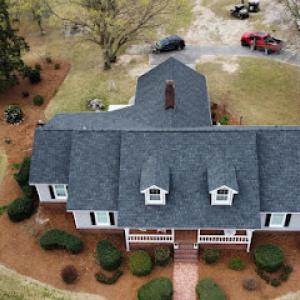
Cornerstone Roofing & Restoration
(478) 508-8628 cornerstoneroofingrestoration.com
1307 Ball St SUITE #1, Perry, Georgia
5.0 from 178 reviews
Serving Perry, Macon, Warner Robins, and surrounding Middle and South Georgia areas since 2021, Cornerstone Roofing and Restoration provides trusted and experienced roofing services. Specializing in high-quality materials, their skilled professionals handle everything from minor repairs to major replacements and new installations. Dedicated to earning your trust with hard work and courteous customer service, Cornerstone Roofing and Restoration is committed to providing peace of mind and lasting quality for your home or business.
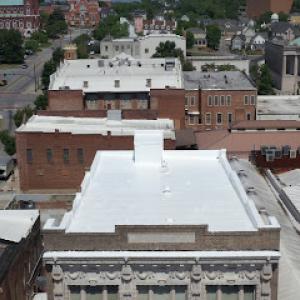
Yoder & Sons Roofing Specialists
(478) 244-1712 gacoolroofs.com
111 Kings Crest Blvd, Perry, Georgia
5.0 from 3 reviews
Yoder and Sons Roofing specializes in re-roofing and roof repairs for commercial and industrial roofing projects. We handle emergency leaks and scheduling on-site roof inspection. We offer Polyurethane Foam, Metal and Single Ply Coating Systems, EPDM Coating Systems, Cool Roof Coating Systems, and Roof Repairs, Thermal Barrier Roofs-Covers Roof & Walls. We can lower roof temperature by up to 100F, decreasing amount of heat transferred into a building. Reduce your air conditioning needed in buildings and reduce peak cooling demand by 10%-15%. Our service area is Perry Ga, Macon GA, Warner Robins GA, Albany GA, Columbus Ga, Athens GA, Atlanta Ga, Sylvester GA, Cordele GA, Dublin GA and all of middle Georgia.

TD Campbell Industries
450 Myrtle Field Rd, Perry, Georgia
5.0 from 1 review
Third Generation Roofing Contractor
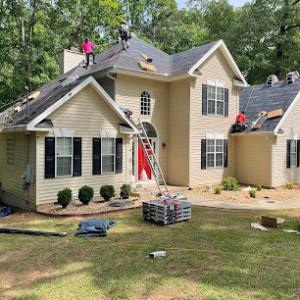
Hammer Nail Roofing
(478) 333-4257 warnerrobinsroofingexperts.com
Serving
4.9 from 107 reviews
Hammer Nail Roofing specializes in Roof Installs, Roof Replacements, Roof Repairs, Storm Damage Repairs in Middle Georgia Area. We are licensed, bonded, insured and A+ BBB accredited. We are 5-Star rated and your satisfaction is guaranteed. Every job comes with a 10 year warranty!
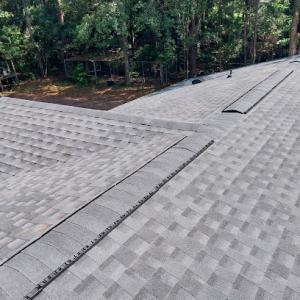
Tyndal Roofing
(478) 550-4527 tyndalroofing.com
Serving
5.0 from 8 reviews
If you need roofing services in Byromville or Perry, GA, make Tyndal Roofing your first call. Our professional roofing company has over 100 years of combined experience working on residential and commercial properties. From patching leaks to full reroofing jobs, we've got your back.
A1 Roofing & Construction
(478) 714-2461 a1roofingmacon.com
Serving
4.8 from 89 reviews
Protect your largest investment with our reliable roofing services. We are a locally owned and operated roofing company currently serving Warner Robins, Georgia, Macon, Georgia and surrounding communities. If you want to make your roof last as long as possible, it is vital that you never put off a roof repair. Small issues with roofing become big issues in a hurry. No matter how major or minor the repair you need, we are here to help. We offer roof installation, roofing services, and roof repair. We service Warner Robins, Perry, Byron, Ft Valley, Macon, Gray, Bonaire, and Forsyth Georgia. Metal roofs and Shingles.
Built Roofing
(478) 478-7663 builtroofingllc.com
Serving
5.0 from 56 reviews
Built Roofing, locally owned out of Bonaire, GA, is your trusted partner for all things roofing. Specializing in roof repairs, siding installation, and roof replacements, Jordan and his dedicated team bring expertise and reliability to every project. Whether it's for residential, commercial, or industrial needs, they delivery top-notch products and installations built to last, ensuring peace of mind for customers and protection for their properties. Our slogan encapsulates our commitment to quality and longevity: "Delivering products and installs built to last!
Platinum Roofing
(478) 309-7166 www.platinumroofingco.com
Serving
4.9 from 350 reviews
We are a licensed & insured team of dedicated contractors serving Middle and South Georgia. With headquarters in Warner Robins, Valdosta and Albany. We are happy to assist you with your roofing requirements.

J&D Five Star Roofing
(478) 396-8657 www.jdfivestarroofing.com
Serving
5.0 from 22 reviews
J&D Five Star Roofing is a family-owned and operated roofing company proudly serving Middle and South Georgia. We specialize in roof replacements, roof repairs, storm damage inspections, and free roof estimates. Our team is committed to honest communication, quality workmanship, and protecting what matters most, your home and family. Whether you need a full roof replacement or a professional inspection, we are here to help. Family-owned & operated. Quality guaranteed on every roof.
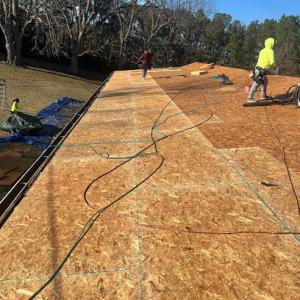
Sanchez Roofing
(478) 919-0676 sanchezroofingga.com
Serving
5.0 from 15 reviews
🏠 Sanchez Roofing 🔨 Roofing done right, from shingles to siding. At Sanchez Roofing, we pride ourselves on raising the bar for roofing services in Warner Robins, GA 📍. With years of experience and a team of highly trained professionals, we’ve built a reputation for trust, expertise, and quality ✅ in every project. 🏗️From the initial consultation to the final installation, our focus is on delivering top-notch service and exceeding our clients' expectations.
Whitt's Quality Roofing
(478) 286-0392 whittsroofing.com
Serving
4.8 from 103 reviews
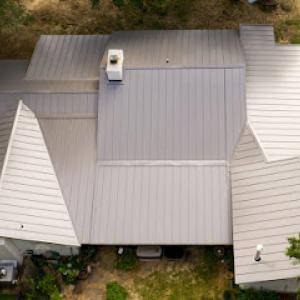
Commercial and Residential Roofing Services - Metal Roof Restoration, Flat Roofs
Red's Roofing & Construction
(229) 326-4280 redsroofingga.com
Serving
5.0 from 53 reviews
Established in 2006, Red's Roofing & Construction has the knowledge and experience to handle all your roofing needs. Our goal is to bring quality and affordability together, quoting all jobs with the lowest price possible using quality materials . We will also match other prices if we can complete the job without cutting corners . This ensures competitive pricing on both residential and commercial roofing . . with over 50 years of combined experience our team of reliable professionals brings experience to every project, ensuring quality craftsmanship and dependable service.
Asphalt shingles are a dominant choice in Perry, but hot sun and persistent humidity can accelerate visible aging compared with milder climates. In this climate, shingles expand and contract with frequent rain and heat, which can lead to cupping, curling, and accelerated granule loss. Metal roofing, a meaningful local specialty, responds differently: it sheds rain quickly and resists the early-stage staining that can come with high humidity, but it may show denting or chalking if hail or heavy storms strike. The practical takeaway is that your roof's age and condition should be considered through the lens of how much sun exposure and moisture it endures year after year, not solely by what performs best on paper.
Perry's spring storm pattern and tropical-remnant winds create repeated wet cycles that stress any roof. Asphalt shingles deal with wind-driven water and potential granule loss, which can reveal the underlayment sooner than expected if the top layer degrades. Metal roofing, by contrast, handles repeated rain exposure with a quick shedding action that helps keep underlying components drier between storms. However, sound transmission and thermal expansion are practical concerns: metal can amplify hail impact sounds and may require careful fastening to avoid squeaks or panels loosening after intense winds. In terms of leak response, the immediate aim is to identify penetrations around vents, skylights, and flashing, then verify that sealants and flashings are sound. A metal roof generally shows signs of leakage at more discrete points; asphalt tends to reveal water intrusion along joints or at deteriorated shingle edges. These patterns matter for timely repairs after a storm.
In Perry's climate, material choice is less about snow load and more about heat, moisture, storm resilience, and how fast roofs dry after frequent rain. Asphalt shingles dry relatively quickly when the sun returns, but persistent humidity can encourage moss and algae in shaded spots, especially on south-facing slopes. Regular cleaning of gutters and downspouts helps roofs dry faster and limits water backing onto fascia. Metal roofs dry rapidly after rain but require attention to sealants around penetrations and around any country-style skylight installations common in older Perry homes. For a homeowner weighing options, the practical approach is to pair your roof choice with a robust maintenance plan that addresses sun exposure, humidity-driven wear, and the after-storm inspection routine-focusing on vulnerable flashing, ridge lines, and edge detailing.
Provided local pricing ranges run about $350 to $550 per square for asphalt shingles, $600 to $1000 for metal, $800 to $1200 for clay tile, $650 to $900 for wood shingles or shakes, and $1000 to $1800 for slate. In Perry, those numbers reflect not only material costs but the typical roofing stock you'll see on houses built in the last few decades. When a storm rolls through and you're replacing a section of roof, you'll often see crews pricing per square foot closer to the upper end of these ranges, especially if the crew has a tight schedule or it's a project that includes tear-off and disposal. If a job involves heavier materials like clay tile or slate, expect a noticeable step up in both material and installation time, which translates to higher overall cost.
Storm-driven demand surges in Perry can affect scheduling and pricing after regional wind and hail events, especially for fast-turn reroofing work. When a spring squall or tropical-remnant winds hit, local crews are pulled into back-to-back jobs. That means shorter lead times, higher mobilization costs, and, occasionally, premium crews with specialized equipment. Homeowners may see price creep not just from material costs but from expedited labor or emergency tear-off logistics. If you're aiming to minimize disruption, plan for a window rather than a fixed date, and be prepared for a potential temporary price uptick if a nearby event spurs a flood of inquiries.
Costs can rise locally when homeowners switch from lighter systems to clay tile or slate because permit review may include weight and structural considerations. Even though permits aren't the focus here, a heavier system often implies more extensive decking assessment, potential reinforcement, and longer installation timelines. Clay tile and slate bring not only higher per-square costs but also heavier handling requirements and more careful sequencing of teardown and disposal. If your roof is a historic or multi-layer build, the heavier option can also affect the pace of the project and the contractor's ability to secure timely material delivery, which in turn nudges the final price upward.
Start with a measured roof plan that lists square footage by material. Get at least three written quotes and ask each contractor to break out material, tear-off, disposal, and ballast or underlayment costs. For storm-related projects, confirm lead times for material arrival and crew availability, and ask how they handle expedited schedules without sacrificing workmanship. If clay tile or slate is on the table, request a detailed structural assessment and a path to achieve a safe installation within your home's existing framing, so you're not surprised by added need for reinforcement as the job progresses.
Get a clear picture of your project costs upfront - no commitment required.
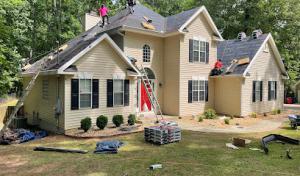

A full reroof in this area is typically treated as more than routine maintenance. If you are upgrading a worn roof or switching to heavier materials, plan for a permit as part of the job. The local code officials expect documentation that the project will meet current wind, fire, and structural requirements. Treating a reroof as a permit-driven endeavor helps avoid denial at the last minute, which can stall your project and complicate timing around storm season.
Permits and inspections are handled through the local City or County Building Department, and the sequence matters. Rough-in inspections verify that any required structural or framing changes are correctly addressed before the new roof goes on. Final inspections confirm the installation meets code and the work is compliant after completion. The timing of these inspections can influence scheduling with crews, especially when spring storms are in the forecast. If there are changes to the roof line, eaves, or deck support, expect additional review steps and longer lead times.
Tile or slate projects in this area may trigger added review because heavier roof systems can require structural consideration before approval. The inspectors will look for adequate deck strength, proper spacing of rafters, and any necessary reinforcement to support the added weight. In practice, this means a potential assessment of attic joists, trims, and parapets before the permit is granted. If the existing structure isn't designed for the load, the plan may call for reinforcement or even altering fascia and ridge lines to safely carry the new weight. Knowing this upfront helps prevent surprises once the work is underway.
Having precise project documentation speeds the review. Expect to provide manufacturer installation guides, engineering letters for load-bearing capacity if required, and a clear sequence of construction steps. After a storm, it is common for crews to encounter a tight window for assessments and approvals; being prepared with stamped plans and a detailed scope can prevent cancellations. If you are filing for a permit after damage from spring winds, coordinate with your contractor to align the timing of assessments with the insurance process to minimize downtime and miscommunication.
Inland Georgia weather delivers enough wind and hail activity to make roofing claims rise sharply after severe weather. A prompt, organized record helps you tell the full story of damage beyond what a quick glance might reveal. Insurers in this market often want dated photos, scope details, and contractor estimates rather than a simple verbal report of damage. If the storm report and your roof's condition don't line up in the file, you could face unnecessary delays or a disputed settlement.
Take clear, dated photos from multiple angles, including close-ups of shingles, flashing, vents, and any interior signs of water intrusion. Note the roof's current condition, the presence of granule loss, and visible sagging or uplifted tiles if applicable. Keep a simple timeline of when the storm started and when damage was first noticed, and collect receipts or notes for any temporary repairs you perform to prevent further water intrusion. A concise, written list of observed issues helps the adjuster understand the scope without second-guessing.
When you file, attach a detailed scope of damage that describes affected zones, the expected next steps, and any observed moisture inside the attic or ceiling. Include measurements, the direction of wind or hail impact, and whether there is damage to underlayment or decking. If a contractor has provided an inspection summary, include that document in full. The goal is to translate what the eye sees on the roof into a precise, auditable record for the adjuster.
Contractor estimates should be professional, itemized, and dated. Ask the contractor to outline both repair and replacement scenarios where applicable, especially if heavier materials might be under consideration in the aftermath of a storm. Insurers may weigh prior claim history and Georgia weather patterns when weighing repair versus full replacement, so clarity in the estimate helps align expectations with policy language.
Keep copies of everything: photos, written notes, inspection reports, adjuster communications, and all correspondence with your insurer. In Perry, where spring wind events and tropical remnant winds can recur, having a well-organized file speeds future decisions and reduces the chance of miscommunication when the next storm hits.
In the long, muggy stretches of summer, installation pace tends to slow as crews deal with asphalt shingles expanding in heat, metal panels expanding and contracting, and clay tile or slate becoming heavier when baked by the sun. You'll notice more frequent breaks to keep crews and materials from overheating, and tarps and staging areas need extra attention to prevent heat-related damage to underlayment or fasteners. Humidity also invites more dew and humidity-related moisture on morning starts, which can delay seal-down and set times. Plan for a longer overall timeline and tighter daily targets to keep the roof sleeve manageable without compromising installation quality. If your roof has multiple elevations or complex intersections, schedule the steadiest, coolest part of the day for the trickier steps and consider staged sessions to protect underlayment and flashing while heat is extreme.
Winter is milder here than in northern markets, but Perry still experiences freezes and temperature swings that influence how underlayment behaves and when seal-down can occur. Cold mornings can slow adhesive cures and create stiff, stiffened components that need extra handling care. If temperatures dip below comfort levels, crews may shift to dry-in work or temporarily pause sealant application until conditions permit proper set. Frost and coupled diurnal swings can affect shingle alignment and allow fasteners to bite differently, so expect a slightly longer convergence between tear-off and reroof completion. When a cold snap hits, the crew may prioritize wind-driven rain protection and secure edge details first, then return for late-day seal-down when temperatures stabilize.
Spring storms and autumn squalls are common enough to disrupt schedules, despite what some folks assume about these seasons. The area's spring storm activity can bring sudden wind gusts that threaten loose sheathing or interrupt tear-off progress, while autumn fronts can force rescheduling of deliveries and crew rotations as rain and high winds move through. Both shoulder seasons demand flexible timing and contingency blocks in the calendar. Expect shorter workdays during storm events and more emphasis on securing tarps, flashing, and attic ventilation during transitional weather. Planning with a realistic buffer around storm forecasts helps keep the project progressing without compromising safety or material performance.
Clay tile and slate show up in Perry's housing stock, but they aren't the dominant contractor specialties in the local market. That means homeowners who lean toward these heavier options should expect a longer lead time for skilled installers and a wider gap in nearby references or past local projects. When choosing tile or slate, the decision isn't only about the material itself; it's about who will evaluate the roof's overall load path, flashing details, and edge treatments. In neighborhoods with mixed ages of construction, you'll find the best outcomes come from crews that understand how older rafters, hips, and parapets span new weight while maintaining a watertight system.
Because Perry permitting can involve structural review for heavier systems, homeowners considering tile or slate need to plan for more than just material price. A roof replacement with clay tile or slate often requires a closer look at rafter spacing, nailing patterns, and, in some cases, additional support like battens or a reinforced ridge. Ready access to structural input can prevent surprises when the old roof is opened up and the project moves into the integration phase. Expect a careful assessment of the existing deck, ventilation, and drainage to ensure the system behaves properly during the region's frequent spring gusts and storm events.
Wood shingles and shakes are present in the local material mix, but humidity and rain exposure make moisture management a more important concern than in drier regions. In Perry, every wood layer needs robust ventilation and well-sealed transitions at valleys, chimneys, and dormers. When choosing wood, look for options with longer termite and moisture resistance, and plan for additional attic or soffit intake to prevent condensation from forming on underlayment. If a lighter option is paired with a heavier deck, ensure the design accommodates seasonal expansion and contraction so fasteners don't loosen over time.
Spring storms and tropical-remnant wind events test roof edges and penetrations. Heavier roofs can be excellent for wind performance if properly detailed, but they demand meticulous installation of starter courses, hip-and-valley flashing, and edge ventilation. Regular inspections after storms help catch micro-leaks caused by displaced flashing or hairline cracks in clay or slate. A locally trusted inspector who understands Perry's climate nuances can flag thermal bridging, ensure proper sealant transitions, and verify that ballast or underlayment remains effective on high-load assemblies.