Last updated: Apr 19, 2026
Central Iowa hail and wind events are common enough in Ankeny to drive frequent claim activity and replacement decisions. When a storm tears through town, shingles lift, granules shed, and flashing leaks show up in quick succession. Neighbors often confront a domino effect: a single severe hail event can trigger multiple roof evaluations in the same street, then push several homeowners toward full replacements sooner than expected. The result is a local cycle where damage assessments, insurance approvals, and material deliveries collide, creating urgency that can ripple through neighborhoods in days rather than weeks.
Spring hail and severe weather in Ankeny can create sudden citywide demand spikes that affect scheduling and material lead times. When the calendar flips to storm season, you'll notice crews disappearing from one drive and reappearing on another, chasing weather windows and patching backlogs. Warm-season thunderstorms and wind in Ankeny accelerate shingle wear and can turn older roofs into insurance-driven full replacements rather than isolated repairs. If your roof has endured several seasons of hail strikes or persistent wind movement, expect the possibility of a full replacement even if a single gust or spot leak initially suggests a quick fix. The timing of these storms matters: the more storms in a season, the tighter the scheduling, and the longer it can take to secure the right color, profile, and warranty combination for your home.
When a big hail event hits, expect a rush of phone calls, inspections, and claim reviews that can congest local crews and suppliers. In practice, the best approach is to front-load the decision process the moment you suspect damage. Schedule an independent roof inspection promptly, document hail impacts on multiple sections of the roof and gutters, and keep a precise record of all storm dates. Insurance-driven decisions tend to accelerate quickly after spring storms, so you shouldn't wait for a single visible issue to become a full replacement rationale. If you're facing an upcoming payout or a claim adjuster visit, coordinate with your roofing contractor to have a clear plan that aligns with the expected schedule: inspection windows, material availability, and a realistic replacement timeline that reflects Ankeny's typical lead times after a major weather event.
Map out the two to three most exposed sections of your roof-edge flashing, dormers, and valleys-so you can point out obvious damage during a claim. Build a short list of preferred shingle profiles and colors, but stay flexible for material availability during spring surges. If you're dealing with an insurance-driven scenario, ensure your contractor is ready to move quickly once the claim is approved, because delays in material delivery or backlogged crews can push your replacement into a longer cycle. In Ankeny, the best protection against a prolonged cycle is proactive assessment, timely documentation, and a responsive contractor who understands how fast a spring hail event can reshape the neighborhood's roof landscape.
JB Roofing
(515) 554-1964 www.jbroofingiowa.com
1410 SE Cortina Dr Suite 108, Ankeny, Iowa
4.7 from 32 reviews
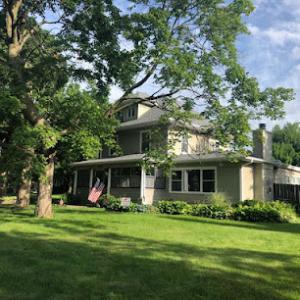
In Ankeny, Iowa, JB Roofing stands out as a roofing service provider, with a decade-long dedication to crafting reliable solutions for residential and commercial properties. Their team, armed with skills and a commitment to customer satisfaction, ensures efficient and professional assistance for all roofing needs. From minor repairs to full installations, they strive to deliver a seamless experience, prioritizing quality craftsmanship, fair pricing, and exceptional customer service. With JB Roofing on the job, you can trust that your assets will be well-protected while you enjoy peace of mind.
Legacy Restoration
(515) 620-3077 www.legacyrestorationllc.com
2401 SE Tones Dr Suite 9, Ankeny, Iowa
4.3 from 81 reviews
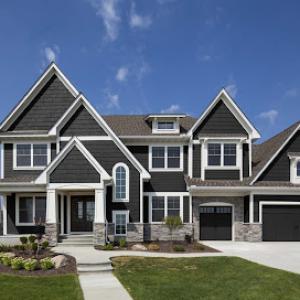
A home remodel can be fun and exciting – but also stressful when you work with contractors who are hard to get in touch with and cut corners. No matter the project, our dedicated team will guide you from start to finish with expert craftsmanship, quality materials, and a 5-star customer service experience.
For Sure Roofing
(515) 367-7873 www.forsureroofing.com
Serving
4.9 from 116 reviews
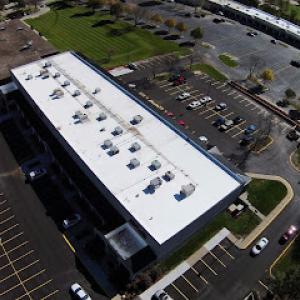
For Sure Roofing and Sheet Metal is a premier commercial roofing contractor company in Des Moines, IA that also can serve the surrounding states. Along with new constructions projects, we also repair and replace all types of commercial roofs for all types of buildings, including churches, retail spaces, warehouses, manufacturing plants, and industrial facilities. We are experienced and pride ourselves on our quality of work. Our ability to re-roof a building with minimal disruptions to the daily operations of the tenants is our priority. We also fabricate and install sheet metal flashing and associated accessory metal such as coping cap, counter flashing, gutters, and downspouts. We provide free estimates and consultation!
Heartland Roofing, Siding, & Solar
(515) 415-1174 heartlandroofingandsiding.com
Serving
4.8 from 610 reviews
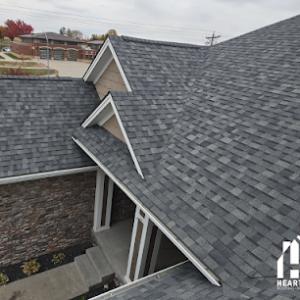
Heartland Roofing, Siding, and Solar, based in Des Moines, IA, is your trusted contractor for roofing, siding, windows, and solar installations. Since 2013, our Owens Corning Platinum Preferred Contractor team has delivered top-quality work with integrity and unmatched customer service. We handle storm damage, insurance claims, and full exterior remodels. At Heartland, we prioritize building long-term relationships with our clients, ensuring your home gets the care it deserves.
BIG Roofing
(515) 355-8969 bigroofingllc.com
Serving
5.0 from 105 reviews
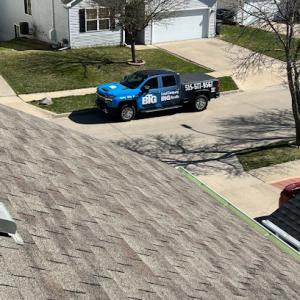
We are a LOCAL, family-owned company based in Des Moines, IA and surrounding communities. BIG Roofing focuses on residential and commercial roofing. We specialize in standard asphalt shingle roofs, as well as metal and rubber roofs. BIG Roofing can also take care of all gutter and siding projects. Inspections and quotes are free of charge, and we can assist in the process of working with insurance claims. We are a Local Company with BIG Results! Go BIG for your Home!

Academy Roofing & Sheet Metal
(515) 964-2345 www.academyroofing.com
Serving
4.1 from 30 reviews
Founded on the principles of quality, honesty, and trust, Academy Roofing & Sheet Metal began by working on various difficult labor-intensive projects that were more technically challenging than most contractors were willing to commit to. With each successfully completed project and with high customer satisfaction, our reputation for quality and superior service began to build. Even today we are still committed to the same principles we were founded on and continue to strive towards exceeding your expectations by offering the best roofing solutions to meet an ever-changing economy. Our professionals are some of the most knowledgeable roof technicians in the industry through ongoing education and our years of experience.

Swing Coast Roofing & Gutters - Johnston, IA
(515) 802-0874 www.swingcoastroofing.com
Serving
5.0 from 24 reviews
Swingcoast Roofing is a professional construction company specializing in residential and commercial roofing, and gutters. We are a locally owned and operated company and treat every customer like family and each home like it's our own. With over 20 years of experience, our main goal is to earn your trust and leave you satisfied through superior quality work.

Excalibur Exteriors
(515) 897-7663 www.excaliburroofs.com
Serving
5.0 from 48 reviews
Transform your home's exterior with Excalibur Exteriors, your trusted roofing and siding experts serving Central Iowa for more than a decade. We specialize in residential roofing and siding replacement, ensuring lasting protection and curb appeal. With thousands of successful installations, we bring unparalleled expertise to every project. We deliver top-quality products and installations that provide beauty and peace of mind for years to come.
American Dream Exteriors
(515) 348-1388 dreamteamexteriors.com
Serving
5.0 from 36 reviews
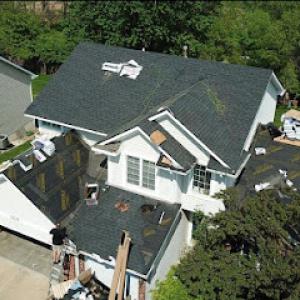
American Dream Exteriors provides roofing, siding, gutters, commercial roofing, and storm restoration to the Des Moines, IA area.

AAA Roofing
(515) 282-6510 www.aaaroofingiowa.com
Serving
4.7 from 29 reviews
Gannon family owned and operated since 1969
RoofSmart
(515) 661-1159 www.roofsmartiowa.com
Serving
4.9 from 193 reviews
RoofSmart offers high-quality roof repair, maintenance and replacement throughout Central Iowa. If your roof has suffered storm damage or is simply not performing well because of regular wear and tear, our professional roofing contractors will assess the damage and come up with a smart solution. As well as comprehensive roofing services, we also specialize in the installation of siding, gutters and windows for a complete exterior transformation of your home. As a 5-star rated contractor in Des Moines, we make investing in your home simple and affordable.
Smart Home Exteriors
(515) 206-2107 www.smarthomeexteriors.com
Serving
4.9 from 74 reviews
Smart Home Exteriors is your go-to roofing contractor in Clive, IA, offering top-notch roofing solutions, gutter installations, siding replacements, window replacements, and deck building services. With over 25 years of experience serving West Des Moines, Clive, Urbandale, and surrounding Iowa communities, we pride ourselves on enhancing both residential and light commercial properties. Our expert team is fully licensed and insured, guaranteeing superior craftsmanship and customer satisfaction. From durable asphalt shingles to seamless aluminum gutters, our wide array of materials ensures your property withstands harsh Iowa weather. Contact us at (515) 206-2107 for a free estimate and experience the Smart Home Exteriors difference today!
After a hail or wind event, insurers in this market expect detailed roof-condition photos and documentation. The storms leave a mix of visible and hidden damage, and the adjuster will want to see what you can show with your own eyes. Clear photos taken from multiple angles help separate suspect wear from recent impact, and a dated record gives you a baseline if questions arise later. In this climate, where fast-suburban re-roof demand meets frequent storm claims, having a thorough set of images can be the difference between a smooth claim and back-and-forth disputes. If you keep a simple timeline-when the storm hit, when you noticed damage, and when you photographed it-you create credibility and reduce ambiguity for the insurer and the contractor.
Coverage outcomes in central Iowa often depend on roof age and material, with adjusters differing on depreciation and whether replacement is warranted. A lot hinges on whether the damage is considered warranting a full replacement or repair, and how the age and type of your roof factor into that decision. The practical effect is that two identical hail events can produce different results for different homes, even in adjacent neighborhoods. A seasoned contractor can help you interpret an adjuster's notes, but the starting point is an accurate, well-organized documentation package that reflects the current condition versus the storm's impact. Understanding the nuance here saves you from assuming that any dented shingle or lifted granule automatically triggers replacement; sometimes a repair plan aligned with depreciation and the actual condition proves more appropriate.
Because storm damage is a major local trigger for re-roofing, you benefit from documenting elevations, soft metal impacts, shingle creasing, and interior leaks immediately after severe weather. Elevations-particularly the high corners and ridges-often show subtle shifts or denting that aren't obvious at ground level. Photograph metal flashing, vent pipes, and valleys to capture any deformation or granule loss. Soft metal impacts may not puncture a shingle but can leave near-surface imprints that weaken over time; a close-up photo can reveal these signs before they become larger concerns. Shingle creasing or edge swelling is a clear indicator of wind damage, not just aging. Interior leaks, even minor, should be documented with timestamps and photos from attic spaces, ceiling spots, and any staining. These leaks can reveal the true extent of water intrusion behind a wall or under eaves, which is critical for an accurate claim assessment. Keep a simple visual diary: date-stamped photos, a short description of what you see, and notes on any weather conditions immediately surrounding the damage. In practice, this approach helps you avoid later disputes about when the damage happened and how extensive it was, ensuring that your claim reflects the storm's impact rather than preexisting conditions.
Connect with contractors who help homeowners navigate the claims process from damage assessment to final approval.
JB Roofing
(515) 554-1964 www.jbroofingiowa.com
1410 SE Cortina Dr Suite 108, Ankeny, Iowa
4.7 from 32 reviews
Legacy Restoration
(515) 620-3077 www.legacyrestorationllc.com
2401 SE Tones Dr Suite 9, Ankeny, Iowa
4.3 from 81 reviews
Heartland Roofing, Siding, & Solar
(515) 415-1174 heartlandroofingandsiding.com
Serving
4.8 from 610 reviews
Late spring to early summer is the preferred replacement window in Ankeny because it reduces winter exposure while aligning with shipping and installation schedules. That timing keeps the roof out of the harshest freeze-thaw cycles and gives crews a solid stretch of dry days to complete work before fall rains arrive. In a market where hail and wind claims are common after storm seasons, aligning the project with this window helps the crew pace the work and get materials to site without the delays that deep winter or late fall weather can bring.
As soon as weather patterns start to firm up in late spring, verify that your roof and attic are ready for a replacement. Look for missing shingles, lifted flashing, and signs of compromised underlayment after any spring storms. If moisture has penetrated the roof deck, address it promptly with temporary protection and a plan for full replacement rather than patching. With the central Iowa climate, underlayment and ventilation details can be stressed by freeze-thaw cycles; delaying replacement into warm, dry days helps ensure those components seal correctly and perform when temperatures swing.
Storm activity can drive insurance-driven timelines, so coordinate with your insurer and trusted local contractor to avoid rushed decisions. If a hail or wind event impacts your roof, an early assessment by a locally familiar crew can determine whether a replacement is necessary or if repairs will suffice. In Ankeny, the goal is to initiate a project during the late spring to early summer period once the claim process is underway and inspectors have cleared initial steps. Waiting too long after a damaging event increases the risk of subsequent fall temperature swings complicating installation and flashing performance.
Fall temperature swings in central Iowa can complicate installation conditions and flashing performance on roofs replaced late in the season. If the timeline pushes toward late summer or early autumn due to weather or supply concerns, build a buffer into the schedule to accommodate cooler mornings, uneven daytime heating, and the potential for sudden rain. A reliable local roofer will plan for a window where mornings are cool but days stay consistently dry, reducing the chances of edge shingles not sealing properly or flashing deforming under variable temps.
First, observe a multi-week forecast that shows a solid run of dry days. Then arrange a diagnostic inspection to confirm structural readiness and ventilation health. Next, coordinate with the insurer to align claim timelines with a firm replacement start date in late spring to early summer. Finally, confirm that the chosen crew has reliable access to materials and a plan to stage the work so neighbors are minimally impacted during peak daylight hours. This deliberate sequencing helps ensure a durable installation when replacement finally begins.
Asphalt shingles are a dominant choice in Ankeny, and their popularity comes from a familiar balance of cost, installation speed, and broad availability. In this climate, repeated hail and summer wind challenge the surface more than in milder regions. Freeze-thaw cycles can push granules loose and create micro-cracks that invite moisture infiltration if the storm damage isn't identified and addressed promptly. For homeowners, regular inspections after spring storms and a close look at any dented or lifted shingles can prevent small issues from turning into interior problems. When choosing asphalt, look for impact-resistant or high-welt shingles with a dense granule pattern and a robust sealant, and be mindful of how roof slope and attic venting influence moisture management during thaw periods.
Metal roofing is relevant in Ankeny because it performs differently under hail, snow shedding, and wind exposure than standard shingles in central Iowa storms. A metal profile can shed hail better in some installations, reducing surface denting, but installation quality matters greatly-improper panels or fastener spacing can create vulnerabilities in gusty winds. Snow tends to slide off metal roofs more readily, which can affect walkability for maintenance and snow removal strategies in winter. If considering metal, prioritize a properly sealed edge detailing and confirm that the underlayment and fasteners are rated for freeze-thaw cycles. A well-installed metal roof can offer excellent durability in the face of seasonal swings, but it's not a simple replacement decision to take lightly in this market.
Tile, wood, and synthetic roofs exist in the market, but their weight, brittleness, maintenance needs, or repair complexity matter more in Ankeny's storm-prone climate than in milder regions. Clay and concrete tiles bring a long lifespan and a distinct aesthetic, yet their heavy weight requires a structural assessment before replacement. Wood shingles or shakes can deliver character, but they are more susceptible to hail impact, moisture absorption, and rapid weathering under freeze-thaw cycles, demanding regular checks and potential accelerated maintenance. Synthetic or composite shingles aim to blend resilience with lighter weight, yet performance can vary with climate exposure-wind pressure and hail can still challenge their integrity if the product isn't chosen with a high impact rating and proper wind resistance. In this environment, any non-shingle option should be evaluated for install compatibility, long-term repair access, and how storm debris will be managed during maintenance and potential replacements.
No matter the material, prioritize a roof system designed for storm season. Pay attention to edge detailing, flashing, and chimney or vent connections, where wind-driven rain can exploit seams. Regular inspections after hail events or strong winds help catch damage early, preserving the roof's integrity through the next round of Central Iowa weather.
Ankeny cost swings are heavily influenced by post-storm demand surges, when many homeowners seek inspections, repairs, or full replacements at the same time. After a hail or high-wind event, you may see short-term price pressure, tighter scheduling, and longer wait times for crews. In a market where freeze-thaw cycles stress shingles and wind-driven debris can damage fascia and underlayment, timing your replacement to a lull can save both money and hassle. Expect a faster turnaround on straightforward replacements and longer timelines if the roof has complex features or multiple layers.
Material choice in Ankeny ranges from asphalt shingles at 350 to 600 USD per square, metal at 700 to 1400, clay tile at 1000 to 2500, concrete tile at 800 to 1800, wood shingles or shakes at 500 to 1100, and synthetic or composite shingles at 600 to 1100. Asphalt remains the practical baseline for most homes, balancing cost with reliability under Iowa weather. Metal adds durability and a different look, often favored for higher wind years but at a higher upfront investment. Tile options deliver long life but require a roof with a solid structure to support weight and can drive hauling and installation complexity. Synthetics give variety and potentially lower cost with similar aesthetics to traditional shingles.
Central Iowa roofs deal with hail impacts and wind gusts, so a thoughtful selection matters beyond price. If a roof has multiple penetrations, a steep pitch, or a history of ice damming, choose products with strong hail resistance and adequate underlayment. In the Ankeny climate, realistic expectations include a durable warranty, good sealant compatibility with local attic moisture patterns, and a replacement that preserves ventilation efficiency. When pricing, compare installed costs (not just material price) and verify the crew's ability to handle mixed materials if expanding or transitioning types.
Don't let upfront costs delay a critical repair - these contractors offer payment plans to fit your budget.
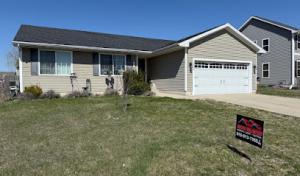
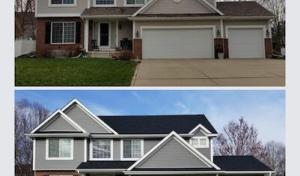
A full re-roof in Ankeny typically requires a permit issued by the City of Ankeny Building Department after plan review. This means your contractor should submit framing and roofing plans for a quick evaluation before any tear-off begins. The permit ensures that the project follows the local building code specifics for venting, underlayment, and flashing in a way that stands up to central Iowa weather.
Compliance during the process is not a single, final visit. Inspections are generally scheduled after tear-off and again after completion. Plan for two key checkpoints rather than a single finish line. Scheduling early with the Building Department helps avoid delays caused by storms, permit holdbacks, or missing documentation. If a problem is found at either stage, the contractor will need to correct it and re-pass the inspection to move forward.
During the initial permit review, the focus is on the roof system's underlayment, ventilation strategy, and proper nailing patterns for the chosen material. Ankeny's inspectors look closely at how the ventilation ties into attic space and soffit soffice intake, aiming to prevent moisture buildup across freeze-thaw cycles. Flashing details around chimneys, walls, and vent pipes must align with code requirements to resist wind-driven rain during spring storms.
The second inspection after completion concentrates on the finished installation. The inspector validates that flashing is continuous and sealed, drip edge is installed correctly, and penetrations are properly flashed. Nailing through the decking must meet spacing and fastener type standards for the roof material selected. Don't overlook clean, debris-free gutters and proper kick-out flashing at reduction points, which also factor into approval.
A practical tip: maintain open lines with the Building Department and your contractor. If the city requests plan adjustments, address them promptly to minimize project delays and keep the re-roof on a steady timeline through Ankeny's permit cycles and weather-driven claim windows.
In this climate, freeze-thaw cycling quietly wears at flashing transitions and roof ventilation details. Ice and thaw events can push flashing up out of place or create micro-leaks where shingles meet penetrations. Over time, those small failures turn into noticeable drips or attic condensation problems. If you've had repeated pauses in attic ventilation or uneven roof planes, inspections will show how much the cycle has stressed seals and fasteners. Addressing these issues early helps prevent larger rot or interior damage.
Summer thunderstorm winds in Ankeny can unleash gusts that strip away edge protection, especially on roofs with exposed rake boards or compromised underlayment. Shingles may lift or crack at the edges, creating pathways for water to intrude during the next rain. The telltale signs are curling corners, brittle transitions near the gutters, and loose fasteners along the perimeter. Weak fastening patterns aren't always obvious until a strong wind event has already tested them, so edge integrity deserves a proactive check.
Because inspections verify ventilation and flashing, those are not just performance issues but recurring compliance checkpoints during replacement. Poor attic ventilation can trap heat and moisture, accelerating shingle aging and deck deterioration, while compromised flashing invites slow leaks behind the fascia. When a roof is opened for replacement, ensure both proper venting and secure flashing are reestablished. Skipping this duo can shorten the new roof's life and invite repeated repair cycles after the next storm.
Look for patchwork repairs around vents, chimneys, and skylights that hint at past leaks and hurried fixes. In Ankeny, freeze-thaw cycles and storm season pressures mean those patches are stress points. If water stains appear in the attic or dark streaks travel along rafter bays, treat them as urgent signals. A proactive assessment can reveal corrosion on metal step flashings or degraded sealant, both of which invite cascading damage if left unchecked.
After spring hail or summer thunderstorm events, emergency tarping demand can rise quickly across the city. A leaking roof during a storm can spread water to attic spaces, ceilings, and electrical outlets in hours, turning a local repair into a larger claim or structural concern. The urgency is real: damaged roofs may face additional rain before adjusters, inspectors, or installers can get on site.
The first priority is to keep water out of the living space. Place buckets under active drips and move valuables away from affected areas. If you can safely access the attic, pare down accumulated moisture and cover visibly damaged areas with a tarp or heavy-duty plastic, securing edges to prevent wind lift. Do not climb onto a roof during or immediately after a storm if shingles are loose or slick; call a local roofer for a temporary stabilization plan right away.
Temporary stabilization is especially important when storm damage happens outside the late spring to early summer replacement window preferred in this market. Waiting for solid summer conditions can risk additional interior water intrusion and hidden deck or soffit rot. A rapid tarp and wind-secure cover can buy essential time until assessments, paperwork, and scheduling align with the longer-term repair or replacement plan.
If roof sagging, exposed decking, or fallen granules are present, contact a local roofing contractor immediately for on-site stabilization and an assessment. In Ankeny, timely contractor coordination helps minimize interior damage and keeps the project on track as weather patterns shift.
When you can't wait, these contractors offer fast response times to stop leaks and prevent further damage.
DeWild Construction Company
(515) 556-1360 www.dewildconstructioncompany.com
Serving
4.9 from 99 reviews