
Last updated: Apr 19, 2026
In this market, adjuster inspections after storms are a routine part of roofing decisions, and West Des Moines homeowners should expect and prepare for a claims-driven process as soon as severe weather passes. After a hail or high-wind event, insurers commonly dispatch adjusters to verify damage, estimate replacements, and determine eligibility for full roof replacement versus repairs. The key is to start with solid documentation and be ready for an on-site assessment that may come on a tight timeline.
Spring storm activity reliably disrupts schedules across the Des Moines metro, and that pattern hits roofing projects especially hard. Hail spikes and wind gusts drive contractor demand to the breaking point, creating peak periods where delays are possible and communications can feel rushed. Your plan should factor in potential weather windows, prioritized communications with your contractor, and a readiness to respond quickly to an adjuster's request for information, photos, or rapid on-site visits.
Insurers in this market typically expect thorough documentation and pre-loss photos, which matters because many roofs here are evaluated for replacement eligibility after a single major storm event. Gather high-resolution, date-stamped photos of the entire roof, attic, and interior areas affected by leaks or hail marks. An organized photo log, showing the roof edge, ridge lines, chimney penetrations, vents, and any shingle hail impact marks, helps support a replacement case. Store these images securely so they're ready to share with your insurer and your contractor during the claims process.
Choose a local contractor who understands the region's typical shingle profiles, storm response expectations, and permit timing. When the adjuster arrives, have the contractor present or ready to accompany them to discuss findings and reasonable restoration scope. Clear, accountable communication matters: confirm what the adjuster considers eligible for replacement, what constitutes a valid repair, and whether secondary damage (like decking or fascia) will be addressed under the same claim. In this climate, a well-documented, paired assessment from both the insurer and the contractor reduces the risk of gaps or misinterpretations that can stall work.
Time your project with the spring weather window, understanding that rapid action after a claim can prevent further interior damage and limit temporary leak exposure. If a hail event occurs, secure temporary protections to reduce exposure to moisture before the adjuster visit, and coordinate with your contractor to align on a preferred replacement method if the claim supports it. The goal is to move from assessment to approved scope quickly, keeping the project on track through the busy spring and early summer season.
Late spring and fall are the preferred replacement windows because they more often provide the dry, moderate conditions needed for tear-off and installation. In this area, spring months can bring sudden hail and gusty wind days, so planning for a window of clear weather helps crews stay on track and avoid delays. If you can target late spring or late fall for a full re-roof, you're setting up for fewer weather interruptions and a steadier work pace.
Wet springs and early summers in central Iowa can delay roofing starts and create muddy site conditions around suburban homes. Hail damage often accompanies spring storms, and wind-driven debris can complicate roof removal and material staging. If a storm hits, assess the roof carefully after it's safe; look for lifting shingles, dented or crushed ridge caps, and any granule loss in gutters and downspouts. Wet ground complicates crane or trailer access and can muddy driveways, so plan for additional time and equipment protection to keep landscaping and drive surfaces clean.
Late-fall and winter freeze-thaw cycles in the Des Moines area can limit outdoor roofing work and expose underlying deck or substrate problems during tear-off. If a tear-off reveals damaged decking, it's wise to address those issues before new material goes on. In homes with older plywood orOSB, a partial deck repair may be needed to ensure a solid, long-lasting install. Expect colder mornings to feel more rigid underlayment and shingle installation bond, which can slow progress by a day or two when temperatures dip.
When you're lining up crews, build in contingencies for weather swings common to this region. Storm fronts can stall progress for a weekend and then clear up, squeezing a typical replacement into a tighter weekday window. Crew teams in this market tend to work efficiently when the forecast shows a solid stretch of dry days, but planning with a buffer reduces the risk of a rushed finish as temperatures drop. Consider nearby parking and access routes for trucks and material staging to minimize mud tracking into yards and driveways.
With spring rains and spring hail, drainage around the home becomes crucial. Ensure downspouts and gutters are clean and secure before tear-off begins, so water flow isn't impeded once new shingles are in place. Protect landscaped beds and foundation plants with temporary edging and ground cloth so rushing tarps don't snag on branches or shrubs. A tidy, capped work zone helps avoid additional site cleanup after a storm passes through.
After a hail or wind event, a careful roof inspection is essential. Look for bruising on sheathing and visible shingle damage from the ground or via safe attic inspection. If you notice loose granules in the gutters, missing shingle tabs, or curling edges, schedule a professional assessment promptly to determine if a claim or repair is warranted. Early detection can prevent secondary damage from hidden leaks during spring rain.
Mighty Dog Roofing of Greater Des Moines
(515) 454-2839 www.mightydogroofing.com
815 Office Park Rd Suite 1, West Des Moines, Iowa
5.0 from 107 reviews
Mighty Dog Roofing specializes in roofing, siding, windows and gutter services for residential and commercial properties in Des Moines, IA. Leaky roof? Our roof contractors will provide a free roof inspection to determine if there is any roof storm damage to file a roof insurance claim or if a new roof is needed. We’ll determine if a roof repair or roof replacement is best for you. Need new siding? We offer quality vinyl siding, aluminum siding, steel siding and fiber cement siding such as James Hardie. Need window repairs or replacement windows? A window company that can provide custom replacement windows. Clogged gutters? Our gutter contractors install 5” and 6” seamless gutters. Keep the leaves out with gutter guards!
Advanced Roofing & Exteriors
(515) 890-0029 advancedroofingusa.com
6915 Vista Dr, West Des Moines, Iowa
5.0 from 145 reviews
A locally-owned and -operated company putting quality first in all that we do.

Wegner Roofing & Solar
(515) 985-5454 wegnerroofing.com
1301 50th St, West Des Moines, Iowa
4.9 from 277 reviews
Wegner Roofing & Solar proudly provides expert residential and commercial roofing, solar, siding, and gutter solutions in West Des Moines, Iowa. Our experienced team specializes in roof repairs, inspections, new installations, and insurance-related roofing services for homes and businesses. We also offer energy-efficient residential and commercial solar installations, including detach and reset services, to help reduce energy costs and carbon footprints. Our siding services include installations and repairs, ensuring durable protection and enhanced curb appeal. Additionally, we provide high-quality residential and commercial gutter installations to safeguard your property. Contact Wegner Roofing & Solar in West Des Moines today!

Waddle Exteriors & Roofing
(515) 575-2378 www.waddleexteriors.com
1501 42nd St Suite 420, West Des Moines, Iowa
4.8 from 513 reviews
Waddle Exteriors & Roofing, based in Des Moines, IA, is a distinguished roofing contractor dedicated to exceptional roofing solutions. Our experienced team specializes in roof repairs, replacements, maintenance, and inspections. We use high-quality materials and the latest techniques to ensure your roof is durable, weather-resistant, and visually appealing. Whether recovering from storm damage or upgrading your home’s exterior, Waddle Exteriors & Roofing offers personalized service and outstanding craftsmanship. Trust us to protect your home and boost its value with reliable, efficient, and cost-effective roofing services.
Genesis Roofing
(515) 375-0089 www.genesisroofingiowa.com
West Des Moines, Iowa
4.9 from 60 reviews
We are a fully insured company rated A+ by the Better Business Bureau. Our roofing company is GAF certified and backed by Haag certification, which means we’re industry pros trained to find damage even when it’s not obvious, then repair the problem with confidence and expertise. In addition to our award-winning roofing services, we pride ourselves on personable customer service. The owner of the company, Bryan Collins, is present on every project site to ensure our clients feel supported every step of the way during their roof restoration process. Additionally, we offer up to a 50-year warranty on roofing materials, work and a lifetime w...
Timeproofusa
(515) 316-1948 www.timeproofusa.com
2929 Westown Pkwy #110, West Des Moines, Iowa
5.0 from 25 reviews
TIMEPROOFUSA is a trusted residential and home builder roofing company. We deliver expert roof installations, repairs, and replacements using quality materials and craftsmanship you can rely on.

McCoy Roofing
(515) 608-6439 mccoyroofing.com
5550 Wild Rose Ln #400, West Des Moines, Iowa
4.9 from 36 reviews
"McCoy Roofing Des Moines is a full service roofing contractor specializing in roof repair, roof leak repair, emergency roof repair, and roof replacement services. We serve the greater Des Moines, Iowa area with crews available to respond fast to every call. McCoy Roofers are certified and specially trained for all your contracting needs. We provide free estimates to assess roof damage after storms, hail, tornado and fires. We are certified with Associated Builders and Contractors, DaVinci Roofscapes, BBB, and we are Master Elite residential roofing contractors with GAF. Only 2% of GAF roofing contractors earn the Master Elite certification. Our team of Des Moines Roofers are able to handle all residential and commercial roofing needs.
Capital Roofing & Exteriors
(515) 805-8332 wearecapitalexteriors.com
160 S 68th St Suite 1206, West Des Moines, Iowa
5.0 from 23 reviews
A family/ veteran owned roofing and siding contractor dedicated to simplifying the care of your home with new roof installation, roof repair, and other maintenance services. We use only the highest quality materials and industry-leading techniques to ensure that your roofing system is durable, reliable, and long-lasting.
Wolf Roofing
(515) 225-8866 www.wolfroofing.net
2202 Wolf Way, West Des Moines, Iowa
4.6 from 70 reviews
Wolf Roofing is Des Moines’ go-to roofing contractor, trusted for residential and commercial roofing for over 30 years. We specialize in roof replacement, roof repair from age or storm damage, and new roof installation using only high-quality materials built to last. Most roofs are completed in just one day with expert craftsmanship and dependable service. We provide free inspections, free estimates, clear communication, and reliable cleanup on every job. From small repairs to full replacements, Wolf Roofing makes the process simple and stress-free. 👉 Call today for your free roof inspection and estimate!
Koopman Roofing - West Des Moines
(515) 666-1017 hopkinsroofing.com
4800 Mills Civic Pkwy #204, West Des Moines, Iowa
5.0 from 17 reviews
We get it – new roofs aren’t a thrilling update you get to make to your home or business. But they’re essential to keeping you safe and sheltered from any weather. That’s why we’re committed to keeping the roofing process as stress-free and straightforward as possible, so you can get back to thinking about what matters most to you. Since we opened for business in 1959, we’ve completed over 15 million square feet of roofing, so we know a thing or two about what it takes to install a roof that lasts. Call Hopkins Roofing to schedule your inspection, and get the peace of mind you deserve.

Everest Exteriors
(844) 463-8373 www.everestexteriors.com
5500 Wild Rose Ln Suite # 400, West Des Moines, Iowa
4.6 from 11 reviews
Our team at Everest Exteriors is a locally owned company guided by the professionalism of a 2nd generation entrepreneur. We have the benefit of having over 15 years of roofing and general contracting experience. The Everest group has worked alongside some of the largest restoration groups in the country on both small and large-scale roofing projects. We separate ourselves from our competition by ensuring that we hire only experienced, educated and professional staff that will go the extra mile to answer any questions you might have for your roofing or exterior needs. This process goes hand in hand with our company motto "people over profit." Our dedicated team with Midwestern values looks forward to exceeding our customers' expectations.
Bengard Roofing
(515) 777-4922 www.bengardroofing.com
Serving
5.0 from 35 reviews
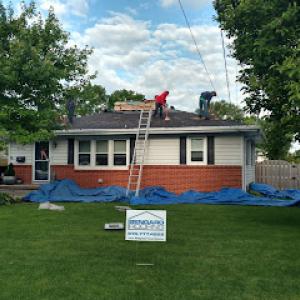
Roofing contractor serving Norwalk and surrounding areas.
When budgeting a roof in this market, rely on the concrete ranges: asphalt shingles from 350 to 800 USD per square, metal from 700 to 1200, clay tile from 1000 to 1800, concrete tile from 900 to 1500, wood shingles or shakes from 600 to 1000, and slate from 1200 to 2000 per square. These figures reflect the mix of newer suburban homes with larger, upscale properties that characterize the area, where roof size, complexity, and steeper profiles can push labor and material costs upward. In practice, a typical asphalt roof on a mid-sized home lands near the lower end of that asphalt band, while a larger or more intricate roof often lands toward the higher end or beyond, depending on debris removal, accessory ventilation, and underlayment choices.
Spring hail and wind claims drive a noticeable spike in demand after major events. When a big hail year hits, crews in the Des Moines metro can be booked tight for weeks, and that tightness translates into longer waits and potential price upticks for full replacements. If you're facing roof work during these periods, expect a more compressed window for inspections and scheduling, and plan for a contingency in your budget for possible faster material lead times or temporary protective measures while awaiting crews.
West Des Moines features a spectrum from compact ranches to sprawling two-story homes with complex ridge lines and steep pitches. Larger, more complex roofs raise tear-off and installation labor, even if the material itself sits in a mid-range band. Steeper profiles demand additional safety equipment and longer crane or ladder setups, which adds to the bottom line. If a home includes features like multiple valleys, dormers, or a mix of roof planes, anticipate premiums that push costs toward the upper portion of the local ranges.
To avoid big surprises, gather at least three written bids after a comprehensive inspection, with clear scope: deck-to-soffit ventilation, underlayment type, drip edge, and flashing details. Storm years can skew pricing, so ask each contractor to itemize labor surcharges tied to anticipated scheduling bottlenecks and material lead times. For larger or upscale homes, request a staged plan that outlines tear-off sequencing and temporary protection steps, ensuring the project stays on track even if a hail spike follows quickly.
Don't let upfront costs delay a critical repair - these contractors offer payment plans to fit your budget.

Wegner Roofing & Solar
(515) 985-5454 wegnerroofing.com
1301 50th St, West Des Moines, Iowa
4.9 from 277 reviews
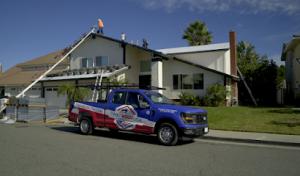
Timeproofusa
(515) 316-1948 www.timeproofusa.com
2929 Westown Pkwy #110, West Des Moines, Iowa
5.0 from 25 reviews
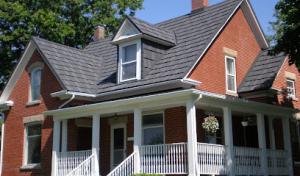
Asphalt shingles are a dominant local choice because they fit the broad suburban housing stock in West Des Moines and are commonly replaced after hail and wind events. In this market, you'll see a wide range of aesthetics-from muted earth tones to brighter accents-that blend with established neighborhoods and newer developments alike. When selecting asphalt, consider a shingle with good impact resistance and a robust nailing zone to weather spring hail a bit more reliably. Local homes often experience freeze-thaw cycles that stress the edges of shingles, so a high-quality sealant and proper attic ventilation help prevent delamination and premature granule loss. The ease of maintenance and the availability of matching colors make asphalt a practical, readily serviceable option for typical West Des Moines elevations and rooflines.
Metal roofing has a meaningful presence in this market and appeals to homeowners looking for better performance against repeated Iowa weather exposure. In the western suburbs, metal stands up well to wind-driven hail and seasonal temperature swings, and it often carries a longer service life with lower maintenance needs. If choosing metal, pay attention to panel design and fastener details that minimize the chance of leaks around edges, transitions, and penetrations. A properly installed metal roof also dictates careful attic planning and flashing to handle the freeze-thaw dynamics and potential ice dam scenarios common in this region. Color and texture choices can closely mimic other materials while delivering the advantages of metal performance, so coordinate with existing exterior finishes for cohesive curb appeal.
Tile, wood shake, and slate exist in the market but are less common and require attention to weight, specialized detailing, and repair matching on higher-end homes in the western suburbs. Clay and concrete tiles bring distinctive profiles and excellent longevity, but their heavier weight demands structural consideration and solid roof framing. Wood shakes offer a rustic, natural look but can be more vulnerable to moisture and insect exposure if not properly maintained, which means periodic treatment and careful flashing around chimneys and vents. Slate provides a premium, durable option but requires precise installation and a compatible substrate. For homes where these materials appear, expect targeted attention to roof penetrations, valleys, and transitions, and plan for matching repair materials to preserve visual continuity after storm damage.
In West Des Moines, spring hail and wind events shape material performance. The local climate emphasizes the value of choosing a roof system with a proven balance of impact resistance, wind uplift tolerance, and ease of repair. Regardless of material, attention to edge detailing, proper substrate preparation, and compatible underlayment reduces the likelihood of warranty disputes after a severe storm. When commissioning a replacement, verify that the selected material aligns with the house's weight capacity, existing roof geometry, and typical design language of the neighborhood to maintain both function and curb appeal.
The most popular roofing material in the US. Find pros who install, repair, and replace asphalt shingles.
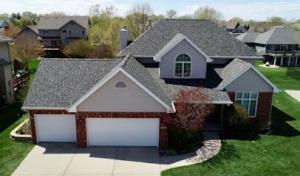
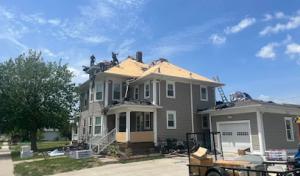
A building permit is typically required in West Des Moines for a full residential re-roof. This is not a hurdle you want to skip, especially when spring hail and wind events have battered neighborhoods and insurance claims are active. The permit process helps ensure the project meets local safety and performance standards, and it creates a record that can smooth future inspections and any warranty questions after the job is done.
The City of West Des Moines Building Division handles permit issuance, and standard residential re-roof plan review is usually straightforward when basic project details are provided. Have a clear scope ready-roof type chosen, square footage to be covered, underlayment, attic ventilation plan, and any venting changes. If the plan is simple and aligns with typical residential construction, review tends to be quick. If there are nonstandard features-tile or metal overlays, unusual roof pitches, or venting alterations-build the supporting details and manufacturer specifications to avoid delays.
City inspections may occur during and after completion to verify underlayment, flashing, venting, and overall installation compliance. Expect inspectors to look at how underlayment is installed, the integrity of drip edge and coping along edges, roof-to-wall flashing transitions, and the adequacy of attic ventilation to prevent moisture buildup. Inspections can catch small mistakes that lead to bigger problems later, especially after a harsh spring with hail and high winds. Prepare for potential follow-up inspections if any adjustments are needed to satisfy code or manufacturer requirements.
To keep the process smooth, start with a pre-inspection mindset: gather all relevant product data sheets, wind uplift ratings, and installation guidelines from the shingle or metal manufacturer, and have them on hand for the permit review. Ensure your contractor's roof plan clearly shows intersections with chimneys, vents, and skylights, plus details on eave edge protection and flashing at wall penetrations. If a storm-damaged roof is involved, document existing conditions with photos and notes so the plan outlines a repair that meets code and stands up to future hail cycles and wind-driven rain. This proactive approach helps avoid permit hiccups and weather-related delays on the job.
West Des Moines sits in an Iowa insurance environment with notable hail and wind losses, so roofing decisions are often tied directly to claim timing and deductible structure. The way a policy is written can push a repair toward a patch, a full replacement, or something in between, depending on whether the carrier views the damage as minor wear or storm-driven. Understanding how your deductible sits in relation to a potential payout helps prevent surprises when a claim is opened or denied.
Coverage availability is generally stable, but local rate changes and policy deductibles can materially affect whether homeowners repair, patch, or fully replace a roof. In practice, a higher deductible or a shift in coverage limits after a storm season can prompt more conservative repairs or influence the decision to pursue a full replacement. Decisions driven by insurance specifics should be weighed against the expected life of the existing roof and the house's overall resilience to future hail events.
Because adjusters commonly inspect roofs after storms in this region, homeowners in West Des Moines benefit from keeping date-stamped photos and written records before and after severe weather. Detailed images showing hail impact, granule loss, and loose flashing provide a clearer baseline for insurers. A simple, consistent record helps avoid disputes over preexisting conditions and supports a more accurate assessment of storm-related damage.
When a hail event occurs, coordinate with a roofing pro who understands local adjuster practices and how deductibles interact with coverage. Prompt, accurate documentation combined with honest, shop-vended assessments reduces the chance of being steered toward unnecessary repairs. If a claim is opened, expect a careful walkthrough; staying organized with receipts and notes minimizes back-and-forth and helps you reach a decision that fits both the roof's condition and the policy framework.
In central Iowa, repeated freeze-thaw cycles stress roof penetrations more than a single thaw would. Over time, flashing around chimneys, vents, skylights, and roof edges can separate, allowing moisture to creep under tiles or shingles. When that moisture freezes again, it expands, widening gaps and accelerating sealant failure. For a typical suburban roof with multiple penetrations, this means small leaks can become noticeable attic moisture or staining after corridor winds and rapid spring temperature swings. The key observation for homeowners is to inspect flashing seams and step-flashings where walls meet the roof plane, especially after the first warm-up in late winter. If a thin metal flange shows staining, corrosion, or looseFasteners, or if interior ceilings near penetrations drip after a thaw, those areas deserve immediate attention. Regularly check sealants at vent collars and at the base of any chimney; degraded sealants are common failure points in this climate.
Spring storms in the Des Moines metro bring gusts that lift edges and stress the vulnerable zones on aging roofs. Edge shingles can peel back, tabs can lift, and the ridge cap may loft during high-wall wind events. A common pattern in older homes is wind-induced edge failure that progresses inward along a roof plane. Locally, attention to overhangs, gutter line connections, and roof-to-wall transitions helps prevent larger damage after hail or microbursts. If raised tabs or cracked adhesive lines are visible, a closer inspection is warranted. Remember that even a well-sealed-looking surface can harbor hidden damage where the wind forces have stripped granules and created micro-tears in the shingle exposure.
The city's climate underscores water management details more than cosmetic shingle appearance. Inspect underlayment condition where accessible, especially in valleys and along eaves. Damaged or saturated underlayment can fail silently until a heavy rain reveals it. Flashing around roof penetrations should be checked for corrosion, lifting, or buckling; deteriorated flashing is a primary conduit for moisture intrusion here. Venting also matters: insufficient attic ventilation concentrates heat and moisture, accelerating shingle aging and deck rot. In practice, identify any staining, musty odors, or frost in the attic after storms, then trace it to a potential vent or flashing deficiency. Prioritize repairs that restore a continuous water barrier and proper airflow.
Find contractors experienced in skylight installation, flashing, and leak repairs to bring natural light into your home.
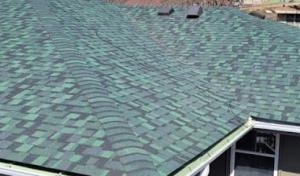
Although West Des Moines is primarily a pitched-roof residential market, some homes include low-slope sections over additions, porches, or attached areas that need different materials and detailing. These zones can disguise issues until a storm or the next freeze-thaw cycle reveals them. Expect mixed-slope systems to demand careful attention to transitions where the flat or gently pitched portions meet steeper sections.
Wet spring conditions in the Des Moines area make drainage performance especially important on low-slope sections where water can linger longer than on steep roofs. Ensure the primary deck and underlayment are compatible with the slope, and verify that edge drains, scuppers, or internal downspouts are sized for the combined roof area. During inspections after storms, look for evidence of ponding, granule loss from adjacent steeper areas, and any debris impeding runoff.
These sections often need closer attention during city inspection because underlayment transitions, flashing, and venting details are critical on mixed-slope roof systems. Focus on where the low-slope area ties into the main roof: confirm a continuous, weather-tight seal at transitions, ensure step-back flashing sits properly behind exterior walls, and verify that penetrations (vents, pipes, chimneys) are flashed to the correct slope compatibility. Ventilation must be adequate without creating cold spots that invite condensation.
Proactive maintenance pays off: keep low-slope zones clear of debris, monitor for micro-ponding after heavy rains, and inspect sealants around penetrations seasonally. If any section shows rust, corrosion, or rust-red staining on metal components, address it promptly to prevent slow leaks from extending into insulation. In mixed systems, plan routine checks after winter and before the heavy spring storm surge.
Find specialists in TPO, EPDM, and built-up flat roofing systems for residential and commercial properties.
Koopman Roofing - West Des Moines
(515) 666-1017 hopkinsroofing.com
4800 Mills Civic Pkwy #204, West Des Moines, Iowa
5.0 from 17 reviews

Des Moines Area Roofing Siding + Solar
(515) 360-7480 desmoinesarearoofing.com
Serving
4.8 from 138 reviews
In a storm-active market like this, you'll hear a lot about material warranties, but the true test comes after a severe weather season. The workmanship warranty protects you if flashing fails, vents leak, or installation details loosen or misalign under wind and hail pressure. Look for a policy that covers workmanship for the life of the roof, and verify what triggers coverage and how long it lasts. In practice, this means confirming that the contractor will address the root cause of a leak or failure, not just the symptom.
Because many local projects are insurance-related re-roofs, it's essential to separate manufacturer material coverage from contractor responsibility. Material warranties usually sit with the shingle or panel manufacturer and can transfer to new owners if you sell the home. Contractor warranties, by contrast, should specifically specify who handles flashing around chimneys, attic vents, dormers, step-flashing at corners, and drip edge installation. Ensure the contract spells out who repairs or replaces defective installation details and what methods restore the roof's weatherproofing after a claim.
The local market includes contractors promoting warranty-backed work, which matters more in a city where repeated hail and wind events test installation quality. When evaluating bids, ask for examples of warranty-guarded projects recently completed in similar housing stock and weather conditions. Request written assurances that your project will receive proper sealing around vent pipes, accurate chalking and lapping of shingles, and a complete ice and water shield plan where required by the roof's geometry. If a claim is filed, you want a contractor who will back up their workmanship without delay and who communicates clearly about what the warranty will and will not cover.
After a severe weather event, inspections can reveal corrosion, lifted edges, or compromised underlayment that isn't immediately visible. Ensure the contractor's warranty process includes prompt response times, a defined scope of repair, and a timeline for completing fixes. A reputable local crew will document conditions with photos, provide a written checklist for remediation, and stand by the workmanship during the critical first seasons after a claim.